Fischbacher 1819 and Marcel Wanders: hemp, supply chains and textile processes
Fischbacher 1819 experiments with jacquard, clip cord and embroidery: testing density, yarn counts and weave repeats in hemp-based textile design
Fischbacher 1819: the hemp supply chain and textile processes
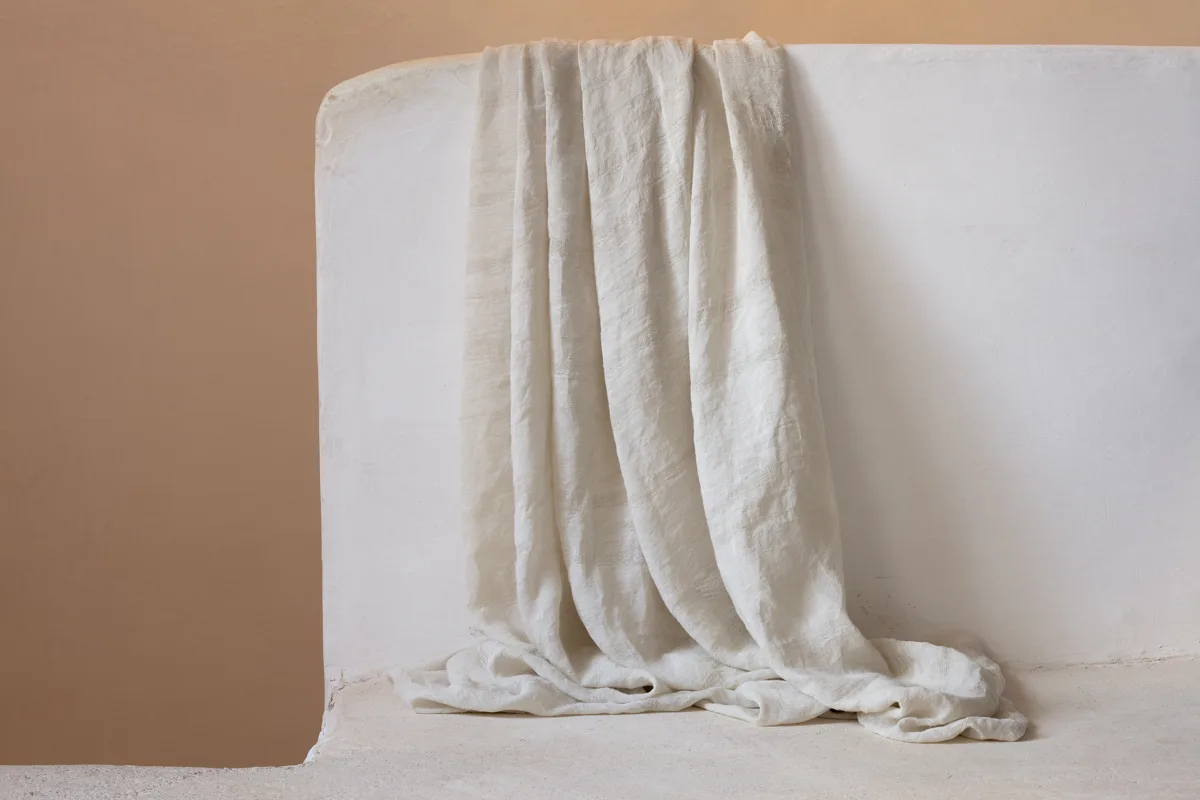
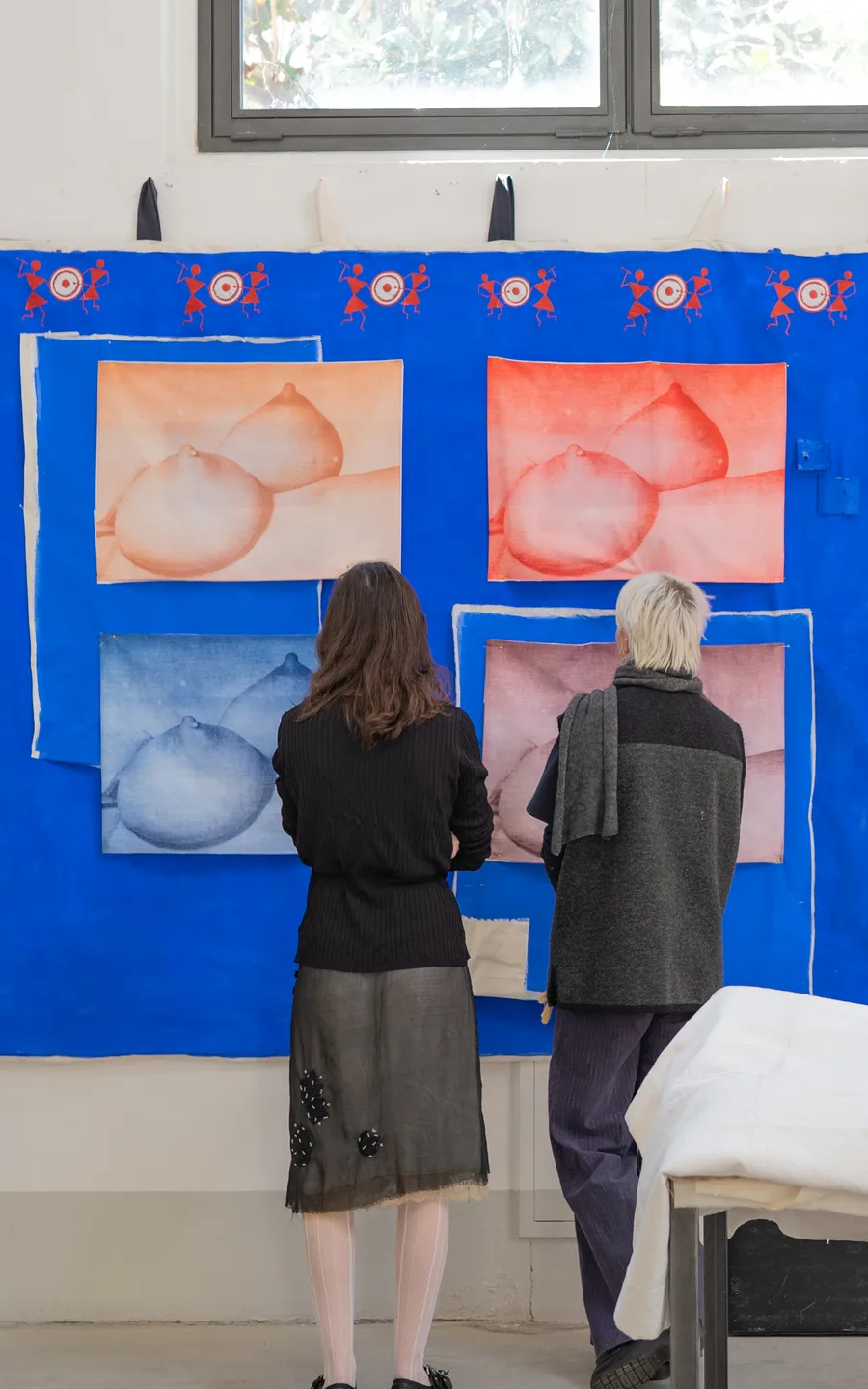
Ancient Memories is a textile collection presented by Fischbacher 1819, the Swiss textile company based in St. Gallen and active in furnishing fabrics; the project involves Marcel Wanders, Caterina Roppo and creative director Camilla D. Fischbacher. The collection uses hemp as its primary fiber. The creative direction establishes an operating framework based on weaving trials and image archives. The references include ancient ceramics and architectural geometries, filtered through contemporary processes.
Camilla D. Fischbacher summarizes: «Every technical decision aims for consistency between design and material performance. We selected jacquard, clip cord and embroidery based on tests of density, yarn counts and stability, and assessed current applications of hemp without altering its basic parameters. The process was collaborative, with a continuous exchange of sketches, samples and technical references».
Hemp: raw material and applications
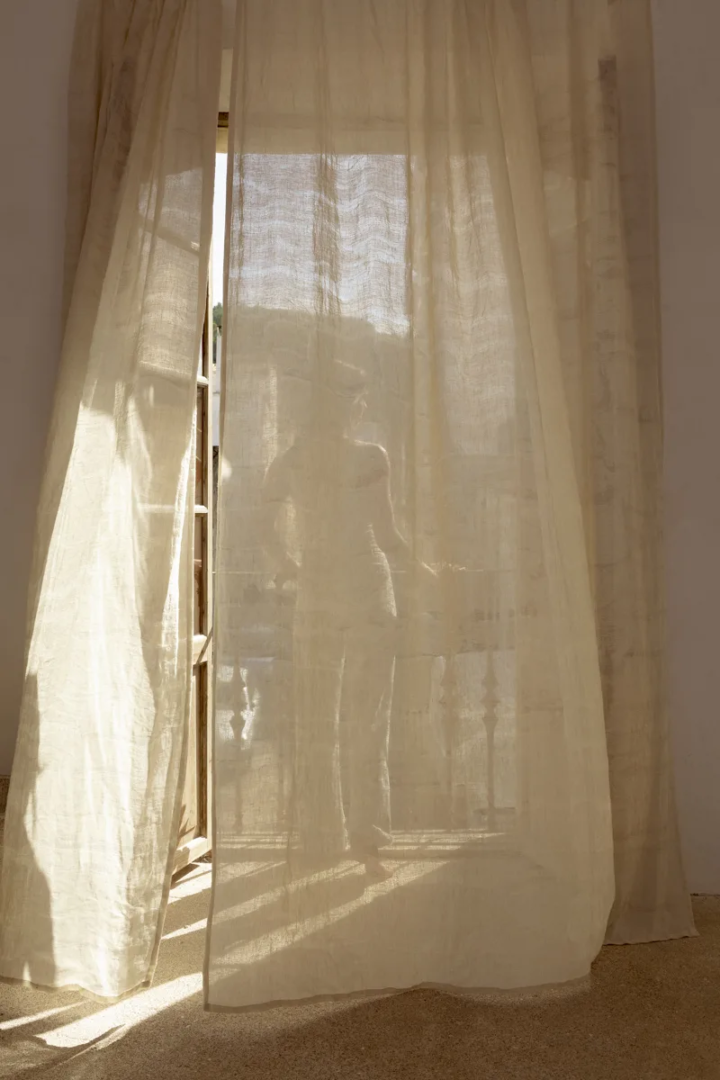
The collection uses hemp in different yarn counts. Applications include curtains, upholstery and technical uses. Selection is based on tensile strength, dimensional stability and weaving performance. Fischbacher summarizes: «The irregularities of the fiber define its surface and behavior during processing». «The assessments concerned drape and response during weaving».
Hemp remains a niche in terms of volume. Its global share is around 0.3 percent of fibers. Global production in 2023 was around 0.2 million tonnes. In the European Union, cultivated hectares and production have grown over the past decade. In the United States, the fiber and grain sector has returned to growth after the contraction of floral/CBD hemp. Cottonization and spinning lines operate in China, alongside wet-spinning lines for long fiber.
Europe and the United States: hectares and production
Between 2015 and 2022, according to the European Commission’s Agriculture and Rural Development data, the area cultivated with hemp rose from 20,540 to 30,020 hectares. Over the same period, production increased from 97,130 to 179,000 tonnes. France accounts for more than sixty percent of the European total; Germany around seventeen percent; the Netherlands around five percent. The figures confirm orderly growth in the agricultural supply chain and primary processing.
The National Hemp Report 2025, covering the 2024 crop, indicates an increase in the total value of hemp production in the United States. Field-grown fiber reached 60.4 million pounds, approximately 23 percent more than in 2023. Harvested acreage for fiber totaled 18,855 acres, an increase of close to 56 percent. The report records the recovery of the fiber/grain sector after the floral/CBD bubble.
China: industrial capacity and spinning technologies
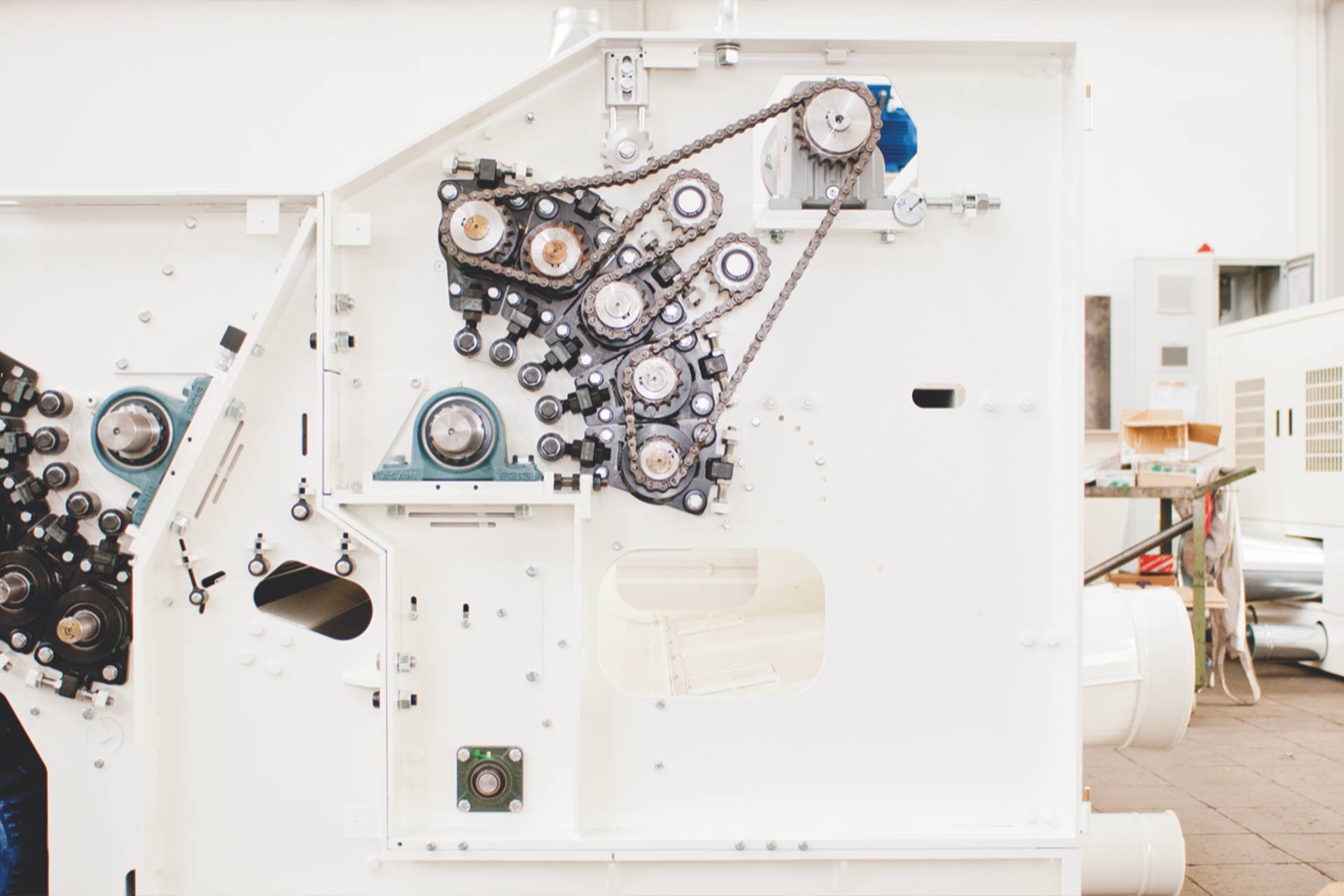
Chinese manufacturing has cottonization and spinning lines concentrated in Heilongjiang and Yunnan. Companies process blends with cotton and lyocell using three main technologies: ring, rotor and air-jet spinning. Ring spinning produces greater twist and is selected when higher tenacity is required. Rotor, or open-end, spinning creates twist in a rotating chamber using carded sliver and prioritizes regularity and cost. Air-jet spinning, also known as vortex spinning, compacts yarn with jets of air and reduces hairiness and pilling in knitwear. Wet spinning remains in use for long fiber when agronomic quality and mechanical processing produce a top suitable for this method.
Declared supply chain and traceability
Fischbacher 1819 states that it uses European supply chains for spinning, weaving and finishing. Camilla D. Fischbacher says: «The fabrics are processed in Europe». She adds: «The objective is to trace the raw material from field to weaving». «Even though seventy percent of hemp is grown in China, our textile stages take place in Europe».
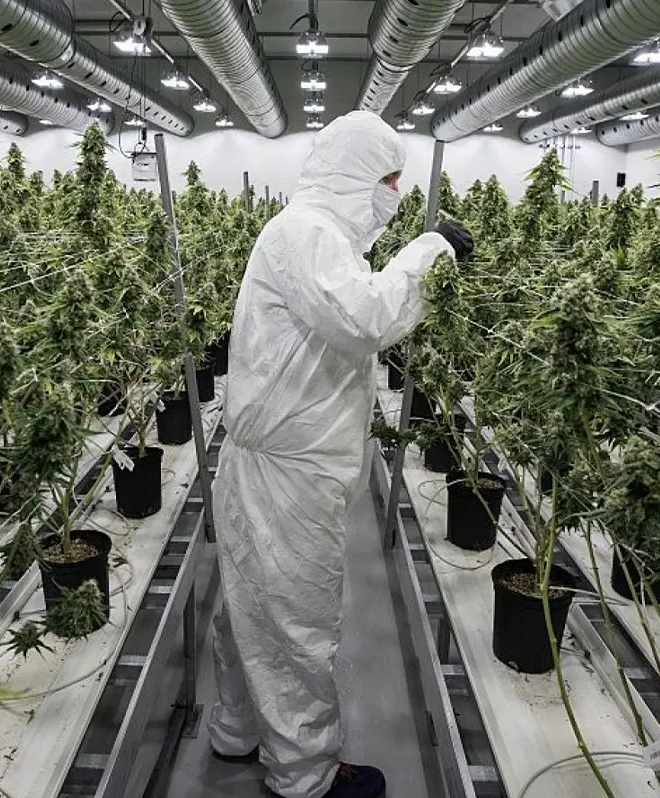
Traceability requires a complete chain of custody from field to label. Each stage must generate verifiable data. In the field, variety and seed lot identify origin; plot coordinates and THC documentation certify legal compliance. For retting, the method used and its duration explain differences in quality; bale moisture and harvest date support controls.
For primary processing, decortication and yields of fiber, hemp shives and dust establish the mass balance. For cottonization, process parameters, consumption and recovery rates indicate efficiency and allow comparisons between batches. For yarn and fabric, spinning method, yarn count and blend clarify composition; quality tests – Uster, tenacity, pilling and rubbing fastness – certify suitability.
For wet chemistry, recipes and references to MRSL lists document permitted substances. For energy and water, consumption at each stage helps assess process impacts. Finally, certifications and chain-of-custody attestations prove material identity throughout the stages. The availability of these data enables cross-checking against technical data sheets and laboratory reports and reduces the risk of labeling errors.
Digital Product Passport (DPP)
The European Ecodesign for Sustainable Products Regulation introduces the Digital Product Passport; it has been in force since July 18, 2024, with full application to be implemented through delegated acts for product families according to the 2025–2030 program. The passport associates each item with a readable unique identifier. The dataset includes fiber origin, processes, chemistry, repairability and compliance documents. Authorities and operators see different portions of the dataset. Implementation proceeds by product family through delegated acts. Textile companies can begin preparing data immediately: lots, chain of custody, tests and approved claims.
Fiber compositions and weaving techniques
The Fischbacher 1819 collection includes articles made from one hundred percent hemp. Other articles use blends with jute, cotton or viscose. Camilla D. Fischbacher specifies: «Jute increases strength and stability; cotton adjusts the hand; viscose evens out the surface». Viscose, however, is not a natural fiber; it remains synthetic-based – Editor’s note. «The combinations modulate drape, density and abrasion response». The combinations cover a range of finishes and different weights.
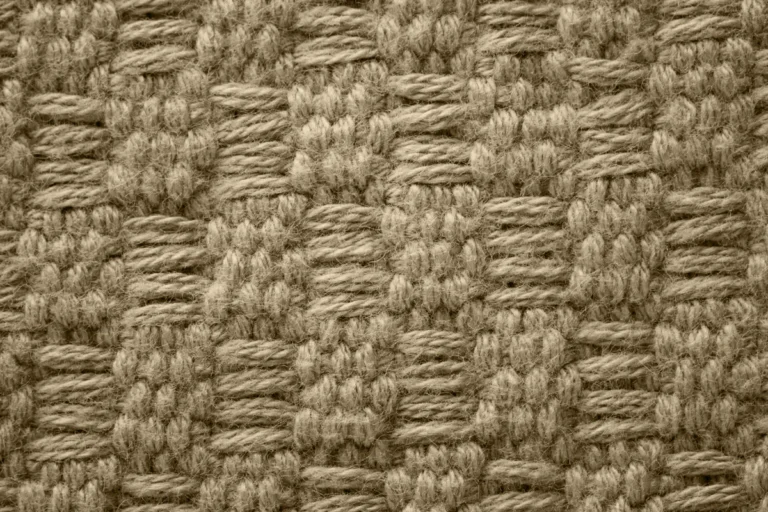
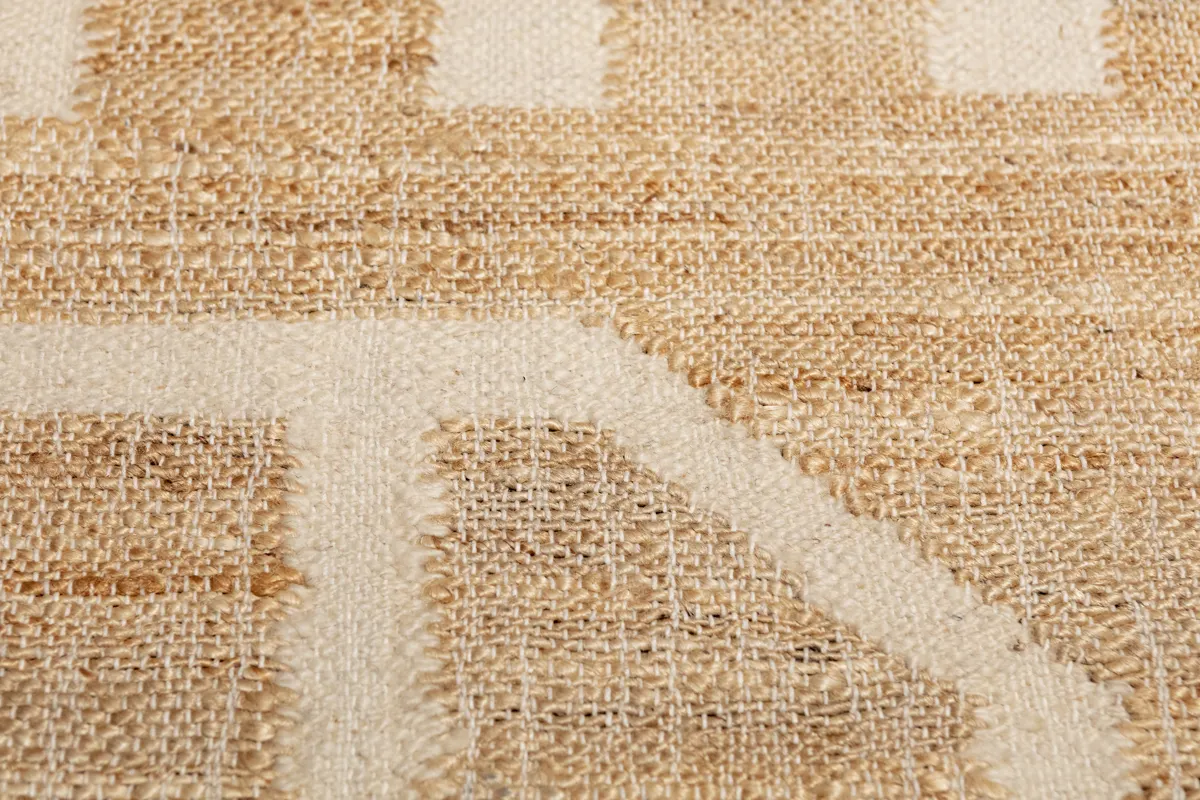
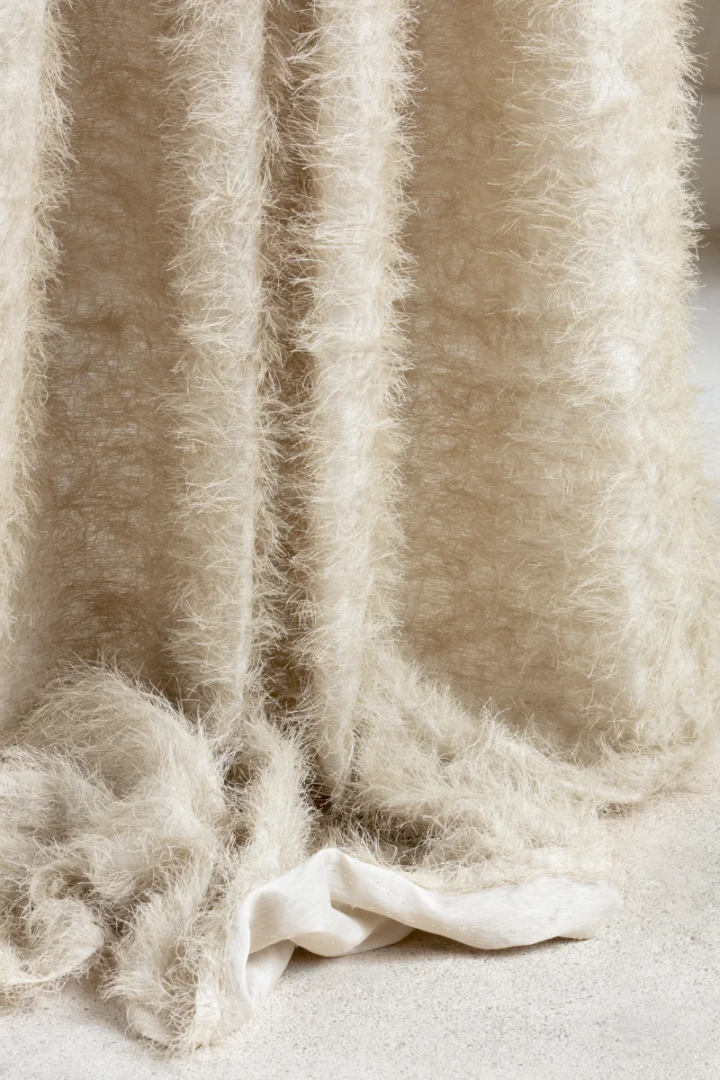
The looms use jacquard patterns and basic weaves. Clip cord creates stable reliefs on hemp and silk grounds. Openwork embroidery uses the fiber’s stability to achieve sharp definition. Fischbacher summarizes the method: «We adjust yarn count, twist and loom tension; we blend hemp with softer fibers where necessary». «Tests include beat-up adjustments and tension control to reduce breakage and loops». The tests modify beat-up and warp-weft density with the aim of reducing breakage and loops.
Declared finishes and treatments
Finishes include enzyme washes and mechanical treatments. Standard recipes do not include synthetic softeners. Where dyeing is used, it is limited to low or medium intensity. Camilla D. Fischbacher explains: «We avoid aggressive bleaching and intensive dyeing; we retain tonal variations compatible with the fiber». «We prefer enzyme washes and mechanical treatments to synthetic softeners».
«We refine the material only as much as necessary to guarantee stability and use, without masking its characteristics». The operations aim for dimensional stability, a controlled hand and suitability for use.
Applications in the collection and product categories
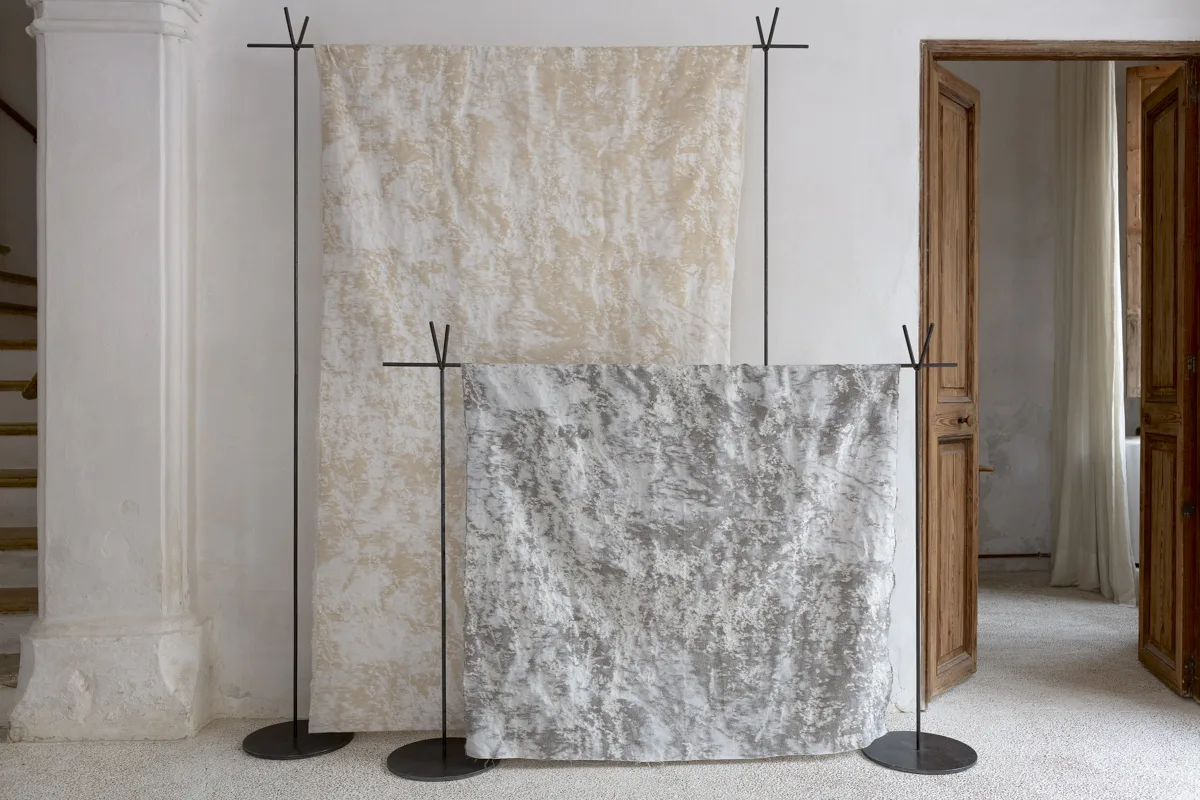
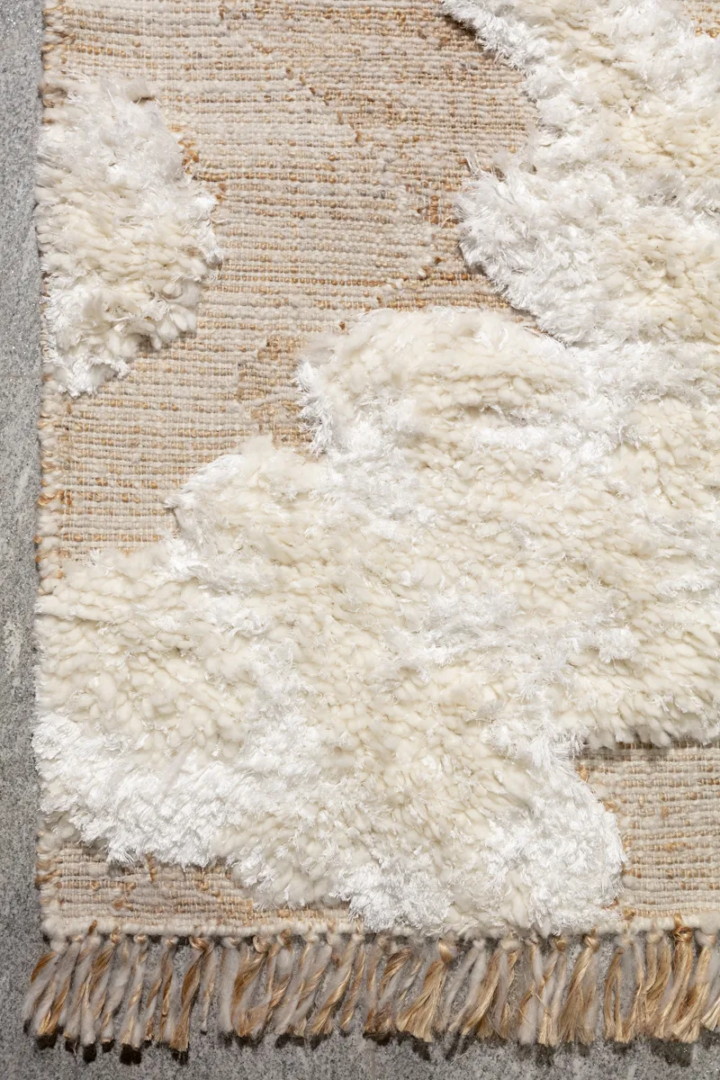
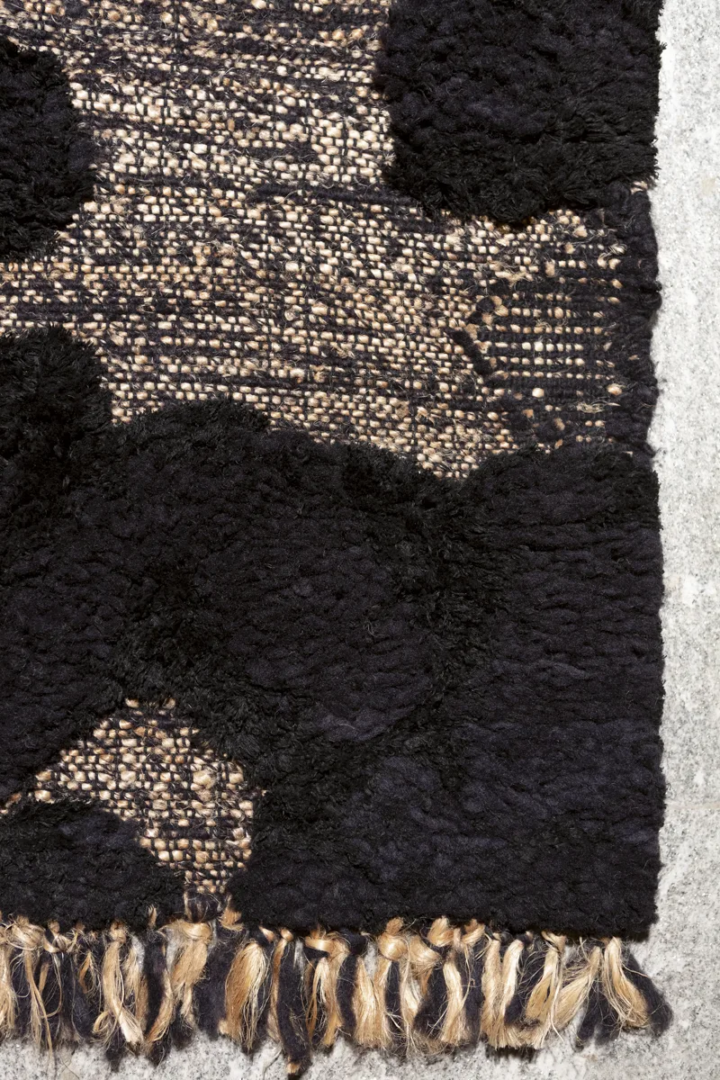
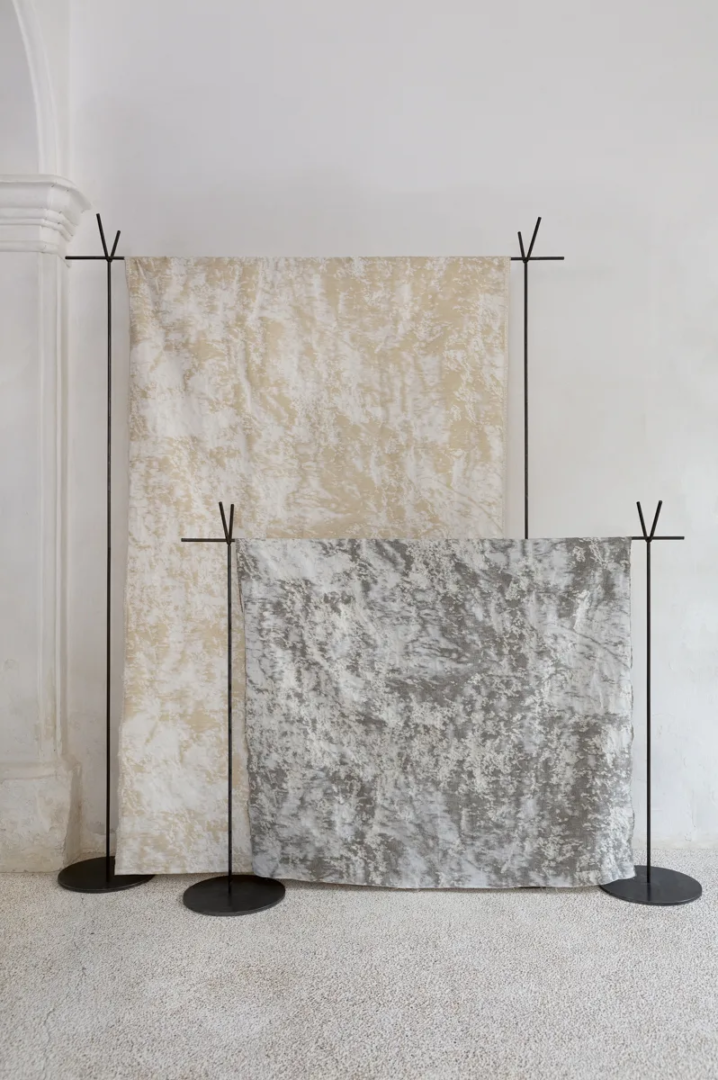
Ancient Memories comprises three groups: Heritage Healing, Crafted Echoes and Tales of Nature. In Heritage Healing, hemp performs a structural function. In Crafted Echoes, the design works with surface discontinuities and small-scale modules. In Tales of Nature, the hemp base carries designs inspired by mineral textures and dry-stone walls.
Fischbacher comments: «We use hemp according to the performance required by the project. In Heritage Healing, the fiber performs a structural function consistent with objectives of structural recovery. In Crafted Echoes, we work with repetitive small-scale modules. In Tales of Nature, the designs derive from mineral textures and dry-stone walls. The combinations modulate drape, density and abrasion response. Product types include curtains, wallcoverings, acoustic fabrics and upholstery trials».
Alessia Caliendo