QWSTION weaves hemp and abacá in Switzerland as alternatives to synthetic fibres
In 2026, QWSTION launches a hemp collection and continues developing Bananatex, a fabric made from banana plant fibre: two plant-based materials chosen to replace fossil-derived alternatives
Hemp is cultivated in Switzerland, but fibre remains an industrial risk
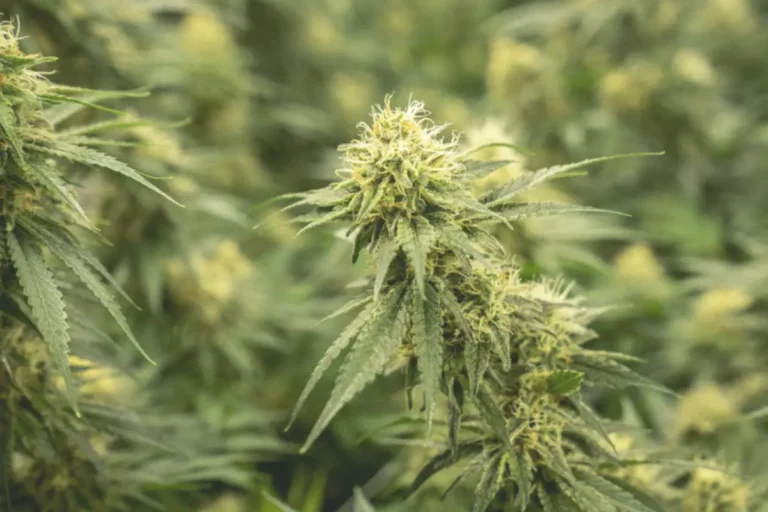
In Switzerland, hemp is a visible, normalised and economically active crop. Fibre hemp, however, remains a difficult material to supply consistently. The issue is structural before it is technical: textile production relies on standards and predictability, while Swiss hemp operates within a regulatory boundary that can change the outcome of a harvest.
Christian Kaegi, co-founder and creative director of Swiss brand QWSTION, which is about to launch a collection made from one hundred percent hemp fibre, explains: «Restrictions on THC levels in hemp plants make it difficult to grow fibre hemp on a large scale, because there is always a risk of exceeding the limits and having the harvest destroyed».
This risk matters especially when considering volumes and continuity. If the raw material is vulnerable, so is the supply chain. The textile sector needs a fibre that can be planned for, replicated and sourced without unexpected losses.
The CBD market accelerates, while fibre lacks stability
Hemp in Switzerland is currently driven mainly by the more profitable segments: «It is much more profitable to grow hemp for THC- or CBD-based products than for fibre». Demand for CBD in particular creates economic momentum that does not translate into better textile quality: «CBD hemp is in high demand, but it does not yield quality fibres». What works for an extract is not automatically suitable for making fabric.
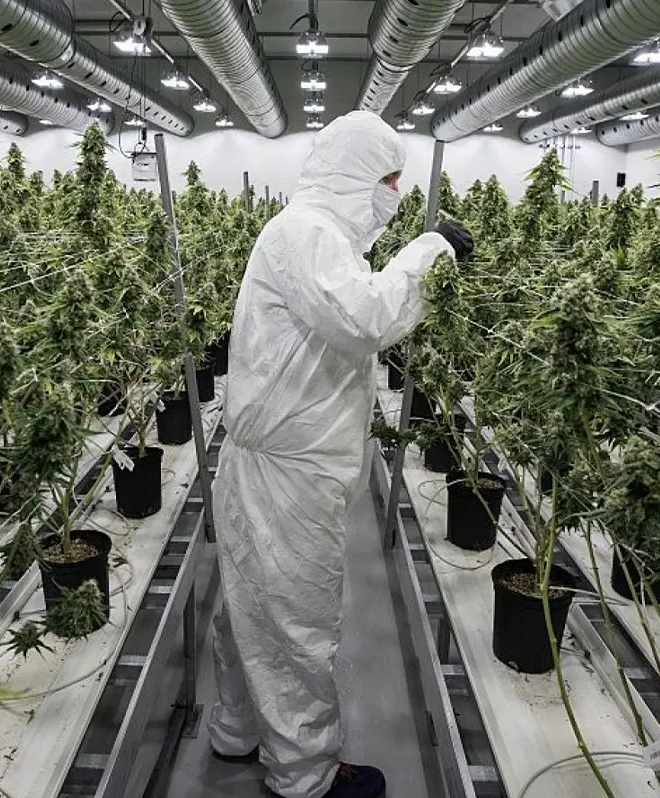
When the agricultural supply chain is geared towards other markets, fibre becomes a weak by-product: «This leads to very little interest among growers in producing hemp with characteristics specifically suited to textiles». Hemp intended for textiles requires suitable varieties, consistent agronomic management, and timing and processes that protect fibre quality.
When hemp becomes fabric, repeatable quality is essential
After harvesting, the fibre must be separated from the woody core, cleaned, made uniform and stabilised before it can undergo further processing. In industrial textiles, raw materials are assessed against concrete parameters: regularity, strength, mechanical performance and repeatability over time. For hemp, this means managing a long, strong but structurally irregular fibre: quality depends on fibre continuity, cleanliness, the presence of woody residues and the ability to achieve stable behaviour in spinning and weaving. The final yield also depends on factors invisible to the naked eye: yarn-count uniformity, response to tension, loss of short fibres and the durability of surfaces over time.
Hemp can enter this system only if it can produce a consistent material. Without standards, innovation also stalls: a batch that differs from the next changes the hand, yield, fabric behaviour, absorbency and stiffness. At that point, fibre ceases to be an industrial option and becomes an unknown. Synthetic materials retain a structural advantage in this respect: uniformity and availability. To compete as a technical fibre, hemp must approach that level of control, particularly when used in products subjected to everyday stress.
QWSTION and its hemp collection: pure fabric, engineered components
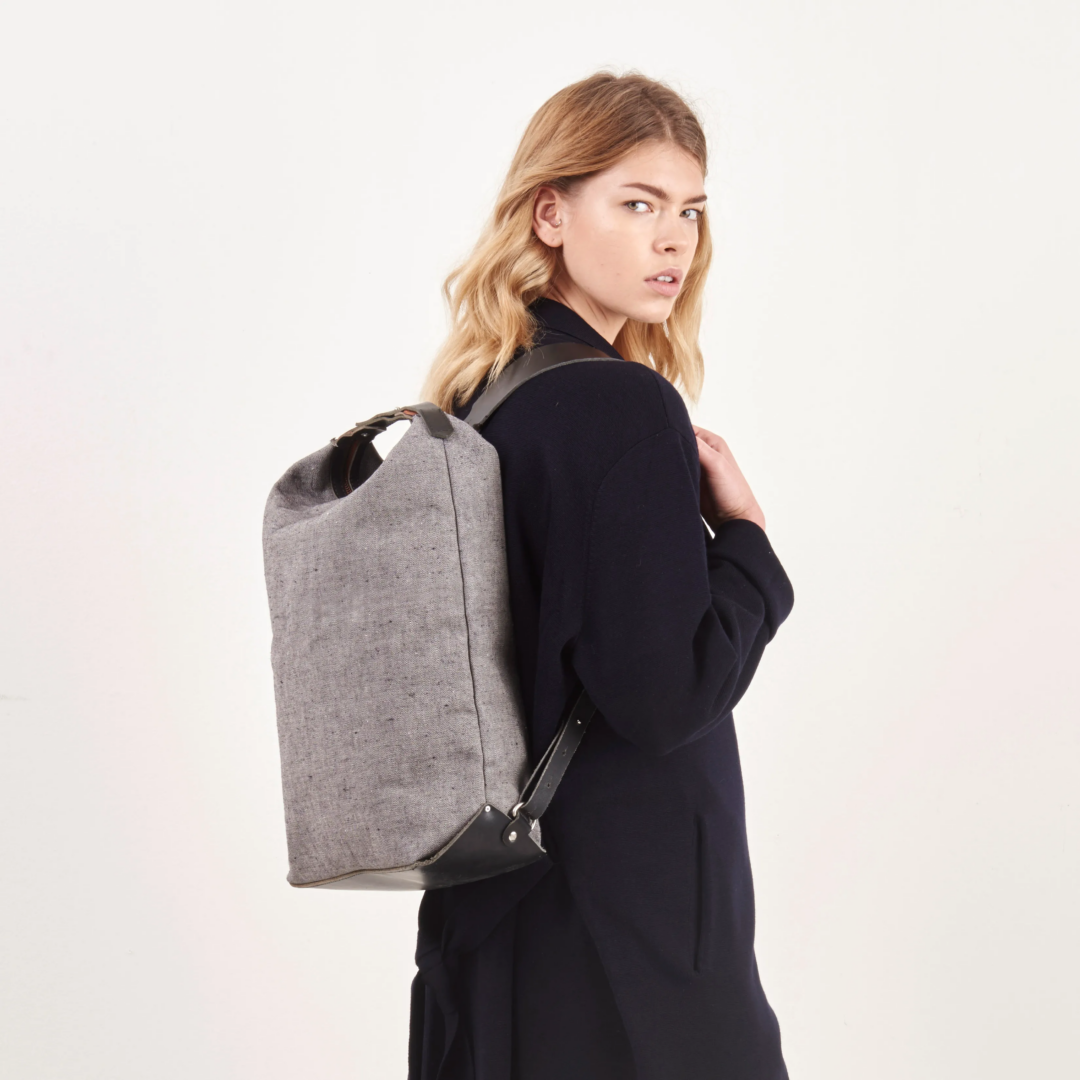
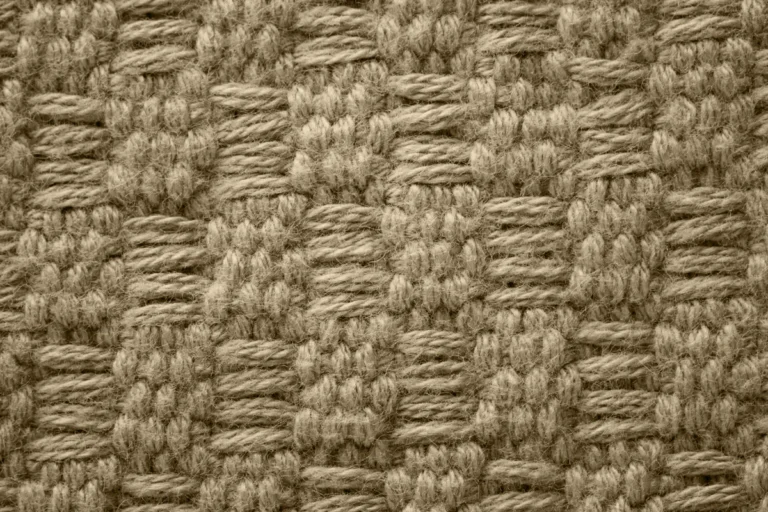
QWSTION has announced its first hemp products for 2026: backpacks and everyday bags, objects that subject materials to constant stress through weight, friction, rain and contact: «Alongside our research into banana plant fibre, we experimented with hemp within European supply chains. Like banana plants, hemp is fast-growing, resilient, requires little intervention and has strong fibres. Our products will be made with a fabric that is one hundred percent hemp, not blended with other fibres. We would never call a fabric mixed with something else “hemp”; for us, communicating transparently and stating the actual content is an obligation». The choice also affects end of life: «Like any natural fibre that is not blended with synthetics or contaminated during processing, it is compostable and can circulate within the biological cycle».
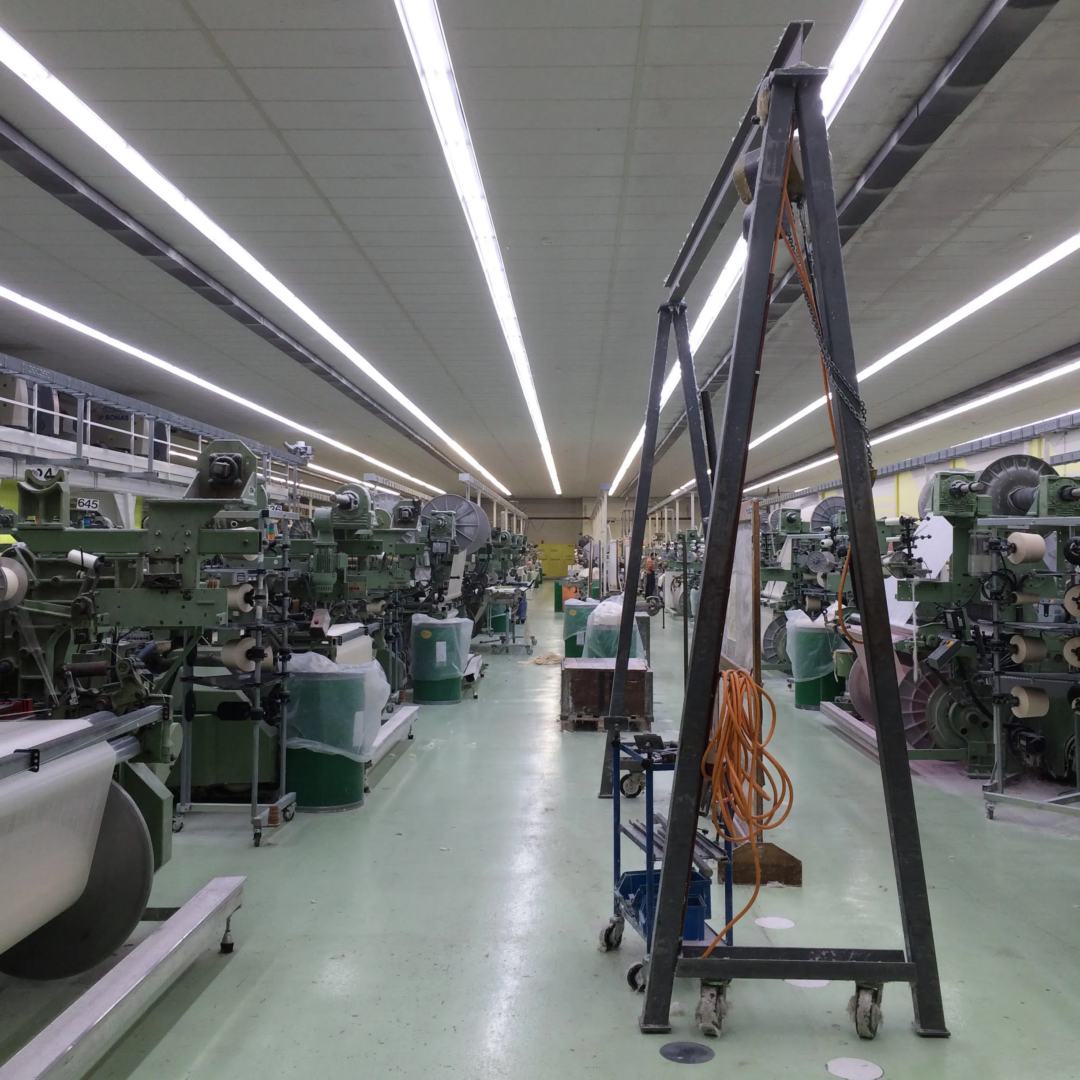
Kaegi explains that the company initially tried to establish a local supply chain, but that Switzerland currently lacks the «opportunities and know-how» to build a hemp supply chain, much as in Italy. The solution was to expand the scope to Europe: «We broadened our reach and used hemp from Belgium, spun in Italy and woven in Switzerland. We hope one day to be able to use Swiss hemp, as recent government-supported efforts to cultivate fibre hemp are beginning to show results».
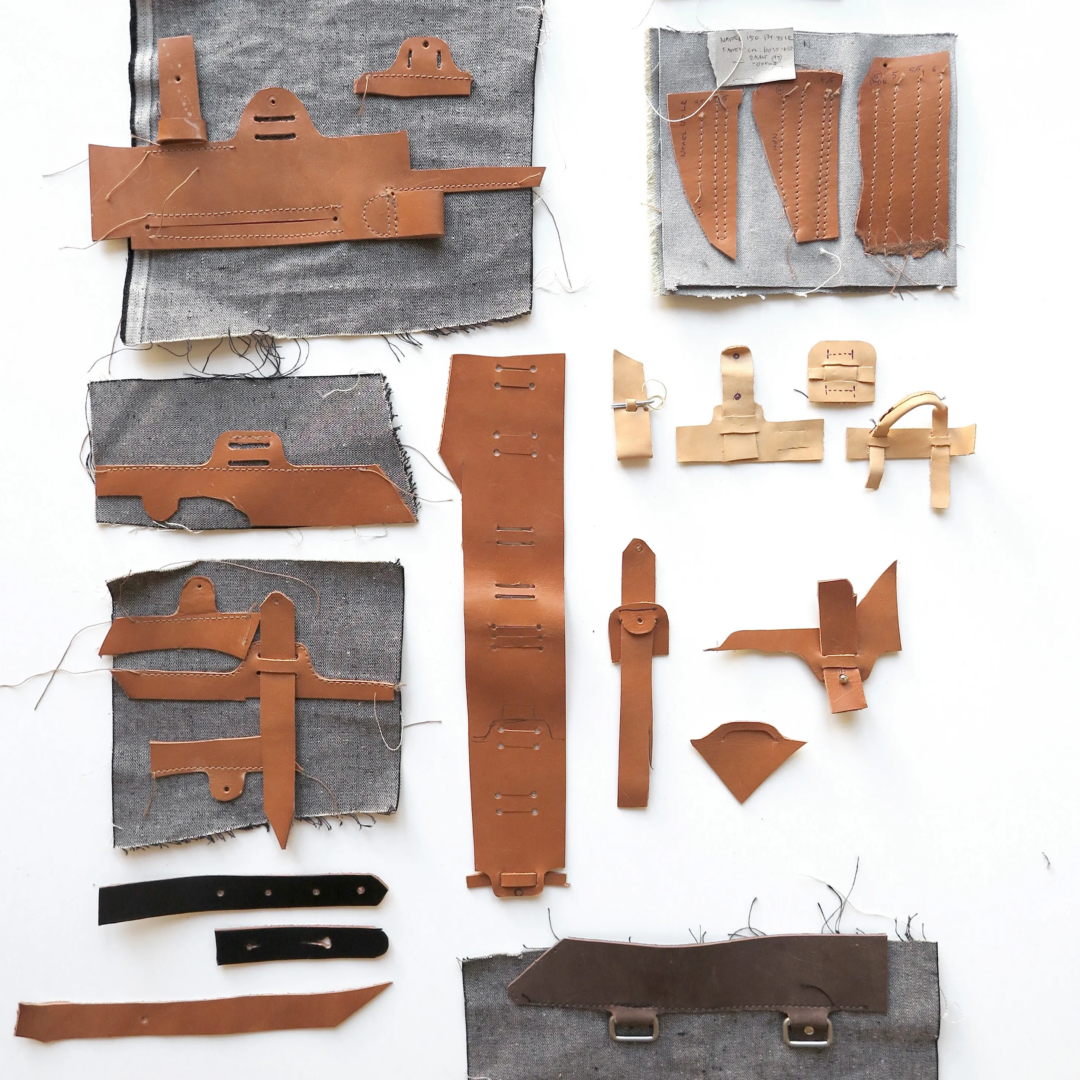
The origin and treatment of non-textile components are also disclosed: «For this collection, we will combine the hemp fabric with merino wool felt padding produced in Germany from wool of mixed origin, without mulesing; leather from Swiss cows raised outdoors on certified organic farms, vegetable-tanned at a tannery in southern Germany; and stainless-steel hardware produced in Switzerland».
Full traceability of metals remains a critical point: «For elements such as metal buckles and zips, we do not have the same level of transparency as for the other materials: we know who makes them and how, but at present we cannot trace the metals back to their source. This is a result of current legislation».
Bananatex and abacá: a high-strength plant fibre
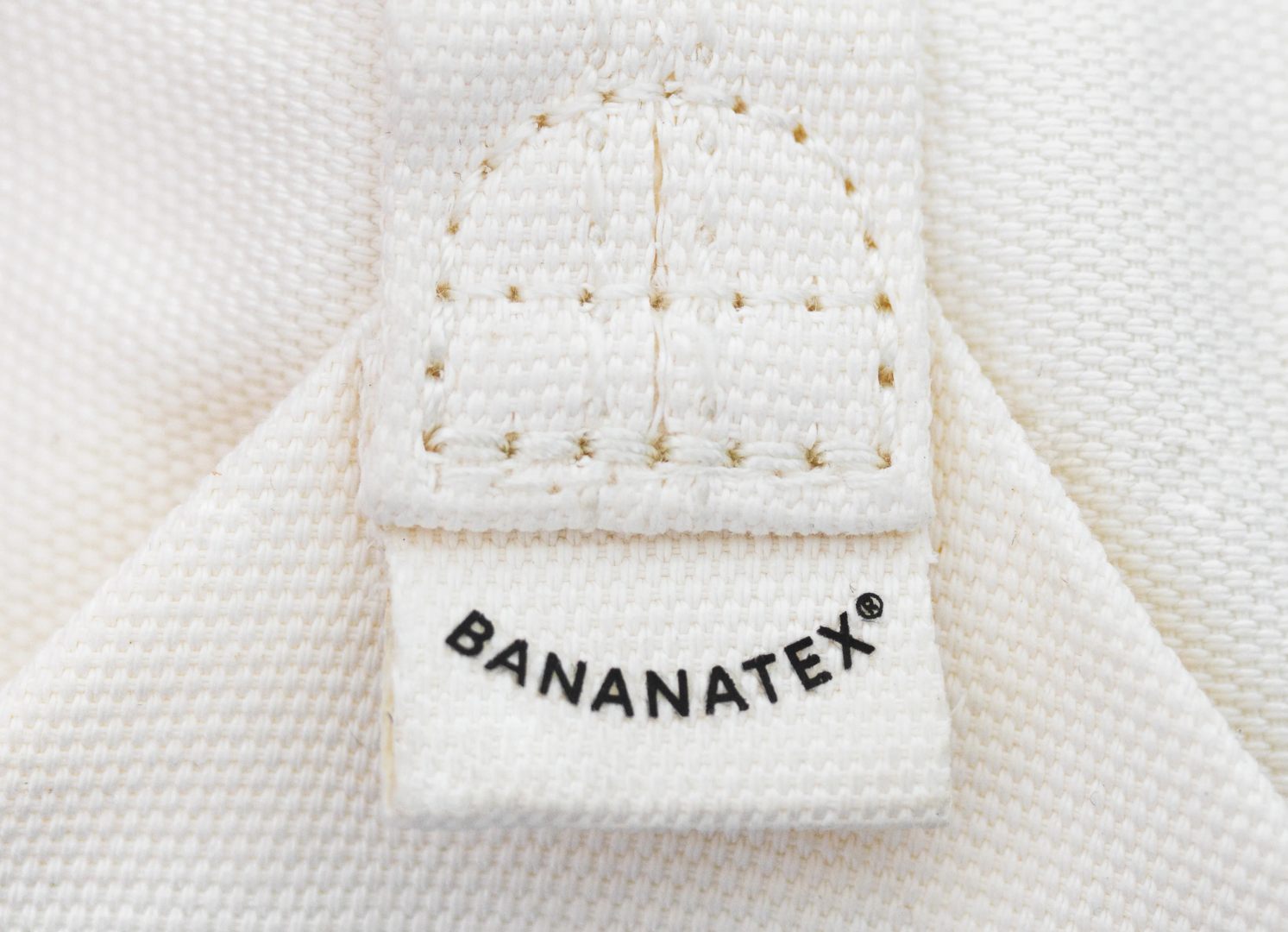
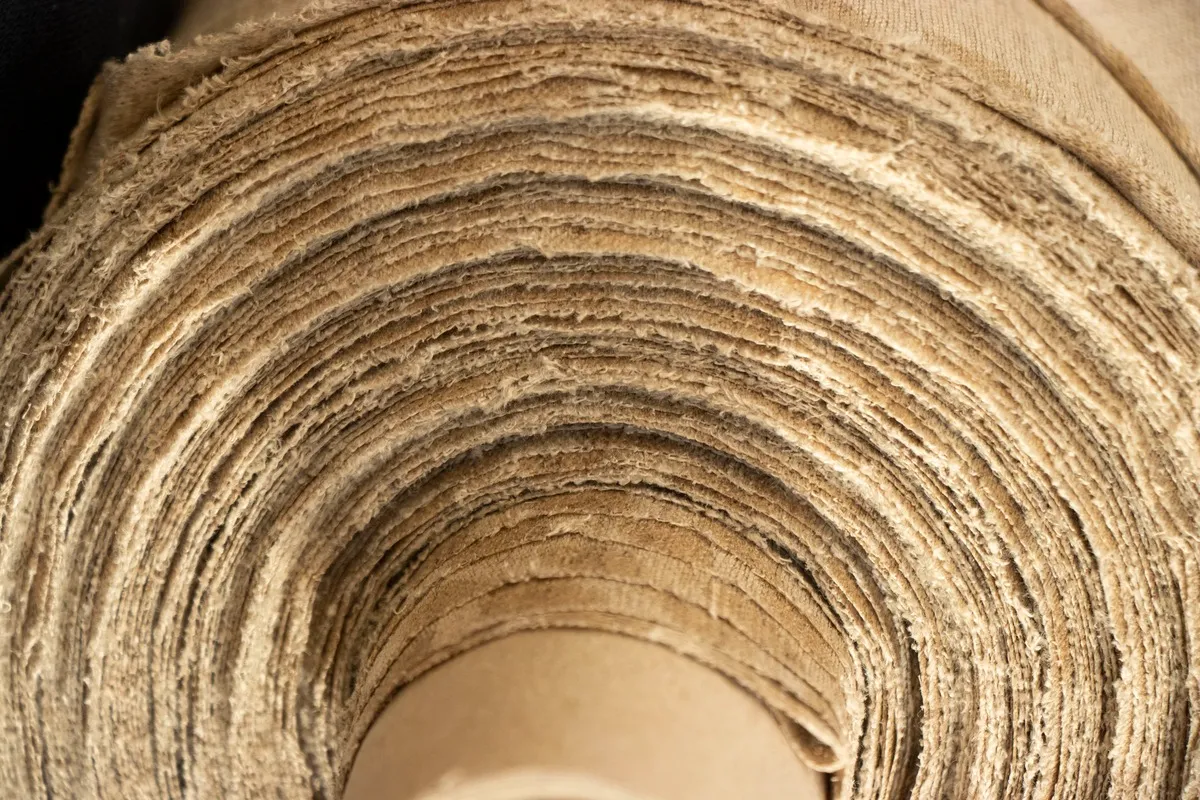
Before experimenting with hemp, QWSTION had already focused part of its research on another plant fibre: abacá. This led to the development of Bananatex, a fabric made from fibres extracted from the plant’s stalk: «Bananatex was born from the desire to create a high-performance fabric made entirely from plants. Abacá is one of the strongest and most durable natural fibres».
Abacá is a long fibre with good tensile strength, historically used for ropes and applications where mechanical strength is central. With Bananatex, the challenge is to turn a raw plant fibre into a stable industrial fabric: one that can not only be spun, but is consistent between batches, manageable in weaving and compatible with treatments and finishes without losing its integrity.
Abacá grows in humid tropical environments and is cultivated in areas where the plant is well adapted in terms of growing cycle and yield. The fibre is obtained from the pseudostem through decortication and fibre separation, steps that determine the level of residual impurities and therefore the final quality.
Bananatex aims to bring a plant fibre into fabrics for accessories and products subjected to loads, where polyamides and polyesters normally dominate, without building the material around synthetic blends that obscure its composition: «We wanted a fabric that could replace nylon and polyester without compromising on use. It is not about making a green product; it is about making a better product with different materials».
Natural raw materials and circular economies: non-European abacá, continental hemp
Moving from statements to materials, Bananatex and the hemp collection reveal a difference in production geography. The abacá used for Bananatex comes from a supply chain outside Europe: cultivation is concentrated mainly in the Philippines and, more broadly, Southeast Asia. The raw material therefore originates outside the continent and enters a long chain, with distributed stages and longer lead times, where consistency between batches becomes a technical variable.
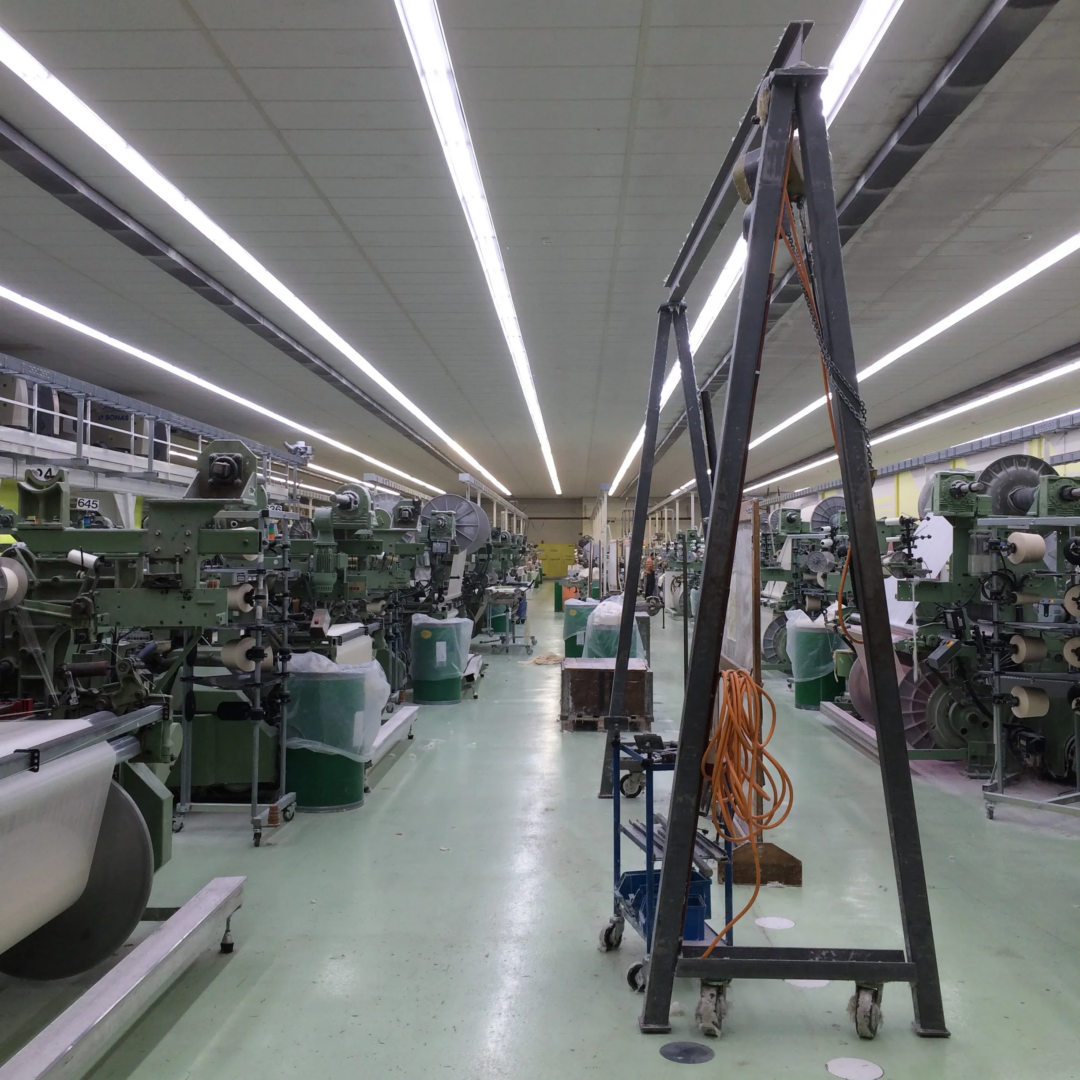
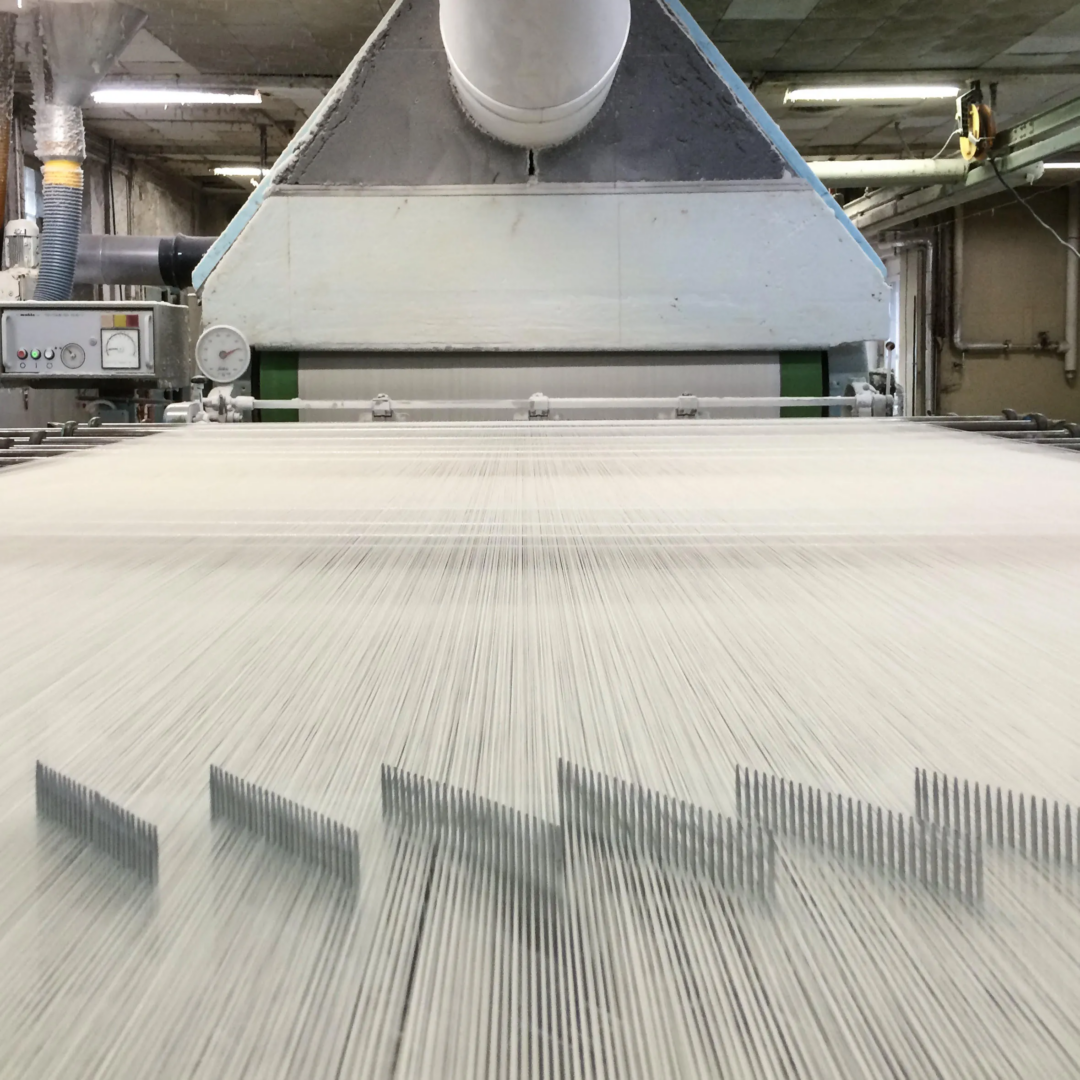
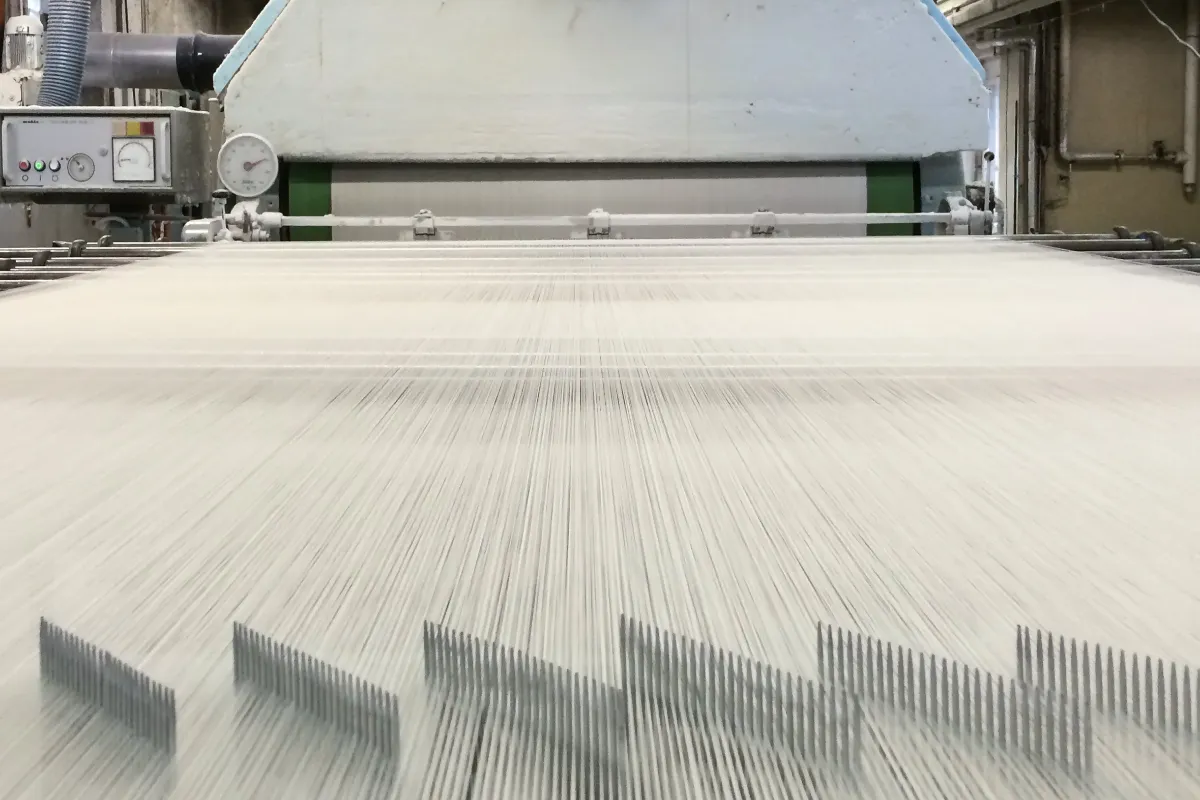
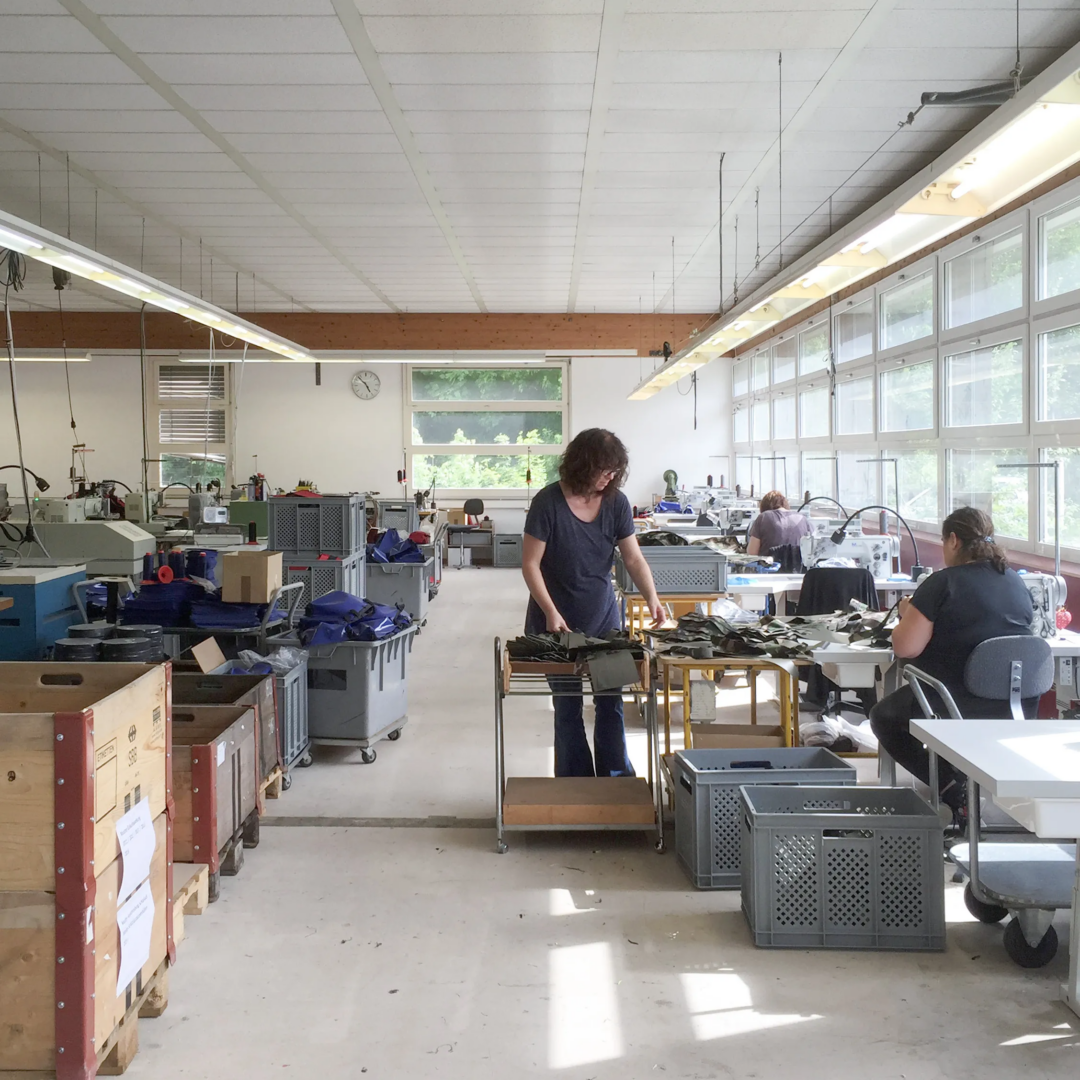
The hemp selected for the 2026 collection follows a different route: Belgium for the fibre, spinning in Italy and weaving in Switzerland. The fabric is thus completed in the Zurich context, a city that in recent years has based part of its sustainability strategy on measurable systems — public transport, waste management and building energy efficiency — and on an administrative culture that works to standards. Within this framework, natural raw materials are also assessed in terms of control: «If a material cannot be produced consistently and with controllable quality, it is not a material on which to build».
Within a system positioned in the circular economy, the difference between a non-European fibre and a continental supply chain is not just about distance. It concerns the ability to concentrate processing and checks, keep chains more legible and reduce opaque stages. It is a supply-chain question: how many transformations the material undergoes, where they are concentrated and how stable it remains when it reaches the textile stage. Abacá and hemp thus become two distinct examples of the same production system: plant fibre can genuinely enter technical textiles when the chain can make it consistent and verifiable.