Italian hemp woven on handlooms: Gimmi Jeans in Vicenza
From seed to finished garment, Gimmi Jeans sources Italian hemp by growing the Carmagnola variety within a thirty-kilometer radius in the province of Vicenza. An interview with Francesco Vantin
Italian hemp: the Carmagnola seed and Francesco Vantin
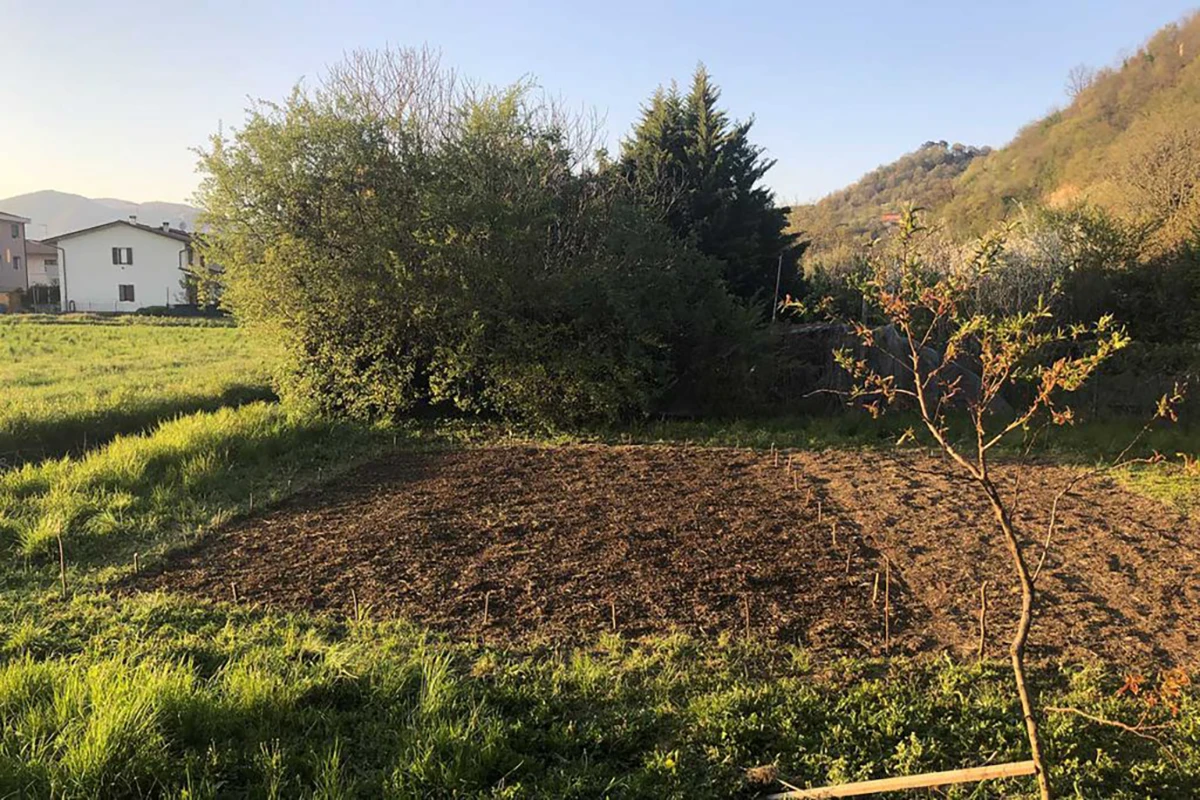
Italian hemp grown on a one-hectare plot owned by the company, hand-scutched and retted, then combed, spun and woven. Gimmi Jeans uses Carmagnola, a textile hemp variety historically used in Italy as early as the seventeenth century. Warships of the period, for example, carried sails made from hemp canvas.
Giuseppe Garibaldi wore ankle-length jeans made from Genoese cloth during the landing at Marsala and the war in Sicily in May 1860: «Unfortunately, all the tools from that era have been lost, even locally, but many of the fabrics my grandmother made are still intact. We made our first pair of jeans from one of them».
Francesco Vantin owns Gimmi Jeans. The plant is processed into hemp fiber locally, allowing direct oversight of quality and the sustainability of the production cycle: «We grow hemp at my home in Castelgomberto, in the province of Vicenza, where I set up a workshop. Using wood and nails, I built a movable tank for retting, a hemp brake for scutching and a comb for combing.
The hemp brake used for scutching consists of two trestles, one at the front and one at the back, supporting two boards that move up and down. As they fit between the two lower boards, they create a space in which the woody hemp core is placed and beaten. We spin the fiber in collaboration with a local company, Lanatura Filati, run by Marco Baroncini, and entrust weaving to Carlo Colombo’s handlooms.
Garments are made by master craftspeople in Sovizzo, and the laundries are certified. Even the internal composition label is made by us, using organic cotton and water-based screen printing. This is not folklore; it is quality control and responsibility.»
The stages of hemp fiber production and processing
Hemp fiber is more sustainable than other natural fibers, such as cotton: «It is a vigorous plant and therefore does not need large quantities of water. If the soil is properly prepared before sowing, the plant does not need pesticides».
Harvesting takes place by hand towards the end of August: «The stalks are left to dry, then retted for approximately ten days. They are subsequently dried in the sun for ten to fifteen days before scutching, which separates the hemp shives (the woody part) from the bast (the fibrous part)».
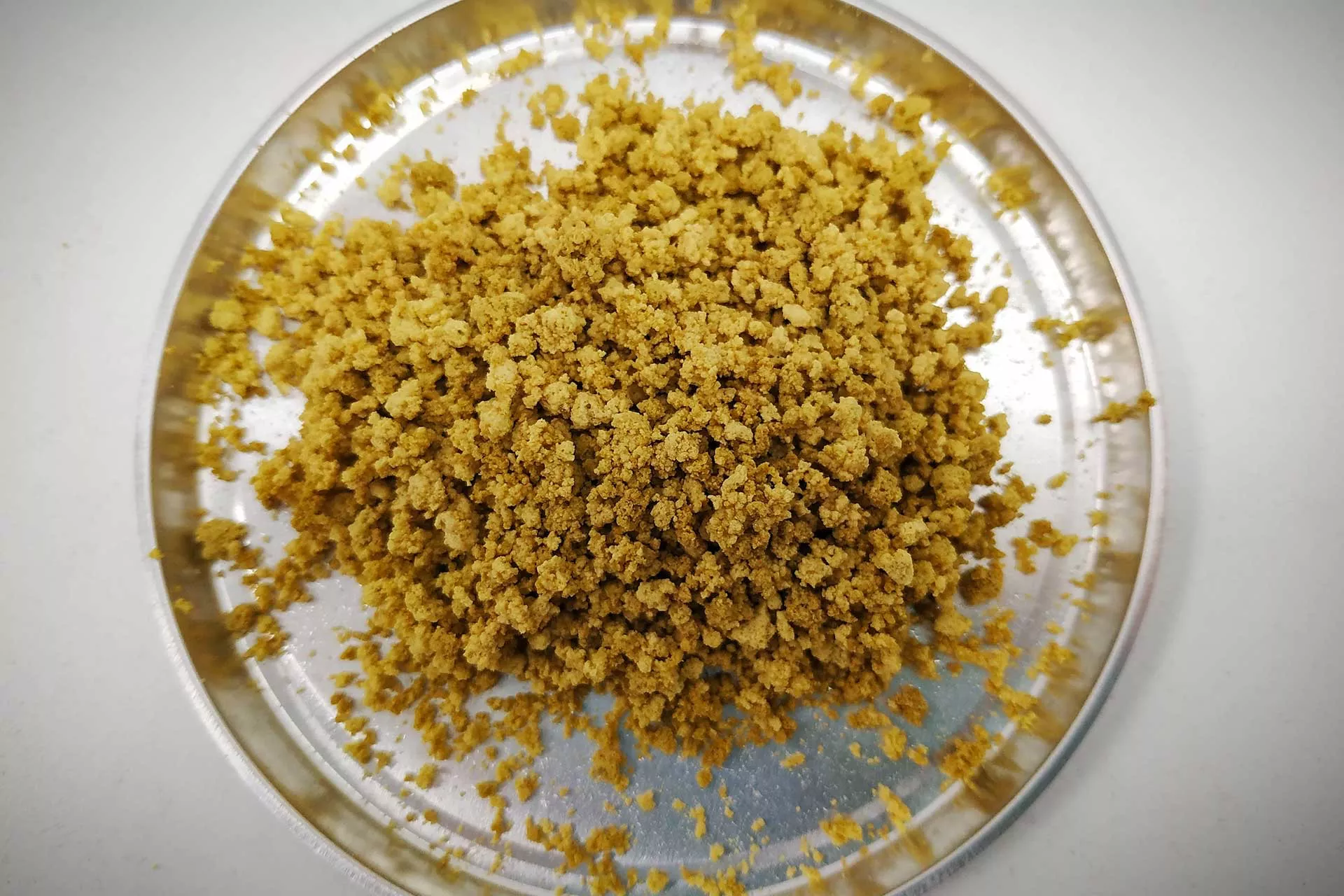
Once scutched, the fiber is combed: «Combing aligns the fibers, which are then cleaned further of any remaining hemp shives using a nail comb and a fine-toothed brush». The seeds are reused as feed for the Vantin family’s chickens.
Hemp yarn: a material in constant evolution
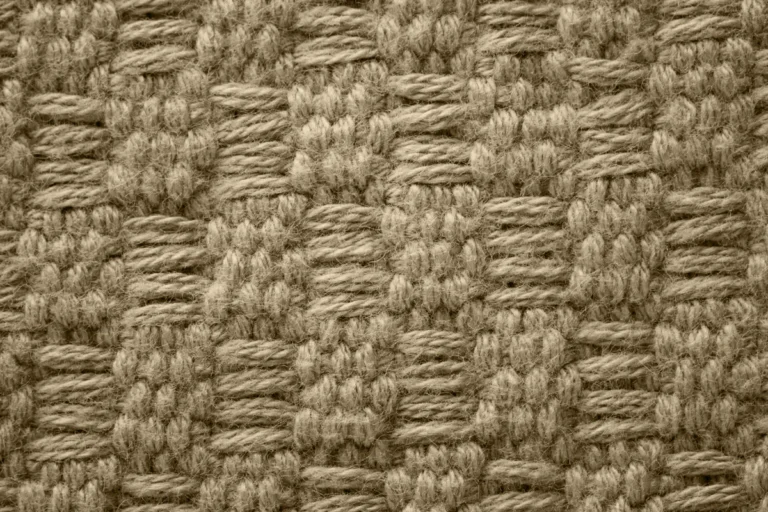
Gimmi Jeans’ hemp yarn combines wool-spinning techniques with handweaving. The aim is to produce a fabric that retains the fiber’s original characteristics while feeling soft to the touch: «Hemp has always been perceived as a coarse, uncomfortable fiber. We are trying to change that perception through the production process and visual imagery. We do not want a nostalgic product, but something contemporary, dynamic and urban.
The material evolves, just as the people who work with it do. We are not interested in reproducing hemp’s historical image. We work to give it new associations. We call it a natural fiber, but we do not want it to be perceived as rough. That is why we choose processes that make it softer and more pleasant to touch. We shorten the fibers and increase the yarn twist to achieve greater flexibility and comfort without sacrificing strength.
While wet spinning produces a very stiff yarn, our technique allows us to make more comfortable, dynamic garments.»
A return to the material: denim according to Gimmi Jeans
Founded by Francesco Vantin in 2019, Gimmi Jeans began in Sovizzo, in the province of Vicenza, with the aim of rediscovering and promoting local craftsmanship associated with hemp processing.
The brand’s name pays tribute to Vantin’s grandmother, Gilda, whose stories inspired a project centered on hemp as a raw material, sustainability and local production: «Grandma Gilda told me how, as a child, she used hemp growing in the fields near her home to make bedsheet fabrics with her mother, my great-grandmother. Those fabrics were often shared with the community.
«That led me to find out more and discover that hemp was one of the first fibers used to make jeans. I decided to establish a brand that would rediscover those roots and turn them into something relevant today» Vantin explains.
From the outset, Gimmi Jeans aimed to reduce the environmental impact of textile production, work with a short supply chain and carry out every production stage locally: «Producing everything within a few kilometers allows us to make a very high-quality product and minimize the environmental impact of transporting materials.
The companies we work with are more like friends than simply collaborators. We discuss and advise one another on how to produce in the best possible way, both in terms of quality and sustainability. We find it absurd that sustainability is a market trend: it should be taken for granted. The environment we live in is everything; without it, we cannot survive.»
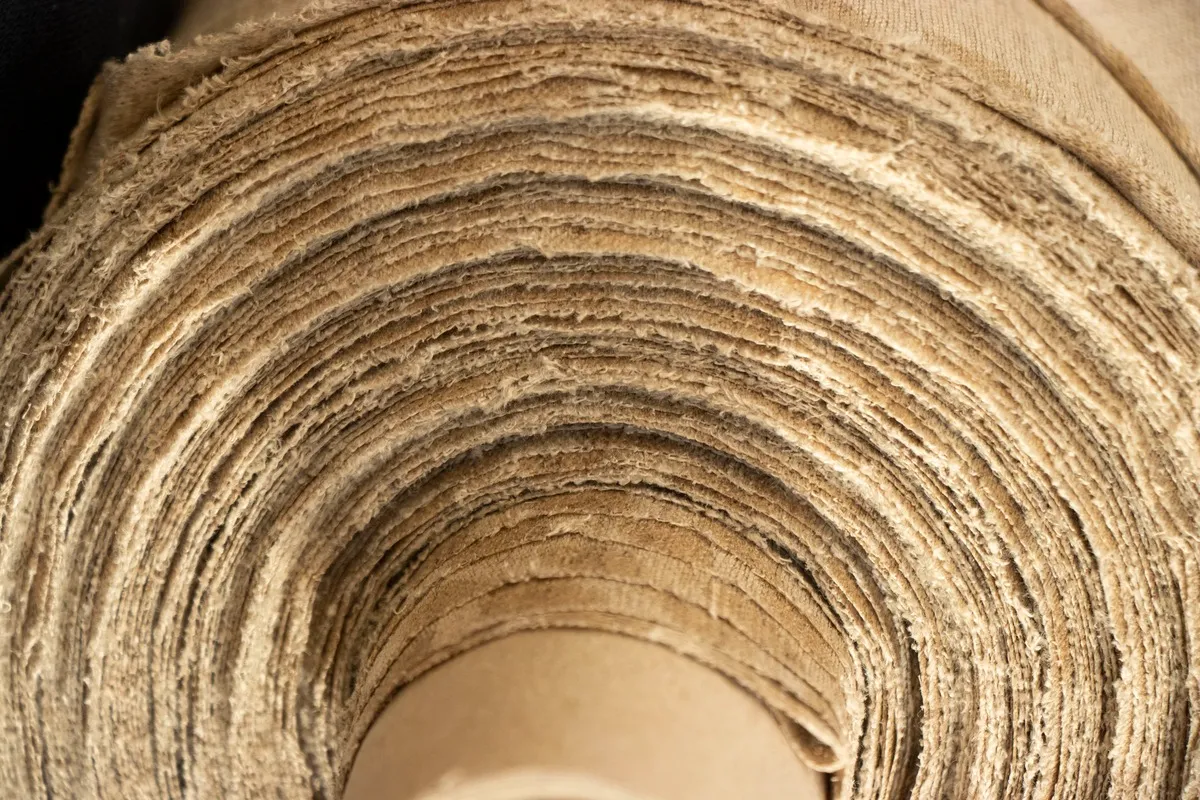
Hemp denim contains no elastomers and is antibacterial, making it possible to wash it less often and thereby reduce the release of microfibers into water. It absorbs up to 95 percent of infrared and UVA radiation.
Furthermore, because hemp is a hollow fiber, the denim regulates temperature, remaining cool in summer and warm in winter: «Our jeans come with a small jute bag containing industrial hemp seeds, to convey the idea that great projects can grow from small things, just as our products grew from those hemp seeds».
Embrace the material: an aesthetic grounded in substance
For Vantin, the challenge is not only technical but also communicative: turning the image of a fiber associated with rusticity into something contemporary. «When we started, we focused on small details: the shape of the pockets, the cuts. Now, with Abbraccia la materia, we want to go beyond aesthetics and seek a deeper connection between the person wearing the garment and the material it is made from».
The idea is that technical evolution should be accompanied by an aesthetic reflection that moves beyond the surface alone: «A smooth, shiny surface is often deceptive. We want to bring attention back to the brick, not the plaster. The material is what remains».
The concept for the new collection comes from a wall of brick and plaster. Here, the brand uses not only Italian hemp but also hemp fabrics purchased from leading suppliers. During a visit, Vantin and his collaborators found themselves looking at a wall in a village bar: white plaster above, red bricks beneath. «That was when we realized we wanted to work on substance, on essence». The plaster symbolizes the ephemeral surface; the brick represents the structure.
The collection’s name, Abbraccia la materia (Embrace the Material), alludes to a philosophy that rejects appearances: «It is not only aesthetics: substance, touch and the truth contained in the materials that surround us are what convey feelings. Embrace the material, because material holds life and the tangible reality of dreams: everything we have always needed».
Abbraccia la materia comprises four garments characterized by the idea of “the countryside coming to the city”: a shirt, a denim jacket reworked from the brand’s previous version, a reversible jacket and trousers with rear pockets inspired by climbing. The pockets have been reduced to a minimum and incorporated into the seams, making them almost invisible.
The garments feature stamps carved from wood by a long-established Vicenza company that has been operating for more than a century. One stamp bears the brand logo and the other the collection’s slogan; both are applied by hand inside each garment.
Gimmi Jeans: hemp clothing and a new vision of denim
Gimmi Jeans is a Vicenza-based clothing brand that works with hemp, seeking to bring together aesthetics and substance, technical experimentation and craftsmanship. It offers a vision of denim rooted in material, the measured gestures of craft, short supply chains and direct hemp cultivation. With its new collection, Abbraccia la materia, the brand refines its identity, questioning the primacy of appearances and recovering the meaning of form through content.
Gimmi Jeans was founded in 2019 in Sovizzo, in the province of Vicenza, and specializes in denim garments made with locally grown hemp. The brand oversees every stage of the supply chain, from sowing to garment construction, within a radius of approximately thirty kilometers. It uses local hemp varieties and artisanal processing and weaving techniques. Production is oriented towards reducing environmental impact and recovering local expertise.