Hélène Giannecchini and an Army of Lovers – how you process friendship today?
History asks us to rethink friendship as a political form of care. An interview with Hélène Giannecchini on Un désir démesuré d’amitié explores friendship as a radical way of living together
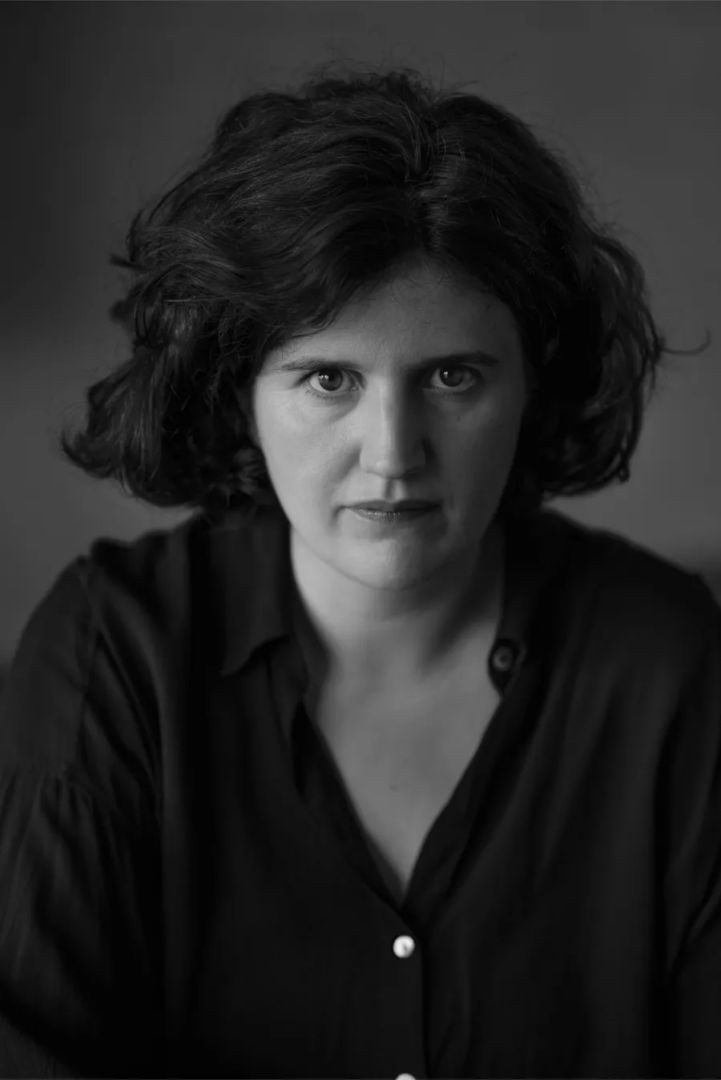
Hélène Giannecchini is the author of Un désir démesuré d’amitié (Un desiderio smisurato di amicizia – Italian edition published by Iperborea). “As I entered my thirties, people expected me to start a family, but I continued to want to live with my friends, or at least close to them. I was drawn to this idea of family.” That personal feeling soon revealed a broader cultural absence. When Giannecchini began looking for books about the history of friendship, she found almost nothing. “It was at the intersection of my personal experience and this lack of books that I decided I had to do something.”
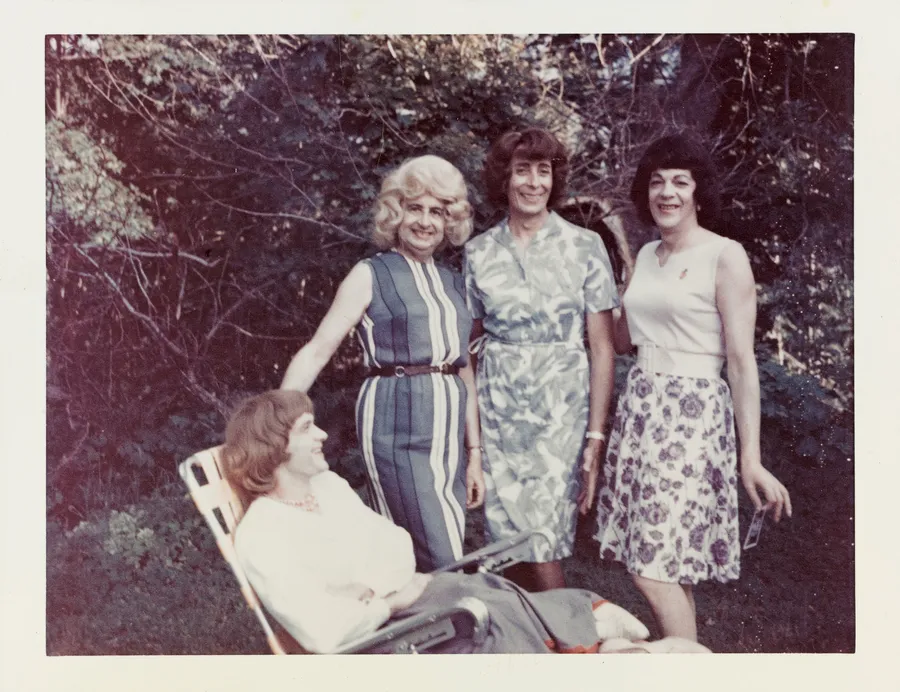
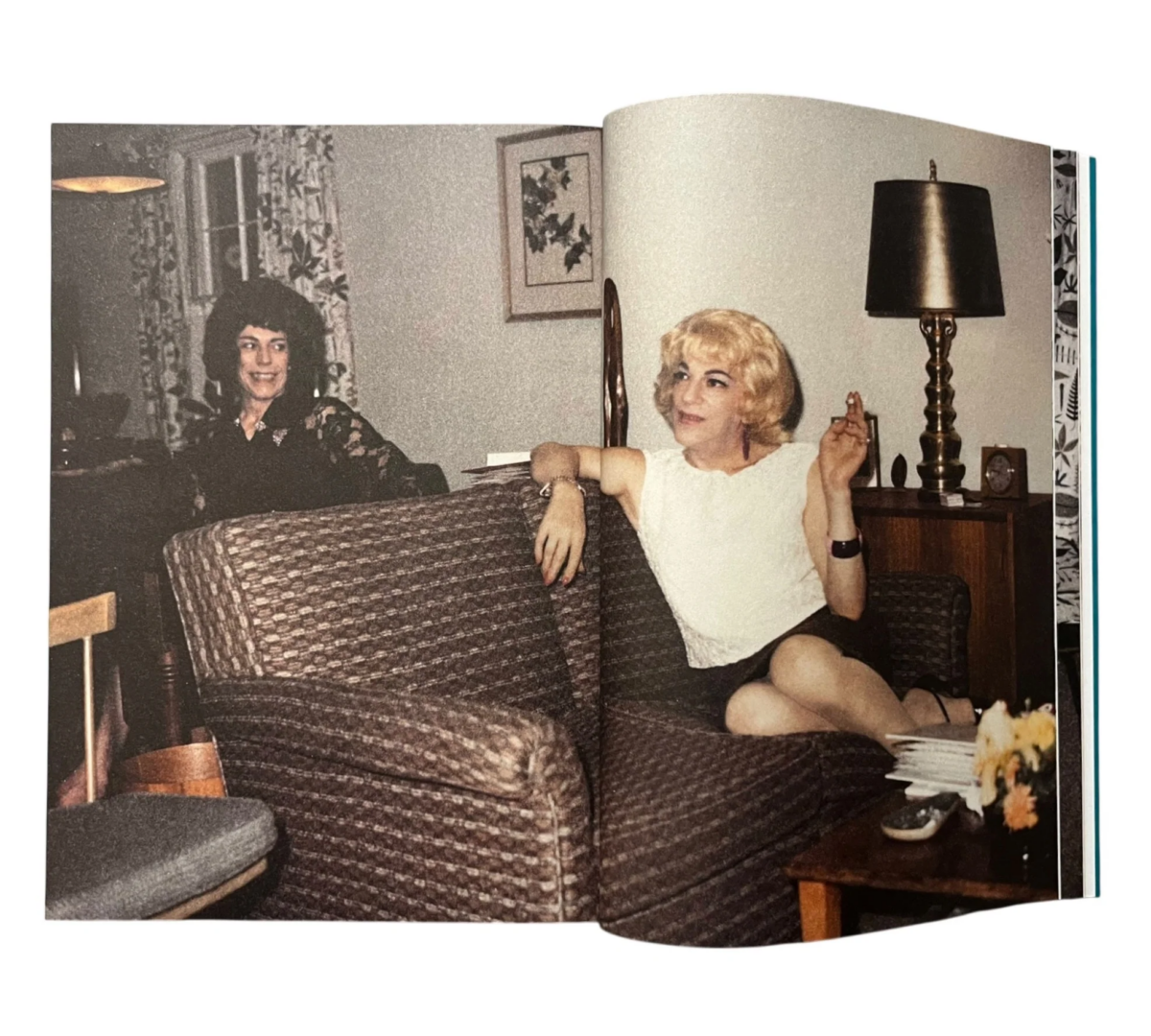
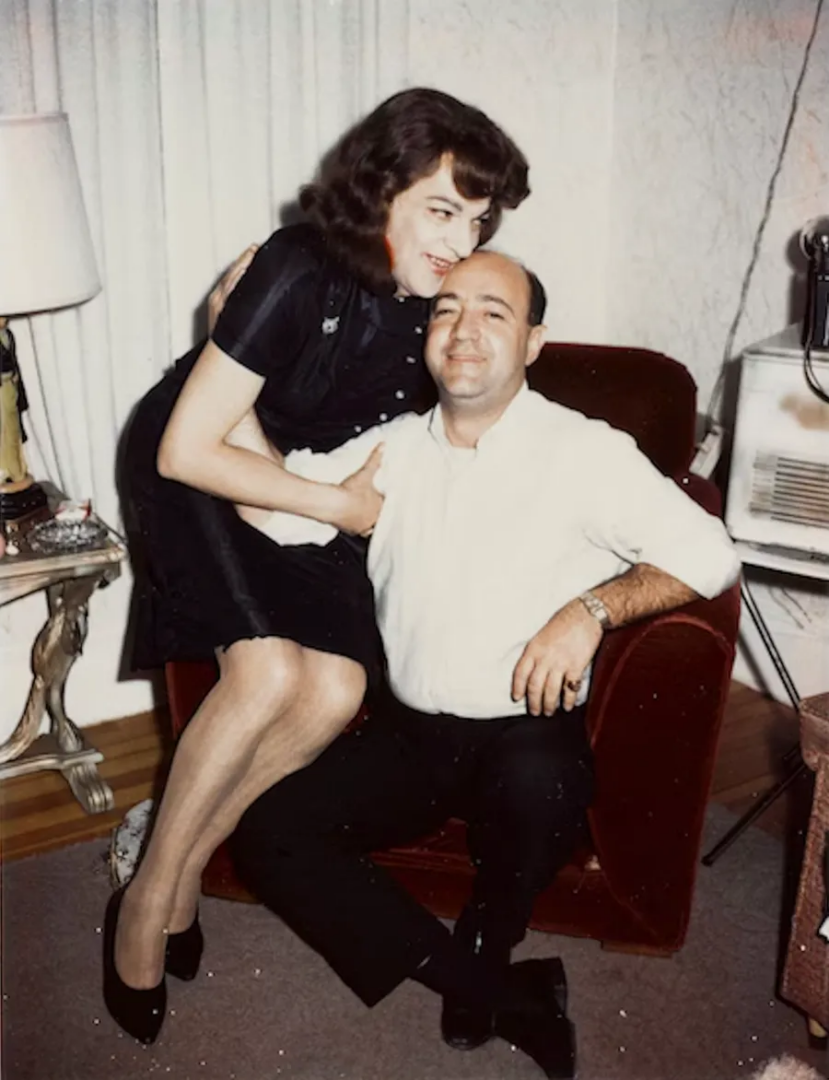
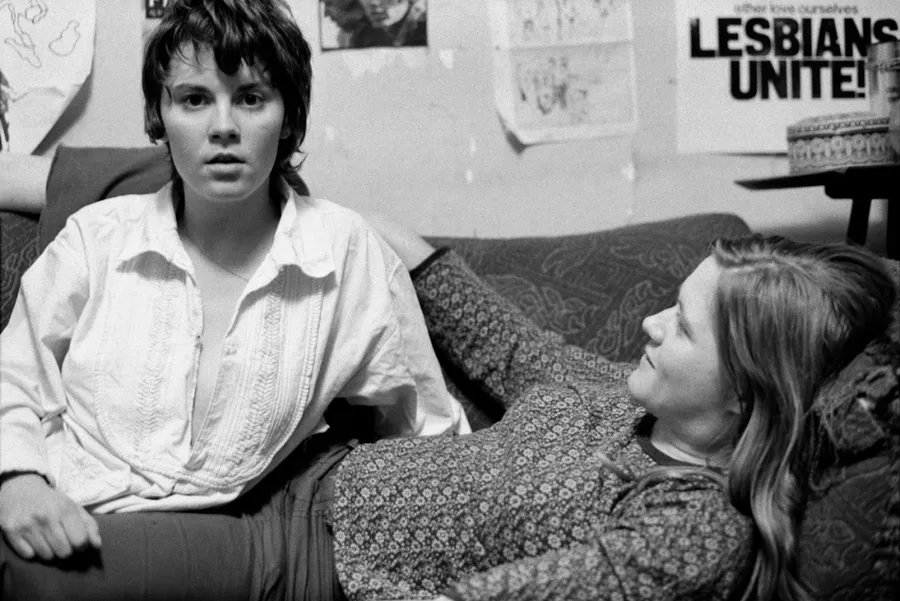
What began as a personal question gradually expanded into a cultural history of care. Moving between family memories, first loves, photographs, literary texts and forgotten archives, Giannecchini reconstructs the networks of affection that official history rarely recorded. Rather than writing another history of LGBTQIA+ identities, she traces the relationships that allowed queer people to survive across generations. What Giannecchini ultimately reconstructs is not only a history of queer people. She reconstructs a history of relationships.
HG: “Sometimes people were kicked out of their biological family because the family was ashamed of having a lesbian daughter, or a gay son, or a trans child”.
Many of the stories Giannecchini follows survive only in fragments. Archives disappear. Photographs are lost. Letters remain without context. Others were deliberately destroyed. Rather than filling those silences with fiction, Giannecchini insists on keeping them visible.
HG: “Queer archives are very fragile and destroyed in a way by history”.
When I ask how she approaches those gaps, her answer surprises me. She does not oppose literature to historical research; she needs both. As someone who writes fiction myself, I often approach absence through imagination. Giannecchini follows another path. Literature, for her, does not replace historical gaps; it allows forgotten lives to regain complexity without pretending certainty. Rather than filling historical gaps with fiction, Giannecchini uses literature to acknowledge absence while refusing to accept silence as the final word.
HG: “I needed both historical method and literature to try to give them their life back. […] Imagination can be very powerful too… But it doesn’t have to hide the blanks. The blanks are also a testimony to the violence people experienced.”
Queer archives, Donna Gottschalk and the memory of ordinary lives
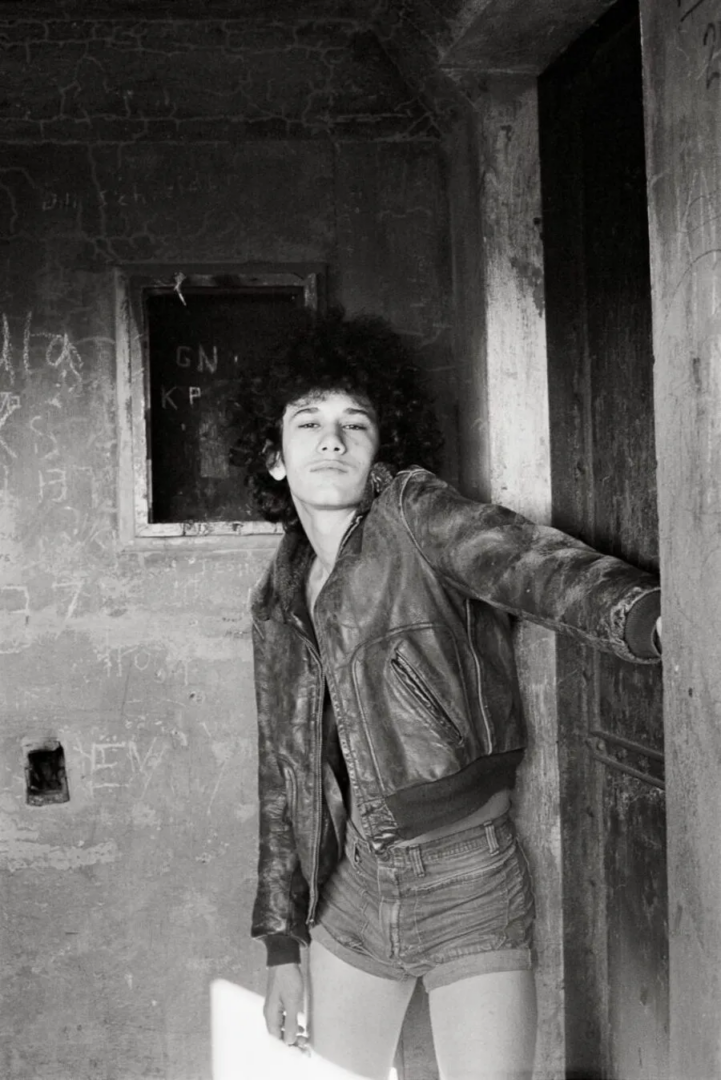
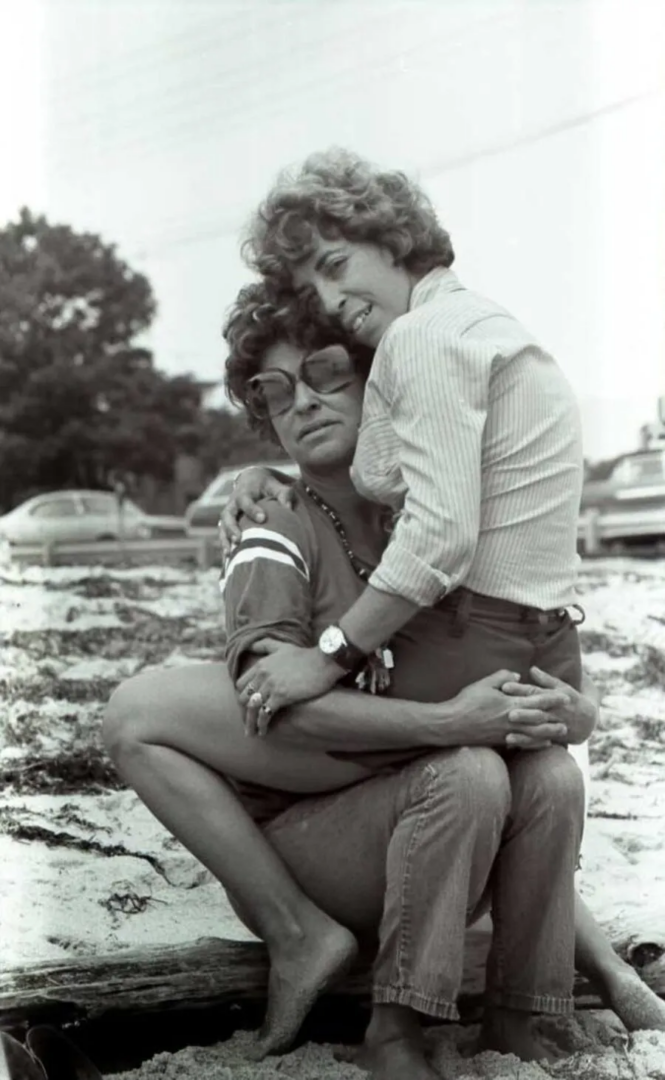
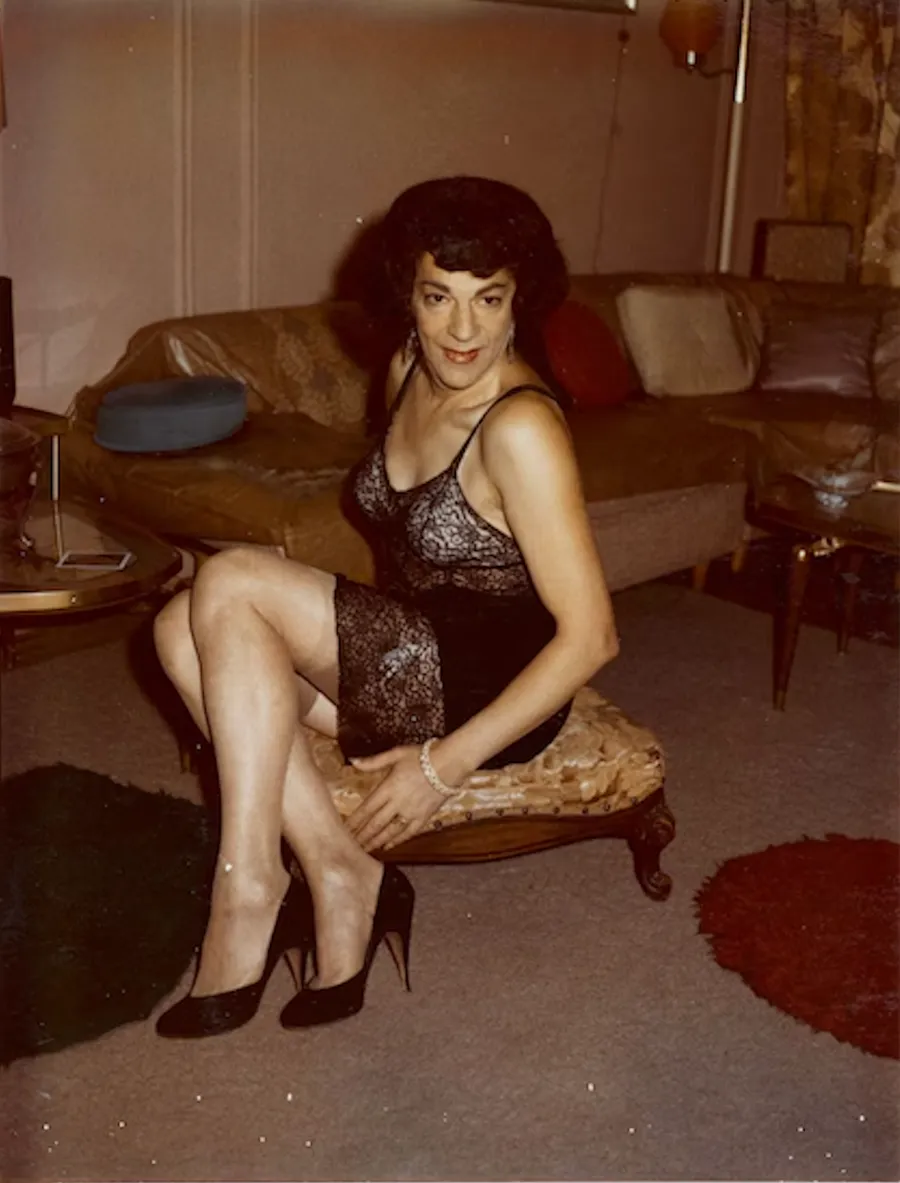
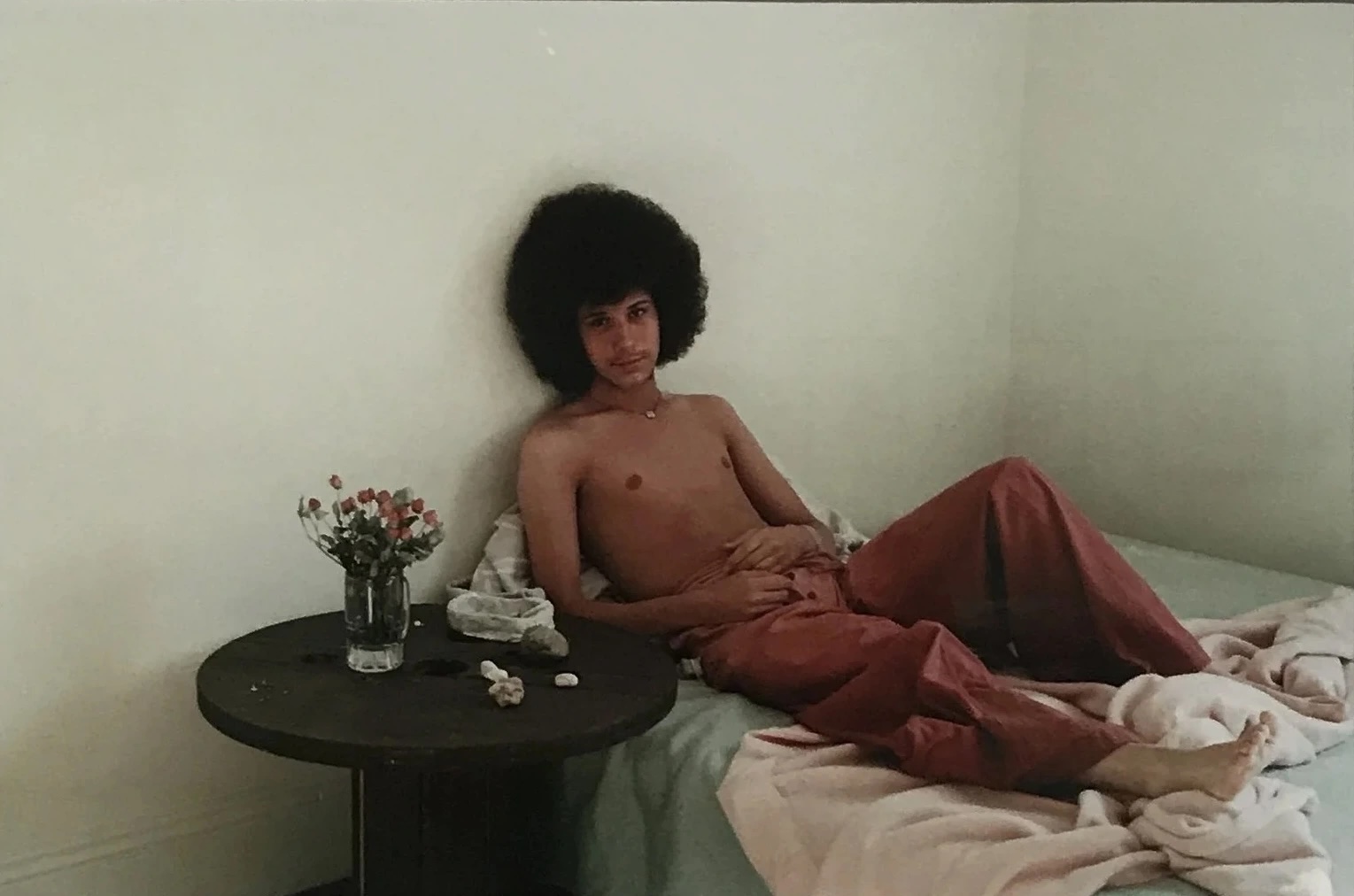
One of the people who accompanies Giannecchini through those absences is photographer Donna Gottschalk. Her photographs preserve the ordinary lives that history almost erased. Across decades, her photographs become a record of lives that official history often erased.
One of the stories that stayed with me belongs to Gottschalk and her sister Myla. Giannecchini describes Myla through a photograph: blonde hair falling over her shoulders, a leopard-print nightgown, violet eyeshadow, red lipstick. Her pose is languid, almost theatrical, yet her expression remains solemn, as if she were looking beyond the camera.
Only later does Giannecchini reveal that the portrait was hanging in Myla’s apartment when she was murdered in the early 2000s. The killer was never found. When Gottschalk was finally allowed back into the apartment, after weeks of police investigation and looting, almost everything had disappeared. She left carrying only one thing: the portrait she had taken of her sister. That photograph is no longer only a portrait. The portrait becomes both an archive and a refusal to let a life disappear. It is not the only time a portrait transforms into testimony. Years earlier, after Myla had been beaten by two men shouting homophobic slurs, she asked her sister to photograph her bruised face. “So we wouldn’t forget. So there would be proof.” Together, these two photographs reveal Giannecchini’s method. An archive is never neutral. It exists because someone decides that a life deserves to remain visible.
The HIV/AIDS crisis, LGBTQIA+ care and collective memory
The AIDS epidemic occupies one of the book’spolitical centers. Giannecchini refuses to write about it only as a history of loss. She traces another genealogy: one of care. During the HIV/AIDS crisis, friendship itself became a political practice of care. One of the clearest examples of that can still be found in the acronym LGBTQIA+. Many organizations began placing the L before the G as a tribute to the lesbians who, during the HIV/AIDS crisis, cared for gay men abandoned by families, hospitals and institutions. Even the order of the letters carries a memory. Queer history does not only preserve the past; it continues to live in the language we use every day. Language, too, can become an archive.
Reading these pages, I kept thinking about Contorno Viola, the Italian HIV prevention association where I volunteered when I was in high school, as a peer educator. Its name comes from one of the most infamous public health campaigns of the 1980s. Italian television advertisements surrounded people living with HIV with a purple halo, a visual code that transformed misinformation into stigma. Fear became visible. So did exclusion. Rather than marking people as untouchable, Contorno Viola turned the symbol into a tool for education, prevention and community care.
Like Giannecchini’s work, Contorno Viola transforms memory into a practice of care rather than a monument to grief. It has to be reinterpreted, challenged and carried forward. During our conversation, Giannecchini refuses to reduce queer history to victimhood. The AIDS crisis is absorbed not only as a collective trauma, but as a genealogy. Giannecchini writes herself into a symbolic lineage connecting Stonewall, Act Up and generations of lesbians who cared for friends dying from AIDS. Inheriting these memories also means inheriting a responsibility. If the HIV/AIDS crisis taught us anything, it is that these forgotten lives were often treated as disposable. «We are not always victims», she says. «We are also very free, imaginative people». Remembering violence is necessary, she argues, but it is only part of the story.
The memory of the HIV/AIDS crisis already contains a lesson close to Giannecchini’s work: queer history does not survive only in books or archives. It survives in the language, in acts of care, and in the attempt to undo the damage produced by earlier representations. Reading her work, I began to understand that queer history could function as practical knowledge—not something to study, but something to live with.
Chosen family, queer spaces and the architecture of friendship
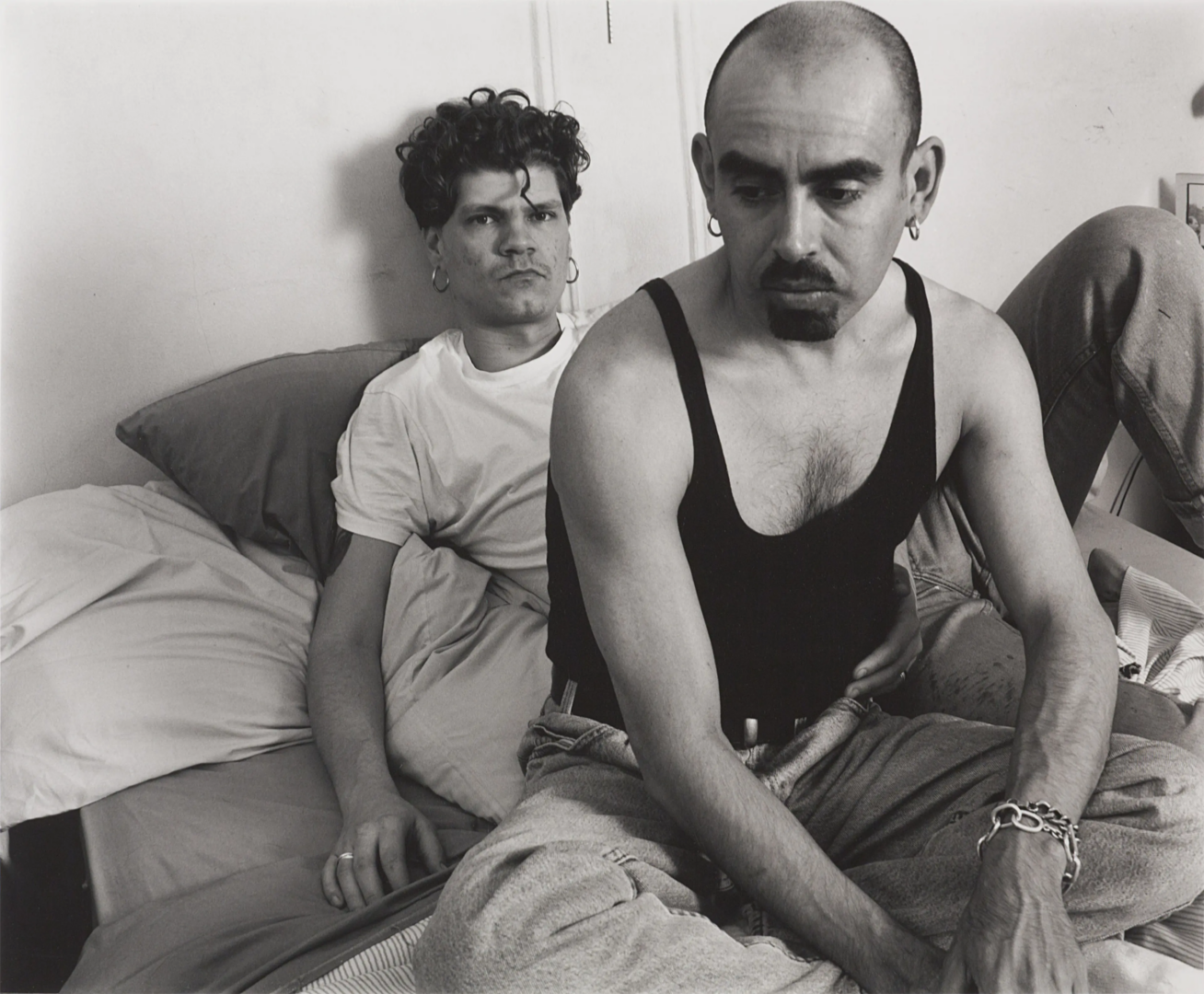
The book suggests that friendship is not only something we inherit. It is something we organize. Only then did I realize that organizing a Pride in a small Italian town is also archival work. Before there is a march, there are volunteers, meetings, threats, institutions to convince, empty rooms waiting to be filled. Friendship, in these places, is not an abstraction. It is infrastructure. It is persistence. It is the decision to keep showing up. Giannecchini’s book suggests that these gestures—educating, organizing, caring—are not separate from queer history. They are queer history.
If memory preserves the past, Giannecchini is ultimately interested in what it allows us to build in the present. One of the recurring questions in the book comes from Roland Barthes: How do we live together? Giannecchini quietly shifts the question. Not only how, but where. If friendship, she argues, is a practice that requires discipline, it also needs space.
Friendship, in Giannecchini’s writing, stops being a feeling and starts behaving like architecture. It needs places where care can become ordinary: rooms, kitchens, tables, and cities. Relationships need places in which they can exist, asking us less who we love than where that love is allowed to exist. Throughout the book, Giannecchini imagines houses built around friendship rather than conjugality, spaces where care, meals, work, and everyday routines are shared outside the traditional family model. Being queer, she writes, transforms not only sexuality but one’s entire relationship to friendship, home, family, and coexistence.
Why queer history matters beyond LGBTQIA+ communities
During our conversation, I asked whether these questions resonated mostly with queer readers. One of the things that surprised her most, she told me, was how many heterosexual readers recognized themselves in the book. The point is not to propose friendship as a specifically queer experience, but to suggest that queer history can offer possibilities that extend far beyond queer lives.
HG: “We are facing a difficult political time, dangerous for a lot of people. We have to understand that we don’t have to stay only in the queer community. I want to fight with people coming from other spaces”.
Reading the book from Toronto, where conversations around chosen kinships often feel more visible than they do in Italy, I kept thinking about how many of these stories still circulate informally back home—passed from one person to another rather than preserved by institutions. Queer testimonies survive because people continue telling them. They offer a vocabulary for living together beyond personal identity. Archives are not only kept in libraries. They are built every time someone refuses to let a story disappear.
History as a practice of care, friendship and social change
Perhaps the most radical aspect of An Army of Lovers Cannot Fail is that friendship never appears as a private feeling. It becomes a way of organizing society. How can we create a different life together? How should those relationships be recognized? This is not a generational fantasy, but a practical question: how do we make space for the relationships that sustain us? After finishing the book, I found myself texting those same friends again. At first, I thought that was simply an emotional reaction. Now I wonder whether it was something else entirely.
HG: “History is not something you learn in school and it is plain and boring when you are a kid. It helps you to live. Knowing your history, of course, your country, your social class, your community, can help you build a healthy and strong life”.
This is what history means in her work: not a lesson about who we were, but a force that quietly changes what we decide to build together.
Silvia Clo di Gregorio