Dev Dhunsi’s Mixed asks who gets to define a readable identity
Published by MACK, the photobook uses water, textile and archival images to examine mixed heritage, diaspora and the systems that demand readable identities
Dev Dhunsi is a Norwegian-Indian photographer and artist whose practice moves between image-making, archival research and material experimentation. He immerses photographic prints in water, transfers images onto textile and reactivates archival material through processes open to chance, matter and time.
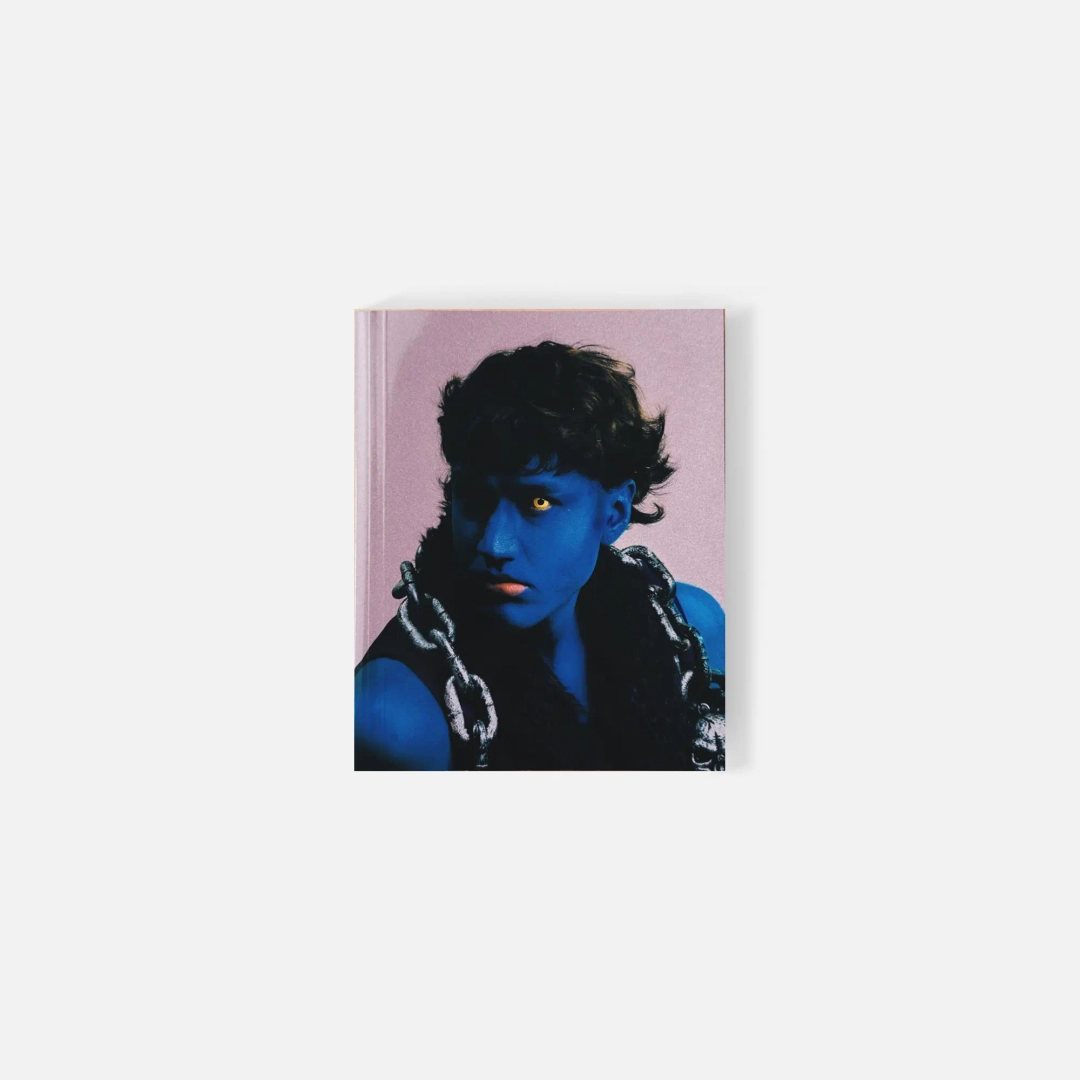
Mixed, his latest photobook published by MACK, explores the condition of mixed heritage through personal history, collective memory and the politics of racial classification in Northern Europe. Drawing on encounters with people of mixed heritage, his family archive and material held at the racial institute in Uppsala, the book moves between portraits, found images and censored texts. Identity, queerness, diaspora and the mythology of belonging permeate the work as forces that reorganize the image from within.
You immerse images in water, print them on fabric, deform them, set them in motion. What are you trying to break apart?
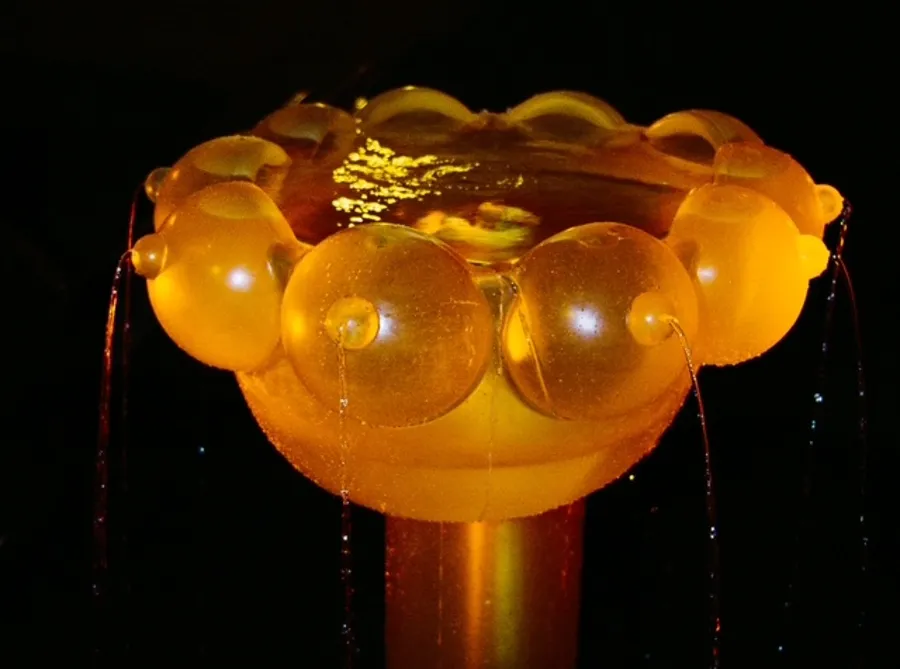
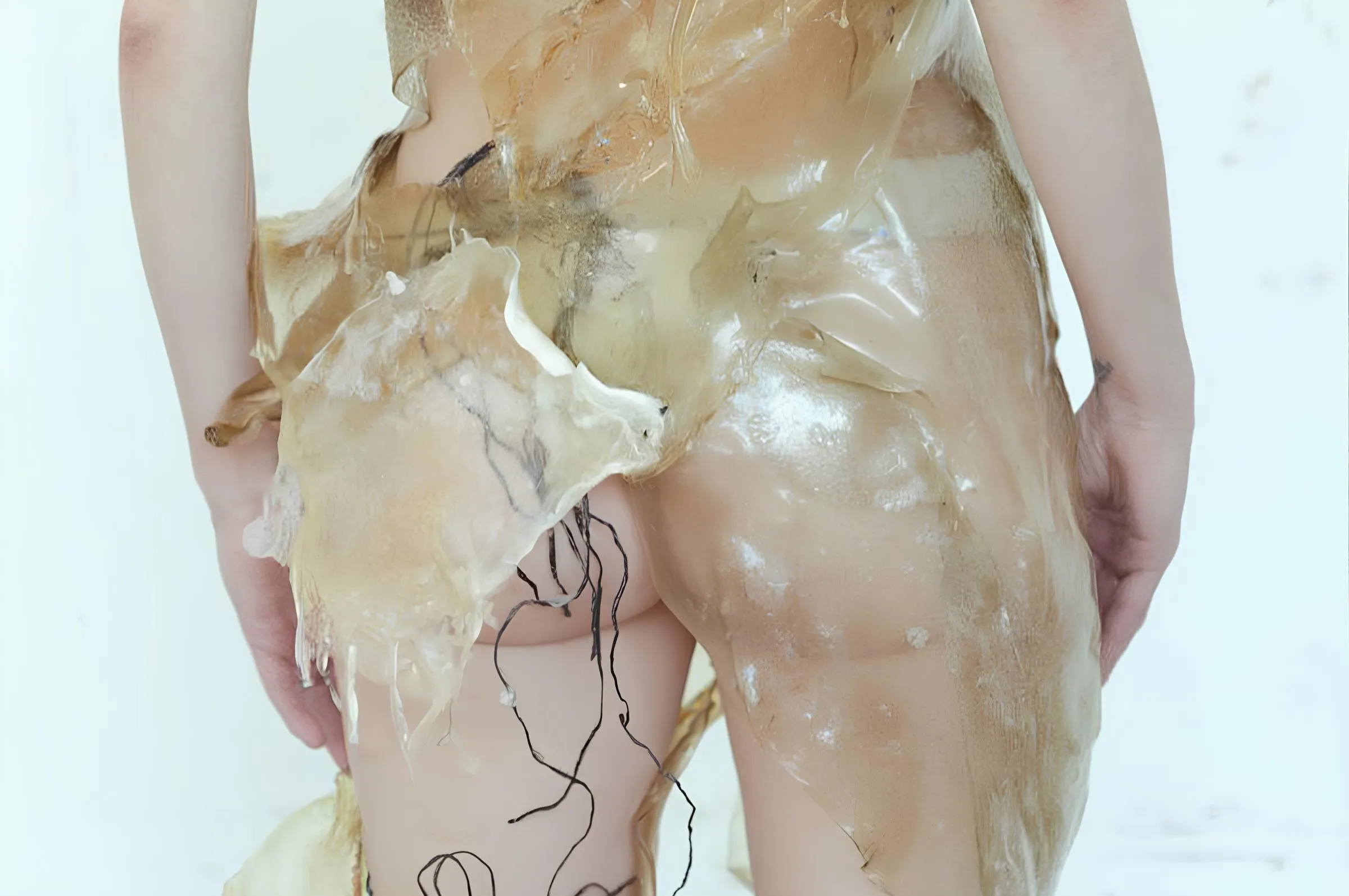
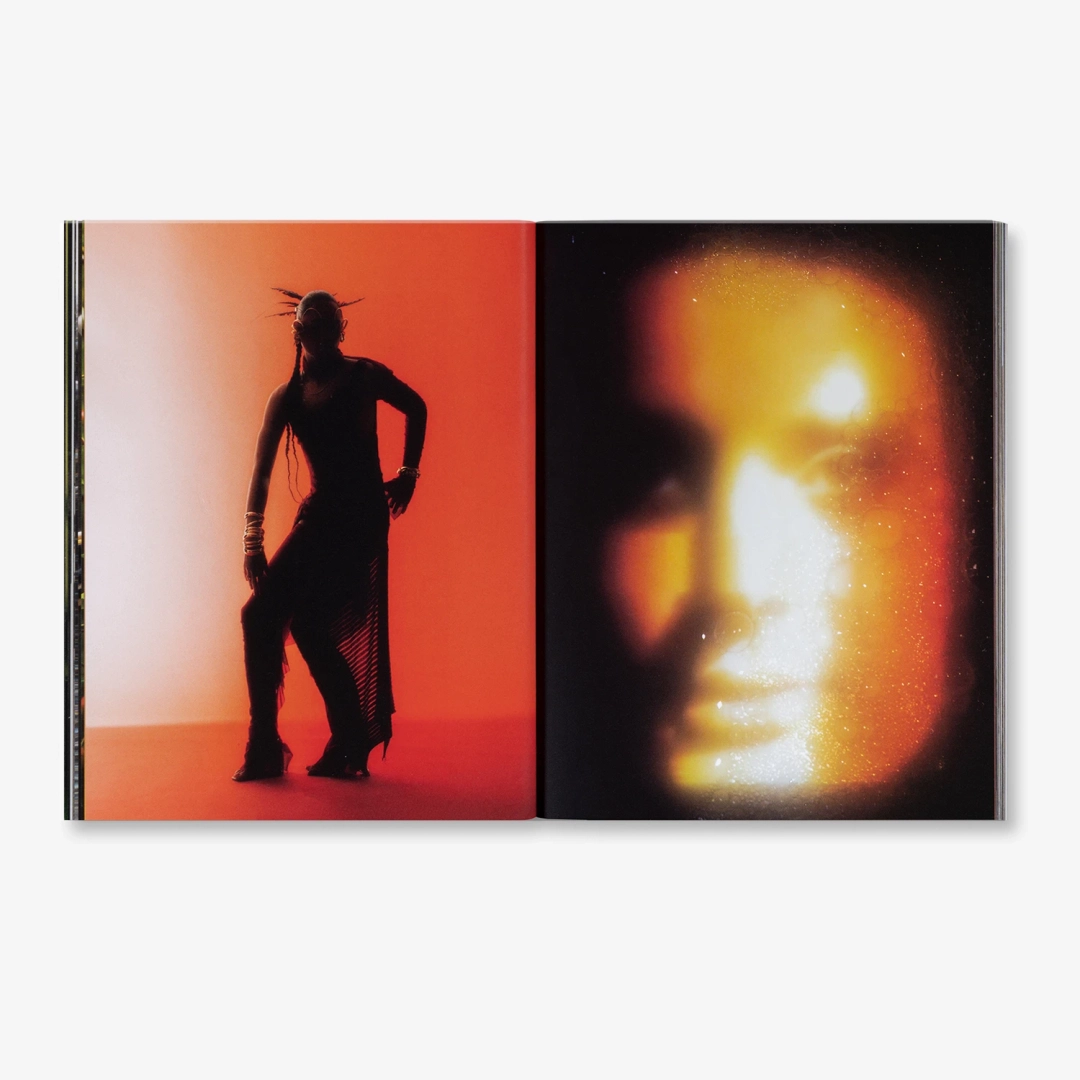
What happens when an image stops behaving correctly — when I lose control. Authority is something I question in my work. When I place photographs in water or transfer them onto textile, the image loses its stability. I can no longer control the exposure, the reflection, the visibility of the subject. The authority shifts from me toward chance and material behavior.
Part of this came from water itself, from the phenomenon of total internal reflection. Depending on the angle, water reveals something or mirrors the surface back at you. You think you are looking into depth, and you see only yourself or the surrounding light. I was aware of the Scandinavian exhibition context as the place where I show diasporic work. Those who knew what to look for managed to crack the code of its momentary reveal.
I want the image to behave like touch or memory: shifting, emotional, partially inaccessible. Water helps me surrender control. The photograph starts collaborating with gravity, temperature, reflection, accident, time.
Your images introduce friction and opacity, sometimes they almost liquefy. Is that a reaction against the polished perfection of digital aesthetics?
Sometimes I think about my work as an abandoned sci-fi laboratory overtaken by nature — water, moss, dust, time. The systems are still running, but nature has started reclaiming the architecture.
We live in a moment where images are engineered to remove friction. Skin is corrected. Light is corrected. Desire is corrected. Identity becomes optimized into something instantly readable and consumable. The image behaves like interface design. But memory is unclean. Migration is unclean. Queerness, grief. Family history leaks, mutates, disappears and returns in fragments. I became suspicious of the contemporary obsession with visual clarity, because clarity often hides ideology. The smoother the image, the more invisible its systems of control.
I grew up in Norway in an atmosphere that already felt photographic: snow blindness, blue winter darkness at 3pm, condensation on windows, wet asphalt, fog swallowing distance. That entered the work. When my images dissolve or blur, it is beyond nostalgia for analogue imperfection. I want photographs to feel contaminated by reality, as if the world had physically entered the surface of the image and started reorganizing it from within.
Mixed by Dev Dhunsi: diaspora and racial classification in Scandinavia
Did growing up between Oslo and Punjab place you in an identity space difficult to define?
The contradiction was stranger than feeling divided between Norway and India. I grew up in a family where identities mixed constantly: Norwegian, Indian, Moroccan, Algerian, Argentinian. Different religions, languages, foods and ways of moving through the world existed around the same dinner table. That complexity felt normal.
The contradiction appeared outside that environment: a demand for coherence. People wanted to know what I was, where I belonged, which side was dominant. At the same time I was discovering the history of racial science in Scandinavia, where photography was used to classify, measure and organize human beings into categories. The desire to categorize people has a history, and photography is implicated in it.
That contradiction sits at the centre of my practice. On one side the lived reality of identity — messy, relational, changing. On the other, the system. Images dissolve, reflect, fragment, become difficult to read. The photographs perform the same resistance many people perform in everyday life: refusing to become fully knowable on someone else’s terms. Instead of being half, one becomes double.
In the book, being mixed shifts from fracture into possibility. Did that happen naturally, or did you have to reclaim it?
Both. As a teenager, being mixed felt connected to confusion, because society prefers clear categories — especially in Scandinavia, where ideas of sameness and belonging are strong. Over time I realized the fracture contained possibility: if you sit outside one structure, you gain the freedom to question it.
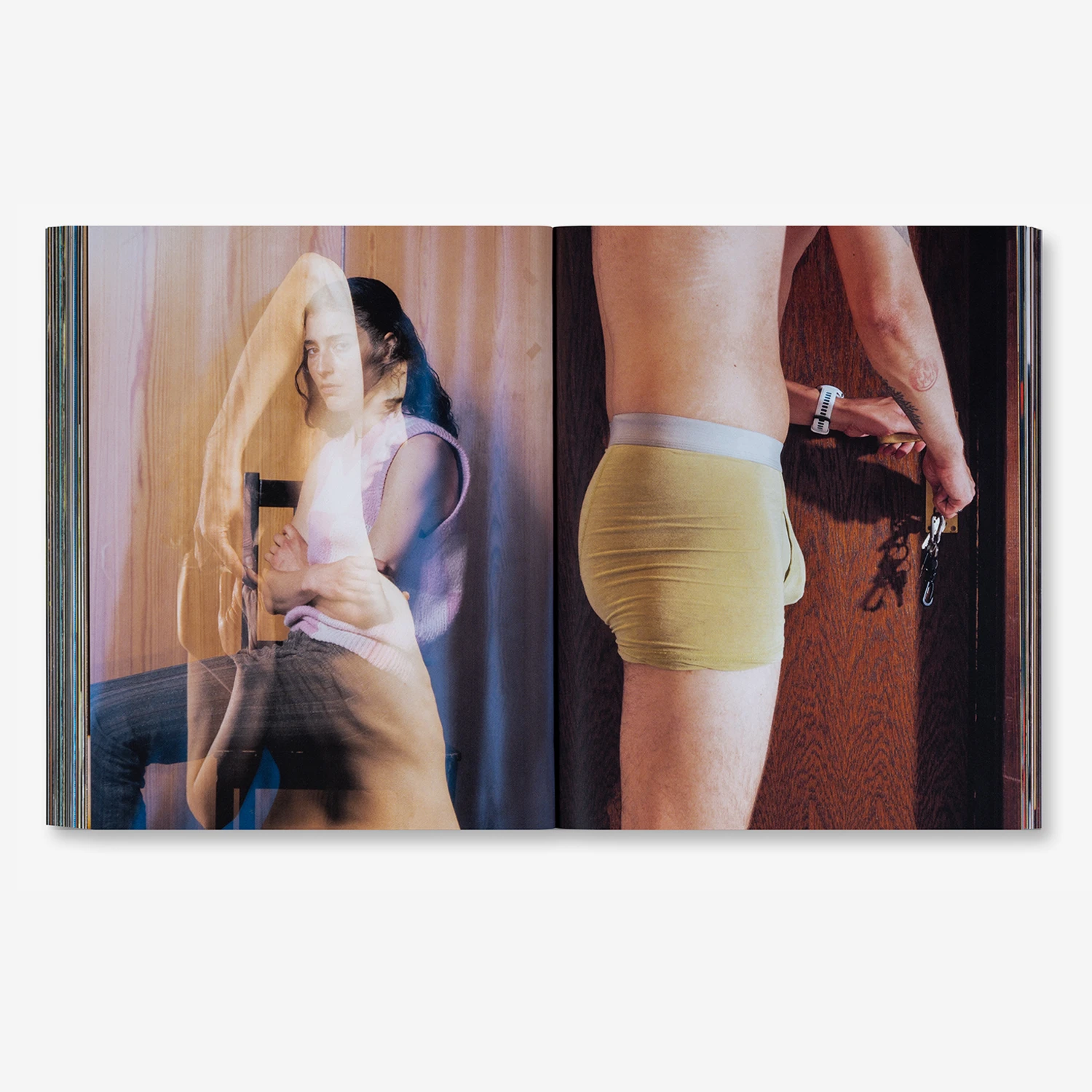
Mixed came from that realization. I stopped seeing mixedness as half of two things and started seeing it as its own condition — fluid, contradictory, creative. That came from the meetings with people of mixed heritage who participated in the project. It pushed me away from direct documentation, toward shaping tone and rhythm, creating new images in the reader’s mind.
Do you feel the world still demands clear, classifiable identities, despite the talk about fluidity?
People talk about fluidity, but institutions function through classification. Borders, archives, algorithms, casting, dating apps, museums: they rely on readability. Human beings are less coherent than that. Desire changes. Language changes. Memory changes. The work resists that pressure by remaining partially unresolved. I’m interested in the tension between visibility and opacity. What interests me is when someone in an exhibition looks at my work and confidently claims what they are seeing — while being wrong.
Dev Dhunsi on photography as skin
Is photography, for you, closer to a body than to a representation?
I’m interested in photography as texture more than as a window. With the textile works, photographs behave like skins. They wrinkle, hang, absorb light, carry scars. They exist physically in space. Bodies carry history differently than archives do: trauma, migration and desire survive physically before they survive linguistically. I want the images to feel tactile and vulnerable.
Some portraits look like images rediscovered in a forgotten box. Are you connecting with a real past or with a collective memory?
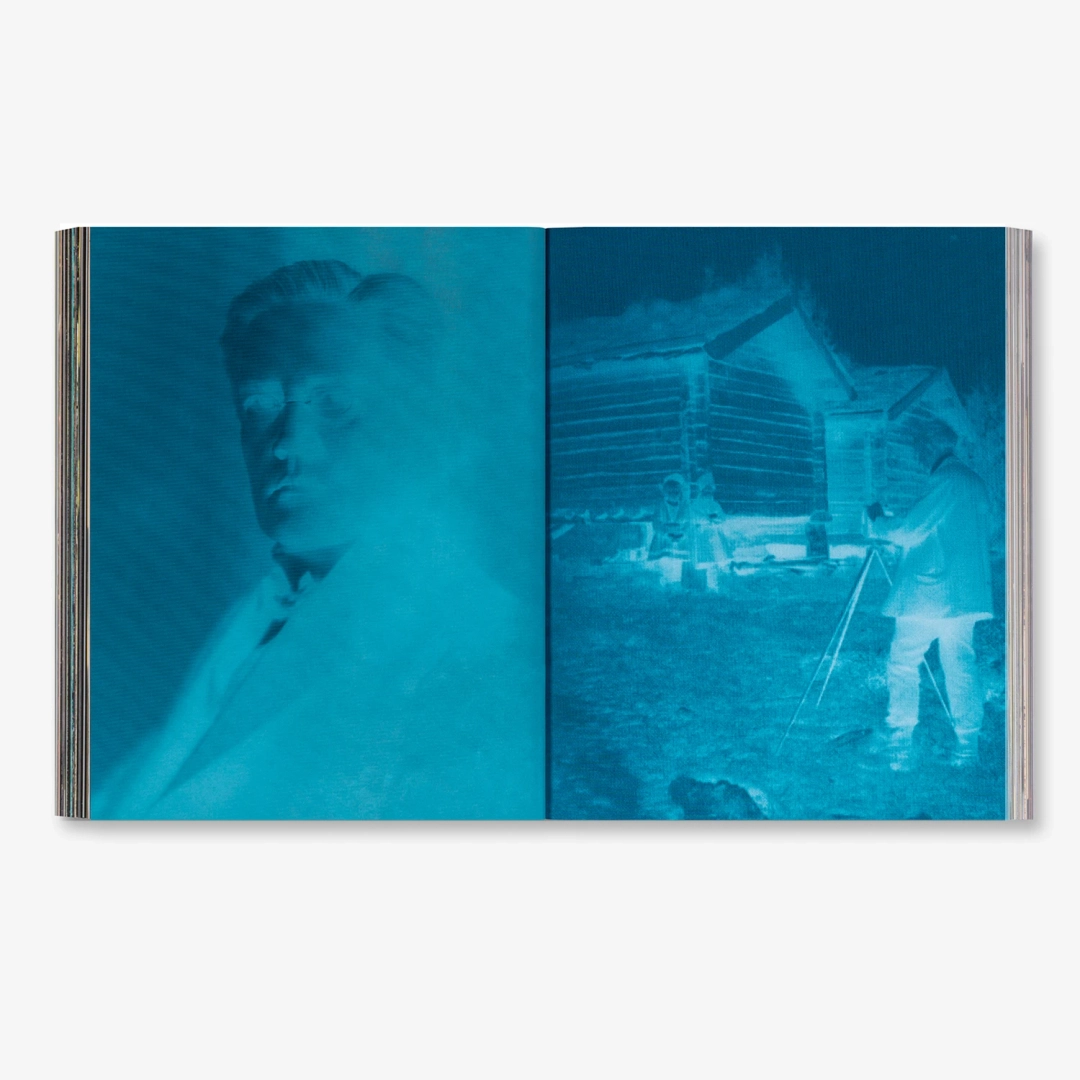
A combination. There is the real past of the racial institute in Uppsala and my ethical struggle in revitalizing that archive — which is why those images feel found in a box, in the ocean’s deep. At other times I use personal material, but I want the images to feel displaced in time, as if they belonged to a memory that isn’t fully yours. Family albums carry migration histories, absences, people who disappeared or changed countries. Images become emotional objects. Photography also creates collective myths — that the book reads like a collective past is something I appreciate.
Mixed and the queer gaze: Dev Dhunsi on fashion aesthetics and desire
Queer and diasporic identities were long represented through someone else’s gaze. How important is reclaiming control over the image?
Part of my work tries to create another visual language, where vulnerability, intimacy and complexity can exist without becoming spectacle. But I’m careful with the idea of full control. Images escape control; people project onto them constantly. The work is less about mastering the gaze and more about destabilizing it.
Some images flirt with fashion aesthetics and sabotage them at the same time. Do you use that language to talk about desire, or to expose its artificiality?
I love fashion imagery. I grew up consuming magazines, music videos and advertising. I’m interested in the instability underneath those surfaces. Fashion sells identity as complete and attainable: you become desirable through image construction. Casting and location scouting fascinate me — the hunt for someone who can represent the idea. My work enters that language and slowly interrupts it, through distortion, awkwardness, excess emotion, material breakdown. Certain crowds get drawn closer to the work, and that helps convey the message.
Dev Dhunsi on whiteness, language and identity erasure in Mixed
You write: “The north insists on its whiteness. / The myth of purity. / The myth of homogeneity.” When did you first become aware of that pressure?
Early, before I had language for it. Schoolbooks where nobody resembled your family. Comments about food, hair, smell. Being looked at longer than others, or asked why I lacked a bindi on my forehead — my family is Sikh. Once, in a small coastal city in Norway, a chef was proud that an Indian liked his fish burger. I was born there; I carry as much of the identity coming from the nearest large town as anyone.
In Norway, whiteness presents itself as neutrality. That makes it difficult to speak about, because it appears invisible to the people centered within it. I became aware of it when I understood that some people move through institutions without explaining themselves, while others are interpreted before they speak.
“In school, they taught me heritage. In bed, they asked me to speak in ———.” Can the pressure to speak or desire the right way become a form of identity erasure?
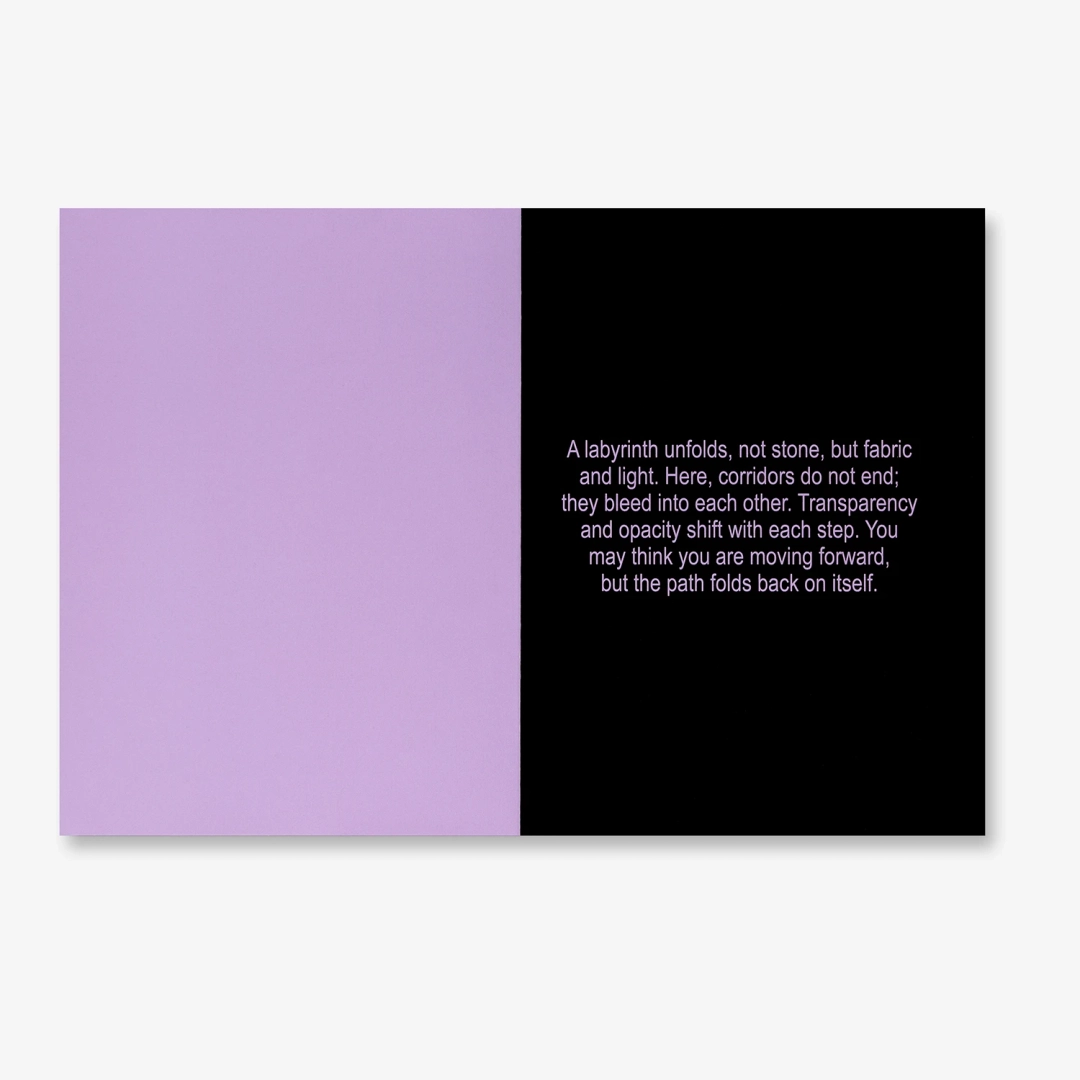
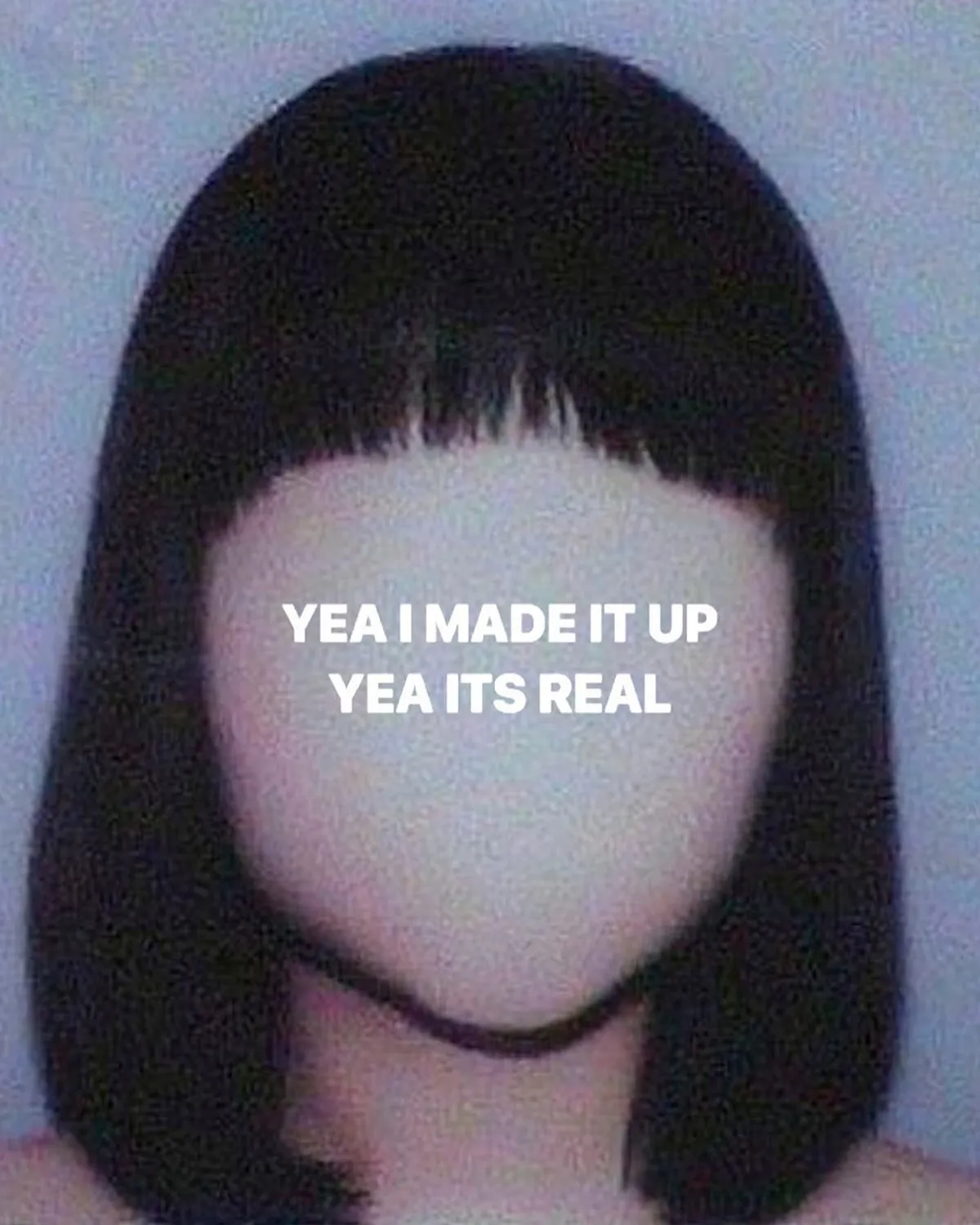
Language becomes a performance quickly. You learn to soften yourself, pronounce things differently, hide references, adjust desire, adjust behavior. Intimacy becomes another place where you negotiate acceptability. People who move between cultures know that feeling: you become hyper-aware of how you sound, how your body is read, what parts of yourself feel too much. Over time that creates distance from your own instincts. In the book I left gaps and redacted visual elements to spark imagination. Guessing what hides behind the redaction might reveal something about yourself.
Dev Dhunsi on water, Hindu mythology and nature as witness to diasporic memory
Some figures in the book seem suspended between portrait and ritual icon. What relationship do you have with mythology?
I’m interested in mythology as a living structure for understanding transformation. Growing up partly in India meant being surrounded by different symbolic systems. Hindu mythology contains bodies that transform constantly: humans becoming gods, gods becoming animals, genders shifting, time collapsing. My father reenacted those tales, and seeing a mandir altar, posters or calendars today, nostalgia hits hard. That fluidity felt emotionally truthful. Mythology enters the work because realism alone feels insufficient for describing diasporic or queer experiences. Myth allows contradiction to exist.
Nature in your images feels like an ancestral presence. What relationship exists between body, memory and landscape?
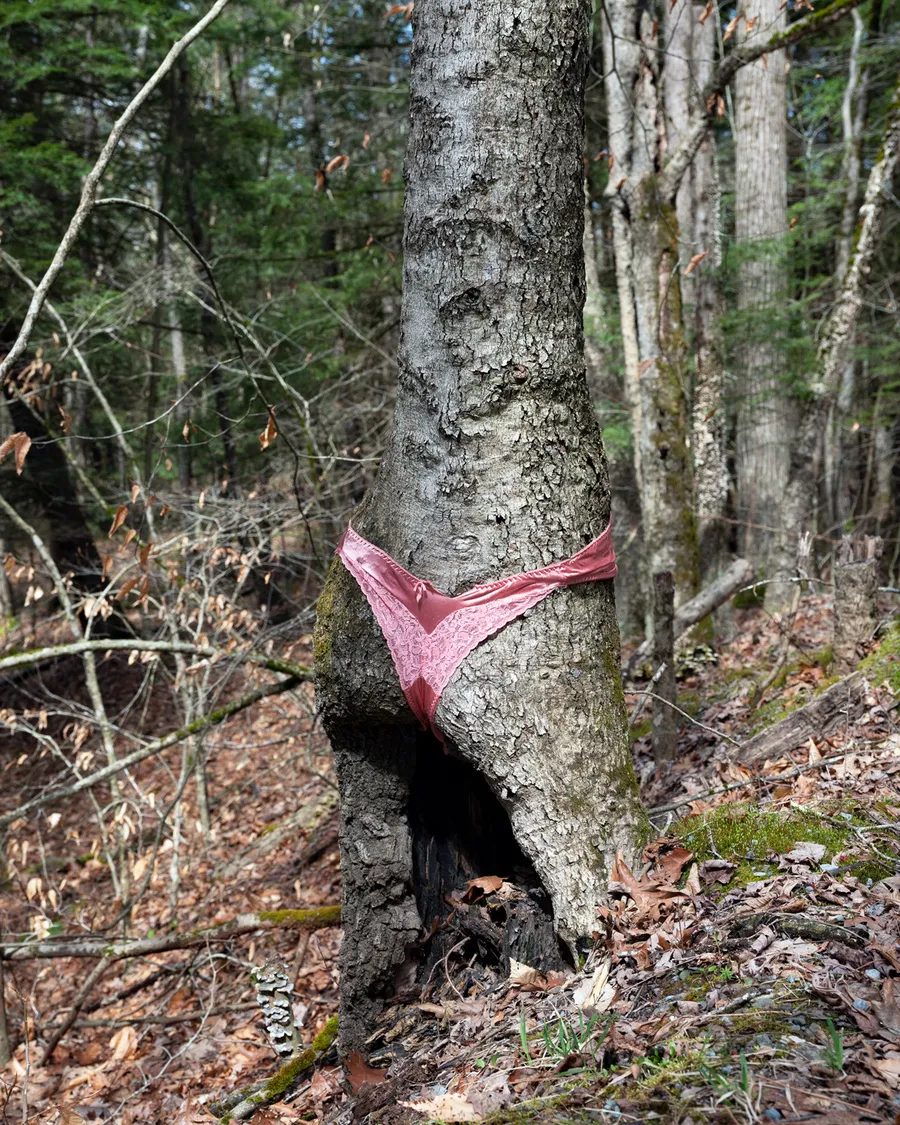
Nature never felt separate from identity. In Norway, landscape is tied to national identity: fjords, forests, snow. Nature also holds migration, industry, extraction, violence. I think about water specifically. Water remembers movement; it carries pollution, bodies, histories and borders all at once. My strongest memories are connected to climate and atmosphere: humidity in Punjab, cold air in Trondheim, wet clothing drying indoors, condensation on windows. Nature in the work becomes a witness.
Dev Dhunsi on materiality and the instability of the photographic image
When did photography stop feeling like a stable, definitive image to you?
Years ago, my family thought we had lost a large archive of digital photographs. One day I found an old CD containing the folder we had been searching for. Inside were images surrounding my grandmother’s passing. In one photograph, my father is bathing in the Ganga moments after pouring her ashes into the river. In another, my family sits around her cremated remains, praying with a priest. I had seen some of these images as a child, but rediscovering them after believing they were gone felt like seeing them for the first time.
The images carried another weight: they had nearly disappeared. They felt fragile, unstable, haunted by loss. That moment changed my relationship to photography. Photographs are unfixed objects — their meaning shifts through time, absence, memory, rediscovery. It pushed me toward experimentation, toward activating archival images physically and emotionally. Since then I have treated photography as something alive, vulnerable, constantly transforming.