Yann Turchi: Image as Proximity
Analog process, lived perspective, and narrative control: photography as presence, not performance.
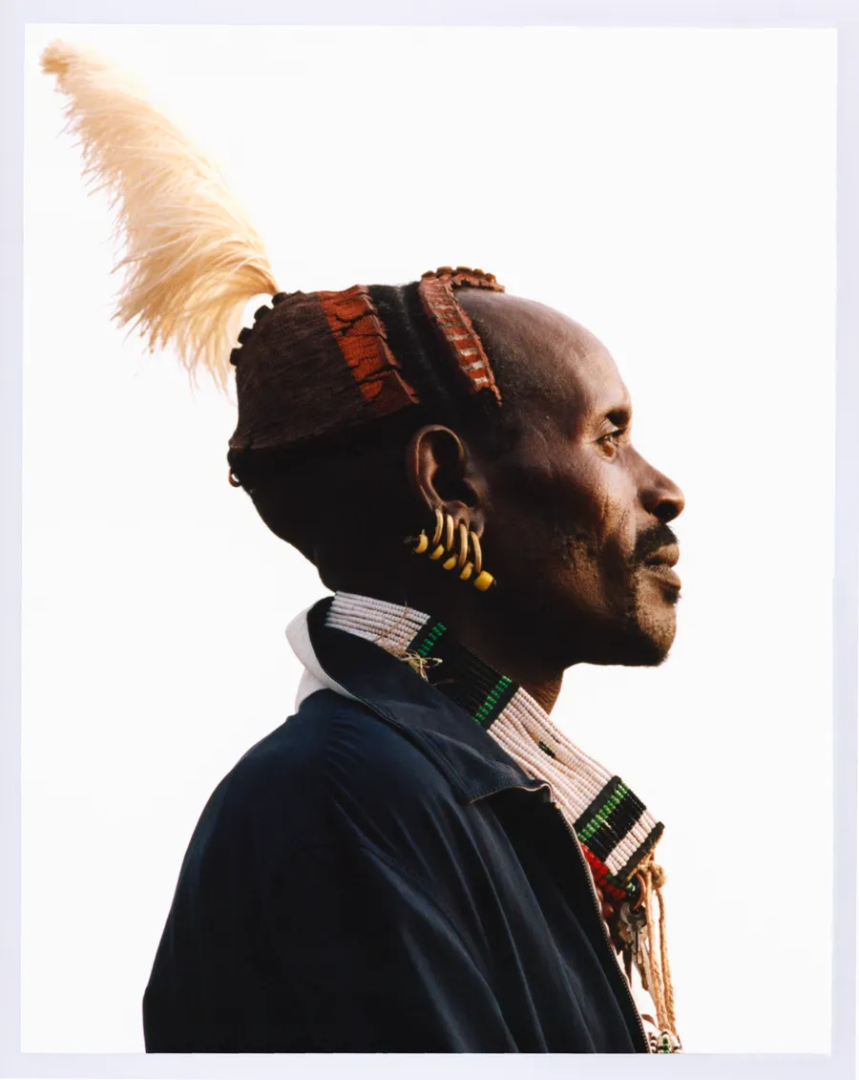
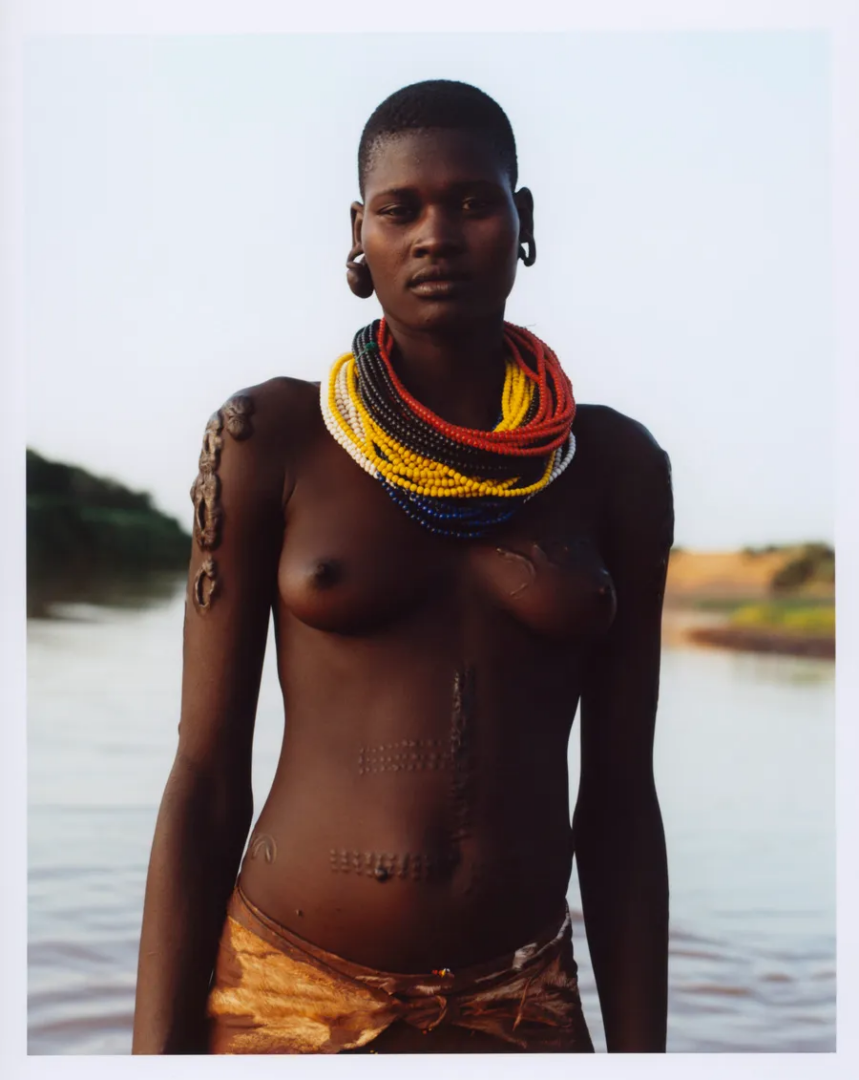
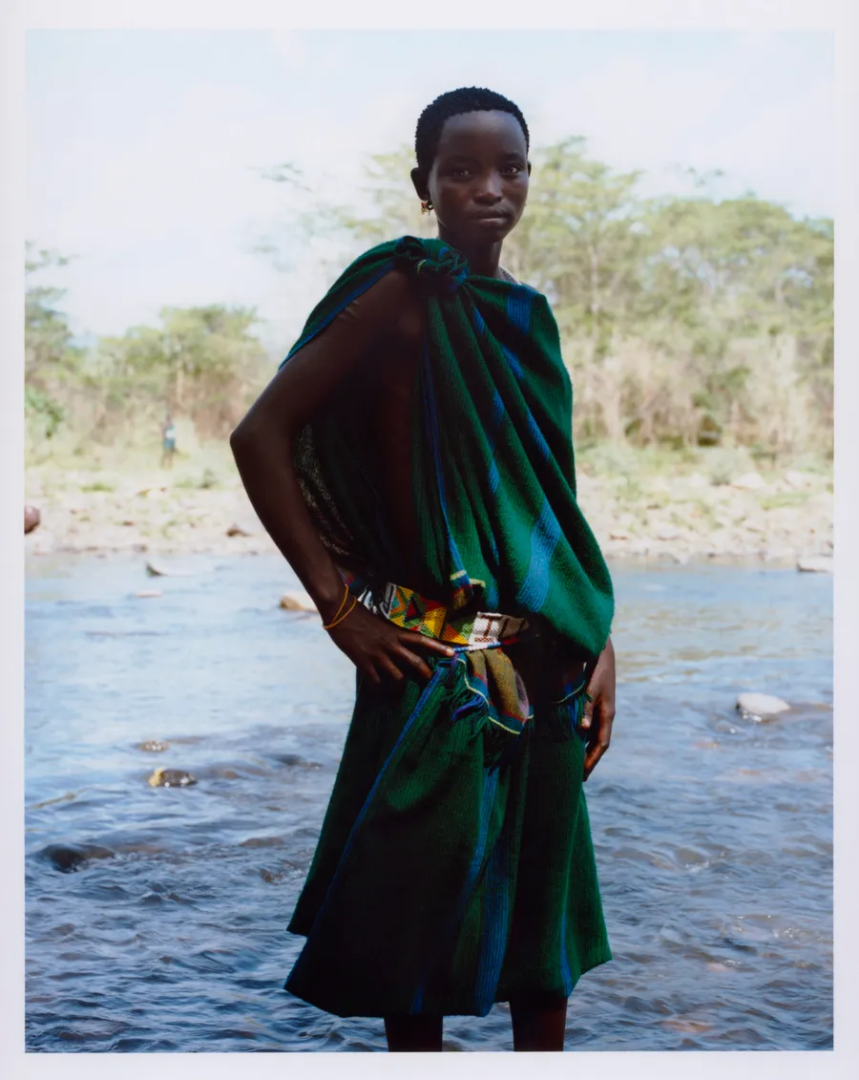
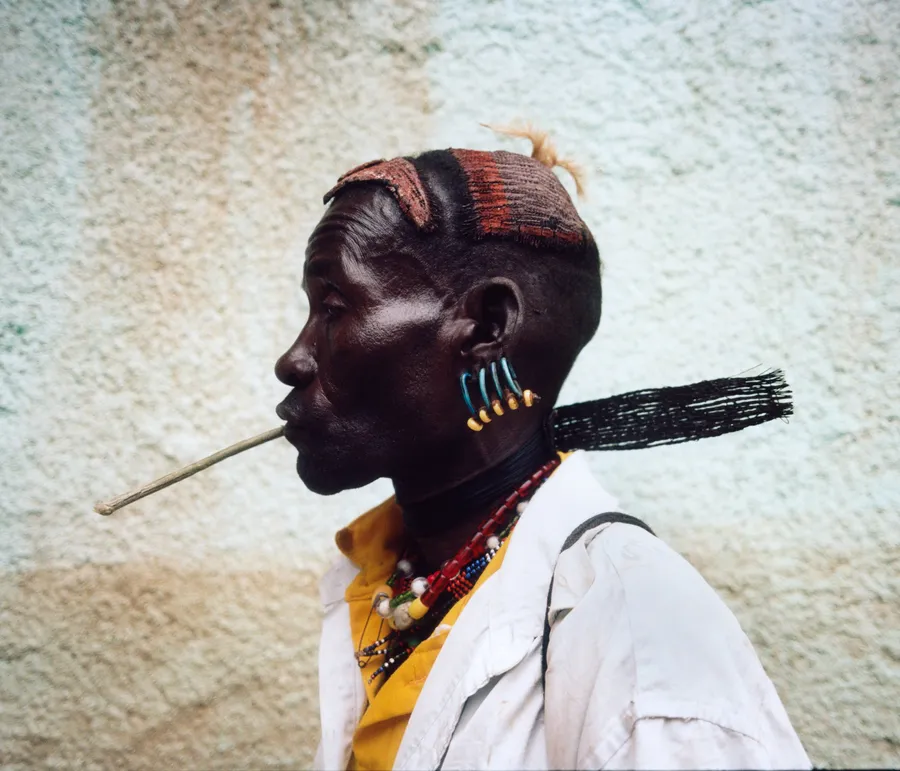
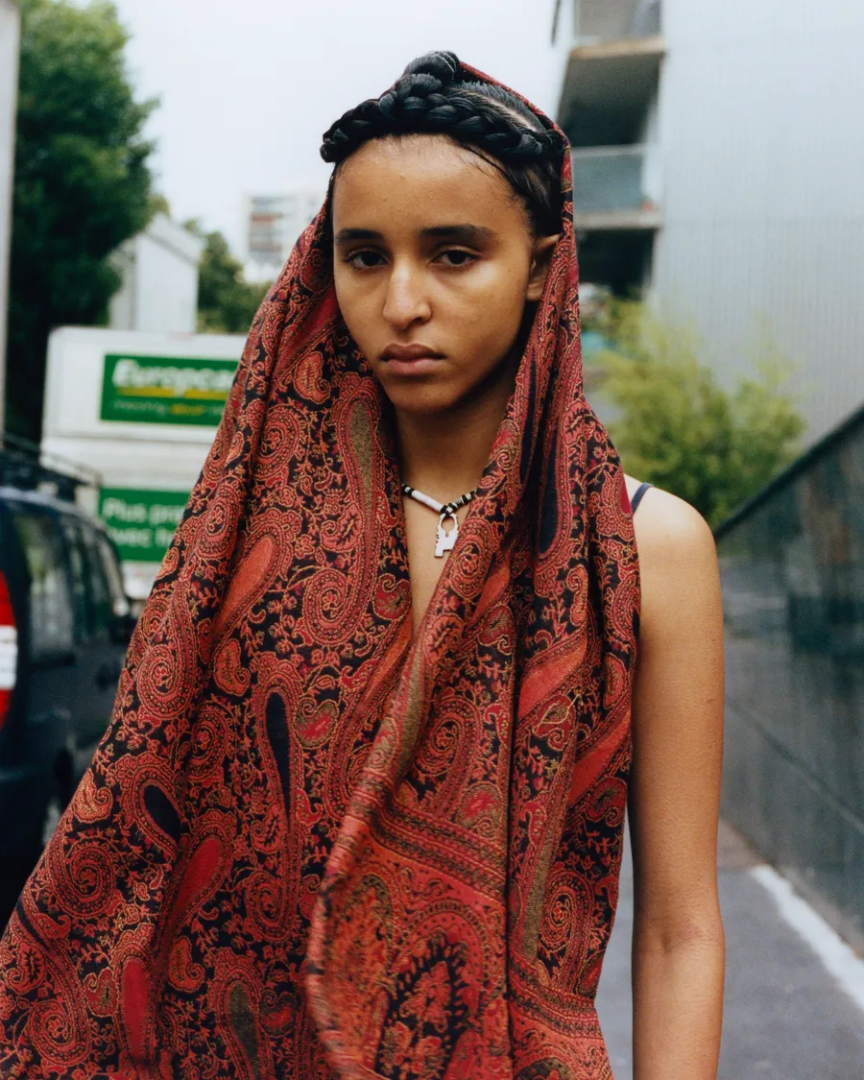
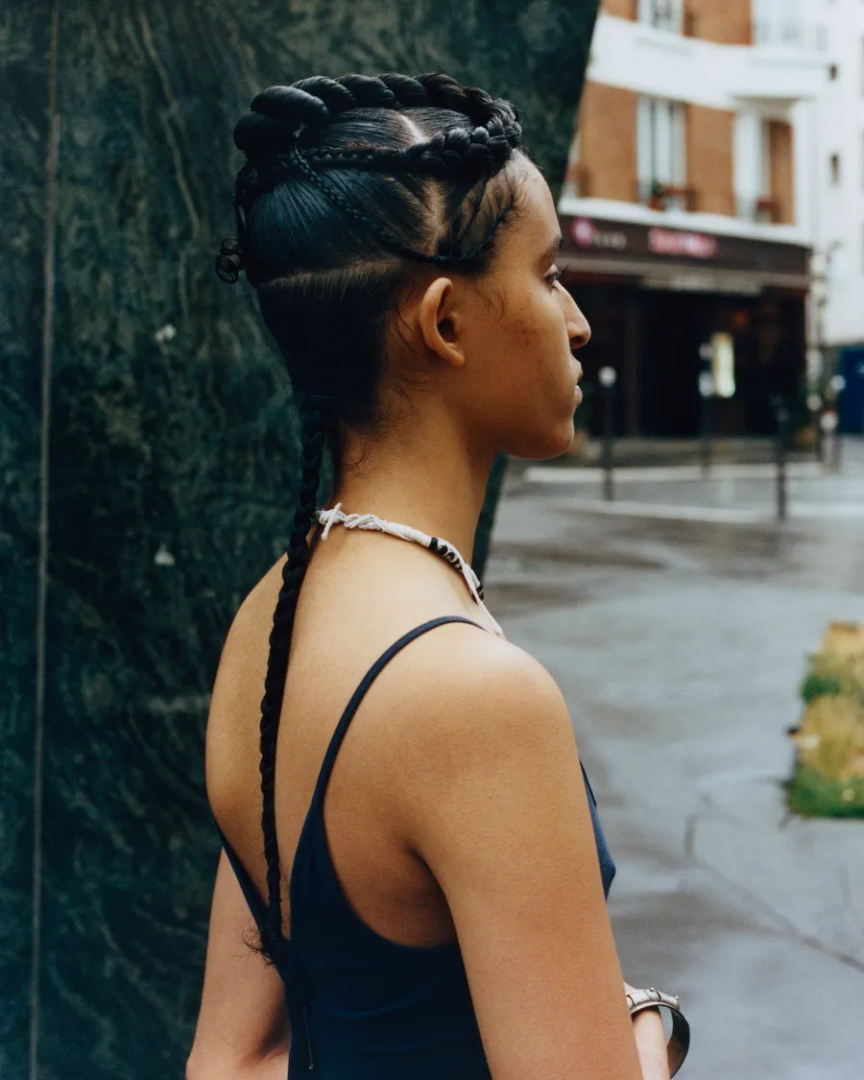
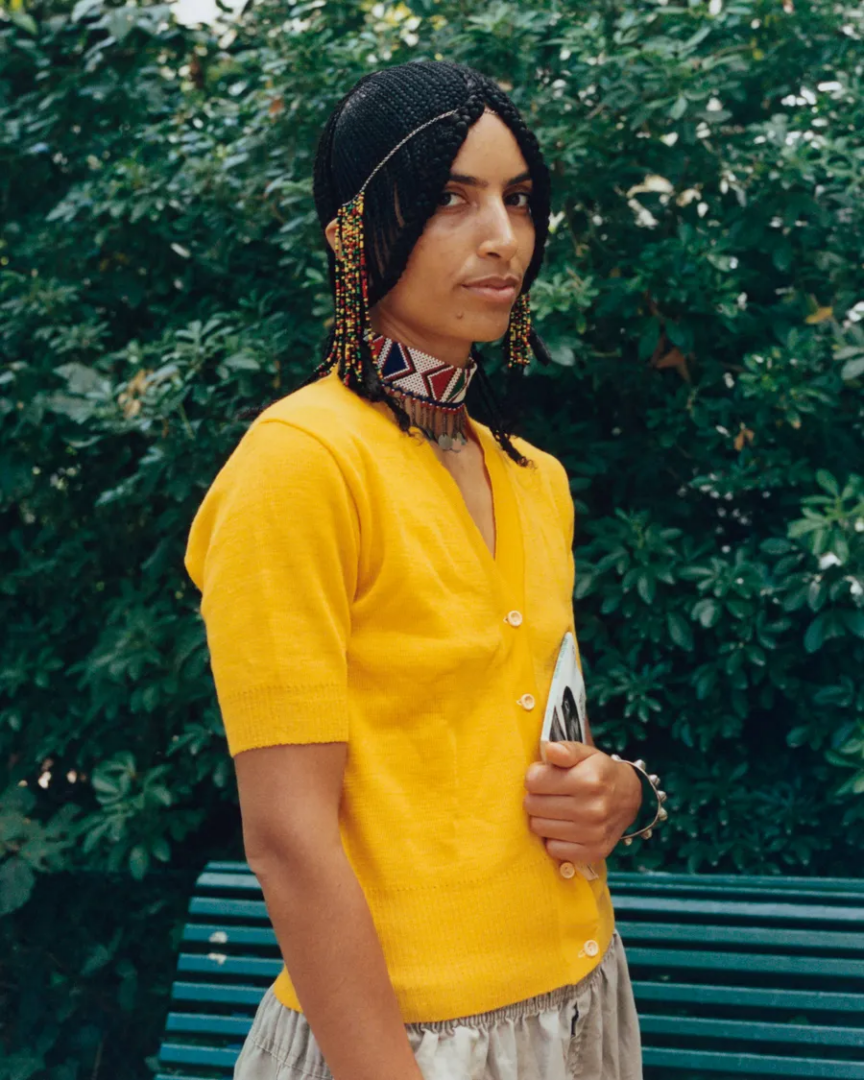
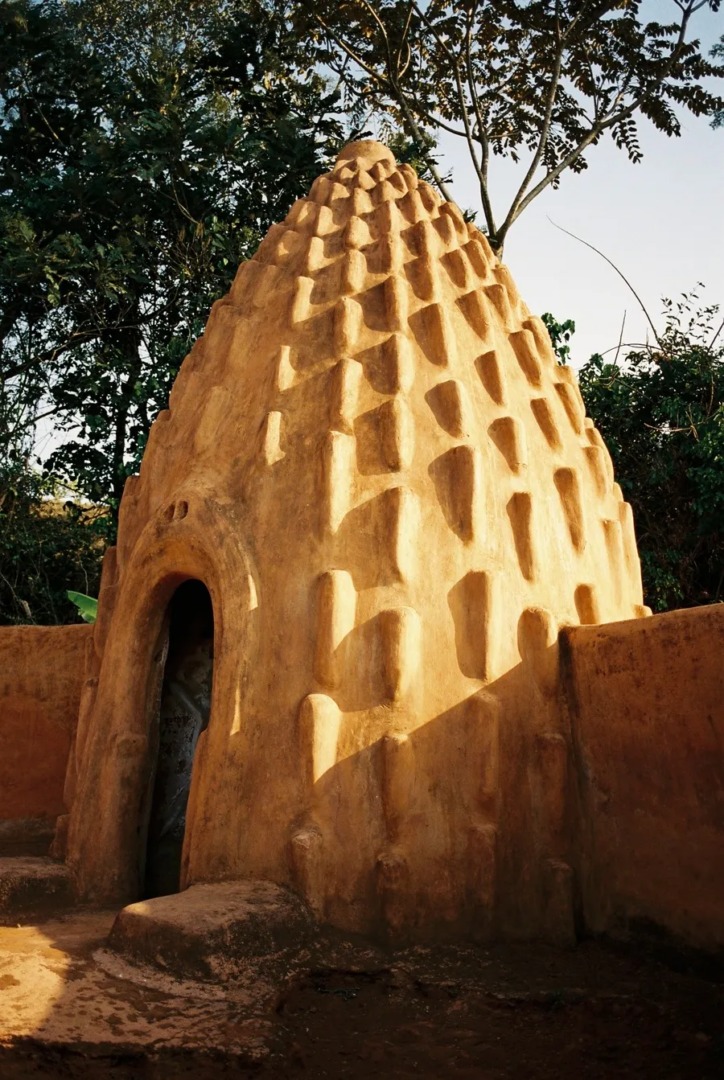
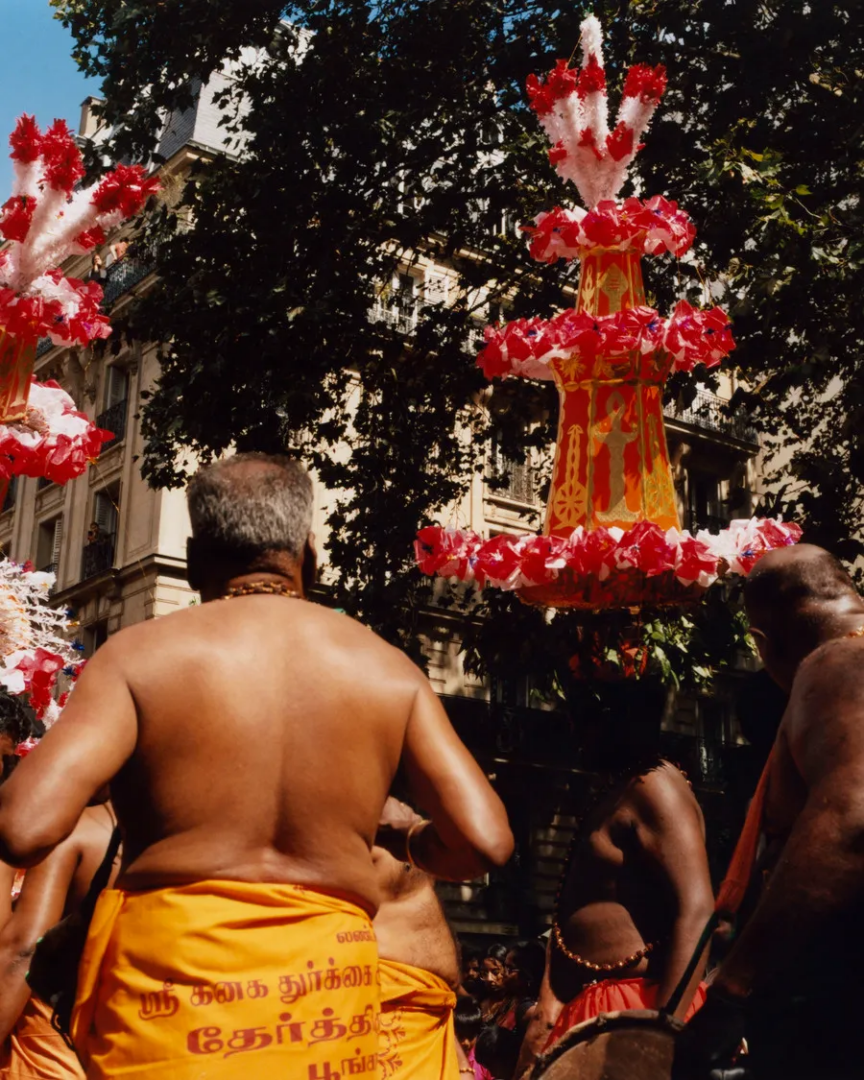
Based between Paris and international contexts, Yann Turchi approaches photography as both documentation and reclamation. Rooted in a background in hairdressing, his work carries an awareness of intimacy and respect for personal space. Moving from fashion environments into self-directed projects, he uses analog processes to retain control over narrative and material outcome. His images engage communities with nuance rather than symbolism, resisting simplification in favor of complexity. In this conversation, he reflects on representation, time, proximity, and the responsibility of shaping images that endure beyond immediacy.
This conversation is part of Lampoon’s column on Talent, Taste, and Transformation curated by Anouk Jans.
AJ: Hairdressing came before photography. What did working with hands, texture, and proximity to people teach you that still shows up in your images?
YT: When I was doing hair, what mattered most was making people feel like themselves. In photography, that translates into creating a safe space where the subject feels able to be fully themselves.
AJ: Working as a hairdresser places you very close to someone’s body and identity. What stayed with you from that intimacy?
YT: A strong sense of respect for someone’s space and intimacy.
AJ: At what point did hair stop being an end point and start feeling like a way into something else?
YT: When I realized I wanted control over my own narration. Working on shoots as a hairstylist exposed me to different mediums and processes. When I first imagined my book, I understood that if I wanted to shape the narrative, I had to hold the camera myself.
AJ: Did you ever see hairdressing as a form of authorship, or was it always in service of someone else’s image?
YT: It was in service of someone else’s image. If you want authorship, you have to create the image yourself. The digital era makes that possible, creatives can now own their work from start to finish.
AJ: Looking back, do you consider hairdressing part of your photographic education?
YT: In a way, yes. I worked with many photographers, each with different processes. Some became friends and shared knowledge about light and camera. That helped when I started. But I still had to learn everything, especially working with analog, shooting, printing, editing. That learning process was essential.
AJ: Photography entered your life gradually rather than as a clean break. What shifted internally when you picked up a camera?
YT: The desire to create my own visual world. I fell in love with analog, choosing the film stock, spending hours in the darkroom, deciding on paper, color, exposure. That process gave me ownership.
AJ: Your work carries a documentary sensibility but also a strong awareness of style. Where does that balance come from?
YT: From merging my background in fashion with my desire to tell stories honestly. Reality can feel unstable. Photography becomes a way to reframe it through what I care about.
AJ: How much preparation goes into a project before you arrive on location?
YT: I prepare through research and conversations, but I leave space for the unexpected. The environment and the people often shape the final image more than any plan.
AJ: Your work deliberately reframes narratives around communities of colour. At what point did that responsibility become central to your practice?
YT: As I grew older, I became aware of how limited the representations of communities of colour often are. At first it was an artistic choice, then it became natural. It never felt like a burden or obligation. It felt aligned with my experience. I believe it is everyone’s responsibility to rebalance representation, especially when so many creative fields draw inspiration from these communities. My work grew from that awareness.
AJ: How do you stay attentive to the line between observation and projection?
YT: By listening more than directing. I question my own assumptions and try to remain open. The subject’s reality has to come before my interpretation.
AJ: What does respect look like in the act of photographing someone?
YT: Seeing the subject fully, not reducing them to a prop. Listening, understanding their story, giving them space. It’s collaboration, not imposition. The image should preserve dignity and complexity.
AJ: Do you think more about what you want to show, or what you want to avoid showing?
YT: I focus on what I want to show. Thinking about avoidance can become restrictive. I work from my own experience, hoping to offer a different perspective.
AJ: Being French-Cameroonian places you both inside and outside the cultures you photograph. How does that position affect your way of seeing?
YT: Growing up between cultures shaped my perspective. It gave me openness. I try to photograph from a human position first, so the work can resonate beyond one context.
AJ: The book feels like a decisive step. What made now the right moment to give the work a permanent form?
YT: There is no right moment. You give your work momentum yourself. I felt ready to fix it in a form that could last.
AJ: How did editing the book differ from editing individual projects?
YT: It required distance. I had to step back and try to see it as an outsider. That was difficult because I was involved in every stage.
AJ: What did you remove that was hardest to let go of?
YT: My ego. I had to accept that not everything belongs.
AJ: Does the book feel like a conclusion, or more like a foundation?
YT: A foundation. The beginning of a longer journey.
AJ: What kind of reading experience did you want to create, slow, intimate, confrontational?
YT: Slow and intimate. I focused on the gaze. Eyes communicate across generations, especially within the context of African heritage.
AJ: You are now opening your practice to commissioned work alongside personal projects. What needs to stay intact when you work with a client?
YT: My sensitivity and ethics.
AJ: What kinds of collaborations feel aligned with your way of working?
YT: Organic collaborations. Mutual respect. A process that doesn’t feel forced.
AJ: How do you protect your point of view when other expectations enter the frame?
YT: Through dialogue. Explaining why I see things a certain way. Collaboration means considering other perspectives without losing your own.
AJ: At this stage, what feels unresolved in your work?
YT: Reconnecting my personal work with my commissioned work. They have grown apart. I’m curious to see where that tension leads in the coming years.
Anouk Jans