Freia and therapeutic hemp: a growing industry without a supply chain behind it
Hemp enters Italian clinical practice from the seed: studies on vulnerable patients, protocols and formulations free of psychoactive cannabinoids, while the production supply chain remains fragmented
Freia Farmaceutici and hemp: clinical research that starts from the seed in Italy
When Freia Farmaceutici was founded in 2009, hemp did not yet have a defined place in the language of the Italian pharmaceutical industry. The plant was associated above all with the debate around recreational cannabis and with a cautious regulatory framework. Alessandro Cavalieri, the company’s CEO, summarizes that initial context: «Talking about hemp in Italy in 2009 was like talking about drugs».
The initial decision was to focus exclusively on the seed of Cannabis sativa, separating it from any reference to inflorescences and cannabinoids: «From the beginning of our activity, we focused on products free of THC and CBD».
Hemp thus became a subject of study based not on the plant’s exceptional status, but on its chemical composition. The company chose to operate within the framework of authorizations and clinical protocols, where every decision requires documentation, traceability and quality controls. The objective was not to exploit an image, but to transform an agricultural ingredient into an element of care integrated into existing medical processes.
This approach immediately placed the project at a boundary: between agriculture and healthcare, cultivation and laboratory. Hemp is examined as a pharmaceutical material: for the active principles it contains, for the tolerability of its lipid components, and for its ability to integrate into a therapeutic pathway without introducing regulatory ambiguity.
In this context, the distance between scientific research and public perception remains a gap to be closed: what is developed in clinical settings still encounters generalist communication that tends to overlap different issues.
Natural raw materials for health: clinical formulations for vulnerable patients
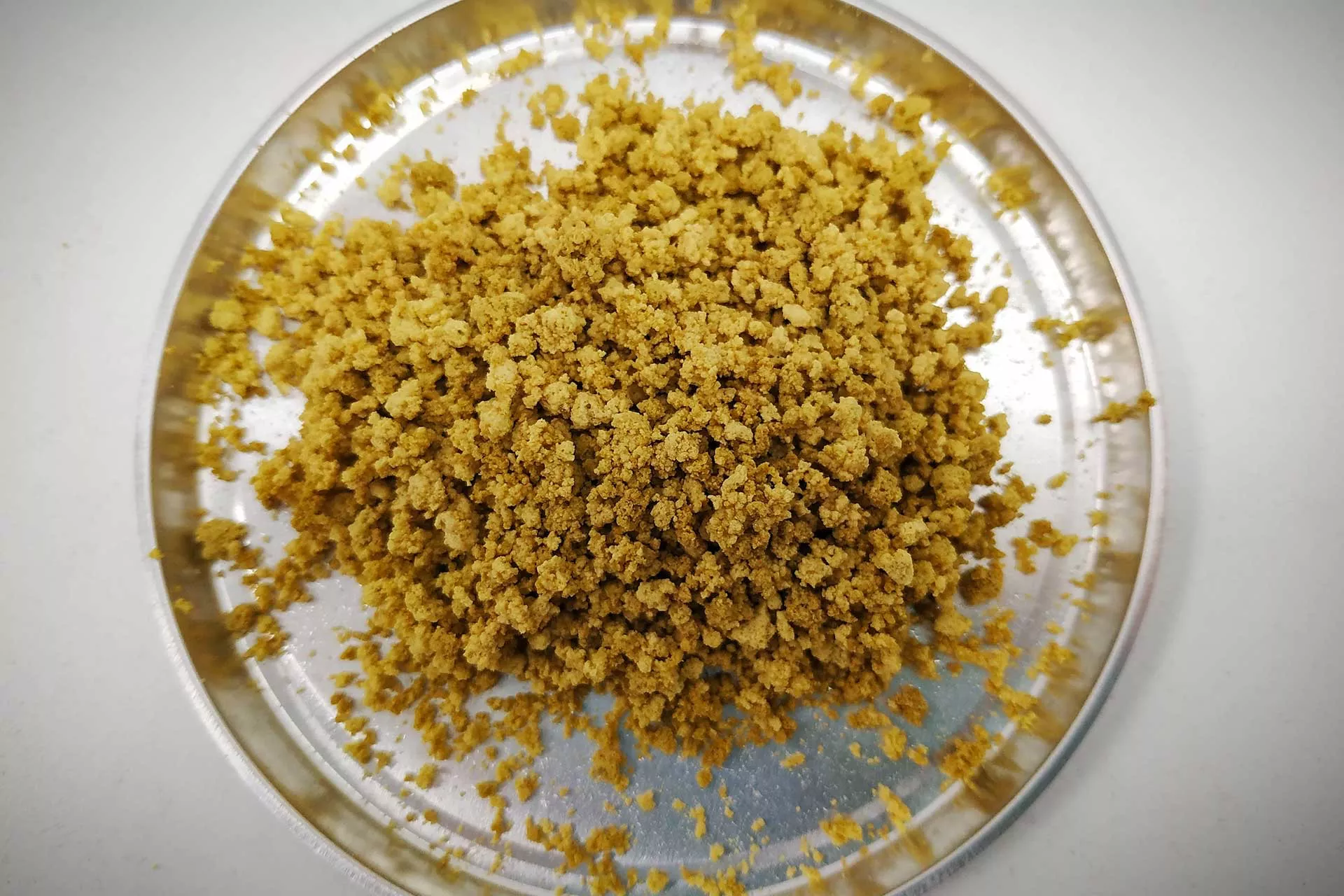
The formulations developed begin with oil extracted from the seed, rich in polyunsaturated fatty acids. They are intended mainly for patients with dermatological conditions linked to oncology treatments or chronic diseases, and for people with altered lipid profiles: «From hemp we extract active principles such as omega 3 and omega 6, useful for developing therapeutic solutions with different fields of application».
Natural raw materials are therefore not treated as an indistinct whole, but as components selected for their physiological properties. One example is the clinical study conducted at Sant’Anna Hospital in Turin on children affected by a form of dyslipidemia: «The results were particularly appreciable also in comparison with standard pharmacological therapies».
In neurology, ongoing work focuses on diseases of the central nervous system. Possible correlations are being investigated between the intake of specific lipids and the progression of conditions such as Alzheimer’s disease or ADHD. The focus is on integrating, not replacing, existing therapeutic protocols, providing support in contexts where treatment efficacy is limited or side effects are burdensome.
Hemp thus enters care pathways as part of a pharmacological strategy aimed at minimizing adverse effects, especially in vulnerable patients, with a tolerability profile suited to hospital settings.
Italian Supply Chain: a historic crop without an industrial system to support it
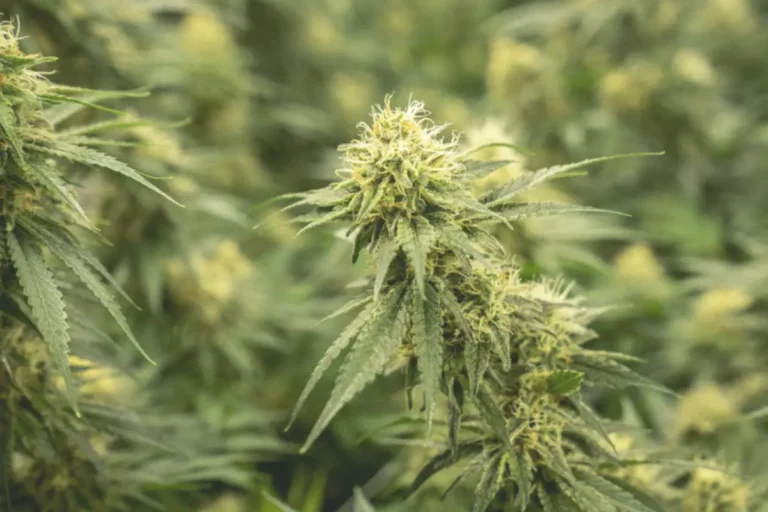
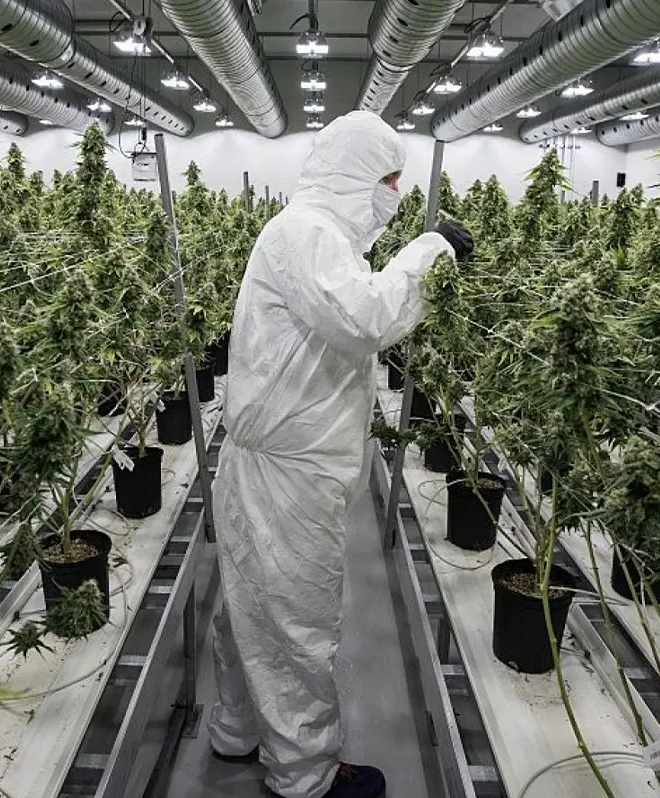
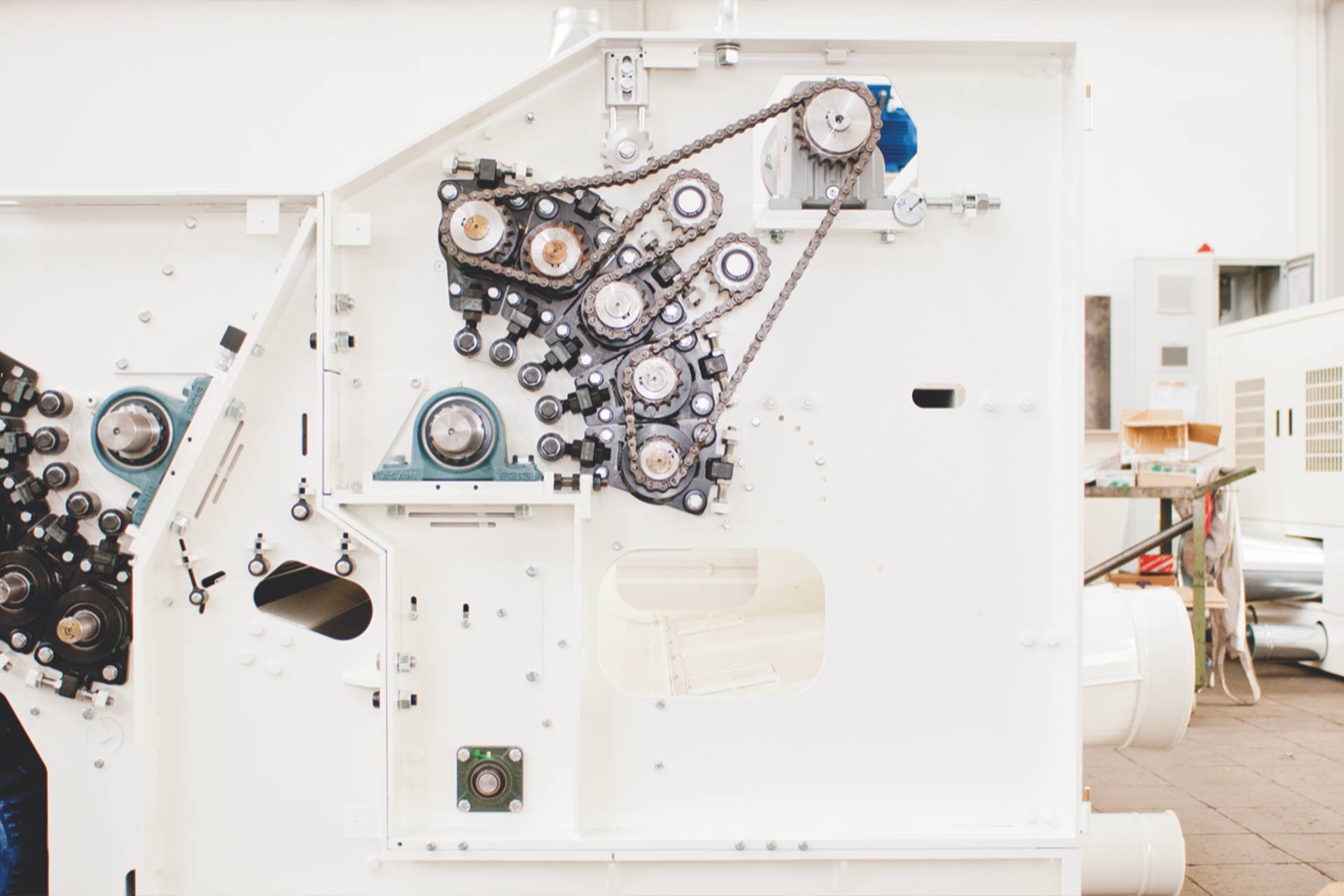
While the clinical direction is clear, production reveals critical issues. Hemp is sown in different areas of the country, but the Italian supply chain lacks an adequate industrial network capable of processing every part of the plant.
For the company, the seed is currently the useful component, while the stalk and other plant residues are not processed: «Distillation plants and facilities for processing the stalk would be needed». Without them, the crop remains incomplete: an agricultural segment unable to become an industrial category.
There is no capacity to develop the agronomic and technological sides in parallel. The risk is twofold: farmers do not receive sufficient remuneration for the crop, while clinical research operates knowing that it cannot rely on raw material available in consistent quantities and quality over time.
The situation is made more complex by the absence of national coordination: despite attempts to relaunch cultivation in recent years, hemp continues to be treated as an experimental or marginal crop.
This discourages investment that would require a long-term perspective rather than isolated initiatives. Yet the crop is compatible with the agricultural models now required by the European Union in terms of reducing emissions and diversifying crop rotations. A material that could be used across several sectors therefore remains an unexploited industrial opportunity.
Missed circular economies: value lost in hemp waste and fiber
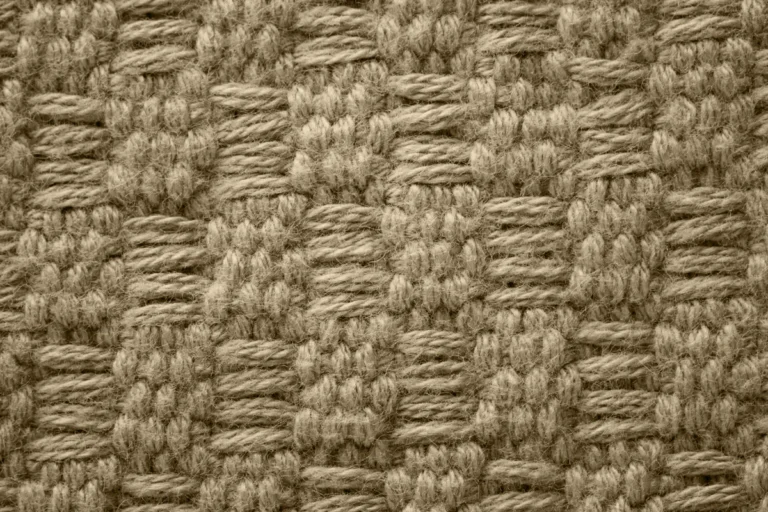
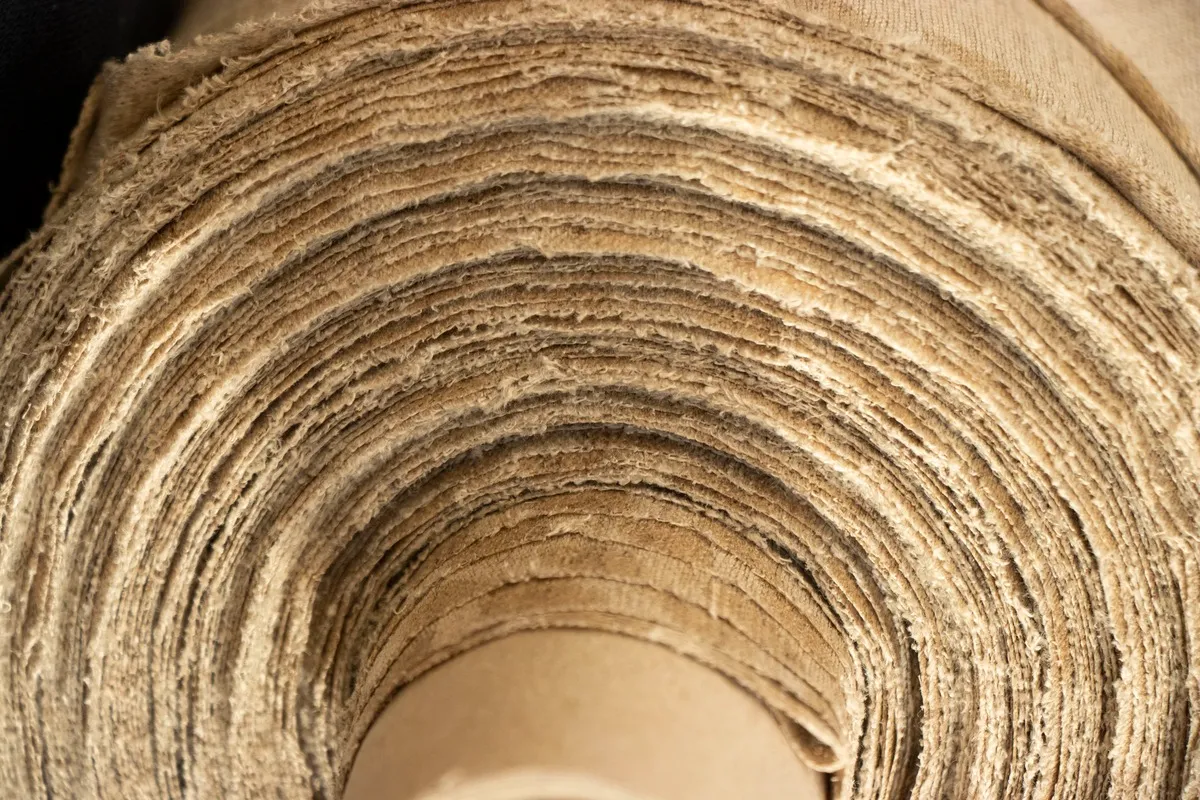
In Italy’s industrial past, hemp fiber was a central raw material for ropes and technical textiles. Today, without a processing chain, the fiber does not enter contemporary production flows. Cavalieri describes it as «bacteriostatic», highlighting its potential medical use, particularly as a support for bedridden patients or in devices designed to remain in contact with the skin for extended periods.
Without processing facilities, stalks are eliminated in the field. Potential circular economies remain on paper: the woody part is not recovered, the fiber is not reused in composite materials, and widespread experimentation with hemp-based medical textiles has not begun. Other countries, particularly in Eastern Europe, are instead working on these applications: «I have seen extremely interesting Ukrainian products».
Hemp could fit into a model of total crop valorization, in which every part of the plant finds a technical use, but without adequate facilities the potential remains static. Biomaterials, a growing sector at European level, also require continuity of supply and uniform quality standards: conditions that are not currently guaranteed.
Internationalization of hemp: where Italian research finds a complete supply chain
In this context, looking abroad becomes an obligatory choice: «We will make our first imports of products from Italy into the United States and during 2026 we will certainly begin producing there». In recent years, hemp in the United States has found a more articulated regulatory framework, with rules varying from state to state, but with greater availability of processing infrastructure.
Freia is also moving toward working with Northern Europe and the Baltic countries, areas where cultivation is accompanied by industrial policies oriented toward technical and biomedical materials. Here hemp is not viewed only as a sign of a return to traditional crops, but as an element included in industrial plans involving materials research, certifications and quality standards.
Opening toward other geographies makes it possible to experiment within more mature systems, with the prospect of transferring knowledge and models back to Italy in the future.
In the Arabian Peninsula, the strengthening of private healthcare systems and the construction of new hospital facilities are opening the way to alternative materials for care and long-term assistance. In these contexts, hemp is assessed for its performance, not for the cultural debate that has accompanied its use elsewhere.
A healthcare potential for the Italian supply chain that remains suspended
What emerges is a healthcare resource still being defined, positioned at the intersection of agriculture, industry and clinical practice. The trials cited show that hemp can find a place in medical protocols without overlapping with existing drugs, while adding another intervention option in specific areas: «We are evaluating strategic alliances and new therapeutic areas».
The Italian supply chain is not currently structured to support this path on its own. Yet the work already begun with vulnerable patients suggests that hemp could become part of a broader reflection on the relationship between agricultural systems and public health.
If the plant were recognized as a material of healthcare interest rather than solely an object of regulatory debate, it could enter industrial and agricultural policies not only as a niche crop, but as an element of an updated production model.
The transition from marginal crop to clinical resource requires cooperation between sectors that historically do not communicate: agriculture, the pharmaceutical industry and medical-device design. The current distance between these areas is what holds back the evolution of Italian hemp into a fully industrial dimension.
Closing that gap would mean transforming research already underway into a recognized supply chain, with direct effects on access to materials more compatible with contemporary care requirements.