Hemp in Sardinia: agricultural potential and legislative obstacles
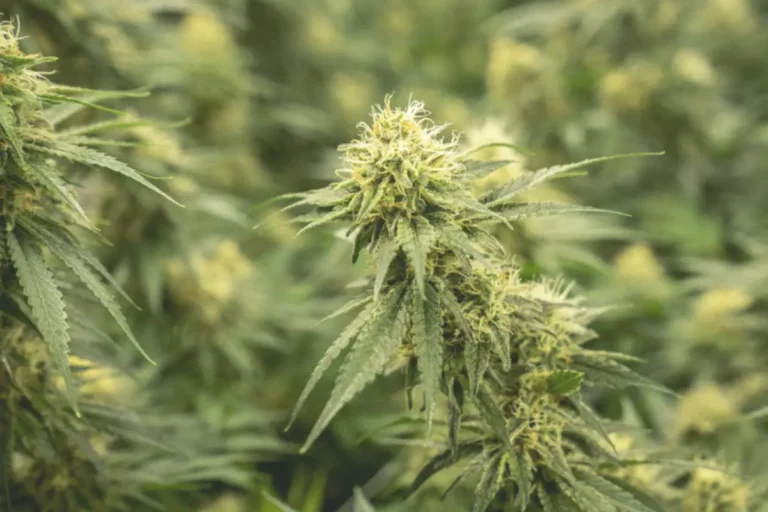
Sardinian hemp is an agricultural crop with potential, held back by rules that fail to keep pace with farming. Across Barbagia, Nurra and Campidano, cultivation could provide a wider range of local raw materials
Hemp in Sardinia: a viable supply chain despite restrictions
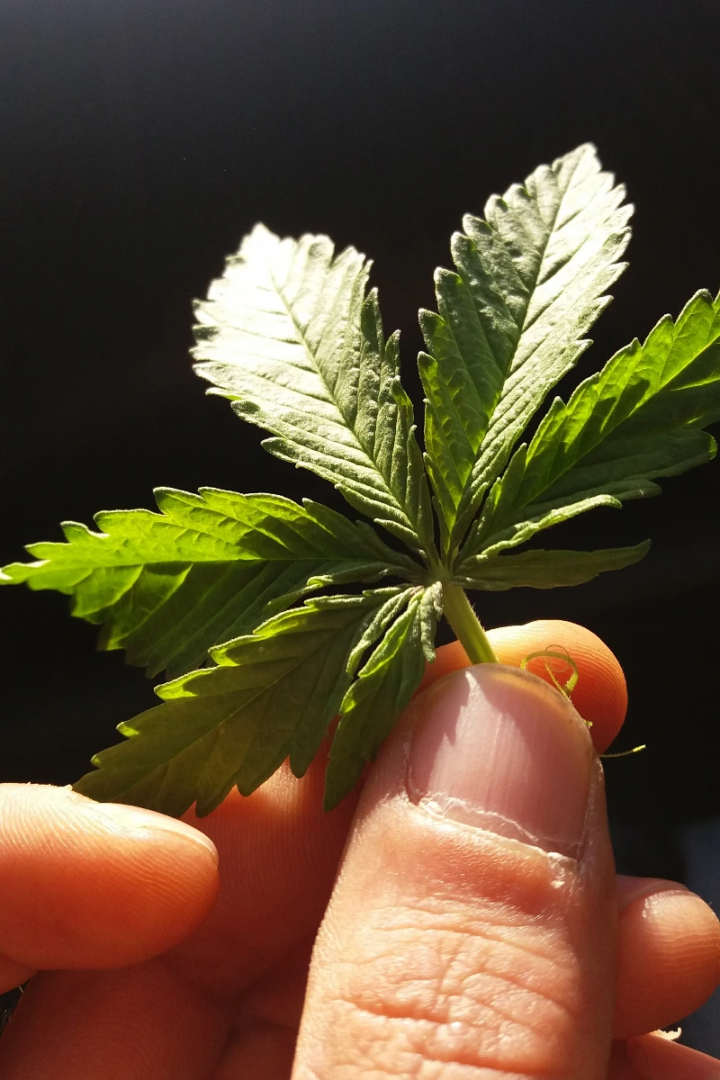
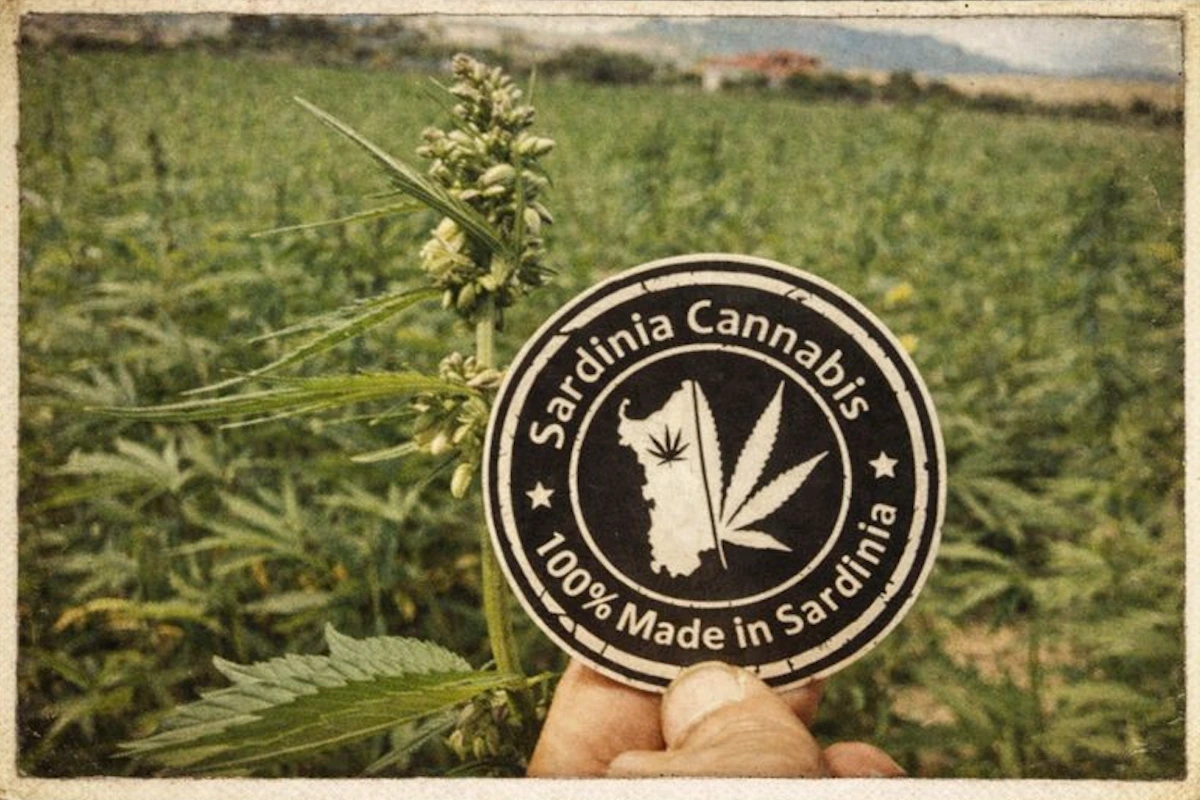
In Sardinia, industrial hemp operates within an unstable balance. Cultivated acreage rises and falls in response to regulations, authorisations and seizures. The sector advances through trial and error: agricultural experiments, contacts with universities and formal requests to institutions. Sardinia Cannabis began this process in 2017 in the province of Sassari, with the aim of reintroducing a sustainable and economically viable crop: a local primary resource with applications in food, cosmetics and construction.
«At first, we reclaimed abandoned fields and brought them back into production», explains Piero Manzanares, president of the association. The project expanded across the region, reaching around 150 members: farmers, entrepreneurs, technicians and researchers. The varieties grown are certified under the European catalogue, with monoecious lines for seed production and dioecious lines for fibre and inflorescences. In several cases, cultivation has become a way to keep family land productive, experiment with a low-cost agricultural activity and restore a connection with the land that had been interrupted for years.
The objective is a recognised and traceable supply chain: «A regional industrial hemp supply chain is possible. With a modular processing plant, we could produce more raw materials, develop new economic sectors and provide continuity for those working in agriculture». Relations with scientific institutions are ongoing: university studies focus on varieties, adaptation to Sardinian soils, inflorescence quality and the potential to improve yields.
Circular economies: added value remains in the plant
The step that could define the future of Sardinian hemp is local processing: «If you process only the flower, you cut the plant and throw everything else away. It is the opposite of a circular economy». Hemp is a multipurpose crop: seed, flower, fibre, hurd and residues have different, potentially useful destinations. The same plant can generate food, cosmetics and construction products: this is what makes a regional supply-chain model tangible.
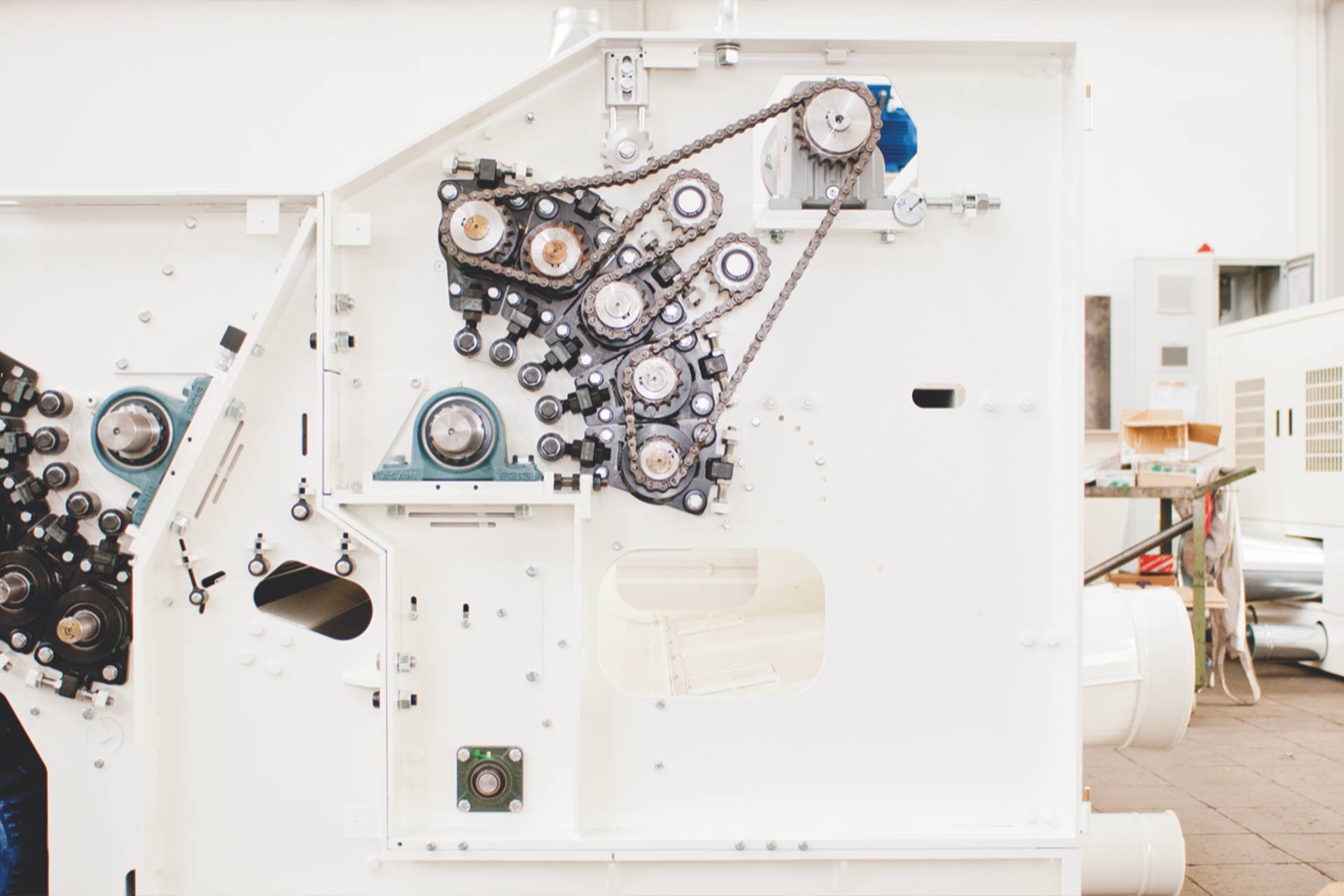
The idea of building an industrial plant in Nurra is intended to give value to every part of the plant and prevent its economic potential from being dispersed to other regions, with transport costs and margins moving elsewhere: «It would be the first processing plant in Sardinia. It means bringing value back to the territory». For the Nurra countryside, it offers a possibility for regeneration: reactivating disused agricultural land through a crop that requires relatively simple management and also delivers environmental benefits.
Between objectives and constraints, hemp represents a test for rural innovation: whether the island can turn an agricultural product into a light, distributed industry adaptable to different territories. The discussion around the plant is an indicator of the production system’s willingness to invest in processing at regional scale.
A changing geography of production
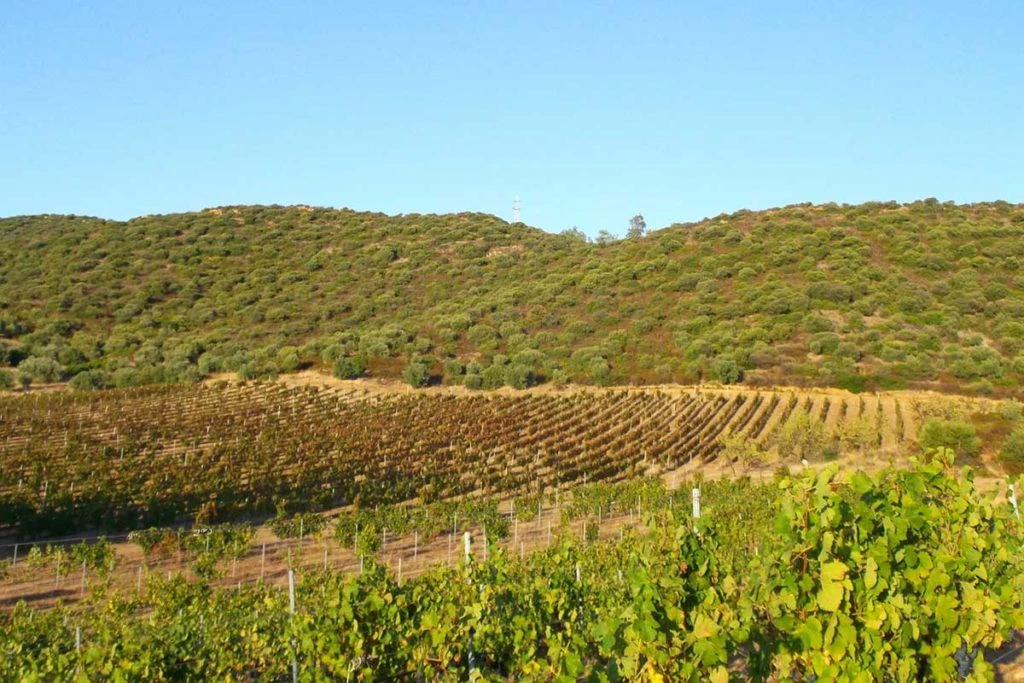
The spread of cultivation has redrawn the island’s rural map: «At first, almost everything was concentrated around Sassari. Today Barbagia is very active, while the Oristano and Cagliari areas have also increased their acreage. The picture is more balanced». The Mediterranean climate and variety of soils allow different product lines to be tested: «Quality changes from one area to another: Sardinian seed has different characteristics from crops grown in northern Italy. A distinctive production identity can be built on this».
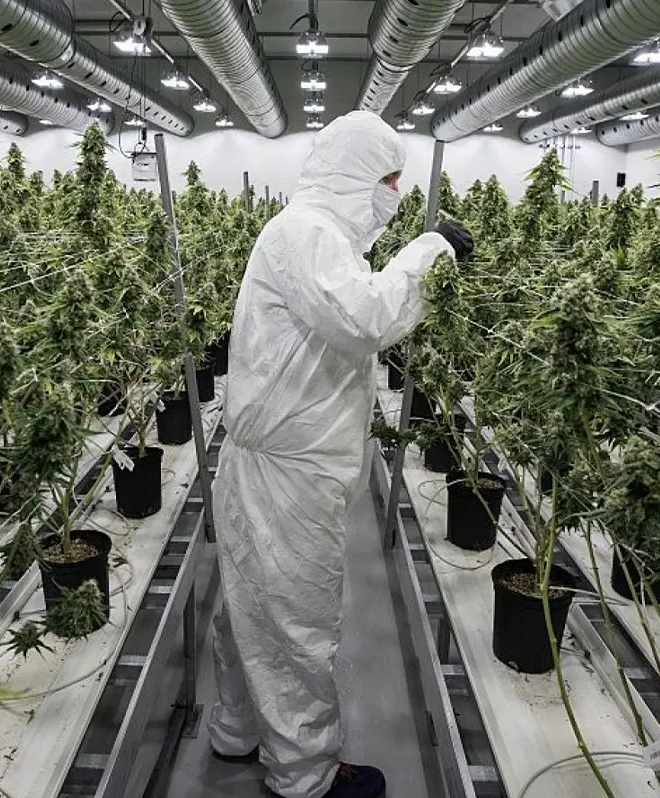
Cultivation techniques are continually being updated: wider row spacing for uniform inflorescences, manual harvesting on smaller farms, and adaptations to existing machinery to avoid unsustainable investment. «Many farmers have bought equipment for cleaning the product. These are small-scale solutions, but they help the work move forward». Approaches to regulatory risk also vary: those concerned about inspections prefer to market only seed and oil, giving up the flower.
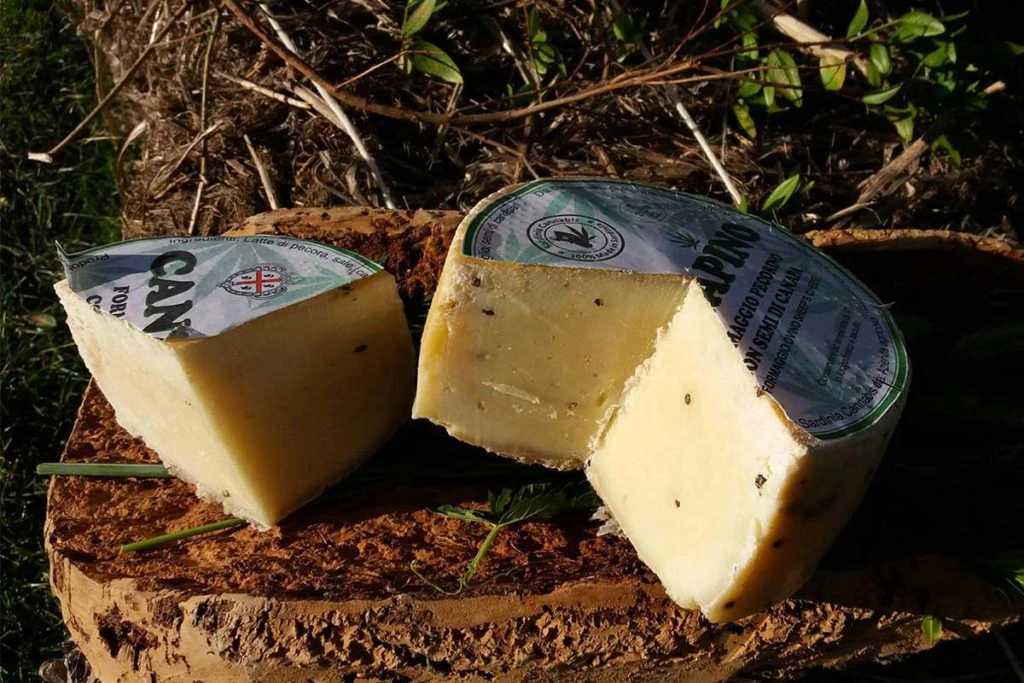
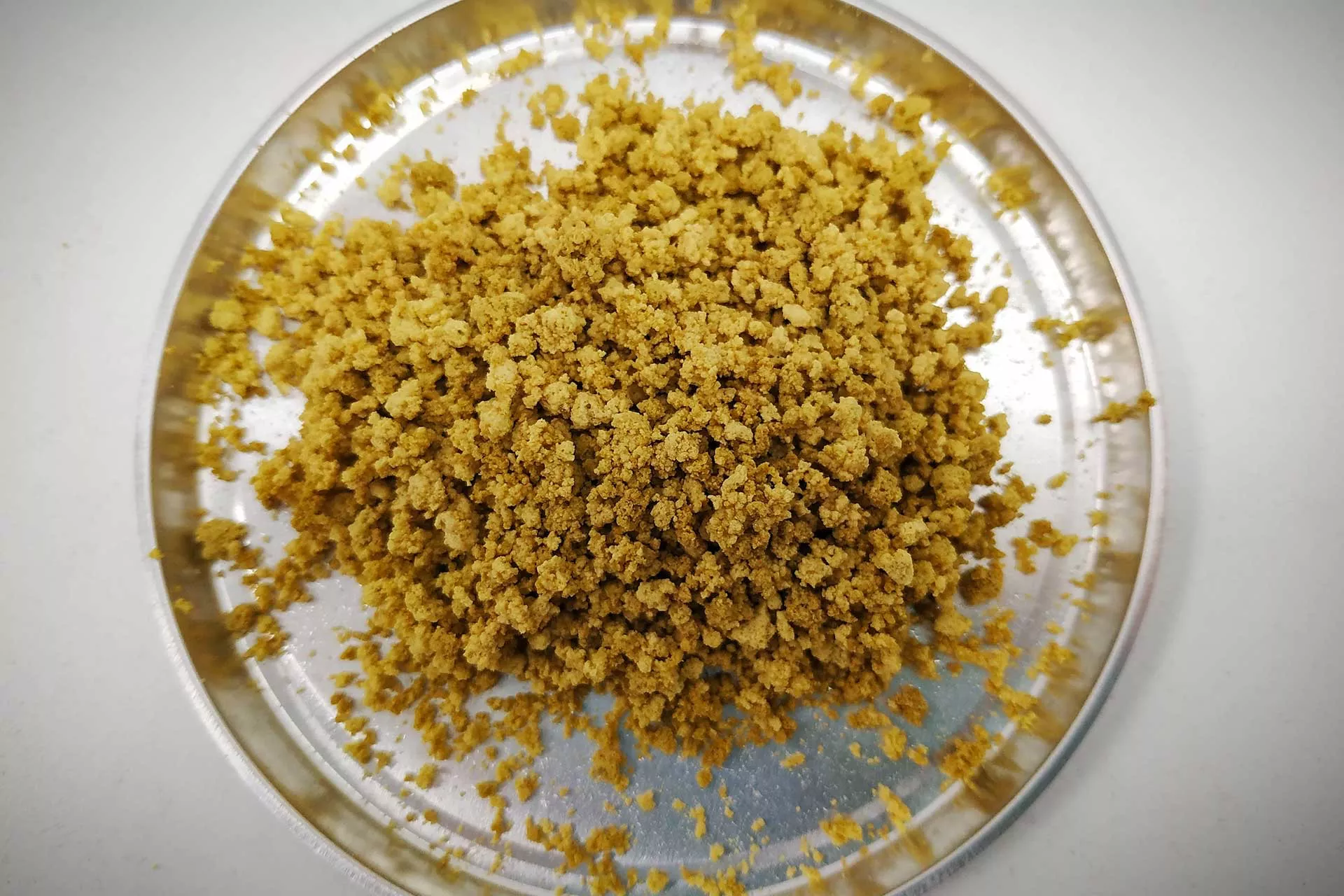
CBD is the most advanced use of the inflorescence where the law permits it, with small batches processed in collaboration with specialised operators. Food-grade seed remains the most established base: flours and oils are turned into local products.
Hemp flower between legal interpretations and administrative restrictions
Regulation is now the most significant constraint: «In the past, 100 hectares were cultivated. Now it is 40, 60 at most: half as much». The reference is to Article 18 of the Security Bill, which prohibits the handling and possession of flowers and leaves: «You can cut the plant, but you cannot touch it. You cannot possess, transport or market the flower».
The outcomes of inspections vary from case to case: seizures, returns and destruction of material. «If the flower contains less than 0.5 percent THC, it is not a narcotic; it is an agricultural product, yet sometimes it is destroyed before it is even analysed». This uncertainty acts as an invisible brake: operators prefer not to invest, or to do so on limited acreage, while waiting for the regulatory framework to stop shifting.
In this scenario, the Court of Justice of the European Union could play a decisive role: an interpretation restoring consistency between the European regulatory framework and Italian agricultural practices could provide a lasting way forward. For farmers, it would mean being able to plan rather than adapting to new conditions every year.
Raw materials and uses: from seed to flower and stem
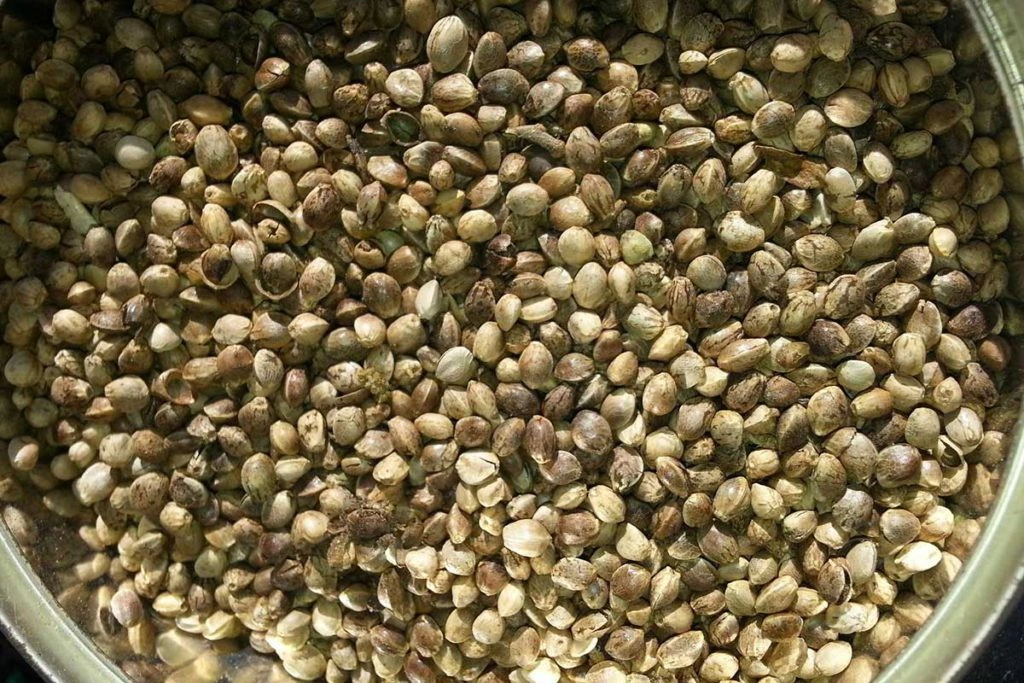
When the law is clear, every part of the plant can find a use. Food-grade seed is used for flours, oils and products that combine tradition with new nutritional research: «Why not use the flower in cooking too? If its safety is guaranteed, it can be an ingredient like any other».
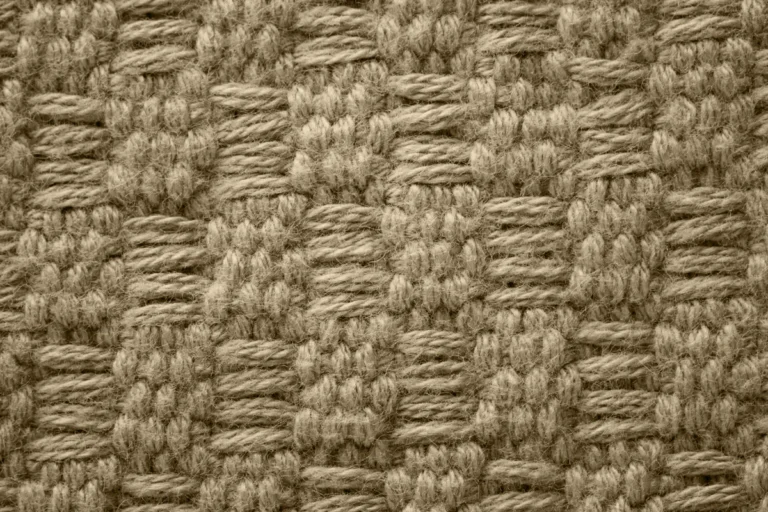
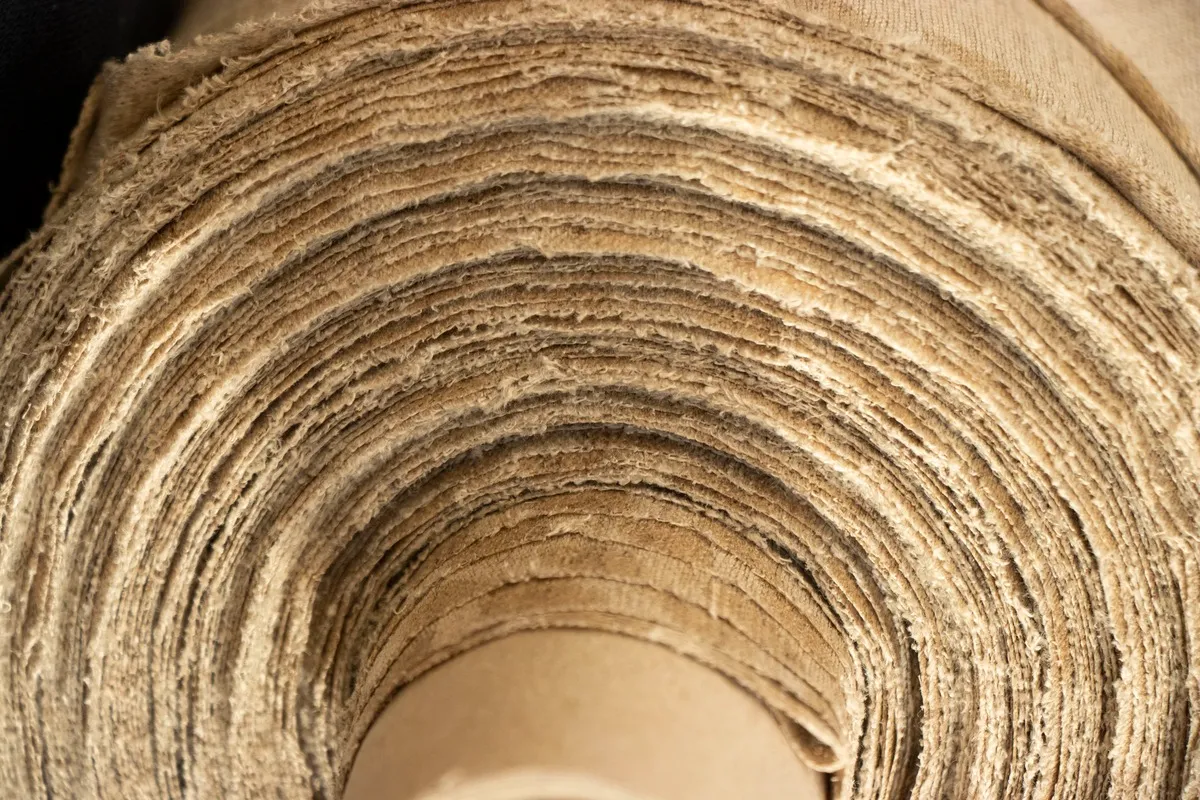
The stem completes the range of available raw materials: hurd and fibre for construction, providing lightweight, breathable solutions that can respond to energy-sustainability requirements. These products originate from material that, in many cases, is currently left in the field as waste.
Hemp thus becomes a production hub: farmers able to plan larger sowings, processors investing in scalable technologies, and consumers accessing clearly defined and certified products. The potential already exists, but the conditions to realize it on a broader and more continuous scale are still missing.
An unresolved relationship between agriculture and legislation
The future of hemp in Sardinia is being played out on two fronts. On one side is cultivation, which has already shown that it can expand across different areas, with farmers ready to invest and experiment. On the other is regulation, which continues to move uncertainly, leaving the flower in a limbo between what is permitted and what is not: «We are not asking for shortcuts, but for a single, comprehensible set of rules capable of aligning production, processing and inspections, without anyone having to stop for fear of making a mistake. Hemp works when everyone plays their part: farmers, processors and institutions».
The island has a structural advantage: diverse soils, trained technicians and farmers who have already established collaborative relationships. What is needed, however, is continuity: certainty that what is sown can be harvested and processed. The regulatory issue under consideration in Brussels could mark a decisive step: a return to consistency with European practices, renewed growth in cultivated acreage and full use of the plant in line with circular-economy principles.
The rest depends on the political willingness to recognize hemp as an agricultural resource rather than an exception to be monitored. Cultivation exists, processing is possible and the market is ready. The challenge is to turn waiting into work and bring value back to territories that are experimenting without being able to grow.