Lampoon, rough: from rationalist architecture to sustainable hemp
Roughness according to Lampoon: Milan’s consistent, coherent architecture, the Italian hemp and natural-fibre supply chain, towards a sustainable textile industry
Lampoon, roughness, natural and plant fibres: the editorial direction
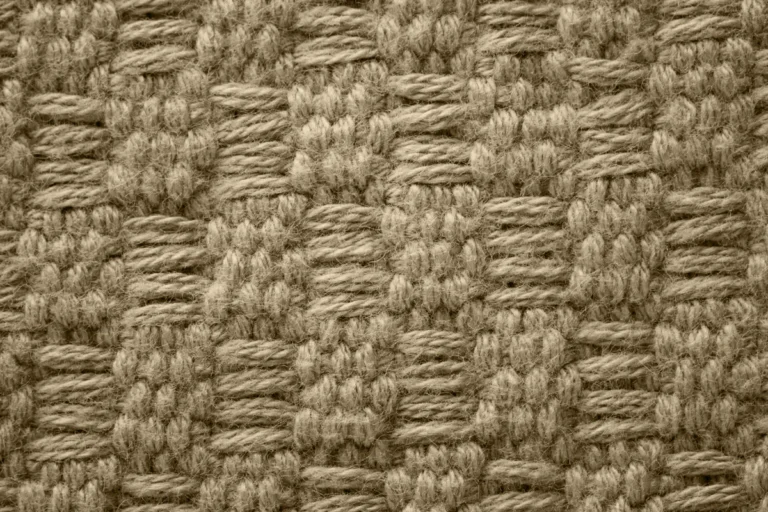
Under a microscope, a natural fibre, whether animal or plant – wool, hemp, cotton, even silk – displays a morphological roughness that creates friction, providing a mutual grip during twisting and therefore spinning, improving the yarn’s stability. None of this applies to synthetic or extruded fibres – nylon, polyester, any viscose, even when derived from natural material – which appear completely smooth under a microscope.
Lampoon supports, and will continue to support, a textile industry dedicated to natural fibres – and among the various natural fibres, hemp is the noblest. Natural fibres are rough – and it is around this word, rough, that Lampoon’s editorial direction has been built, redefining its aesthetic.
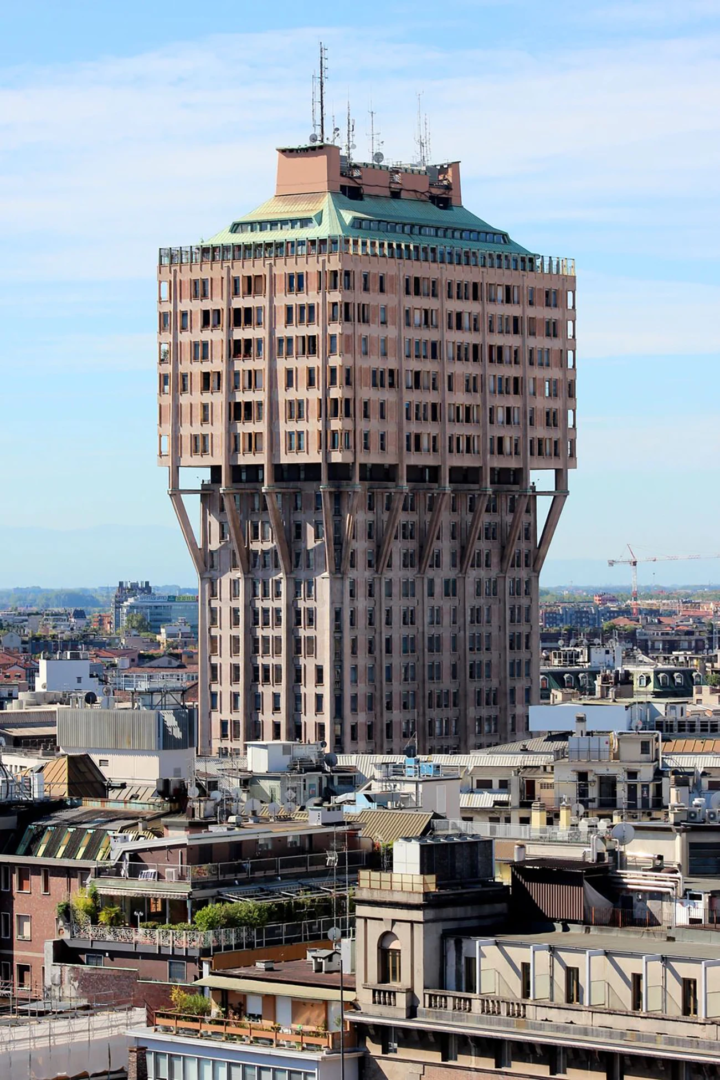
Lampoon’s primary reference: late twentieth-century rationalist architecture, the BBPR studio and Torre Velasca
Our first reference. Our narrative begins with a group of architects who, in Milan during the 1940s, 1950s and 1960s, invented the form of a city: Fascism had demolished the bourgeois and working-class buildings of the second half of the nineteenth century to make room for new, broad, arcaded streets, designed in terms of volumes before lines. On a new layout that seemed almost a reset, what was called Milan’s “miracle” erupted: the performance of the Italian economic boom. Milan’s rationalist architecture took shape in all its complexity and would define the city’s identity for ever, today more than ever.
The gutting of the city centre was the devastation wrought by a defeated dictatorial regime – yet over this visceral void, energy burst forth like fireworks. Here Lampoon finds its reference, the matrix of its narrative – narrative or storytelling, in English – recognising the architects of those years as its first masters: Gio Ponti, Giovanni Muzio, the BBPR studio behind Torre Velasca, and those who brought to Italy the inventions of organic architecture in the manner of Frank Lloyd Wright. Rationalism rethought by Ignazio Gardella and Vico Magistretti – and how many others, perhaps inimitable today in their consistent coherence. A desk surrounded by books and newspapers – yet orderly, from the pencil sharpener to the compass, from the Pantone box to the computer. The marks left by women compose our vocabulary: Gae Aulenti, Cini Boeri, Gabriella Crespi, Franca Helg.
An architect’s hand at work: Lampoon and the concept of “rough”
The confidence of its expression, the code of its line: an architect’s hand drawing conveys a flavour, a context – in the pressure of the pencil and the finishing details, an entire world can be understood. Notes remain in the margins; mistakes are indications, requiring no corrections or marks to cancel them out – nothing is erased. Chiaroscuro loses all romanticism, defining perspectives, proportions and technical measurements. Axonometric drawings – the shadow becomes a mathematical formula, tracing in the drawing the movement of the sun’s rays throughout the day. Poetry becomes technique on the architect’s drawing board. This is Lampoon’s roughness. The structure of materials mingles with the porosity of paper: the pencil’s graphite rests on, scores and breaks through the rough surface of the sheet.
Our rough skin: imperfections are nothing but virtues
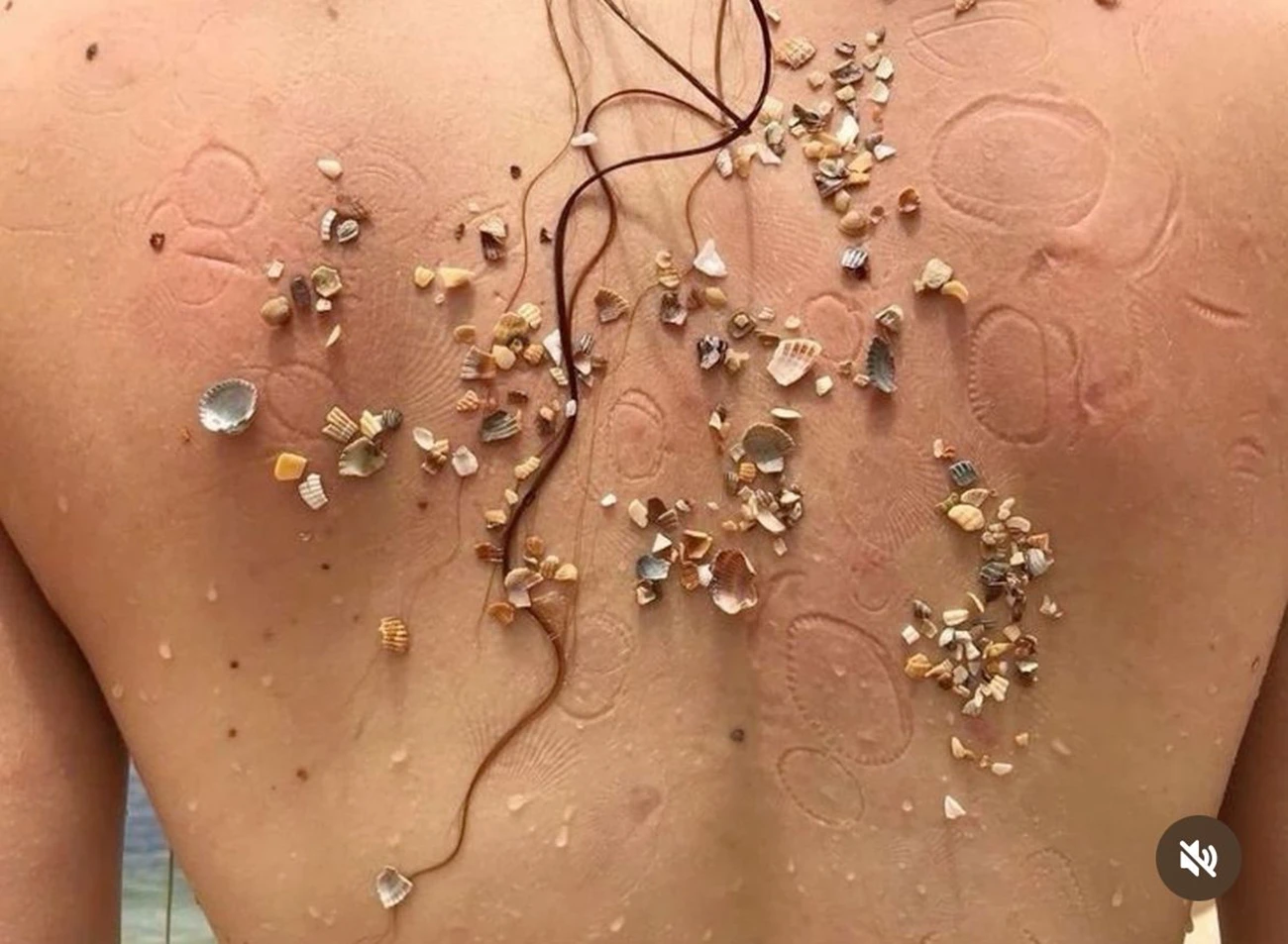
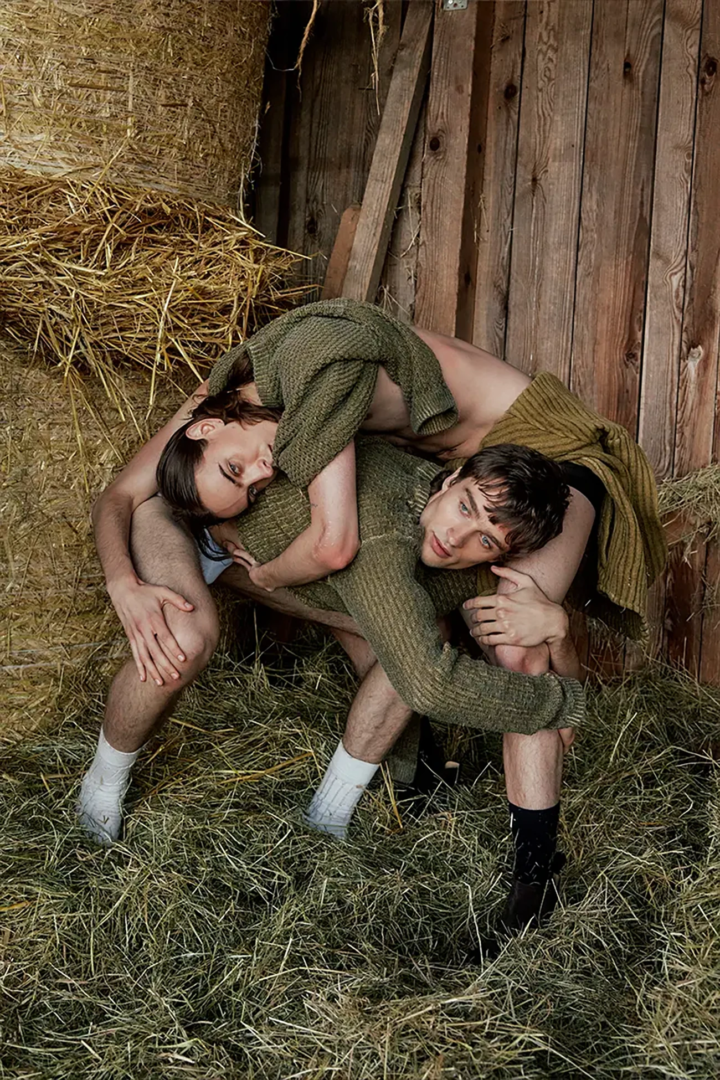
Roughness resides in human skin. In imperfections, body hair and cellulite – precisely where we want to hide ourselves, there is beauty. Muscles are neither sculpted nor trained, but strong enough to hold you in an embrace, to carry you on their shoulders and help you reach higher. Sport is an intellectual discipline, not a vanity, something we all desire. Sport remains a reference for our concept of roughness.
Men and women – new definitions of masculinity and femininity
The man is no longer muscular or massive – he is slender, almost fragile. Muscle fibres exist and hesitate. Muscles almost always function without violence. The woman finds the linearity of her features: her face is clean, rejecting makeup and the comb. Her fingers are free. A woman needs neither ornaments nor colours – sensual in an androgyny that manifests on the surface, femininity is always and only a matter of depth, never a pose.
Lampoon: analogue photographs
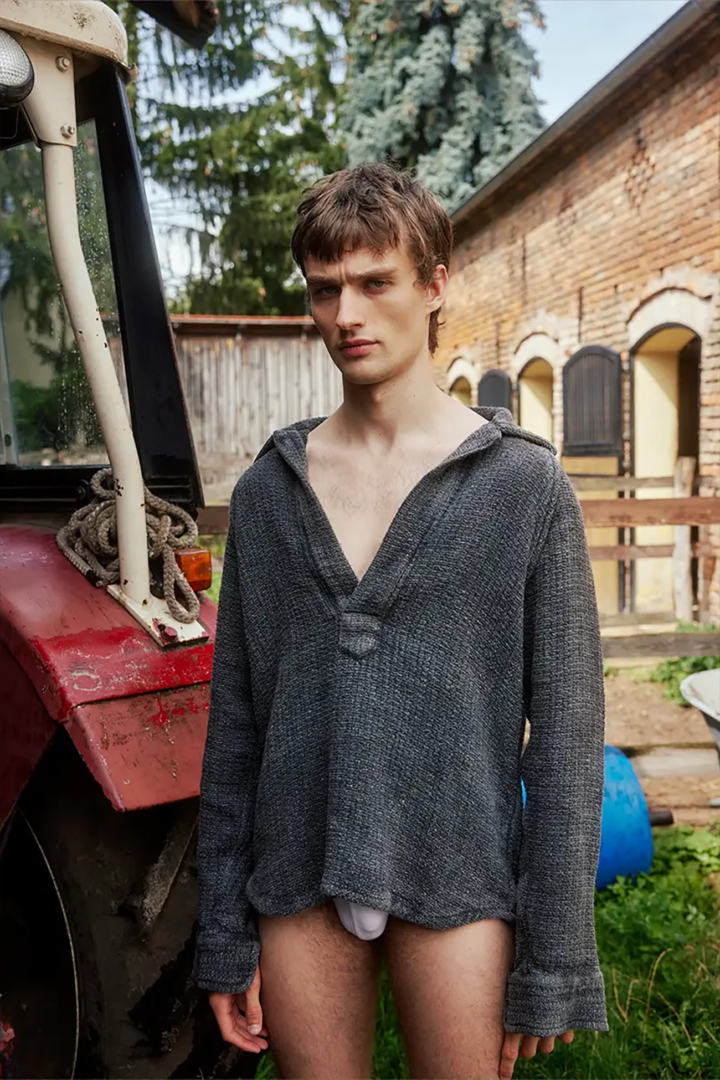
At Lampoon we would like to shoot everything on analogue film, for the density of its shadows and grain. The same density as mature skin, or a real body. No tricks; ideally, no post-production – no more digital photography. A rough world, sincere, spare and raw – with few showy colours, but tones in balance; with many well-chosen nouns, few adjectives, no superlatives, no rhetoric, no emphasis. Our language is rough.
Lampoon: natural hemp for an Italian supply chain
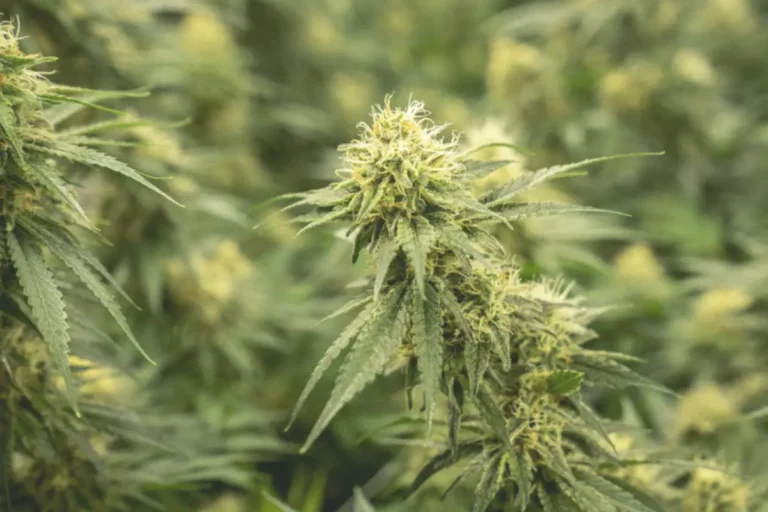
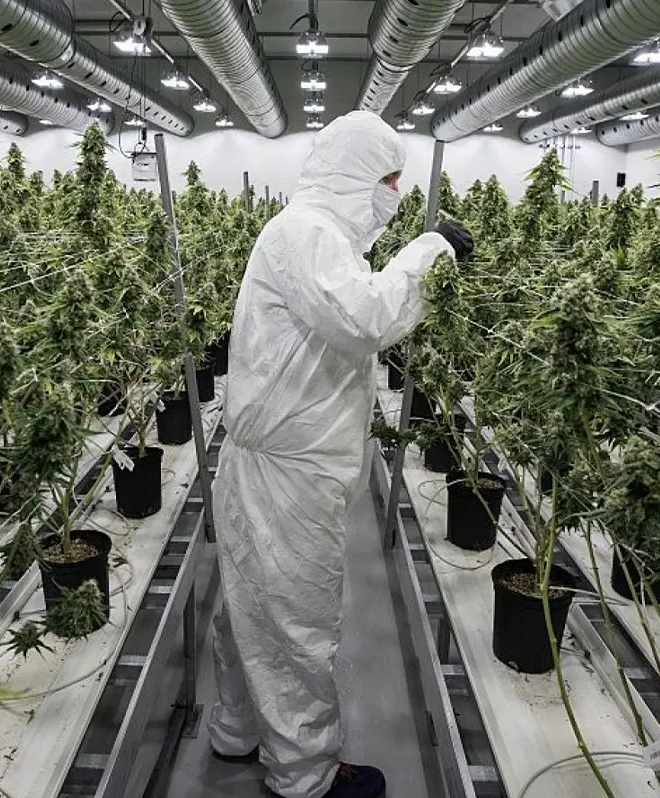
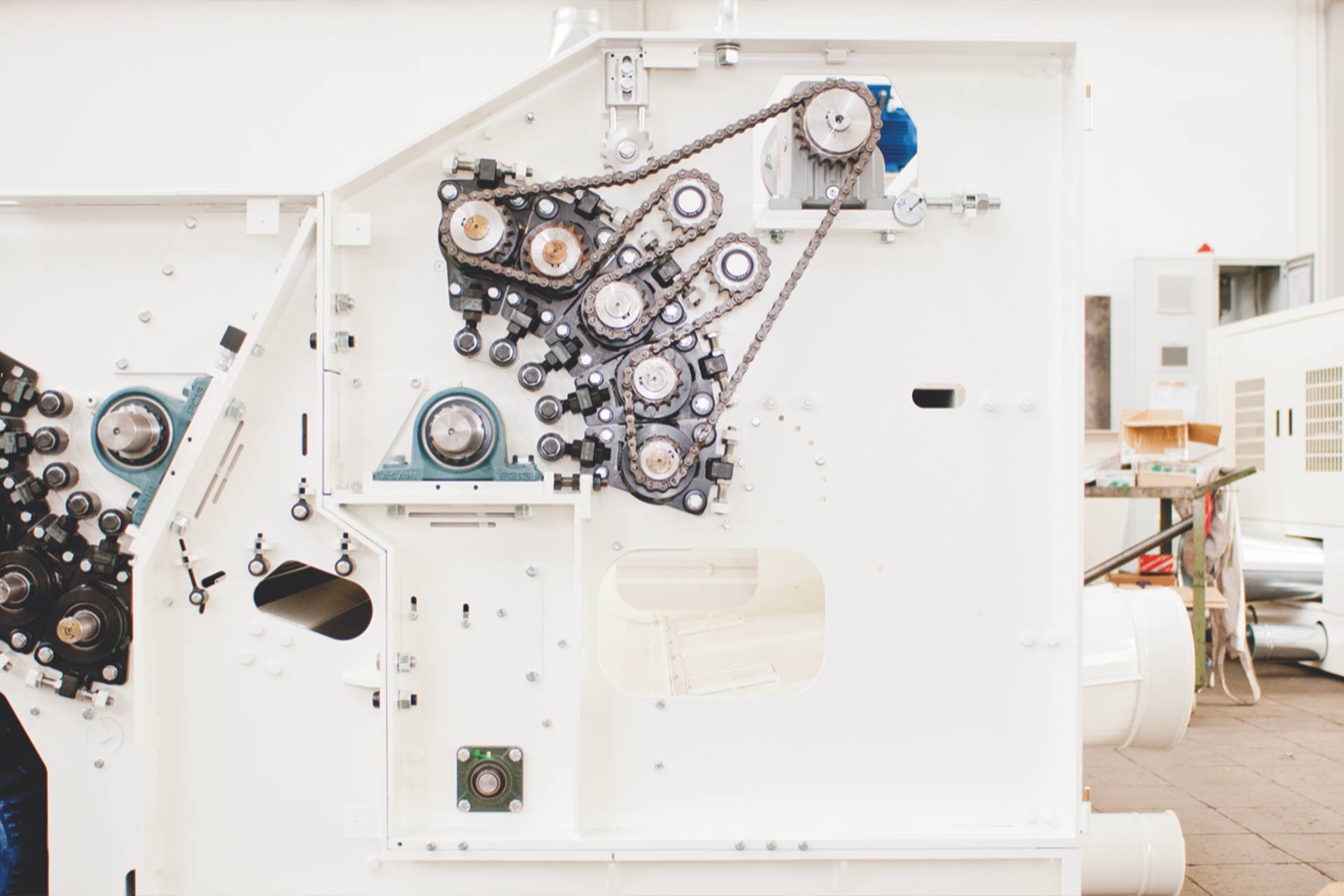
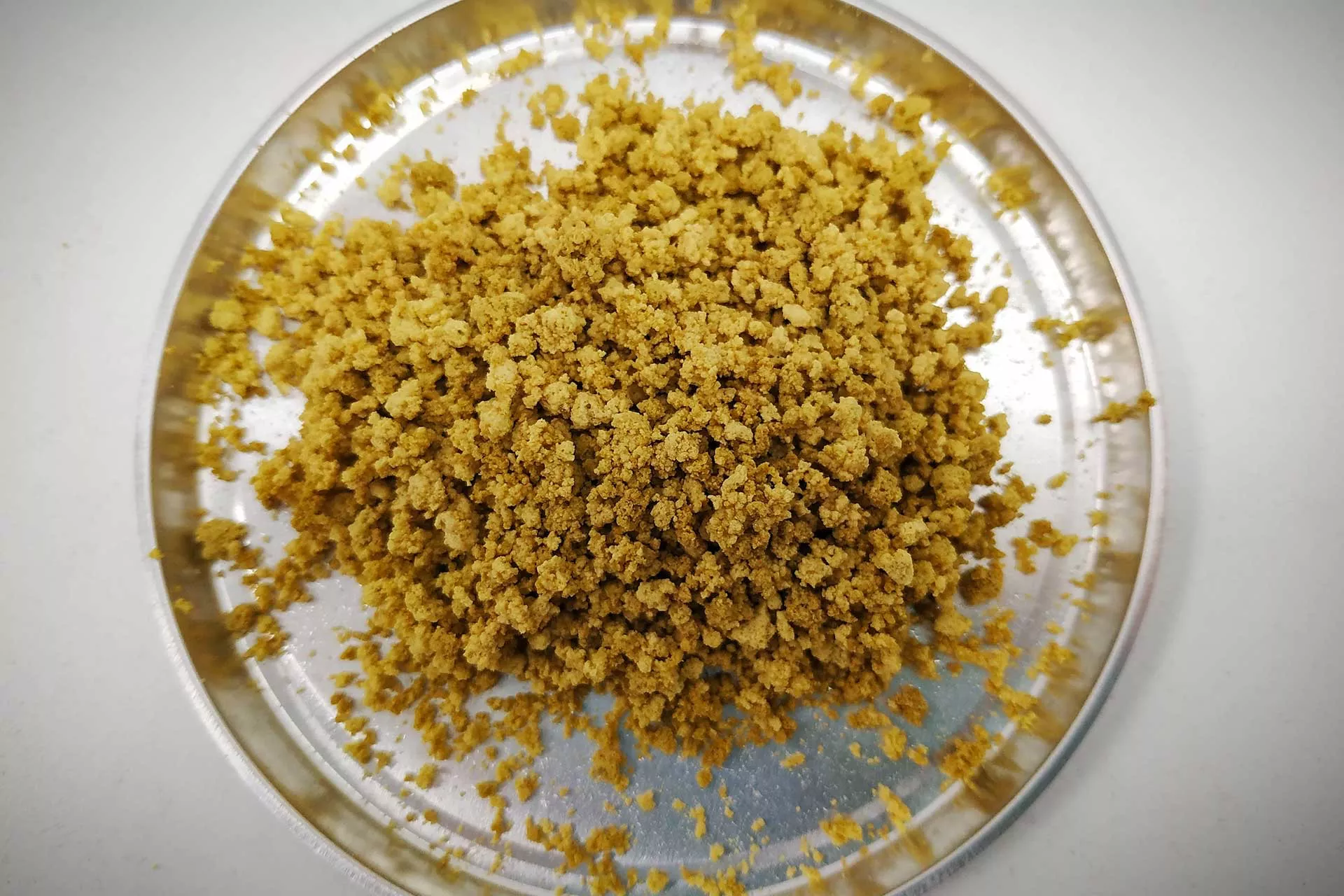
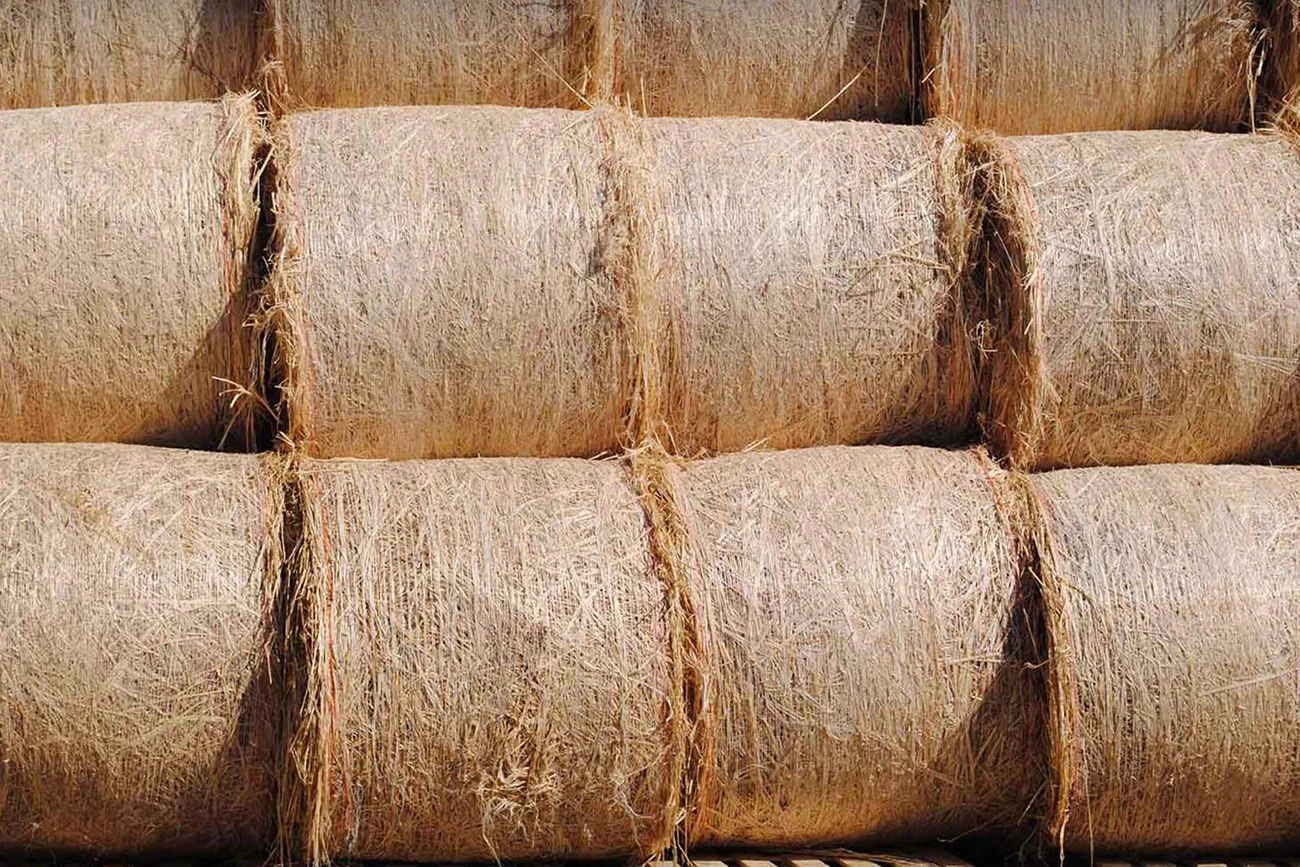
Lampoon emerges from this rough world. A magazine, but also a catalyst: an intellectual research laboratory that finds its symbolic destination in a natural plant fibre: hemp. With the same care in design that an architect brings to a drawing board, Lampoon is working on hemp fibre: starting in agricultural fields, studying how the fibres should be harvested and where they should be cut, then moving through scutching and retting, cleaning and carding – all the way to spinning. Lampoon is a portal, a platform where anyone wishing to work with hemp can find a voice – and from here Lampoon becomes a catalyst for trade and concrete projects to restore a market and an economy.
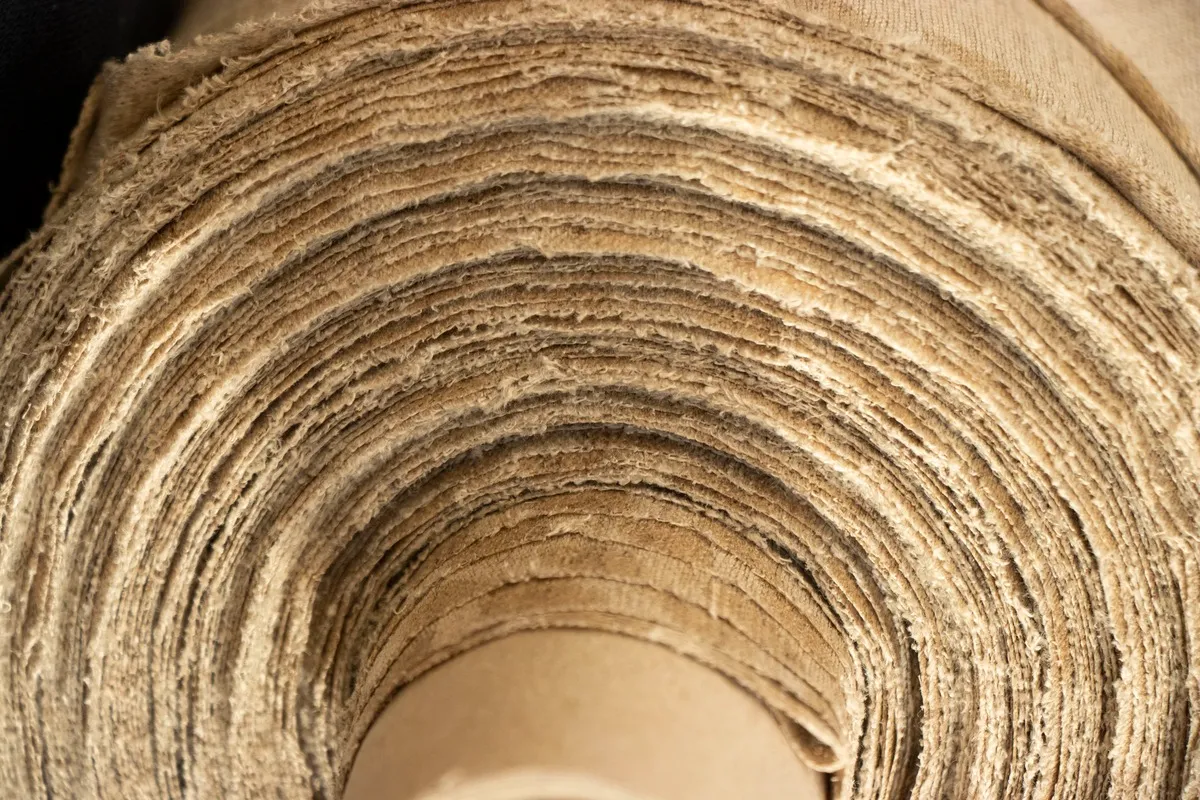
The result will be a rough yarn – naturally – but one capable of producing a fabric with a hand similar to silk and cashmere. A hemp fabric will be an entirely Italian fabric – today, when Italy imports all the raw materials used by its textile industry from abroad. Its softness will increase with every contact with moisture from the skin, with every wash at home without releasing microplastics into the water – and with every wash, hemp will recover its resilience and release the same scent of summer even after years, without ever losing it.
Hemp, a sustainable textile industry
The tiny air chambers that make up hemp fibre give it regulating properties both in fabrics and in lime-based materials for building the homes of tomorrow – because the homes of tomorrow will be built with hemp lime. Hemp makes a sustainable textile industry possible. Hemp can be used to make paper for architects and painters alike. One hectare of hemp removes more CO₂ from the atmosphere than one hectare of forest – and if that hemp is used for long-lasting purposes, the CO₂ remains locked into our terrestrial surroundings and does not return to the air. Hemp is planted to clean contaminated land in Puglia, around the Ilva steelworks, of heavy metals. Hemp, wood, earth – the roughness of an architect’s hand, of our human skin. This is Lampoon’s roughness.
Carlo Mazzoni