Laurels Apron: hemp aprons and clothing from a fragmented supply chain
From cultivation and spinning to weaving, hemp passes through different production chains in China, Italy and Japan before becoming Laurels Apron fabrics
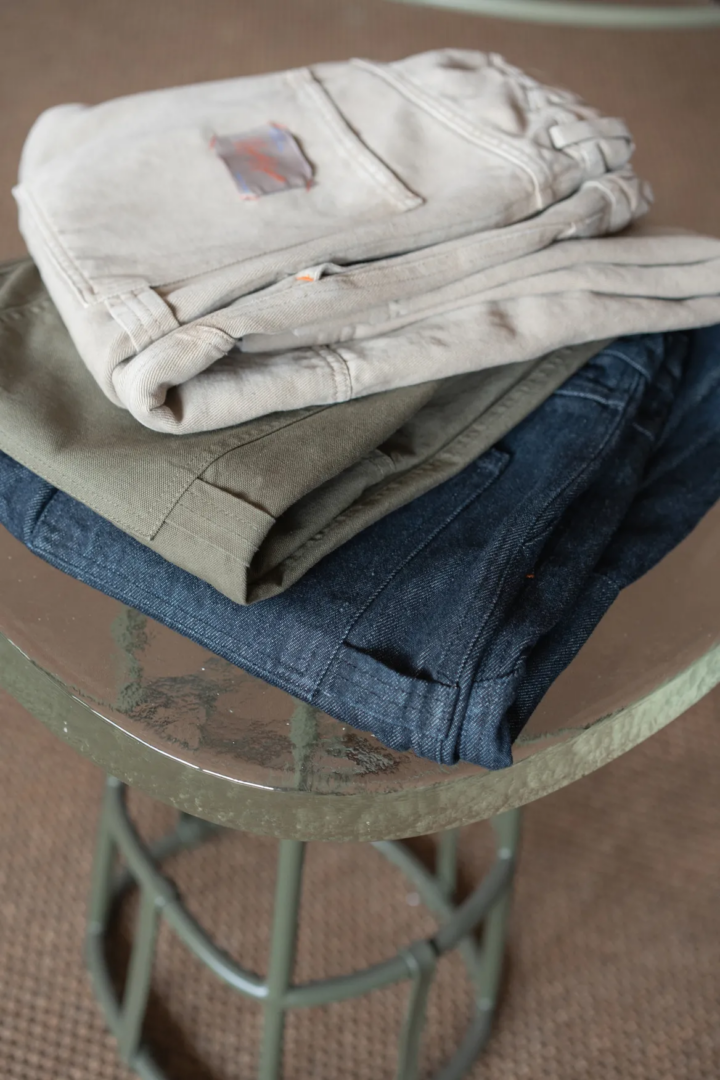
Laurels Apron starts with textile hemp to rethink a neglected work garment
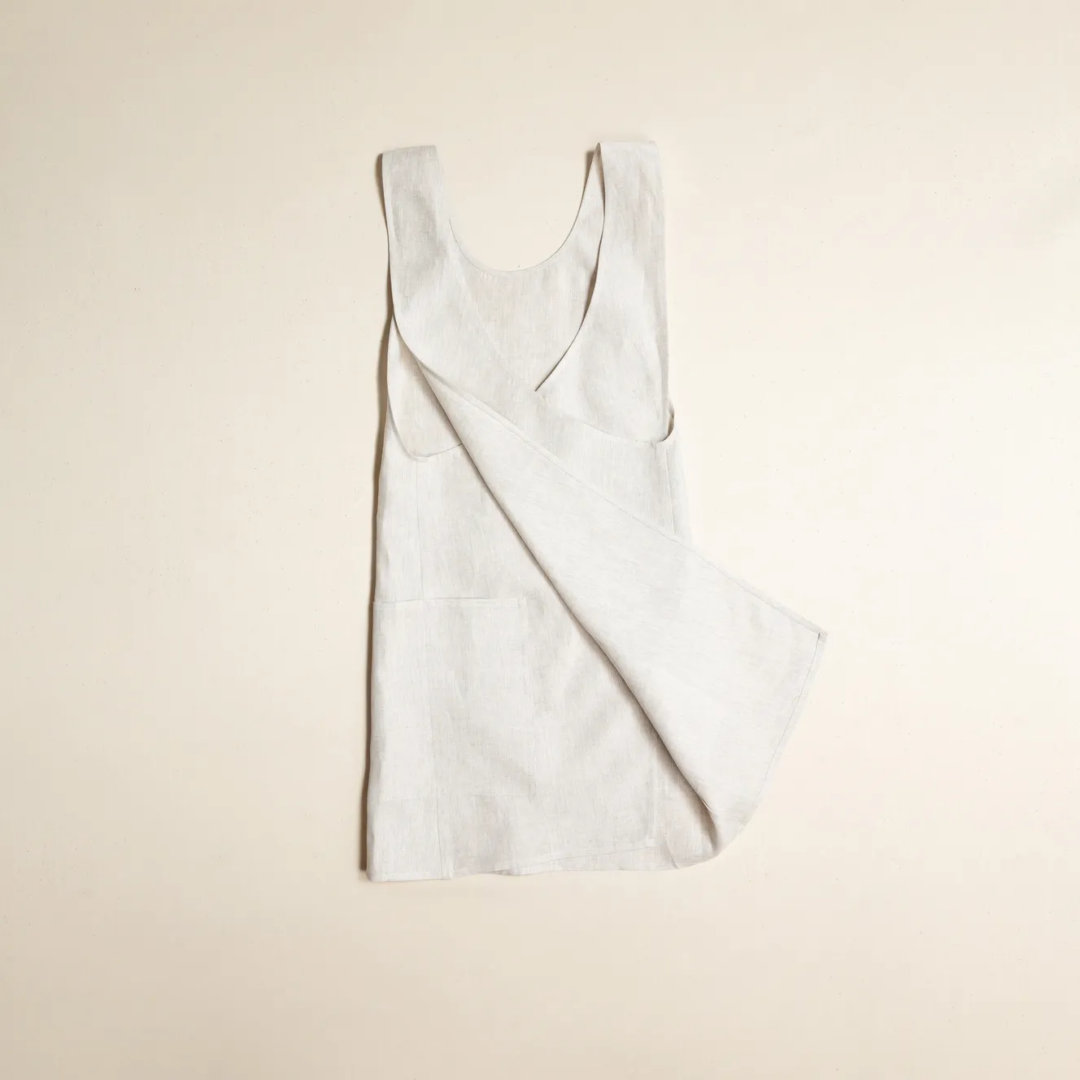
In contemporary clothing, the apron is a functional accessory, often standardized and almost always made from synthetic fibers. Laurels Apron was founded in 2020 with the idea of reinterpreting this product through textile hemp.
The brand was founded by Laura and Paolo, a couple who bring together different skills, from tailoring to digital work. It developed during the pandemic, when manual activities had once again become part of everyday life at home: «At the time, there was a strong return to creative hobbies; people were devoting themselves to their passions». The decision to make aprons reflects this renewed interest in creativity: «We chose the apron because it is a garment that combines function and aesthetics. It becomes a uniform and represents the person wearing it, their values and their style».
Hemp was selected for its physical properties: «Hemp is the strongest fiber found in nature; it withstands mechanical stress, wear and tearing». These qualities matter for garments that undergo frequent washing and repeated use. They are accompanied by properties related to comfort: «As a hollow fiber, it can regulate body temperature and moisture thanks to its hygroscopic and breathable properties».
Where textile hemp is produced today: Yunnan and China’s lead in processing
Laurels Apron uses hemp sourced from China, particularly Yunnan, historically one of the most important regions for textile fiber production: «We source our yarn from China because the supply chain for processing raw material has been lost in Europe».
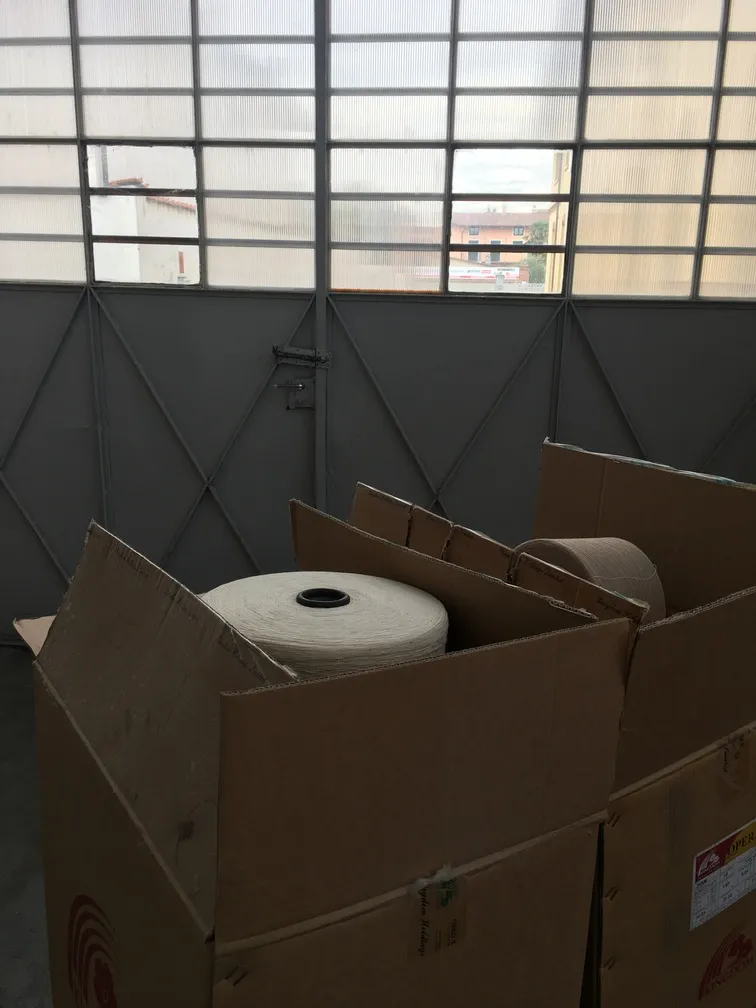
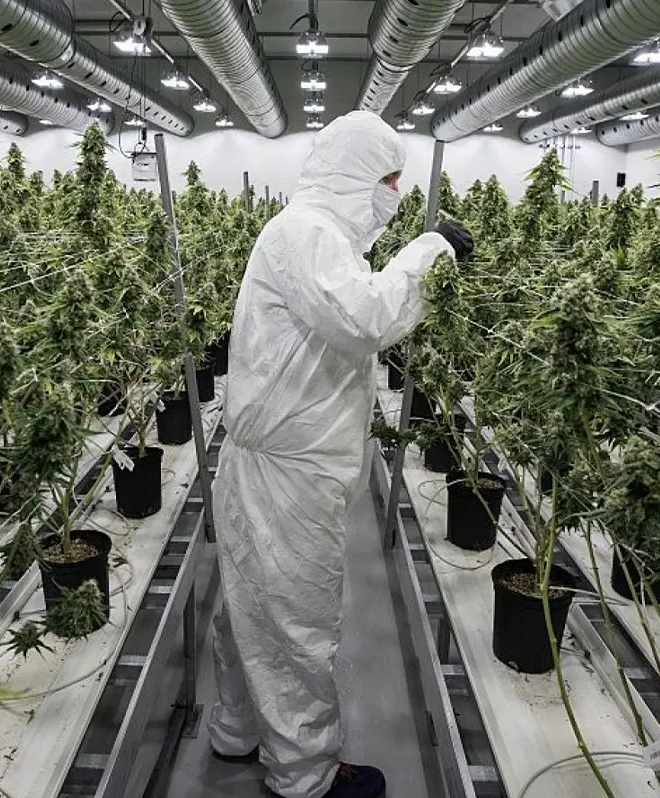
Yunnan is one of the main centers of textile hemp production worldwide. Cultivation there is integrated with a complete industrial supply chain encompassing decortication, scutching, spinning and subsequent processing. Unlike other production settings, these stages are concentrated within industrial districts rather than separated, allowing raw material to be turned into yarn quickly.
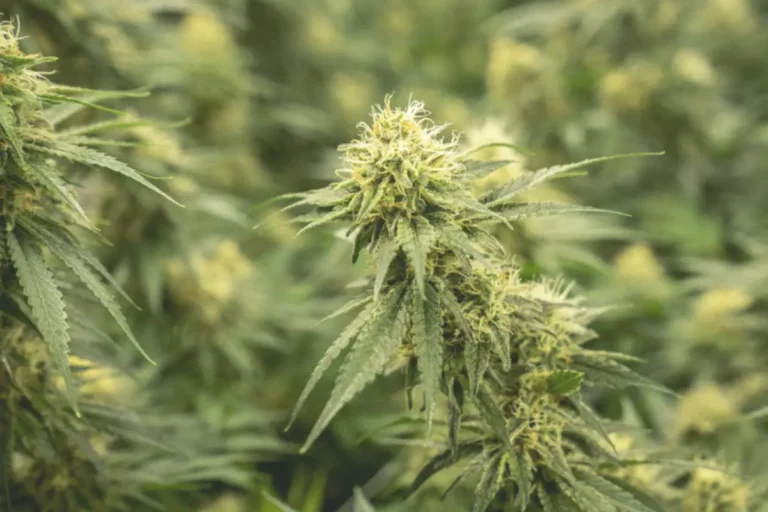
China is currently the world’s leading producer of textile hemp, with a significant share concentrated in Yunnan and neighboring provinces such as Heilongjiang. Cultivation is regulated and restricted to low-THC varieties selected for industrial use. More recently, the sector has benefited from public and private investment, with mechanized facilities and more efficient processing methods being introduced.
Hemp grown in Yunnan is valued for its fiber length and strength, which make it suitable for textile spinning. Industrial processes have also been developed to make the fiber easier to work. These include alkaline chemical treatments, often using caustic soda, to separate the fibers and reduce their initial stiffness. Such steps produce more consistent yarns suited to industrial textile production.
Enzymatic and mechanical processes have also become more widespread in recent years, with the aim of reducing environmental impact and improving fiber quality. A complete supply chain also enables greater material standardization. Yarn produced in these districts has consistent characteristics needed for large-scale industrial use, particularly in woven fabrics and denim.
The Italian textile supply chain: weaving without spinning, hemp’s unresolved problem
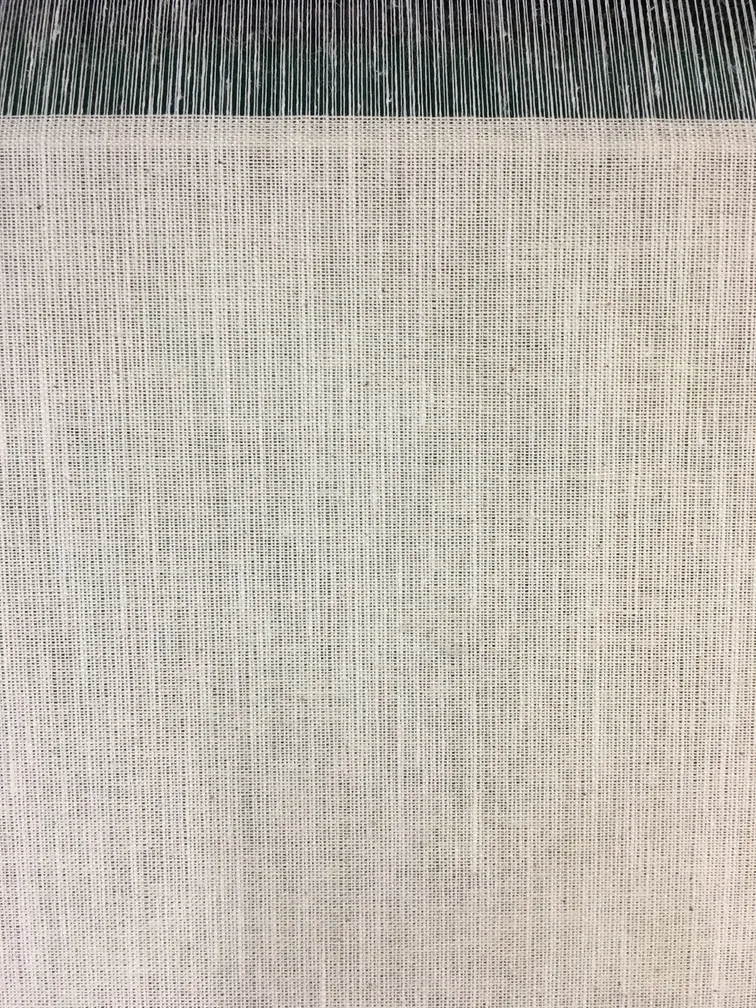
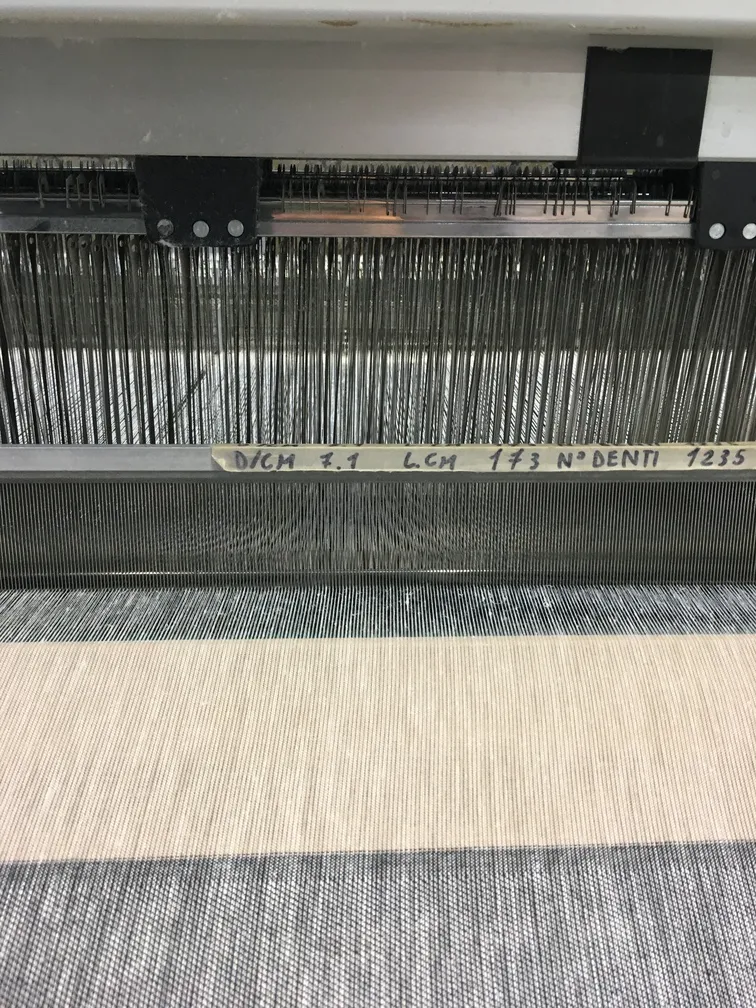
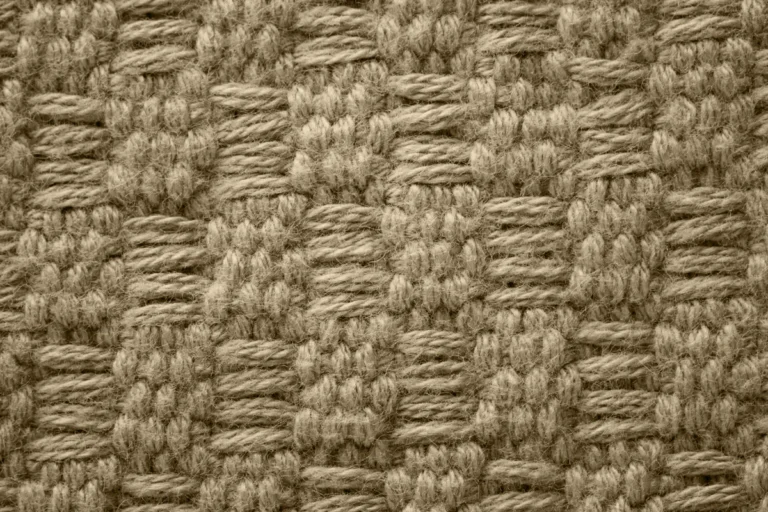
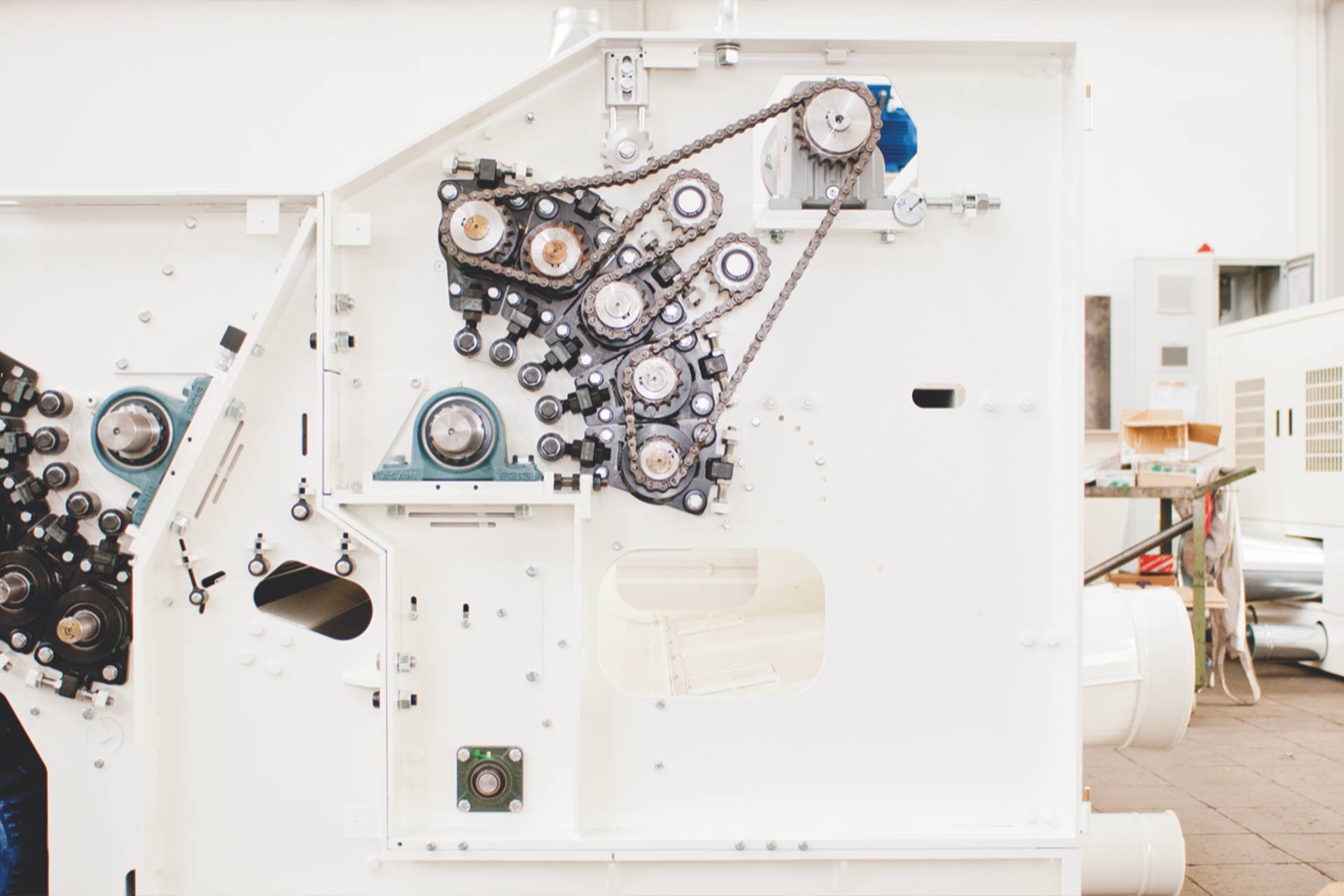
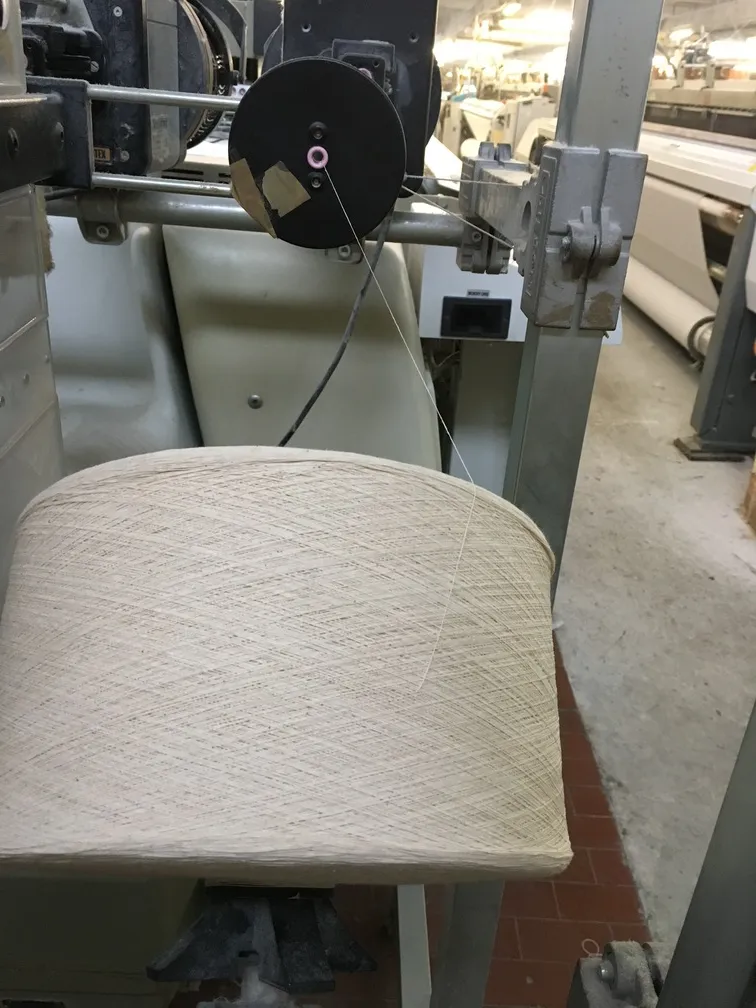
Laurels Apron’s production then returns to the Italian textile supply chain: «We work with several weaving mills in Veneto and Lombardy». Here, industrial looms turn yarn into fabric: «There is a whole experimental stage here to establish the possible weave structures». The weave determines how the threads interlace and directly affects the fabric’s structure, density, compactness, how it changes over time and how it responds to wear and washing.
With hemp, this stage demands particular care because the fiber is stiffer than other textile materials. This affects how the yarn behaves during weaving, especially when managing thread tension and maintaining continuous production. These characteristics are even more apparent in heavier fabrics such as denim.
Laurels Apron currently produces between 100 and 200 meters a day, a scale that requires consistency. Variations in the fiber or its processing can affect the final result.
Sustainability in the textile industry: the limits of the fiber and the impact of processing
Hemp’s stiffness influences fabric design and production. In heavier materials such as denim, it makes weaving more complex and limits the use of pure hemp: «Making denim entirely from hemp is a very complicated challenge».
Laurels Apron therefore uses a blend: «Our main fabric is a denim made of 55 percent hemp and 45 percent cotton to give the fabric greater softness». Cotton makes the material easier to handle during production and more stable in subsequent stages, reducing the need for corrective treatments.
Hemp’s stiffness also has advantages, however, so it is softened rather than eliminated: «Hemp can be a little stiff at first, but the more you wear it, the better it becomes; use and washing soften it». Blending it with cotton also helps avoid excessive chemical treatments during finishing, which undermine sustainability in the textile industry.
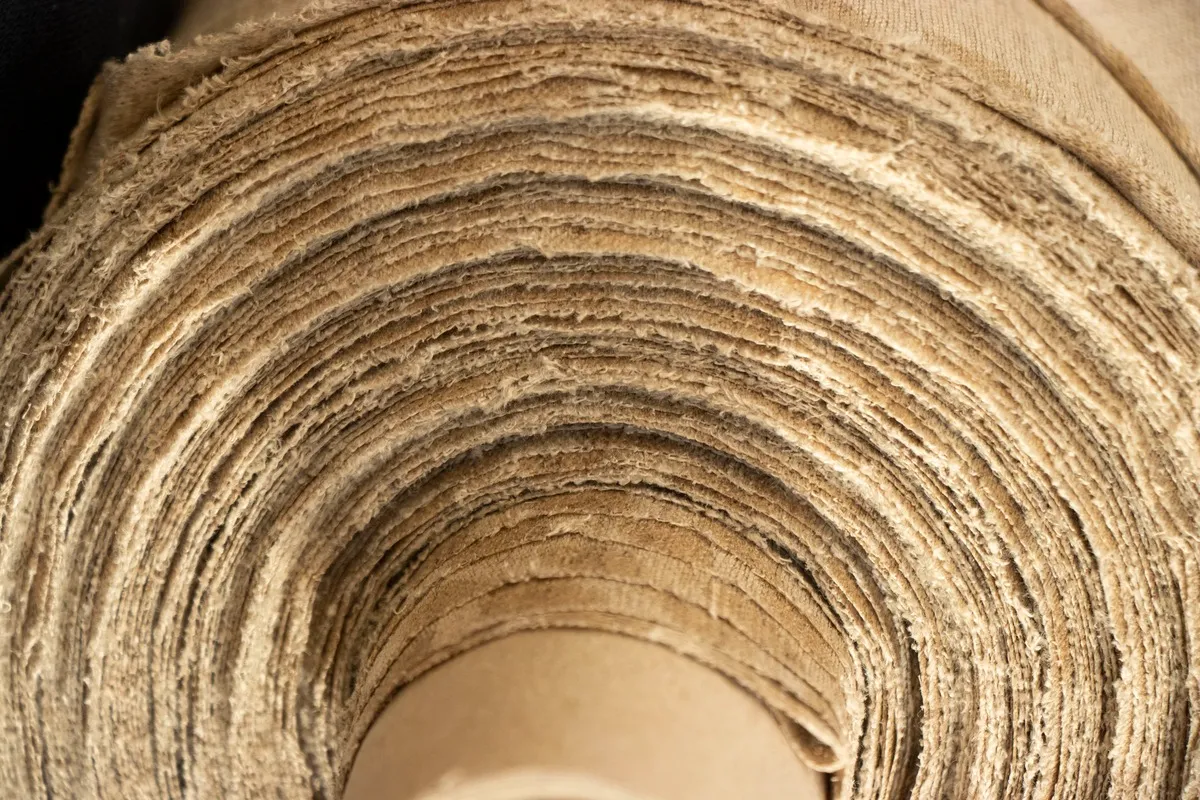
During finishing, which follows weaving, the fabric is processed in the piece, before the garment is made, and undergoes an initial wash to stabilize its structure and remove tension and irregularities. This prevents deformation during subsequent processes.
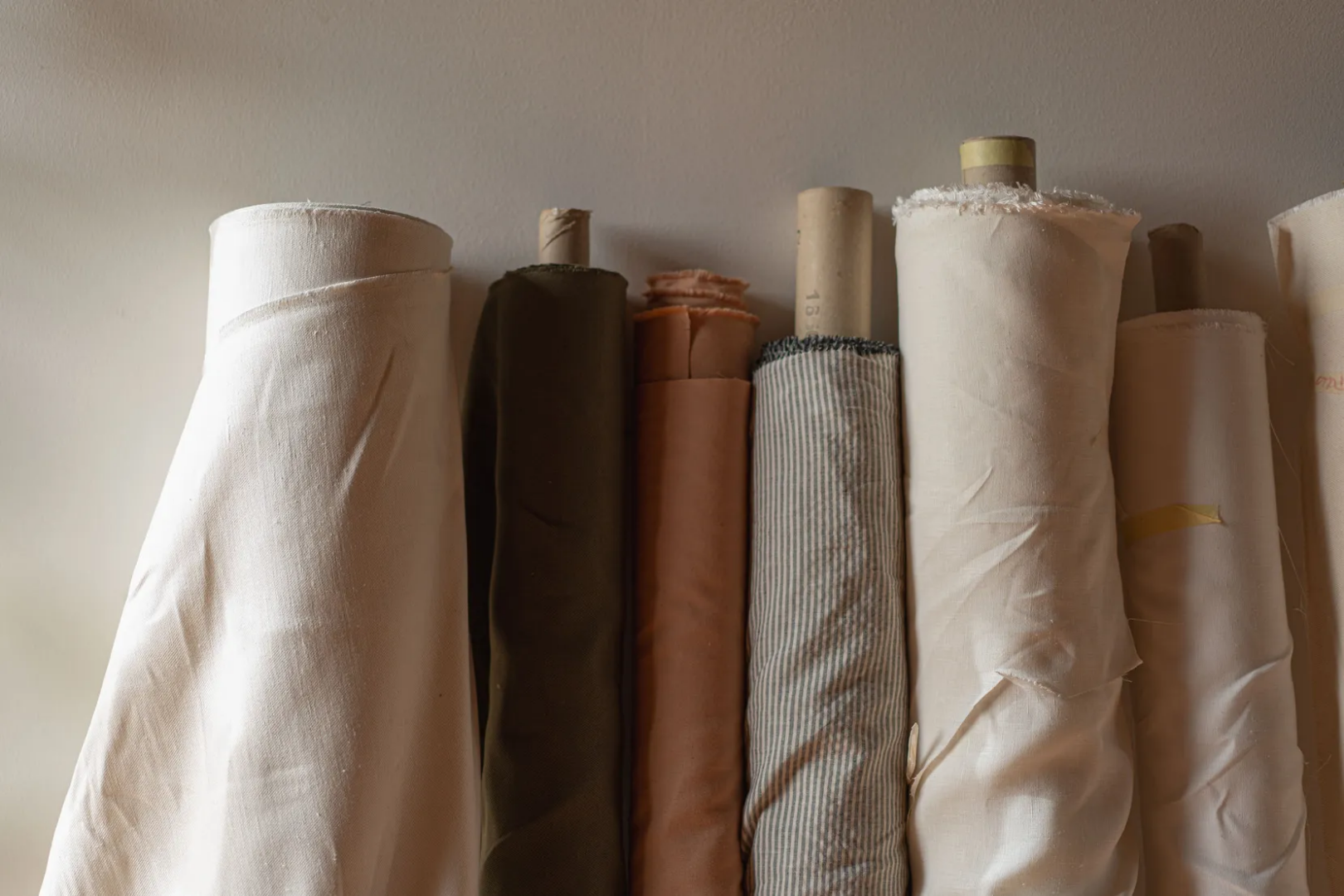
Some fabrics retain the fiber’s natural color and undergo no further treatment. Others are bleached so they can be dyed evenly. The fabric is first cut and sewn, and only then is the finished garment dyed. This makes it possible to work directly on the product and achieve an even result across seams and shapes. For dyeing and finishing, Laurels Apron uses «a certified laundry that takes measures to reuse and purify water».
Jersey from Japan: a hemp culture that remains active
For certain fabric types, Laurels Apron relies on external suppliers. This is the case for the hemp jersey used in its T-shirts. Unlike woven fabrics such as denim or those used for trousers and aprons, jersey requires a different process: knitting rather than interlacing threads on a loom. The company does not produce this type of fabric, concentrating its own activity on weaving.
Hemp has a textile history in Japan dating back to prehistory. Evidence of its use reaches back to the Jōmon period, when it was used for fabrics, ropes and everyday objects. For centuries, it was one of the principal clothing fibers, particularly in rural areas where it was grown and processed locally.
During the Edo period, hemp was used for lightweight summer garments because it absorbs moisture and allows air to circulate, properties suited to hot, humid climates. Beyond everyday use, the fiber also had a symbolic role: it was associated with Shinto religious practices and used for ritual ropes (shimenawa) and ceremonial textiles.
This continuity was interrupted after the Second World War, when restrictions on cultivation, together with the spread of synthetic fibers and imported cotton, drastically reduced production. Specific hemp-processing skills nevertheless survived in Japan, especially for lightweight fabrics and blends with other fibers.
The tradition is also connected to related materials such as ramie, used in historic textiles including Echigo-jōfu, intended for summer clothing worn directly against the skin. Today, this knowledge supports a smaller but specialized production sector, particularly in knitwear. Some manufacturers work hemp yarns or hemp-cotton blends using techniques that produce more even jersey suitable for lightweight garments, with more consistent performance over time.
Laurels Apron’s decision to source jersey from Japan shows that the hemp supply chain remains fragmented. Its different stages—cultivation, fiber processing, spinning and weaving—do not take place within a single production setting and must be brought together through successive steps. The finished garment is therefore the outcome of a distributed supply chain, with each stage drawing on expertise concentrated in a particular location.