Textile hemp in Italy: Maeko’s experiments with bast fibers
Maeko works with hemp and other natural raw materials, seeking to build an Italian supply chain connecting farmers, artisans and industry
Maeko: textile hemp and bast fibers holding their ground in Italian industry
Maeko was founded in Milan by Mauro and Cinzia Vismara with an idea: to bring textile hemp back to a country where it had disappeared from fields and spinning mills for decades. After years of experimentation and external collaborations, the company moved to the Biella area in 2022, acquiring a woollen-system spinning mill. «For a while, we continued the contract-spinning work of the mill we had acquired», Cinzia Vismara recalls, «but then we stopped: we were not interested in replicating that business. We needed to do something different, to make room for research into natural fibers».
Maeko’s objective has always been to process and transform high-quality hemp fiber while keeping spinning and weaving in Italy. The path, however, has not been straightforward.
Regulatory uncertainty: a constant obstacle to the hemp supply chain
For Vismara, the main obstacle to developing textile hemp in Italy is regulatory instability: «For decades, the sector has been hampered by unclear rules and constant changes. New directives, often introduced without a coherent plan, complicate cultivation and fiber processing».
This uncertainty discourages investment: «Whenever a company thinks it can plan cultivation, restrictions or obligations emerge that make it difficult to proceed. Many give up before they even begin».
There is also a lack of appropriate support: «The available calls for proposals and funding do not meet the needs of the hemp supply chain. We need machinery to process the fiber, but grants are often directed toward other sectors. That makes it difficult to modernize processing and make the supply chain competitive».
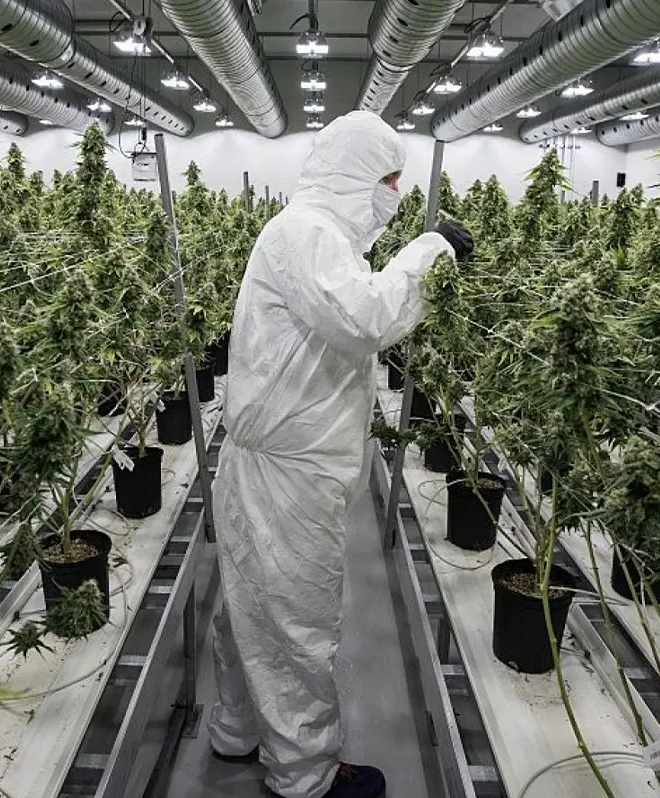
Difficulties with direct cultivation were compounded by the 2023 floods in Romagna, which destroyed Maeko’s experimental crop. The company now uses hemp fiber from France: «Without stable conditions and reliable domestic cultivation, we have to source raw material wherever it is available and of sufficient quality. France still has historic flax-processing facilities capable of working with hemp. It is not the ideal fiber, but it is preferable to Chinese fiber, which often arrives contaminated and already presents problems during dyeing».
Bast fibers and research: pineapple and nettle as complementary resources
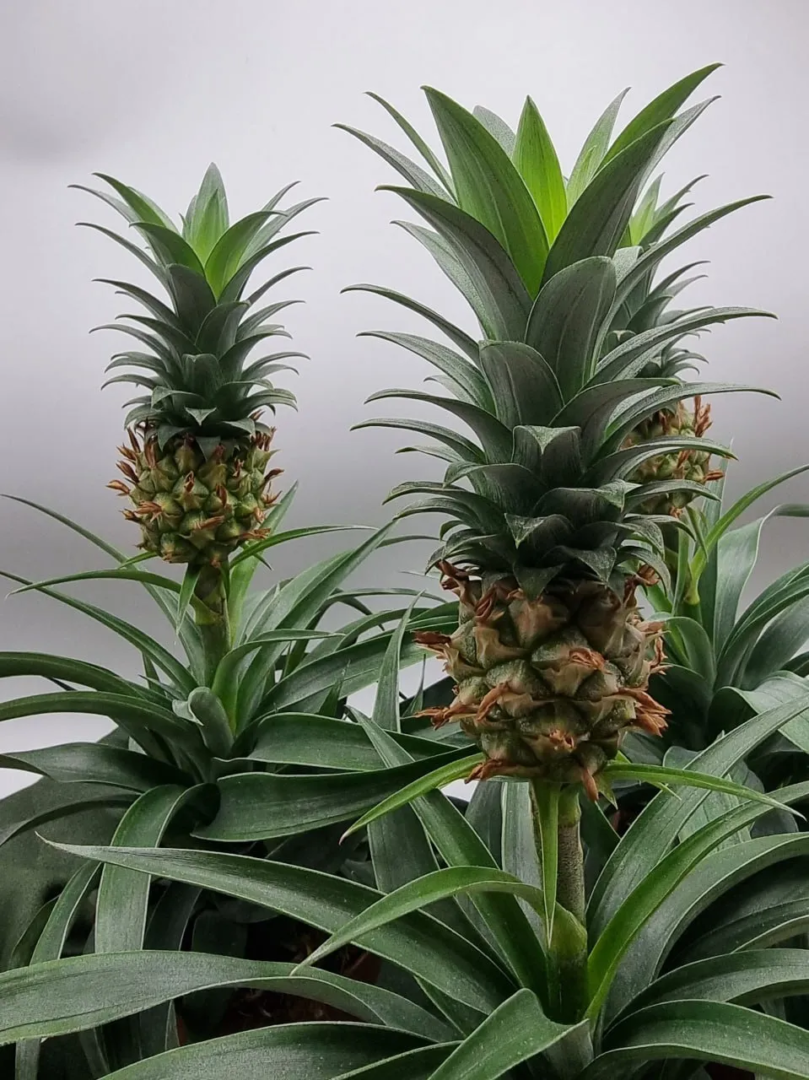
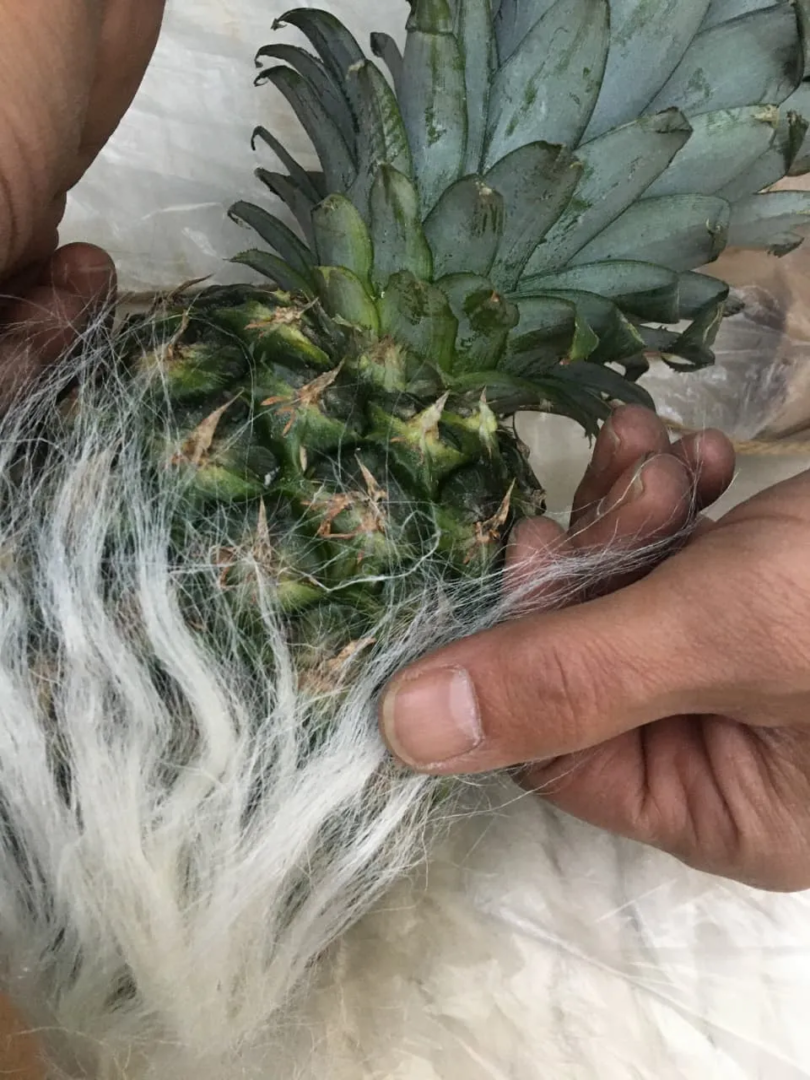
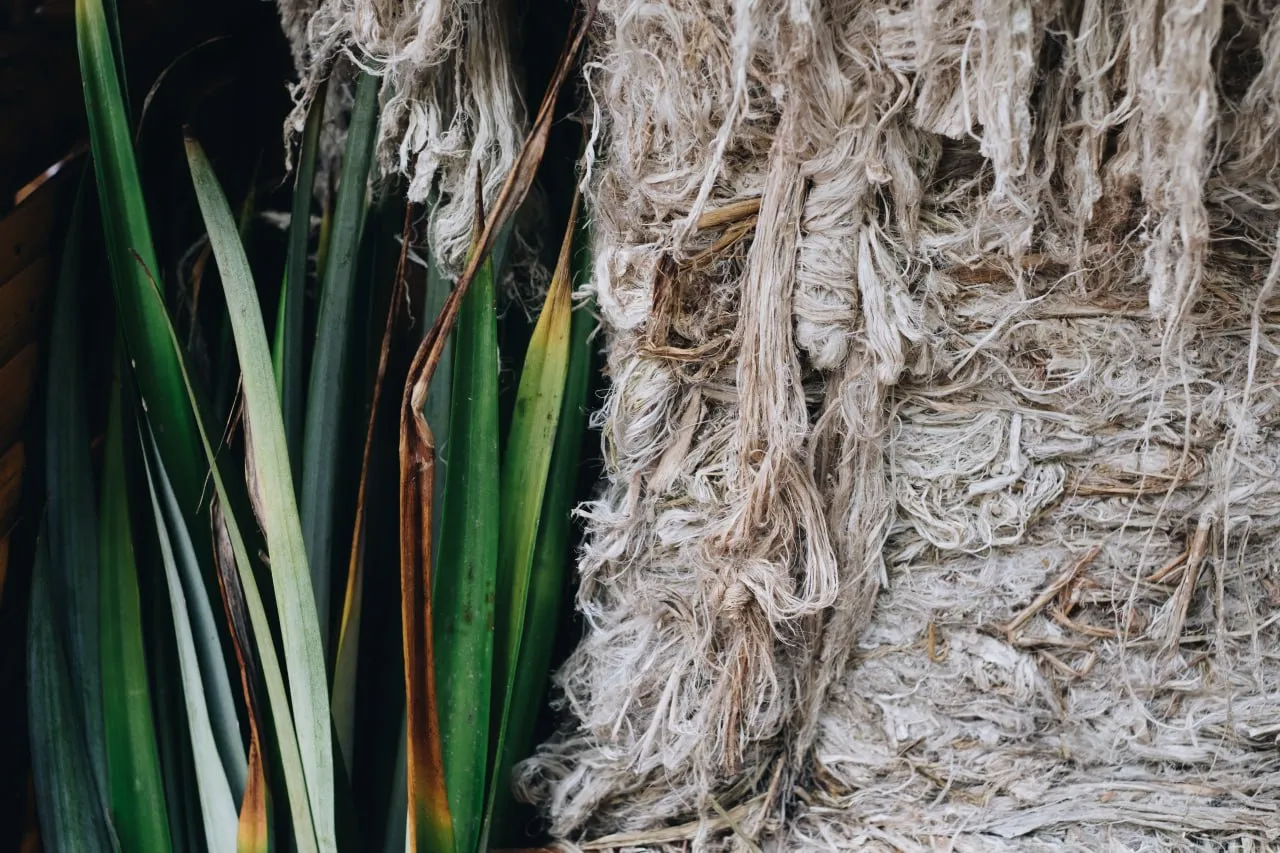
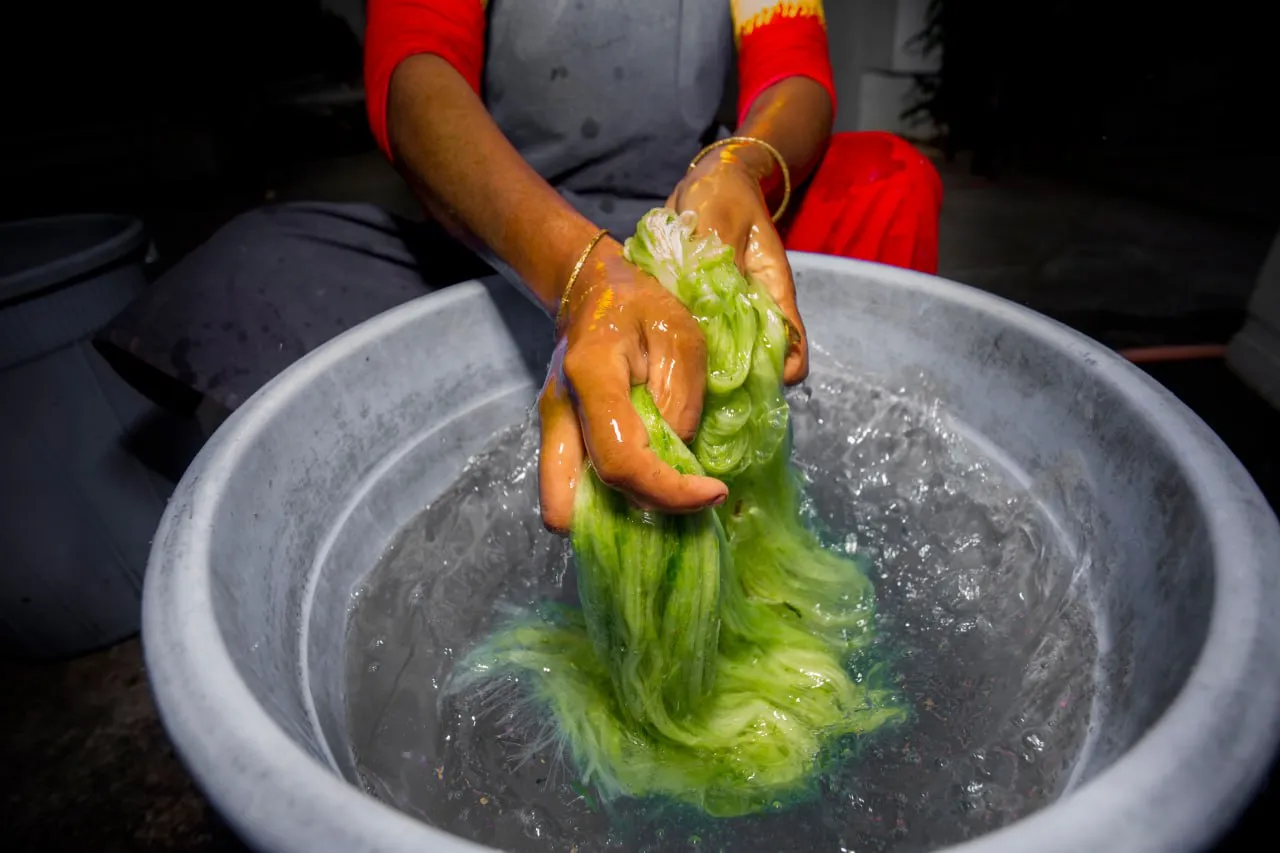
Alongside hemp, Maeko works with other bast fibers, including Himalayan nettle, ramie, coconut and pineapple: «Pineapple retains the typical characteristics of bast fibers: strength, durability and an ability to absorb dye well, while remaining softer than one might expect».
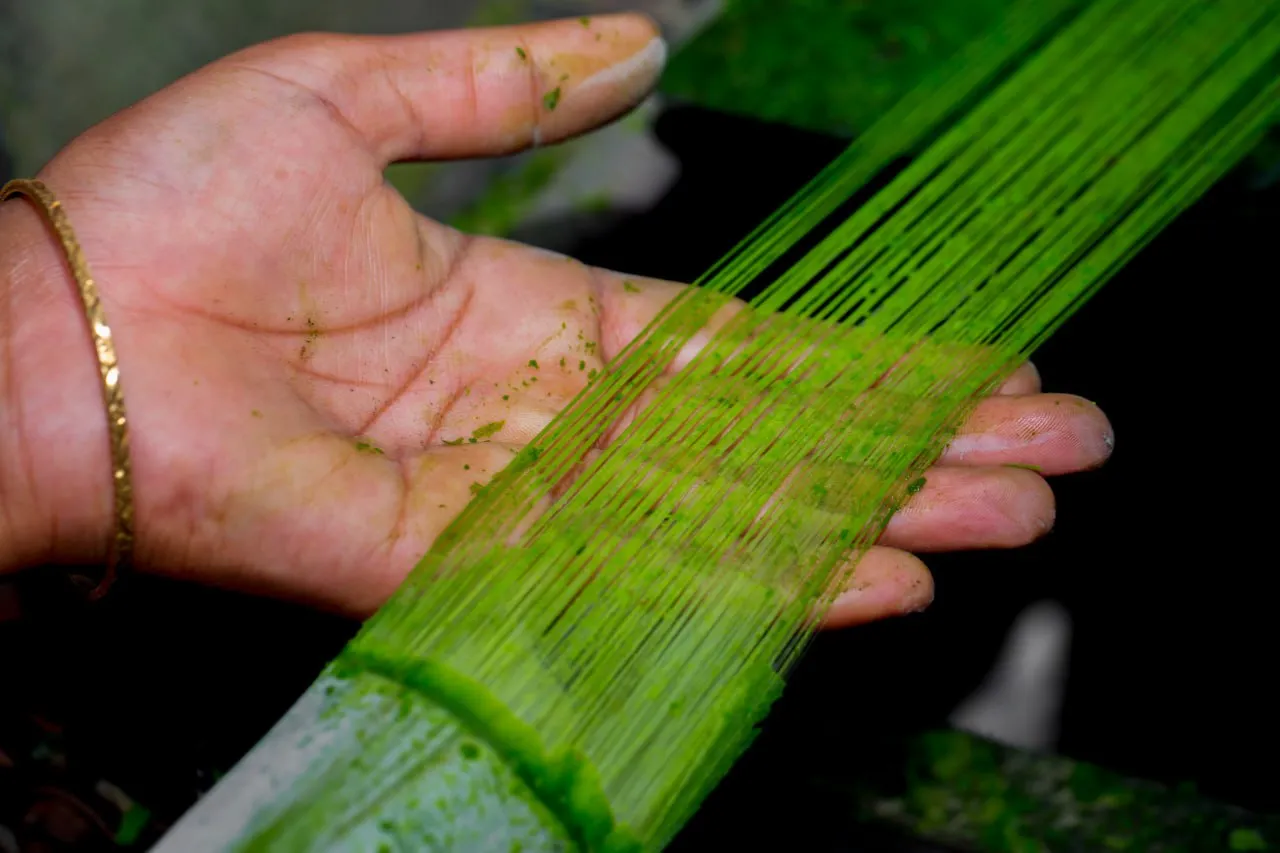
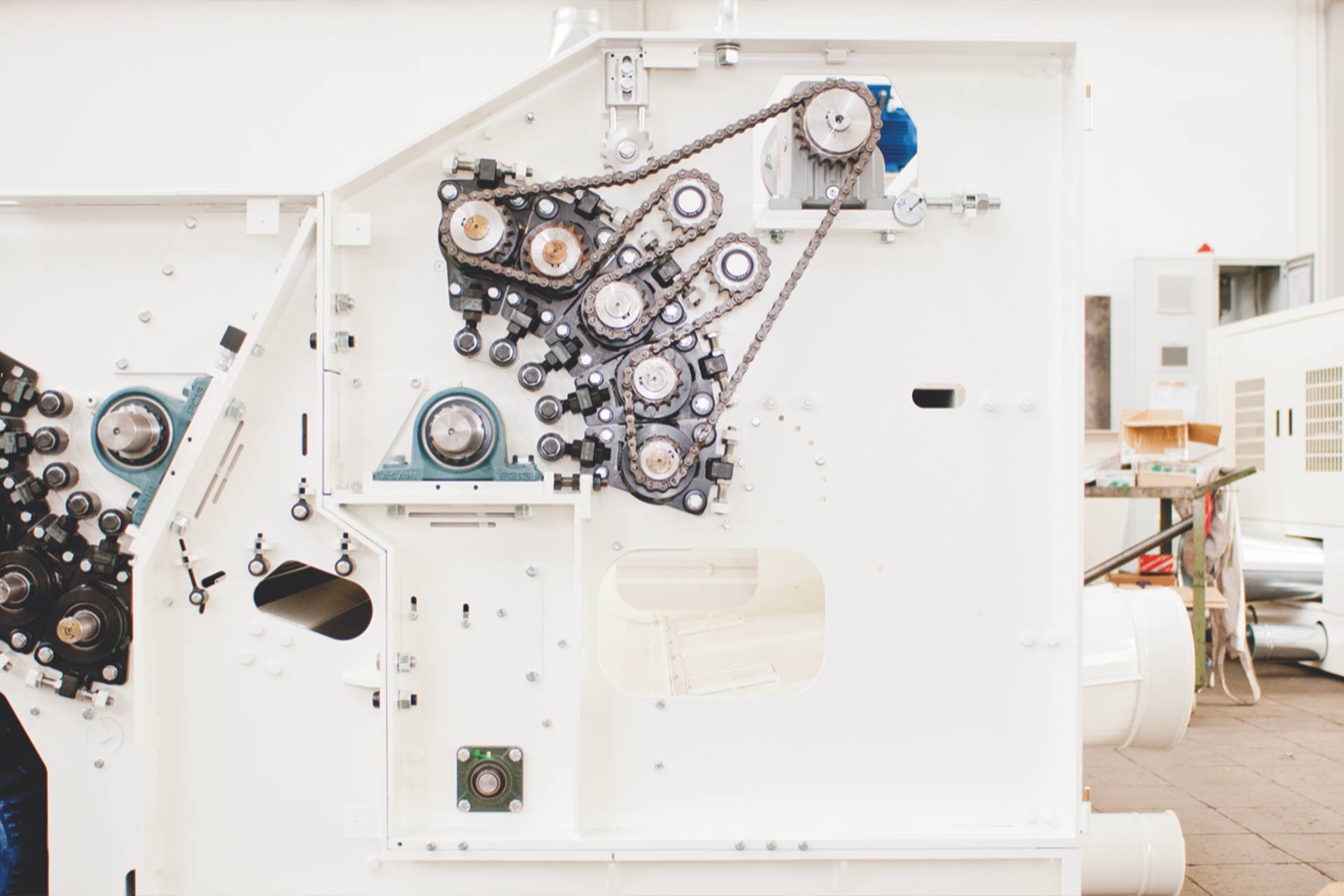
The pineapple fiber used by Maeko comes from Indonesia, where, the company says, it is extracted manually from the plant’s leaves. This requires machinery adjustments: «We had to modify part of our woollen-system spinning equipment so that pineapple could be blended with other fibers, such as hemp or wool. The aim is not to replace hemp but to complement it, creating blended fabrics with different properties depending on their intended use».
Maeko has also worked for some time with Himalayan nettle, hand-harvested in mountainous areas to obtain a long, strong fiber: «Nettle has a natural sheen and a hand reminiscent of linen, but greater tenacity. It requires delicate treatment during combing and spinning, but gives good results both on its own and in blends».
According to Vismara, a fiber’s sustainability cannot be measured by its plant origin alone: «We must also consider processing, transport and the availability of local labor. Pineapple, for example, is still extracted manually in Indonesia: this keeps the technological impact low, but we cannot call it a zero-mile supply chain. Nettle can be harvested more widely in different mountain areas and is therefore a resource worth developing».
In Maeko fabrics, pineapple and nettle are used both alone and blended with other natural fibers: «Pineapple combined with hemp produces a rougher yet lightweight appearance, while blending it with wool gives a softer, denser hand. Nettle combined with merino produces a slightly irregular surface and a luminous appearance».
Intimate blends: a technical approach to durable fabrics
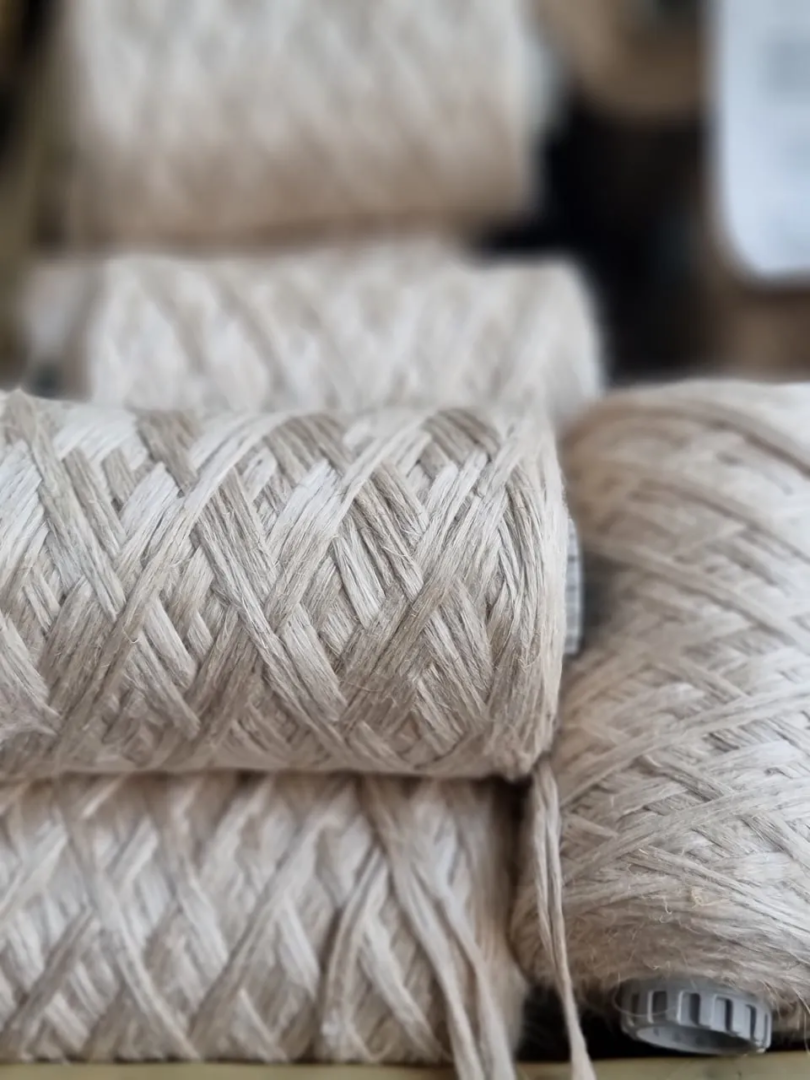
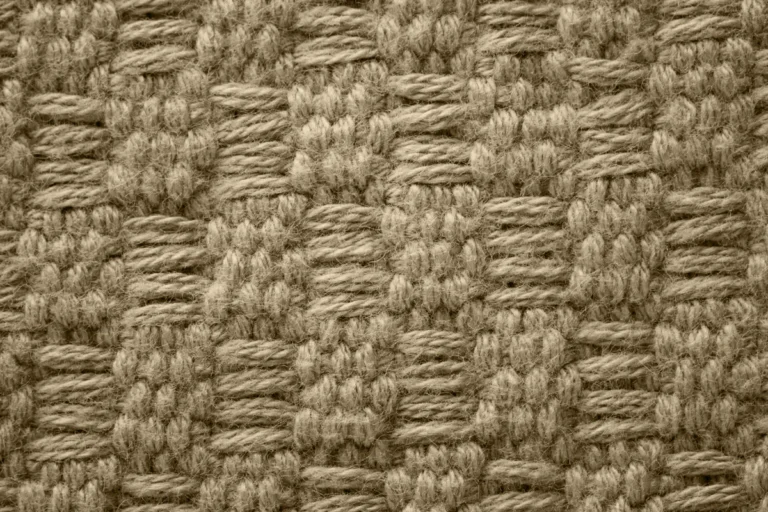
For Maeko, a fabric’s value emerges from the interaction between different fibers: «We have always believed that value lies in the balance between fibers. That is why we have studied combinations that bring together hemp’s tenacity, the softness of European merino and the sheen of fibers such as Himalayan nettle or pineapple».
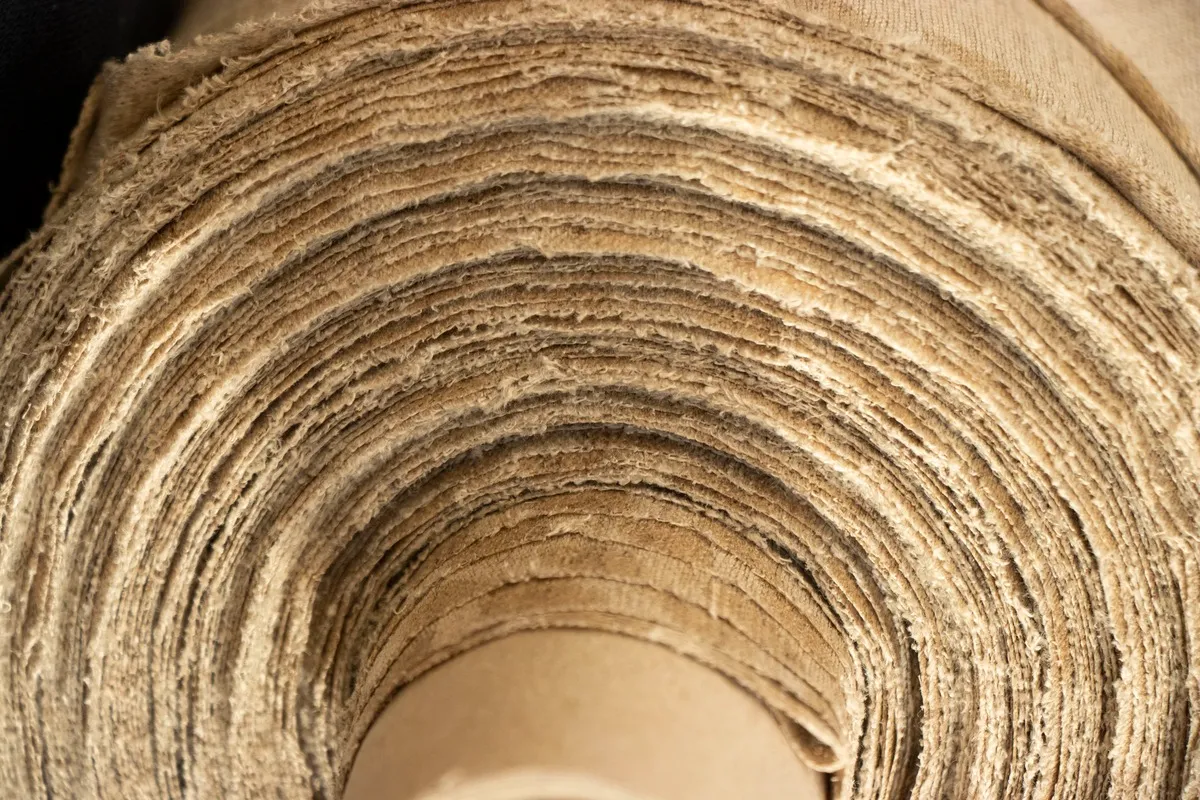
Woollen-system spinning makes it possible to use medium-length fibers without reducing them to short staple, preserving their mechanical qualities. It is also a stance against the use of low-quality recycled fibers: «Short fibers tend to shed during washing and compromise the fabric’s lifespan». The technical choice is therefore intended to produce fabrics that do not wear out quickly and retain their appearance and performance over time.
Building an independent Italian textile supply chain and a distributed ecosystem
Acquiring the spinning mill in the Biella area enabled Maeko to directly control the entire process, from fiber to fabric: «If a client asks us for twenty thousand meters of fabric, it puts us in difficulty: it would mean stopping all other research. Biella would die if it worked only with volumes. We want to remain on a different scale, maintaining a direct relationship with those who value research».
This choice allows flexible production: small batches for craft workshops and small businesses, and larger quantities for international brands, without compromising quality: «We offer niche brands the essentials in smaller formats so as not to extinguish the passion of people who work by hand».
The company also works with local producers, including an alpaca breeder who entrusts Maeko with spinning the wool: «That way, the breeder can continue selling balls of yarn and socks. It is a relationship that keeps us close to a human, artisanal scale».
For Vismara, this network of relationships is essential to sustaining a distributed economy and building an independent Italian textile supply chain: «Our idea is to give tools and materials back to people who want to make things happen. We must not concentrate everything in the hands of a few».
How to make the most of hemp fiber: the value of longevity
For Maeko, sustainability means product longevity and the conscious use of resources. Hemp fiber, grown and processed using suitable methods, is central to this approach because it yields robust yarns that withstand time and washing, reducing the need for replacement: «If a customer buys a garment and keeps it for a long time, that is sustainable. The problem is throwaway consumption».
The principle of longevity applies not only to the finished garment but also to the stability and integrity of the fiber. The decision not to use short or recycled fibers stems from this conviction: «A fabric should not give way after a few washes; it should retain its structure and color for years. Longevity is the real dividing line between a material that respects resources and one that wastes them».
This philosophy also shapes relationships with industrial clients: «We have received substantial orders, but we do not want to distort what we do. There is no point producing large quantities if the fabric ends up in a warehouse or is used for collections that last one season».
Maeko’s production pace is closer to the historic rhythm of bast fibers, grown without forcing and processed using mechanical rather than intensive methods: «We are not interested in chasing numbers. For us, fiber research is not a race for quantity but a way of remaining free and consistent with what we know how to do».
The future of natural raw materials in the Italian supply chain
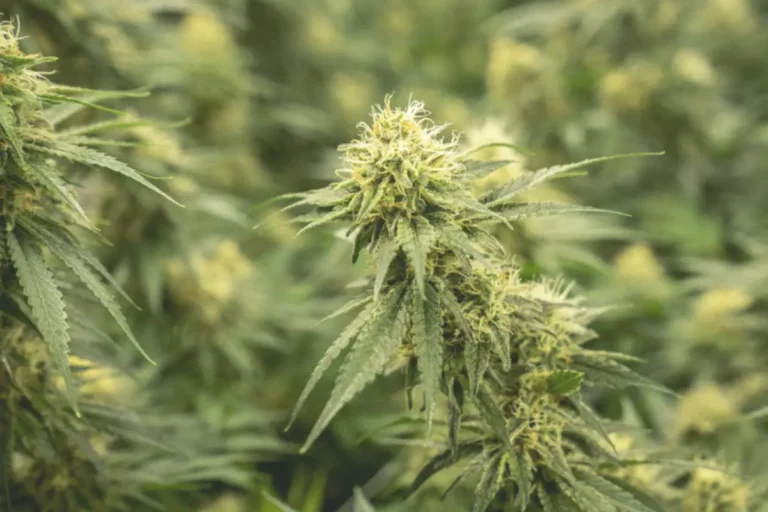
Maeko’s future remains rooted in hemp fiber, which could once again become a pillar of the Italian supply chain if supported by stable regulation and targeted investment in retting and spinning machinery: «We have learned that we need to be pragmatic: work with what is available, improve techniques and experiment with other fibers. It is not a competition. The point is to create fabrics that combine the best characteristics of each fiber and adapt them to different production needs. Our objective is to develop the supply chain step by step, without chasing trends or promises that cannot be kept».
The company is looking to new collaborations with farmers and small producers to resume hemp cultivation in Italy, at least on an experimental scale: «Having the right seed or suitable land is not enough. We need a supply chain connecting the field to the machinery, ensuring the passage from plant to yarn. Only then will stable production be possible. This is not about returning to an idealized past, but building a supply chain consistent with today’s needs: reducing environmental impact, maintaining quality, valuing craftsmanship and the natural raw materials that form the basis of strong, durable textiles».
Debora Vitulano