Molino Crisafulli brings hemp into the Mediterranean diet with pasta and oil
A family-run Sicilian mill produces hemp oil and flour-based foods using local heritage grains, traditional machinery and organic farming methods
Molino Crisafulli: community ties and industrial archaeology
In Caltagirone, in the province of Catania, a historic mill stands as an example of community belonging and «industrial archaeology in the milling sector», in the words of Giuseppe Sammartino. Together with his brother Francesco, Giuseppe now runs the mill, farming organically and producing food through an artisanal, non-automated process: «The miller’s experience and sensitivity still make a difference here».
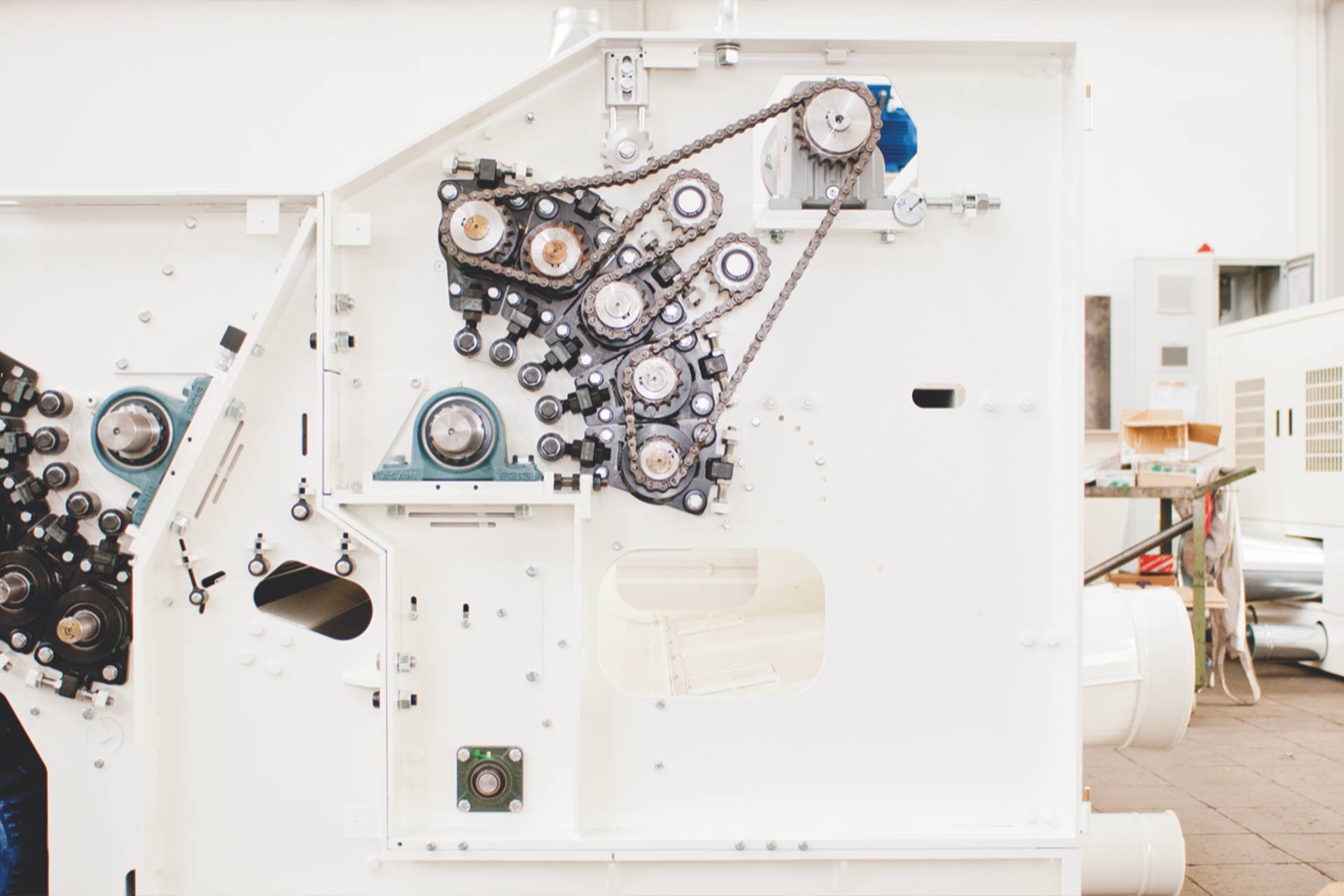
The mill’s former owners, whose name the company still bears, were brothers too. In 1951, the Crisafulli brothers completely renovated an existing mill dating from the early twentieth century, giving it the appearance it retains today: «They modernised it and built a plant that was very advanced for the 1950s, using materials then considered valuable, such as wood, steel, cast iron and aluminium. Then, in 1989, our father Gaetano acquired the mill but decided to preserve both its name and its machinery. We still work with the Crisafulli brothers’ 1950s plant, which is in perfect working order. It is the last mill in the world still operating with machinery made by the historic Italian company Officine Meccaniche Reggiane».
Locally sourced natural ingredients: hemp and ancient Sicilian grains
What has changed over the years is the choice of crops. The Sammartino brothers have shifted towards sustainability and the recovery of historic native Sicilian plants, including ancient grains and hemp: «We work exclusively with locally sourced natural ingredients. We buy no foreign products, either for wheat, which is our core business, or for hemp. Today, most wheat arriving in Sicily and southern Italy generally comes from Canada and is characterised by the presence of mycotoxins, glyphosate and carcinogenic agents. Sicilian wheat, by contrast, is naturally free of all these substances and is therefore healthier for human consumption».
The ancient grains grown and processed by Molino Crisafulli include two durum varieties, Timilia and Margherito, and two soft-wheat varieties, Majorca and Romano. Both soft-wheat varieties are organic and have a simple gluten structure: «From a nutritional and sensory perspective, these grains offer advantages over modern varieties: for example, they are better tolerated by people with gluten intolerances and digestive problems».
Timilia is rich in trace elements, has a high protein content and a low gluten index. It is used to make Castelvetrano black bread, a Slow Food Presidium product. Margherito, rich in protein and highly digestible, is suitable for both bread and pasta. Majorca, rich in protein, minerals and vitamins, is used for desserts. Romano is suitable for both desserts and bread and is easily digestible.
Hemp: an ancient crop returns to Sicily
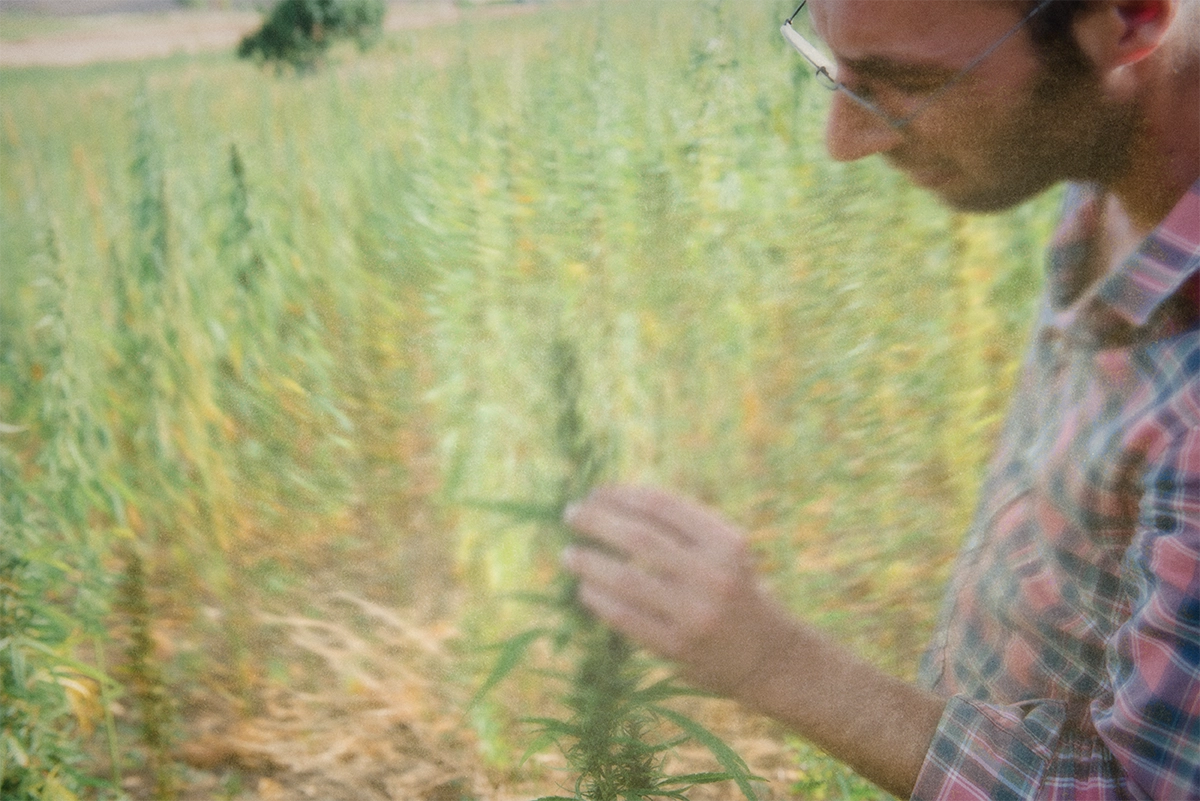
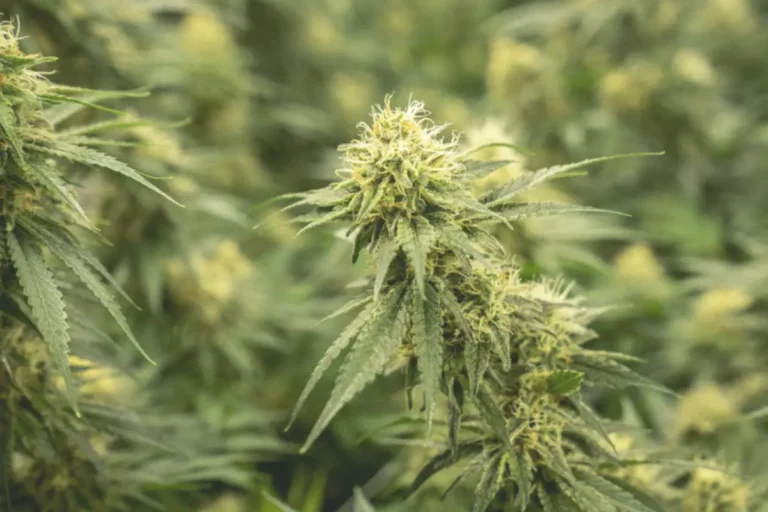
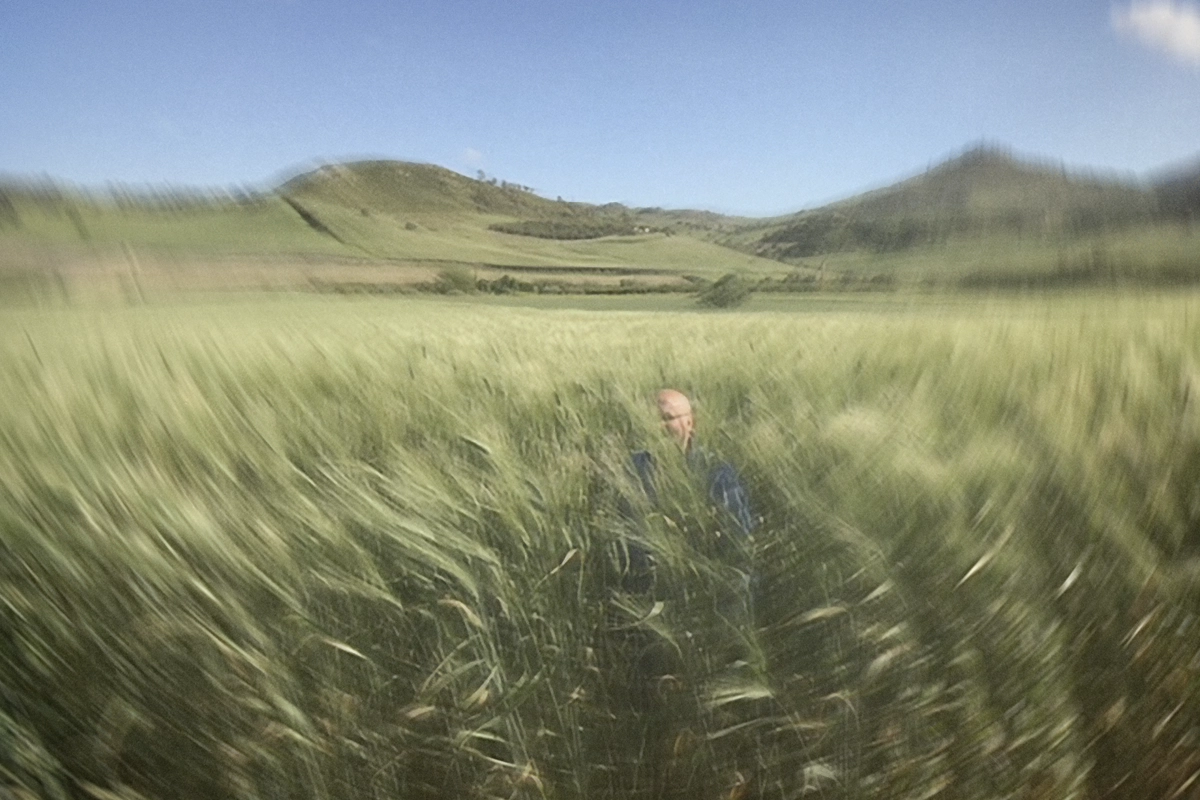
Alongside the ancient grains, Molino Crisafulli grows Cannabis sativa in crop rotation: «We were the first to systematically reintroduce hemp cultivation in Sicily. We carried out our first trial in 2016 with French seed, but our aim was to complete the food supply chain, which is why we then began producing hemp-derived foods. First came hemp seed oil, followed by flour, pasta, bread and pizza mixes made from the residue left after pressing, and eventually beer».
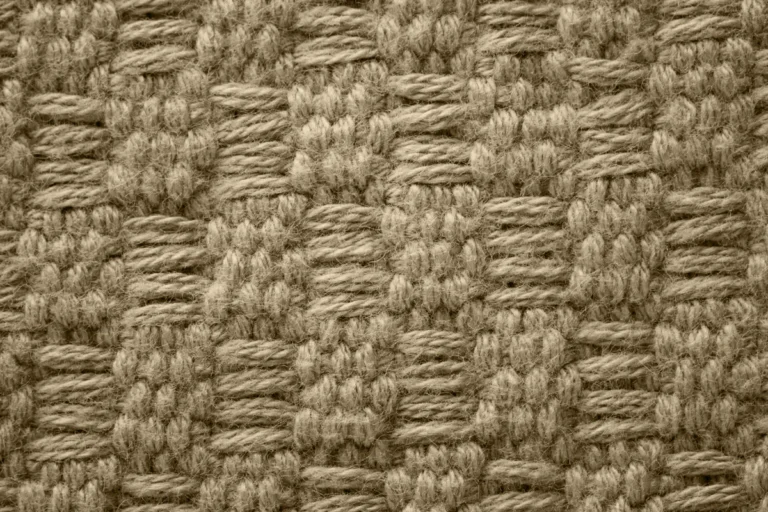
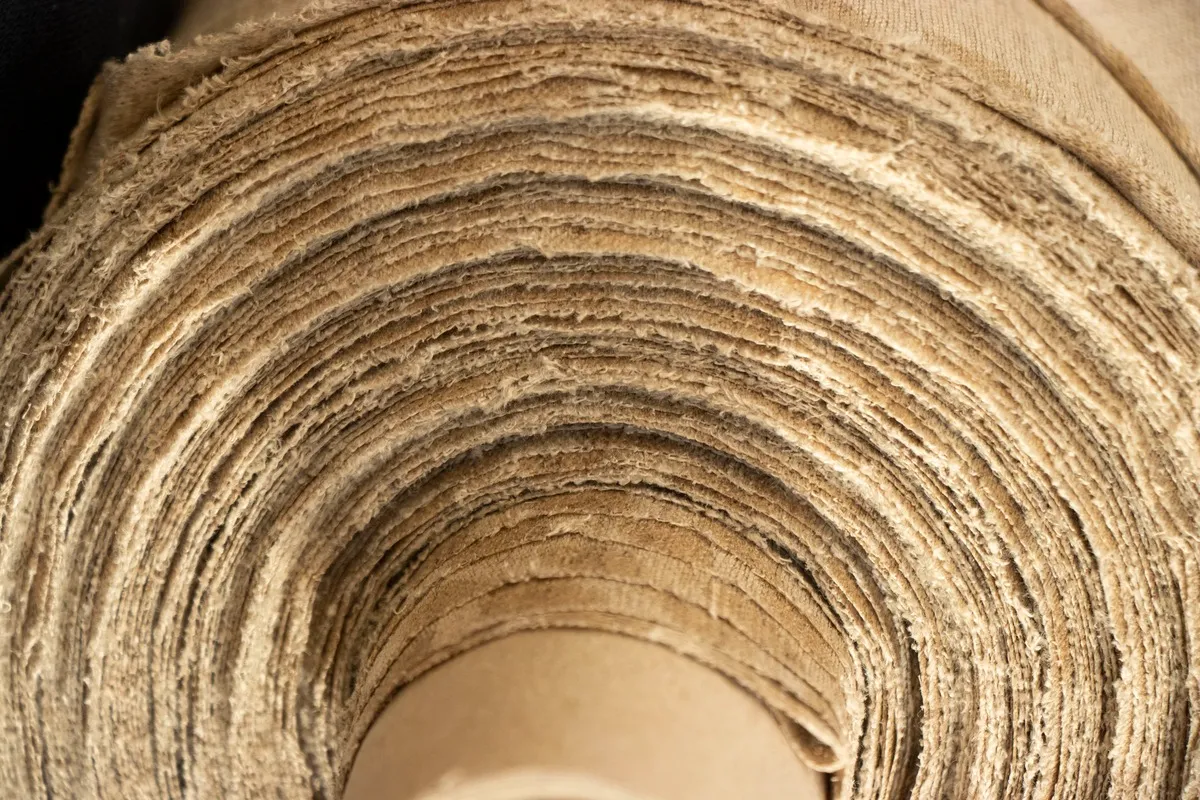
Cannabis sativa has been cultivated in Sicily since the Middle Ages to produce fibres for ropes and cordage, as well as yarn for tablecloths, household linen and various fabrics, including ships’ sails. The finest cloth was called mannu; coarser cloth was known as stuffa. A Sicilian proverb survives to this day: «Stuppa mi rasti e stuppa ti filai, tu mi tingisti e iu t’anniviricai». It conveys the idea of paying someone back in kind. Waste fibres were used to make cannavazzu, a coarse fabric for sacks and country blankets. Seeds obtained directly during scutching, one of the stages of hemp processing, were once used to make a Christmas sweet called cannavusata, later banned under health laws because it was considered intoxicating and toxic.
Hemp oil: balancing nutritional properties and palatability
Oil was the first hemp-based product Molino Crisafulli explored. From their earliest trials, the brothers observed sensory and nutritional characteristics that, in their view, made it a nutraceutical product: long-chain polyunsaturated fatty acids, including omega-3 and omega-6, vitamins A and E, terpenes and polyphenols. «It is perfectly balanced for human nutrition, unlike other oils such as olive, flaxseed or fish oil».
They also encountered palatability problems: «The oil tended to taste bitter, even though the seeds themselves were pleasant. We solved these problems by working on the extraction and seed-storage stages, while also keeping acidity and peroxide values low».
Giuseppe recommends using it uncooked as a dressing, alternating it with olive oil, or taking it as a supplement: «Hemp oil supports the nervous system, strengthens immune defences and regulates blood triglyceride and cholesterol levels, reducing the risk of cardiovascular disease. It is also a natural antioxidant and has cosmetic properties when applied topically».
Hemp flour made from the residue of oil pressing
Molino Crisafulli has organised its supply chain around circular production, using the residue from oil pressing to make hemp flour: «We use the defatted seed, known as press cake, to produce flour. Otherwise, flour could not be obtained because hemp naturally contains around forty percent oil, which prevents proper milling. We then stone-grind it, just as we do our grains».
From an agronomic perspective, sowing and harvesting hemp are no different from wheat. Processing, however, requires different machinery and techniques: «Unlike wheat, which ripens and dries on the plant, hemp needs to be dried immediately after harvesting. We then stagger processing throughout the year so that we store the seed rather than the finished product».
In terms of its properties, hemp flour has twenty percent fewer calories than cereal flours, while containing omega-3 and omega-6, fibre, magnesium, potassium, iron, zinc and vitamin E. Unlike carbohydrate-rich wheat flour, hemp flour provides a high protein intake: «For this reason, it offers an alternative to animal-derived protein sources or those from less sustainable crops, such as soy. Hemp flour also has a complete amino-acid profile, containing all the essential amino acids that our bodies cannot synthesise and must obtain from food».
Hemp pasta: an addition to the Mediterranean diet
At Molino Crisafulli, hemp flour is also blended with organic semolina flour, likewise produced in-house, to make various bronze-die-extruded pasta shapes. Here too, the result is a protein-rich food with fewer calories than conventional pasta and a higher content of fatty acids and polyunsaturated fats.
Giuseppe recommends alternating hemp pasta with conventional pasta to add nutrients he considers lacking in the Mediterranean diet: «Traditional cereal products in the Mediterranean diet cannot be replaced entirely with hemp-based ones, whose flavour would not suit every dish in our culinary culture. Hemp pasta can, however, be a useful alternative for people following a low-calorie diet or needing more protein, and it lends itself to quick cooking and light sauces, such as vegetable-based ones».
Hemp: a sustainable superfood with environmental benefits
At Molino Crisafulli, hemp is considered a superfood: «It suppresses weeds on its own and needs no external inputs such as pesticides or herbicides. It requires little water and tolerates drought. When rotated with other crops, such as wheat, it improves soil through its taproot system, which reaches deep into the ground. It also stores carbon dioxide. An estimated hectare of hemp can store up to thirteen tonnes of CO₂, as much as a hectare of tropical forest».
To develop the plant’s potential, Molino Crisafulli works with the Council for Agricultural Research (CREA), the Experimental Station for Cereal Growing and the University of Milan on the Semincanta project. The project aims to establish an industrial hemp supply chain and develop guidelines for cultivation and production processes, encouraging business restructuring, crop diversification and the creation of new enterprises.