Dorbeetle Store, Hangzhou: born from a need to read with friends
From foreign magazines brought back from trips abroad to a physical store in Hangzhou: Tony Lee’s Dorbeetle Store works as a platform for independent publishing, minority voices and printed culture
The start of Dorbeetle Store
Tony Lee founded Dorbeetle Store in Hangzhou in 2018. «We had a variety of magazines for sale, but compared to what we offer now — mainly foreign titles — they were few in number».
Since then, Dorbeetle has shifted in scale, function and audience. What started as a small project rooted in Mr. Lee’s interest in printed matter has grown into a reference point for international independent magazines in Hangzhou. Unlike bookshops built around literary retail, Dorbeetle has defined itself through curation. Its work goes beyond selling magazines. It introduces voices, formats and editorial practices that local readers would otherwise not reach.
The store rests on a premise: printed matter can widen a reader’s frame of reference. A magazine is a way into another cultural system, another visual language, another political or social perspective.
Dorbeetle Store: international independent magazines and the local readership
Mr. Lee describes Dorbeetle’s philosophy as mediation between international publishing and readers in Hangzhou. «We insist on having a curated selection of reads. Periodicals, monthly publications and independent zines fill our shelves».
This approach shaped the store’s identity. Dorbeetle became a stockist for international independent publications including Cereal, Kinfolk, Pleasure Garden and Lampoon. Mr. Lee manages the selection alongside Noah, his partner and colleague. Their work draws on research, but also on the habits of readers who approach magazines as objects of knowledge rather than lifestyle accessories.
Mr. Lee’s interest in foreign publications predates the store. Before opening Dorbeetle, he worked as an investment advisor. During those years, he gathered books and magazines from abroad — fashion, art and lifestyle titles that were hard to find in China. The gap in the local market became the seed of an idea.
A magazine store in China: from private exchange to public space
For Mr. Lee, foreign magazines first arrived through travel. On holidays abroad, he would seek out niche publications and carry them back to China — souvenirs of a kind, but also material for conversation. Back home, he and his friends would pass them around. «It was a hobby of ours. We talked about the content of the magazines and books, and once we were done with one, we would swap it between ourselves».
That private ritual lies close to the origin of Dorbeetle. The store translated that habit into a public setting, where international magazines, Western art books and independent titles could circulate beyond a circle of friends. Dorbeetle did not begin as a conventional bookstore. Its earliest form was Dorbeetle Studio, a design studio that produced objects and offered creative direction. The project sold phone cases, notebooks and tote bags online. The model did not hold up. Mr. Lee and Noah then refocused the project on magazines, books and the culture of printed matter. «Still wanting to keep the business going, we closed Dorbeetle Studio and founded Dorbeetle Store».
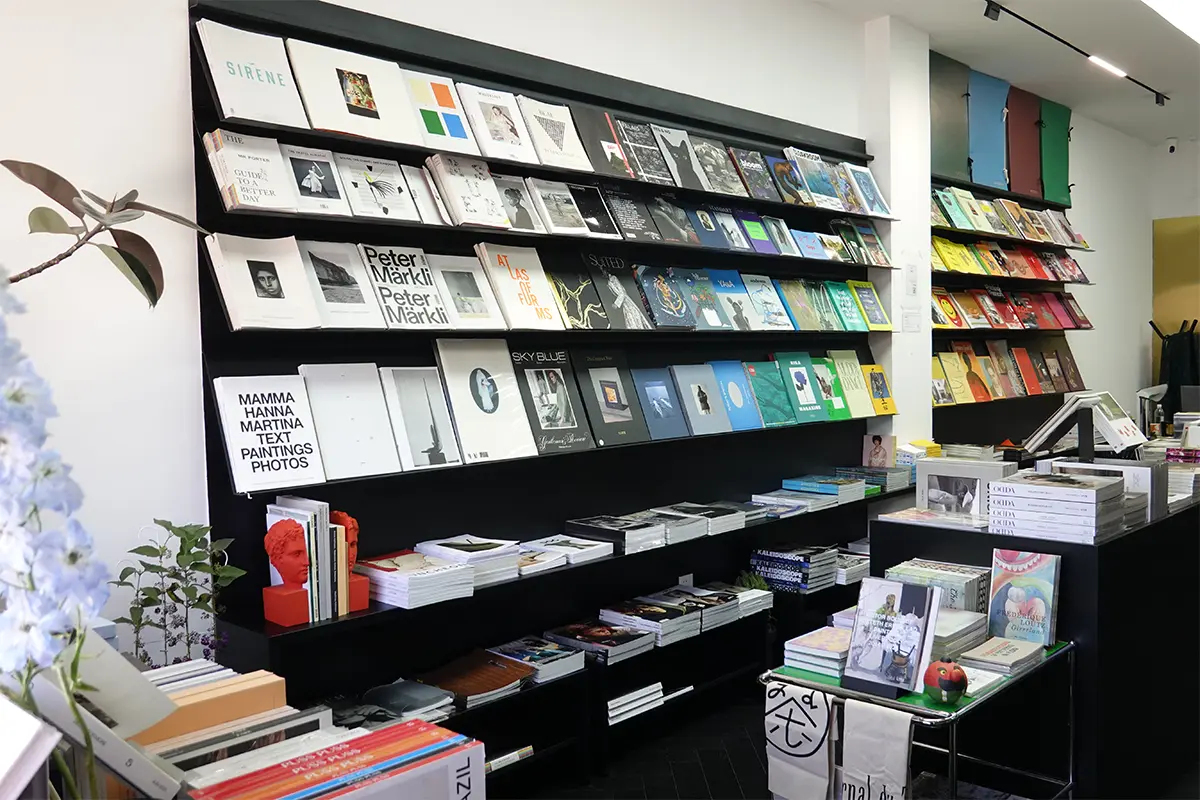
In 2021, during the pandemic, Dorbeetle opened a physical space. From there, the store expanded its catalog to hundreds of magazines and books by international creators, publishers and independent editorial projects. Mr. Lee describes it as a library: a place where every reader should be able to find something suited to their interests.
Dorbeetle Store: the meaning behind the name
The name Dorbeetle is not transparent. Its Chinese equivalent, Mr. Lee explains, is Dadou — a term linked to a beetle native to Southeast Asia. The insect’s visual quality caught his attention before the store had taken shape, and its form became woven into the project’s image.
Mr. Lee did not choose the name for commercial reasons. It emerged from an aesthetic impression and became attached to the business. Only later did Mr. Lee and Noah discover that Hangzhou had a street with a similar name. «Our customers tend to associate the store with Dadou Road».
The name retains a degree of ambiguity. It does not describe the store. It builds a visual and symbolic field around it. Dorbeetle translates in Chinese to ‘Dadou’ , a term commonly used for stag beetles native to tropical regions like Southeast Asia, while coincidentally mirroring Hangzhou’s historic Dadou Road.
Titles and genres: Dorbeetle’s editorial selection
Dorbeetle’s catalog spans art, design, fashion, photography, architecture and culture. Mr. Leedoes not treat those as fixed categories. They are working tools. The selection shifts with availability, reader demand and the development of independent publishing.
Over time, Dorbeetle has extended its reach into work centered on minority experiences and produced by minority voices — publications by LGBTQIA+ creators, experimental projects, independent zines, architectural research, typological studies and sociological writing. «We intend to cultivate a more diverse society through the magazines and books we sell». The store treats diversity as a curatorial method.
Magazines as functional objects: the Dorbeetle Store space
Future Space, an interior design studio connected to Mr. Lee’s circle, designed the space. The store opened before every detail of the interior was finished.
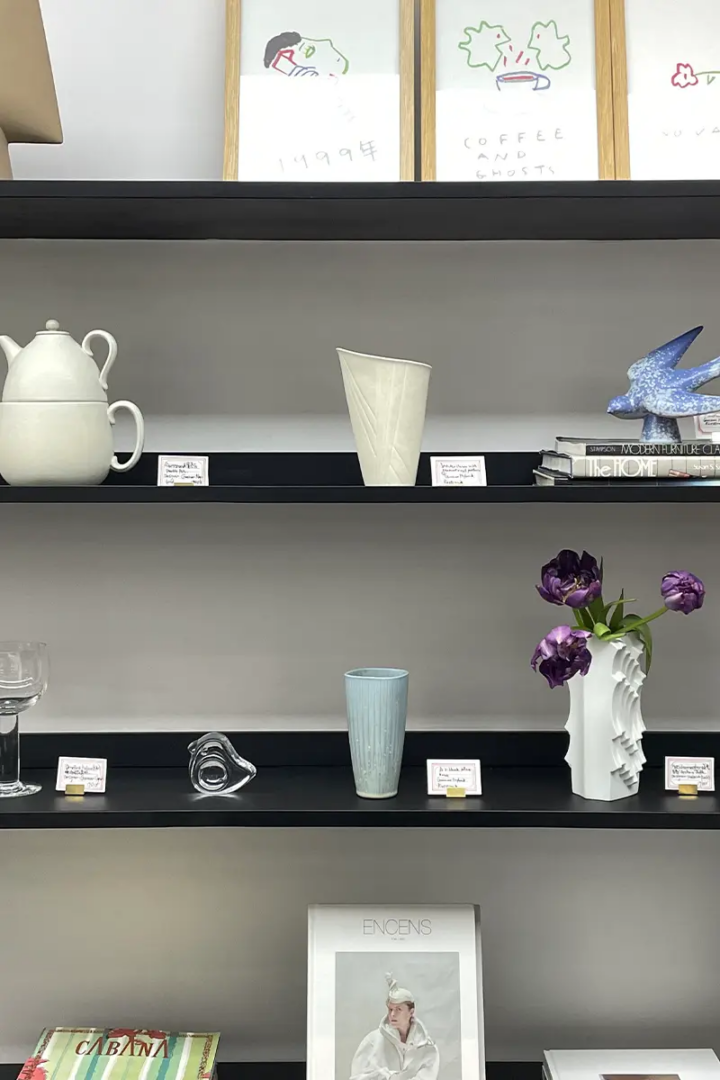
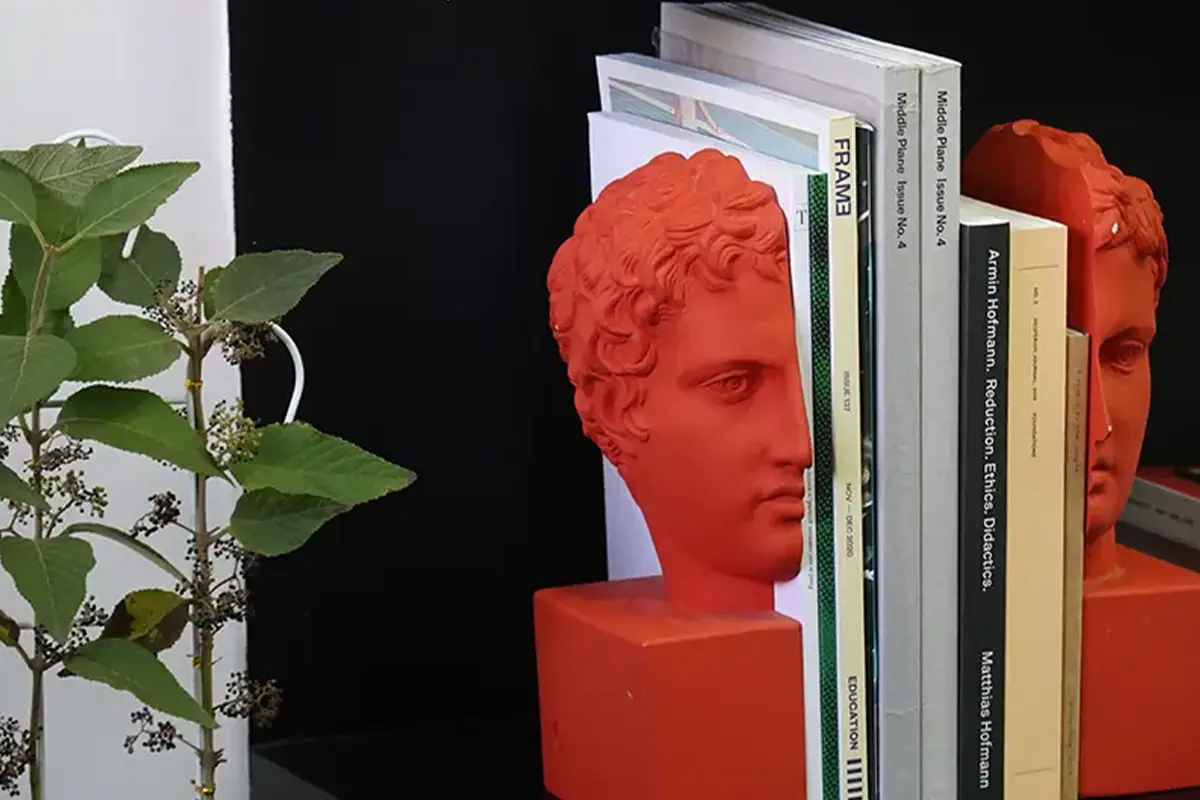
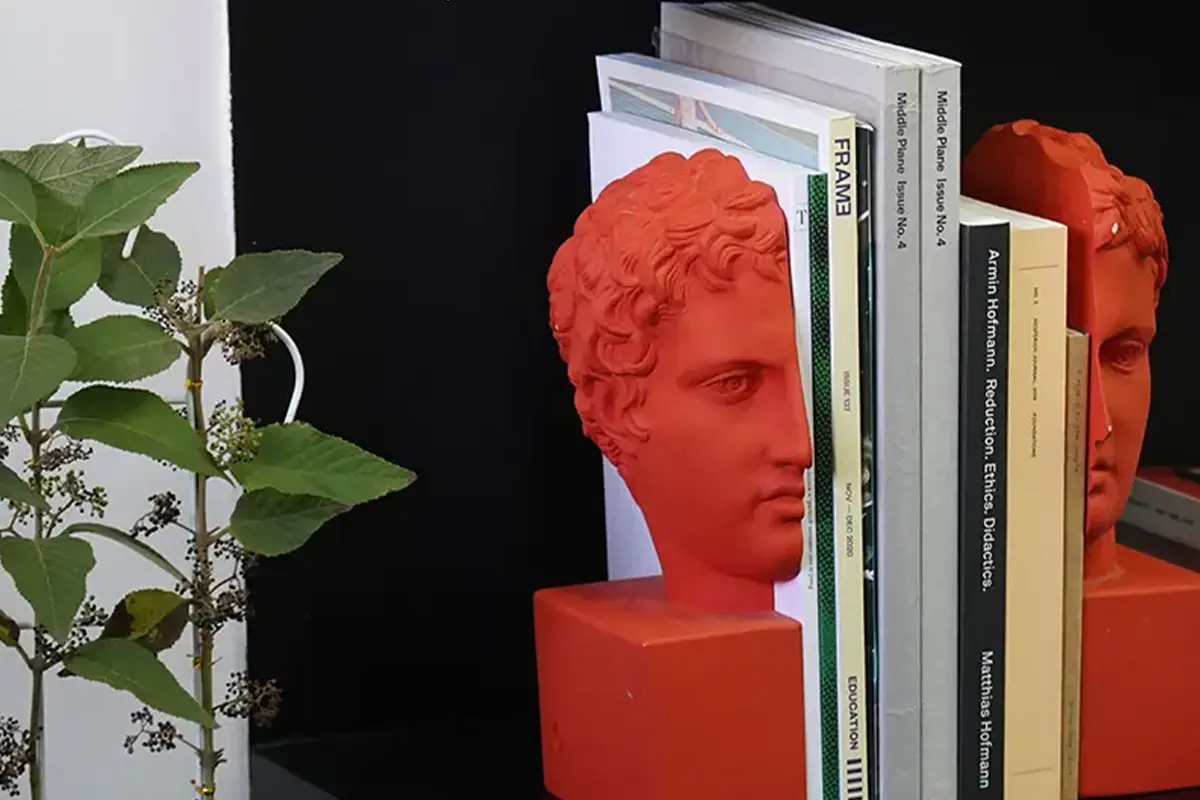
The display system is functional. Books and magazines sit on square, movable shelves. Vintage objects appear alongside the publications. The store shares its environment with other small businesses, including a flower boutique run by one of Mr. Lee’s peers. Dorbeetle is a magazine store, but also a gathering room, a retail experiment and a cultural meeting point.
Mr. Lee remains involved in the selection process. Customer recommendations feed into the store’s logic as well. The catalog is not fixed. It grows through supply, conversation, discovery and the needs of readers looking for material they cannot find elsewhere.
Dorbeetle’s role is not purely commercial. It brings international independent publishing into a local context and builds a community around reading. Its origins remain visible: a group of friends exchanging magazines, using print as a way to learn, talk and stay close.
Dorbeetle Store, Gongshu District, Hangzhou
Dorbeetle Store is located in Gongshu District, Hangzhou, Zhejiang Province, China. Tony Lee founded the store in 2018. It brings international independent publications, art books, zines and cultural magazines to readers across China.