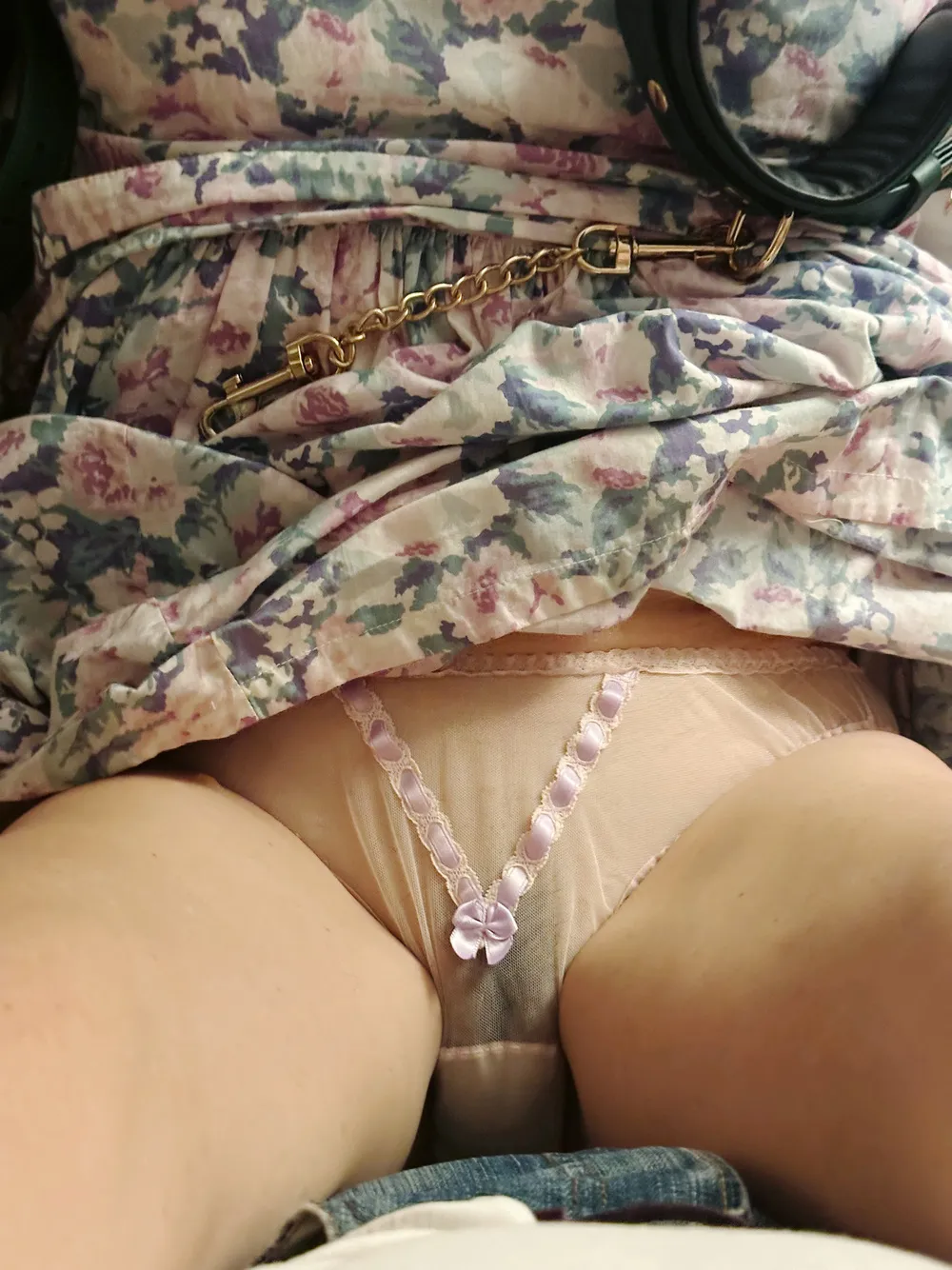
Roe Ethridge and the failure of good taste: images that refuse to behave
“The exhaustion of my eyes by Instagram.” Presenting Rude in the Good Way, Roe Ethridge traces two decades of work, from suburban images to hybrid compositions: fashion and visual culture
Roe Ethridge: photography between desire, consumer culture and american visual imagery
Over the past two decades, Roe Ethridge has developed a distinctive photographic language that moves between commercial and editorial imagery. Polished still life, celebrity portraits, everyday objects, and suburban landscapes coexist in his photographs, creating a tension between artifice and reality, elegance and dissonance. Throughout his work, Ethridge has explored how desire, consumer practices, and identity are constructed and circulated within contemporary visual culture.
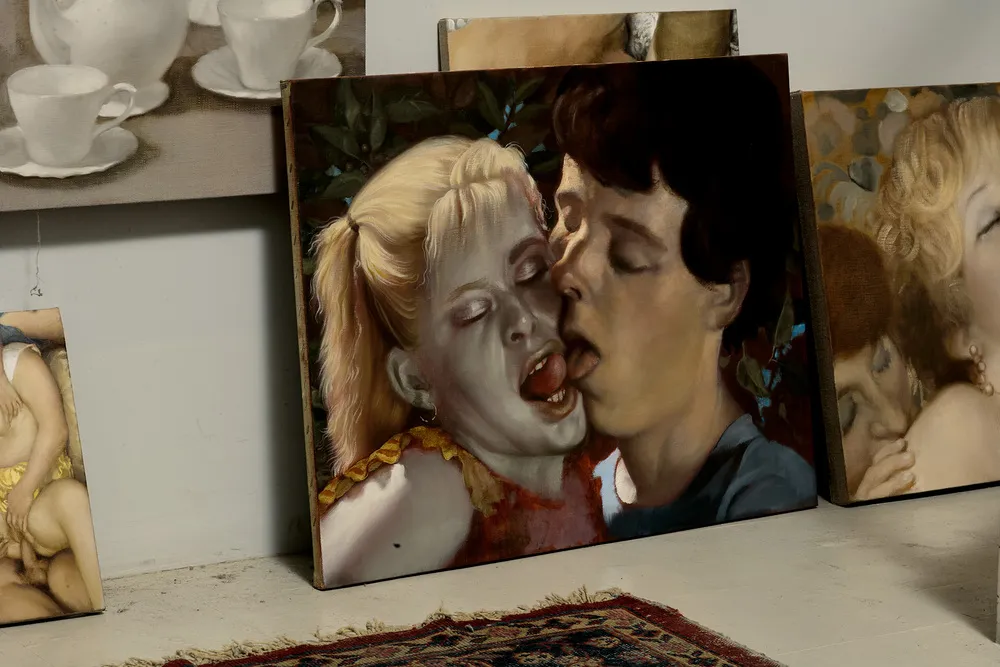
Two recent publications by Loose Joints revisit this trajectory. While Rude in the Good Way pushes his practice into a freer and more unpredictable territory (where moldy peaches, Lindsay Lohan, Chanel still life, and scenes from John Currin’s studio collide in a vivid sequence), In the Beginning returns to his early works. The volume gathers the images of decaying orchards, suburban interiors, and strip mall signage that first defined his distinctive view of American life.
Imperfection and “wrongness” in Roe Ethridge’s photography
MF: There’s often something slightly “out of place” in your images, an unsettling detail, a disruptive framing, a gesture that interrupts composure. So how interested are you in challenging the idea of decorum, and what does it mean for you today to cross the threshold of good taste or acceptability?
Roe Ethridge: Good taste or bad taste, these days that seems fairly atomized and simultaneously in the same place. The idea of things being out of place or just off probably comes from a resistance to the notions of perfection that were part of my upbringing. I felt I had to rebel from it to avoid being subsumed by it. This idea of perfect imperfection is not new. Wabi-Sabi. Warhol’s “exactly wrong”. These ideas are part of my thinking. I like when both signals of artifice and authenticity are in the image or sequence.
MF: Those disruptive, often ironic details can feel almost like acts of sabotage, as if the image resists being fully embraced, how important is it for you to leave the viewer in a position of discomfort or ambiguity?
Roe Ethridge: I don’t want the viewer to be in an unstable position. I like the part of image making that generates discovery of novelty and surprise. I want to share that part in the book or show if possible.
Desire, bodies, and objects in Roe Ethridge’s visual language
MF: In Rude in the Good Way, desire isn’t an isolated theme but a force that runs through everything, from the body to the object, from luxury to the casual snapshot. How do you understand desire? Do you see it as belonging to the subject being photographed, to the viewer, or to the system that produces and distributes images?
Roe Ethridge: Whoa! Desire is a force that runs through everything! I’d say that just about sums it up.
MF: Today desire circulates through images – fashion, lifestyle, identity, emotion. In your work it’s present but never didactic. Do you prefer to reveal the mechanism, or stay within the flow and let ambiguity emerge?
Roe Ethridge: I would prefer to remain in the flow. I like the idea that these images combine to create a sound and that can give it an ambiguity but more akin to music than written language.
America through the lens of roe ethridge: landscape, consumerism and everyday life
MF: In the books now collected in In the Beginning, America emerges as a surface that slowly begins to crack. Almost twenty years later, would you still define America as a physical landscape, or has it become primarily an image – a brand, perhaps even an unfulfilled promise?
Roe Ethridge: It’s very physical. Though I do spend a lot of my time standing in it staring at my phone which is physically in hand.
MF: In the way you observe everyday American life, prosperity intertwines with wear, excess, and consumption. Is there a political dimension to this gaze?
Roe Ethridge: I’m sure there are political dimensions to the way I observe the world but I don’t feel like foregrounding politics is my strong suit. Perhaps a free association moment here, I just started singing Pavement’s Shady Lane in my head.
From suburbia to luxury: contrasts in contemporary image culture
MF: Your practice moves between highly localized suburban spaces and commissions for global brands. How do these two levels coexist? Do you experience them as distinct worlds, or as parts of the same visual ecosystem where center and periphery mirror each other?
Roe Ethridge: I like those juxtapositions. It’s something images do well. Juxtapose. It’s like the tiny Chanel No 5 bottle on my mother’s vanity. It seemed both super expensive and glamorous all the while floating in a sea of fake pearls and hairspray. I think about the dialectical as a way to synthesize — though, for the record, I got a BFA in Photography, but I did take Reasoning and Critical Thinking freshman year.
Roe Ethridge’s perspective: ai images, visual saturation and the exhaustion of looking
MF: At a moment when artificially generated images can simulate almost anything, do you think the hyper-production of images is changing not only how we perceive reality, but also how desire and sensuality are shaped?
Roe Ethridge: It’s happening. The exhaustion of my eyes by Instagram. The scene of the crime now on my phone and personalized. Maybe the new actual scene of the crime is an anonymous noisy building called an AI data center.
Nostalgia, memory and collective imagery in roe ethridge’s work
MF: Throughout your work there is a constant tension between nostalgia and desire: atmospheres that evoke a recent past, yet are infused with contemporary irony and eroticism. Is nostalgia for you an aesthetic filter, or a way of tapping into something deeper and collective?
Roe Ethridge: The way things look is always a product of its time. Even if it is nostalgic. Or a stylized approximation of something from the past. I guess I prefer to think that I am channeling something, using genres and memories as references and letting it happen from there. I like taking pictures with intention but often make mistakes or discover something unexpected along the way. That makes it sound more like I’m tapping into the collective I guess.
Roe Ethridge on desires and sexuality in images
MF: Sexuality in your photographs is never fully explicit, but neither is it innocent: it surfaces in details, poses, and textures. In a context where eroticism has become a standardized advertising language, can it still destabilize?
Roe Ethridge: That’s true. It “destabilized” the new normal? I was talking to a friend during another interview and the phrase “wholesome pornography” popped out of my mouth. Kinda makes sense here.
Luxury and commercial aesthetics in the photography of roe ethridge
MF: Similarly, luxury in your images appears seductive yet slightly excessive, almost on the verge of caricature. Is this a way of pushing commercial aesthetics to the point where their contradictions become visible, or a conscious embrace of their language?
Roe Ethridge: More often than not, I like the artifice to be made obvious in the image. I wouldn’t call it caricature, more hyperbole. Think about how My Bloody Valentine makes a love song. It’s not a caricature, it’s a wall of sound that is so layered and loud you might forget the name or comprehend the lyrics more a sound than a word but you know it’s a love song.
Marco Frattaruolo
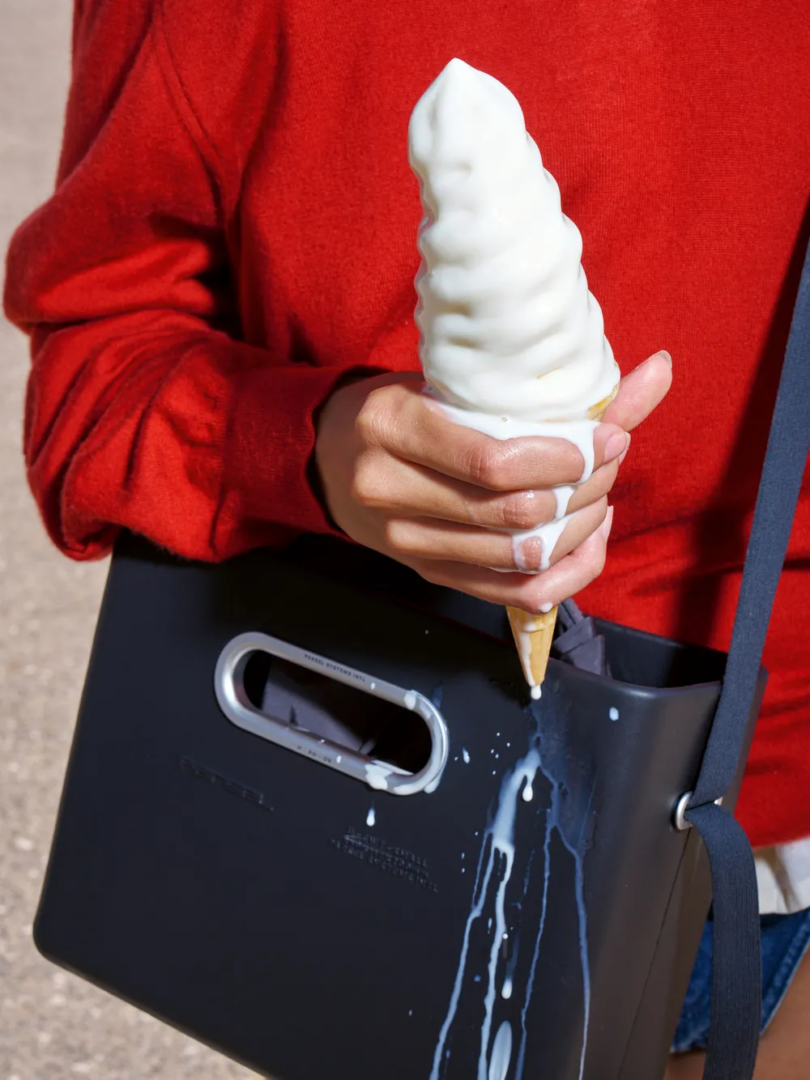
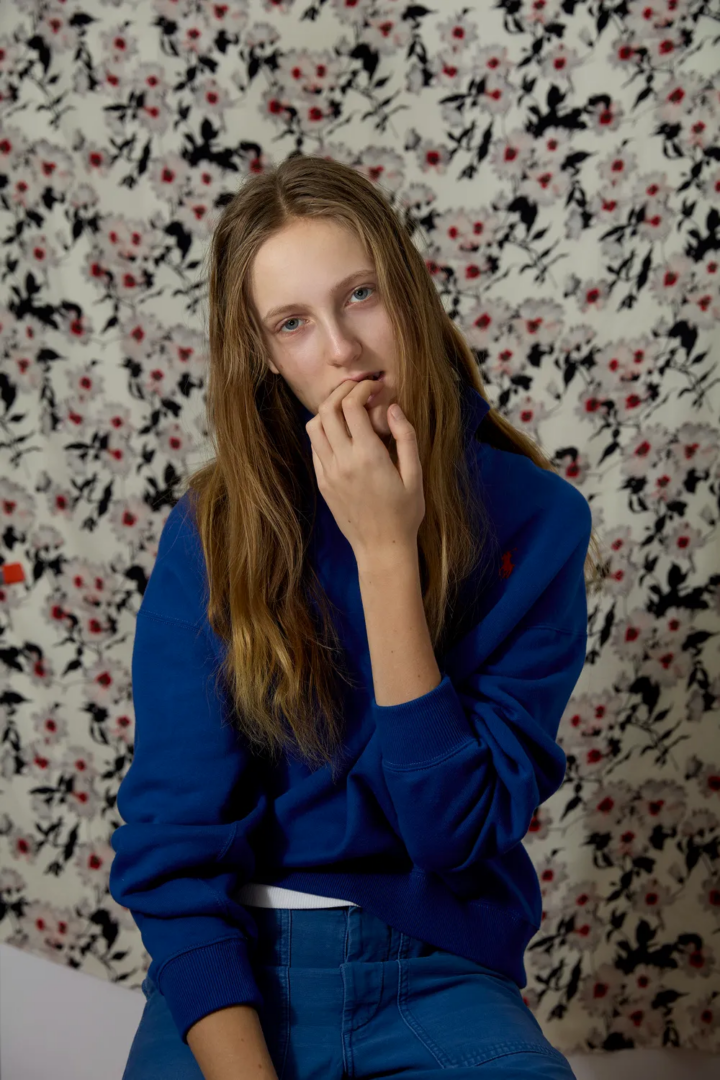
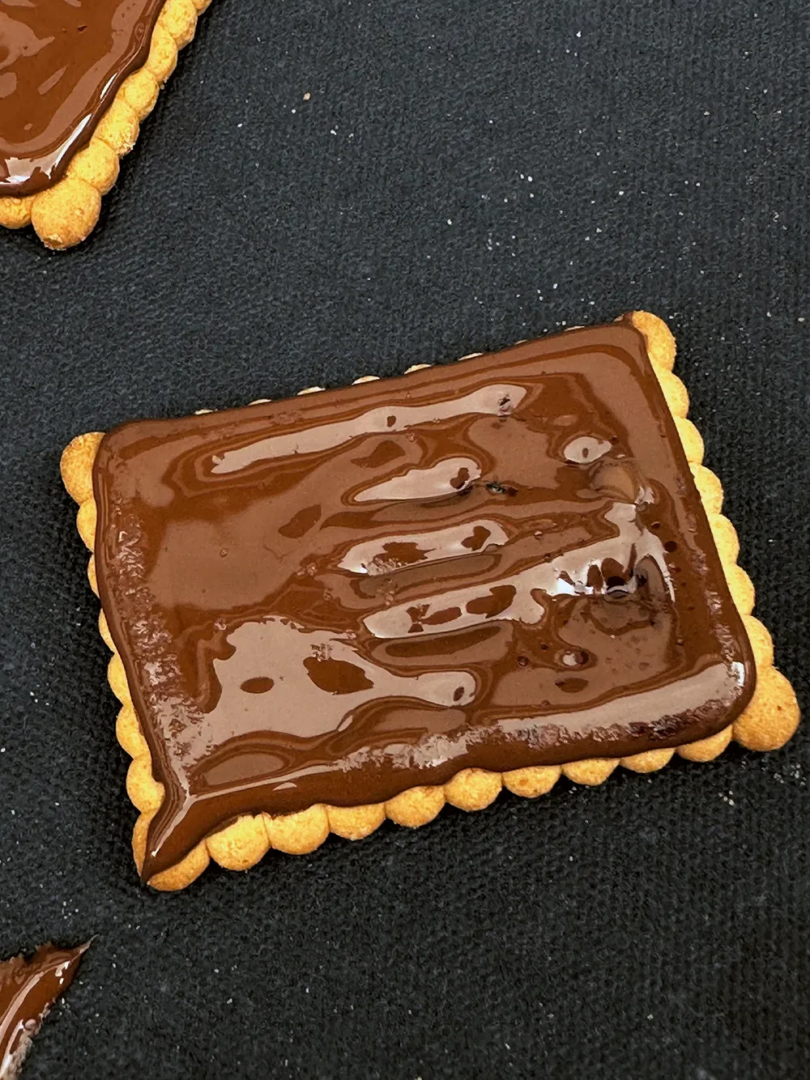
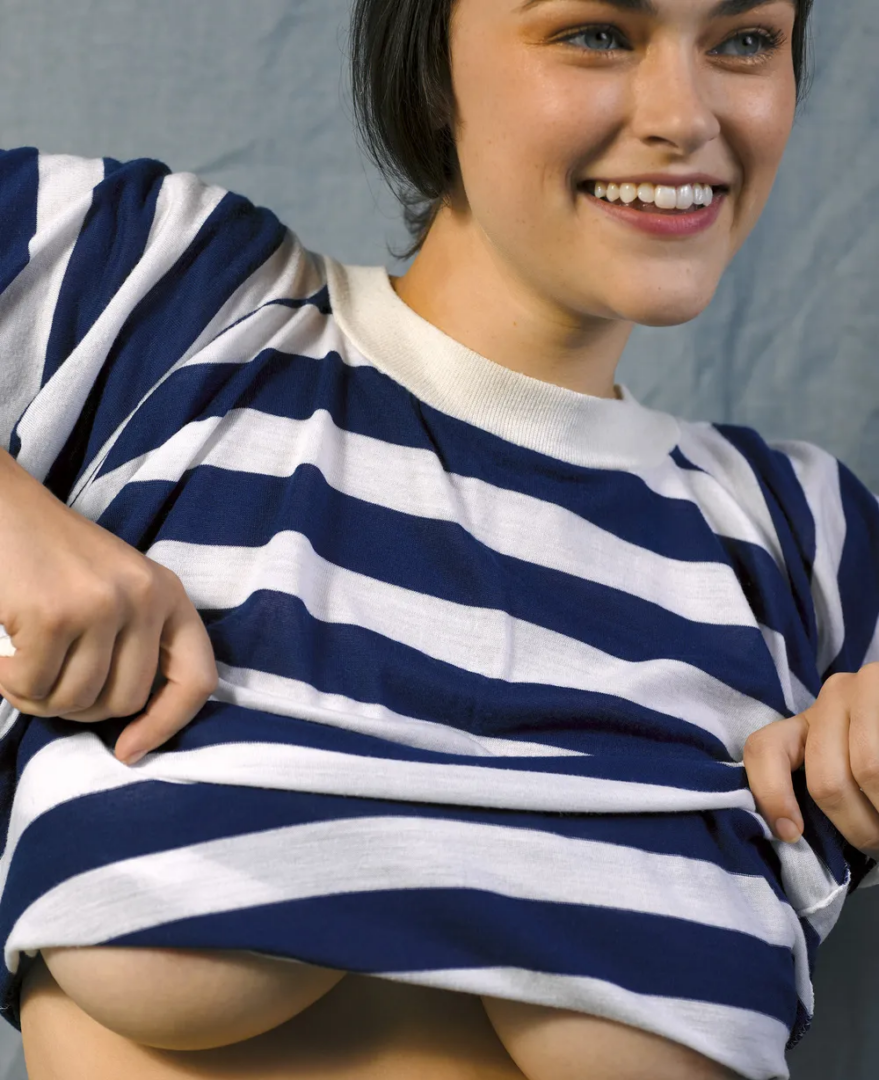
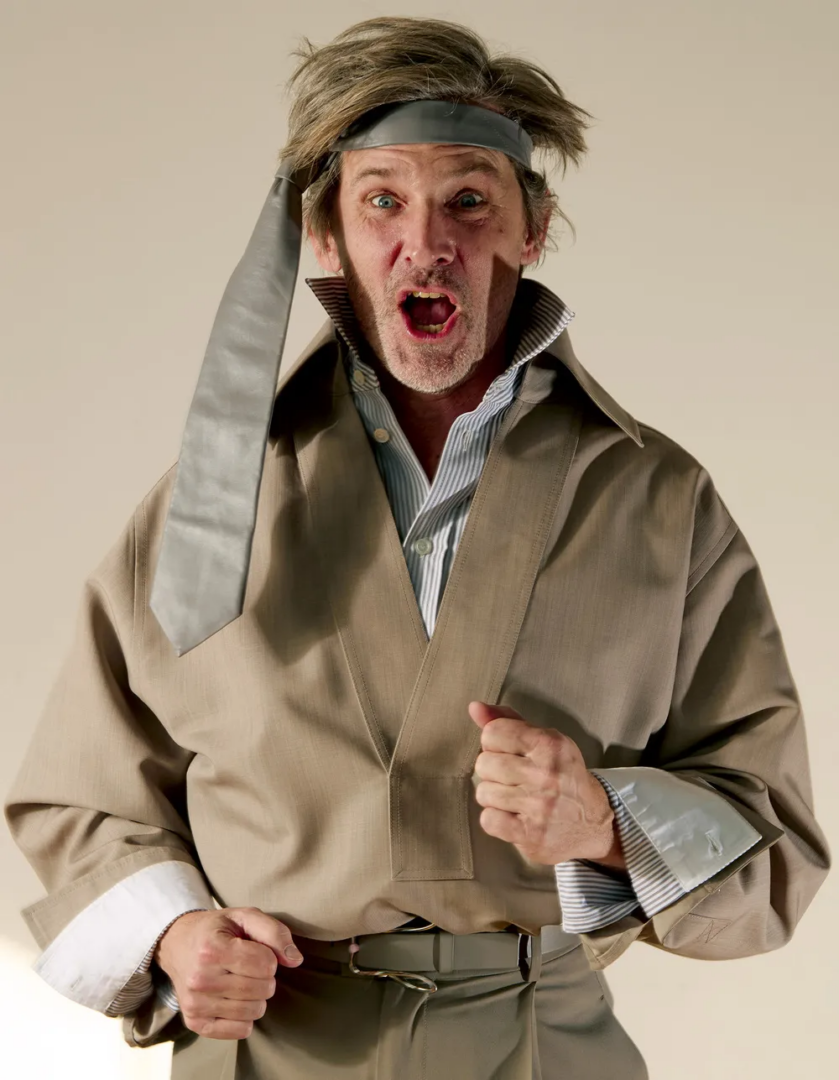

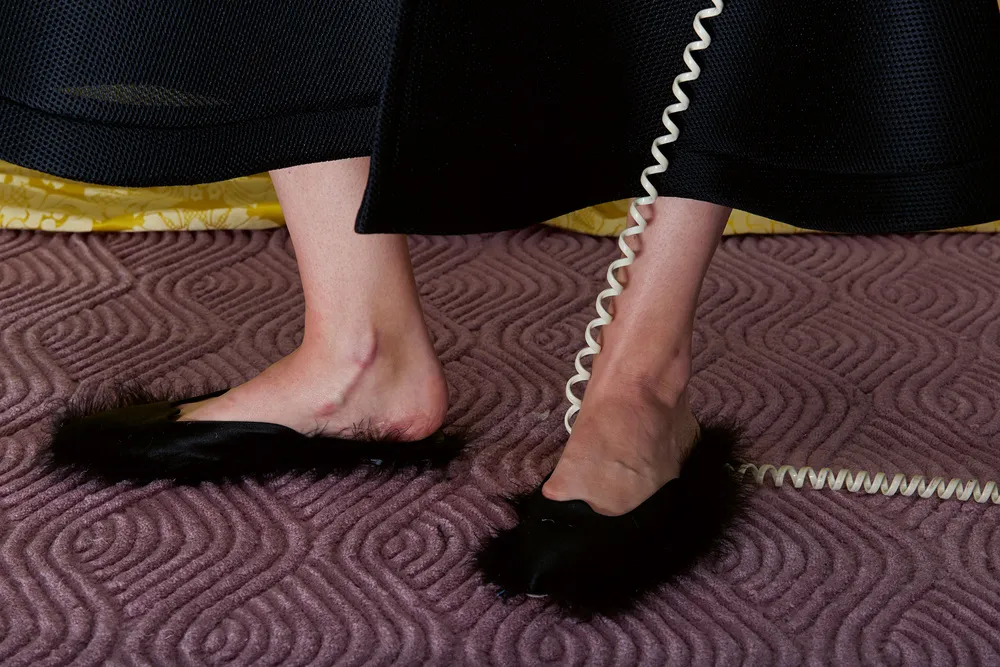
Rude in the Good Way by Roe Ethridge is published by Loose Joints.
through to www.loosejoints.biz