Whole Lotta Hemp aims to rebuild a hemp supply chain in Emilia-Romagna
Local farmers, traceability and industrial uses for fiber and hemp shives: Whole Lotta Hemp’s supply chain for bio-construction, industrial materials and regenerative agriculture
Whole Lotta Hemp, a hemp supply chain for Italian industry
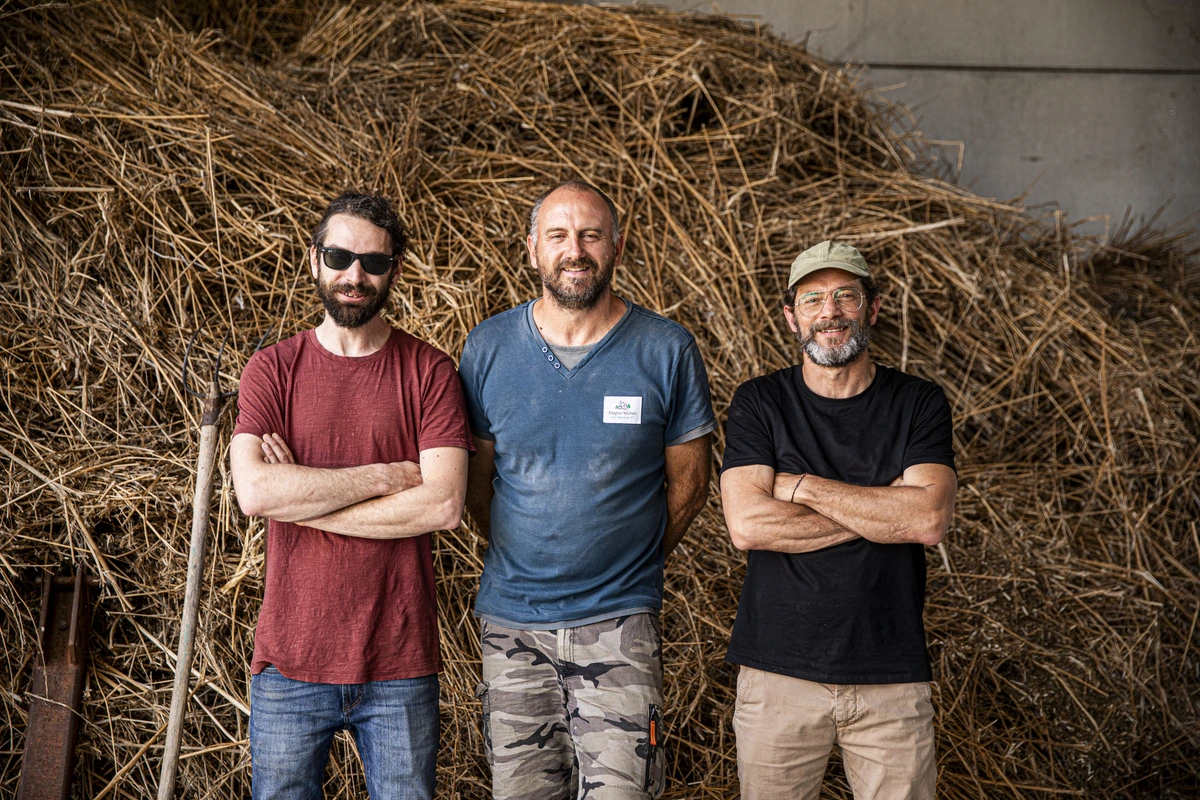
Whole Lotta Hemp (WLhemp) was founded in Emilia-Romagna to rebuild an industrial hemp supply chain in Italy, from seed to processed product. Founders Emil Cioban, Alessandro Pollastri and Michele Maghei chose to develop a short supply-chain model, involving local farmers and maintaining direct control over the first processing stages, with sustainability in mind: «We did not expect the difficulties we encountered, but neither did we expect to reach this milestone. It is not only an economic activity: it means giving farmers and future generations another opportunity».
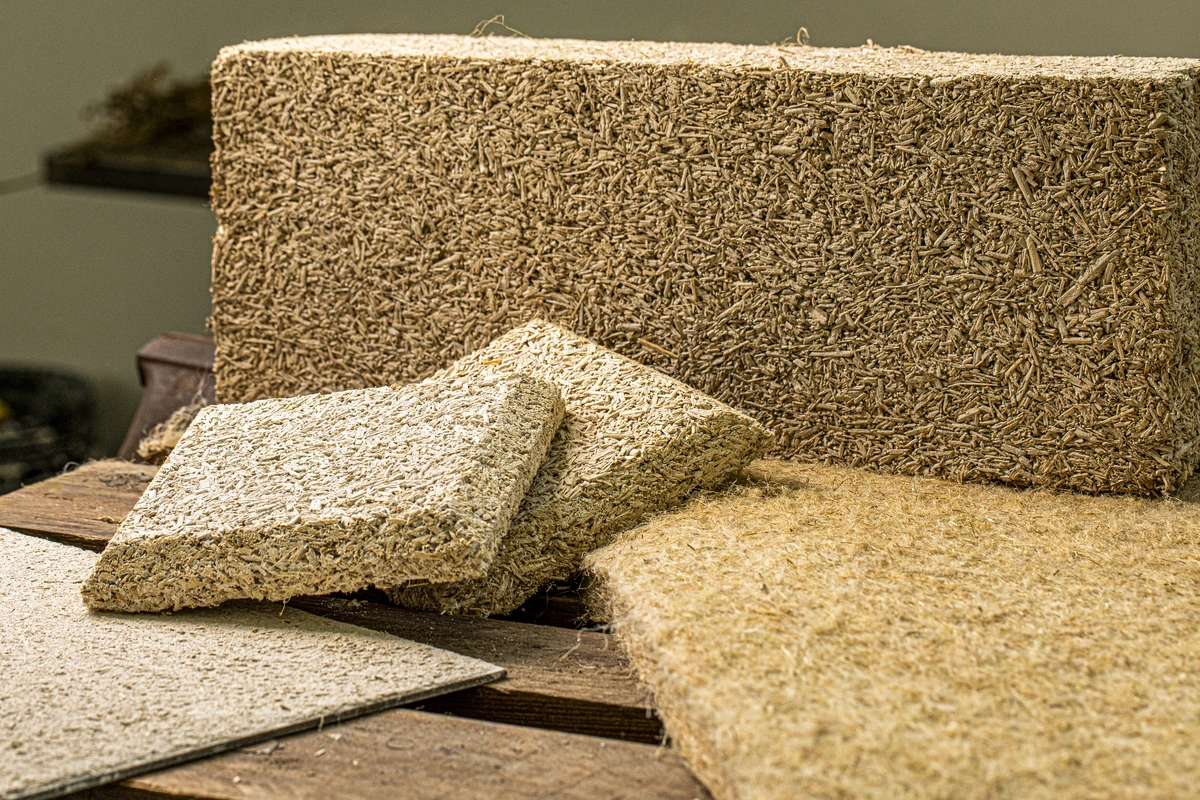
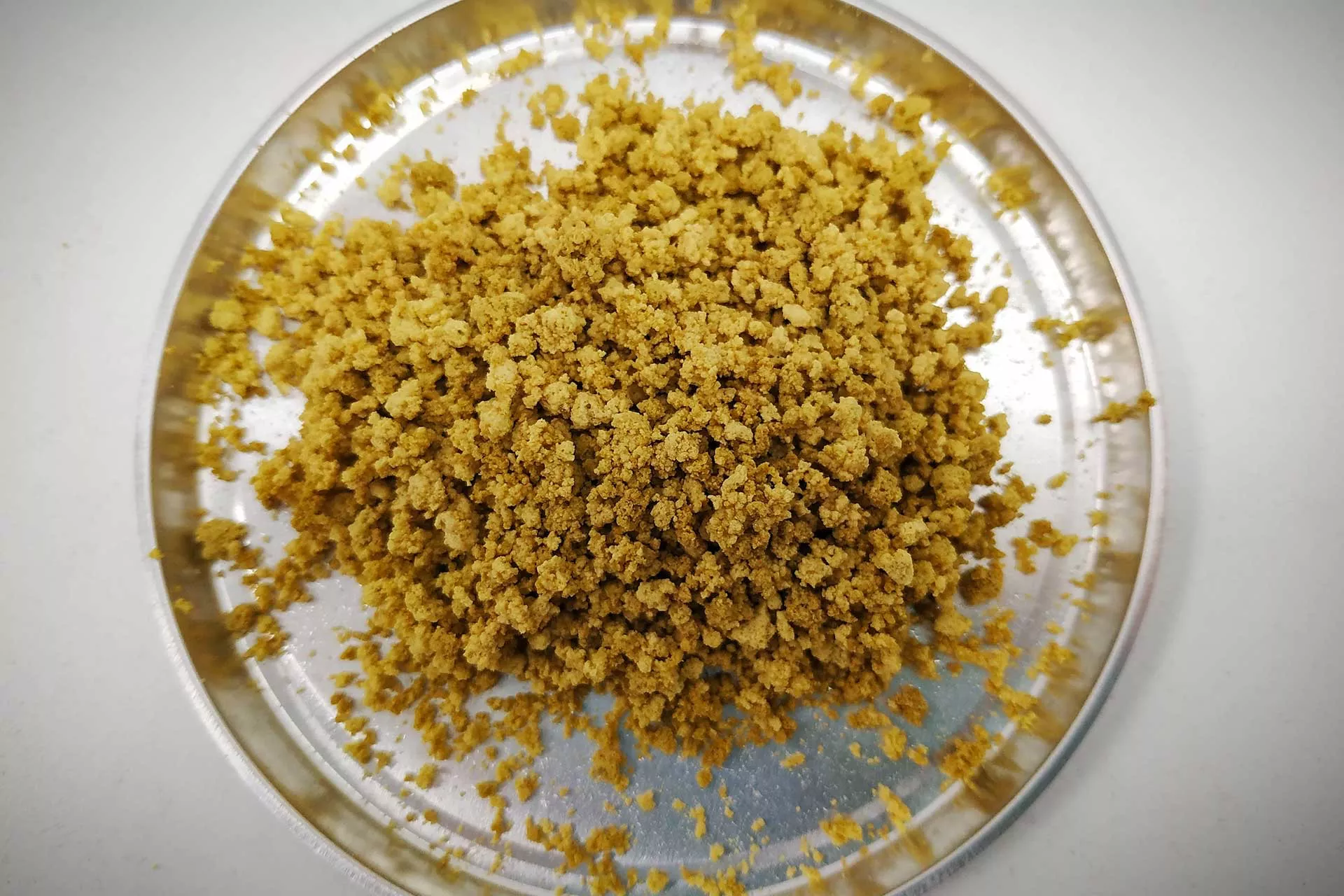
Today WLhemp produces fiber and hemp shives intended largely for bio-construction and other industrial sectors.
From experimental fields to a distributed agricultural network
The supply chain developed gradually, beginning with field experiments in 2020 and only later with a processing plant: «In 2022 we went to see a decortication plant: we dreamed of having the material to put into engineers’ hands and understand how it could be valorized».
In the early years, while designing its own plant, WLhemp worked with small cultivated areas in collaboration with farms in northern Italy, reaching a total of around two hundred hectares: «The real change came when we were able to guarantee that we would purchase the harvest. For 2026, we aim to cultivate between five hundred and one thousand hectares: a target that will allow us to use our plant’s full production capacity and respond to growing demand».
The relationship with farmers was built over time: «At first the approach was not simple: many had never grown hemp and were afraid of dealing with a new crop. Today the dialogue is more direct. We offer a clear contract and pay a premium for the quality of the fiber obtained. Trust has strengthened season after season. Farmers who remain in the supply chain know how to intervene selectively: they know their soils and learn to manage field retting to obtain better results. This exchange of knowledge is essential for growing a supply chain that is still young».
Shortening distances: short supply chains and circular economies
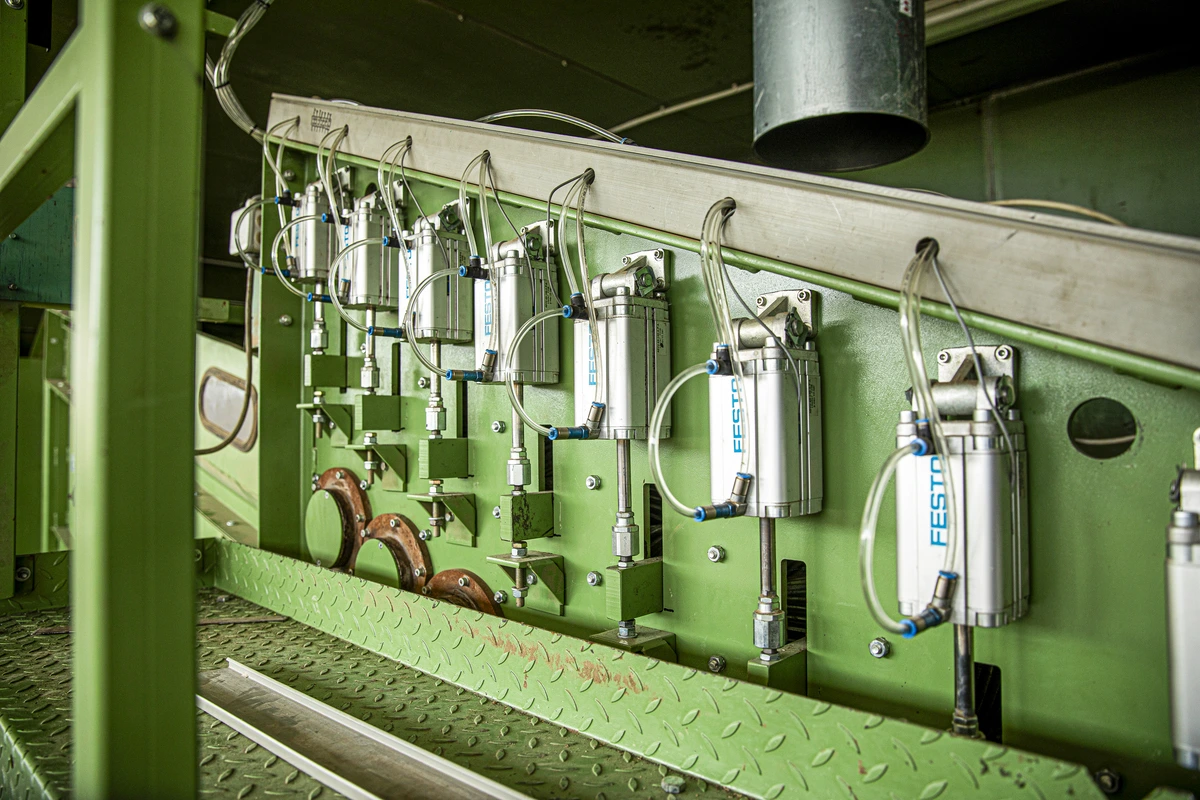
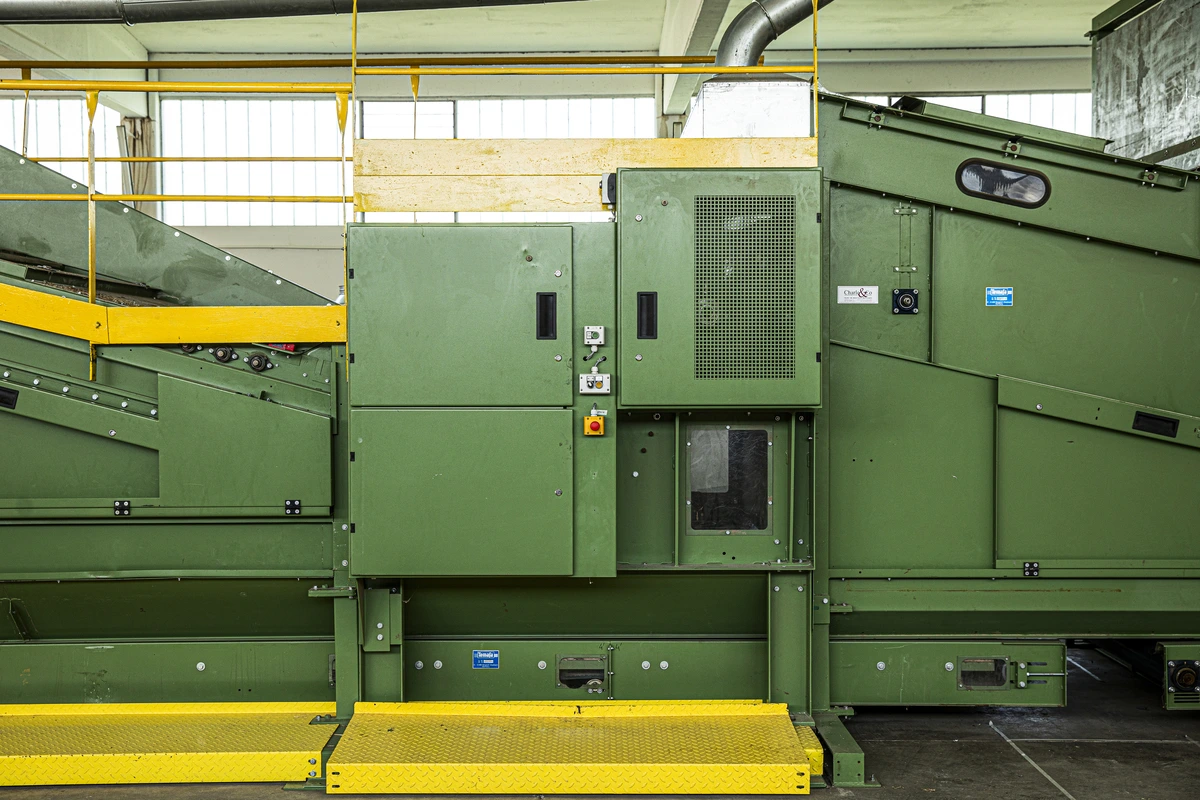
WLhemp chose to build an organization rooted in the territory, in line with circular economies: «Today the bales arrive, we unload them and manage primary processing in-house. The objective is to have several plants in different areas of northern Italy, reducing transport and optimizing production. Fewer kilometers mean lower costs, fewer emissions and faster processing times. A short supply chain is not only a concept: it reduces environmental impact and enables a closer relationship with growers. It also means that economic margins remain largely within local communities, strengthening the connection between agriculture and industry».
Cioban and Pollastri also stress the importance of traceability, which they consider an added value for the sector: «We start with certified seeds, register every cultivated plot and follow each stage from the field to the plant. At any time, we know which field a batch comes from and the route it has followed. If we need to combine small batches into blends, their origin remains verifiable».
Natural raw materials and climate adaptation
Experience in the fields and exposure to different climatic conditions have guided WLhemp’s work on seed selection: «Hemp is a malleable plant: depending on the variety and conditions, it adapts, grows and produces different results».
For several years WLhemp used French varieties, but the shift to Italian seeds marked a turning point: «We discovered that, although they cost more initially, Italian varieties produce yields around thirty percent higher and lower losses. The result was made possible by a partner that allows us to produce and reproduce Italian seeds. This strengthens the supply chain and reduces dependence on foreign sources».
The crop has proved flexible under different climatic conditions: «We experimented with late sowing, in mid-June, and the plants still reached two and a half meters in height. This makes us think that hemp can be used in different crop rotations, helping improve soil fertility and reducing the use of chemical inputs».
The plant’s adaptability and the work on varietal selection consolidate the use of natural raw materials and give the supply chain greater stability in a context of climate change.
Sustainability measured in the fields and in industry
WLhemp has not yet carried out a complete CO₂ balance, but internal estimates already indicate a negative balance. Hemp’s sustainability, however, is not only about emissions: «Hemp leaves the soil in better condition than other crops: it reduces the need for chemical treatments and, if managed correctly, makes it possible to eliminate entire processing stages after harvest. This means less energy, lower costs and a smaller environmental footprint».
Field retting is an example of how agricultural experience affects environmental impact: «Every crop has its own rules. Hemp, for example, needs to receive two rainfalls and to be turned at the right time. If the material arrives already evenly retted, work at the plant becomes simpler and more efficient. Eliminating one step also means reducing the energy required and the related emissions».
Hemp for construction: bio-construction and new applications
WLhemp’s main market at present is bio-construction: «It was not a choice planned at a desk: demand is three times greater than what we can produce. Hemp shives in bio-bricks and fiber in insulation panels absorb large volumes of raw material and provide an industrial use for the crop».
The transition from field to industry imposed new rules and standards on the hemp supply chain, pushing WLhemp to review processes and selection criteria: «Turning an agricultural product into an industrial one is complex; it requires quality and consistency. At first we supplied only fiber and hemp shives; today we have to distinguish by length, cleanliness and retting. There are many different nuances of hemp fiber and each serves a different use. Working with companies seeking increasingly precise standards means building a continuous dialogue and finding tailored solutions».
Other sectors under development include automotive composites and biodegradable packaging: «These are fields with great potential, but they require production stability, technical standards and long-term investment. In Italy the supply chain is still young, but it can grow with the right support».
Fragmented regulation and the challenge of investment
The European framework permits decortication and retting for industrial uses, but in Italy the lack of regulatory continuity has created uncertainty: «We even had problems transporting seeds because some couriers were alarmed when they read the word hemp. Only a ministerial circular clarified that this is a certified agricultural raw material».
The 2016 Italian law promoted cultivation, but attention focused on the flower for extraction: «We operate in an area that already complies with European and Italian regulations, but dialogue with institutions would be needed to plan the development of an agricultural industry linked to fiber production. Sometimes we are seen as isolated pioneers, when in fact we work within a supply chain that can play a strategic role in the green economy».
Obtaining adequate financing also remains difficult for the sector: «We have never received public funding. We had to seek technical and financial support from private partners. It was an obligatory choice, but it gave us a strong sense of responsibility toward the farmers and companies we work with».
Meanwhile, in other European countries hemp is already part of industrial-relaunch programs: «In France and Sweden, plants much larger than ours are being built with public funding. This shows that there is a global trend and that Italy risks falling behind if it does not decide to invest in the supply chain».
A distributed supply chain to support regenerative agriculture
WLhemp aims to consolidate the Italian supply chain and expand the use of hemp as a crop for regenerative agriculture: «If we can organize production in several areas with distributed plants, we will be able to reduce transport and give more value to local territories. We are not talking only about environmental sustainability, but also economic sustainability: keeping the supply chain’s added value close to production areas means strengthening local communities».
Building an industrial market, however, requires time and trust: «Many companies would like to use hemp fiber, but they do not know how to adapt their processes. Sometimes we have to act as technical intermediaries, explain the material’s characteristics and find solutions that allow them to approach this change gradually».
For Cioban and Pollastri, the idea of a supply chain concerns not only industry but also the connection with territories and the people who cultivate them: «We are painstakingly realizing the dream of having a complete Italian supply chain, but it is also a responsibility toward farmers, partners and future generations».
Debora Vitulano