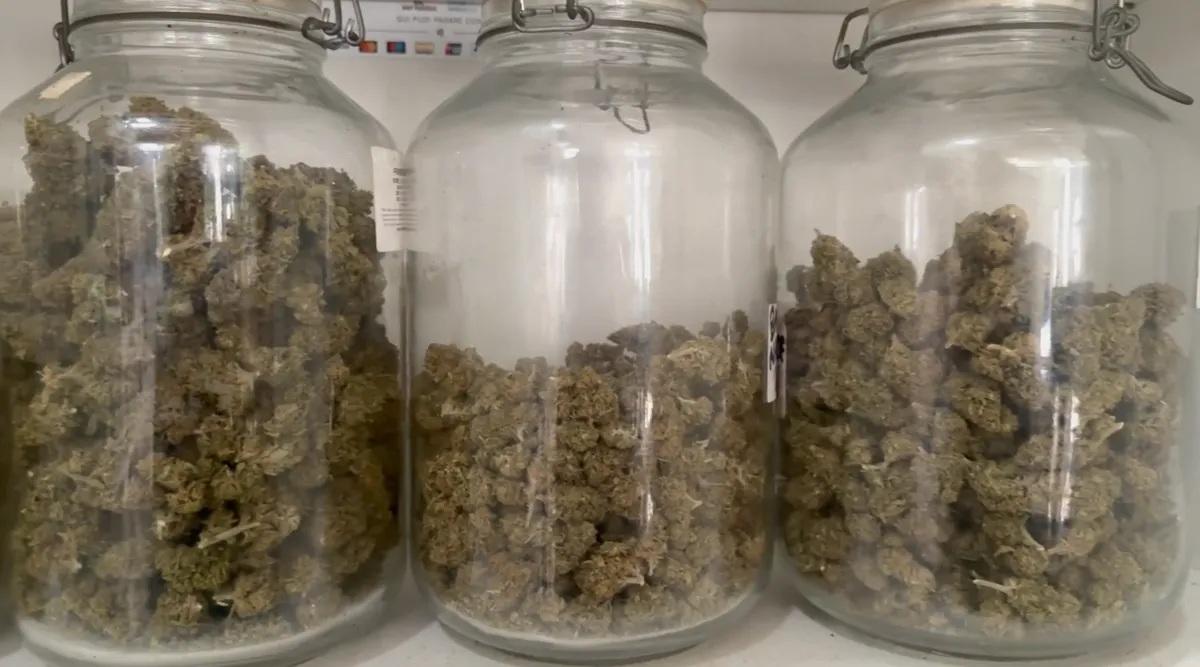
Hemp, a leading sustainable and zero-waste material
From agriculture and construction sites to urban regeneration, the hemp supply chain reveals both potential and structural gaps: an updated assessment based on observations gathered by ANAB
Italian hemp: cultivation that does not match the maps
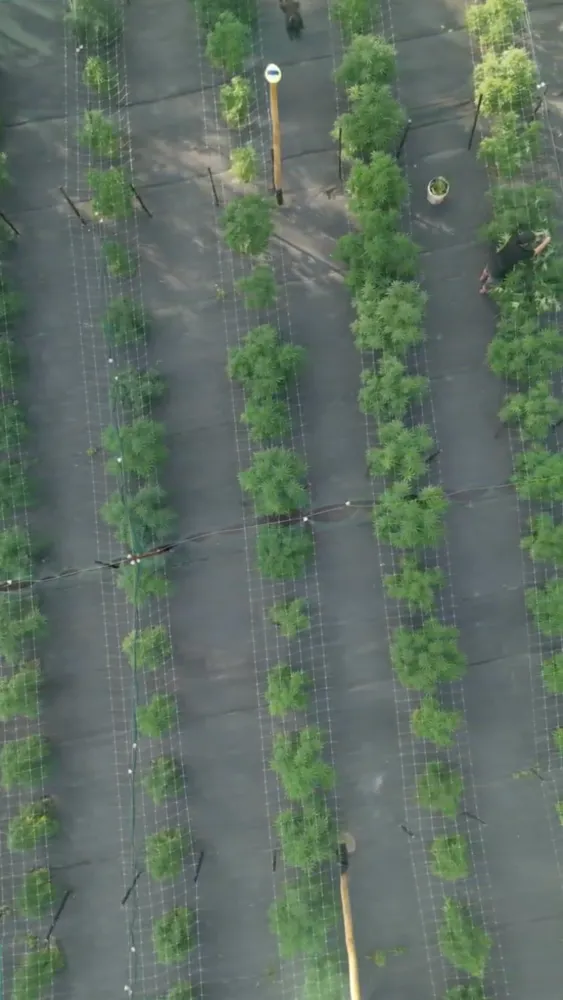
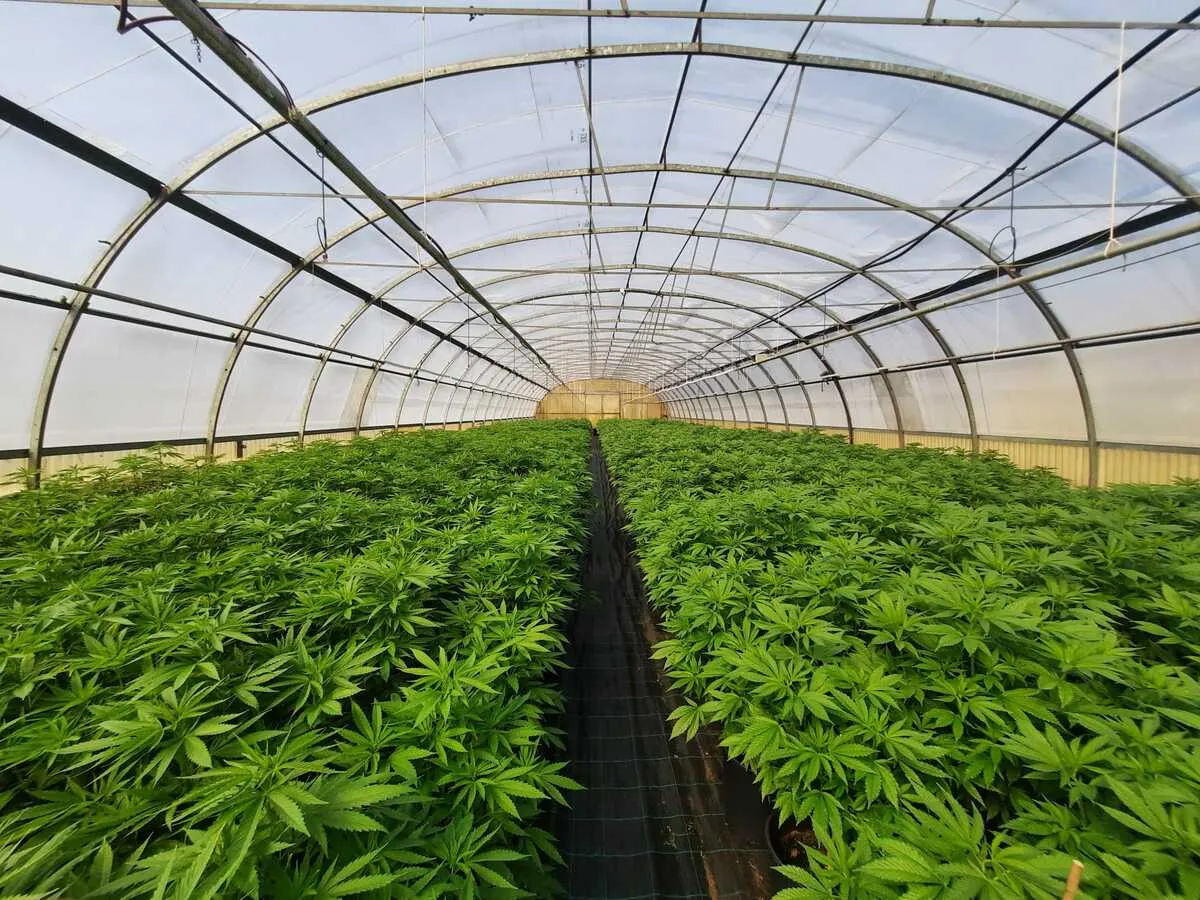
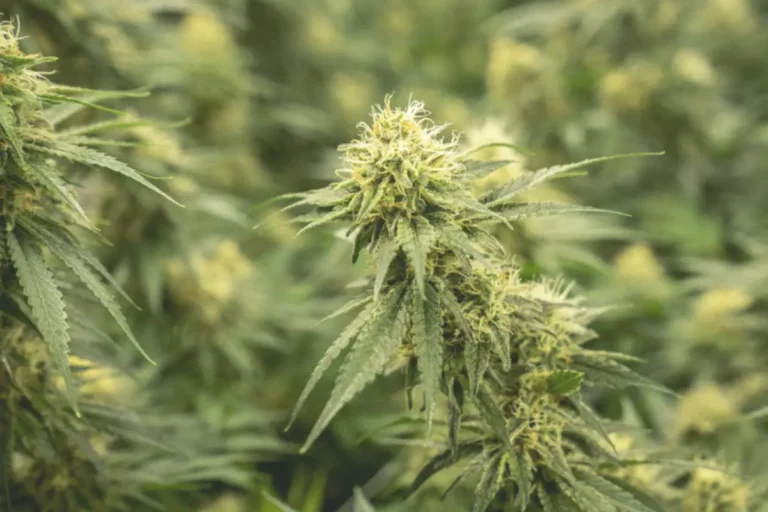
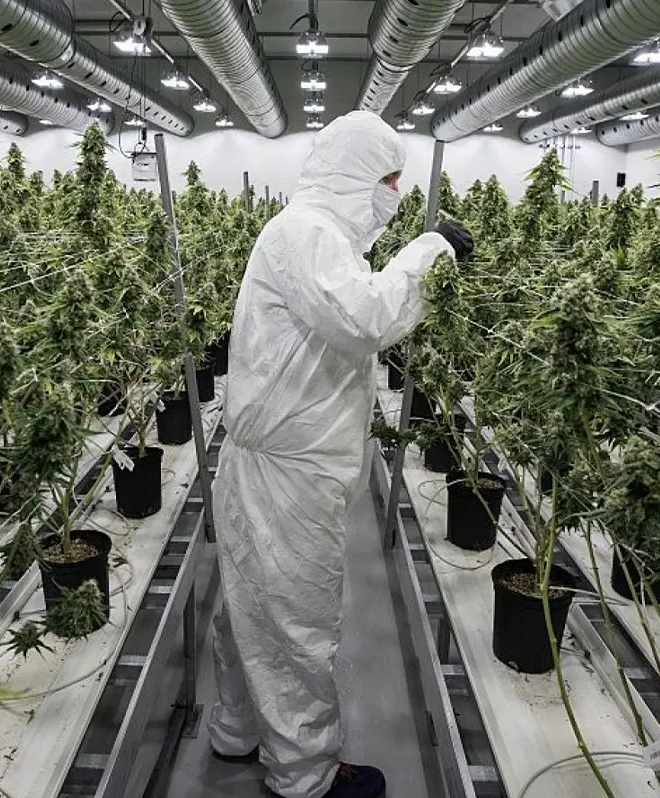
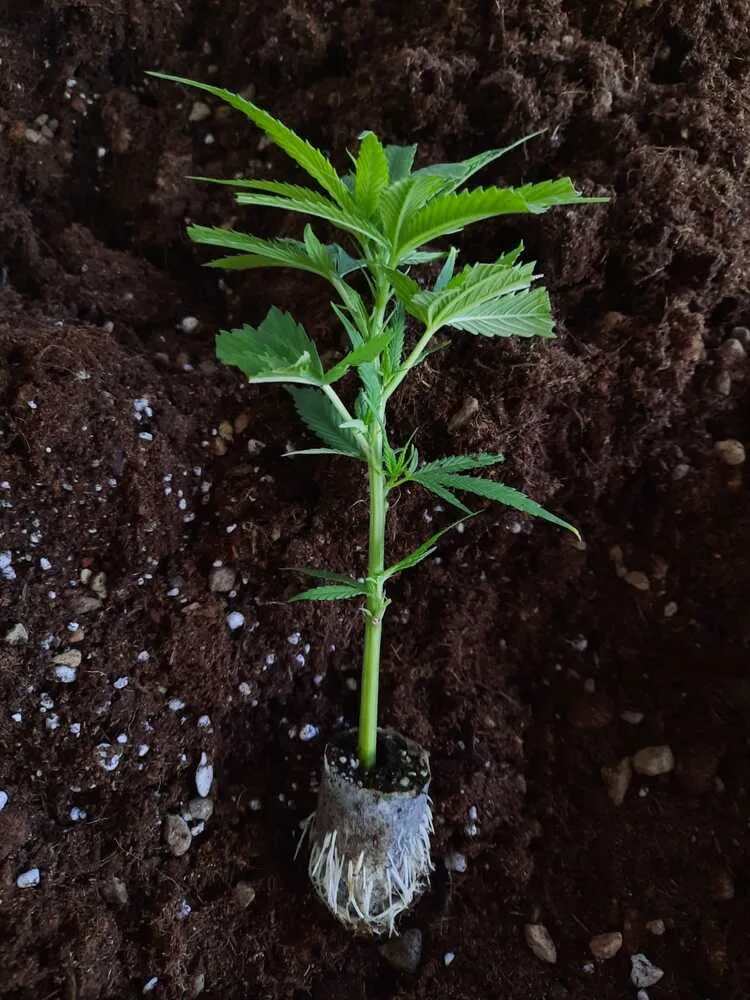
In Italy’s agricultural landscape, hemp has never disappeared entirely, but its return has followed a trajectory that still cannot be described as a complete supply chain. Cultivated hectares exist and are increasing, yet they do not correspond to a verifiable geographical picture: «Piedmont accounts for approximately half of the country’s cultivated area», observes Vincenzo Guarnieri, researcher and vice-president of Canapa Sativa Italia. This is not an absolute figure, but a proportion that points to a wider phenomenon: Italy does not produce hemp uniformly or according to a shared plan. The absence of official data broken down by fiber, grain and biomass prevents a consistent overview: «The restart has been fragmented: the supply chain once developed naturally; today it has to be rebuilt piece by piece».
Piedmont’s concentration of cultivation, which has maintained greater continuity over time than other regions, is not enough to reconnect the rest of the country. Tuscany, Lombardy, Veneto and central Italy show intermittent activity, often tied to local initiatives. Cultivation is the starting point, but without a reliable end market, the stability of cultivated acreage remains vulnerable: «In France, crop residues have become valuable raw materials, whereas in Italy they often remain a cost for growers». The problem is not agriculture itself, but hemp’s position within the production system.
Natural raw materials and construction: hemp reaches building sites
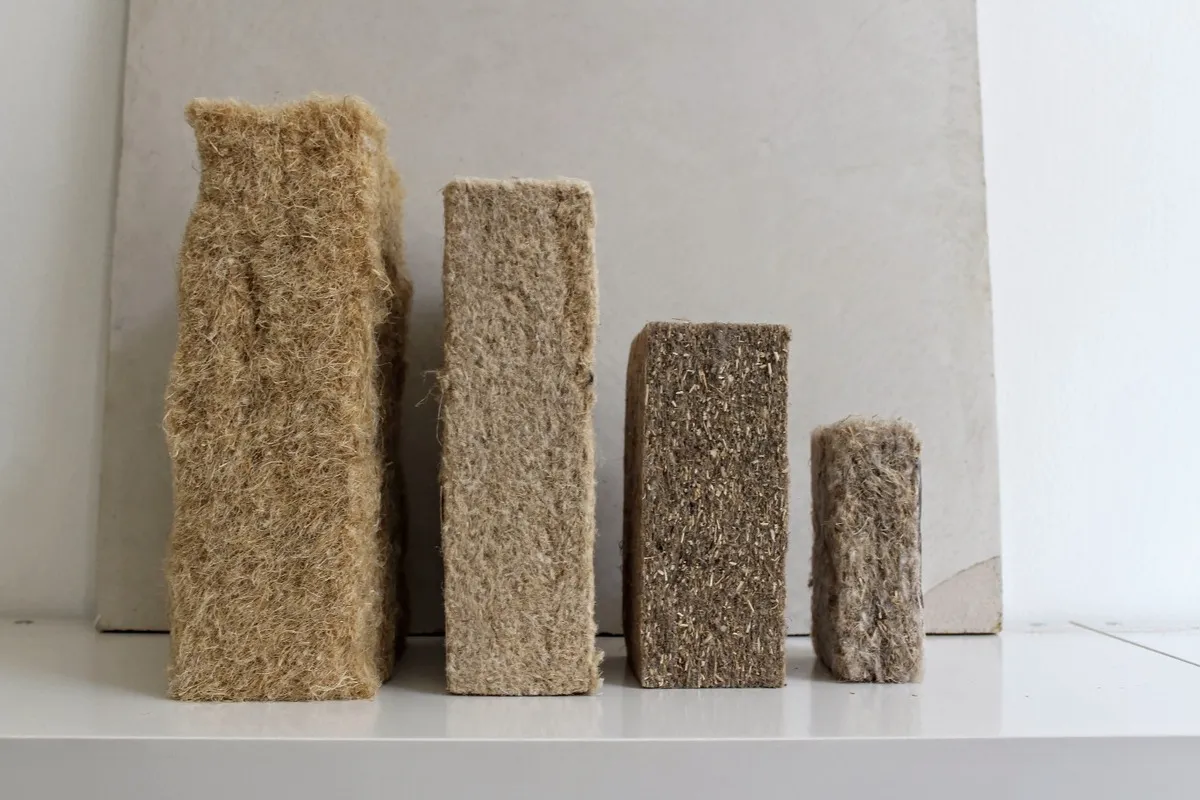
In construction, hemp has a more tangible role. Natural raw materials are not an abstract category here, but the starting point for technical materials, building protocols and sites already working with the plant. At the Restructura trade fair in Turin, architects, designers and companies presented verifiable examples: lime-and-hemp plasters, insulation systems, panels and biocomposite aggregates. «Hemp, the queen of climate-sustainable and zero-waste materials», reads the Canapa Sativa Italia presentation, stands at the center of a sector combining thermal properties, durability and favorable energy balances.
Tiziana Gallo, architect and hemp representative on CSI’s Technical and Scientific Committee, identifies the cultural issue: «The transition from a possible material to an adopted material happens when protocols, responsibilities and roles are clear». The question is not technical but one of recognition: certification bodies, municipal authorities, and public and private designers must recognize hemp as a structural material, rather than an accessory.
Examples discussed at the conference show that hemp use is no longer exclusively experimental. They included the new Department of Veterinary Sciences at the University of Pisa, where natural building techniques have been integrated into a complex project. Another example was the practical workshops held at the Lingotto, where craftspeople and technicians demonstrated real applications of composite materials.
Gallo summarizes a change in perspective: «Urban regeneration is often reduced to replacing materials or upgrading energy performance. Hemp instead introduces an idea of the relationship between agricultural and built landscapes». This means placing the material within a territorial supply chain linking agriculture, building sites and communities.
Hemp fiber and the textile industry: a supply chain without machinery
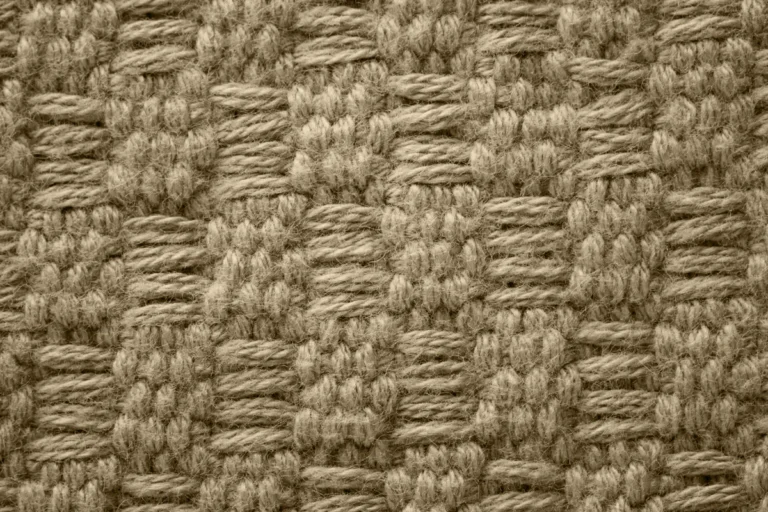
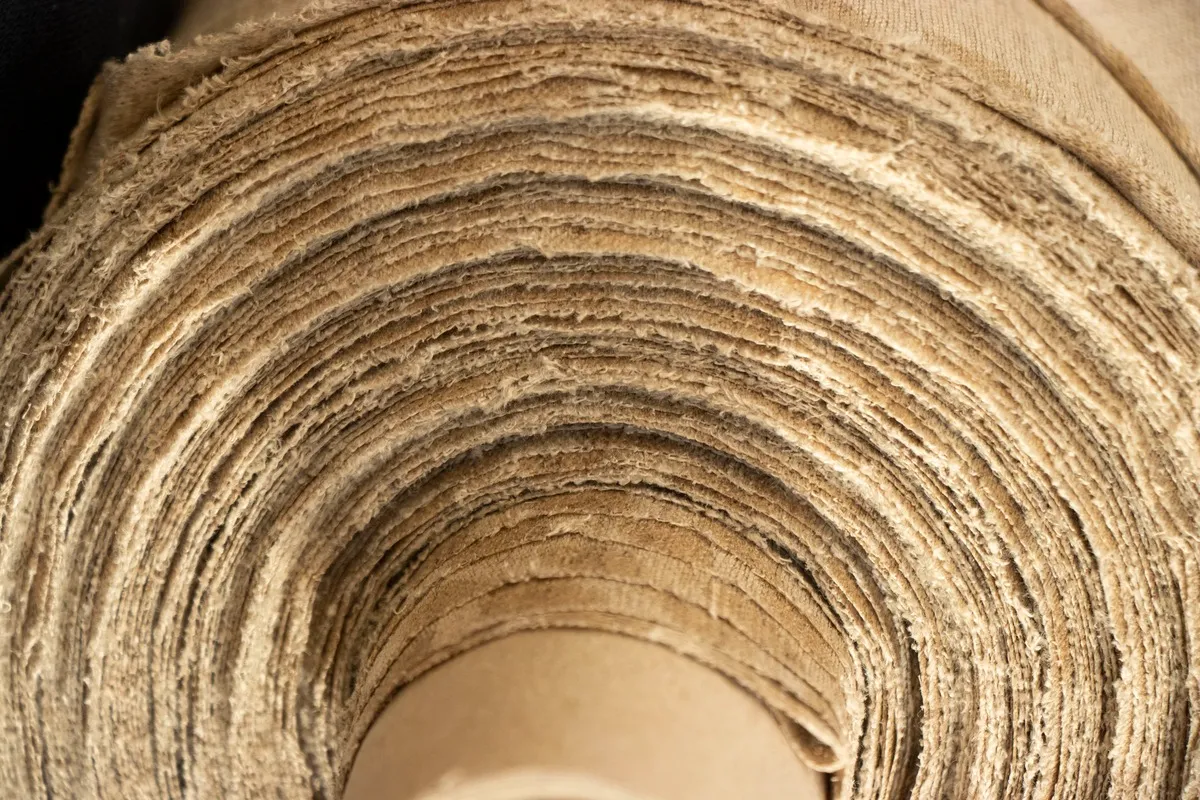
Textiles are the segment in which the gap between potential and reality is most apparent. Hemp fiber depends on a network of machinery, facilities, specialist expertise and industrial stages that today remains incomplete.
«The supply chain was naturally distributed across the territory», Guarnieri explains. In the twentieth century, Italian hemp was retted and scutched near the fields in every production district; today these facilities are few, sometimes inactive and often insufficient to support stable output.
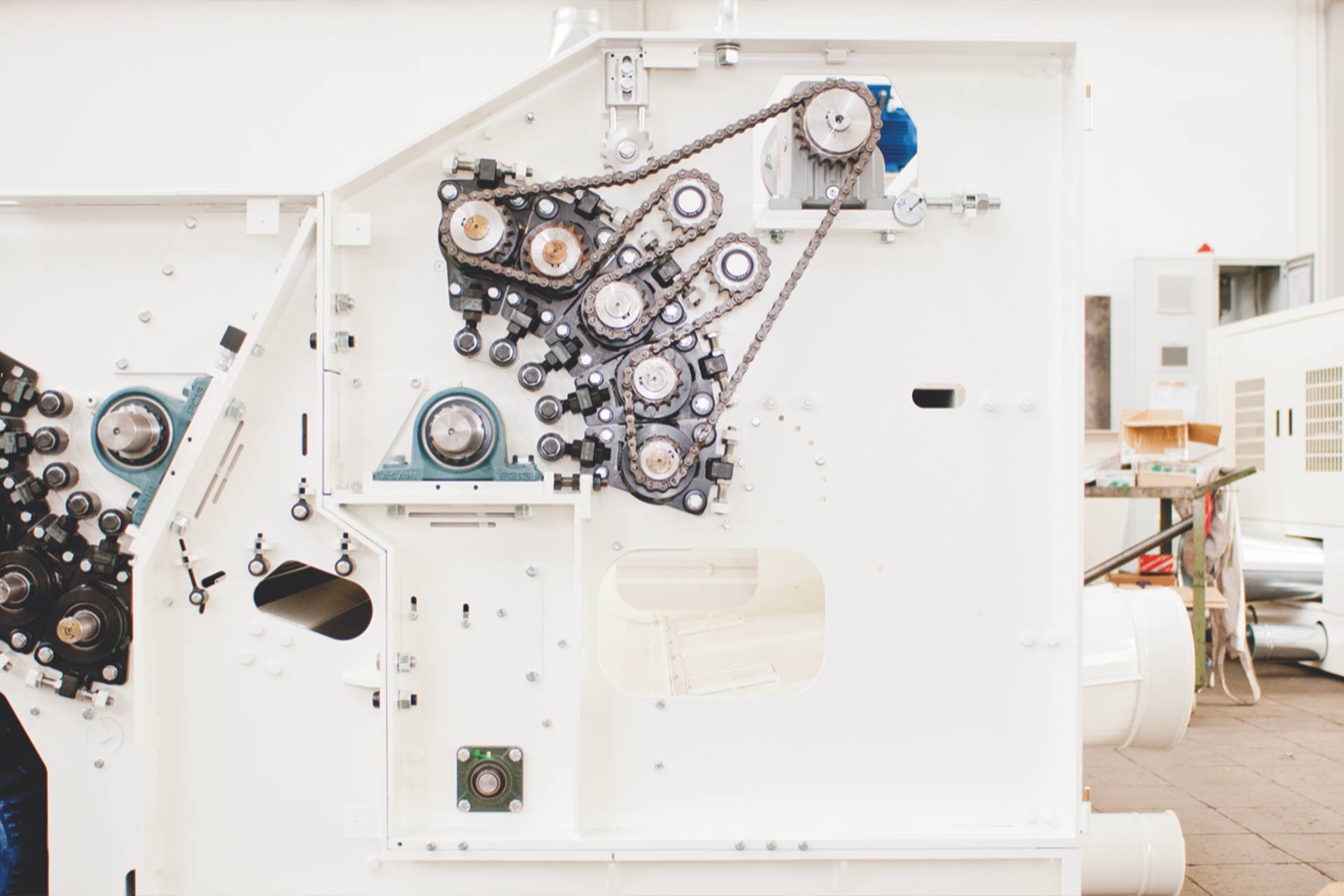
Scutching, the essential stage that separates fiber from hemp shives and produces a material suitable for spinning, is now one of the most significant missing links. Without this intermediate step, Italian fiber cannot meet textile standards. Spinning mills lack dedicated lines for domestically produced long hemp fiber. Where processing takes place, it relies on imported fibers or mixed stages that do not reconstitute a national supply chain.
The result is an industry unable to benefit from its own industrial past. Textiles demand particular precision in fiber uniformity, length, cleanliness and technical standards, all of which depend on retting and scutching. As long as these stages remain weak, hemp textiles cannot become a structured sector. Quality exists in experimental work, not continuous production.
Circular economies and collaboration: the supply chain needs a unified system
In the experts’ vocabulary, “circular economies” describes a systemic need. Existing expertise in agronomy, construction, textiles and biotechnology operates on parallel tracks. The conference organized by ANAB set out to do the opposite: bring these fields together.
«Overcoming the sector-specific focus of each association and connecting the people who individually work with this product», Guarnieri says, is the condition for hemp to cease being fragmented. Circularity is not a theoretical definition: it means creating shared incentives between farmers and industries, material producers and designers, scientific researchers and public authorities.
Simone Andreis emphasizes the need for permanent channels of dialogue. «Associations working on industrial hemp often operate on parallel tracks. What is missing is a mechanism for mutual understanding». This is not a matter of willingness, but of structure: there are no continuous technical working groups, supply-chain agreements or common protocols setting parameters, volumes and expected quality.
The decisive step is to build critical mass involving agronomists, designers, businesses and institutions, extending to political decision-makers. The idea is that hemp can generate benefits for territories only when every link in the cycle derives a measurable advantage from collaboration.
Urban regeneration and hemp: a possibility entering city planning
The final area of discussion concerns urban regeneration, a field in which hemp is not yet a structural material, but a prospect that experts urge planners to consider. According to Gallo, a city is not smart simply because it is technological; it is smart when it «knows how to recognize its own resources and put them back into circulation».
Hemp’s role in this scenario is twofold. It is a building material, used in panels, plasters and systems that improve buildings’ thermal and environmental quality. It is also social infrastructure: a crop that can be grown on urban fringes, activate agricultural networks, involve local businesses and generate economic activity within the territory.
Andreis describes Turin as a laboratory in transition: «From an industrial hub to an Olympic capital, it now faces a new challenge: regenerating its built and post-industrial heritage». In this context, hemp is proposed not as an aesthetic image, but as a material capable of connecting production cycles with urban-planning decisions.
The direction that emerges is to build a shared technical foundation, standardize protocols, map available participants and establish ongoing dialogue among producers, designers, growers and builders. This is a modest scale, but a necessary one.
The Italian hemp supply chain today: a system to put back together
Italian hemp can draw on specialist expertise and a strong industrial memory, but its different segments still fail to connect. Cultivation exists without an official map; construction uses verifiable materials without an established industrial scale; textiles seek facilities capable of processing domestic fiber; and urban planning sees a possibility that has yet to take the form of a stable project.
The supply chain does not need celebrations or narratives about the plant’s potential: it needs continuity, dialogue and a shared vision. Hemp should not be treated as an emerging material, but as a production structure that must be reassembled. Its agricultural, construction, textile and urban components currently exist separately; they can become a system only when they stop working in isolation.
From this perspective, the four dimensions examined – cultivated hectares, bio-based construction, textile fiber and urban regeneration – are not separate sectors but connected strands. Brought together, they could restore to Italy one of its most historically rooted materials. The point is not to return to the past, but to develop a new understanding of the relationship between territory, industry and community.
Debora Vitulano