What is ethical entrepreneurship? Definition and meaning for contemporary work
Ethical entrepreneurship: generating profit for owners and workers, while benefiting the community and territory where a company grows – hemp offers a new opportunity
What is ethical entrepreneurship? Definition, meaning and opposite
Ethical entrepreneurship is a productive and economic activity that adds to the primary aim of profit a complementary purpose: creating a benefit for the community and the territory to which it belongs.
Let us take a step back and remove the ethical value. Entrepreneurship means doing business: creating something that generates income both for the owner of the company and for the people who work in it. Add the ethical value, and doing business means that, alongside the income of owners and workers, the company produces a tangible benefit for the community and the territory in which it is founded and operates.
In simpler terms: ethical entrepreneurship teaches us that we do not work only to earn money, but to improve everyone’s life.
Ethical entrepreneurship and the Italian textile sector in Milan
Trying to remain within the contexts I deal with, when thinking about ethical entrepreneurship I stay within the Italian textile sector. In this country, the textile industry is codified by what can be understood internationally as fashion – considering how much of the world’s fashion is produced in Italy.
Fashion is an industry and a trade that still creates jobs, professions and pathways capable of stimulating the dreams of ambitious young people. Unfortunately, today the data indicate that this collective aspiration has diminished, partly because fashion’s reputation has been damaged by consumerism.
Thirty years ago, Milan was a capital of this sector: Armani, Versace, Missoni, Fendi, Valentino. Everything was invented and made in Italy; everything converged on Milan. Couture was shown in Paris; prêt-à-porter was invented in Milan. Both the dichotomy and the hegemony have been lost. The reasons cannot be summarized here.
Two examples: the first is traditional entrepreneurship, the second ethical entrepreneurship
In this text, I want to limit myself to two examples. The first is a generic model of traditional entrepreneurship as we commonly understand it; the second is the account of an ongoing attempt at ethical entrepreneurship. As they teach in every school of journalism, you begin with the case you consider negative or wrong, the one you somehow want to diminish – and then move to the positive possibility, which will remain in the reader’s mind, partly by contrast. (When it comes to political journalism, the second case belongs to the political side supported by the publisher.)
Business and finance: the entrepreneur, the funder and the financier – fast-fashion projects
Entrepreneurship sometimes begins when someone with an idea meets a funder. It also happens that the funder is a professional whose capital exists for the purpose of multiplying it: what is produced does not matter, provided the capital multiplies.
Capital may become the resource behind a fast-fashion brand: increasingly, a project for producing and selling polyester and elastane clothes imported from China, advertised on Meta and promoted by paying an Italian or American television celebrity. More than on the first part – production – capital will be spent on the second, commerce, and on one of commerce’s engines: communication.
In these cases, communication drives short-term turnover, not the substance of the product at the center of the business. Backed by significant short-term revenues, the financier sells the brand and obtains a positive return on the initial investment. Whoever buys the brand injects more capital and repeats the process with another zero added.
The process repeats until – whether because of a bureaucratic contingency in Asia or an American antitrust law – the numbers may stop adding up. The first decision is to cut the communications budget. Without communication, the smoke clears, and instead of a dragon what appears is a burnt match.
That is fast fashion: brands selling sexy clothes that release microplastics with every wash; brands advancing through sponsored posts, entrusting marketing budgets to an American company such as Meta, which invented an algorithm designed to monetize people’s envy; brands that have made young women rich through a female aesthetic retouched with Photoshop.
Yes, brands that have reached significant turnover – one of them was acquired by the son of a millionaire who became successful. If the father managed it, why should the son not manage it too? If it worked once, it will work a second time. Finance today is the mother of these projects that can be defined as short term – finance requires an investment to produce its return quickly. Finance must produce capital; everything else, when it is not an inconvenience, is a side dish, like two roast potatoes.
Ethical entrepreneurship, Made in Italy and hemp
Let us move to the second case, the one this writer supports: the example of ethical entrepreneurship. In Italy we feel Italian during football championships and the Sanremo Music Festival – but that sense of unity also appears – I hope I am not being too utopian – when we remember that the whole world wants to buy what we make here. It is called Made in Italy.
Made in Italy is synonymous with something well made, something properly made – as I said above, fashion brands come here to produce. Even brands that epitomize the French essence – Dior, Chanel, Louis Vuitton – carry labels that read Made in Italy.
When we read Made in Italy, we should remember that, unexpectedly, there is no textile fiber currently cultivated in Italy. All the natural textile fibers we process in Italy are imported from abroad. Today there is no exception – only one possibility: hemp.
Hemp textile fiber: natural fibers, CO2 sequestration – hemp is the pig of agriculture
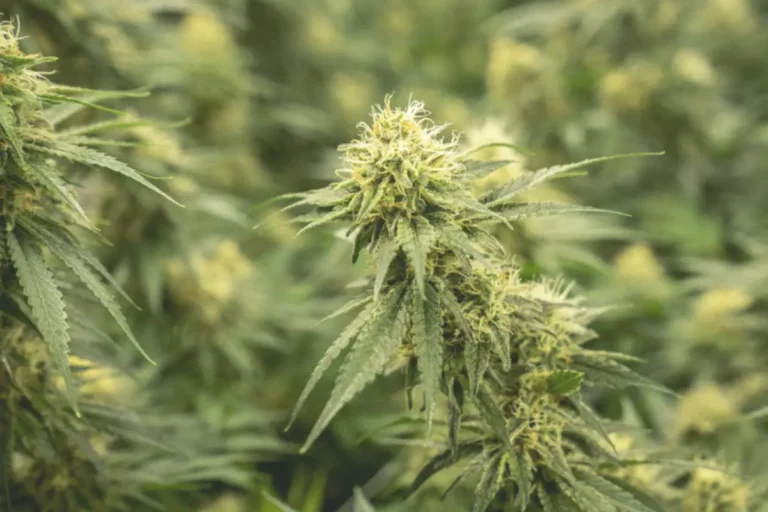
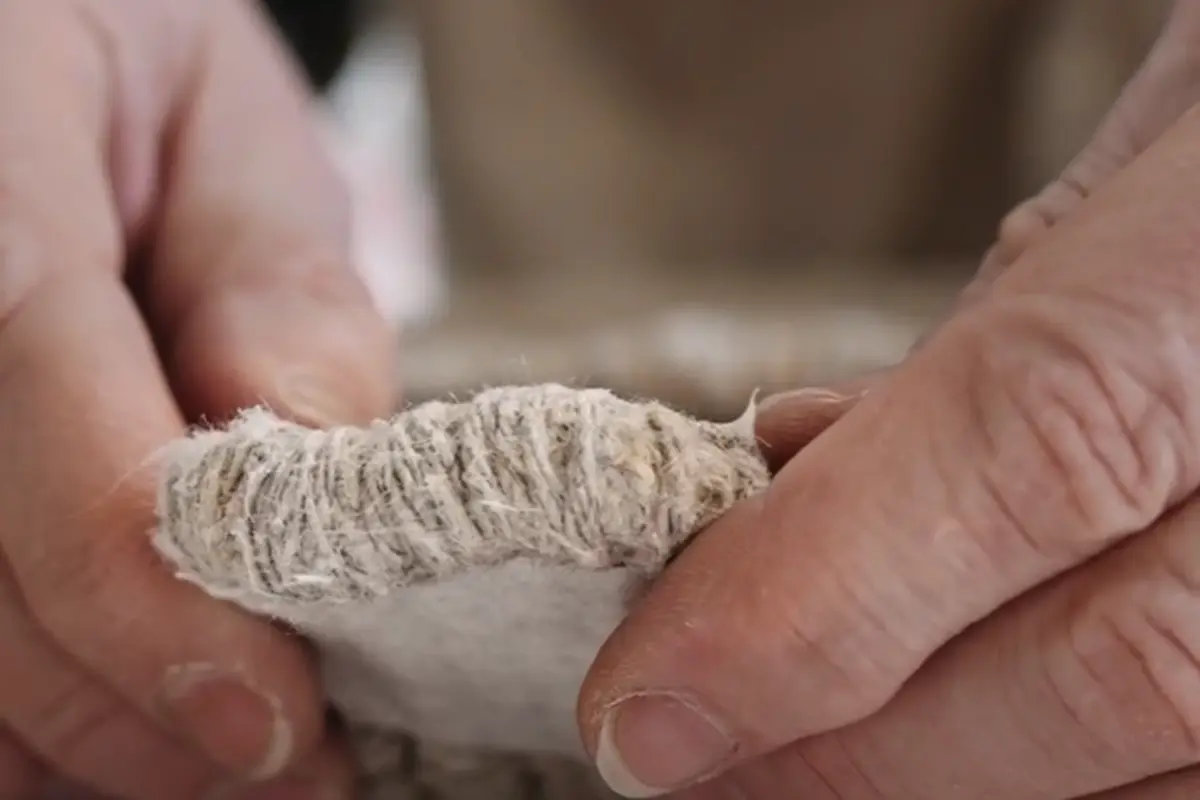
Hemp fiber is the only natural, plant-based textile fiber that can be cultivated in Italy. We were once among the world’s largest hemp producers, until the second half of the twentieth century – when synthetic fibers entered the market and turned Lake Orta into a puddle devoid of life. Cheaper and easier to process, synthetic fibers initiated microplastic pollution and set in motion what would evolve from prêt-à-porter into fast fashion.
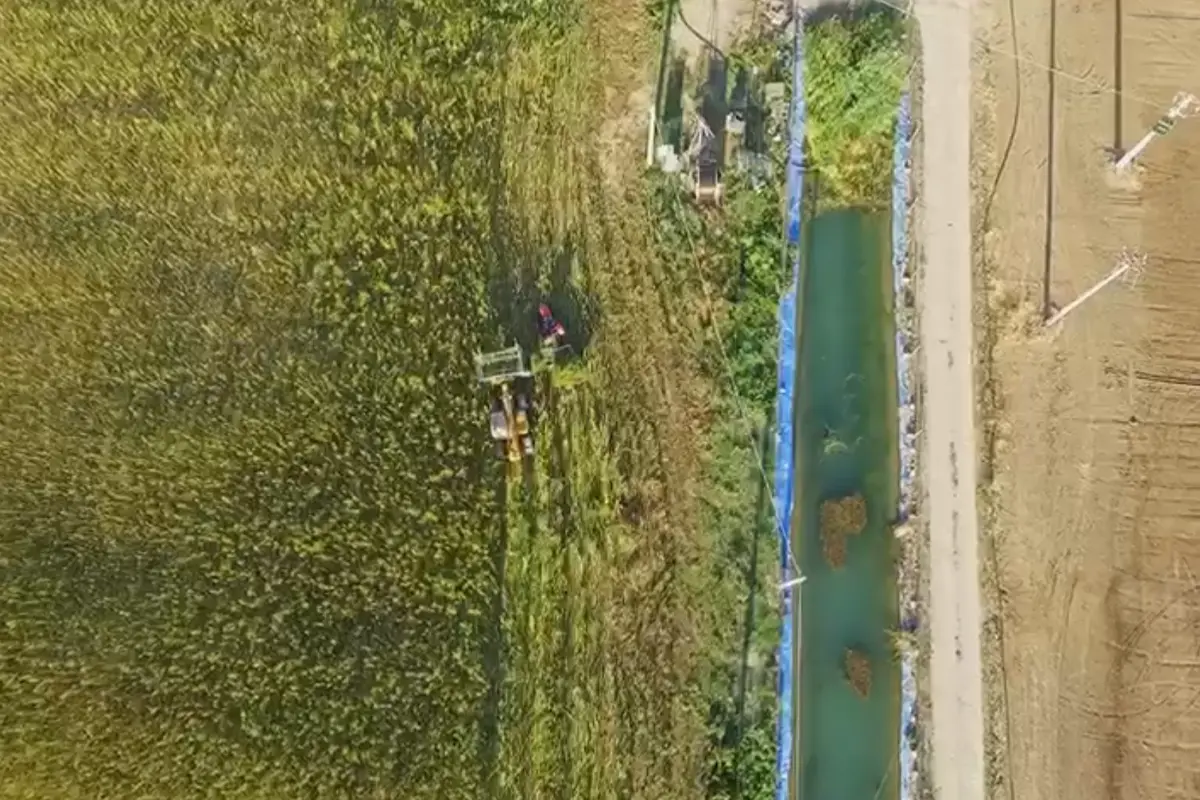
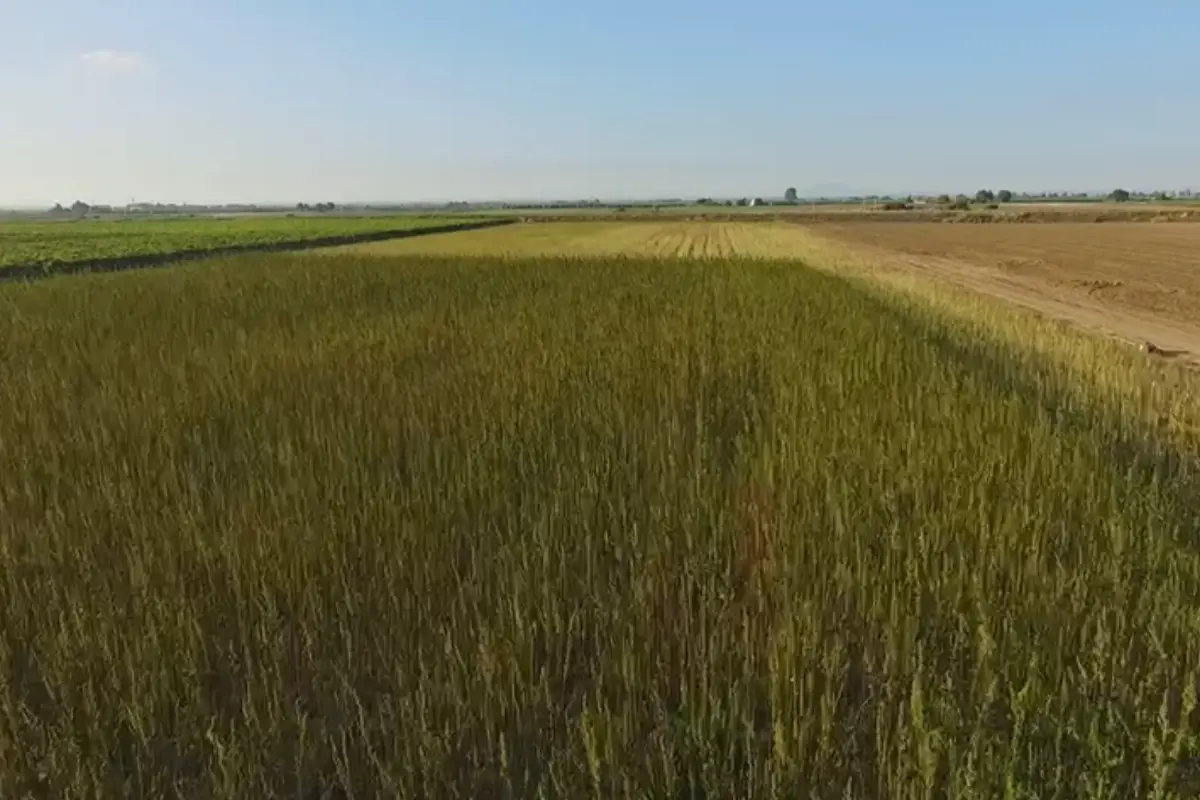
Any textile project that seeks to work with hemp fiber in the hope of stimulating a market capable of restoring the Italian hemp supply chain is an example of ethical entrepreneurship. Giving credit and commissions to an industrial hemp supply chain means giving Italian farmers the possibility of better profits while moving toward regenerative crops.
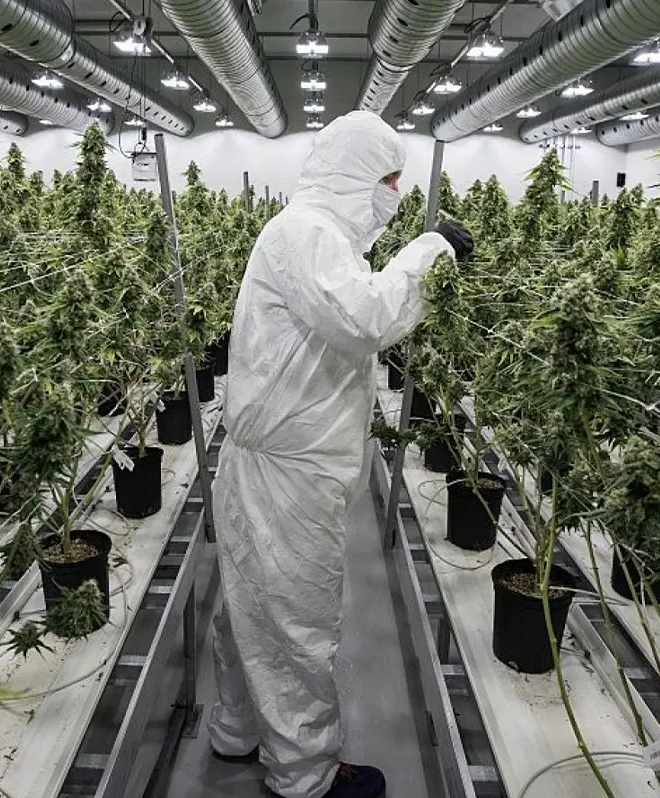
Hemp can sequester more CO2 than a hectare of forest; the construction sector could offer hemp lime to clients while explaining its thermoregulatory performance; the energy sector could choose hemp biomass as a renewable energy source. The argument continues in the same way: hemp is the pig of agriculture, as the saying goes – every part of it can be used. Hemp is the only raw material without a counterpoint: from textiles to construction, from energy to food. (Without touching on pharmacology which, despite legal and bureaucratic pitfalls, is currently the primary destination for hemp cultivation in the field.)
Lampoon, a pragmatic commitment
It was 2019, one year before the pandemic. Someone might suggest that collectively we had a premonition; someone else would reply: do not talk nonsense. At the time, as I am today, I was a publisher. I kept telling myself that a magazine such as Lampoon, if it was to remain coherent with an editorial line devoted to human respect, diversity and human fragility, and sustainability in general, needed a pragmatic commitment that went beyond words. I wanted Lampoon to have a flag.
A dream, yes, but not a utopia; an action to support. Looking at the publishing landscape in Europe and America, Lampoon represented Milan then as it does today. I wanted Lampoon to commit to an operation devoted to Milan, capable of telling the story of Milan.
Lampoon, Forestami and Stefano Boeri – urban planting
I asked Stefano Boeri for a meeting. Bosco Verticale was already an iconic symbol of Milan. It was not only a building but a message: trees; let us think with trees; let us place trees in the sky. Together with Boeri, the Mayor of Milan had launched Forestami, an initiative to plant three million trees in Milan by 2030. I began to look into the details.
I held meetings to assess the bureaucratic process through which Lampoon could catalyze fundraising: Forestami needed to resolve an impasse with the Italian Revenue Agency so that it could receive sponsorships as well as donations – an impasse that, four years later, does not appear to have been resolved.
I followed the operations and proposals. Linking funding to a planting project in a defined area would make it easier to communicate the intervention and facilitate a return on investment – even today, this is not possible. I analyzed urban areas: I came to understand that reforesting the countryside is more difficult than reforesting cities, and that the problem was not planting a tree but finding land where that tree could be planted.
Besides being a publisher, I am a journalist: a journalist is professionally curious. For every piece of information I found, every conversation I opened, every step I understood, I wanted to know more. I was interested in everything connected with urban and rural forestation, and everything that could be related to it.
Anyone reading now might feel that this is a digression, an excessive leap. It is not, because it was precisely by arriving at regenerative agriculture that all my attention became focused on the hemp supply chain in Italy. From carbon-credit offsetting to biomass for renewable energy, it became clear to me that hemp in its entirety could and should catalyze the transition from traditional agriculture to regenerative agriculture.
Opposition to consumerism, the phasing out of plastic, the ethical responsibility of everything that can be defined as contemporary luxury – today these sound like a new orthodox creed that gives me pride.
Ethical entrepreneurship and the hemp supply chain in Italy: Lampoon
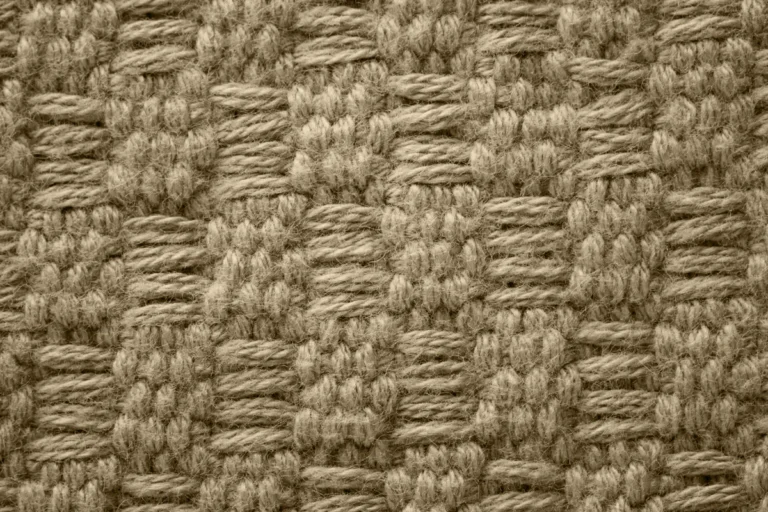
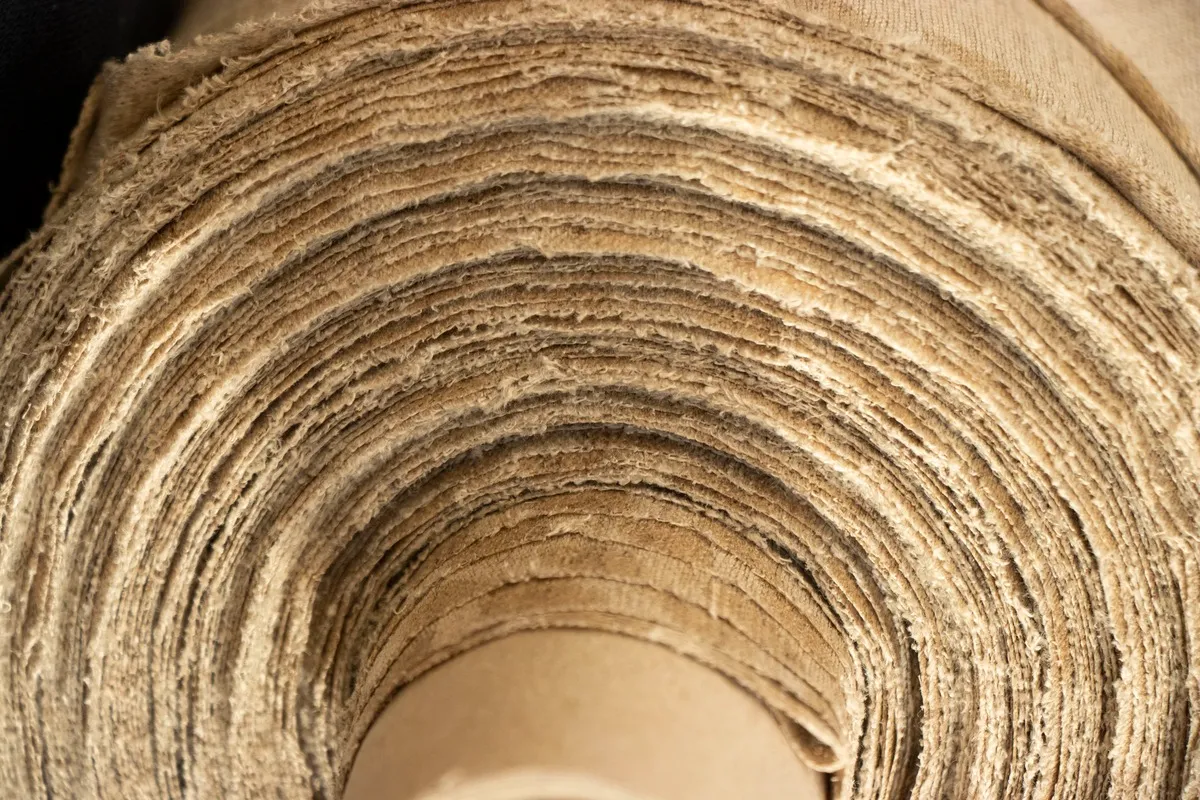
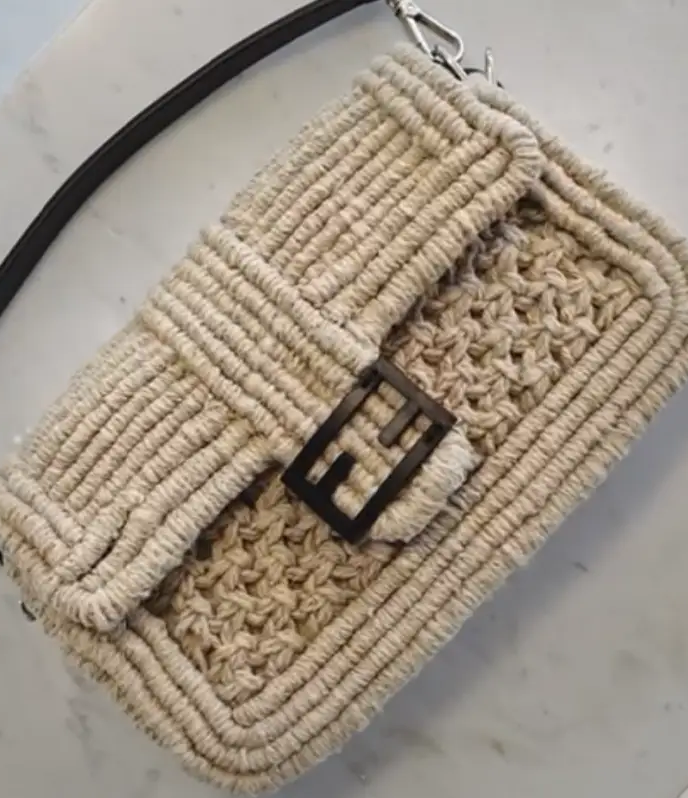
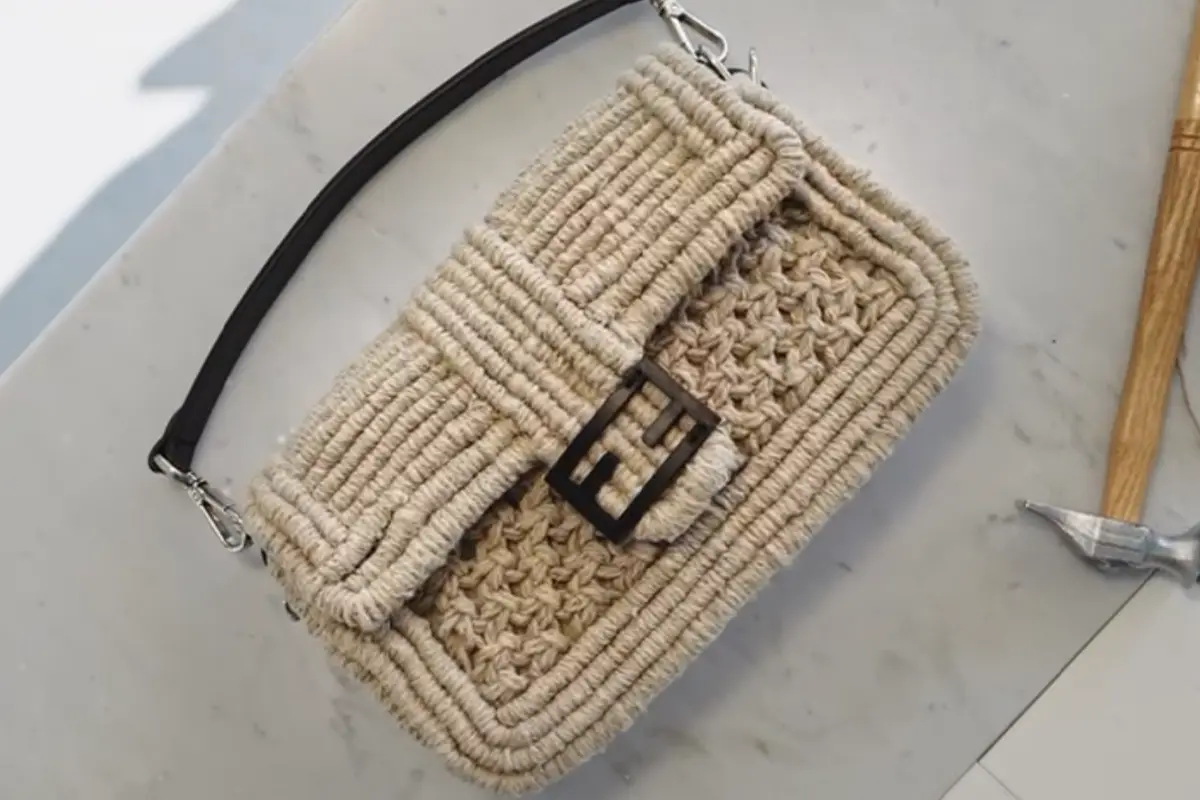
Lampoon is committed to the hemp supply chain – today not only hemp and not only Italian hemp – because, as things stand, Italian hemp does not exist except in projects supported by companies acting as patrons. Among them, Fendi commissioned a macramé bag made entirely from pure Italian hemp. Lampoon presents a collection of blouses, Sarner jackets, trousers and shirts – always using hemp, either pure or blended with other natural fibers: wool, cotton, linen, silk.
Never, not even in the smallest proportion, will Lampoon work with a synthetic fiber. Once Lampoon reaches profitability, it will ask farmers to cultivate hemp and will purchase their stalks, guaranteeing a better source of income than intensive crops. It sounds like a naïve utopia; instead, it is simply ethical entrepreneurship.
Carlo Mazzoni