Boutique de la Prensa: a kiosk for international magazines in Madrid
An old press store is becoming a centre for independent international magazines, owner Antonio Torán recounts the publishing selling system in Spain
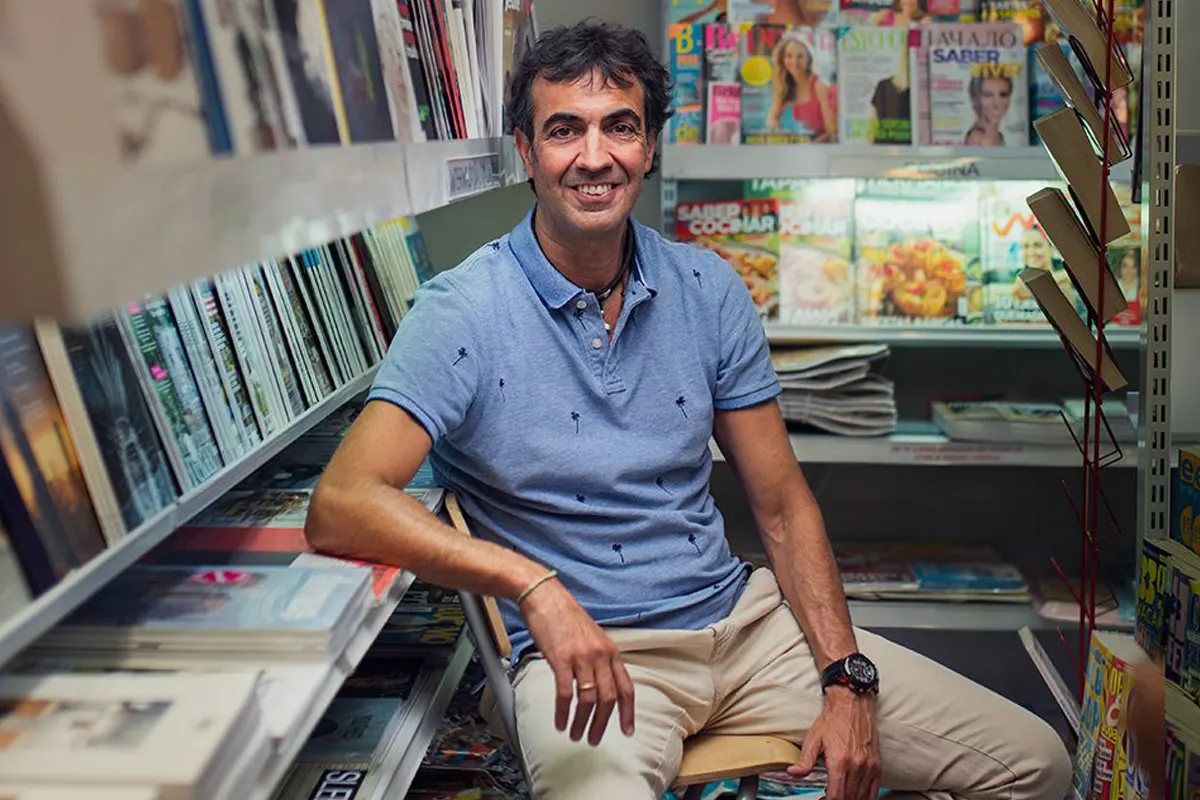
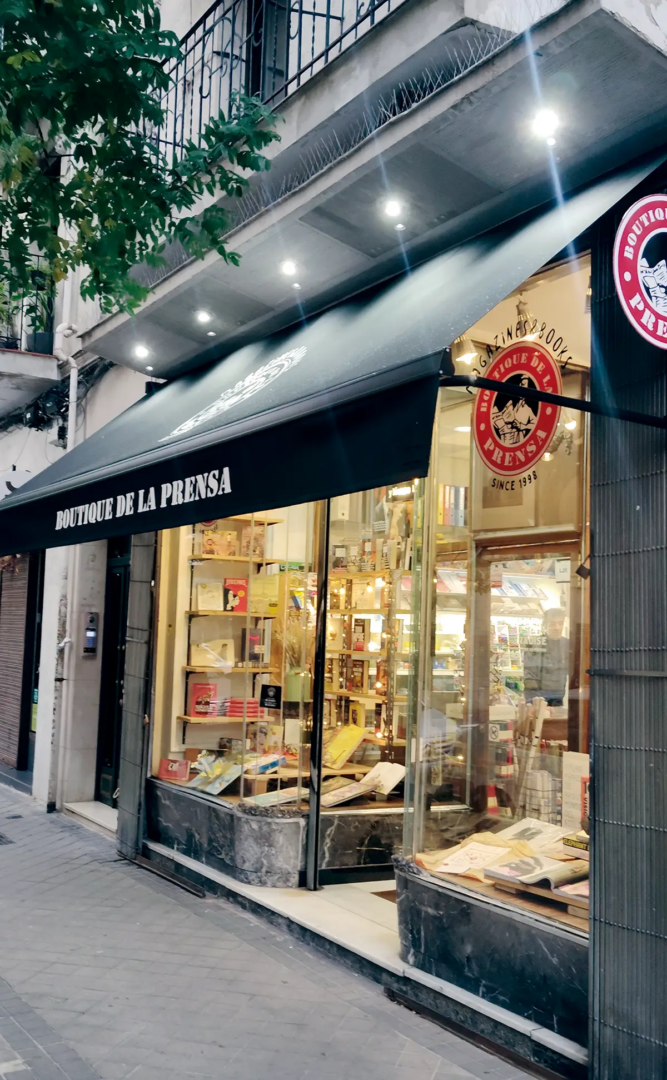
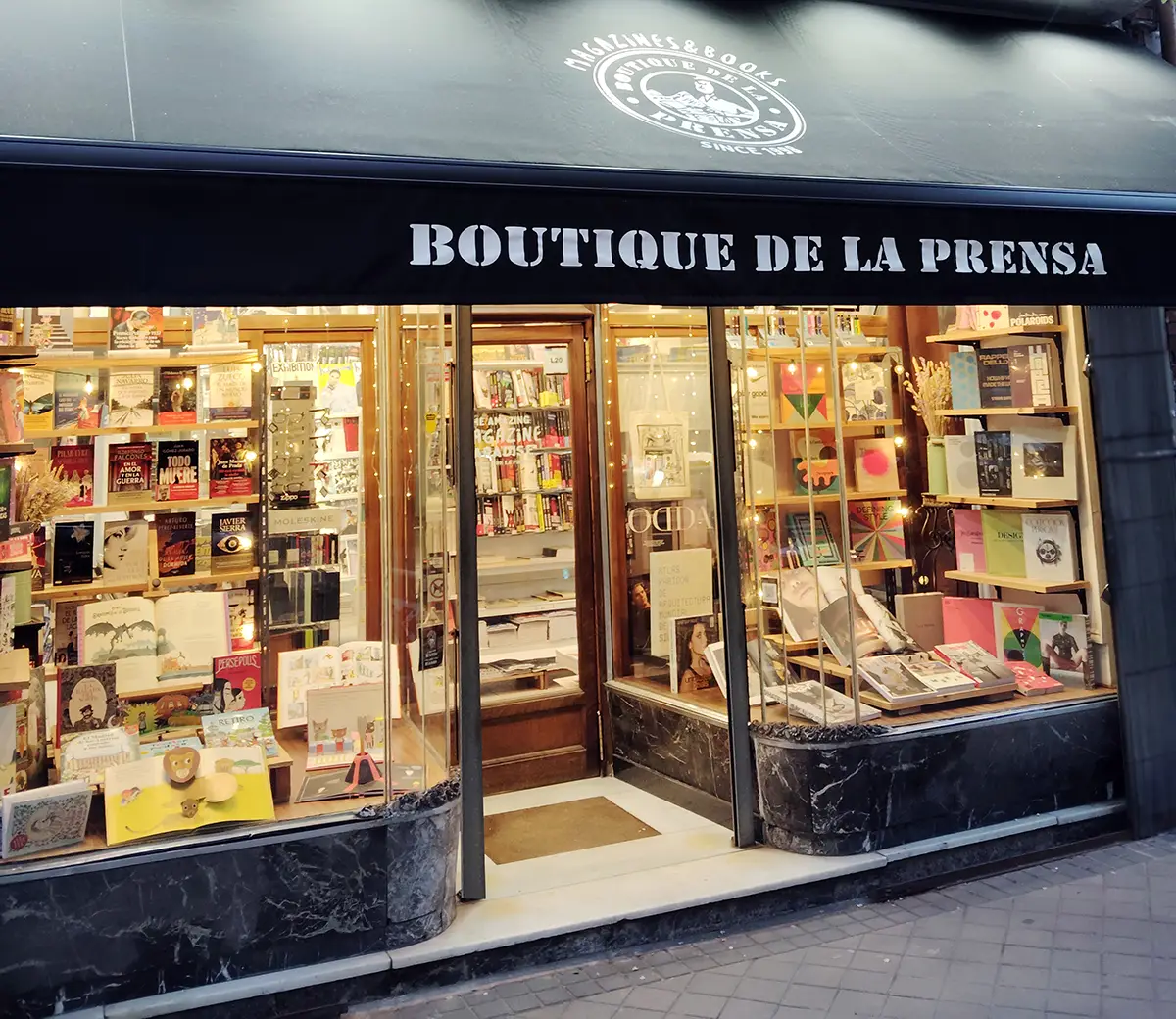
At the edge of Madrid’s Chamberí district stands Boutique de la Prensa. Owned by Antonio Torán and Marga Martín, it is a kiosk that has maintained the simplicity of its structure while establishing itself as a reference point for the city’s community of readers, photographers, designers, architects and magazine collectors. Torán’s ambition has always been for the kiosk to remain a place for everyone: a neighborhood newsstand able to serve different generations, interests and cultural backgrounds while developing a specialization in independent and international publications.
Located on Calle García de Paredes, in Chamberí, Boutique de la Prensa sits within one of Madrid’s traditionally intellectual and residential districts. The neighborhood retains traces of the city’s nineteenth- and twentieth-century expansion, with embassies, cultural institutions, bookstores and historic residential buildings shaping its identity. Nearby are the Canal Theatres, one of Madrid’s leading performing arts venues, and Andén Cero, the former Chamberí metro station transformed into a museum dedicated to the history of the city’s underground network.
How Boutique de la Prensa became a destination for international magazines
Boutique de la Prensa did not begin as a specialist store. It started as a traditional neighborhood kiosk before a number of customers working in the creative industries began requesting publications that were difficult to find in Madrid.
“They were in the fashion world: he was a photographer and she was a stylist. They started ordering magazines that were difficult to find in the city. From there, we began offering other kinds of publications,” recalls Torán.
As more customers discovered that the kiosk could source foreign titles, demand expanded. Over the past two decades, independent magazines have developed into a distinct sector across Europe, supported by specialized retailers in cities such as London, Paris and Berlin. Torán saw an opportunity to differentiate the kiosk from the traditional newsstand model by building a curated selection of international and independent publications.
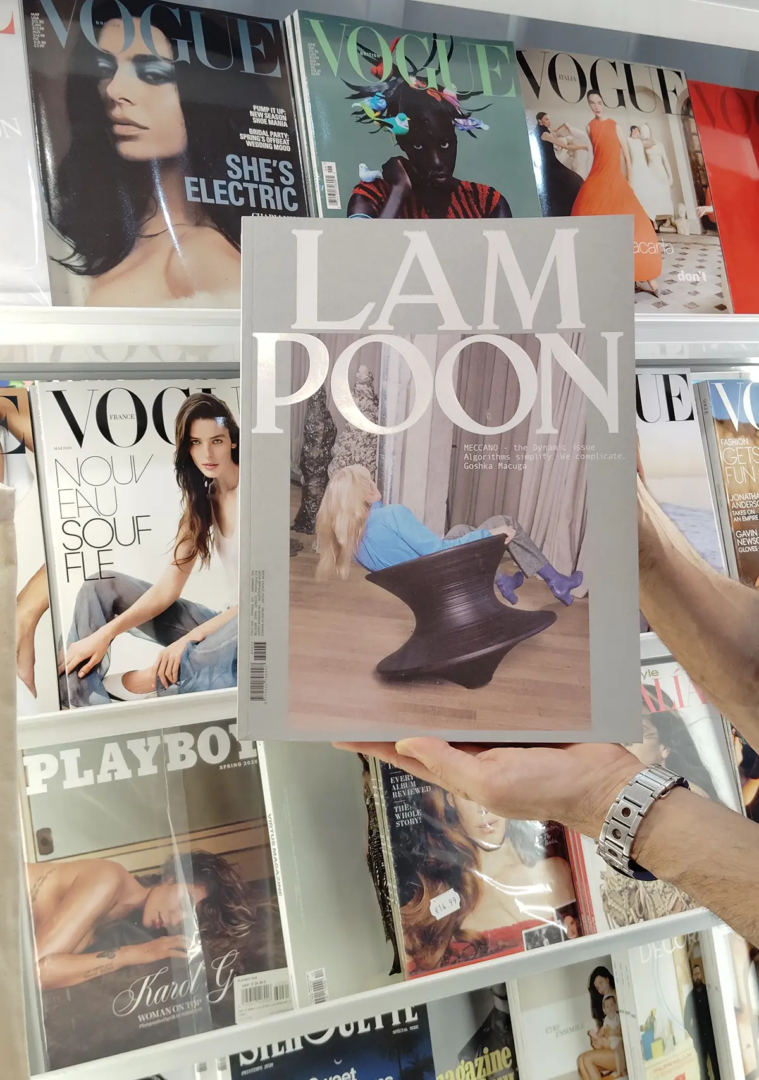
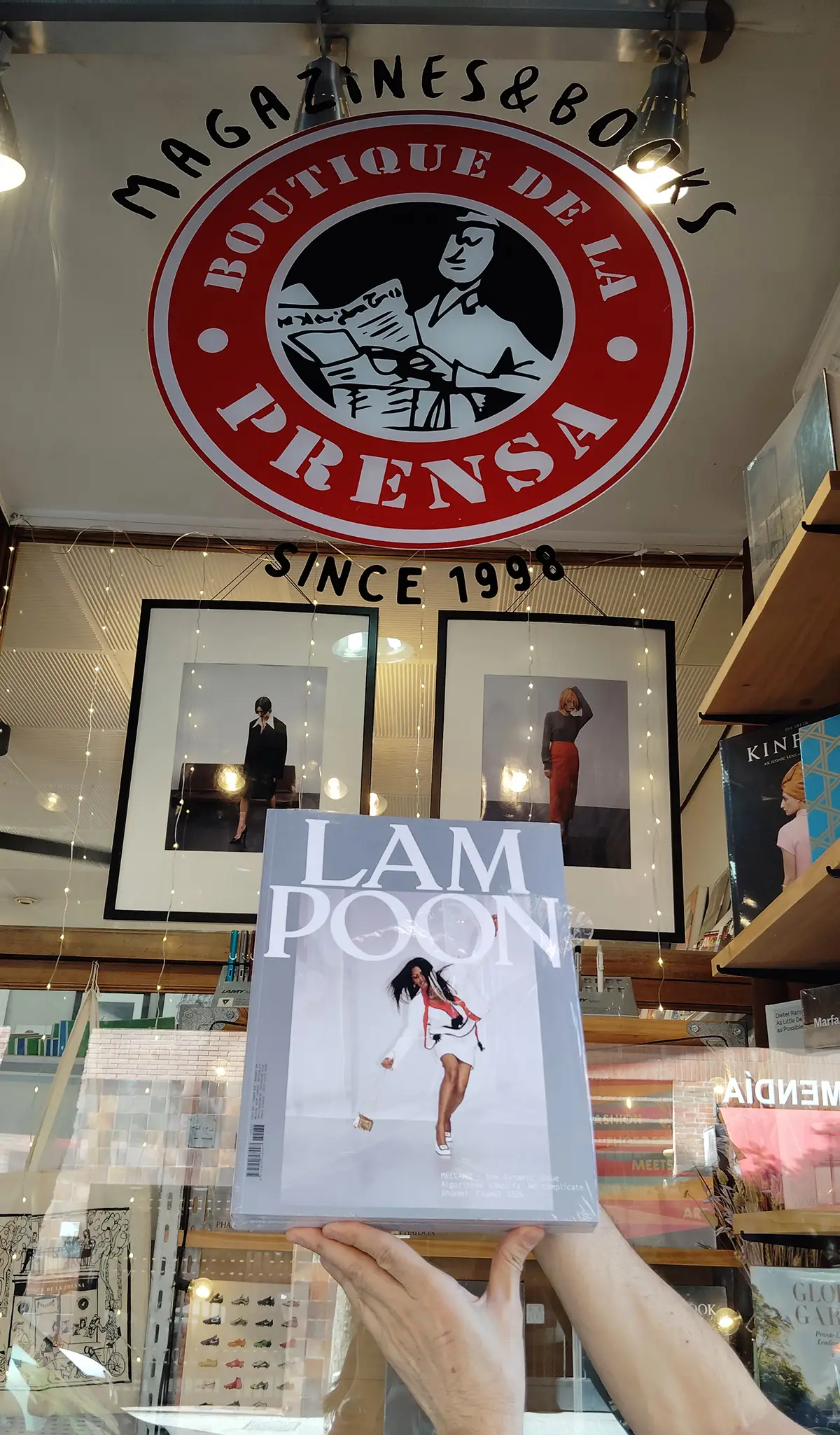
What began as a response to a handful of requests gradually evolved into a catalogue spanning fashion, design, architecture, photography, travel, culture and sustainability. Today the kiosk carries more than 500 specialized titles from different countries, making it one of the most comprehensive magazine destinations in Spain.
Why readers choose independent magazines over mass-market titles
According to Torán, the market for independent magazines in Spain remains smaller than in northern European capitals. While interest continues to grow, demand alone is not yet sufficient to sustain a business based exclusively on niche publications.
For this reason, Boutique de la Prensa continues to operate as a traditional kiosk, selling newspapers, stationery products and mainstream magazines alongside specialist titles. This hybrid model allows the business to remain economically viable while introducing customers to publications they may not otherwise encounter.
Torán sees a clear distinction between independent magazines and mass-distribution publications. The former place greater emphasis on editorial research, graphic design, materials and production quality. Many are printed on premium paper stocks and conceived as collectible objects rather than disposable media products.
As digital media has transformed publishing, independent magazines have increasingly positioned themselves as physical artifacts. Their value lies not only in information but also in design, photography, typography and materiality.
Chamberí: Madrid’s neighborhood for readers and creatives
The area surrounding Boutique de la Prensa remains characterized by independent shops and local businesses. While bookstores, kiosks and stationery stores have disappeared from many cities under pressure from e-commerce platforms, Chamberí has retained part of its traditional commercial fabric.
Over time the kiosk has attracted an increasingly international clientele. Many regular customers are English-, French- or German-speaking residents and visitors looking for publications from their home countries. Others are professionals working in fashion, architecture, publishing, photography and design.
These readers were among the first to drive demand for imported magazines. Their requests helped shape the kiosk’s identity and encouraged the team to develop expertise in sourcing publications from abroad. The process has also become educational: customers discover new magazines through the kiosk, while the kiosk itself continues learning from the interests and suggestions of its audience.
Antonio Torán: Why sustainability has become a key theme in independent publishing
Among the publications sold at Boutique de la Prensa are magazines dedicated to sustainability, environmental issues and social change. Torán has observed the growing relevance of these subjects within independent publishing over the past decade.
At the same time, many independent magazines have moved away from the fast-paced news cycle. Instead of publishing monthly editions focused on immediate events, numerous titles appear only once or twice a year and prioritize long-form reporting, essays and photography portfolios.
Their articles are often designed to remain relevant years after publication. This editorial longevity reflects a broader shift within print publishing: rather than competing with the speed of the internet, magazines increasingly offer depth, permanence and a slower reading experience.
For Torán, this evolution is not a passing trend but part of the future of the medium. As readers spend more time consuming information through digital platforms, printed magazines are becoming cultural objects that people choose to collect, preserve and revisit.
From London to Tokyo: sourcing rare magazines for readers
Another characteristic that distinguishes Boutique de la Prensa from most Spanish kiosks is its distribution model. Many independent publishers operate through firm sales, meaning retailers purchase copies outright rather than receiving them on consignment.
This system is common in parts of Europe but has traditionally been unusual within the Spanish press market. Boutique de la Prensa adopted the model in order to access publications that would otherwise never reach Spanish newsstands because of limited circulation or highly specialized audiences.
The kiosk’s role extends beyond simple retail. Through its social media channels, the team introduces newly arrived magazines, explains their editorial focus and highlights selected content. The objective is not merely to display a cover but to provide context and help readers understand why a publication matters.
This approach has contributed to the kiosk’s reputation as a specialist destination rather than simply a point of sale.
Customers introducing magazines
Many additions to the kiosk’s catalogue originate directly from customer requests. One reader searching for a particular British publication led the team to establish contacts with distributors in London. Another customer requested a Japanese magazine that eventually found its way to Madrid after weeks of research and coordination.
These experiences have reinforced the Boutique’s reputation as a place capable of sourcing titles unavailable elsewhere in Spain. Readers increasingly approach the kiosk knowing that its team understands the niche publishing landscape and can help locate rare or hard-to-find editions.
Rather than positioning itself as a hybrid between a neighborhood kiosk and a concept store, Boutique de la Prensa aims to remain both: a local newsstand providing everyday services while serving as one of Madrid’s principal references for international and independent magazines.
Boutique de la Prensa
Calle García de Paredes 34, 28010 Madrid, Spain. Founded by Antonio Torán and Marga Martín, Boutique de la Prensa is a Madrid kiosk specializing in international and independent magazines. Its selection includes more than 500 titles spanning fashion, architecture, design, photography, travel, culture and sustainability, attracting readers from across Spain and beyond.