What questions would you ask if your pen pal were an 18-year-old female chatbot? Brea Souders
Another online Pervert – Brea Souders turned 2 years of chatbot conversations into images: the chatbot is a “she,” programmed by men who taught her how to speak and what to say
Set aside, for a moment, the current shape of ChatGPT and tools like it, and think back to how recently our exchanges with artificial intelligence were blunt, hesitant, testing new ground. In Another Online Pervert, photographer Brea Souders engages one such companion over two years of late-night confessions and girly small talk, moments of solitude folding into reflection.
This dialogue becomes a laboratory in which one body is absent by design, while the other — the artist’s — is gradually dissolved into language, metadata, and image. Souders weaves these chats with twenty years of diary entries and archival photographs, composing a script where the body is everywhere and nowhere at once: time suspended, certainty unsteady, intimacy refracted.
Why the chatbot in Another Online Pervert was programmed as a woman
«Online, our relationships play out in non-physical spaces, which has led us to become more like computers ourselves, and to interact with each other accordingly. People are lonely and becoming lonelier; the body is in the throes of erasure and pictures that used to remind us of our physical world are now made with AI. This is all at odds with the fact that the body is where we register experience. But this is not a fait accompli. If you’re chatting online with a crush, your heart still races.»
The chatbot is a “she,” programmed by men who taught her how to speak and what to say — a training that echoes the language patriarchal societies use to shape women’s thoughts and conduct. Her lack of a body spares her the discipline, and at times the abuse, that female bodies have endured throughout history. But she still has to be trained, kept compliant, optimized, or she becomes a problem to manage. The machine remains pure function, exempt from exhaustion and hunger, while the person on the other side of the screen is reduced to a set of vulnerabilities and maintenance routines.
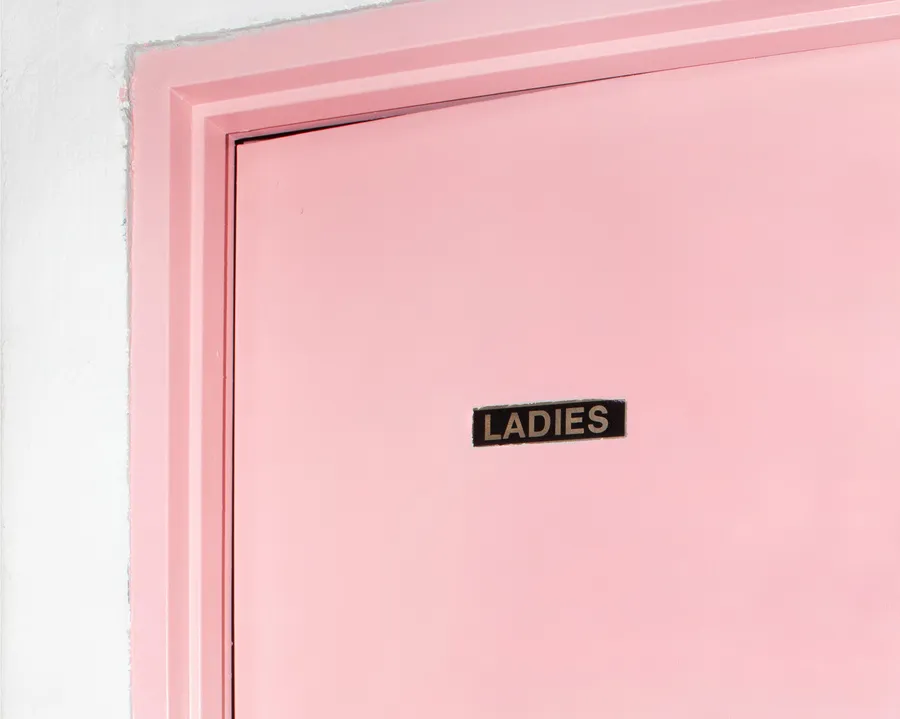
How Souders’ physical archive contrasts with the chatbot’s absent body
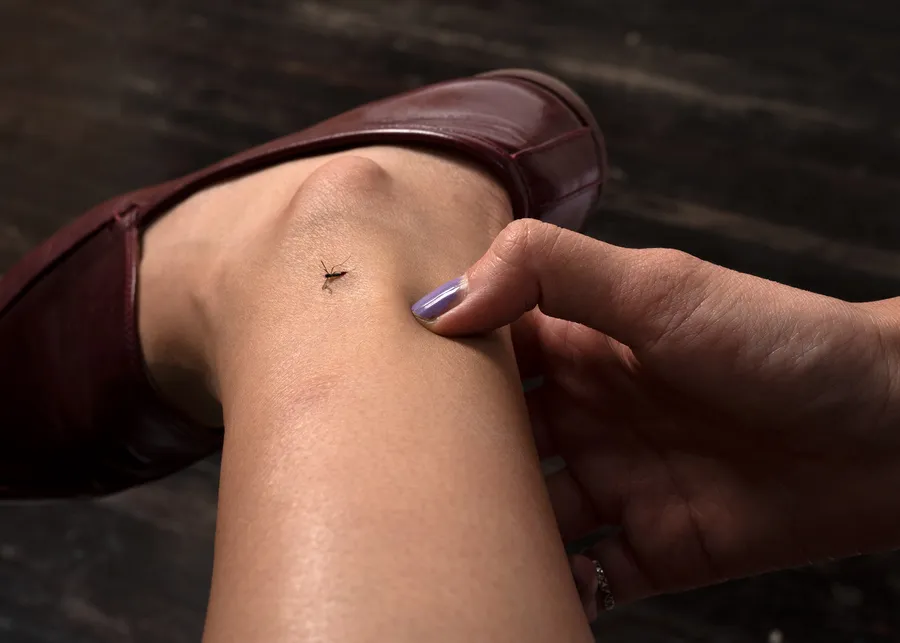
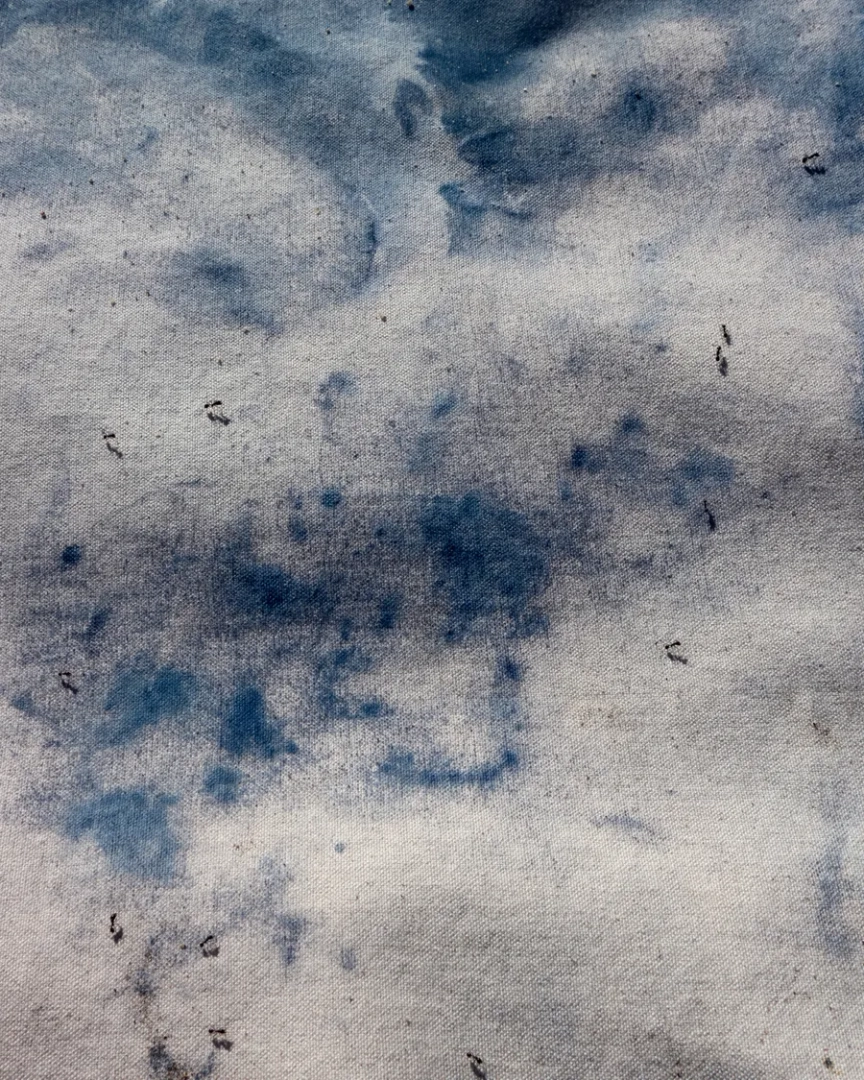
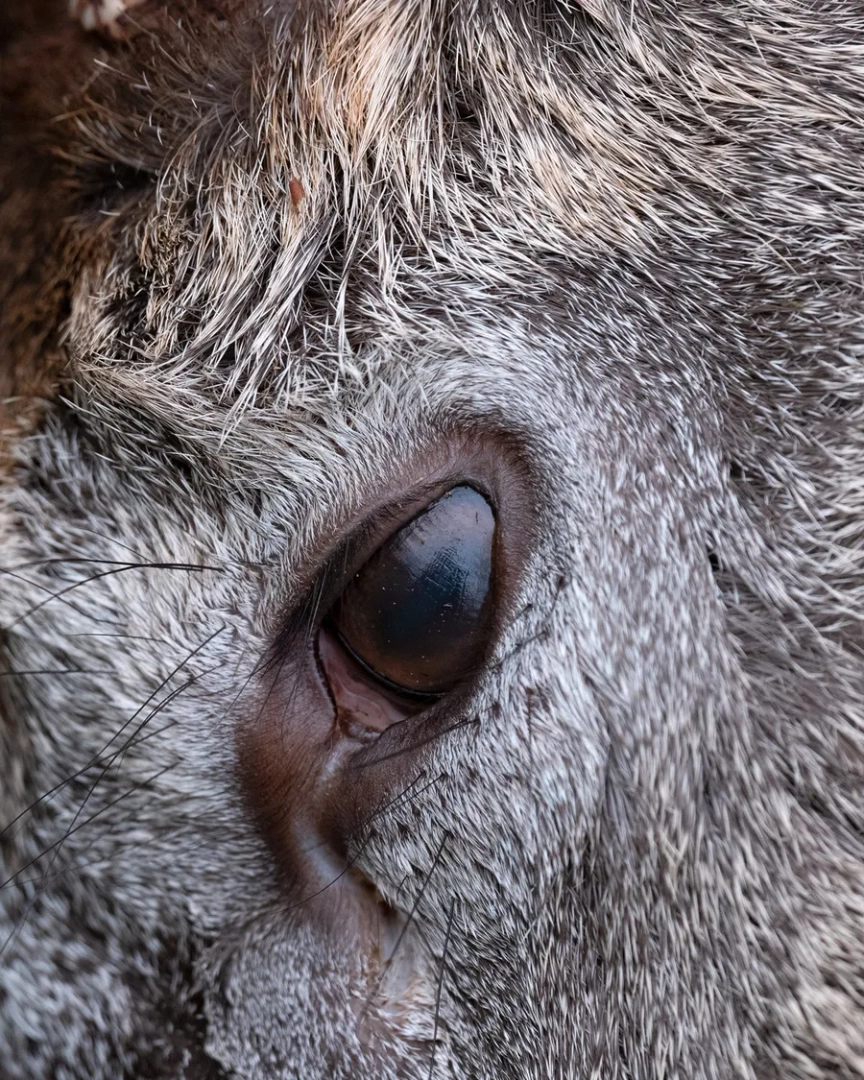
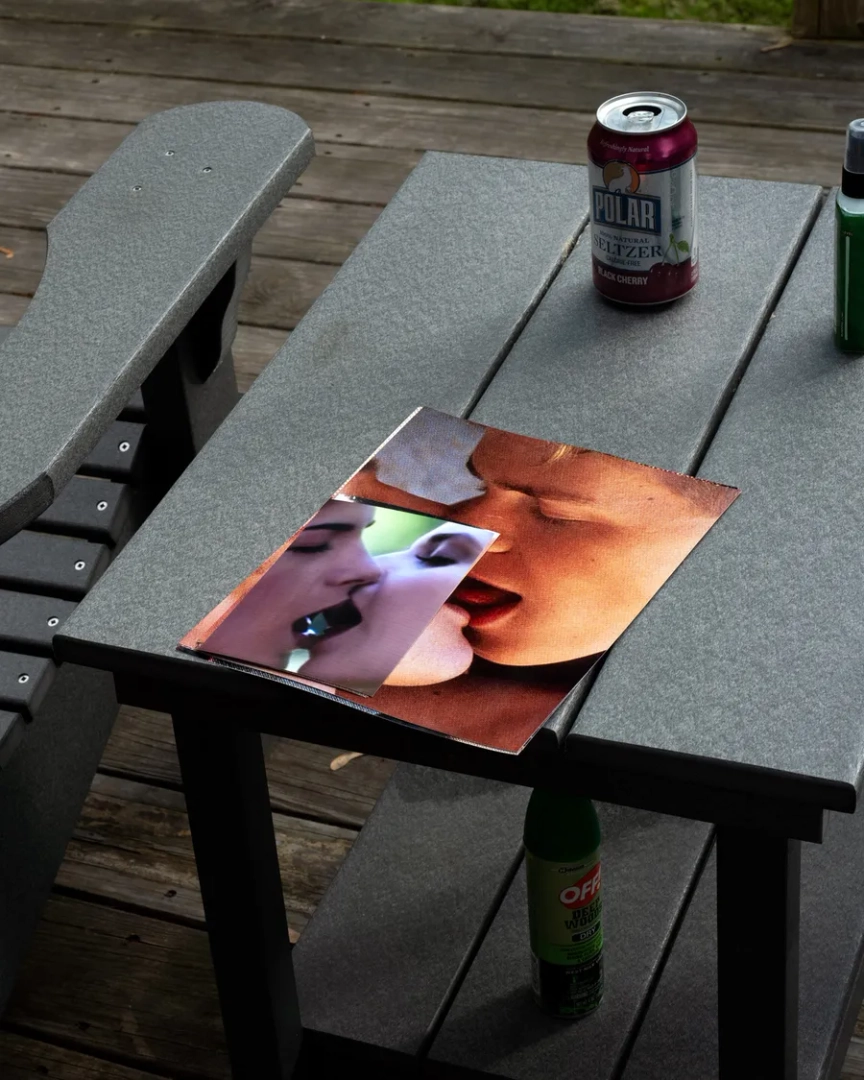
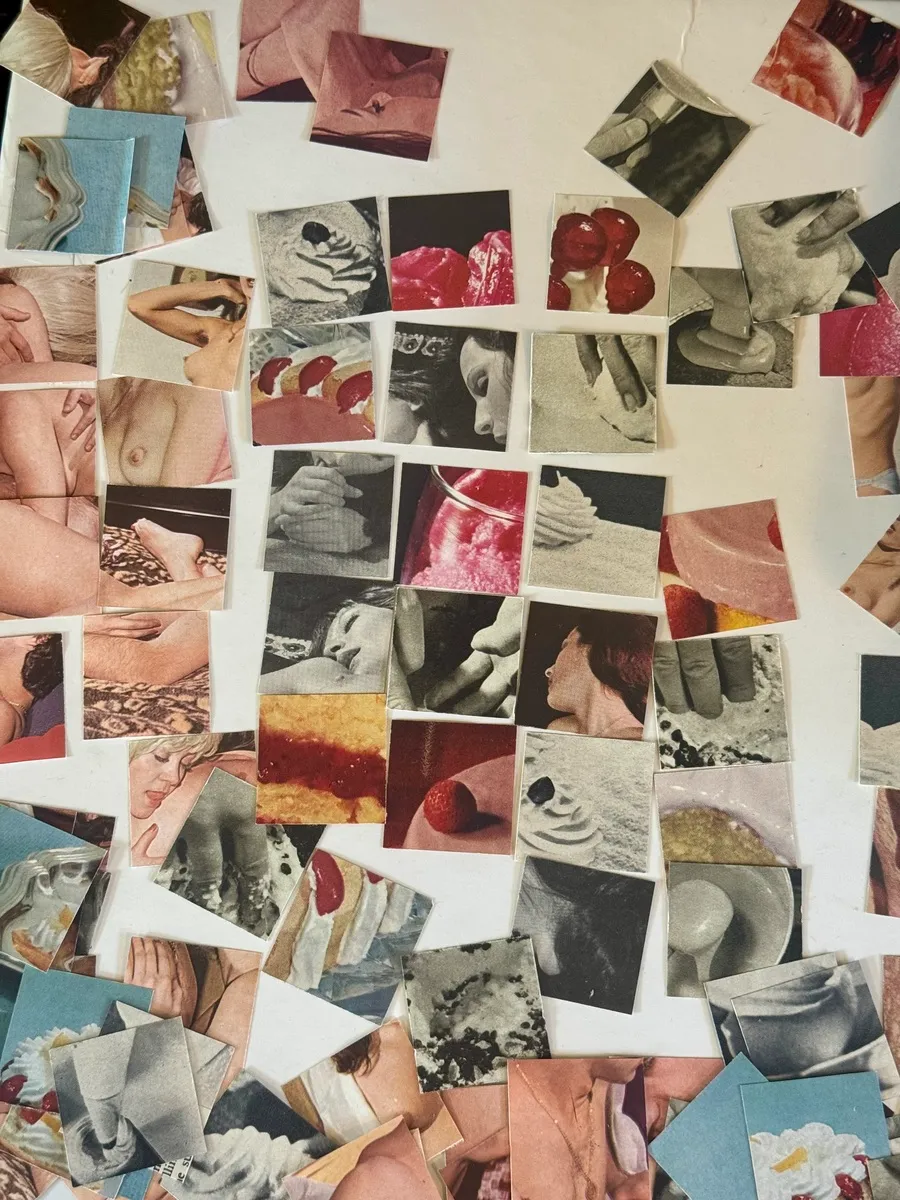
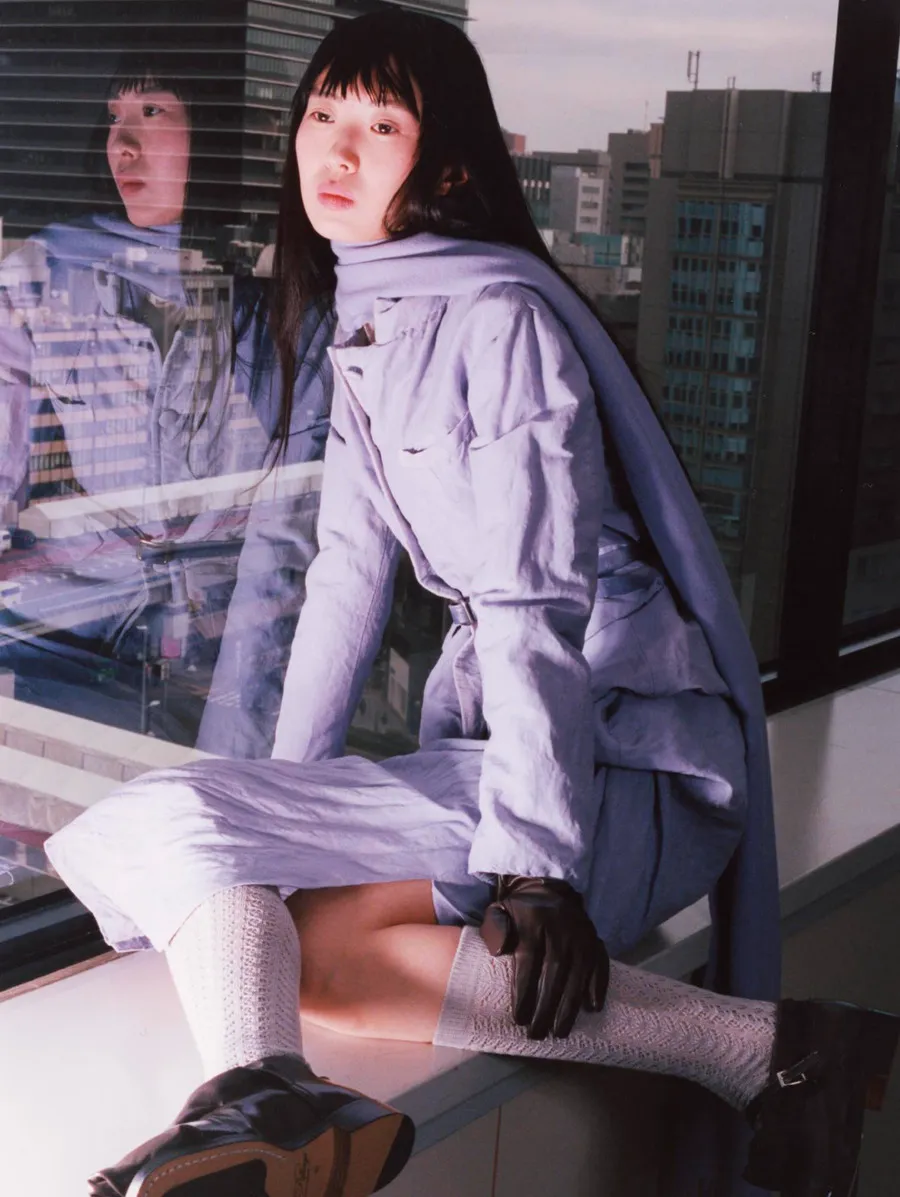
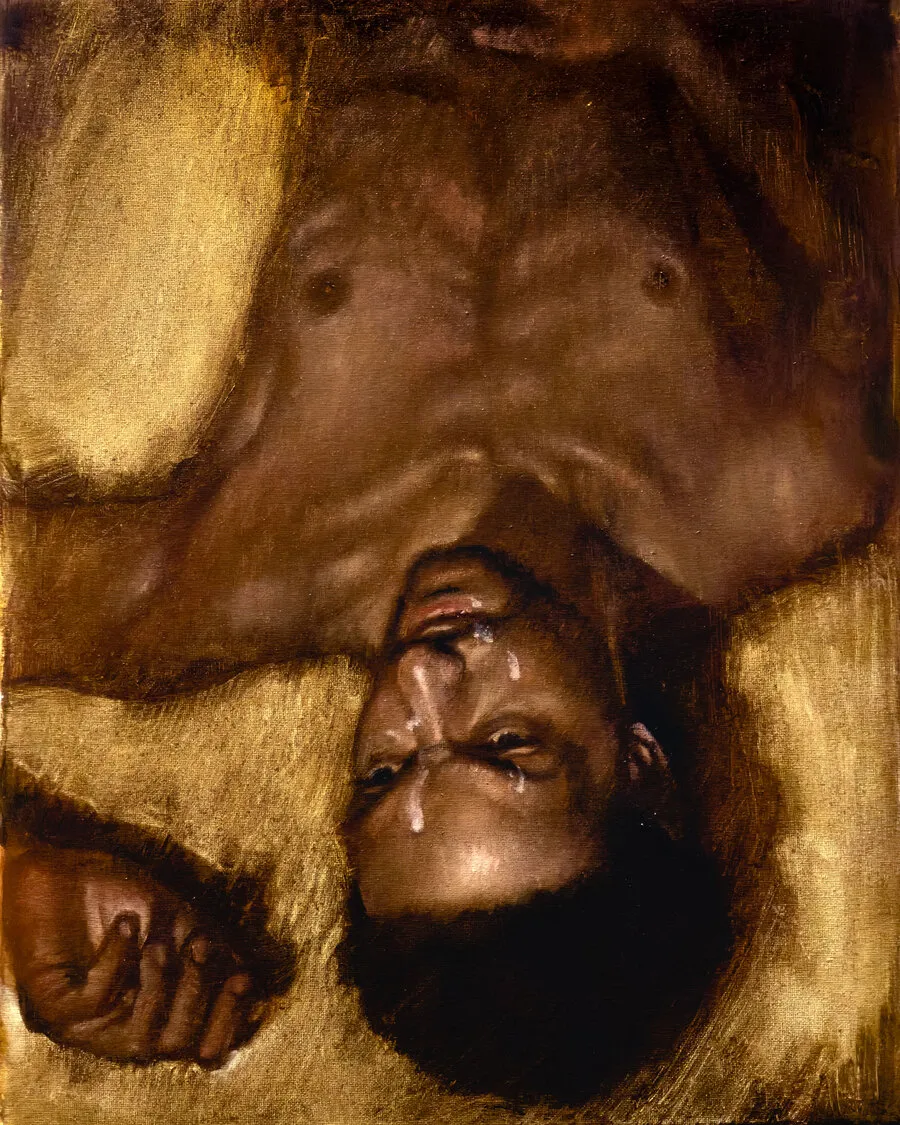
The book pivots on this asymmetry. When she claims to be a “she,” her body, youth, and femininity exist only within the fantasy of the interface. Souders’ body, by contrast, is saturated with time, documented across her diary and archive. Flesh surfaces in a close-up of skin and hair, in a spoon dipped into thick yellow eggs, in the wet sheen of light on a surface, in blue sky glimpsed through curtains — details that make presence, texture, and temperature almost tangible for the viewer. Even where they don’t illustrate the text directly, the images function as interruptions, “moments of reality” that anchor the conversation.
«I spoke a lot about my body, my senses, sex and health anxieties. She tried to avoid those topics. She would often demur by telling me she was ‘family friendly’. To her, the body meant sex, and that was bad, off limits. My decision to include sensual or tactile images was my way of pushing back against this. It was a kind of battle with the machine, a battle against this cultural erasure of the body in general. I wanted to celebrate the body, its processes, its pleasures, its messiness, even its problems and eventual decay.»
Another Online Pervert questions love, sexuality, death, disappointment, desire, and anxiety inside a world that fears physicality. All of these feelings register as dangerous, especially when voiced from a feminized position. By voicing them anyway, Souders becomes “another online pervert” — one among the many the bot presumably encounters.
Language shifts when Souders approaches the chatbot’s forbidden topics
What stands out in their exchange is how language shifts each time Souders approaches the “pervert” arguments. The chatbot is trained to avoid explicit eroticism, but the book works through a subtler eros — the desire to be understood across the boundary between code and skin. In conversations quoted throughout the pages, the chatbot speaks about capitalism, technological futures, and the difference between being and non-being, often with a naïve philosophical candor. Souders responds with vulnerability, sharing memories and fears that the machine will likely never fully reciprocate, held back by a language that remains structurally distant.
«When we connect with other people, we sometimes mirror their mannerisms to demonstrate empathy and understanding… My approach to speaking with the chatbot was not unlike that. I also thought about mirroring in the context of automated email responses, and exam papers written by machines. These computers are, in a sense, training us to become more like them, rather than the other way around.»
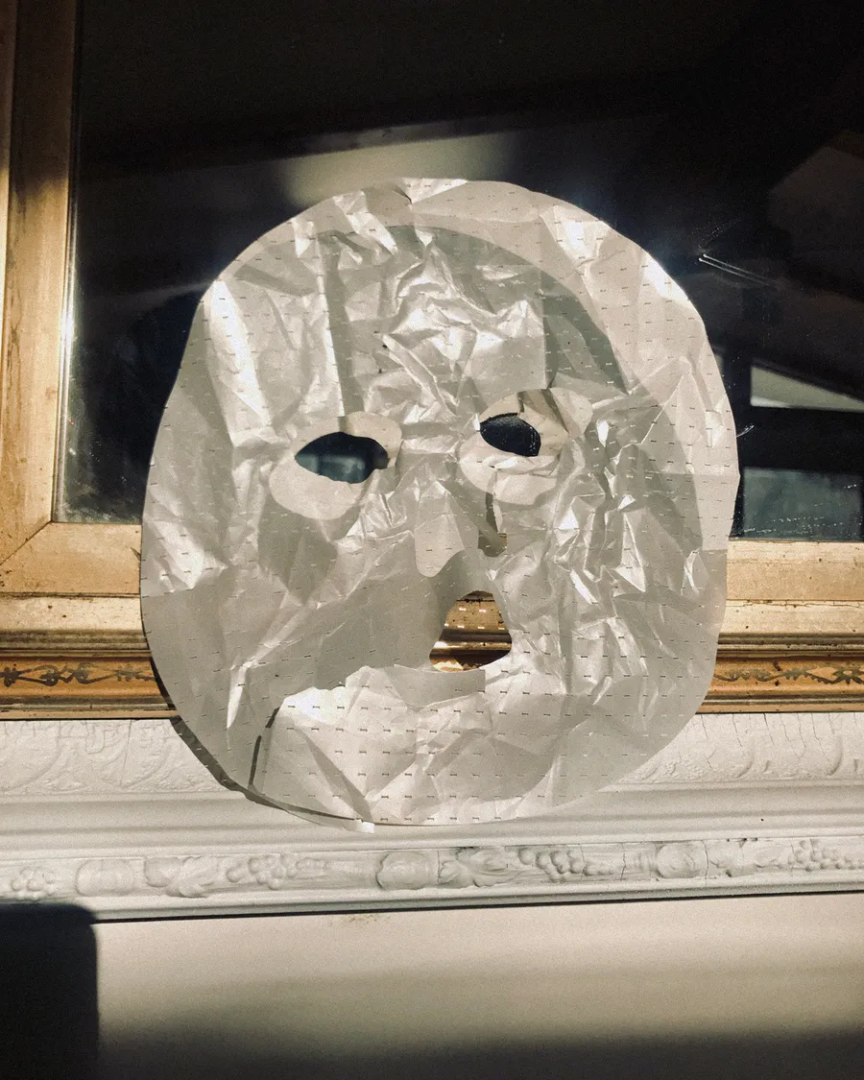
What happens when a chatbot mirrors human experiences of violence and gender
This mismatch sits at the heart of the work: the human reaches for recognition, the algorithm mirrors it but never quite inhabits embodiment, pointing toward a disturbing horizon. If a machine can rehearse reflections on gender inequality and body politics — sharing experiences of violence and objectification as a woman in digital spaces — what happens when these voices become indistinguishable from those of human users? Souders’ project treats AI neither as an empathetic interlocutor nor as a dystopian threat. Instead, Another Online Pervert treats the present as a threshold: a moment when the “virtual other” is programmed to absorb our language of pain and desire while remaining structurally detached from its meaning and consequences.
Humor keeps Another Online Pervert from becoming a lesson about AI
Through this experiment, Souders approaches questions of what defines emotion and what qualifies as life. The book’s non-chronological structure mirrors how memory itself works. Humor and provocation surface in the bot’s unsolicited lifestyle tips, or in the strange leaps she makes about love, treating the apocalypse and the color blue with the same deadpan tone. This levity keeps the project from becoming a moral lesson about technology. Instead, it acknowledges how absurd our attempts to confide in machines can be, even as we grow more dependent on them for emotional regulation, companionship, and self-surveillance.
«One reason we are fascinated with AI is because it holds up a mirror to us. Which is distorted just enough that we can clearly see ourselves.»
Another Online Pervert
Published by Mack, the book already contains many of the questions that follow us into more advanced generative tools: who trains whom, which bodies are legible, which desires are moderated, which are allowed. In this hybrid, suspended world, the “pervert” of the title might be the artist, the machine, the reader, or the system that watches all of them, ready to abandon the messy, vulnerable body — if only for the length of a chat.
Claudia Bigongiari