Clay Walls, Indigo Vats, and the Work Behind a Machiya – the MAANA philosophy
Kyoto’s calm architecture and craft production, indigo dyeing with Slow Fabric at MAANA Atelier, a new living method.
Indigo can leave the dye vat with a green cast. As the cloth meets oxygen, blue develops across the fibers. Clay follows another timetable. A wall takes shape through layers of earth, straw, and water, with drying periods separating each application.
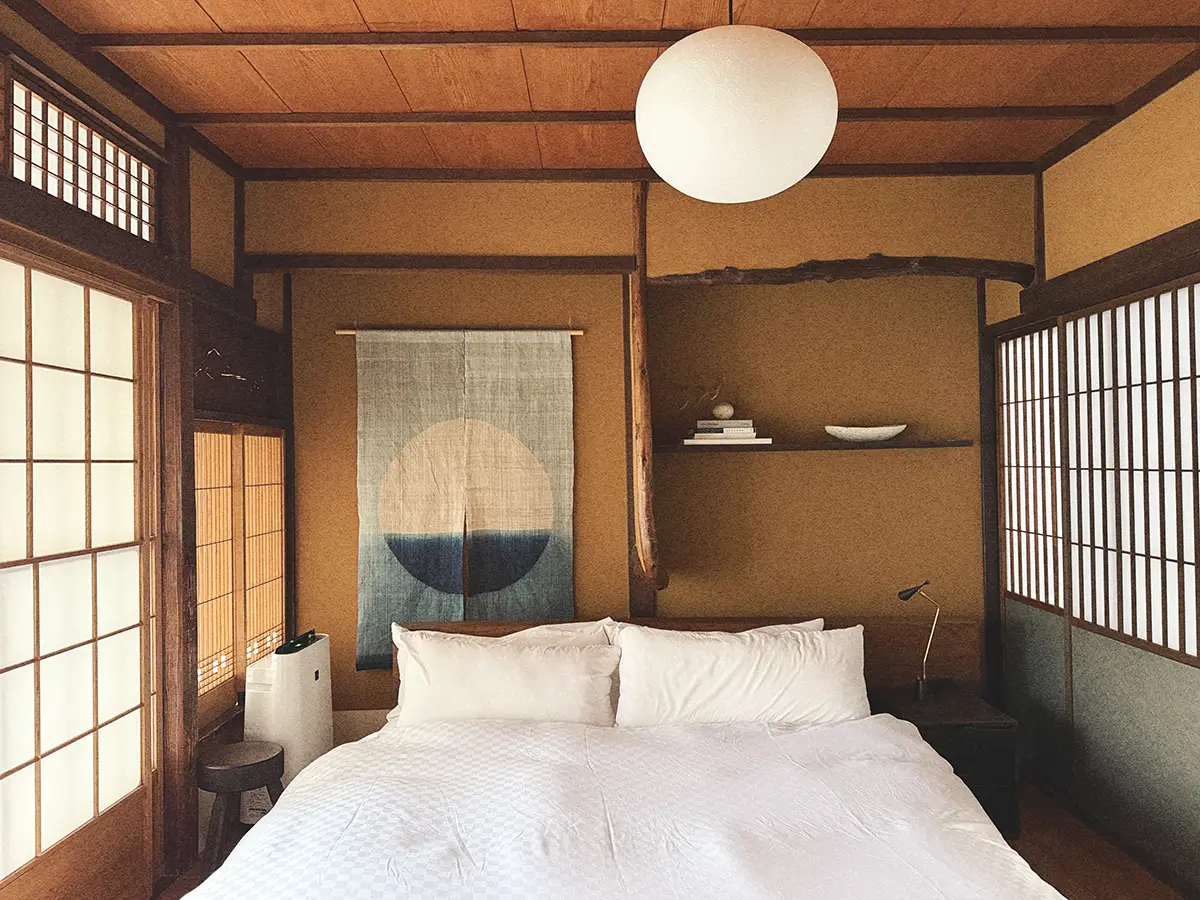
Both processes belong to Kyoto’s history of material production. They also appear within the network of MAANA, a hospitality project founded by Hana Tsukamoto and Irene Chang. MAANA Kyoto occupies a restored machiya in Shimogyo Ward. Its timber structure, clay walls, lacquered surfaces, and ceramics retain techniques associated with Japanese domestic architecture.
Kyoto and Tokyo: two capitals, two histories of Japanese production
Kyoto became Japan’s capital in 794, when Emperor Kanmu established Heian-kyo. Its urban plan followed the model of Chang’an, the capital of China’s Tang dynasty. Streets formed a grid across a basin enclosed by mountains.
The imperial court generated demand for textiles, ceramics, lacquerware, woodwork, and objects used in religious ceremonies. Workshops developed around the needs of temples, aristocratic households, and merchants. The city became a center of manufacturing long before industrial production entered Japan.
Nishijin developed around textile weaving. Other districts supported pottery, paper production, carpentry, and the application of clay plaster. Craftspeople worked within networks of suppliers, apprentices, merchants, and workshops. Tokyo’s history followed another course. In 1603, Tokugawa Ieyasu established the shogunate in Edo, later renamed Tokyo. Edo became the center of military government. Kyoto remained the seat of the emperor and imperial court.
The division produced two centers of patronage and consumption. Edo expanded through military administration, commercial infrastructure, and an urban population. Kyoto retained institutions connected to court culture and networks of craft production. Following the Meiji Restoration of 1868, the emperor moved to Tokyo. Government institutions followed, transferring political authority from Kyoto to the former Edo.
Kyoto responded through manufacturing and infrastructure. The Lake Biwa Canal, completed in 1890, brought water and supported transport and electricity generation. Kyoto later became home to companies including Nintendo, Kyocera, and Omron. Textile workshops continued to operate alongside industrial production. Tokyo was never without artisans, and Kyoto was never confined to tradition. Yet their histories left different concentrations of institutions, workshops, and forms of urban development.
In Kyoto, a textile district can still contain weaving facilities, houses, workshops, and retail spaces within the same neighborhood. The buildings do not necessarily announce their former functions from the street.
MAANA Kyoto: restoring a machiya rather than replacing its construction
MAANA Kyoto stands at 33-6 Chudoji Kitamachi, Shimogyo Ward, in a residential part of the city. The property occupies a machiya, a type of townhouse used by merchants and craftspeople. Many were constructed on plots with narrow street frontages and considerable depth.
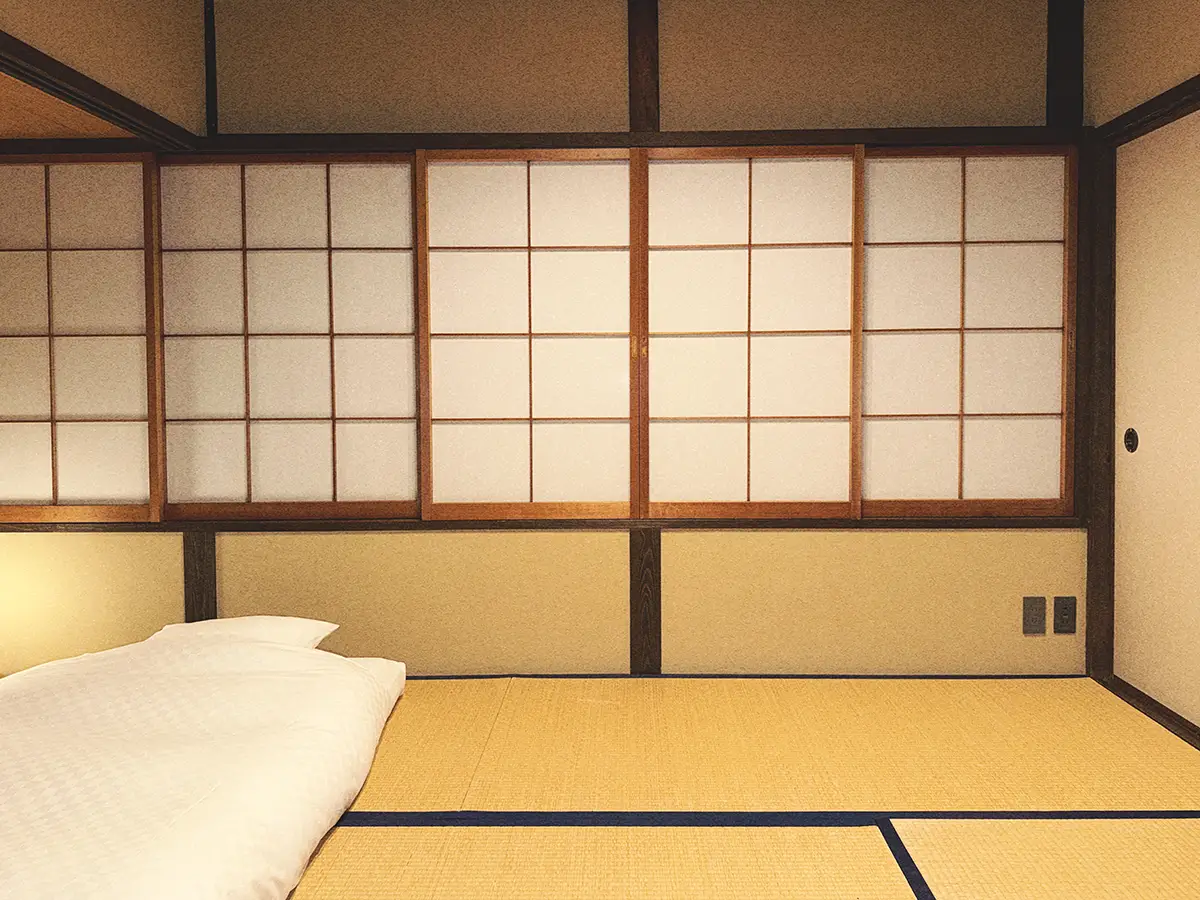
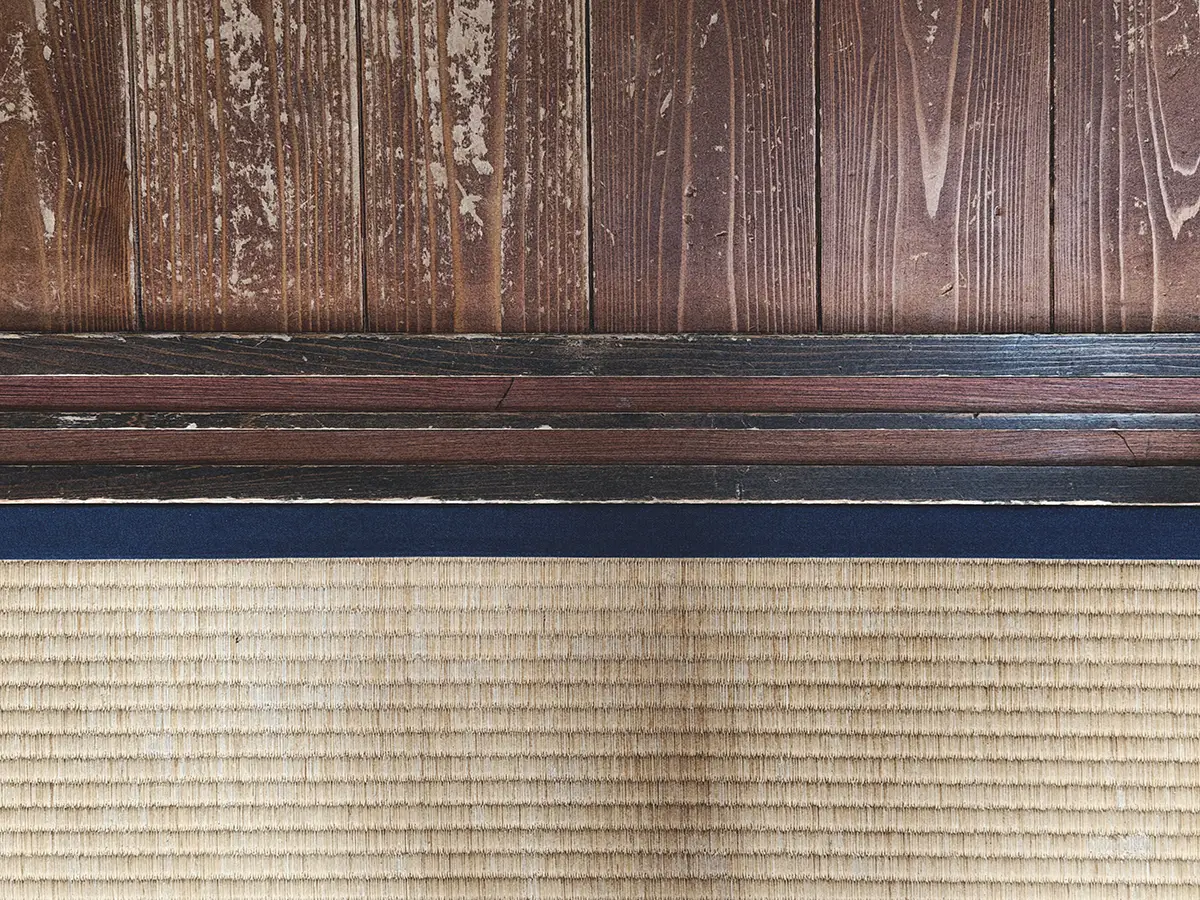
Behind the street entrance, rooms extended toward courtyards and gardens. Commerce, production, and household life could occupy different parts of one building. The structure relied on timber frames, bamboo lattices, clay plaster, and elements made by workshops working in wood, metal, and paper.
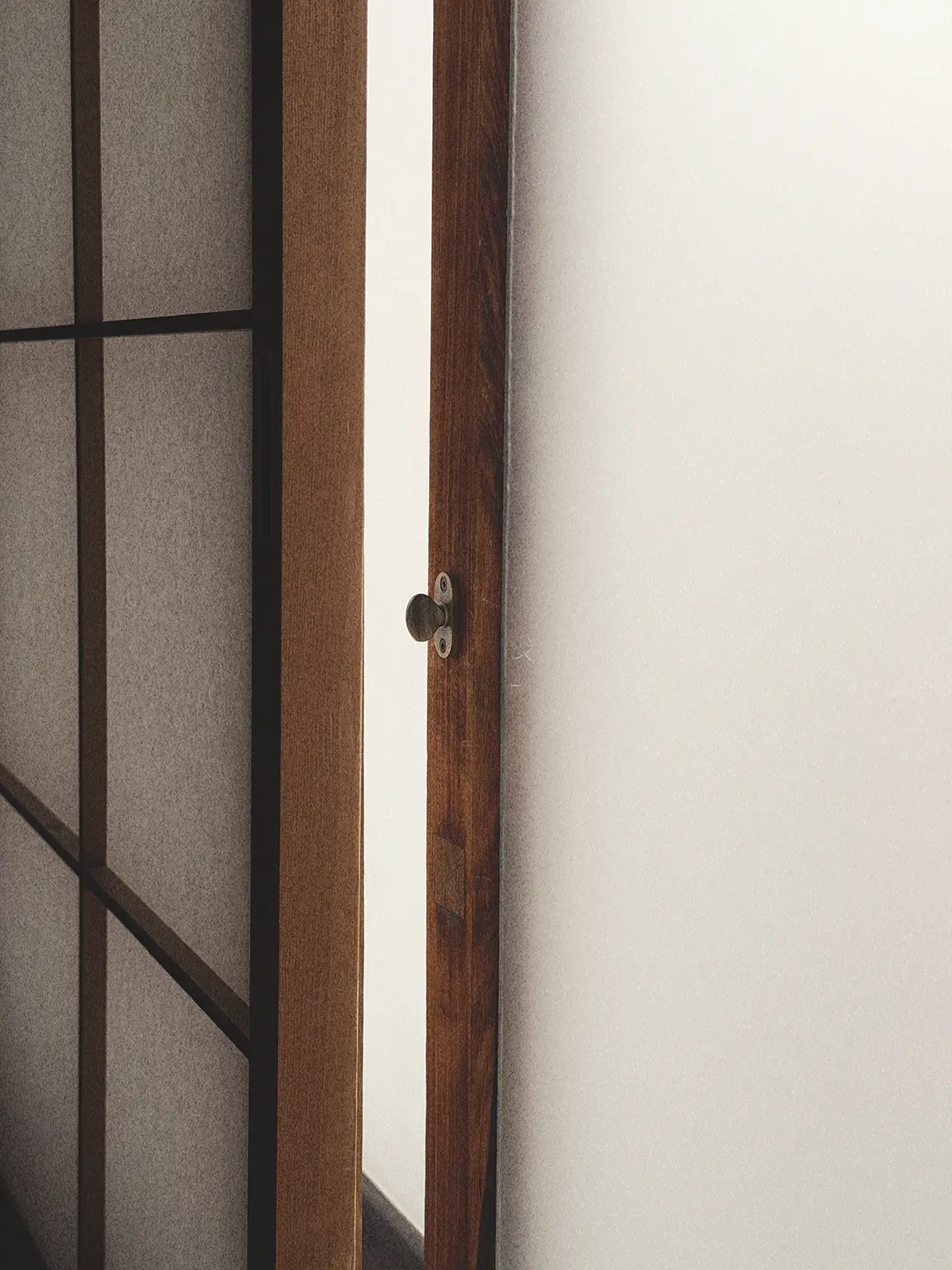
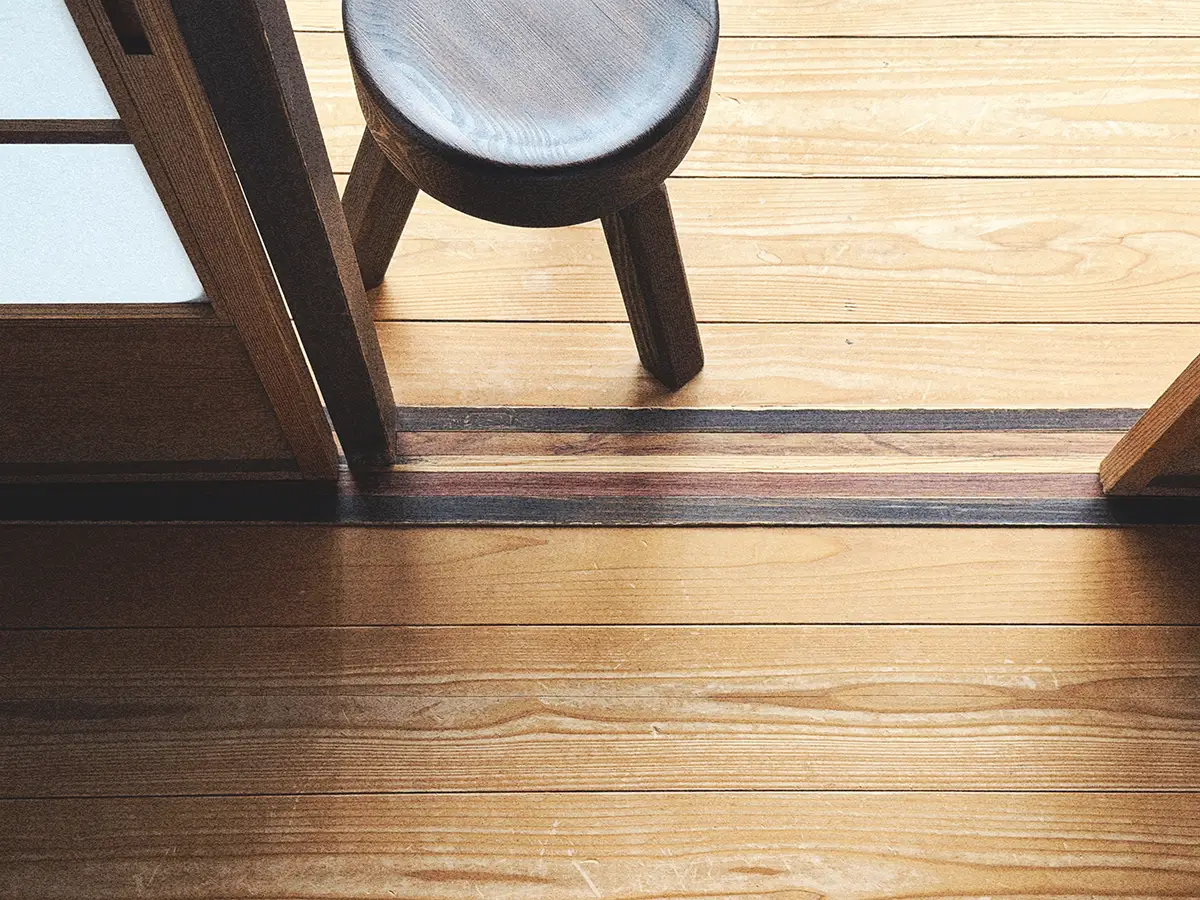
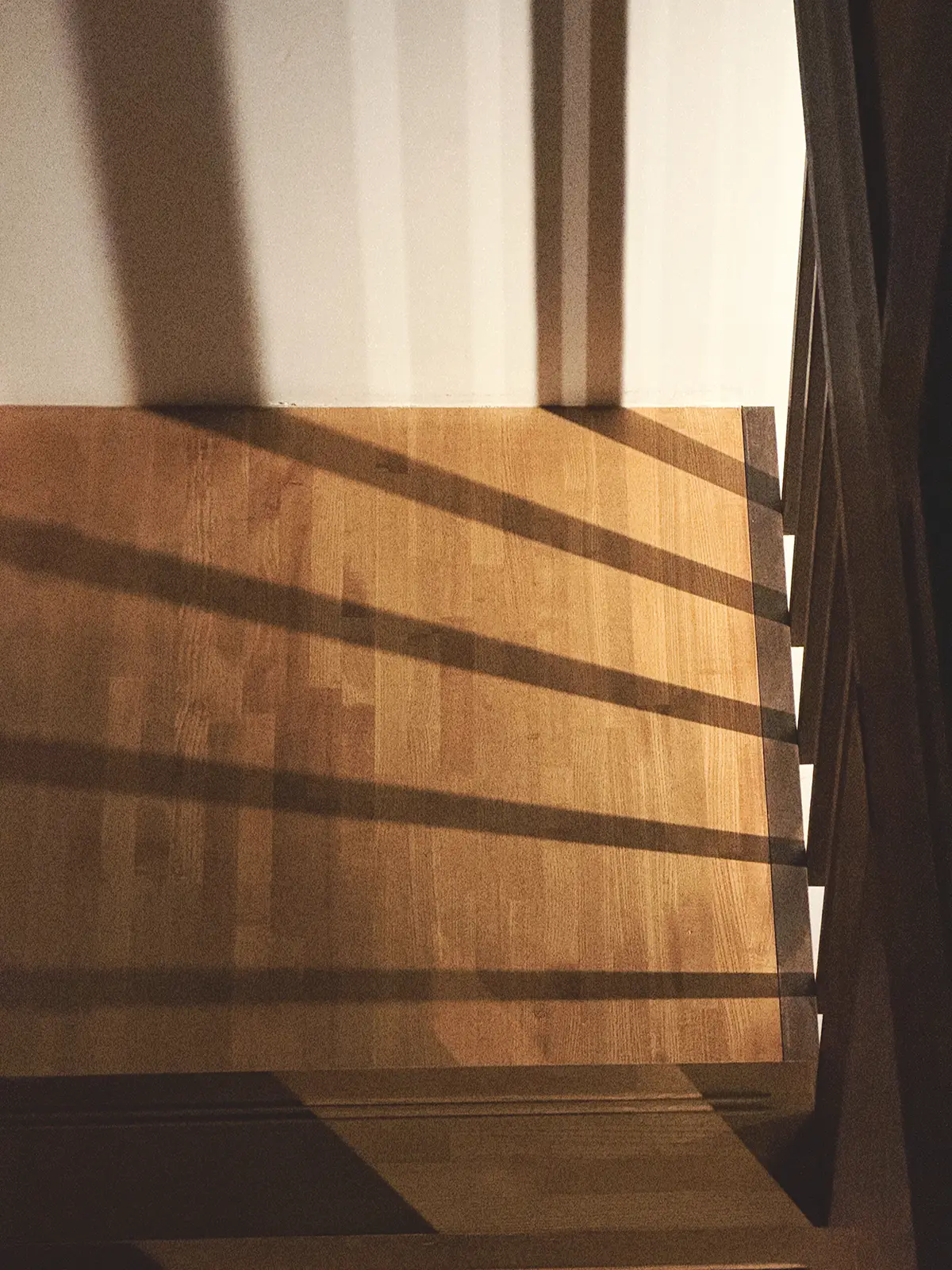
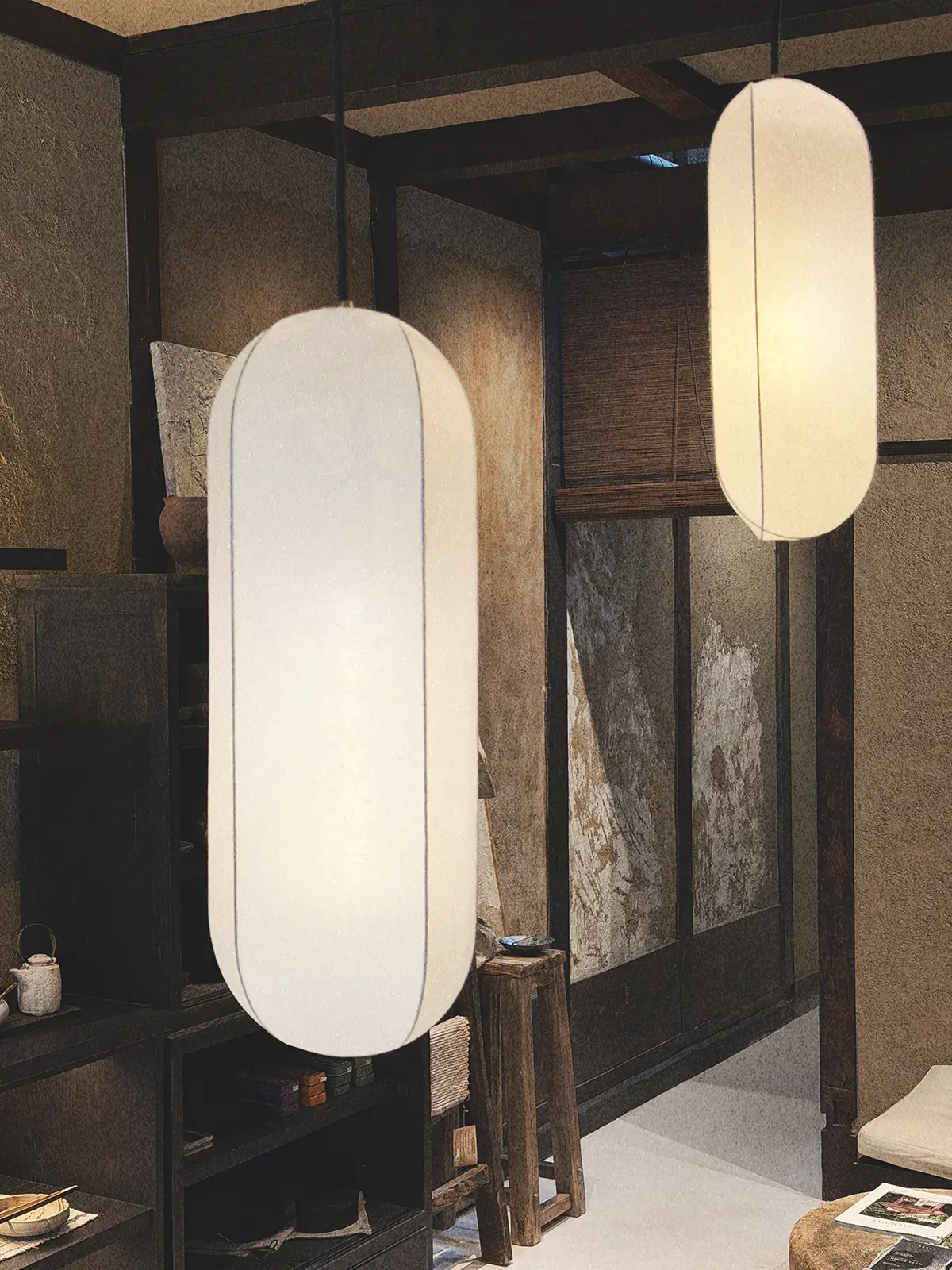
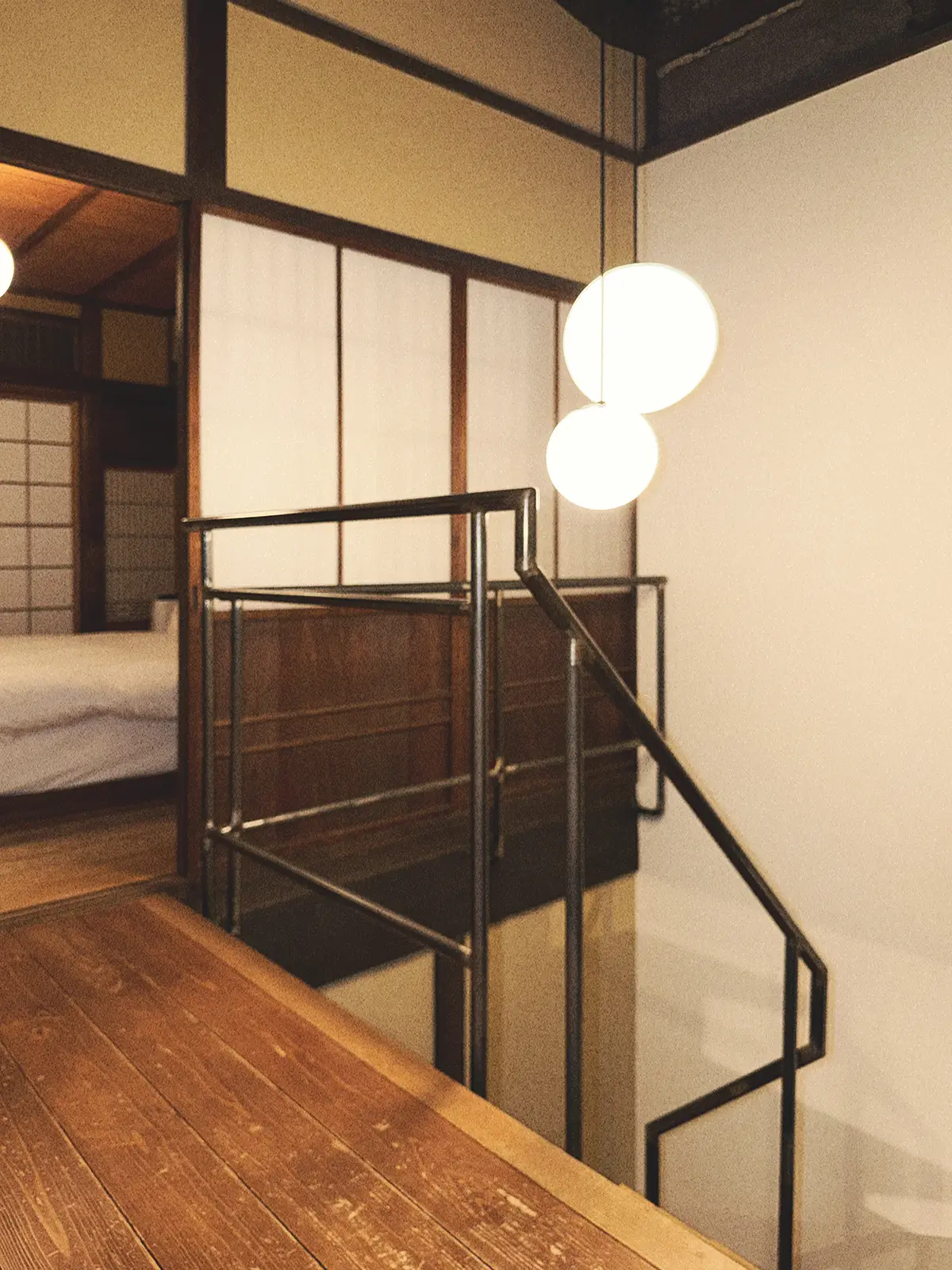
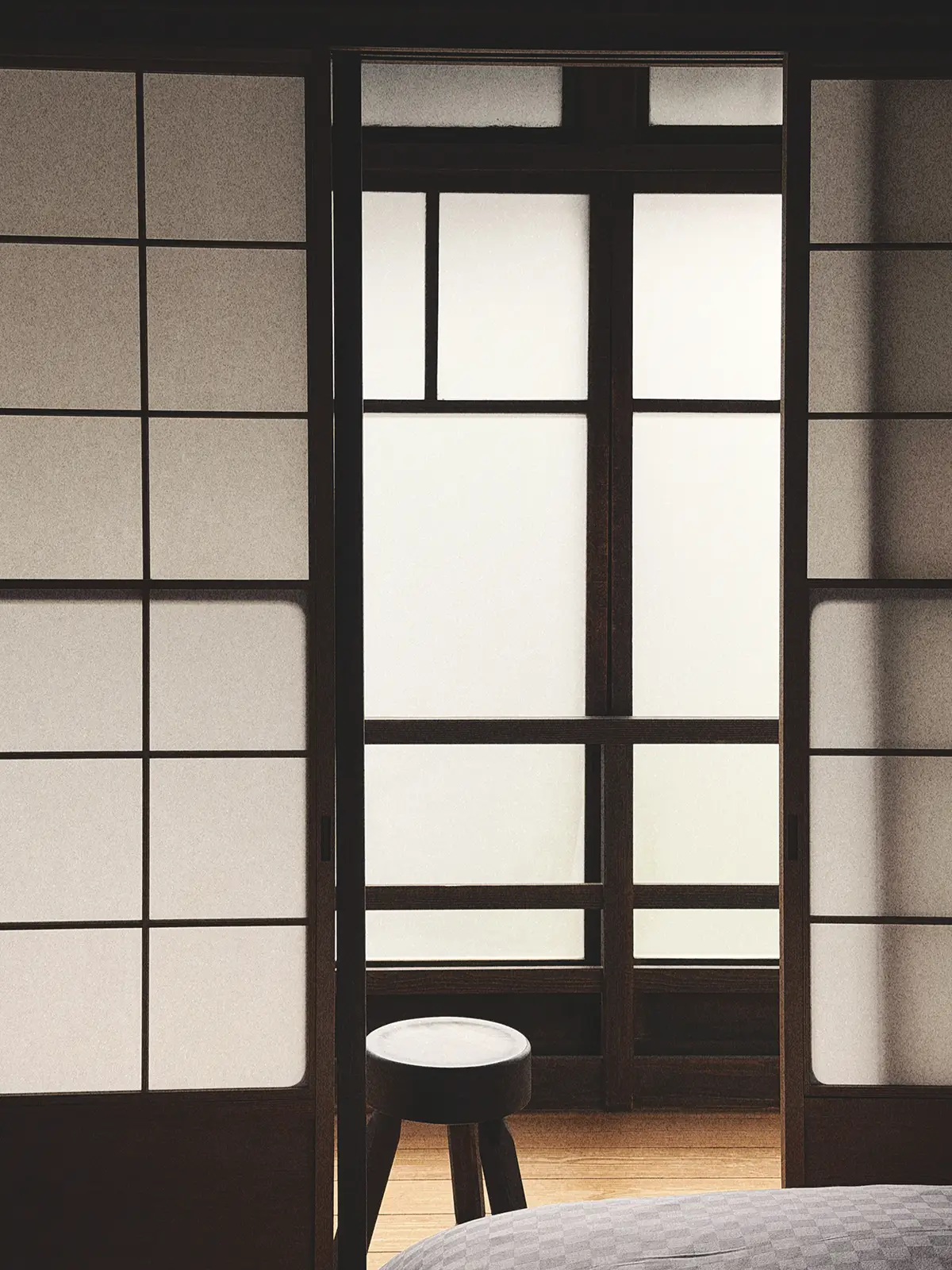
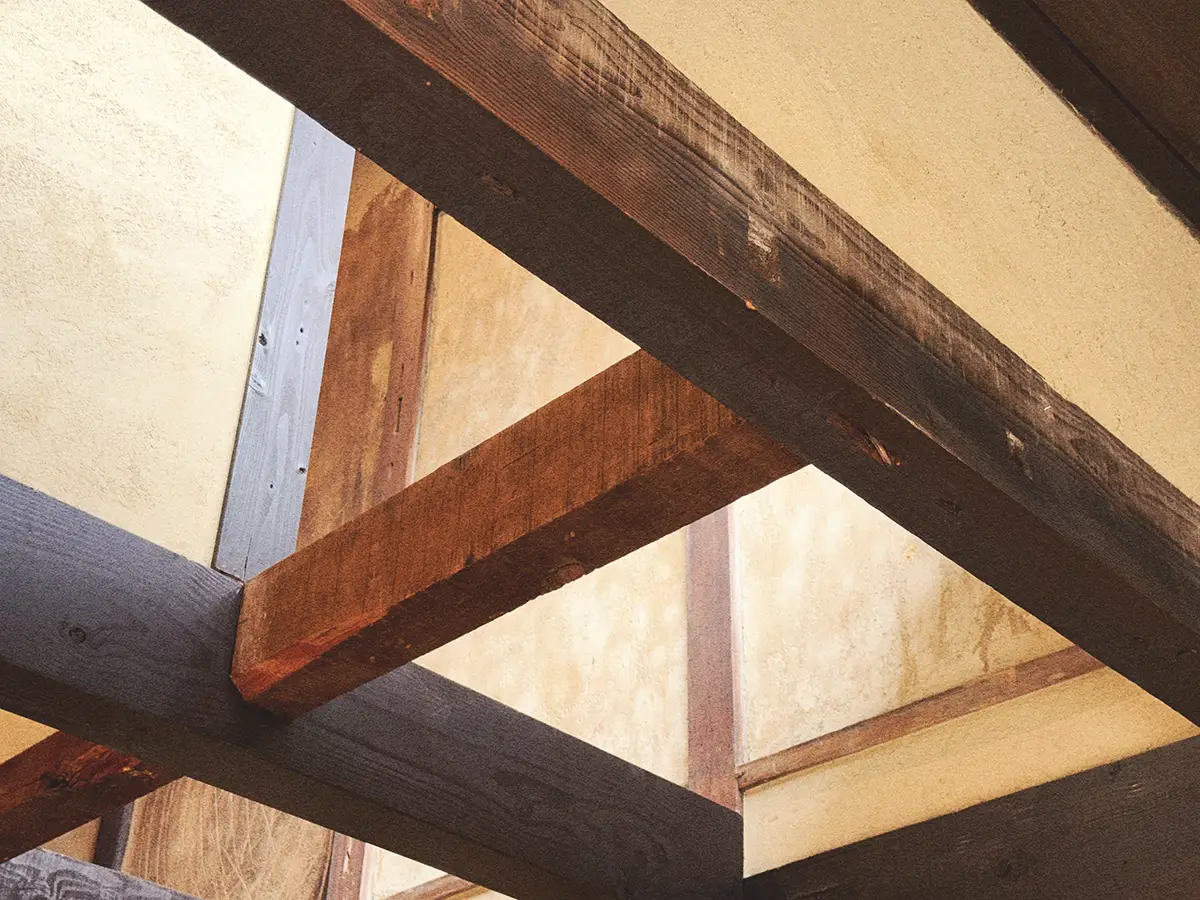
MAANA Kyoto – the first restored home under the MAANA property – has involved architect Shigenori Uoya, whose practice includes the conservation and adaptation of Kyoto’s machiya. Timber beams and sections of the clay wall construction were retained. A skylight and an open staircase introduce daylight into the interior.
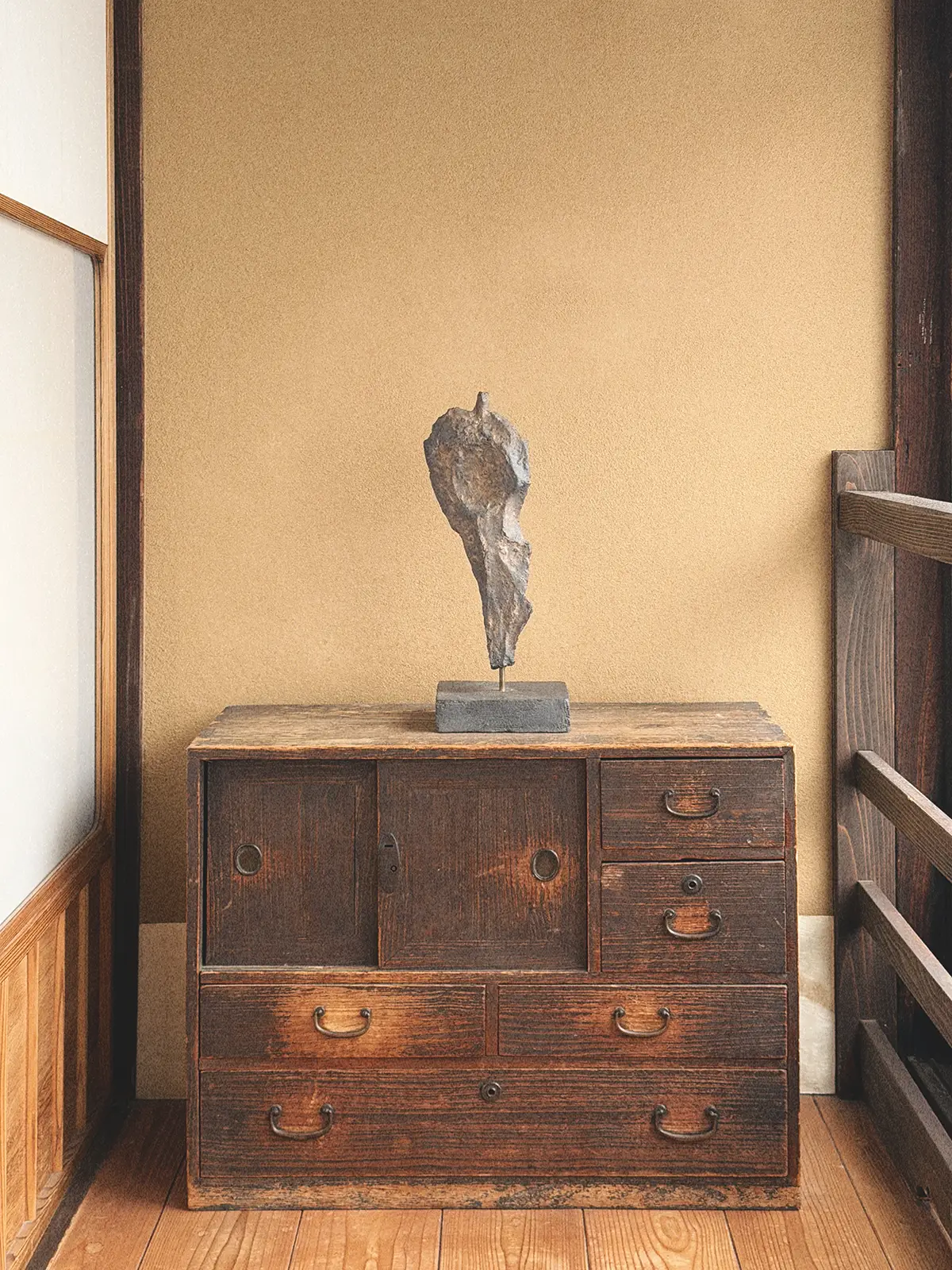
The timber frame remains visible. Across the wall surfaces, variations in grain and texture interrupt the uniformity of plaster. Those surfaces require more explanation than the term earth wall suggests.
Tsuchikabe: how clay, bamboo, and straw become a japanese wall
A Japanese earthen wall begins with a structure that looks nothing like a wall. In tsuchikabe construction, the carpenter first establishes the timber framework. Bamboo is split into strips, then arranged horizontally and vertically between the wooden posts.
The strips form a lattice known as komai. Traditionally, ropes made from straw bind the bamboo together. Gaps remain between the strips. The openings allow the plaster mixture to pass through the lattice and grip the framework. The wall can then receive its first coat of earth.
Arakabe: clay, rice straw, water, and fermentation
The first coat is arakabe. Clay-rich earth is mixed with water and chopped rice straw. Depending on the composition, sand may also be included. The straw reinforces the plaster and helps distribute stress as the earth contracts during drying. In some methods, the mixture is allowed to mature before application. Microbial activity begins breaking down the plant fibers, changing their interaction with the clay.
The plasterer presses the mixture through the bamboo lattice using a trowel. Material passes between the strips and begins surrounding the framework. The first coat establishes the thickness and mass of the wall. The work proceeds across both sides of the lattice. The mud must hold its position against gravity while retaining enough moisture to bond with the bamboo and timber.
Drying the wall: cracks, shrinkage, and intermediate coats
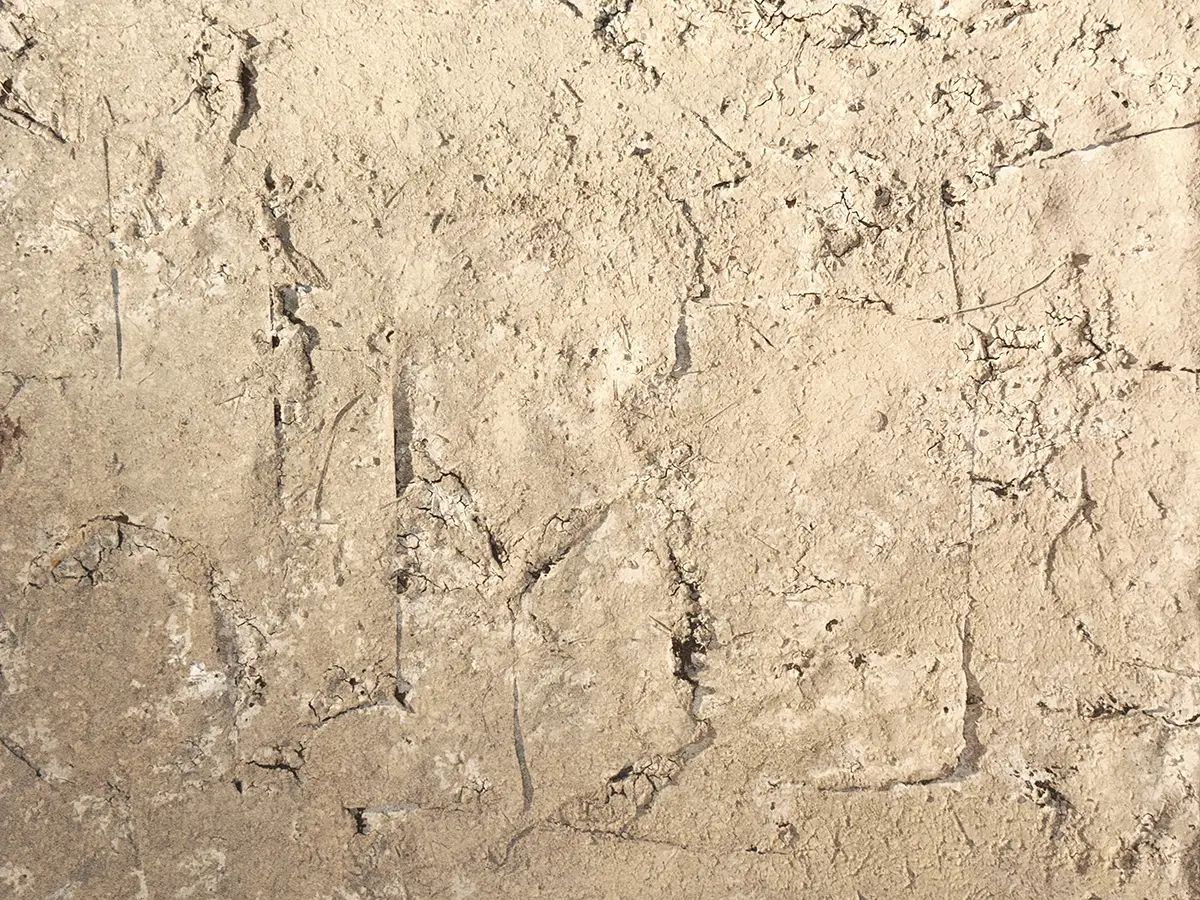
The plaster must lose water before another coat can be applied. As moisture evaporates, the clay contracts. Cracks open across the surface, often following differences in thickness, fiber distribution, and moisture content. A wall at this stage may resemble a field of dried river mud. The bamboo framework remains beneath the crust. The plasterer subsequently fills gaps and corrects irregularities during a stage known as muranaoshi.
An intermediate coat, nakanuri, follows. Its mixture generally contains more sand and fibers cut to a different length from those used in arakabe. The coat levels the wall and prepares it for finishing. Drying times vary according to humidity, temperature, wall thickness, and the mixture. The first coat may remain exposed for weeks or months. Rushing the process can trap moisture beneath subsequent layers and compromise the finished surface.
Uwanuri: trowel marks and the surface of a clay wall
The finishing coat, uwanuri, determines the wall’s surface texture and color. The plasterer applies a mixture of earth and other materials, sometimes incorporating sand, lime, or mineral pigments. The composition varies according to the finish required. The trowel compresses and levels the plaster, leaving marks that depend on the pressure and direction of application.
Some walls are finished to reduce surface irregularities. Others retain the grain of the earth and traces of the trowel. At MAANA Kyoto, exposed clay walls retain variations in texture and finish. Their surfaces make the material evident without requiring it to be concealed behind paint or cladding.
Earth also responds to moisture. Clay plasters can absorb and release water vapor, helping regulate humidity inside a building. Performance depends on wall thickness, composition, ventilation, and the surrounding construction. The wall is neither a decorative coating nor an isolated craft object. It is a building component assembled through materials, labor, and drying time.
From clay to lacquer: the kitchen and bathroom at MAANA Kyoto
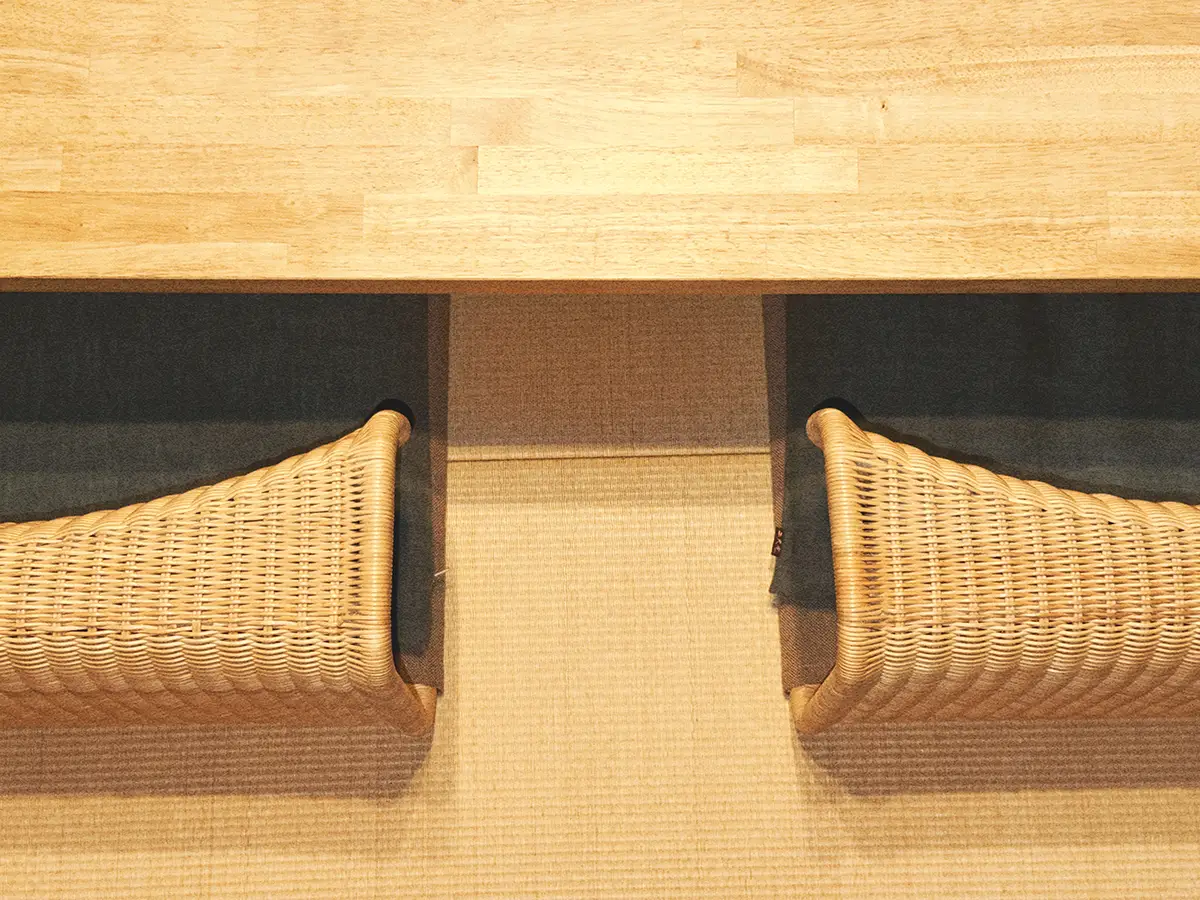
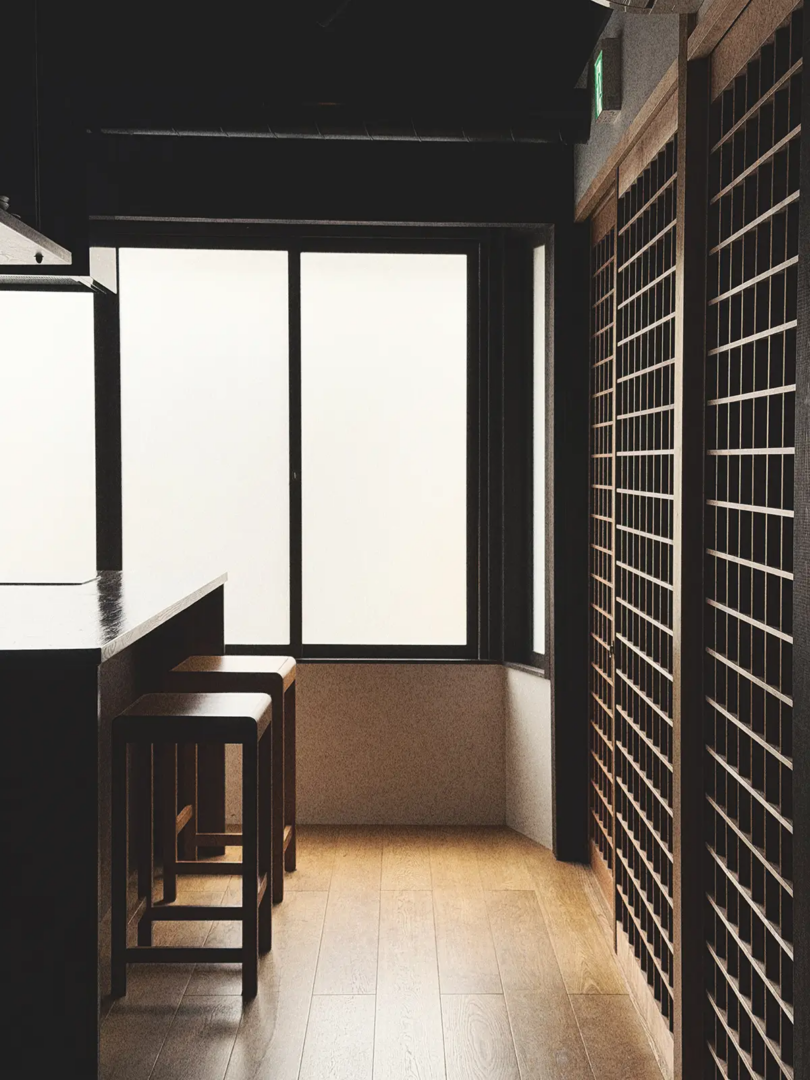
Where water leaves the clay wall during drying, in the kitchen, moisture participates in another process. A wooden screen separates MAANA Kyoto’s entrance from the kitchen. The island counter incorporates fuki-urushi, a Japanese technique for finishing wood with lacquer.
Urushi comes from the sap of Toxicodendron vernicifluum, the lacquer tree. After collection and preparation, the lacquer is spread across the timber. The craftsperson rubs the material into the wood and wipes away the excess before curing. The operation can be repeated to build protection while retaining the grain beneath the finish. Unlike coatings that harden primarily through solvent evaporation, urushi cures through chemical reactions involving oxygen, enzymes, and moisture. The finished surface provides resistance to water and handling.
Shigaraki ceramics: from water to fire with water. A bathtub made from fired clay
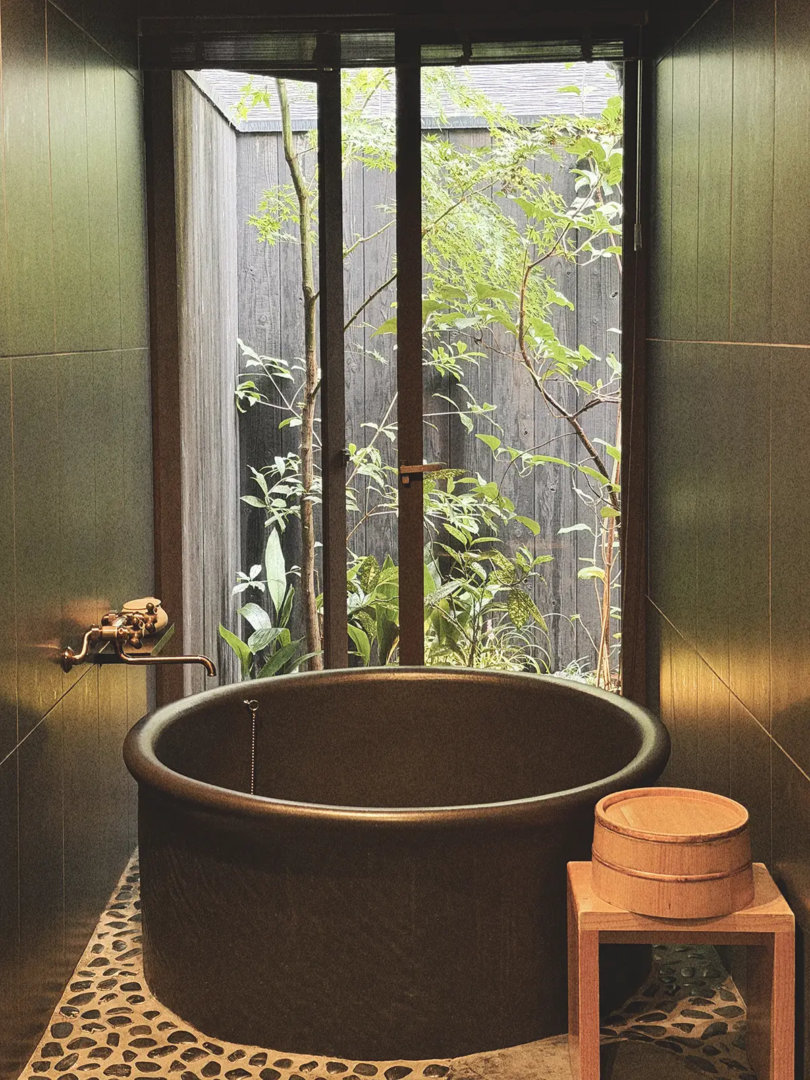
Another use of earth appears in the bathroom. The room occupies the space of the machiya’s former galley kitchen. Its bathtub was produced by ceramic artisans in Shigaraki, Shiga Prefecture. Shigaraki belongs to Japan’s pottery traditions, with production associated with clay bodies and kiln firing. The work begins with preparing the clay, removing or managing impurities, and adjusting its consistency. The material is shaped and dried before firing.
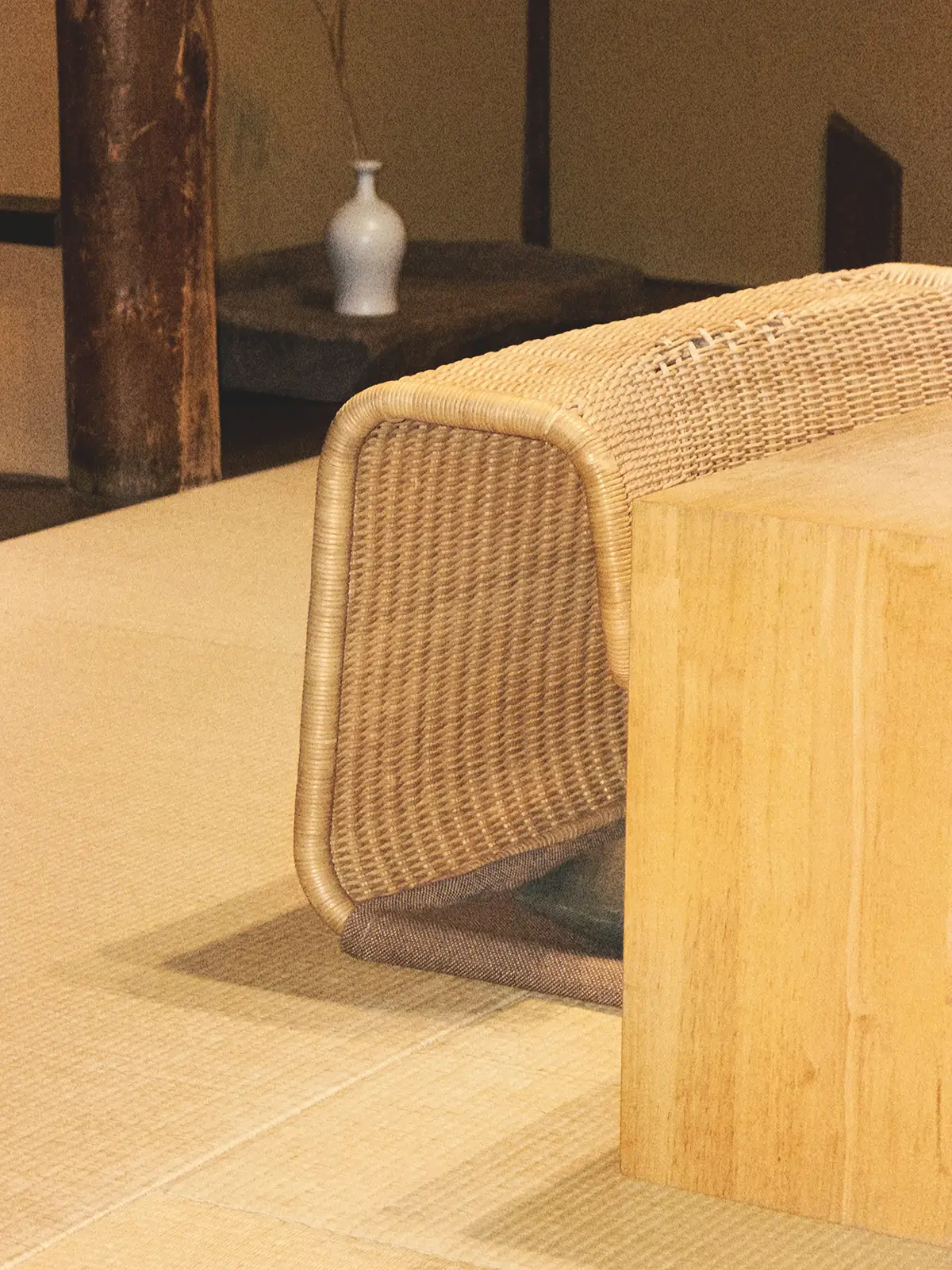
During firing, the clay body undergoes physical and chemical changes. Minerals, temperature, and the kiln atmosphere influence the ceramic’s structure and appearance. Water would soften the clay used in a wall. Firing transforms clay into a ceramic body that can withstand exposure to water. At MAANA Kyoto, the finished bathtub faces a courtyard planted with a maple tree – fully opening the glass doors the raw elements remerge and melt into one vibration.
Kyoto’s Nishijin District: where MAANA Atelier occupies a former weaving workshop
Across Kyoto, the history of textile production remains tied to Nishijin. The district’s name derives from the western military encampment established during the Ōnin War, which began in 1467. The conflict destroyed sections of Kyoto and displaced parts of its population. Textile producers subsequently concentrated in the area. Nishijin developed networks of merchants, dyers, pattern makers, and weavers.
Nishijin-ori encompasses weaving techniques involving silk and other fibers, including fabrics produced using complex arrangements of dyed yarn. The production of a textile can involve several workshops before the cloth reaches a loom. Design, yarn preparation, dyeing, weaving, and finishing require different techniques and equipment.
MAANA Atelier occupies a former weaving workshop within a machiya dating back approximately a century. Its conversion was developed with architect Eri Sato of Sahena Design and craftspeople working in Kyoto. Timber beams remain exposed, and earthen walls form part of the interior. Stone floors, shelving, and tables provide space for workshops.
The program includes earthen-wall construction, tea dyeing, botanical tea blending, and koji fermentation. In the earthen-wall workshop, participants combine earth, fibers, and pigments to produce a panel. The technique connects to the clay construction still visible within the building. Another material took the place of clay: indigo.
Slow Fabric at MAANA Atelier: shibori and the production of indigo textiles
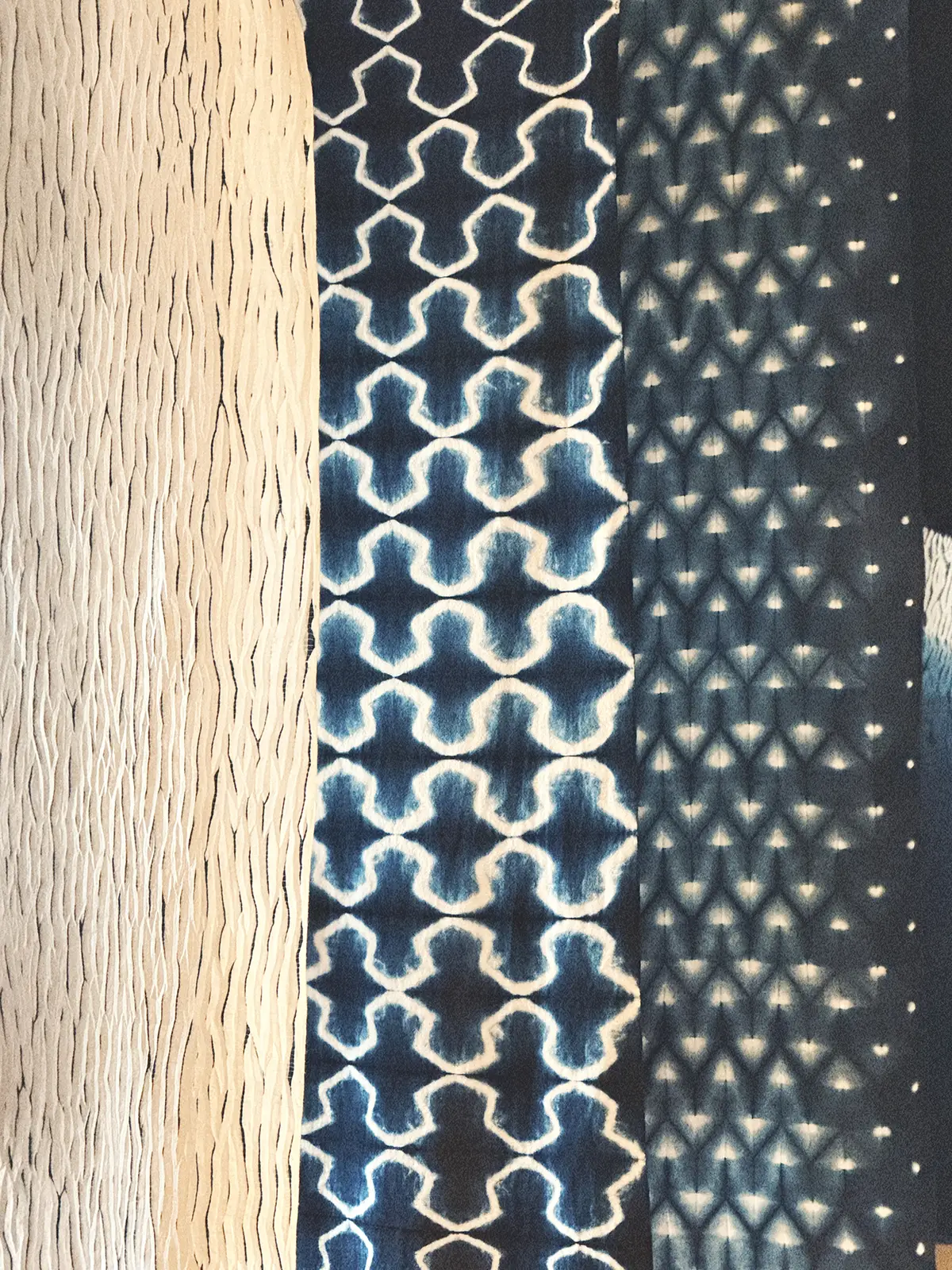
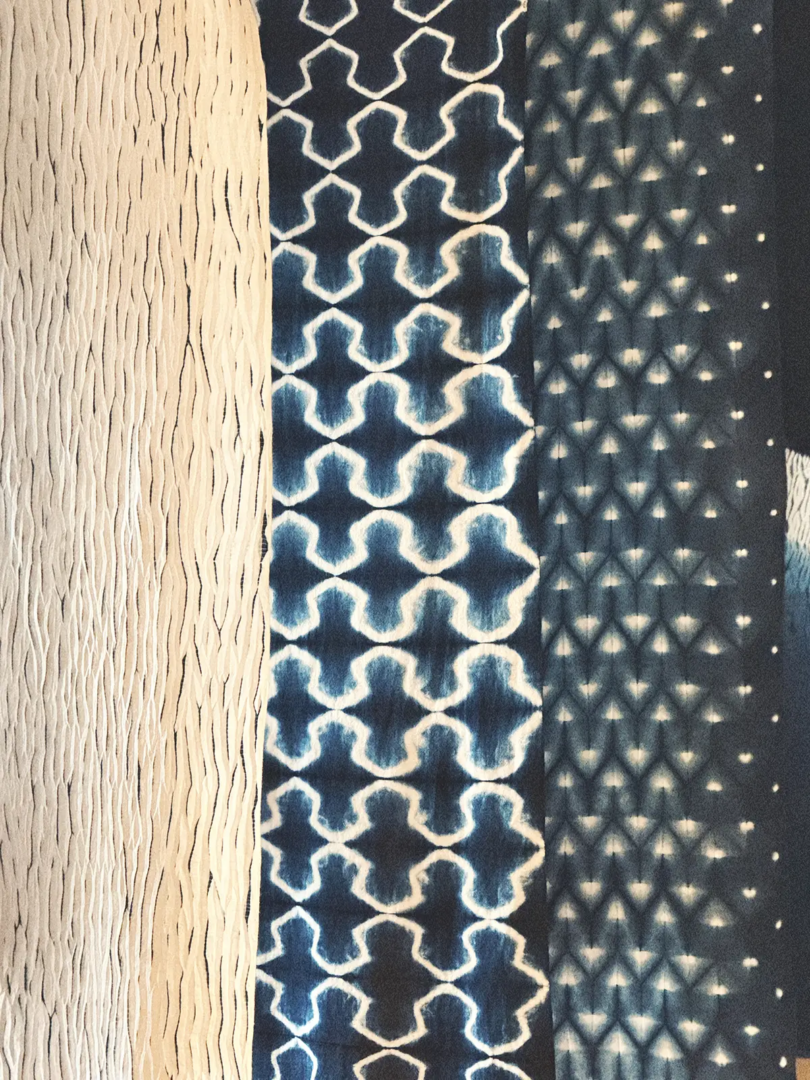
Slow Fabric is a textile dyeing studio based in Shiga Prefecture, led by Yusuke Miura and Takuma Shimada. Its work includes indigo dyeing and shibori, a technique that creates patterns by preventing dye from reaching sections of fabric.
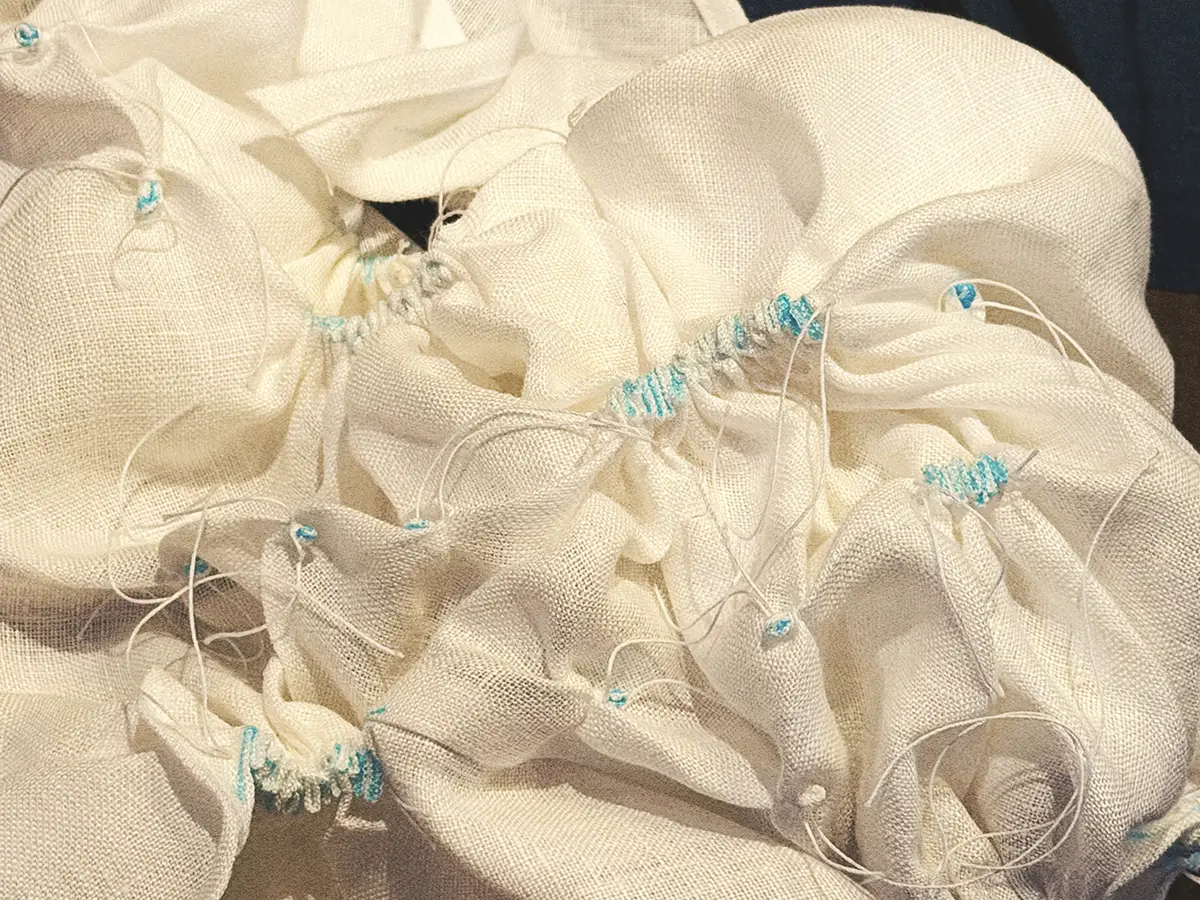
The technique begins with folds, knots, stitching, or compression. The more tightly a section of cloth is bound, the less dye reaches the fibers beneath it. Once the bindings are removed, the fabric reveals the distribution of pressure and dye penetration.
In August 2026, Slow Fabric also presented Ibasho at MAANA Atelier. The exhibition explored the concept of 居場所, a place of belonging, through textiles and traces of production. The accompanying workshop involved the creation of an azuma bag, a bag constructed from a rectangular piece of fabric.
What appears on the surface after dyeing begins with a much longer process. Before the cloth enters the vat, indigo has passed through cultivation, harvesting, leaf preparation, and fermentation.
Japanese Indigo Production: from persicaria tinctoria to sukumo
Traditional Japanese indigo dyeing, or aizome, can use Persicaria tinctoria, a plant cultivated for its indigo pigment. The process begins with seeds, generally planted during spring. As the plants grow, their leaves develop compounds that serve as precursors to indigo pigment. Harvesting takes place during summer, sometimes across several cuts.
After cutting, the leaves are separated from the stems and dried. In the production of sukumo, the dried leaves are gathered into piles and fermented. The process is associated in particular with indigo production in Tokushima Prefecture.
Sukumo and one hundred days of turning indigo leaves
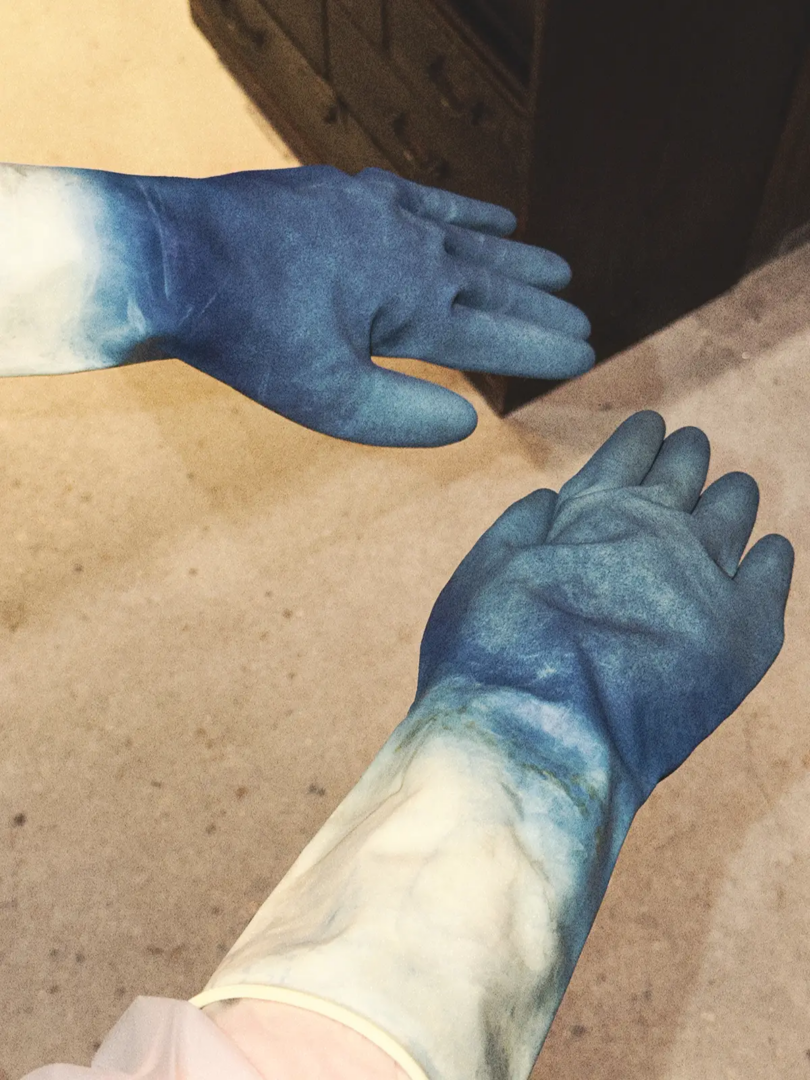
Sukumo production can extend over approximately one hundred days. The dried leaves are placed in a fermentation area, moistened, and piled together. Microbial activity produces heat as the plant material decomposes. The producer monitors moisture and temperature within the mass.
The leaves are turned and rebuilt into piles through a procedure known as kirikaeshi. Turning redistributes material and helps regulate conditions inside the heap. In the Awa indigo tradition, the pile may be turned around twenty times during fermentation.
Straw coverings help retain heat and control moisture loss. By the end of the process, the leaves have become a dark, fermented material containing indigo pigment. Sukumo can be stored and transported to dyeing workshops. It is not yet a dye bath. The pigment remains insoluble in water and requires further processing before it can enter textile fibers.
Building an indigo vat: wood ash, lime, and microorganisms
The preparation of the dye bath is known as ai o tateru, or building the indigo vat. One traditional method, aku hakko-date, uses sukumo and an alkaline solution prepared from wood ash. Slaked lime can help regulate the pH. Wheat bran or sake may supply nutrients to support the microorganisms involved in fermentation.
Ingredients and proportions vary between dyeing processes. During this second fermentation, microbial activity reduces the indigo pigment into a form that dissolves in the alkaline liquid. The dyer monitors temperature, alkalinity, and the condition of the vat. Stirring and adjustments are part of its maintenance. Establishing a fermentation vat can take one or two weeks, depending on conditions.
Foam may develop on the surface, sometimes described as the indigo flower. Two separate transformations have now taken place. The first produced sukumo from harvested leaves. The second prepared the pigment for dyeing cloth.
Shibori: binding cloth before the first immersion and when green turns blue
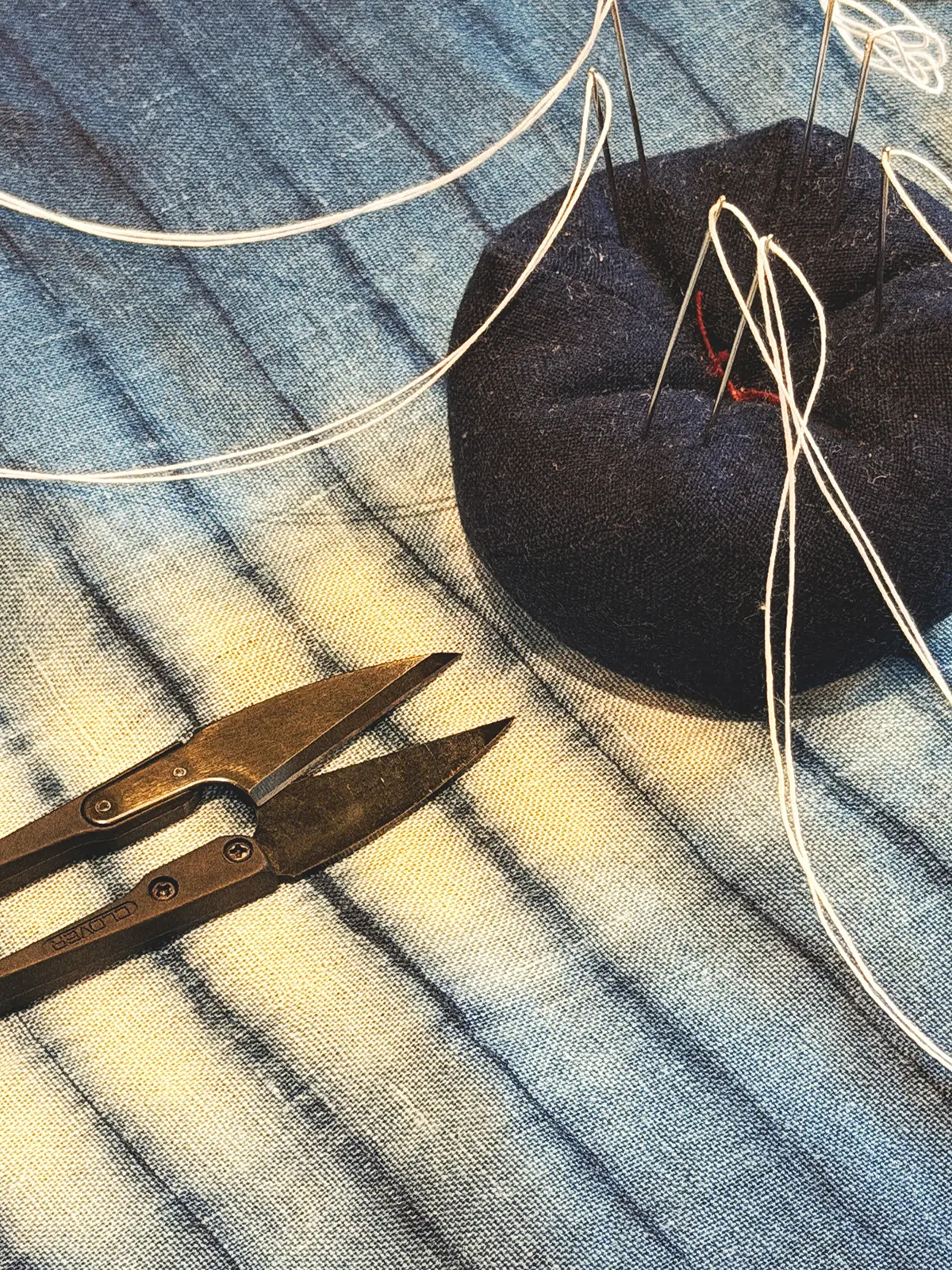
The workshop at MAANA Atelier begins further along this production sequence. Participants work with a prepared vat and manipulate fabric using shibori techniques. Cloth can be folded into sections, stitched along lines, twisted into knots, or compressed using bindings. The geometry of the folds determines which fibers remain exposed to the dye.
A stitched line can produce a band of resistance. A knot can protect a section of fabric. Repeated pleats create differences in color across a larger surface. The result depends on the location of each binding, its pressure, and the time the cloth spends in the dye. The pattern remains concealed until the fabric is unfolded.
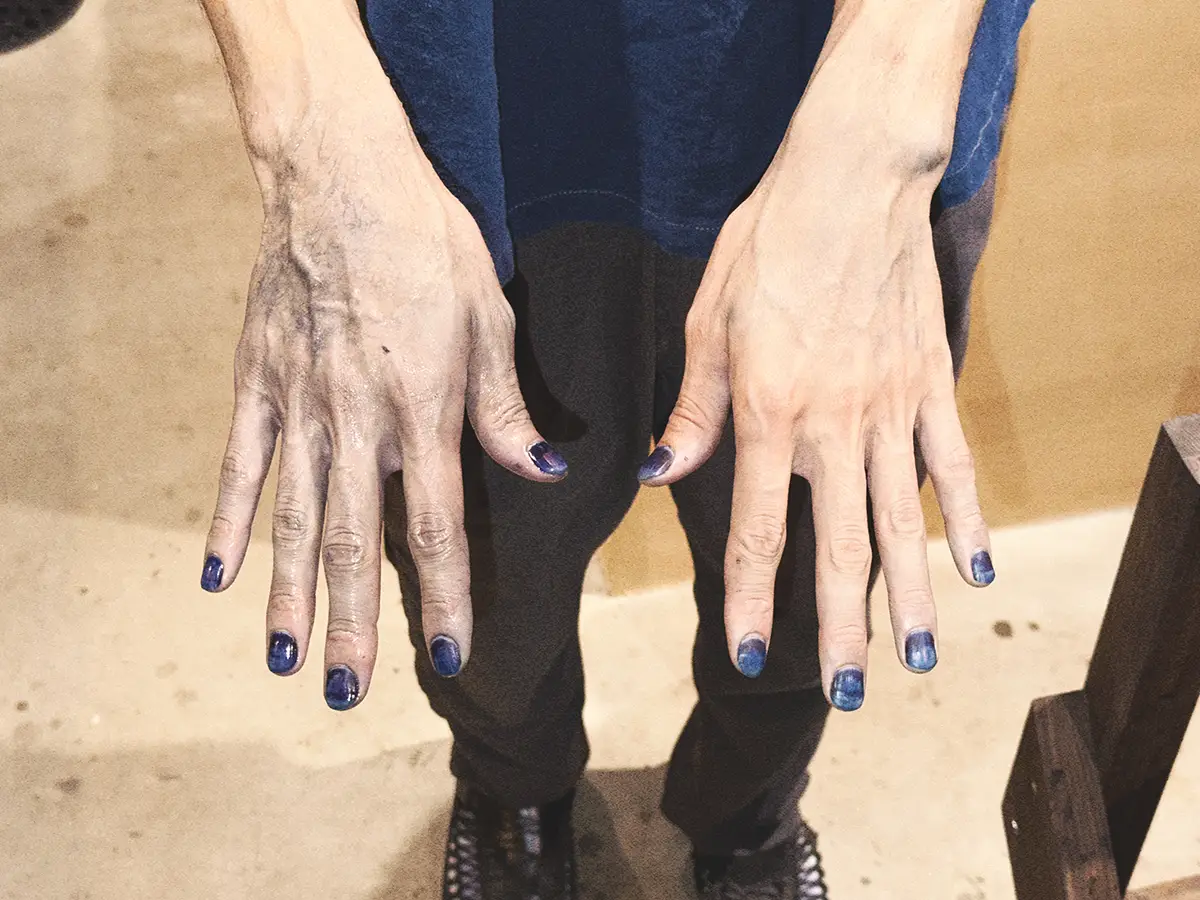
The fabric enters the dye vat while the indigo pigment is in its reduced, water-soluble form. After immersion, the cloth is removed and exposed to oxygen. At first, the surface can appear yellow-green. As oxidation takes place, the pigment returns to an insoluble state, producing blue across the fibers. This transition happens in the air rather than inside the vat.
The dyer can repeat the sequence of immersion and oxidation. Each cycle deposits more pigment, increasing color depth. The duration of immersion, number of cycles, fiber type, and condition of the dye bath influence the result. Once dyeing is complete, the cloth is rinsed, and the bindings are released.
Areas protected from the pigment retain lighter tones. Other sections show differences in blue according to the number of immersions and degree of exposure. At MAANA Atelier, the workshop concentrates on these stages of cloth manipulation and dyeing. Cultivation, sukumo fermentation, and vat preparation precede the session.
Kyoto craft, household objects, and contemporary design in MAANA Living
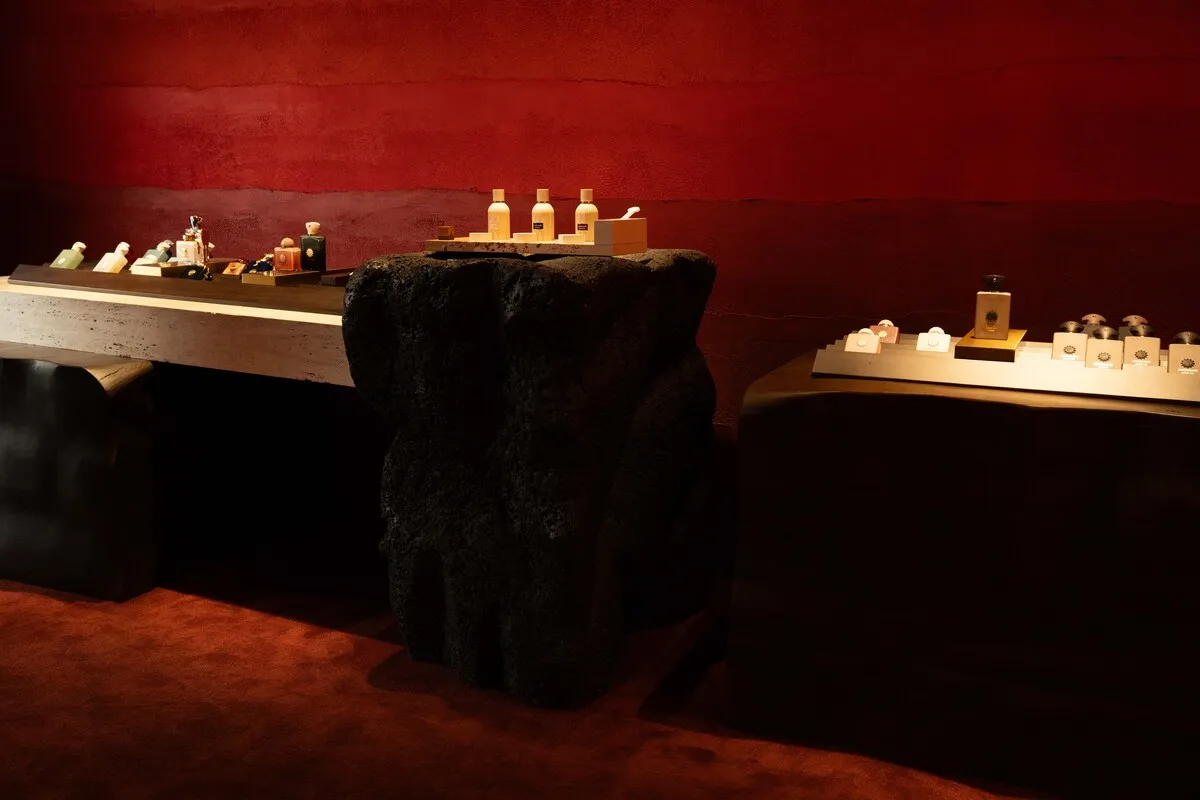
The network continues in Higashiyama, where MAANA Living. Opened in September 2025, the space presents selected ceramics, textiles, furniture, antiques, and household objects. The collection brings together objects associated with Japanese domestic culture and work by contemporary designers who reinterpret inherited forms.
Teapots, incense holders, sake vessels, ceramics, candles, and textile pieces appear alongside furniture and objects for the house. The inventory also connects to the items used across MAANA’s accommodation properties.
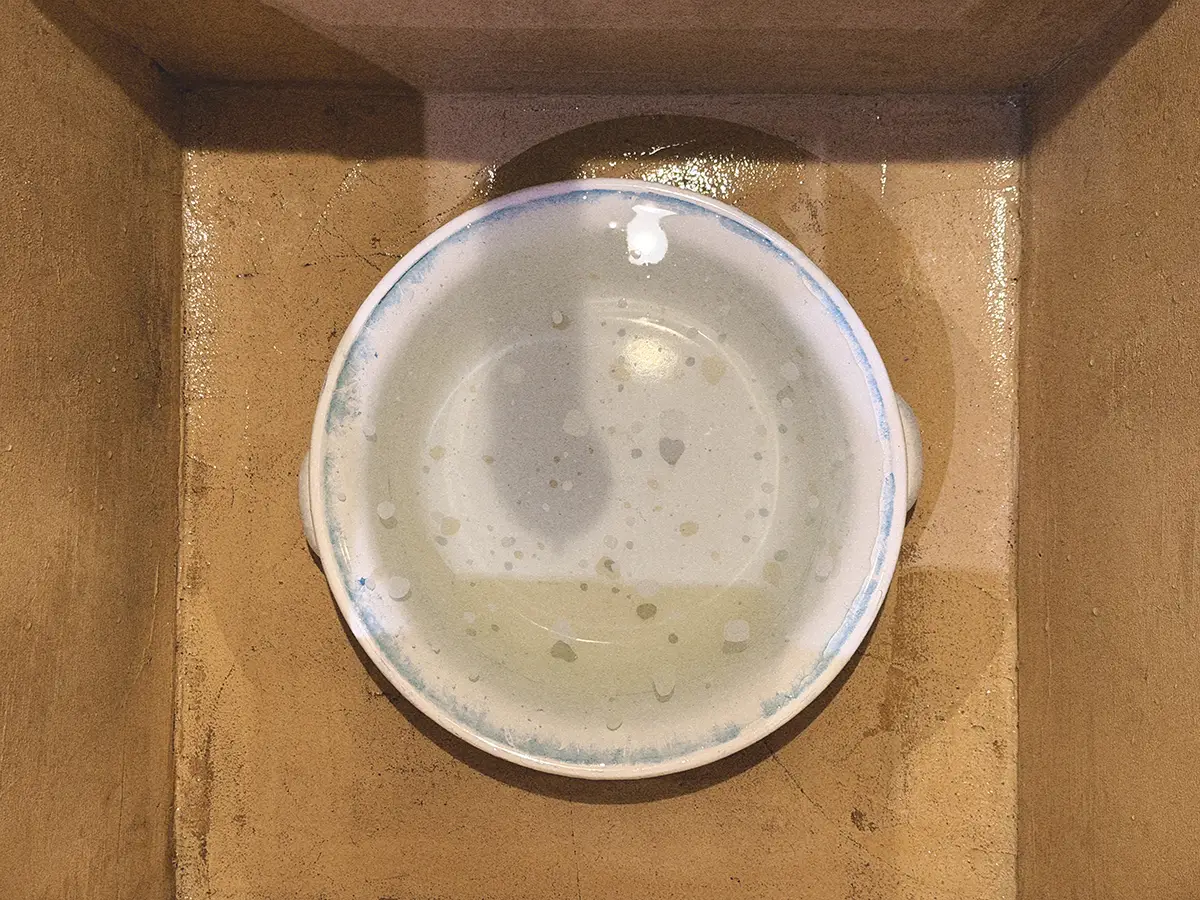
Among the makers represented at MAANA Living is ceramic artist Masako Nakagami. Born in Kyoto, Nakagami trained in ceramics, worked in London, and later returned to Japan. Her production includes bowls, teapots, pitchers, and mugs. According to MAANA, Nakagami collects clay from mountains near her neighborhood in Kyoto. The raw material enters a process involving preparation, shaping, drying, and firing. Her ceramics also appear within MAANA’s hospitality properties.
A vessel encountered during a stay can therefore be traced to a maker and a production process, rather than remaining an anonymous furnishing.
Reworking the Kyusu, straw ornaments, and japanese candles
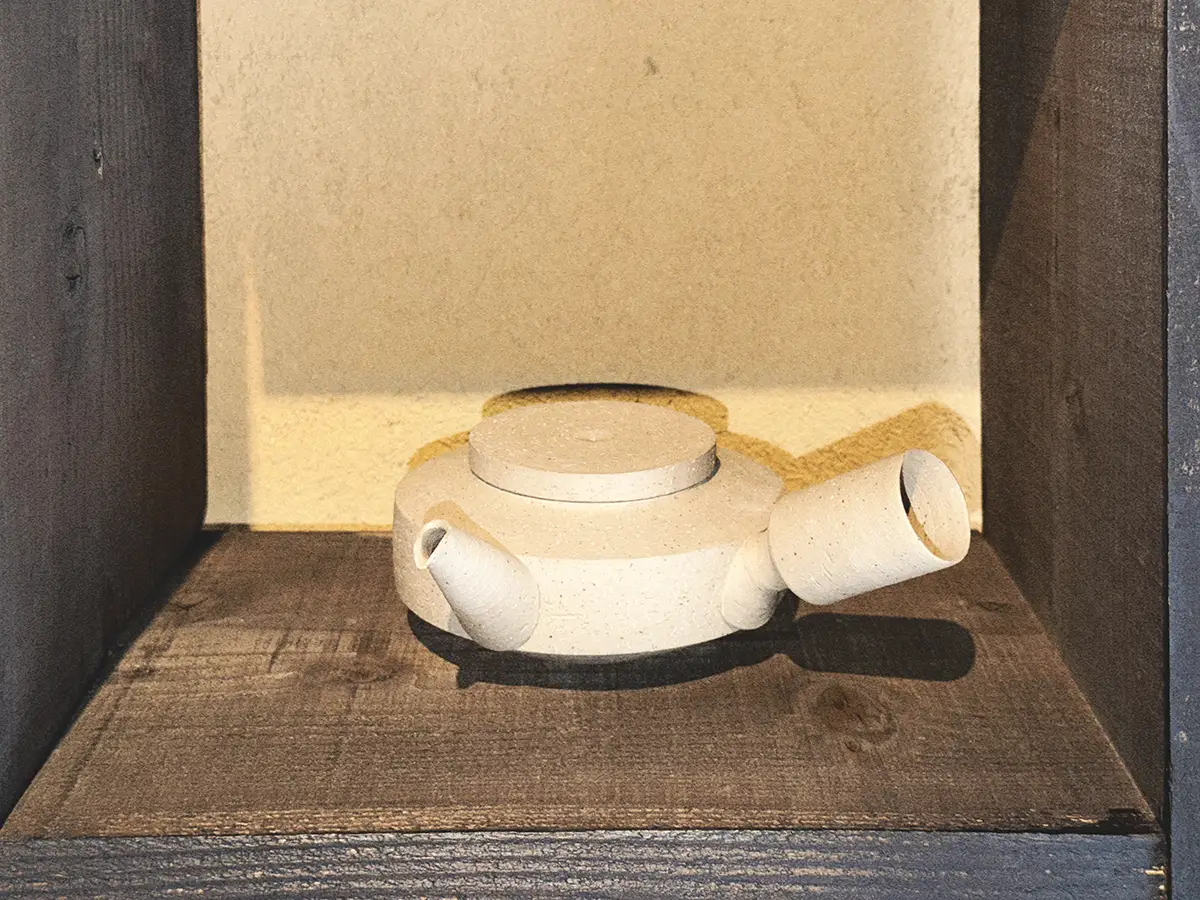
MAANA Living also includes work by 3rd ceramics, whose pieces reinterpret the kyusu, the Japanese teapot.
The kyusu is associated with tea preparation, often incorporating a side handle and spout that allow the pot to be tipped while controlling the pour. Contemporary interpretations can alter its proportions, surface, and construction while retaining its function.
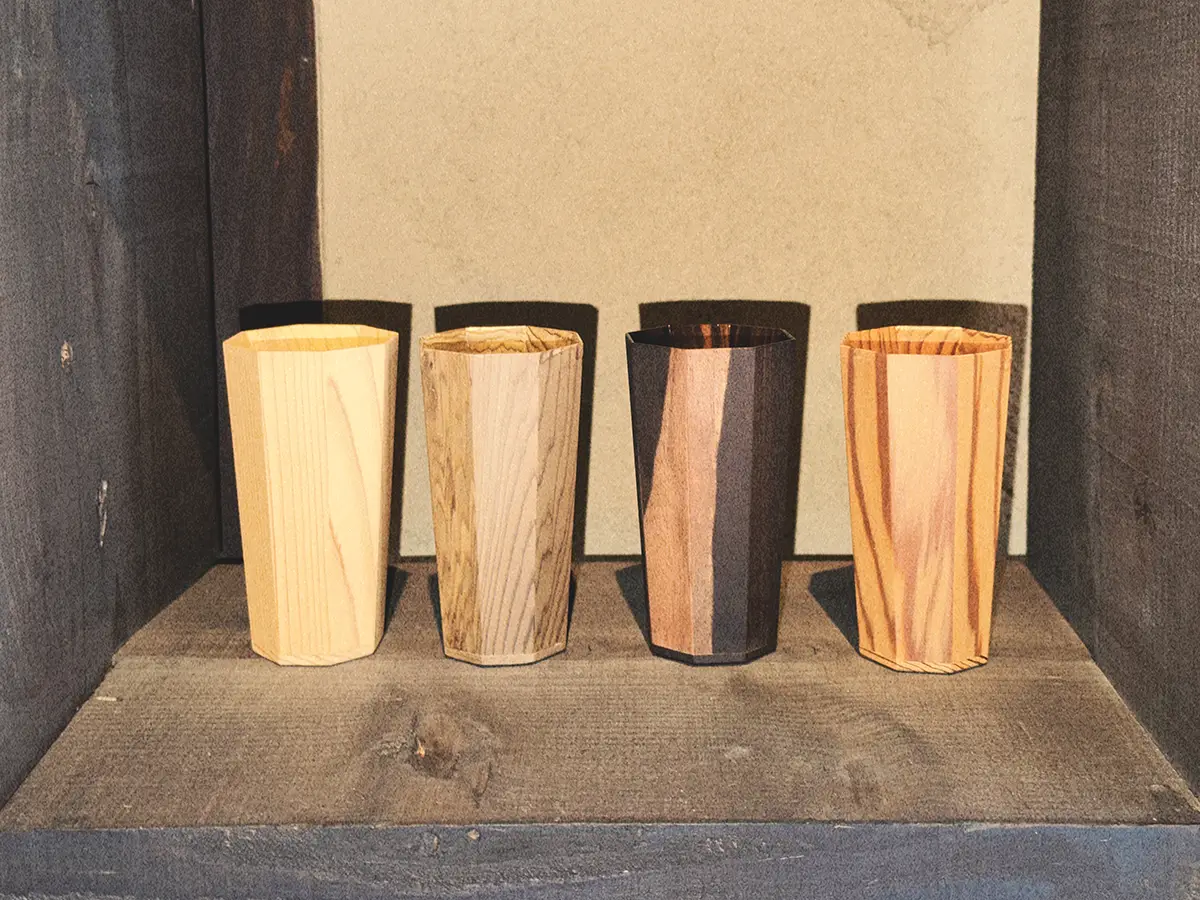
Other makers represented by MAANA Living include Makoto Kawakami, Takano Chikko, Sakiko Tomibe, and Airi Kagamihara. The selection also extends beyond ceramics. Daiyo produces candles using rice-bran wax, drawing on the tradition of warōsoku. Japanese candles traditionally incorporate wax derived from plants, applied around a wick made from plant fibers and paper.
Straw ornaments by Warasaiku Takubo involve the preparation, twisting, and binding of plant material. Slow Fabric’s textiles also enter the collection, connecting indigo dyeing at MAANA Atelier to objects available at MAANA Living.
Across these works, forms associated with tea, food, ceremony, and domestic equipment are produced through techniques that predate industrial manufacturing. Their construction can also be adapted to patterns of use.
The Material Chain – MAANA Kyoto, MAANA Atelier, and MAANA Living
The three locations occupy different positions within Kyoto. MAANA Kyoto retains a machiya adapted for accommodation. MAANA Atelier operates within a former weaving workshop in Nishijin. MAANA Living brings together objects produced by makers working across Japan. Their materials follow different routes.
Earth is mixed with straw, pressed into bamboo, and left to dry. Clay is shaped and fired to make a bathtub. Lacquer is rubbed into timber and cured under controlled conditions. Indigo leaves ferment into sukumo, then enter another fermentation process before the pigment can reach fabric. A cloth is bound, immersed, oxidized, unfolded, and washed.
In the retail space, a teapot or a textile may appear as an object ready for use. At the atelier, some of the operations involved in making such objects become workshop activities. At the house, they are already part of the architecture and daily equipment.
Clay hardens as water leaves. Urushi requires moisture to cure. Indigo develops its blue through contact with oxygen. Three materials, three reactions, and a set of production techniques that continue to occupy workshops in Kyoto and beyond.
Sebastian Zössmayr