The loudspeaker as machine: Erwann Petersen and the mechanics of sound
From early electromagnetic experiments to Transparent’s exposed systems, the loudspeaker shifts from hidden function to visible structure, staged as object and evidence
Speaker as image: transparent design, still life and the archaeology of sound for Lampoon MECCANO
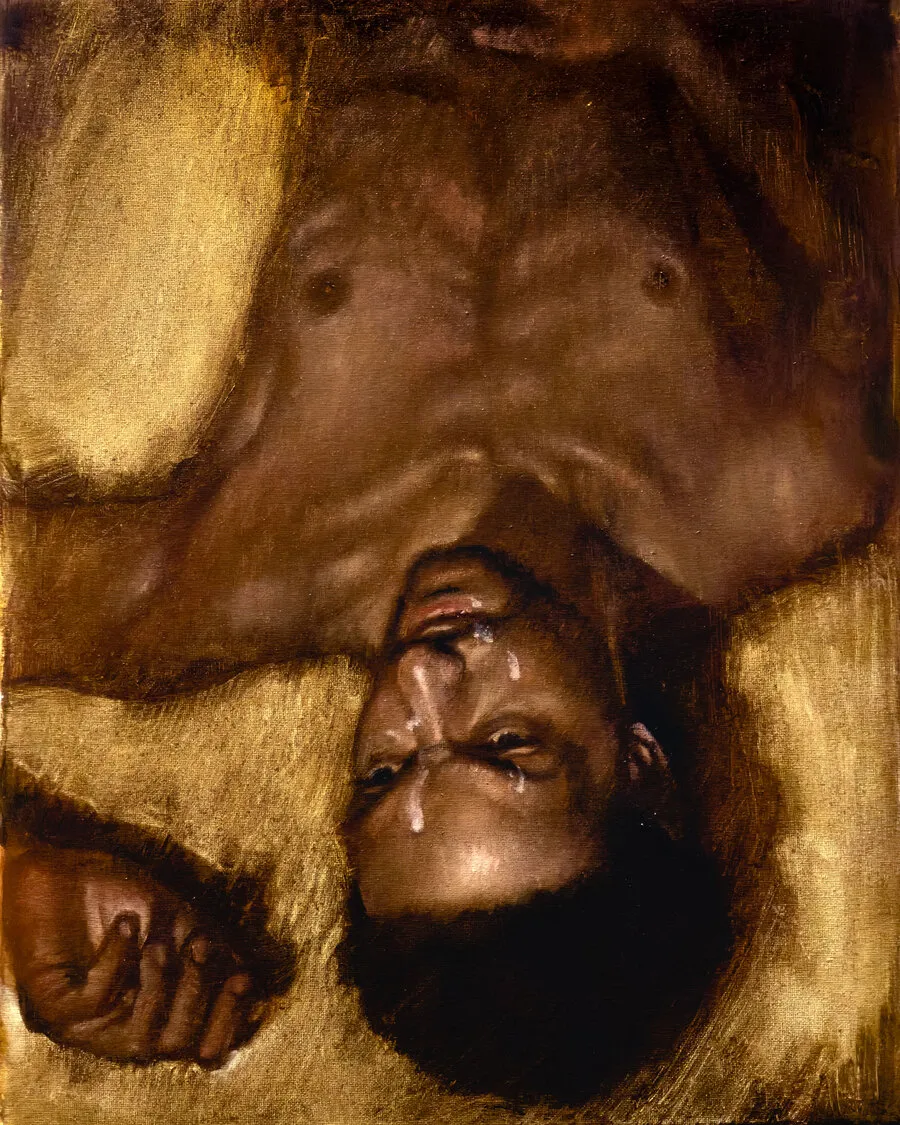
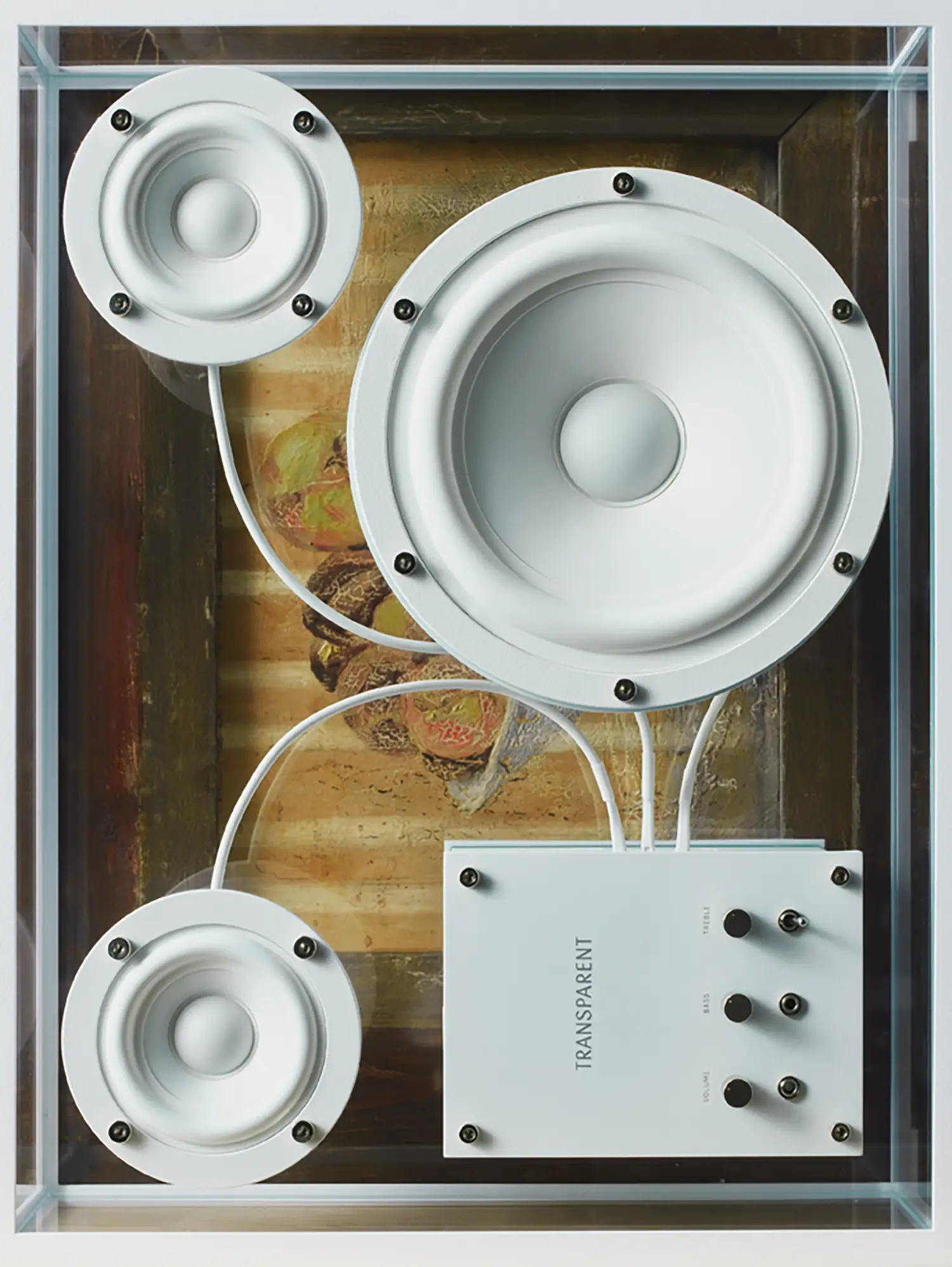
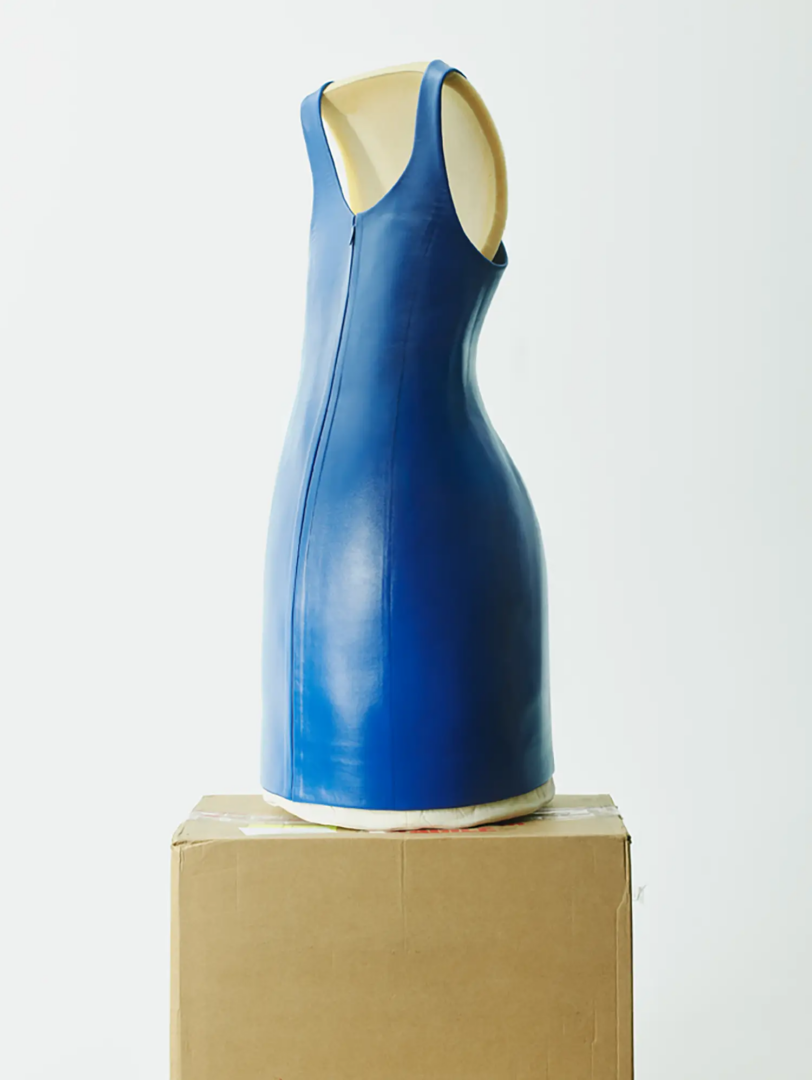
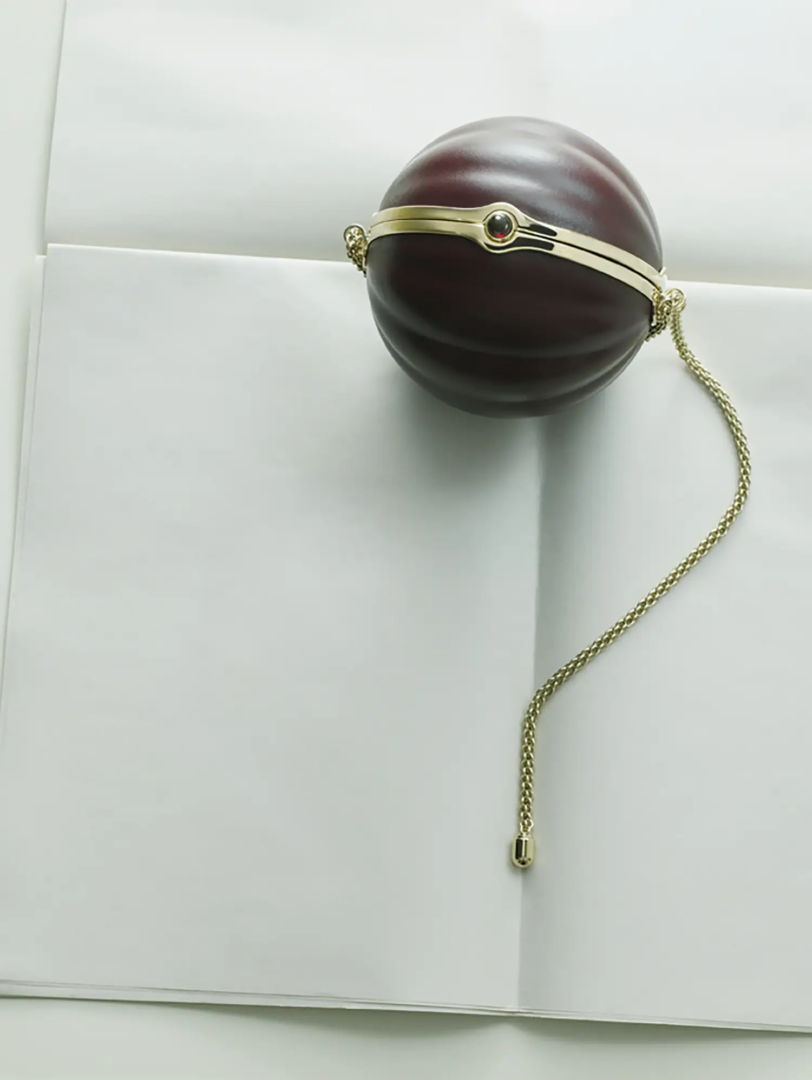
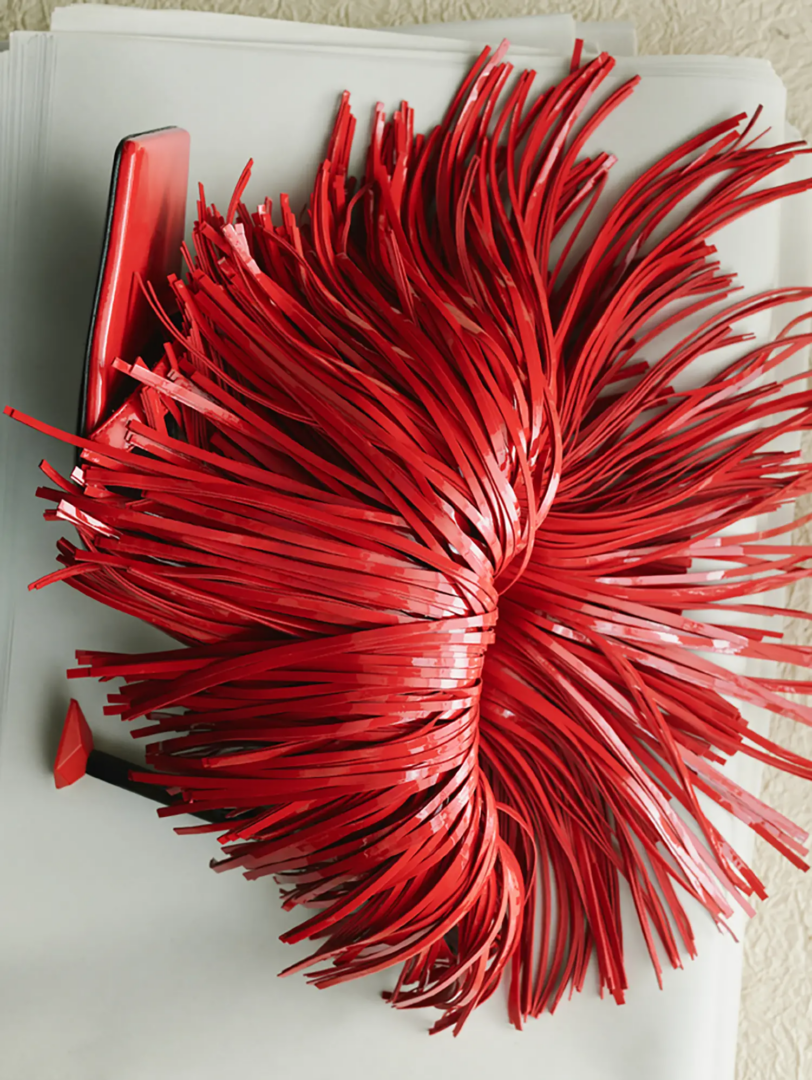
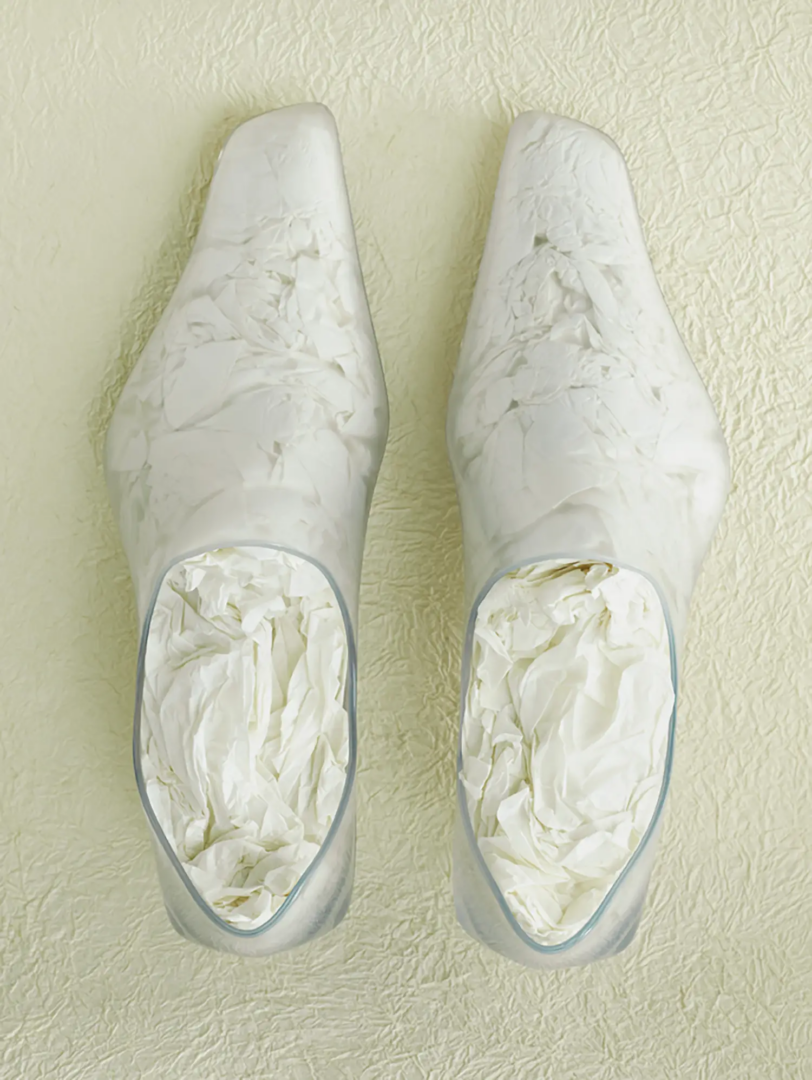
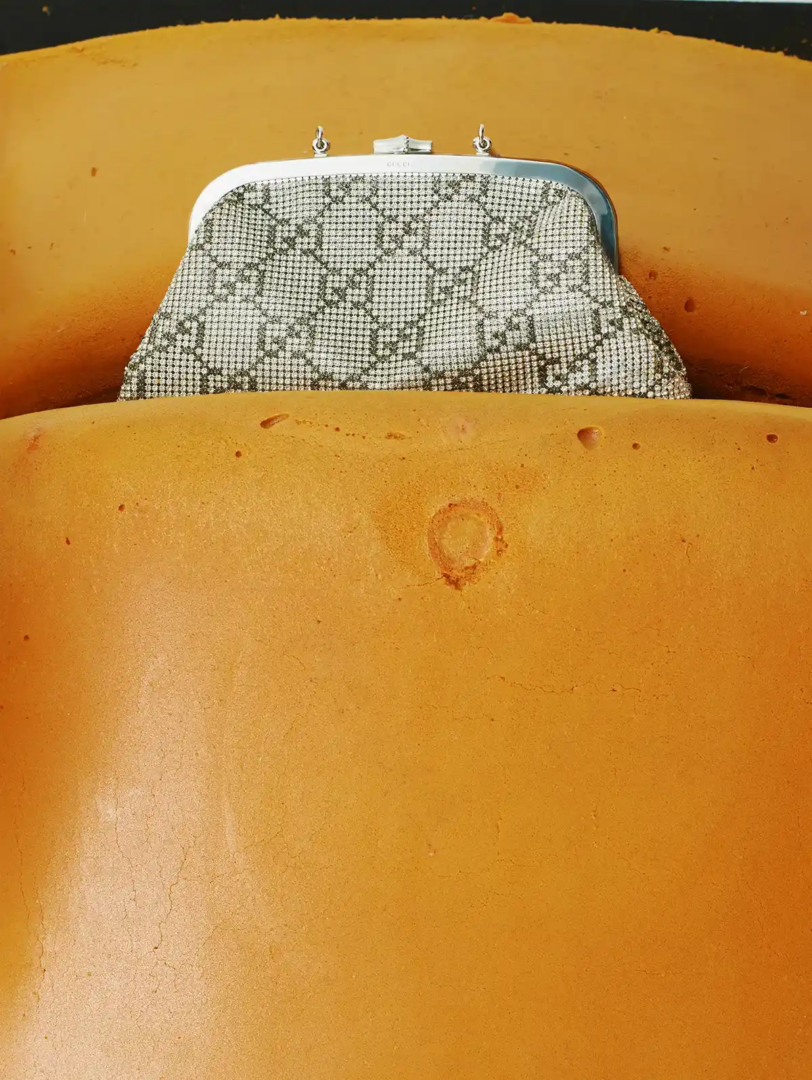
In the image Erwann Petersen shot for Lampoon MECCANO, a speaker system is arranged against what appears to be the surface of an old painting — warm ochre, amber, the skin tones of a classical composition — while the speaker itself is white, clinical, mechanical, and almost medical in its precision. The glass enclosure does not so much contain the object as frame it, like a vitrine in a natural history museum or a reliquary in a cathedral.
The name on the amplifier module reads Transparent: what the image stages is an archaeology of listening, a meditation on the machine through which human beings have spent a century trying to reconstruct the presence of sound. Set against the texture of painted centuries, the speaker becomes a fossil. It also becomes a portrait.
The loudspeaker is not peripheral to modernity. It is modernity. Every broadcast, every cinema, every political speech amplified across a public square, every concert heard in a living room — none of it would have been possible without the simple, radical mechanism of a cone of paper attached to a coil of wire suspended in a magnetic field.
Origins of the loudspeaker: from Alexander Graham Bell to early moving-coil experiments
The loudspeaker emerges from a technical need: extending sound beyond the limits of the human body. Alexander Graham Bell’s telephone (1876) introduced electromagnetic sound reproduction, yet it remained a point-to-point device. The ambition to fill a room required a different system. Early experiments, including Oliver Lodge’s 1898 moving-coil prototype, demonstrated the principle without reaching practical application.
The first usable systems arrived in 1915 with Peter L. Jensen and Edwin Pridham in California. Their designs still relied on horns to amplify a small diaphragm. Under the name Magnavox, these devices marked the transition from experimental apparatus to commercial audio technology.
Rice and Kellogg and the invention of the modern electrodynamic loudspeaker
The modern loudspeaker takes form in the mid-1920s through Chester W. Rice and Edward W. Kellogg at General Electric. Their 1925 design replaces the horn with a direct-radiating cone driven by a voice coil in a magnetic field. This configuration increases fidelity and dynamic range, aligning playback systems with the demands of electrical recording.
Their model, commercialized as the Radiola Loudspeaker #104 by RCA in 1926, establishes the architecture still in use. The loudspeaker becomes an industrial object, standardized and reproducible. Its impact extends immediately to cinema: synchronized sound, as in The Jazz Singer, depends on this technological shift.
The 1930s slow adoption due to economic constraints, yet postwar decades reopen experimentation. Competing technologies—electrostatic panels, ribbon drivers, horn-loaded systems—reflect different interpretations of how electricity should become sound.
By the 1960s and 1970s, the high-fidelity movement frames the speaker as a scientific instrument, aiming for neutral reproduction. At the same time, design enters the field. Systems such as the Bose 901 integrate acoustic research with domestic aesthetics, positioning the speaker within interior space rather than as a purely technical device.
Miniaturization from the 1990s onward compresses this complexity into smaller formats: Bluetooth speakers, soundbars, and smart devices. Engineering becomes less visible, absorbed into forms derived from consumer design.
Transparent speaker design: modular audio, sustainability and visible mechanics
The speaker visible in Petersen’s image belongs to a more recent chapter of this story. Transparent is a design and technology brand based in Stockholm, Sweden, founded in 2014 by Per Brickstad, Magnus Wiberg, and Martin Willers. The company is internationally recognised for its minimalist, modular audio systems — most notably its signature glass and aluminum speakers. Transparent’s philosophy is rooted in sustainability, circularity, and long-term usability. All Transparent audio speakers can be repaired and upgraded over the years rather than replacing the entire product. The use of glass gives each speaker a transparent look, allowing listeners to get closer to the music. In naming itself after its material and its ambition — to make nothing hidden, to show the mechanism as the object — Transparent has proposed a kind of phenomenological honesty that Rice and Kellogg, standing in their laboratory a century ago, might have appreciated. The coil, the magnet, the cone: visible, legible, present.
The loudspeaker, from the first Radiola of 1926 to the glass-and-aluminium module in Petersen’s still life, has always been an object that mediates between the immaterial and the physical — sound, which is nothing but air moved at particular frequencies, and the body that listens. Every version of it has been a different answer to the same question: what should the machine that carries music into the room look like, and how much of itself should it reveal?
Erwann Petersen: still life photography between object, system and narrative
Erwann Petersen is a French-Danish photographer and director based in Paris. His work is a balance between the study of everyday objects, documentary fashion, travels, and landscape photography. After growing up in the south of France, he went to Paris to study at the École Supérieure de Réalisation Audiovisuelle. Since then, he has lived in Paris and London, working for clients such as Saint Laurent, Guerlain, Dolce & Gabbana, Polène, and Aigle.
Petersen attends to the character of objects with a patience that recalls natural history illustration or the quieter traditions of Dutch still life painting. An object in a Petersen photograph is never simply presented; it is interrogated, asked to explain itself. His compositions tend toward the sculptural — elements arranged not for legibility alone but for a kind of visual argument, a relationship between forms that implies narrative or even philosophy.
His editorial clients include some of the most demanding publications in European fashion, while his advertising work for luxury houses reflects a sensibility tuned to the space between refinement and strangeness. Among his personal projects, the series Mythologies — a title lifted from Roland Barthes’s essay collection of 1957 — signals clearly the intellectual tradition in which Petersen situates his practice: the belief that everyday objects are saturated with cultural meaning, that a speaker or a bottle of perfume is also a symptom, a text, a kind of speech.
Petersen is represented by Margot de Roquefeuil, the Parisian artist management agency that groups still life photographers, set designers, and model-makers under a shared commitment to material precision and conceptual rigour.
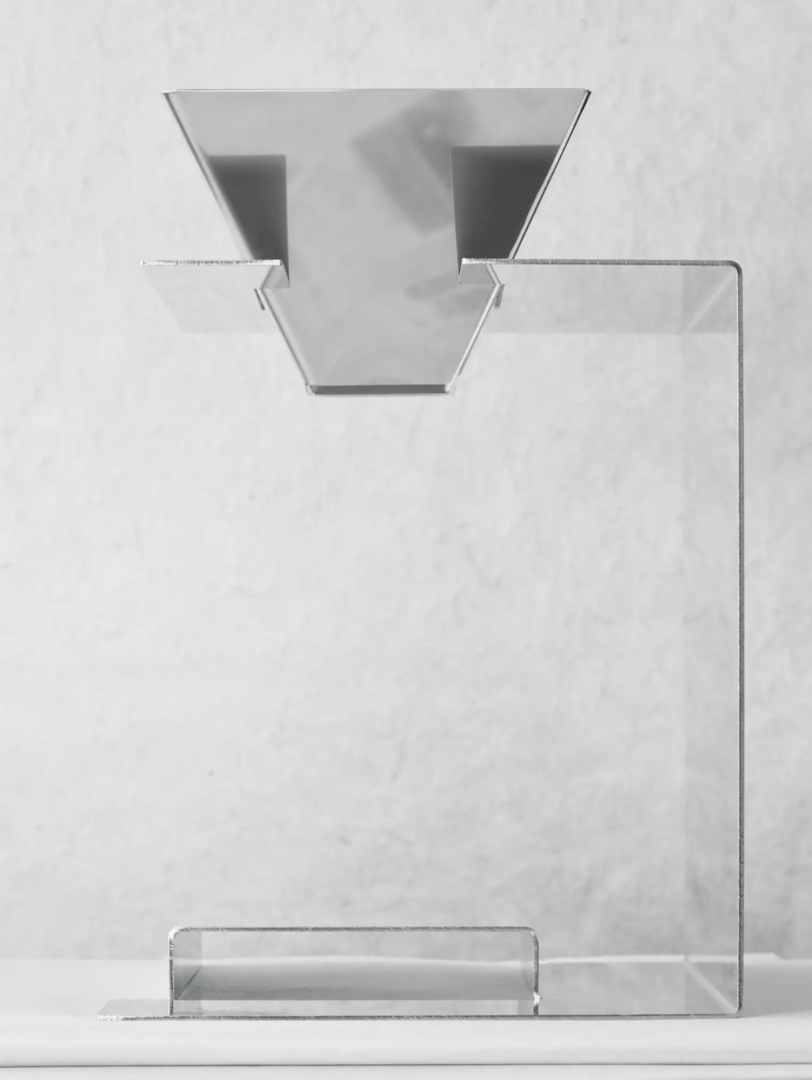
Margot Thiry: set design, material reuse and constructed environments
Margot Thiry is a French set designer, artist, and object maker. She lives and works in Paris. She graduated from the Design Academy Eindhoven in 2013 (Bachelor of Design) and from ENSAD, Paris in 2021 (Master’s degree in product design).
Her formation at two of Europe’s most demanding design institutions — Eindhoven, where the tradition of conceptual and critical design has been developed by figures such as Gijs Bakker and Li Edelkoort, and ENSAD, the historic Parisian school of applied arts — produced a practice that resists easy categorisation. With a double role as product and space designer, Thiry creates objects as readily as she conceives brand environments in retail contexts. She remains above all an artist: when material meets her sculptor’s hands, the dialogue is clear, evident.
Encouraged by the avant-garde influence of recycling processes in Dutch design, she chose to bring this creative sensibility back to France, to the Paris region, rather than to her native Tarn. A committed vision she exploits by using existing stocks for each of her realizations. This ethics of material — working with what already exists, giving second life to matter rather than generating new waste — shapes not only the ecological dimension of her practice but its aesthetic one: Thiry’s sets tend toward the found, the repurposed, the historically layered.
Based in her creative lab in Pantin, she explores new facets of scenography, set, and retail design. Jacquemus, Coralie Marabelle, David Koma London, Aigle, Chanel — she collaborates with major names in fashion and luxury, both for photographic shoots and for exhibition modules for pop-ups.
Credits
photography Erwann Petersen, set design Margot Thiry, styling Elvira Tiaou, production Mathilde Robin @Margot De Roquefeuil Agency, photography assistants Anthony Karayan, digital Pedro Teles, location Studio Alto Paris
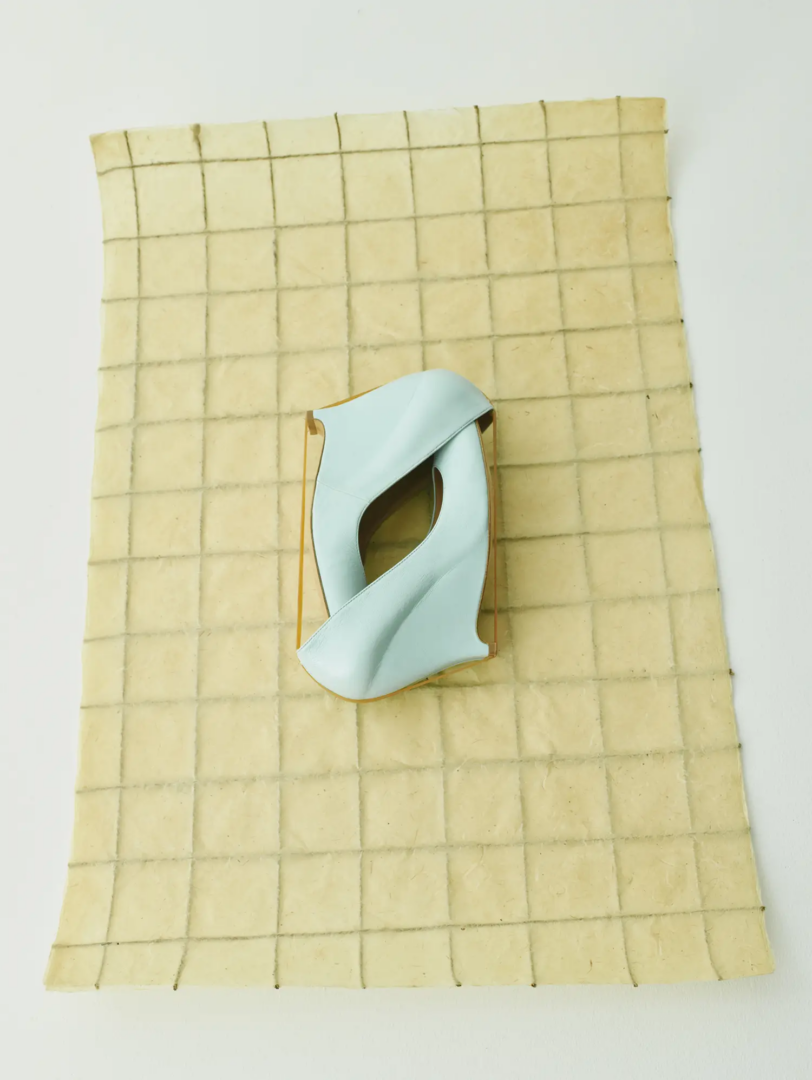
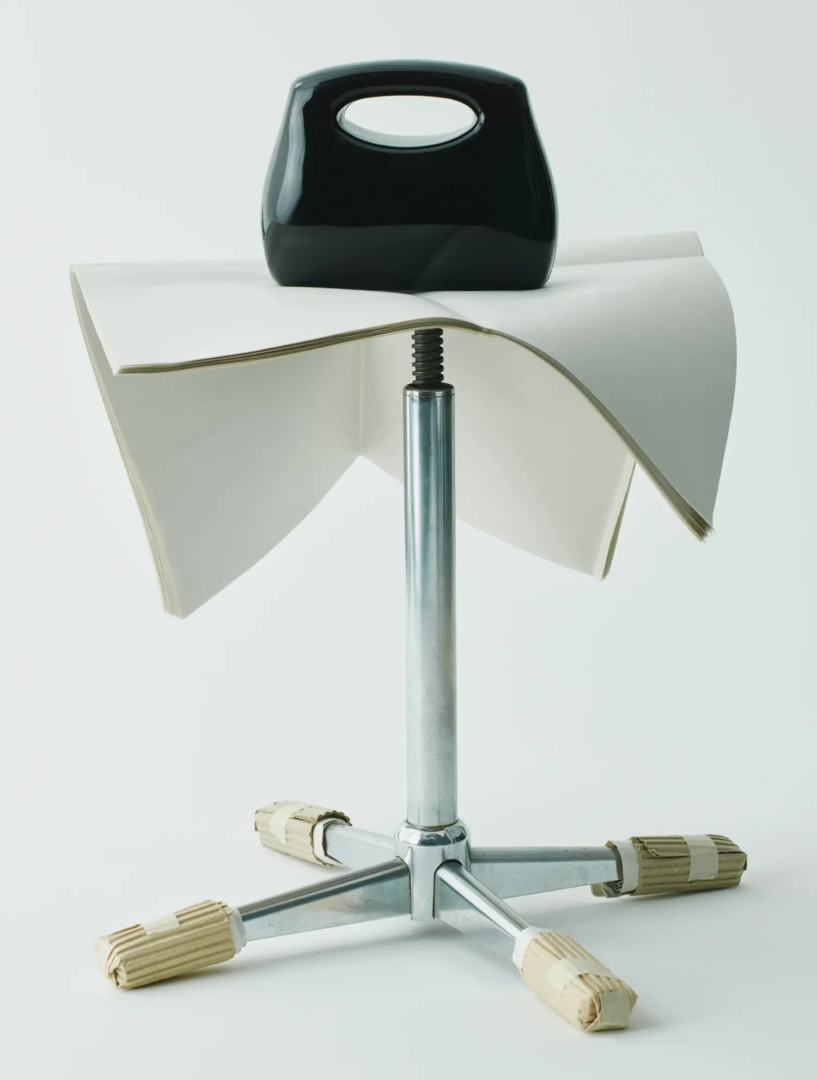
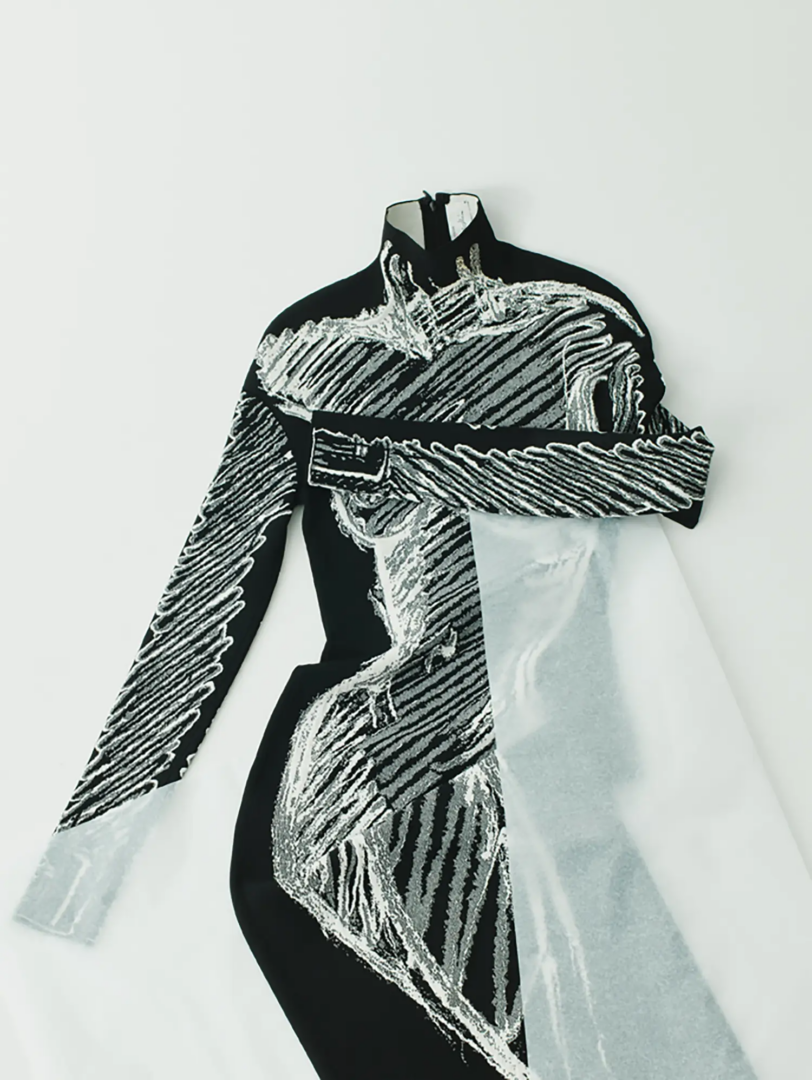
TEAM photography Erwann Petersen, set design Margot Thiry, styling Elvira Tiaou, production Mathilde Robin, photography assistants Anthony Karayan, digital Pedro Teles, location Studio Alto Paris