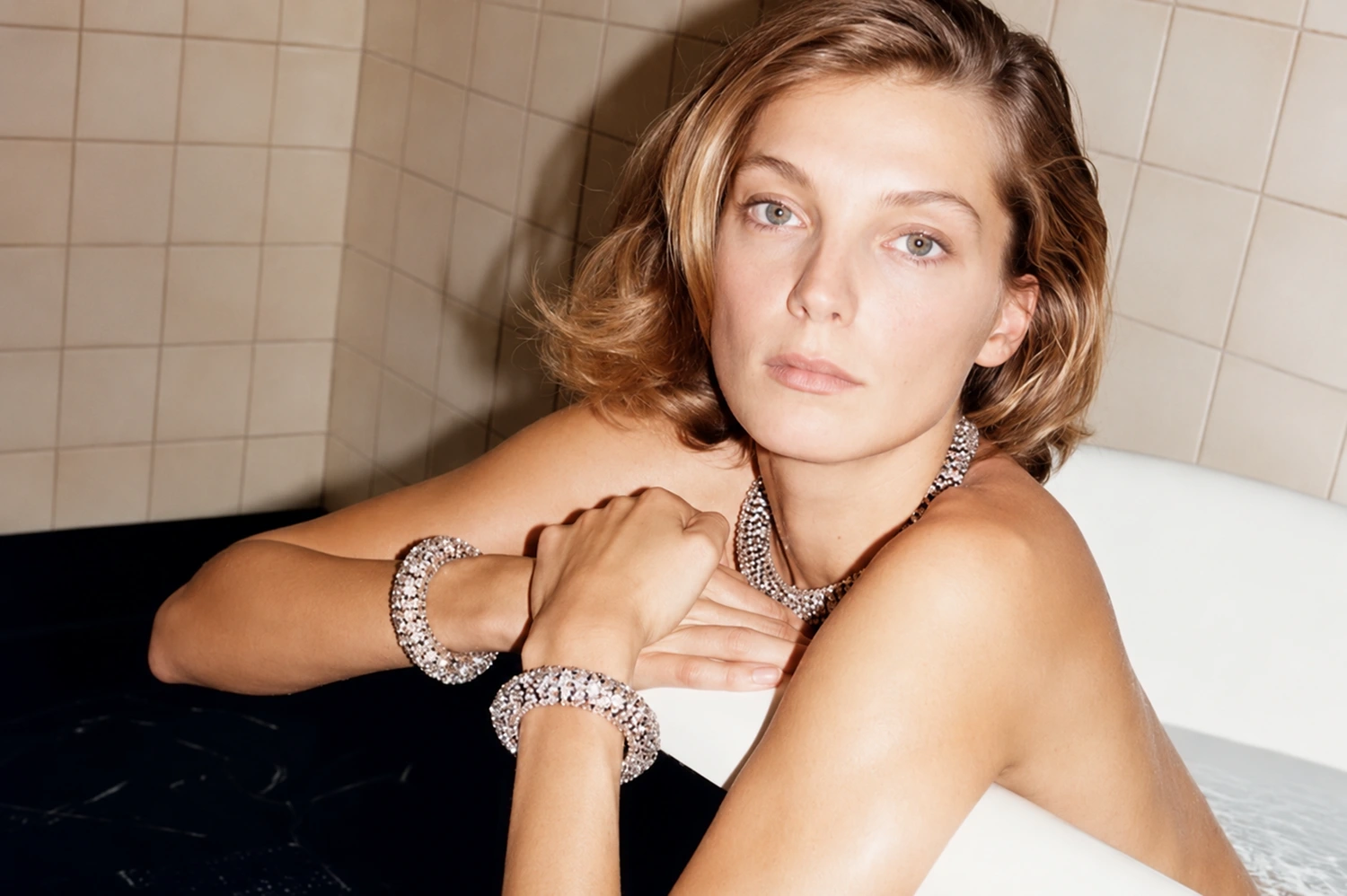
Celine after Hedi Slimane: can it be even sexier?
It looks like Michael Rider at Celine works well: in a fragmenting fashion industry, he does not need any claims: not being one thing, being allowed to be anything—it’s an erotic idea
Celine after Hedi Slimane: can reality be sexy?
Michael Rider has no interest in being the last to leave a party. Unlike Hedi Slimane, he does not circulate long descriptive notes to editors—but short, contained quotes. Narcissism is not welcomed. Rider avoids social media. He bought an iPhone only recently. Distance, for him, is a working method: step outside the fashion system to remain aligned with oneself. “I tell my friends all the time—leave Paris once in a while. There’s more out there than fashion week.” He dismisses the American obsession with rankings—the idea that a designer occupies a position before a collection is even seen.
Born in Washington, Rider initially trained as a teacher. His second life began in New York before moving to Paris, where he worked with Nicolas Ghesquière at Balenciaga. He later joined Celine under Phoebe Philo, and from 2018 to 2024 served as creative director of Polo Ralph Lauren in New York. “Nicolas is an architect, Phoebe a stylist, Ralph a merchant. All different, all instinctive.” That synthesis defines his work.
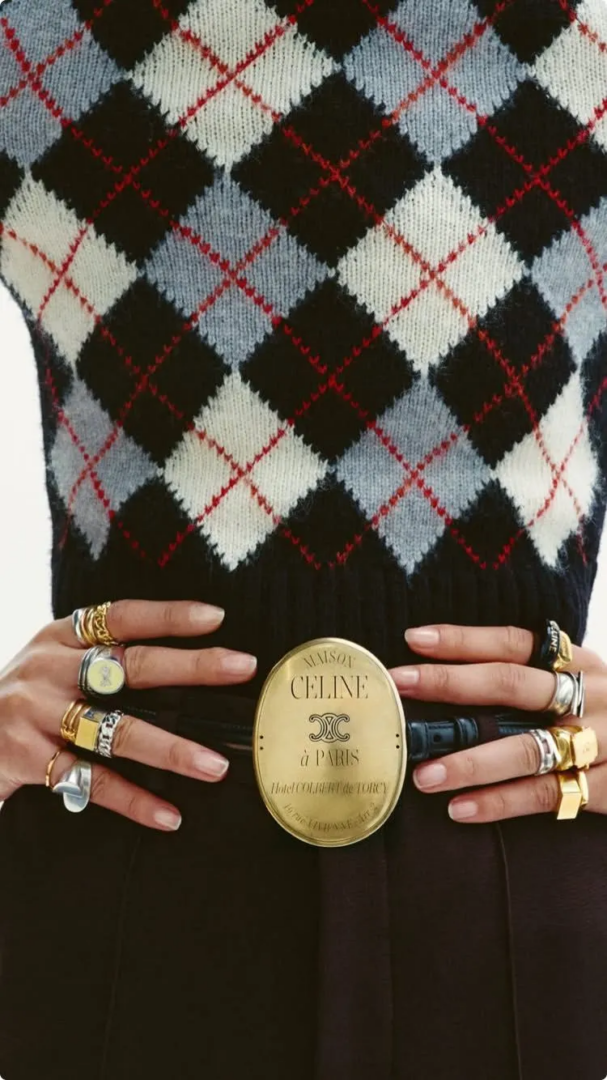
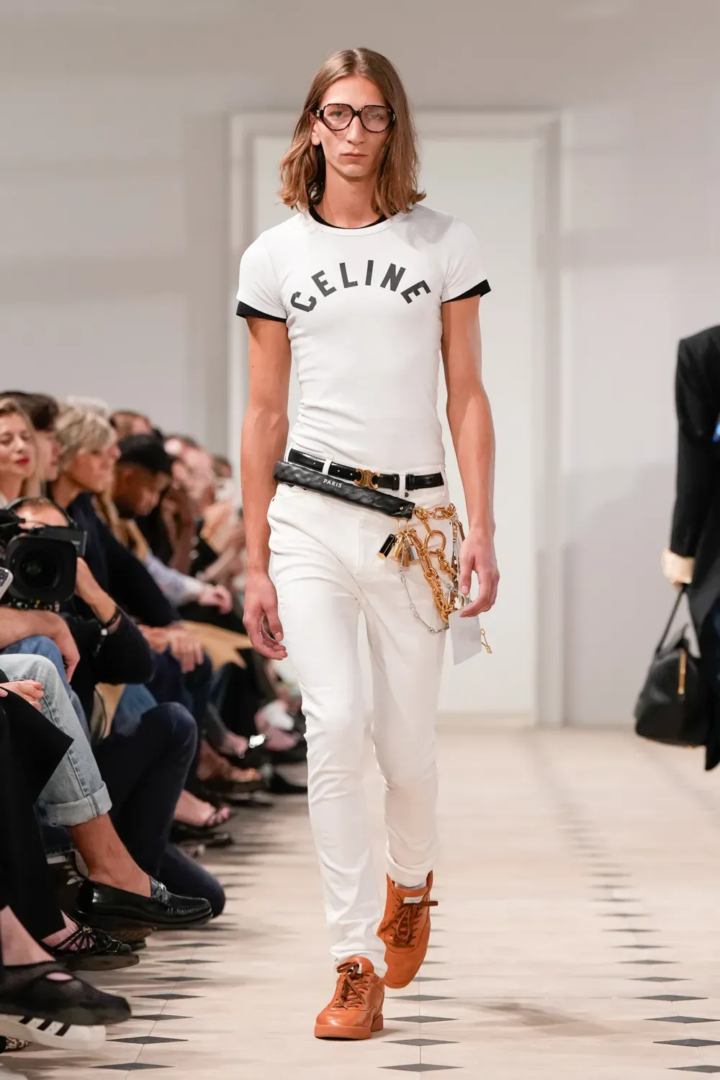
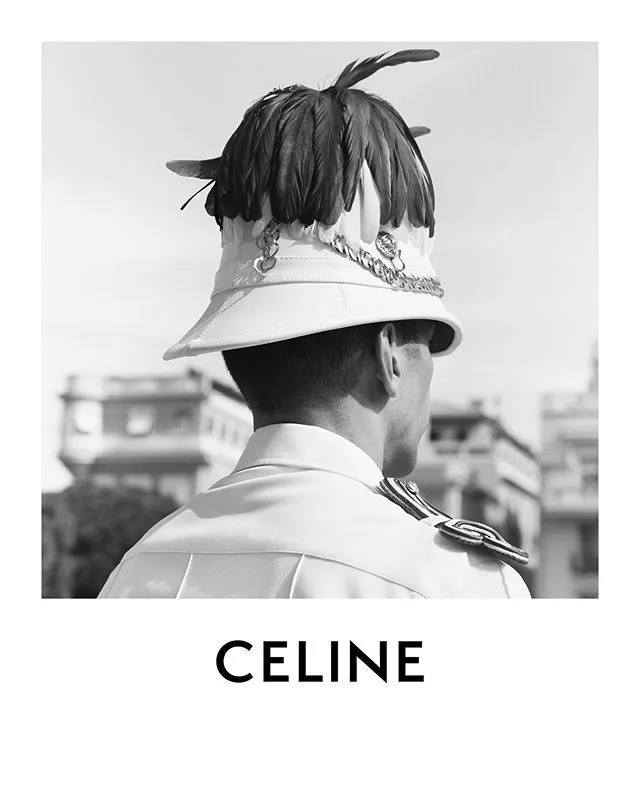
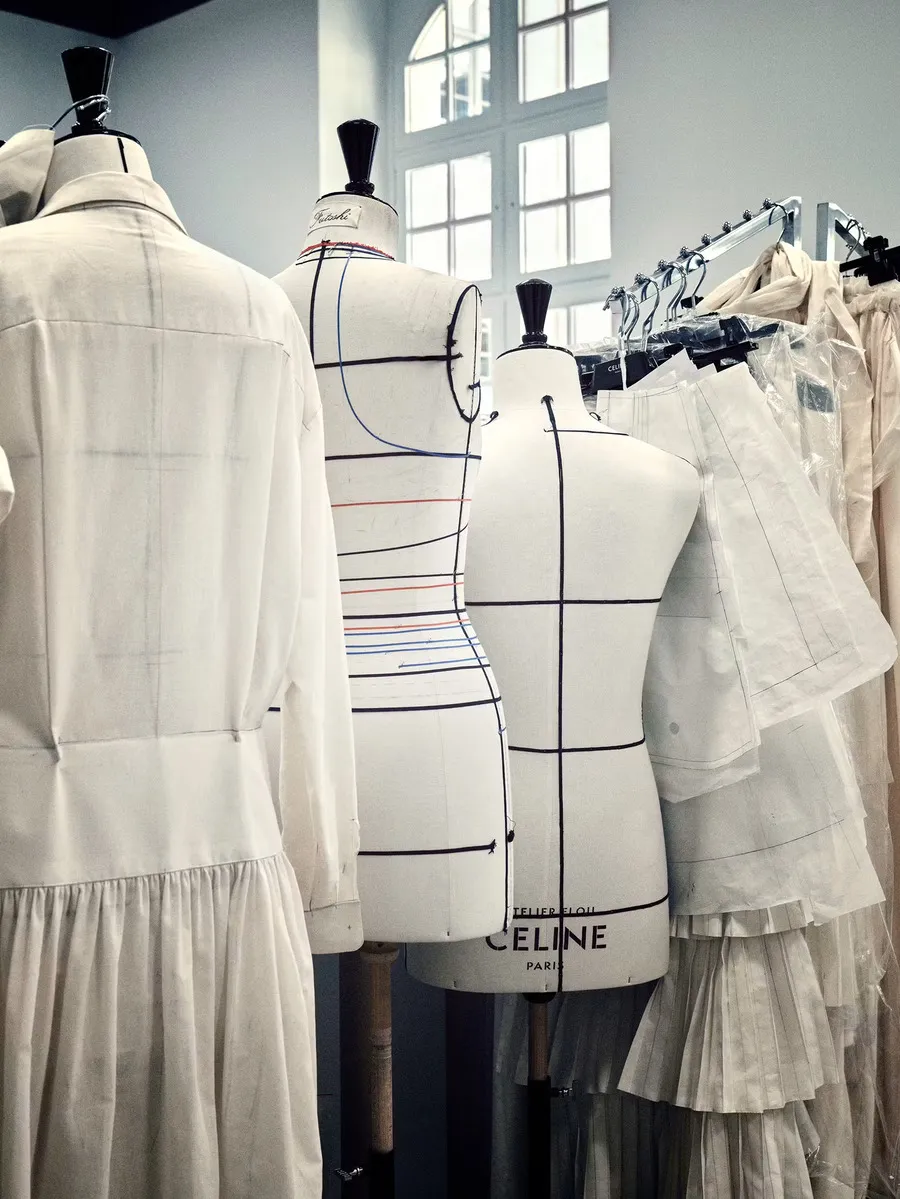
Rider insists on grounding fashion in reality. He rarely speaks about scale or revenue, yet sales perform. The market has shifted since Slimane’s tenure—hierarchies have loosened, and buyers now look for clothes that can endure. Rider’s restraint aligns with that shift. Critics attempt to categorize him—preppy, bourgeois, realist—but he resists definition, leaving interpretation to the wearer. At his debut in July 2025, what struck critic Cathy Horyn was range: where many brands repeat a single silhouette, Rider presented multiplicity—gathered blazers, skinny jeans, denim shirts, black leather, saturated color, pleats, straight lines—held together as a collage. The result: clothes that are ironic, wearable, and not limited by body type. He calls them “classics with character.”
Slimane, by contrast, has never designed for a maison—he has designed for himself. Sex and seduction, with no interest in long-term attachment
Karl Lagerfeld admired Slimane. In the early 2000s, he lost weight to fit into Slimane’s skinny tailoring for Dior Homme. Like Lagerfeld—the archetype of the designer who revitalizes a house by clearing its past—Slimane altered the industry. He created a new silhouette. Few designers can claim that. Most reinterpret, quote, or add surface variation. Slimane removed “Yves” from Saint Laurent and the accent from Celine, ahead of broader rebranding cycles. He generated billions in revenue across the houses he led. Influence, however, is not neutral.
Before Slimane, designers entering established maisons worked—at least nominally—within existing codes. Departures could mean dismissal; Yves Saint Laurent himself was removed from Dior after deviating from its canon. Lagerfeld anticipated the strategy of reinvention yet maintained a rhetorical alignment with Coco Chanel. Slimane did not. He did not negotiate with a house’s identity; he replaced it with his own. A Narcissus of fashion: across Dior Homme, Saint Laurent, and Celine, the reflection remained consistent. Seven years at Celine marked his longest tenure, yet the center of gravity remained personal.
The Slimane method: a clean slate of marching virility
The method was evident from the outset. In 1996, at Yves Saint Laurent menswear, Slimane introduced the slim suit—“skinny” as a structural proposition tied to the body that could carry it. It was one of the most consequential shifts in men’s dress since Giorgio Armani’s greige deconstruction. At Dior Homme, he embedded sex appeal into tailoring; a 2001 collection was described as “a clean slate of marching virility.” The silhouette was consistent: straight shoulders, elongated torso, bloused shirts often sleeveless, bordering the feminine. He iterated without deviation. “Menswear carries a weight in fabric and construction. There’s also a weight in mentality,” he noted in 2001. The result is legibility: within the system, you see it and identify it—this is Hedi Slimane.
The signature extends to erotic charge—difficult to achieve beyond surface styling. Not the constructed eroticism of advertising, but something closer to literature, to certain films, to amateur imagery: suggestive, indirect. His clothes carry it as an undercurrent without fixed gender—neither male nor female, neither straight nor queer. Skinny trousers rise from a narrow waist, trace the pelvis, run along narrow legs, end in pointed shoes.
Old Céline and New Celine: working women versus nocturnal youth after a Pasolinian night
In 2017, sixteen months after leaving Saint Laurent, Slimane re-entered discourse through a photographic portfolio, California, published by Vogue Italia, and an email interview. Speculation resumed immediately. The relationship between Slimane and the industry is structurally unstable: he resists it yet never exits. He avoids interviews yet invites editors backstage; he leaves fashion, yet remains within its media circuits. The dynamic escalates attention.
Months later, he was appointed to lead Celine with full creative control—an arrangement he helped normalize. Concerns that he would impose his identity, as he had at Dior Homme and Saint Laurent, proved accurate.
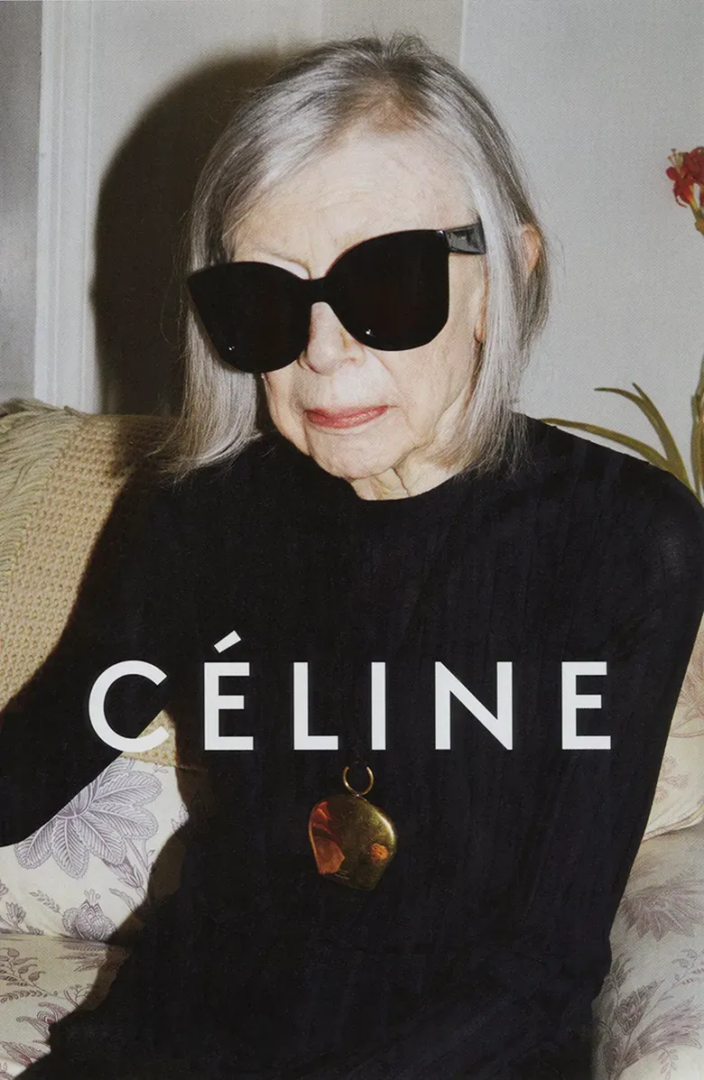
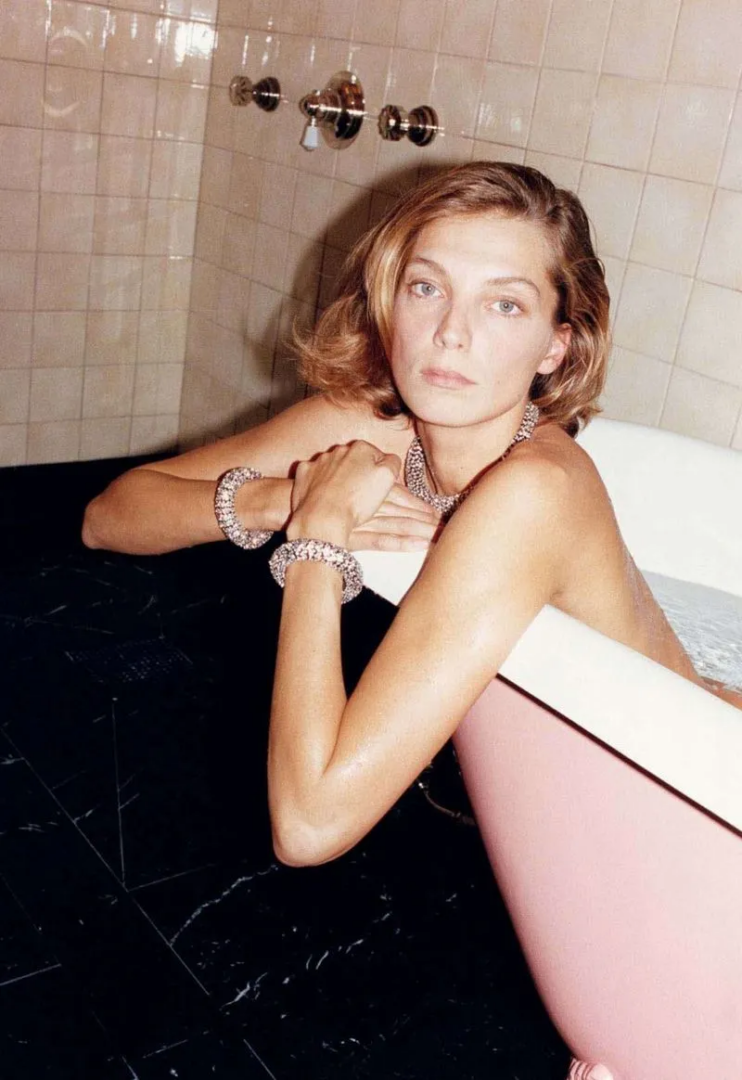
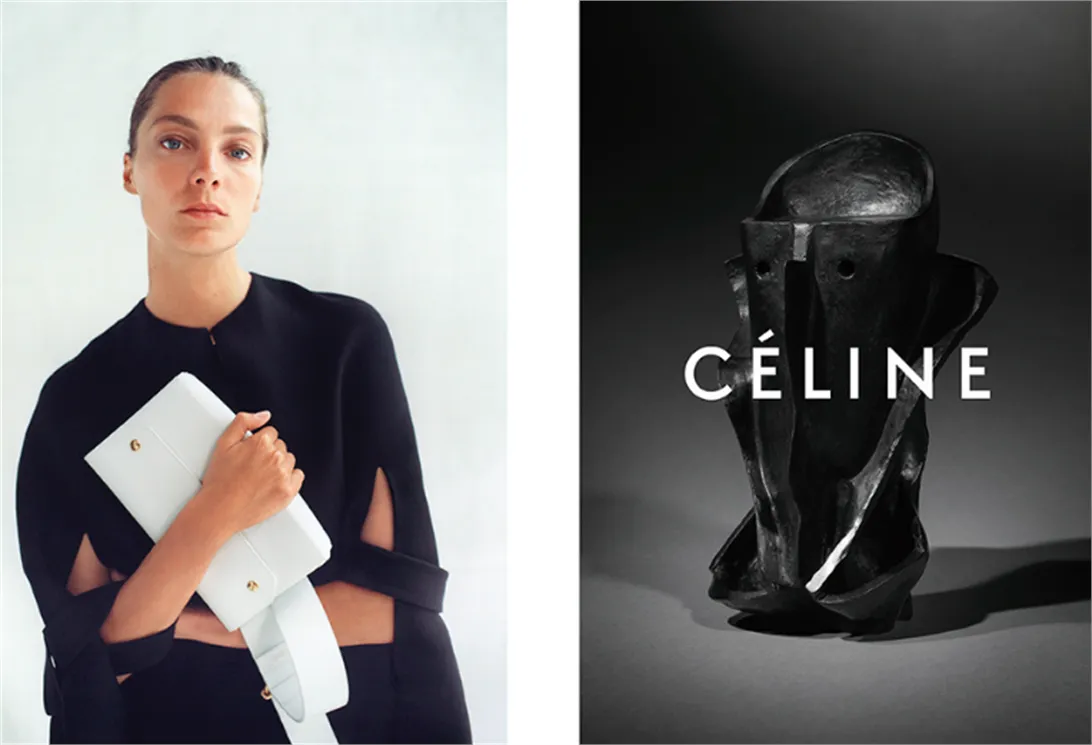
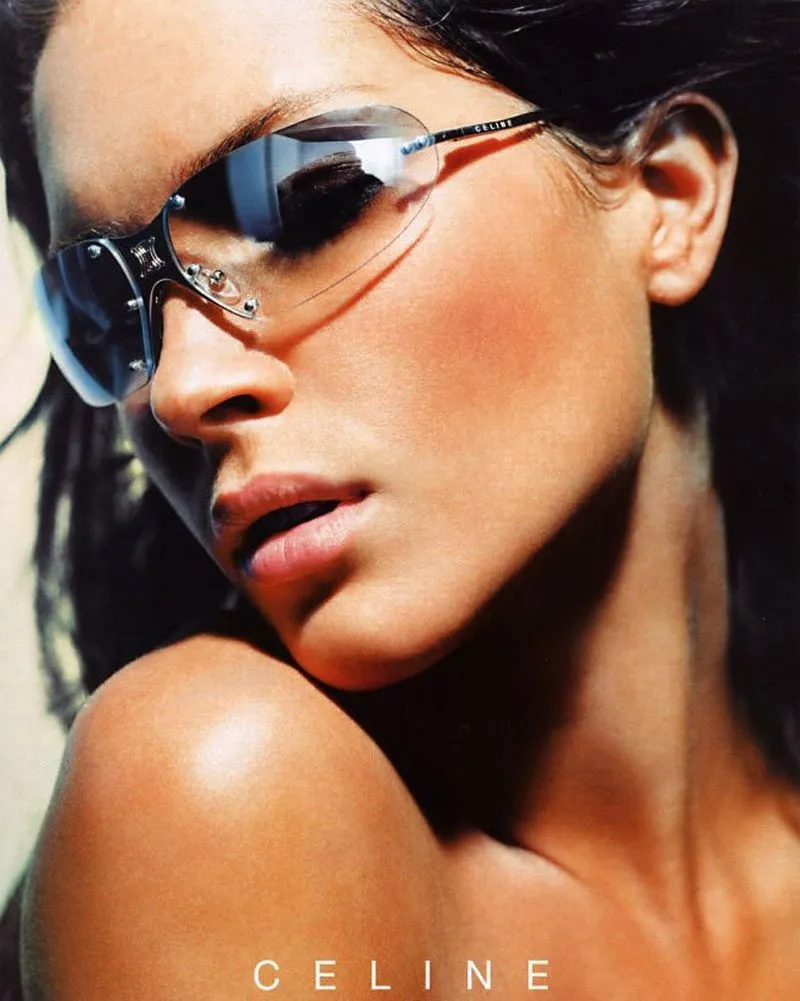
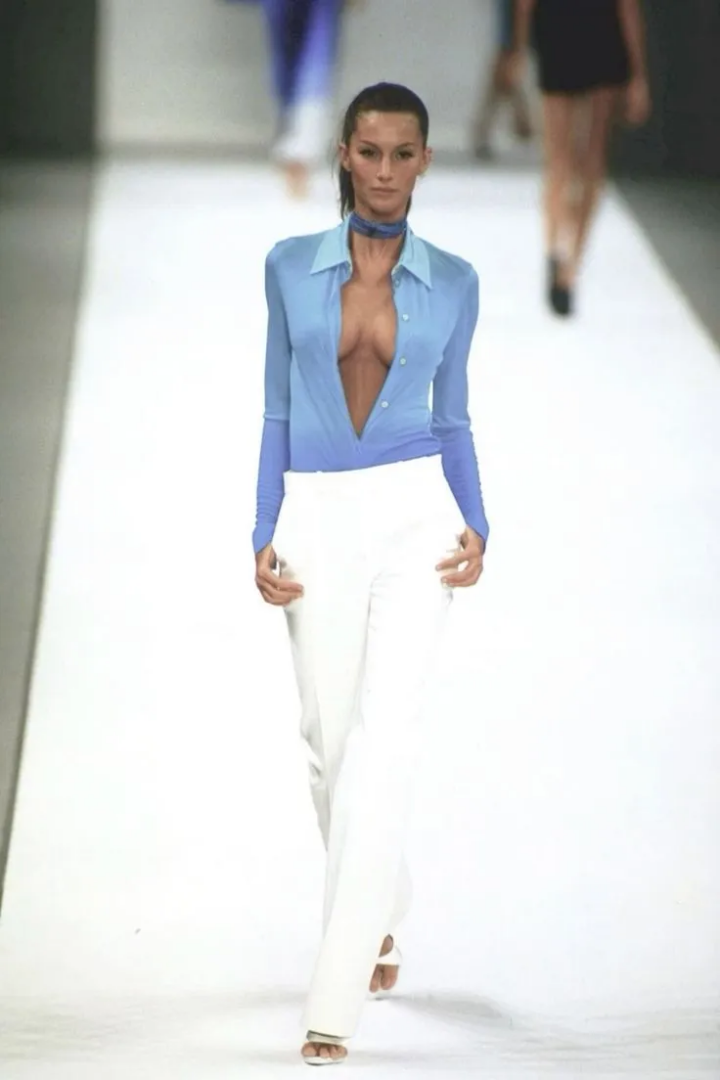
Celine’s identity had always been less codified than other houses. When Phoebe Philo took over in 2008, she erased prior layers—those of Céline Vipiana and Michael Kors—and constructed a new one. “Old Céline” centered on working women: clothes for competence without display. Slightly disordered hair, a strand escaping a misaligned turtleneck—controlled ease. Minimal, not inert. High-cost garments, yet an accessible image of lived elegance. Its influence extended beyond its clientele.
Remove the accent, and that phase ends. When asked why, Slimane’s answer was operational: because it was possible. In his terms: “put the church back at the center of the village—orthodoxy, simply.”
New Celine: youth, nicotine, Adderall
Slimane replaced that identity with a monochrome femininity set in basements and nightclubs. Not the culture of working women, but of a depleted nocturnal youth. A residual heroin-chic, exclusionary by design. New Celine translates French skinny codes into womenswear—jeans, trench, scarf, leather bag—anchored in a pre-consequence phase of life. Slimane frames youth as “grace, freedom of speech, recklessness.” Critics read the same garments as suited to pockets filled with nicotine and Adderall. Not clothes for functional elegance, but for collapse, excess, and deferred repair.
Leather, latex, animal print, narrow silhouettes. Commercially effective. By his third year at Saint Laurent, profits had doubled. At Celine, the trajectory held. When he exited in 2025, the open question was whether the house could exist beyond him. It can.
Stella Manferdini