Back to the Antwerp Six: independence reshaped fashion once, why not today again?
Emerging in the 1980s, a group of six designers introduced a model of independent, designer-led fashion that shifted the industry from trend driven systems to authorial practices
the Antwerp Six and the Shift Toward Designer Led Fashion
In the 1980s, six designers trained in Antwerp introduced one of these structures. They did not define a style. They defined a way of working. Design, production, and distribution aligned under the control of the designer, outside established houses and without institutional mediation.
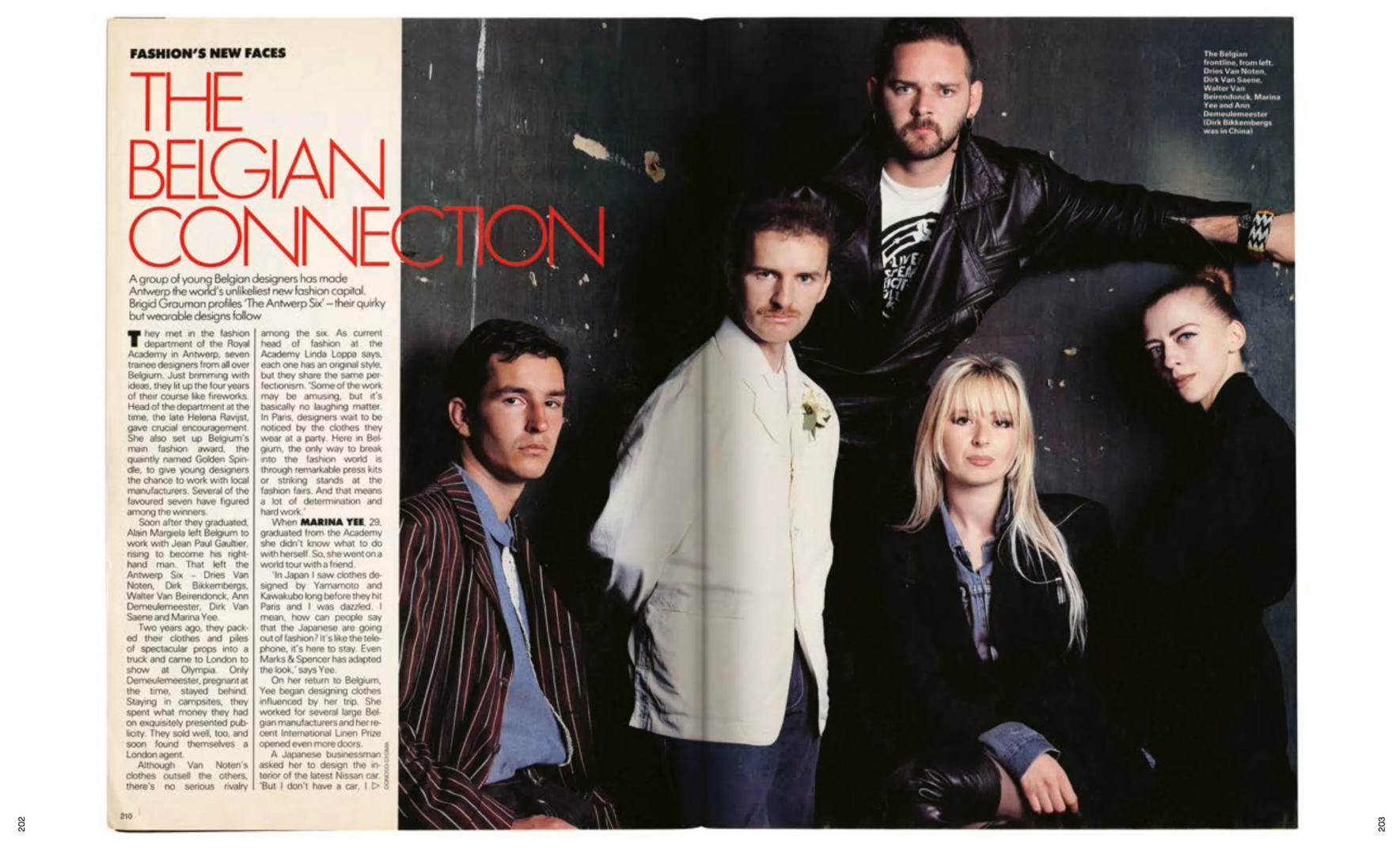
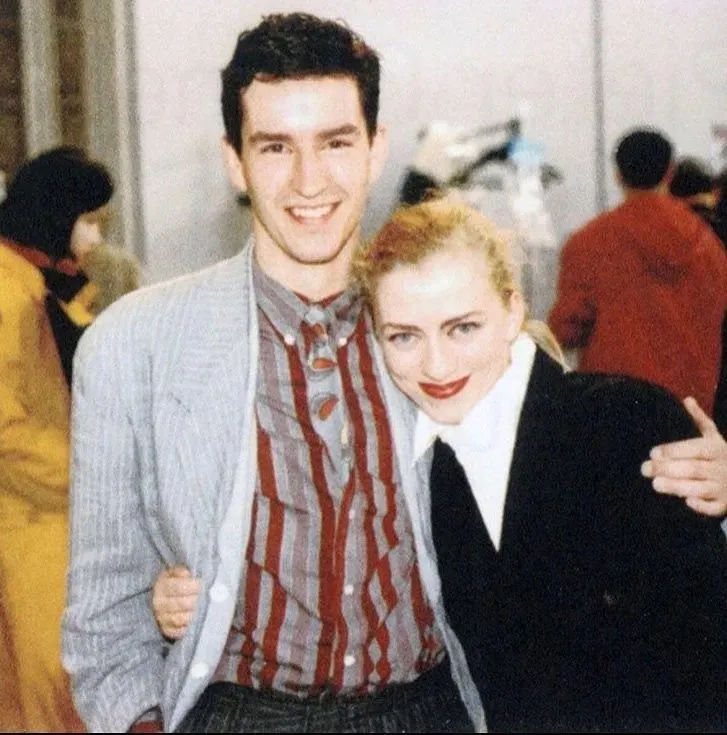
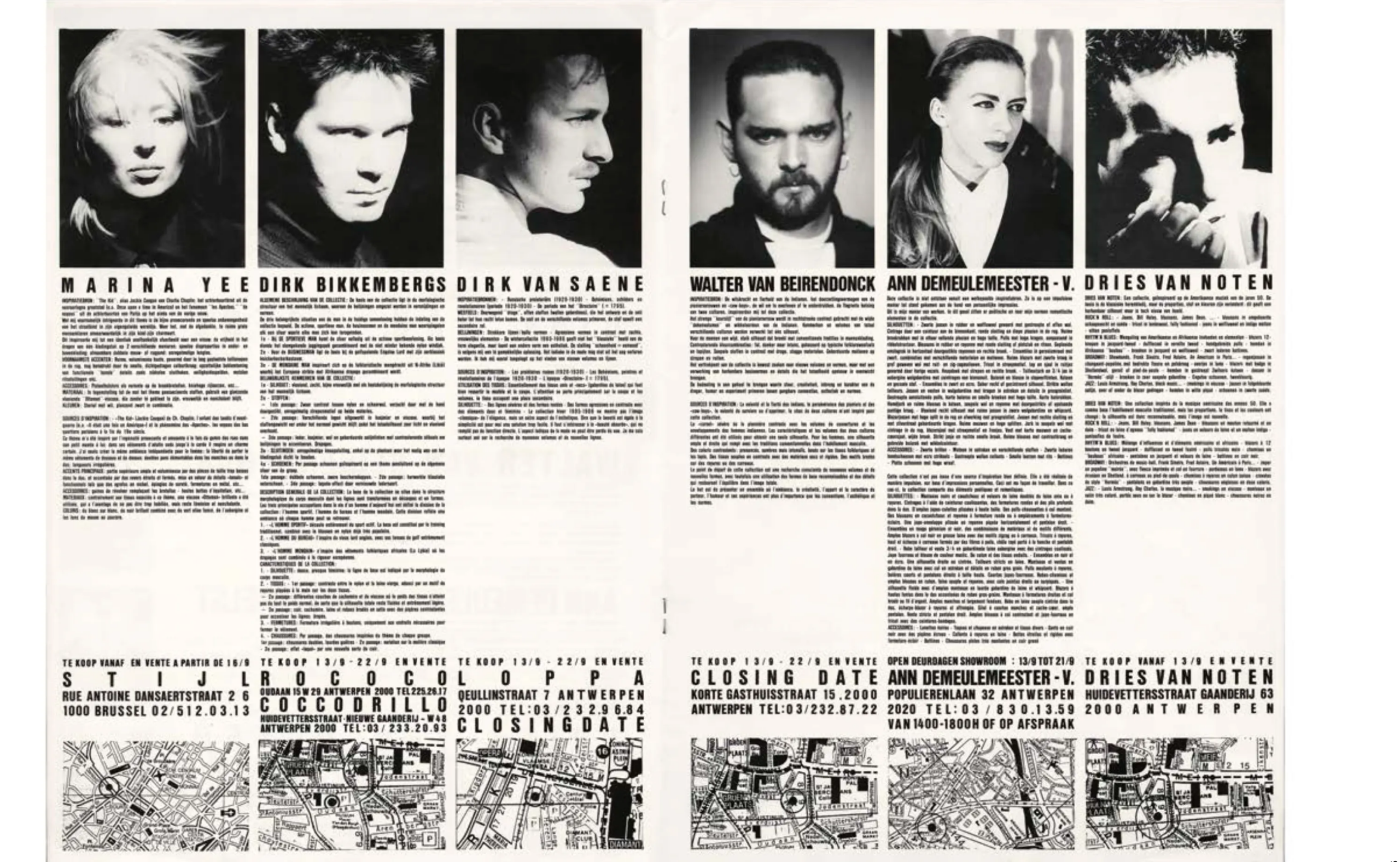
More precisely, it was 1986. Six graduates from the Royal Academy of Fine Arts in Antwerp presented their collections in London, outside the established circuits of Paris and Milan. Dries Van Noten, Ann Demeulemeester, Dirk Bikkembergs, Dirk Van Saene, Marina Yee, and Walter Van Beirendonck operated without the structure of major houses. They traveled together, organizing independently both logistics and presentation. Their collections introduced an approach grounded in individual research, textile development, and a rejection of standardized seasonal frameworks. Garments were conceived as part of a broader visual and cultural system rather than as isolated products.
The Redefinition of Fashion in the 1990s
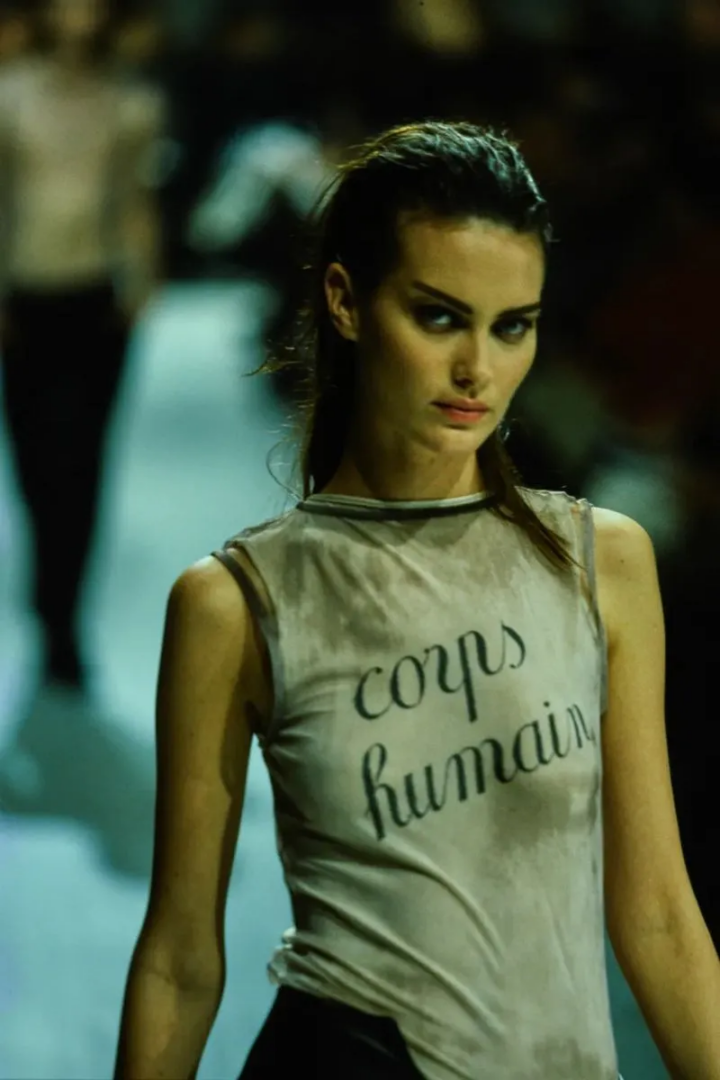
The 1990s. The decade registered a shift from trend driven systems toward designer specific languages. Collections were no longer organized around seasonal directive but around ongoing research carried forward. This approach aligned with the rise of independent brands operating outside traditional couture and ready to wear hierarchies.
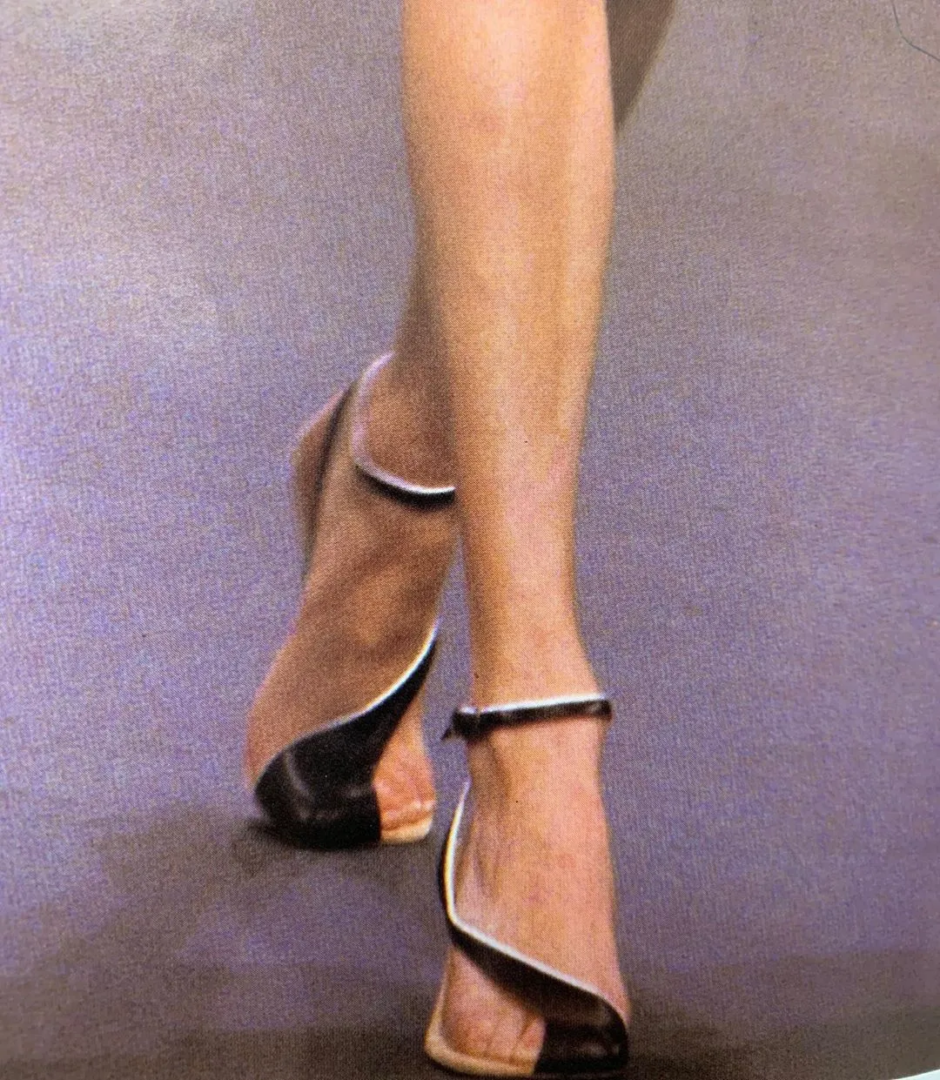
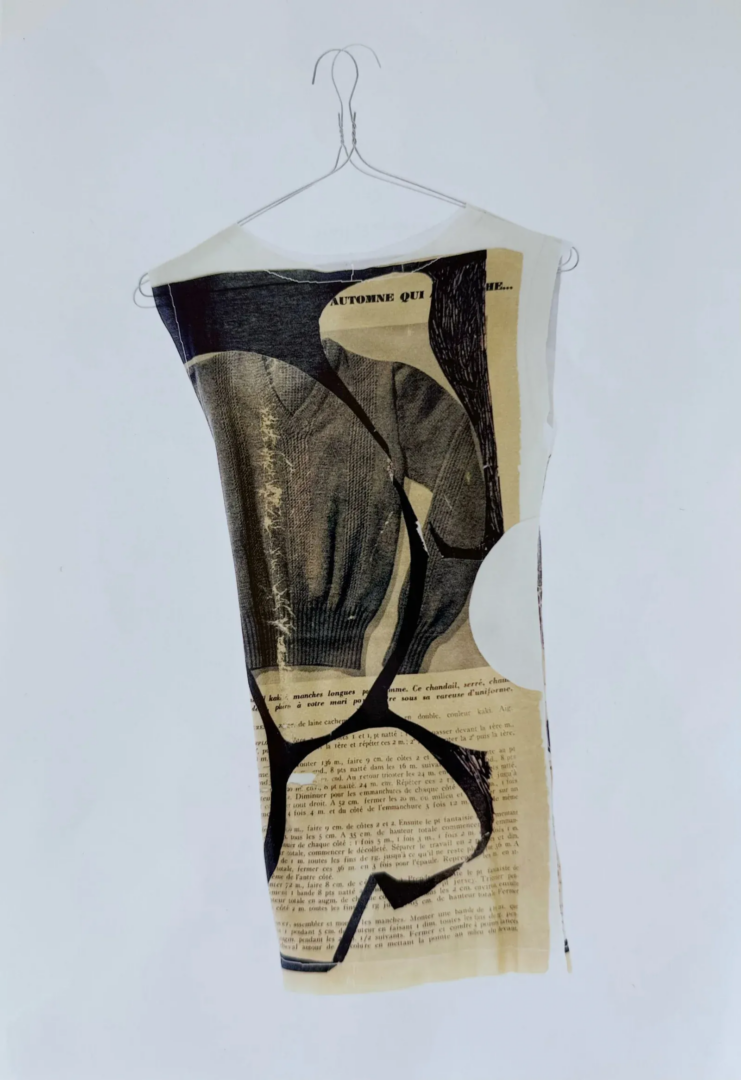
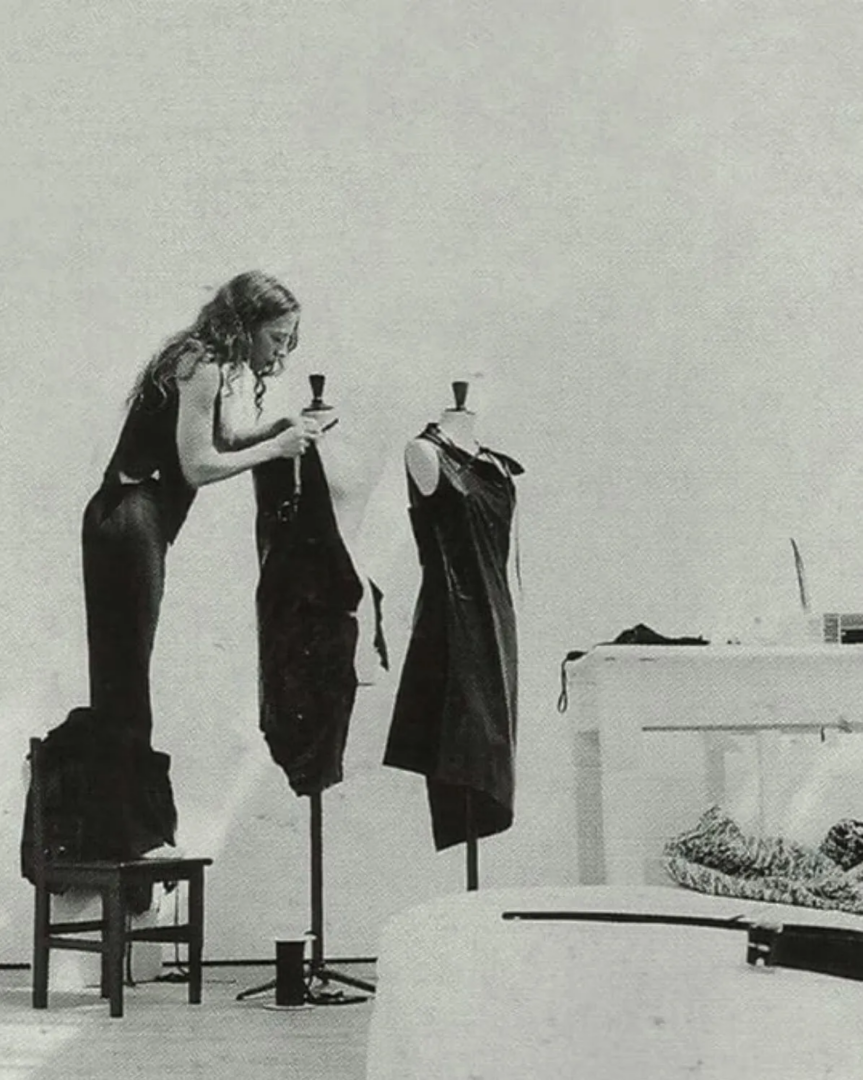
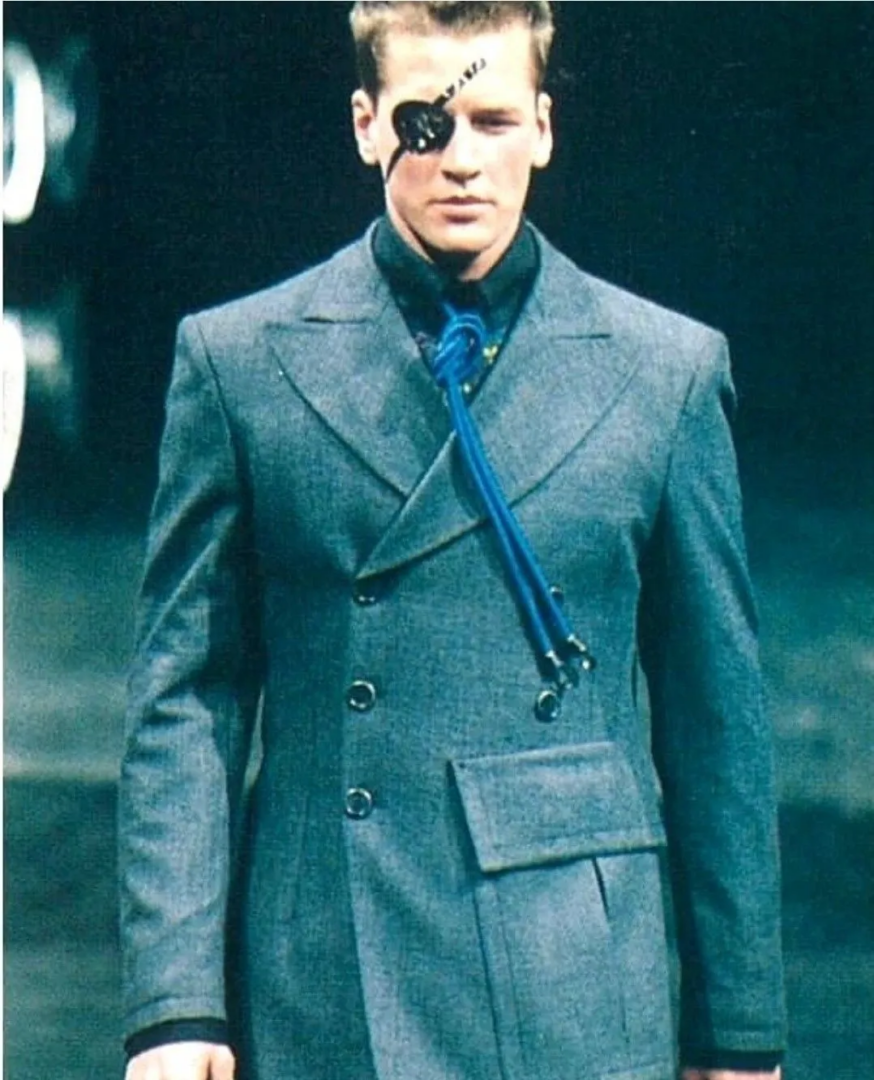
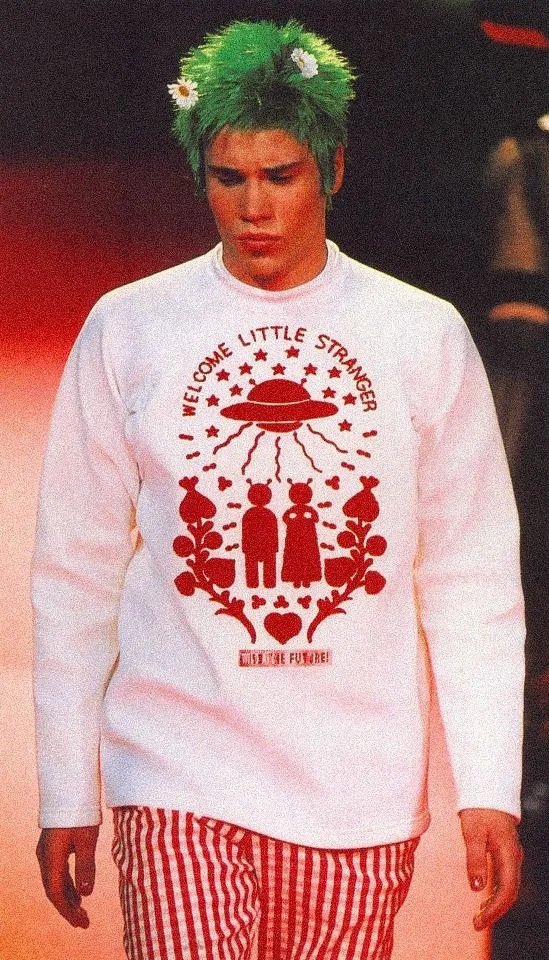
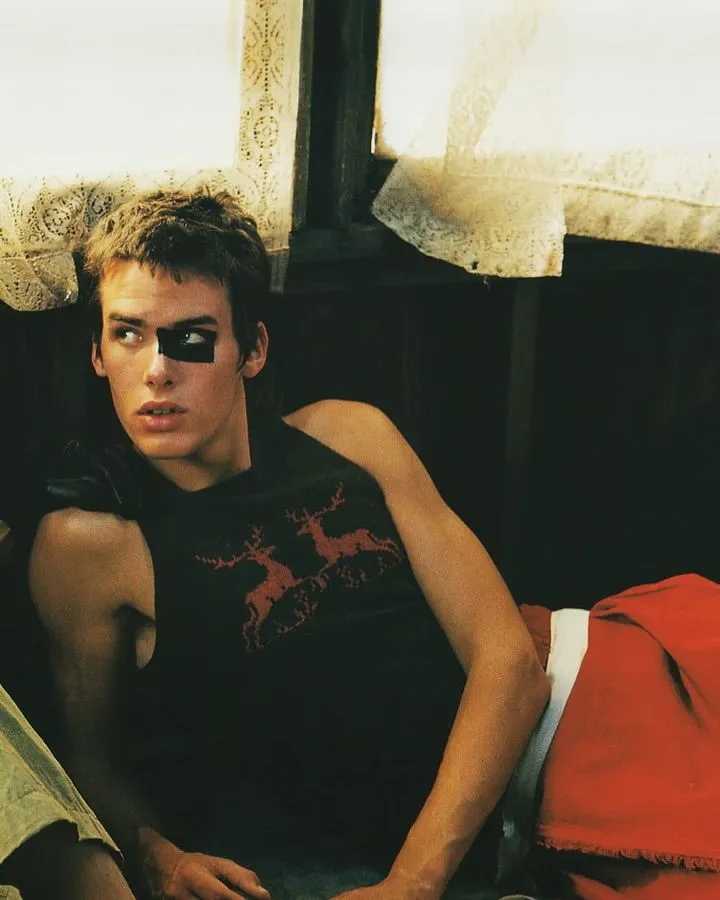
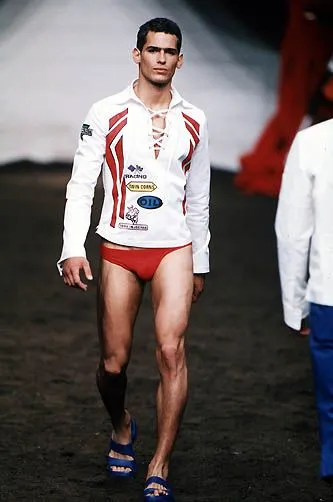
Dries Van Noten developed a model based on long term independence, combining textile research with a controlled retail network. Ann Demeulemeester established an approach to silhouette and layering. Walter Van Beirendonck expanded fashion’s visual language through graphic systems. Dirk Bikkembergs introduced a relation between fashion to sport. Dirk Van Saene and Marina Yee worked focused on existing garments and materials.
Buyers, editors, and institutions began to engage with collections as ongoing narratives rather than isolated seasonal proposals. The Antwerp Six contributed to this shift by maintaining autonomy while operating within an international market.
Antwerp as a Fashion Capital and Cultural Infrastructure
Antwerp functions as a fashion capital through a specific configuration of education, production, and institutions. The Royal Academy of Fine Arts: producing designers who enter the global system while maintaining links to the city. The city’s scale enables proximity between studios, ateliers, retail spaces, and cultural institutions. This proximity facilitates a direct exchange between design, production, and presentation. Institutions such as MoMu extend this structure by providing a context for research and exhibition, positioning fashion within a broader cultural framework.
The MoMu Exhibition and the Construction of a Narrative
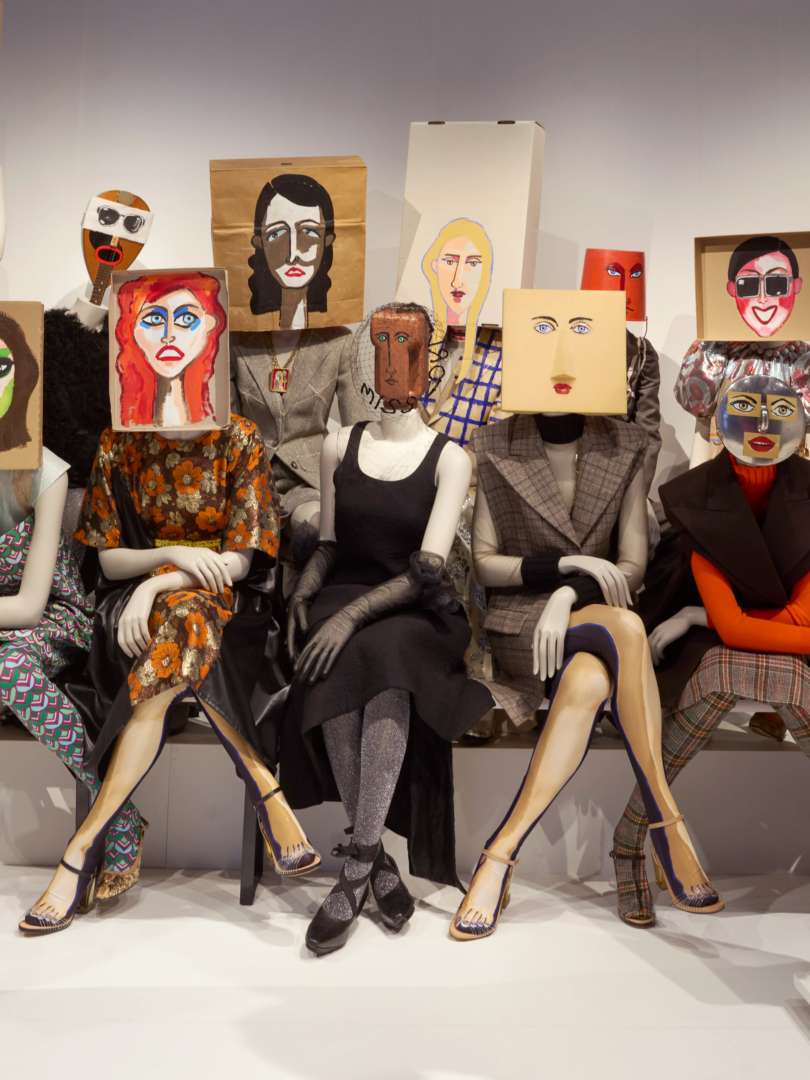
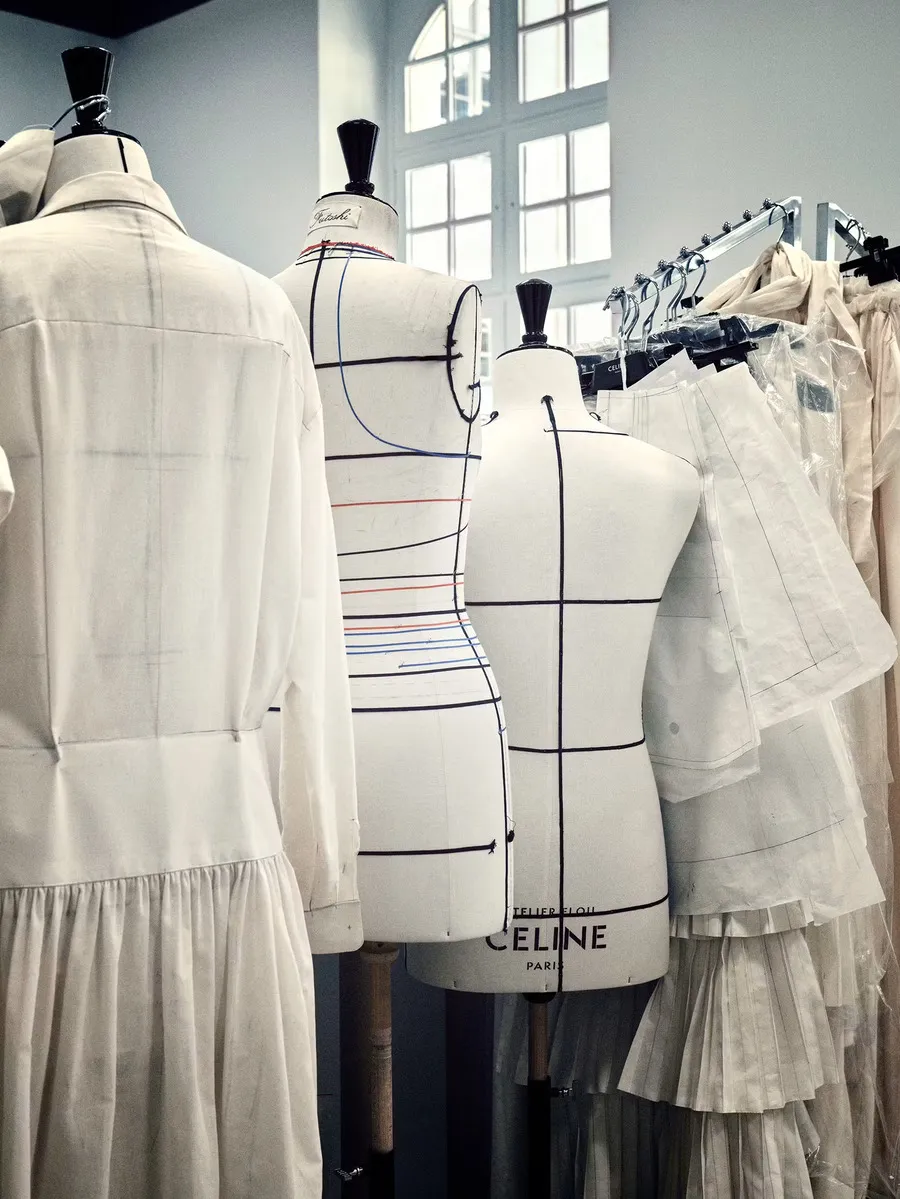
The exhibition at MoMu – Fashion Museum Antwerp, avoids a retrospective format. Instead of isolating key looks, it focuses on the conditions under which the Antwerp Six worked. Garments are presented alongside sketches, patterns, invitations, and documentation of early presentations, framing fashion not as image but as a system of production, circulation, and authorship.
Geert Bruloot, who supported the Antwerp Six at the moment of their emergence through retail and exhibition-making, brings a perspective rooted in the mechanisms that first enabled their visibility. Romy Cockx, curator at MoMu, approaches the material through research and cross-disciplinary references, extending the reading of fashion beyond garment into spatial and cultural narrative. Kaat Debo, director of MoMu, situates the project within a longer institutional trajectory, linking the Antwerp Six to the museum’s sustained role in constructing and exporting Belgian fashion discourse.
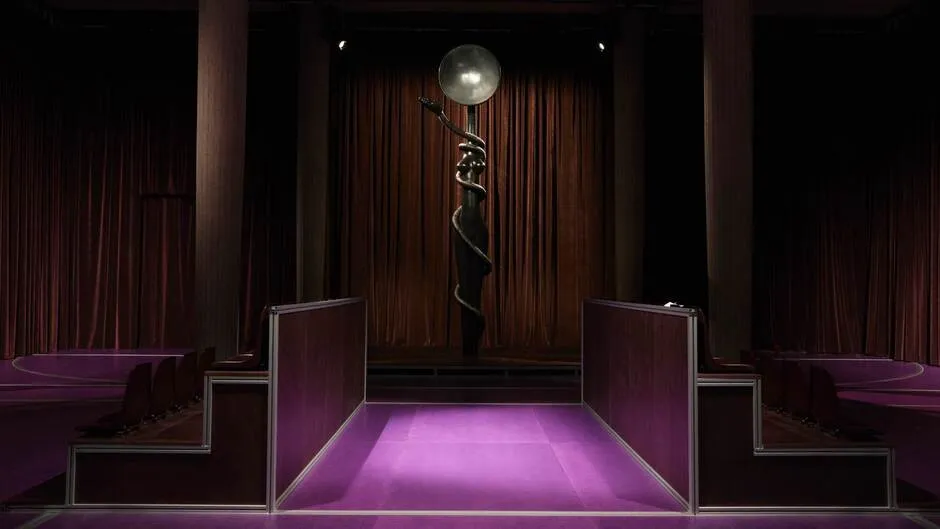
The exhibition design avoids imposing a collective identity. Each designer is presented as an independent system, with intersections emerging through shared education and context rather than stylistic coherence. The Royal Academy is positioned not as background but as infrastructure, with documentation that makes visible its pedagogical model.
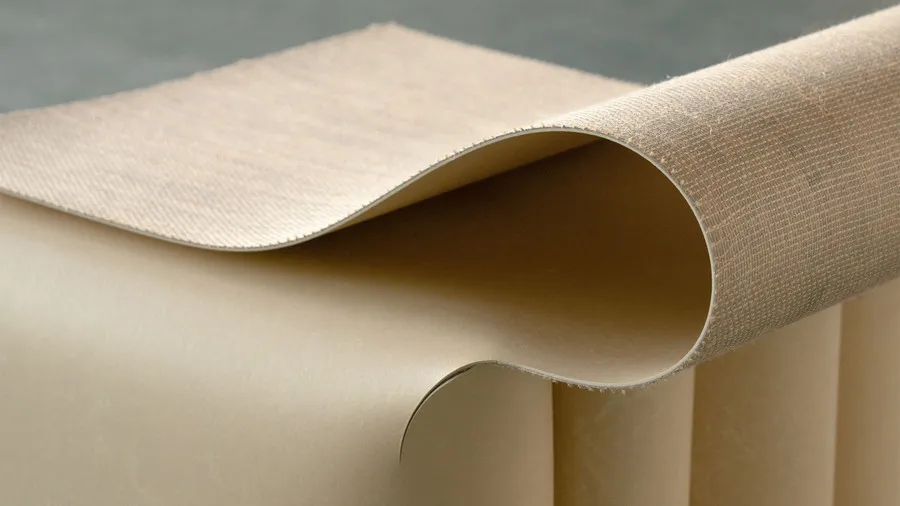
Textile development, pattern cutting, and construction are presented as ongoing operations rather than hidden stages. Samples and unfinished garments trace the movement from concept to object, reinforcing the idea of fashion as continuous research rather than seasonal output.
Documentation from early presentations in London and Paris situates the Antwerp Six within a shifting geography of fashion weeks, where access was negotiated rather than granted. Invitations, photographs, and press materials reveal how their presence was built without reliance on established houses.
Early stockists, multi-brand stores, and the emergence of independent boutiques are presented as parallel structures to design. Retail is treated not as secondary, but as part of the same system through which the Antwerp Six defined their autonomy.
The Antwerp Six Today and Their Ongoing Relevance
Today, the legacy of the Antwerp Six remains visible in the persistence of independent practices and in the centrality of authorship within fashion. Their approach to continuity and research aligns with current conditions in which designers operate across multiple platforms while maintaining control over their work.
The MoMu exhibition situates this legacy within a contemporary framework. By presenting garments in relation to education, and distribution, it connects the emergence of the Antwerp Six to current structures in fashion. The exhibition does not isolate their work as a closed chapter but positions it within an ongoing system centered in Antwerp.