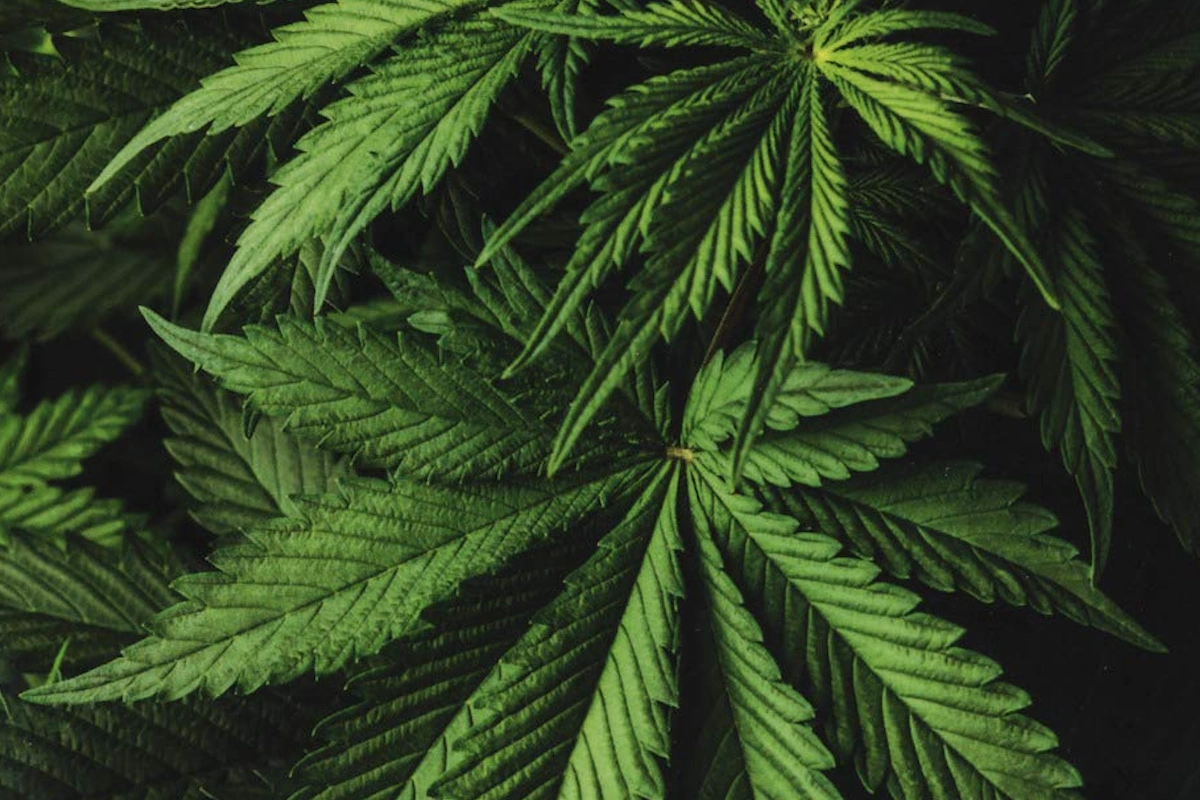
Hemp: reflections with author Paolo Ranalli
The paradox of hemp in Italy: once a national excellence, it failed to enter the modern market – «we were second in the world for the quantity of hemp cultivated, first for fiber quality», says Paolo Ranalli
From agricultural glory to decline: the trajectory of Italian hemp
The paradox of hemp in Italy is that of a plant that was once a national excellence but failed to enter the modern market. At the beginning of the twentieth century, cultivation reached its peak, with two main areas: the North and the South of the peninsula.
In the North, hemp grew in the provinces of Ferrara, Bologna, Modena and Rovigo. In Ferrara alone, in 1914, around 30,000 hectares were under cultivation, with an average yield of twelve quintals per hectare. In the South, production was concentrated between Naples and Caserta, while Carmagnola, in Piedmont, became a center of excellence, to the point of giving its name to a prized textile variety: Carmagnola.
Hemp represented an important source of income. It was, however, a family-based and manual crop, requiring around 1,200 hours of work per hectare. Everything – from retting to spinning – was done by hand or with simple mechanical tools.
With industrialization and the economic boom, rural areas lost population and cultivation became unsustainable. By 1970, cultivated hectares had fallen by more than 90 percent. In addition, in 1961 the UN included marijuana among narcotic substances, further discouraging production.
Science and innovation: the contribution of the Bologna Research Center
In the 1950s, the Research Center for Industrial Crops was established in Bologna (CRA, now CREA), working on the genetic improvement of plants such as tomatoes, sugar beet and hemp.
Ranalli explains: «In the 1950s and 1960s, this institute worked on fiber hemp, when cultivation reached 100,000 hectares in Italy».
Ranalli, a geneticist and lecturer, devoted his career to this plant. His objective was to distinguish industrial Cannabis sativa from cannabis with a high THC content. «It was a concrete problem: many farmers had their crops seized», he recalls.
From this came a breeding program that led to the Red Petiole variety, recognizable by its purple leaf stalk and with a THC content below 0.9 percent. In 2017, the variety was renamed Fibrante.
Between 1992 and the early 2000s, several research projects involved new generations of scholars. Work also focused on mechanizing harvesting and controlled retting, isolating bacteria useful for fiber processing. The scientific results, however, did not lead to real industrial development.
Hemp today: potential that remains blocked
Despite the results achieved, the hemp supply chain has never found full economic valorization. «Research produced innovation, but without the involvement of companies everything remained on paper», Ranalli observes.
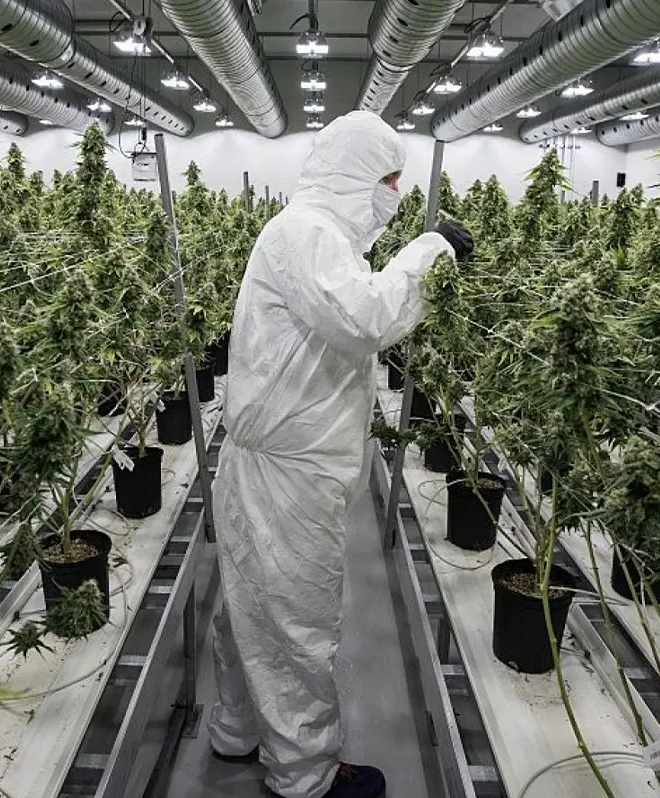
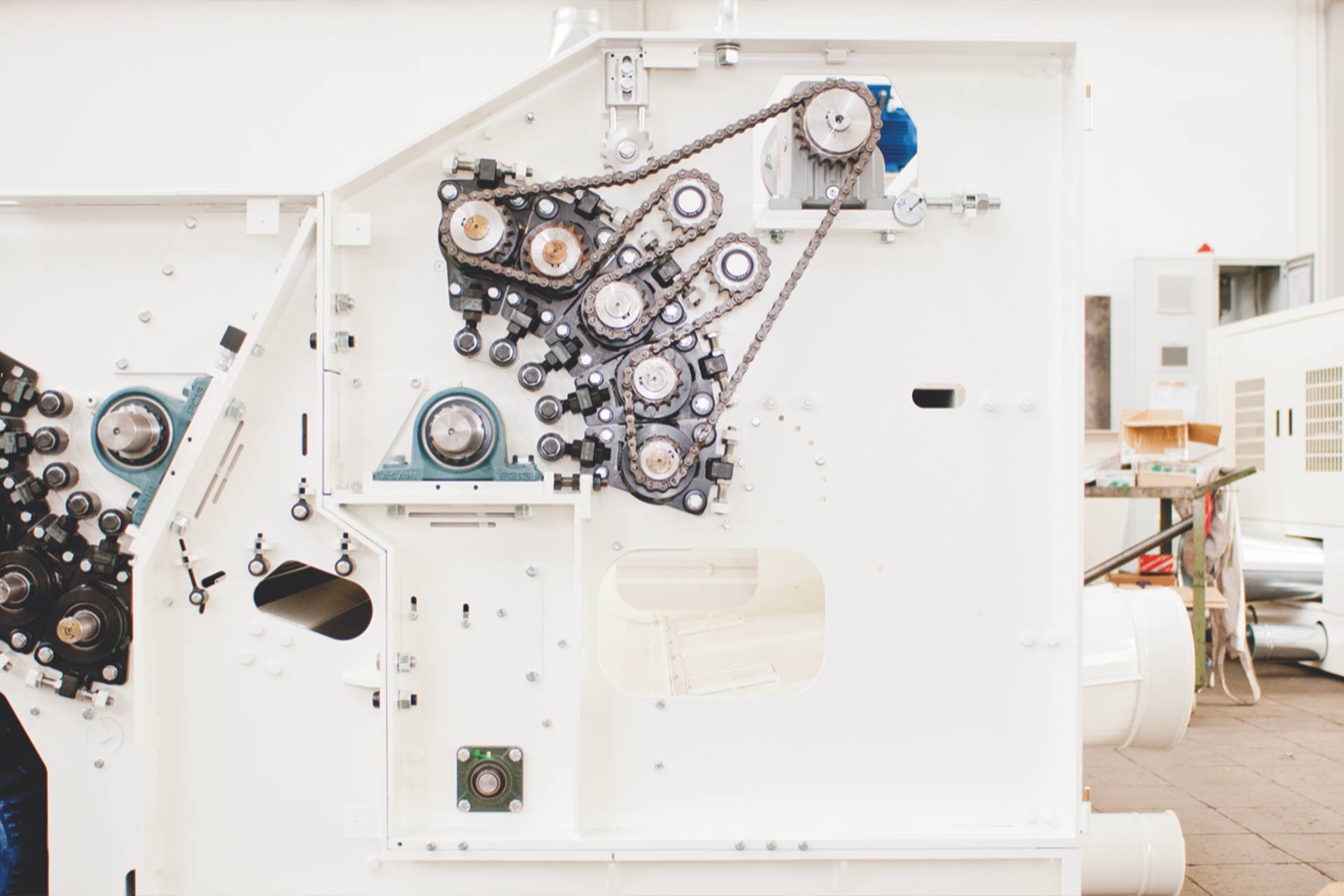
One of the main problems is the lack of primary-processing plants. Farmers cannot rely on facilities close to the fields, as happens with sugar or rice. Transport costs therefore make the crop unprofitable.
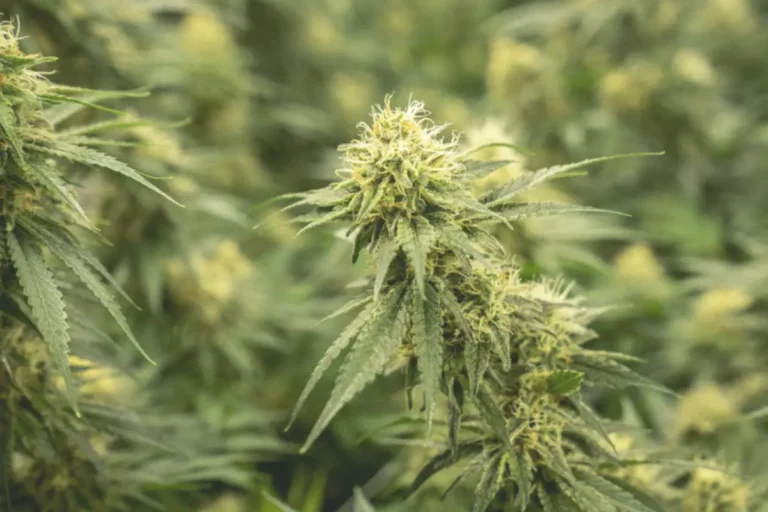
Hemp’s economic value is also often underestimated. Today, there is a tendency to use only seeds and inflorescences, neglecting the stalks, which account for around 80 percent of the plant. If properly valorized, they could be used to produce technical fiber for paper, bio-construction and composite materials. Only an integrated supply chain capable of using the entire biomass can make hemp competitive with crops such as wheat.
A complex regulatory framework that is still evolving
The Italian regulatory framework for industrial hemp is defined primarily by Law 242 of 2016, which allows the cultivation without authorization of varieties listed in the EU Common Catalogue of Varieties of Agricultural Plant Species, provided they belong to Cannabis sativa L.
The THC limit remains set at 0.2 percent, with a technical tolerance up to 0.6 percent. Within this threshold, the farmer is not criminally or administratively liable, provided certified seeds have been used and the control procedures established by law have been followed.
Since 2023, the Common Agricultural Policy (CAP) has raised the maximum THC limit for hemp eligible for EU direct payments to 0.3 percent. This is, however, an EU rule concerning access to subsidies and does not automatically change the limits established by Italian legislation.
Law 242/2016 also allows up to 700,000 euros per year to be allocated to improving production and processing, as well as to research projects on primary hemp processing. These funds are not automatic, however, and require specific implementing decrees; so far, they have only been partially activated.
One issue that remains controversial concerns the use and sale of inflorescences. The law lists permitted uses – food, cosmetics, textiles, bio-construction and industrial semi-finished products – but does not explicitly regulate the sale of dried inflorescences. Over the years, this has generated differing interpretations by the judiciary and competent authorities.
The future of hemp between sustainability and agricultural policy
Today, most varieties used in Italy are monoecious varieties of French origin, developed for climates different from ours. According to Ranalli, research remains “in tow of politics”, and without investment it will be difficult to innovate.
Nevertheless, the ecological transition and the new objectives of the Common Agricultural Policy (CAP) could give the crop new momentum. Hemp responds directly to European targets: reducing pesticides and fertilizers, increasing organic farming and protecting biodiversity.
The 2014–2020 CAP reform had already recognized hemp among crops eligible for payments, provided it came from certified seed with THC below 0.2 percent. Under the new CAP, the limit rises to 0.3 percent for European subsidies, but in Italy not all Regions have extended premiums to this crop, continuing to favor rice, sugar beet and tomatoes.
A reflection for the future
Ranalli’s motivation for bringing together experts and researchers in the volume La canapa – Miglioramento genetico, sostenibilità, utilizzi, normativa di riferimento (Edagricole, 2020) is clear: to create awareness and encourage political action.
«It is a critical reflection on the state of hemp in Italy», he concludes. «The knowledge and tools are there, but what is needed is the will to put them into practice».