Hemp Care brings hemp into cosmetics through an integrated short supply chain
Hemp oil from Italian cultivation is processed within a single production cycle: formulation, testing and packaging take place in the same departments, with no external stages
Hemp Care and hemp as a defining raw material
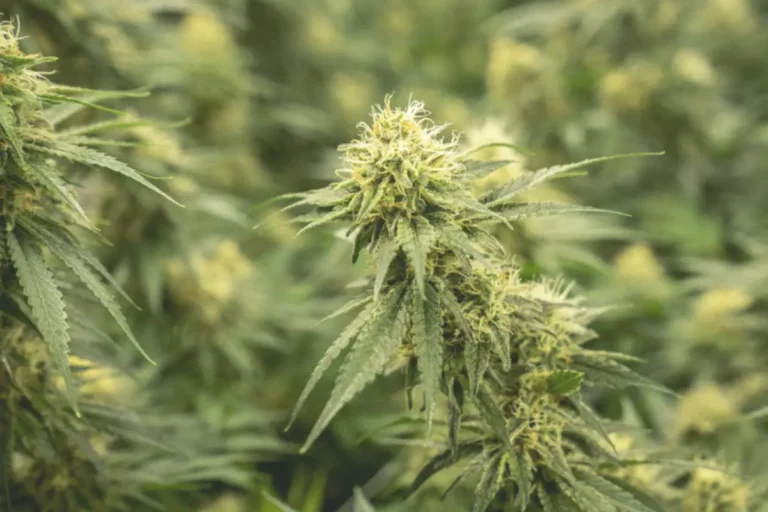
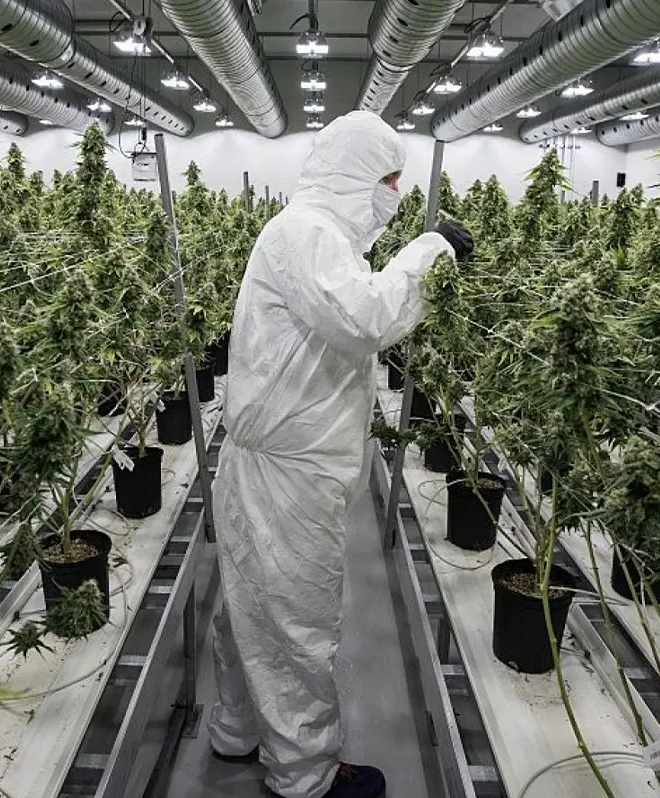
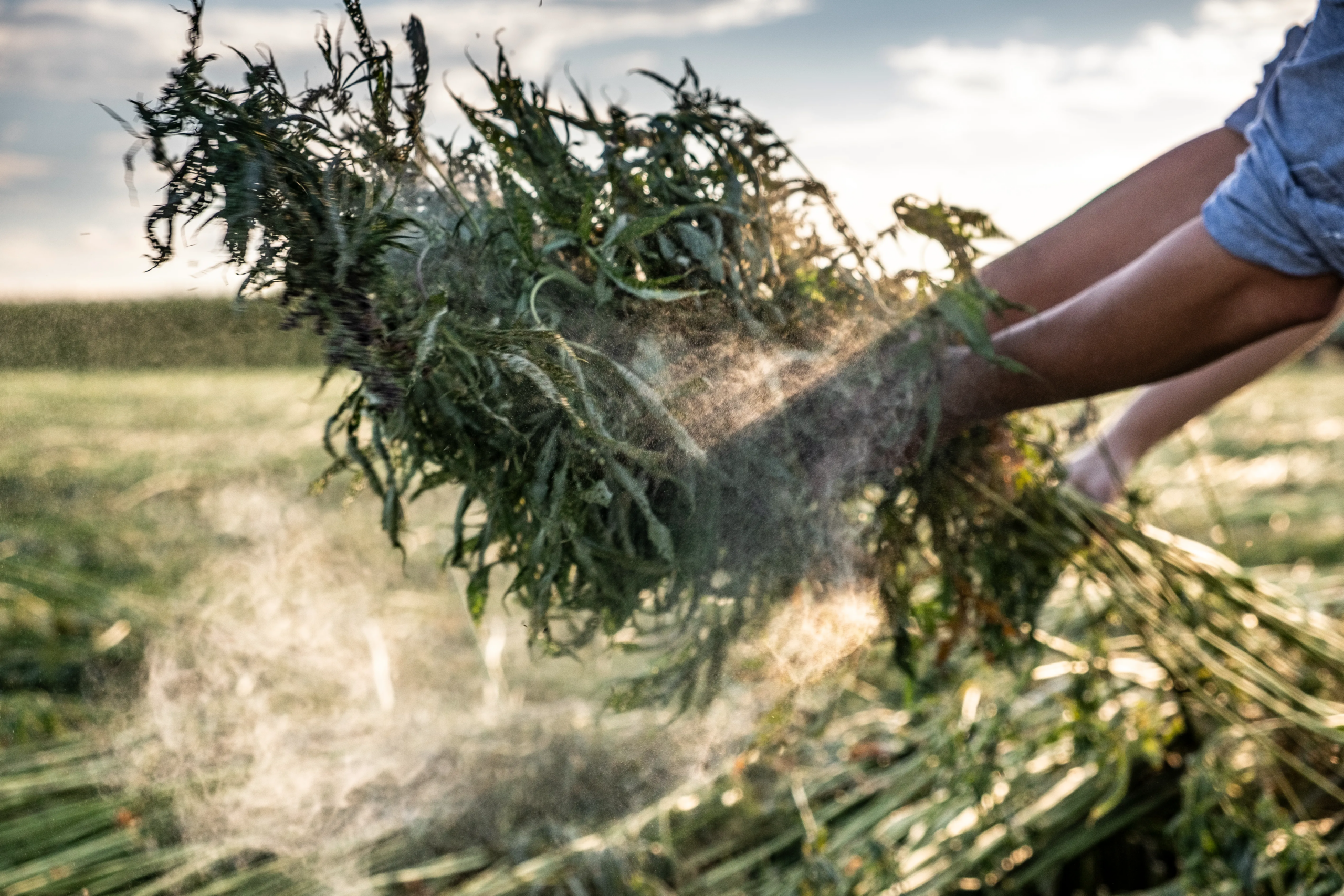
At the Grassobbio plant, just outside Bergamo, Allegrini S.p.A. treats hemp as a laboratory ingredient before it becomes a cosmetic raw material. The seeds come from organic Italian crops and are processed into oil: «we guarantee the traceability of organic hemp oil».
From this point onward, the supply chain remains within the plant: research, testing, development and packaging follow the same production line, defining Hemp Care’s identity. Traceability covers the entire agricultural cycle, from sowing techniques to yield monitoring, including the effects of climatic variations on the fields. In recent years, some crops originally located in the province of Bergamo have been moved to Piedmont, a decision prompted by agronomic conditions considered more suitable.
The oil is obtained through cold pressing, preserving the balance of polyunsaturated fatty acids, vitamins and minerals. The company highlights the similarity between the oil’s composition and skin physiology: «The composition of fatty acids, vitamins and minerals is similar to that of the skin’s natural lipids». Its use in skincare follows a progressive pattern, with effects becoming established over time: «The emollient and elasticity-enhancing properties increase with use, season after season». Centralising the production stages at the Grassobbio plant allows direct control of every batch, including stability tests, viscosity checks and compatibility testing with packaging materials.
Hemp agronomy and continuity of the supply chain
Hemp grows rapidly, improves soil quality and requires limited intervention, characteristics the company considers consistent with the structure of its supply chain. The decision to maintain organic cultivation reflects the aim of avoiding inputs that could alter the yield or stability of the raw material. Selecting more suitable plots, such as those in Piedmont, responds instead to the need to reduce the impact of climatic variations observed in recent years.
In cosmetics, the company distinguishes oil obtained from seeds from extracts derived from other parts of the plant, which have been subject to regulatory review at European level. Hemp oil, which contains no psychotropic cannabinoids, has a well-established history of use in the sector; CBD, by contrast, became usable only after the 2021 CosIng update. The company uses this distinction to position hemp oil within its formulation identity, while CBD remains part of a separate line.
Natural raw materials and formulations working in synergy
Hemp oil is one of the natural raw materials underpinning the line’s formulations: «In the Hemp Care collection, hemp oil is used together with natural ingredients such as shea butter, organic olive oil, organic sweet almond oil and organic oat extract». Botanical extracts including chamomile, calendula, aloe vera and goji berries are also used, selected for their respective soothing or antioxidant properties. All formulations are free from PEGs, parabens, petrolatum, SLS, SLES and colourants.
The facial range includes moisturising creams, nourishing masks, serums and a cleansing milk combining organic almond oil and vegetable glycerine. The eye serum uses aloe vera and chamomile and calendula extracts, while the mask combines cocoa butter, organic shea butter and beeswax. The body range includes dry oils, scrubs made with jojoba and tamanu exfoliants — a biodegradable powder — and moisturising creams combining hemp oil with oat extract.
In haircare products, shampoo and conditioner use hemp oil, jojoba oil, keratin and olive oil. The detangling cream contains flax extracts. The beard-care range follows the same approach: a transparent shaving gel with bamboo extract, emollient oils derived from hemp, sweet almond, jojoba and babassu, and a no-rinse cleanser enriched with aloe vera and calendula. The formulations share an olfactory structure defined by citrus, hemp leaves and floral notes, also used in the home-care products.
Sustainability and centralised process management
Sustainability is presented as the result of technical and logistical choices. The Grassobbio plant brings together research, development, production, testing and packaging, avoiding the dispersal of activities across multiple sites: «This reduces CO₂ emissions associated with transport». The refurbishment of the building with low-consumption ventilation systems limits heat loss and reduces energy impact.
On the agricultural side, organic hemp cultivation follows a model that prioritises green energy sources: «Our work is based on the use of renewable resources, with the aim of maintaining and improving soil fertility».
The scented candles are made from a plant-based blend — ninety percent soy wax and ten percent coconut oil — designed to ensure slower burning and reduced particulate emissions. Consistency across the different products reflects the aim of keeping the line recognisable, without introducing sensory or material variations that would be inconsistent with its identity.
Circular economies and turning waste into a resource
The CBD used in the Supreme line derives from a process using D-limonene obtained from orange peels, a choice that reflects the circular-economy principle adopted by the company: «We created a line extension using CBD synthesised from D-limonene obtained from orange peels». The peels are a by-product of the juice supply chain; turning them into an active skincare ingredient helps reduce waste and integrate materials already present in other production sectors: «Through upcycling, we give value to citrus-processing waste, transforming it into a new ingredient».
With the introduction of CBD, the company distinguishes between two paths: hemp as an agricultural raw material and cannabidiol as the product of a transformation process. Hemp oil remains linked to the territory and the Italian agricultural supply chain, while CBD is obtained without using the plant or flowers, starting instead from an already available natural compound.
The company also clarifies the distinction between the two ingredients in regulatory terms: hemp oil, derived from seeds, has historically been permitted in cosmetics; CBD, by contrast, underwent a regulatory review that defined its conditions of use in 2021. Today both forms — synthetic and natural — can be used, but Hemp Care exclusively uses CBD synthesised from a citrus source, in pure form and uncontaminated by other extracts from the cannabis plant.
In the Supreme line, CBD is treated as a complementary ingredient, used for soothing and rebalancing properties already recognised in cosmetology literature.
Italian supply chain: operational structure and process continuity
Allegrini’s Italian supply chain is structured around the ability to monitor every production stage closely. Formulas are defined in the in-house laboratories, ingredient compatibility is tested and stability trials are initiated, while the production departments work at progressive scales, from small experimental batches to production intended for distribution. The proximity of these areas makes it possible to record variations in the physical parameters of the formulas — density, colour and behaviour in emulsion — and intervene without interrupting the operating cycle.
Process control also includes checking the quality of incoming raw materials. Each batch is analysed to confirm that it falls within the parameters defined during development: because these are natural ingredients, some seasonal variations are physiological, and comparison between laboratory and production determines when a batch can be used. This working method allows the company to maintain consistency between successive production runs without resorting to additional stabilisation or substantial changes to the formulations.
Internal procedures also include checks on packaging materials: bottles, caps, pumps and labels are tested to verify compatibility with the formulations, the absence of migration and durability over time. Analyses are carried out by product category, following different protocols for emulsions, gels, oils and aqueous solutions.