Textile hemp and industry: why cottonization remains on hold
The point where fiber stops short of industry: in Italy, hemp cottonization remains an interrupted stage – a technical step linked to spinning that exists only in academic studies and research projects
To cottonize or not to cottonize: two routes for textile hemp
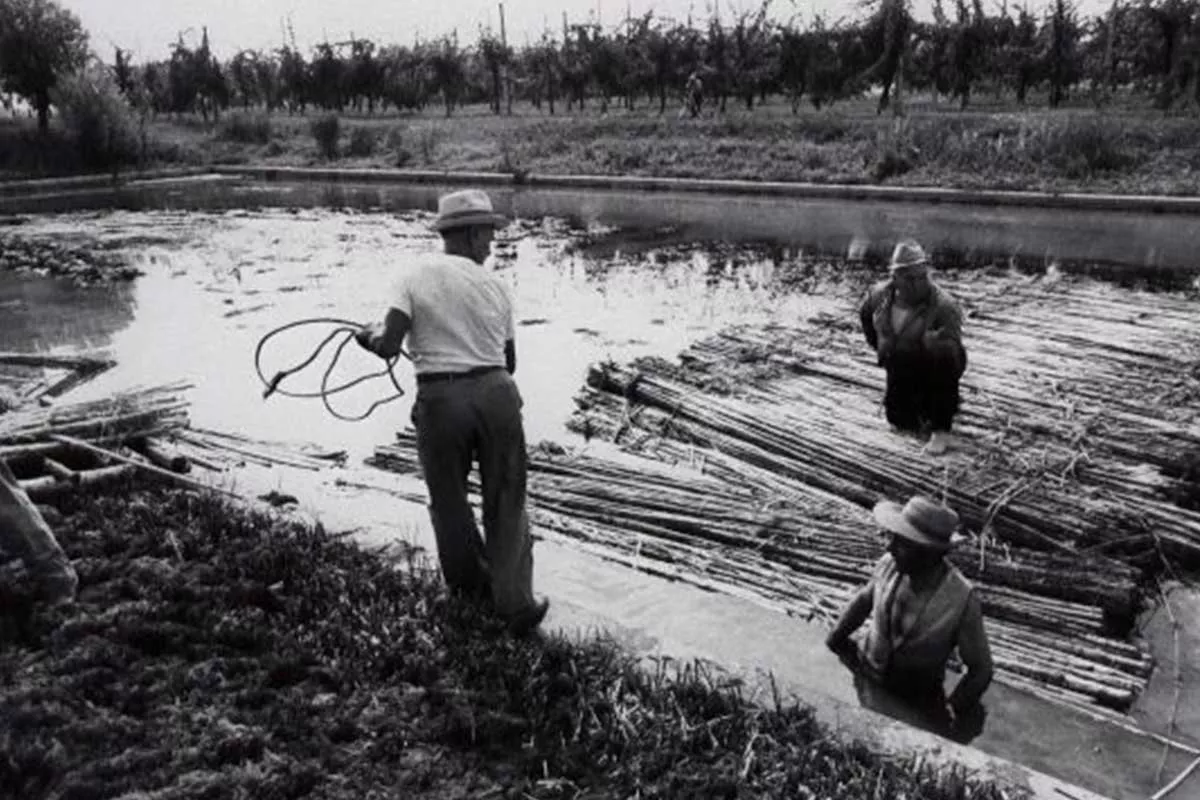
Hemp can be spun without cottonization, following the long-fiber route and wet spinning, as with linen. This approach preserves the luster and strength characteristic of bast fibers – linen, hemp and nettle – because it retains the fiber’s original length. The wet-spinning process on which it depends requires a complex production chain: controlled retting in running or hot water, mechanical scutching, fine combing and wet spinning. Every stage must take place continuously, with trained personnel and facilities kept at a constant temperature.
In Western Europe, this infrastructure has almost disappeared: the last active linen facilities are in Normandy and Flanders, while the dedicated hemp lines that operated in France until the 1980s have been dismantled or converted to other uses. Today, much of the long hemp fiber is shipped to Asia for spinning, where wet-spinning processes remain widespread, supported by lower energy and labor costs.
Hemp cottonization
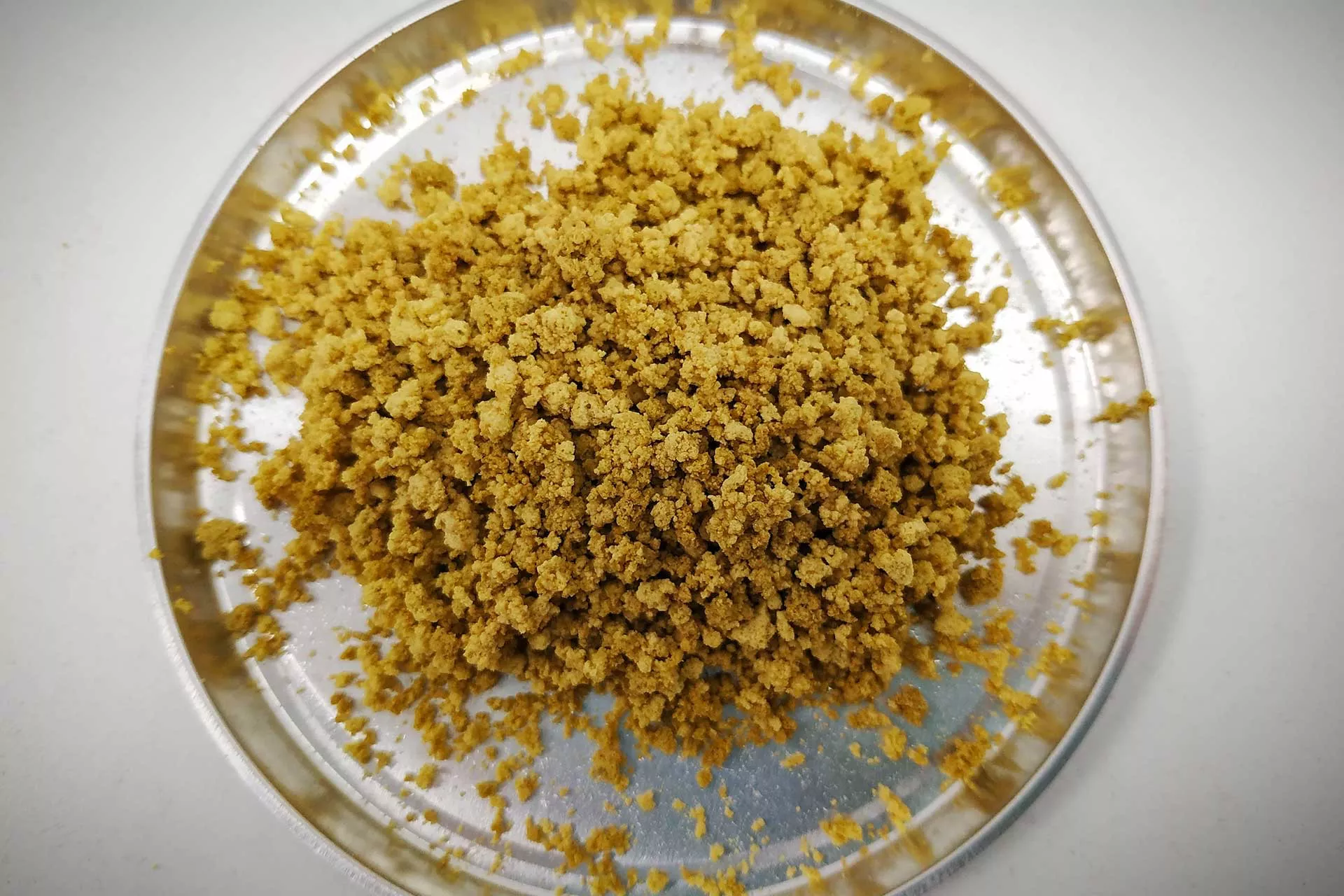
Hemp cottonization is the process that makes the plant’s long fiber compatible with cotton-processing machinery. It involves separating and shortening the fibers, removing pectins and lignin through chemical, mechanical or enzymatic treatments. The result is a softer, more uniform staple measuring approximately 30–50 millimeters, suitable for industrial spinning. This step makes it possible to produce yarn blends with cotton or other natural fibers, expanding hemp’s textile applications. In Italy, hemp cottonization is not currently practiced on an industrial scale.
The cotton-spinning route shortens the fiber and makes it compatible with widely available equipment. It allows blends with cotton and other short fibers, standardizes process parameters and lowers the barrier to industrial entry. In Italy, neither route has yet found a genuine industrial application.
Wet spinning disappeared along with the facilities that made it possible, while cottonization remains confined to research and a handful of pilot projects, far from the volumes and conditions needed to turn it into production.
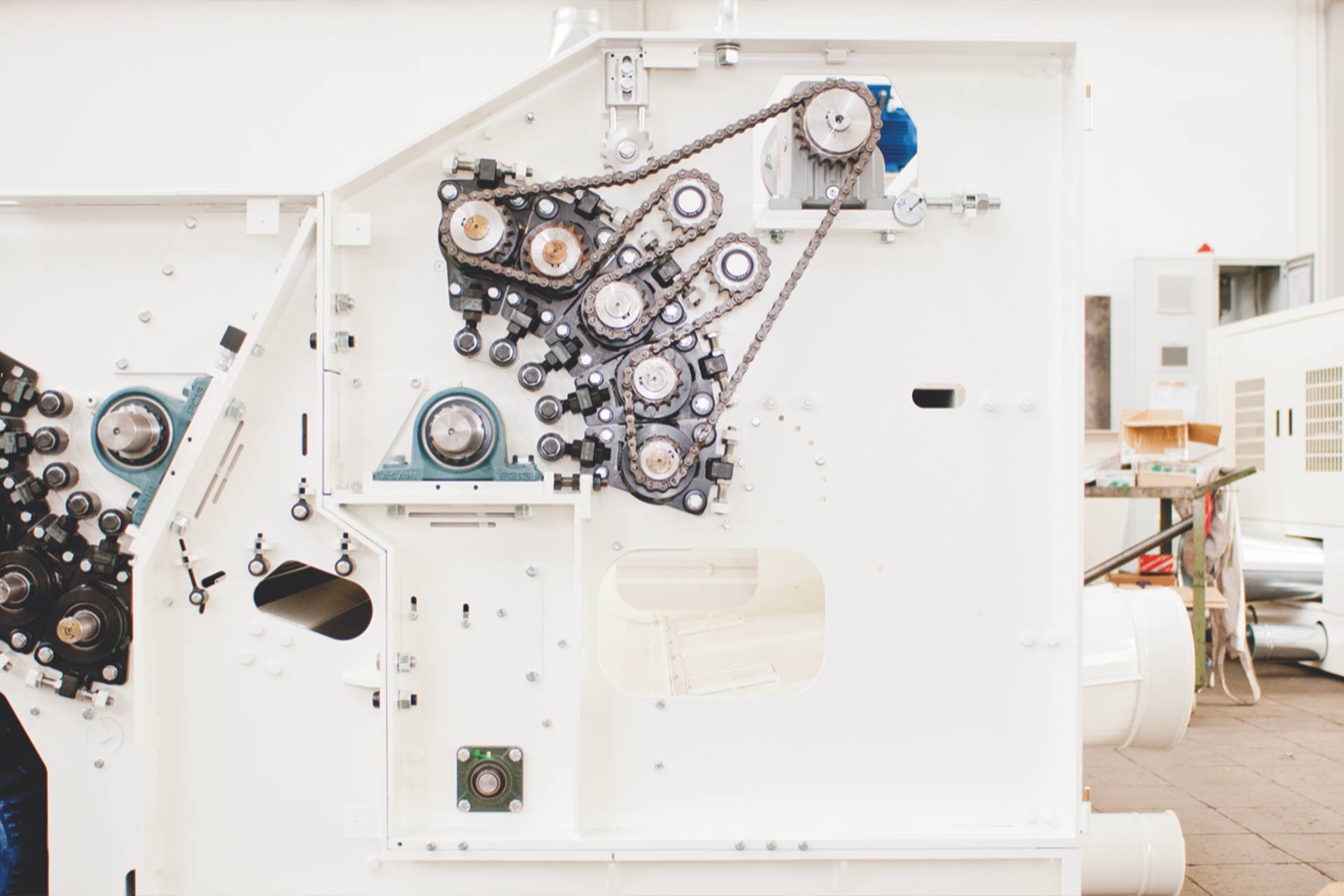
Hemp starts out long and stiff, difficult to adapt to the rules of machinery. Cottonization changes its structure: it reduces fiber length, softens the surface and removes some of the plant substances that prevent twisting. At the end of treatment, what remains is a short, uniform staple capable of moving through cotton-processing machinery.
The length of the supply chain undermines sustainability in the textile industry
Sustainability in the textile industry does not end in the field. Hemp grows with few resources, improves soil fertility and absorbs significant quantities of carbon dioxide, but its environmental footprint also depends on what happens after harvesting. When fiber has to be shipped abroad for washing and spinning, part of its initial advantage is diminished: distance becomes an integral part of the process, just like the water or energy used to transform it.
Cost differences reflect industrial structure. In Asia, where the supply chain is integrated, one kilogram of short fiber ready for spinning costs an average of four euros. In Europe, where processing takes place in certified facilities with higher standards of traceability and environmental monitoring, the price rises to six to eight euros per kilogram.
In Italy, when raw material is sent abroad for treatment and returns as a semi-finished product, the effective cost often exceeds ten euros per kilogram.
Cottonization research: where fiber becomes measurable data
Between 2019 and 2025, a network of European and Italian projects generated concrete data on hemp cottonization processes. In Italy, the Polytechnic University of Turin and the University of Bologna tested combined cycles using peroxide and enzymatic treatments to reduce the use of caustic soda and improve staple uniformity. The University of Camerino analyzed the energy balance of these systems, estimating average consumption of 2.8 megawatt-hours per tonne of treated fiber.
The results converge on a precise balance: temperatures between 70 and 80 degrees Celsius, with controlled alkaline pH, ensure the removal of plant gums up to the optimal threshold of eight percent, necessary for uninterrupted spinning. Operating at 60 degrees is possible, but requires longer processing times and enzymatic assistance to separate the fiber bundles without compromising tenacity.
At European level, projects such as Hemp4Circularity and Sustainable Bast Fibres 2030 have established shared parameters for measuring processing effectiveness: staple lengths of 30–50 millimeters, a fineness of 1.2 tex and an even diameter distribution, enabling stable blends with cotton of up to 50 percent. More than the chemical formula, the quality of the result depends on how precisely the fiber is dried and cooled: only then does it retain the strength needed to withstand machine speeds.
Cottonization without a market: why Italian technology remains at the prototype stage
The European market for hemp-based yarns is growing, but from a small base: the share destined for textiles remains a fraction of all processed bast fiber, with the rest absorbed by construction, biocomposites and papermaking. In Italy, actual demand for pure hemp yarns or stable blends has not yet reached levels that would justify a dedicated plant.
Prices follow the logic of volume and continuity: without regular deliveries and long-term contracts, the recovery of investment costs remains uncertain. Energy and water costs add to the problem; in Italy, these weigh more heavily than in areas with cheaper energy or industrial networks already optimized for continuous washing and drying.
The result is a situation on hold: textile hemp returns to discussions about materials, but does not enter investment plans. The technology is available and its parameters have been measured, yet the ecosystem – from agriculture to processing – is not aligned.