Hemp and sustainable construction: the story of Italy’s first hemp house
Hemp, timber, unfired clay, straw, flax and rice husks: exploring natural alternatives to conventional building materials with designer Olver Zaccanti
Olver Zaccanti and Italy’s first hemp house
Construction of Italy’s first hemp house dates back to 2009. The building is located in San Giovanni in Persiceto, near Bologna. It was designed by Olver Zaccanti, who grew up surrounded by hemp: «I come from Sant’Agata Bolognese, and my family had been growing hemp for generations. Towards the end of the 1990s, on a trip to Brittany, I discovered that hemp was also being used in construction. I went back to study all its characteristics and benefits. Unlike Italy, France had an entire hemp supply chain, from growers and processors to the machinery and tools needed to use it in building».
In the early 2000s, Olver was commissioned to build an environmentally friendly semi-detached house and proposed hemp: «Once my proposal had been accepted, I returned to Brittany to select the company that would manufacture the materials – in this case, prefabricated blocks for a timber-frame construction system – and carry out the installation, because neither the materials nor the specialist labour were available in Italy. Fortunately, today hemp could be sourced locally, but regulations are still lacking. The owners of the hemp house are delighted with their choice, both because of its low energy consumption and its indoor comfort. The building also suffered no damage in the 2012 earthquake, despite being located within the earthquake-affected area».
Olver is a member of the Associazione Nazionale Architettura Bioecologica (ANAB, the Italian National Association for Bioecological Architecture), which advocates «considering the building as a living organism and supporting its integration with its occupants and the environment through the principles of natural architecture: technologies that use renewable energy; natural materials and construction techniques that minimise environmental and energy impacts; and the protection of health».
Natural raw materials for construction rather than green building
In recent years, the term green building has become increasingly widespread. It refers to designing, constructing and managing buildings according to principles of environmental sustainability, with the aim of reducing their negative impact on the environment.
Although ANAB itself helped introduce green building to Italy, Olver believes such discussions are empty unless attention is paid to raw materials: «Rather than saying that a material is intended for green building – a term often used in greenwashing – we should establish whether it is suitable for construction, both in terms of quality and environmental impact. The same applies to the word sustainable, because everything humans do has some effect on the environment. Materials should be classified on a scale that measures that impact».
This assessment is known as Life Cycle Assessment (LCA). It makes it possible to analyse a material from the extraction of the raw material used to manufacture it, through processing and installation, to decommissioning, disposal or recycling: «The parameters include the amount of energy and water required, the pollution generated, and whether the rights of the people involved in production are respected. Life Cycle Costing (LCC) can be used to assess its cost. Paraphrasing Slow Food’s motto, ‘good, clean and fair’, we could say that, for ANAB, building materials should be healthy, durable, safe and fair».
Every part of the hemp plant can be used in construction
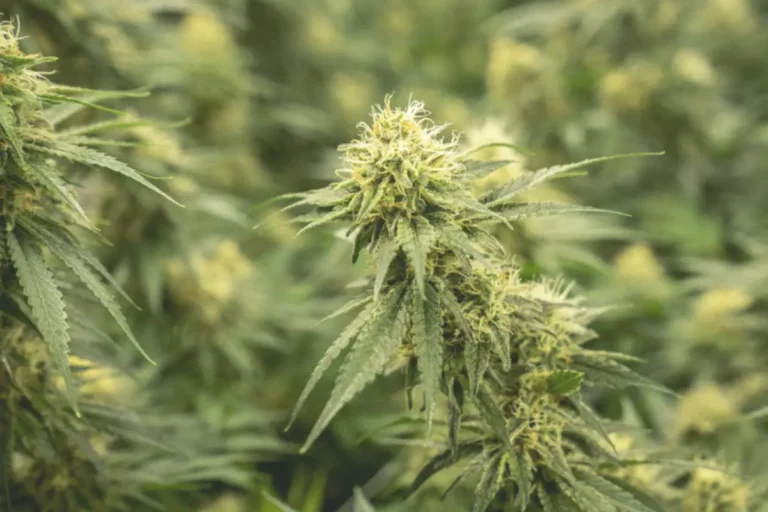
«Every part of the hemp plant can be used in construction», says Olver. The seeds yield an oil used to treat surfaces, floors, stone and structural timber: «Nobody in Italy produces this particular oil».
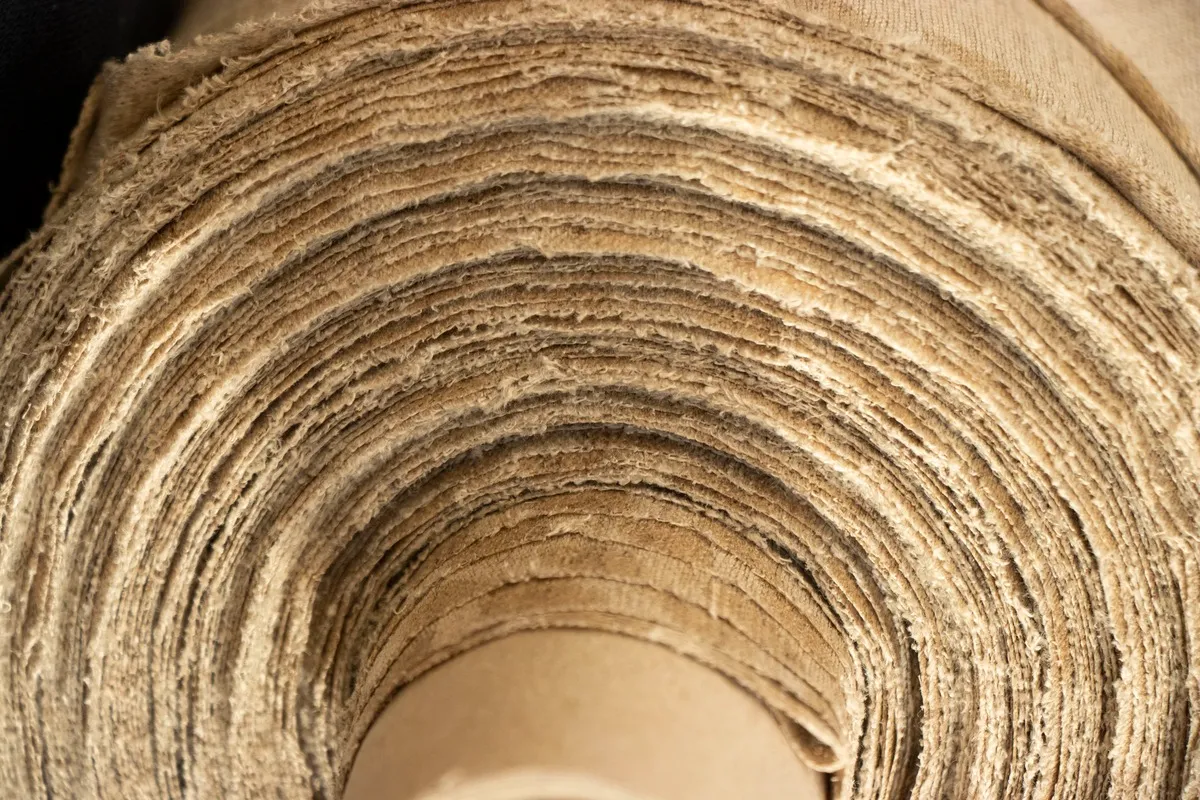
The hemp stalk is divided into fibre and shiv. The fibre is used to make insulation mats and panels, similar to those made from rock wool or wood fibre, suitable for insulating the exterior and interior of buildings: «Installation is very straightforward, but nobody currently manufactures them in Italy. Care is needed when importing them, because many companies include a percentage of PVC fibres. It is better to choose alternatives such as PLA, jute, residues from other natural textile processes or sheep’s wool».
Hemp shiv – the woody core – is used to make non-load-bearing infill walls, prefabricated blocks and panels, plaster, insulating render and insulating screeds: «Care must be taken with the materials mixed with the shiv, namely the binder. Lime or clay-and-lime mixtures provide greater comfort and breathability than cement-based binders, hydraulic lime and other materials».
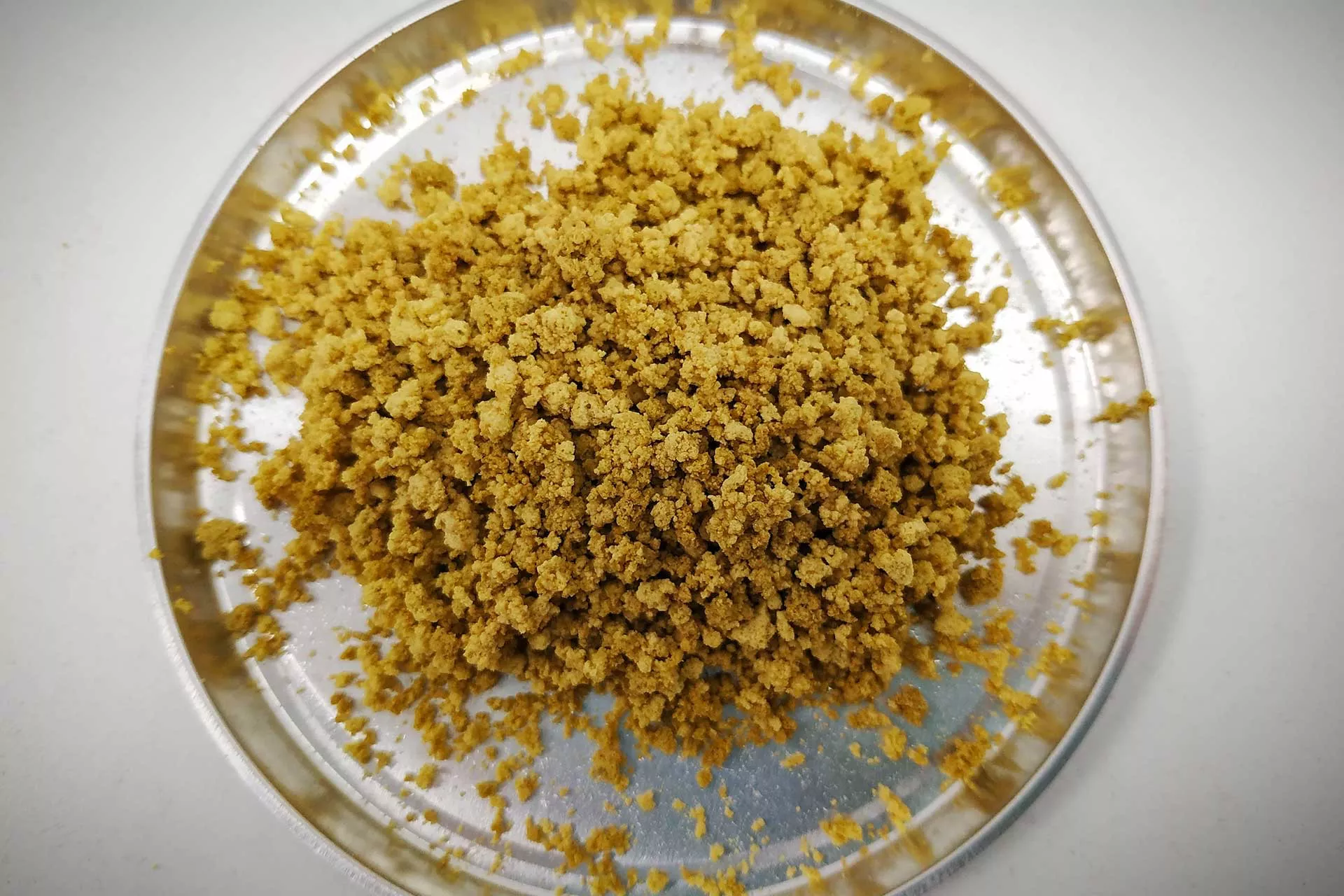
The dust produced during decortication – the separation of fibre from shiv – is used to create textured paints or fine plasters that leave the hemp visible.
Timber and unfired clay: traditional materials with contemporary uses
In construction, hemp can be combined with two other low-impact materials, timber and unfired clay: «These are the two materials that have shaped the history of building more than any others. Think of humanity’s earliest shelters – caves and stilt houses – and of buildings constructed up to the mid-nineteenth century».
Timber can raise concerns about deforestation, but Olver explains that forest management is the key: «Federlegno has estimated that Italy’s forests, if properly managed, would be sufficient to meet domestic demand. In France, for example, a continuous monitoring system has long made it possible to produce timber without deforestation. Italy is the main importer of timber from Austria and Germany, even though its territory is particularly rich in valuable hardwoods, such as oak and chestnut, which are sometimes mistakenly burned to produce energy. And timber is an inexhaustible resource: when a tree is felled, new ones simply need to be planted».
Timber’s performance in terms of comfort and environmental impact depends on the materials with which it is combined. If a timber-framed building is insulated with hemp, it «becomes a store of the CO₂ that the plants absorbed as they grew. Using adhesives undermines timber’s potential breathability; it is better to assemble the panels with dowels and screws».
Another material with a long history in Italy is unfired clay, which Olver considers more effective than fired clay: «Entire villages built from unfired clay can still be found in Abruzzo, around Alessandria and in Sardinia. Today it is used for finishes, especially plaster, which takes on the warm tones of the earth. The Japanese are masters of this technique. In Spain, a company mixes clay with lime and hemp to produce self-supporting blocks».
Straw, flax and rice husks: further ecological alternatives to conventional materials
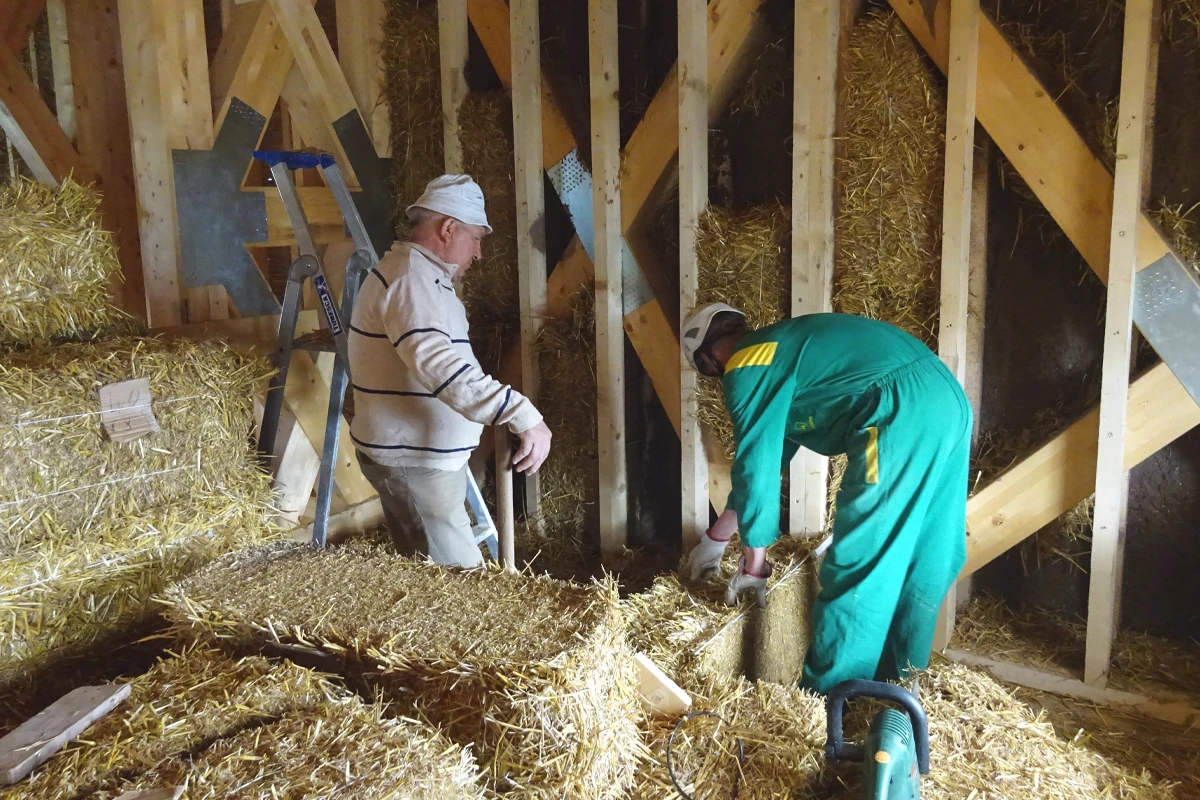
Straw, flax and rice husks are also ecological alternatives to conventional building materials: «In the area affected by the earthquake around Mirandola and Finale Emilia, I built three straw-bale houses. This material has characteristics similar to hemp, but its performance is lower, because the hemp-and-lime mixture behaves in a way we could call dynamic: as well as providing insulation, it naturally regulates humidity in the air. Straw, on the other hand, is easier to obtain. Care must be taken to ensure it has not been treated with chemicals. Because Italy lacks specific legislation, straw cannot be used for load-bearing structures. The bales must be combined with a structure made from another material, generally timber, and can then be plastered with lime or clay».
Flax is another plant similar to hemp. In construction, it is used «to make fibre panels for insulation, including acoustic insulation, and mats to fill the gaps that normally remain between window and door frames and masonry. This solution is as effective as the polyurethane foams commonly used for years, but does not generate polluting waste. An oil is also extracted from flax seeds and can be used to treat various materials, particularly timber».
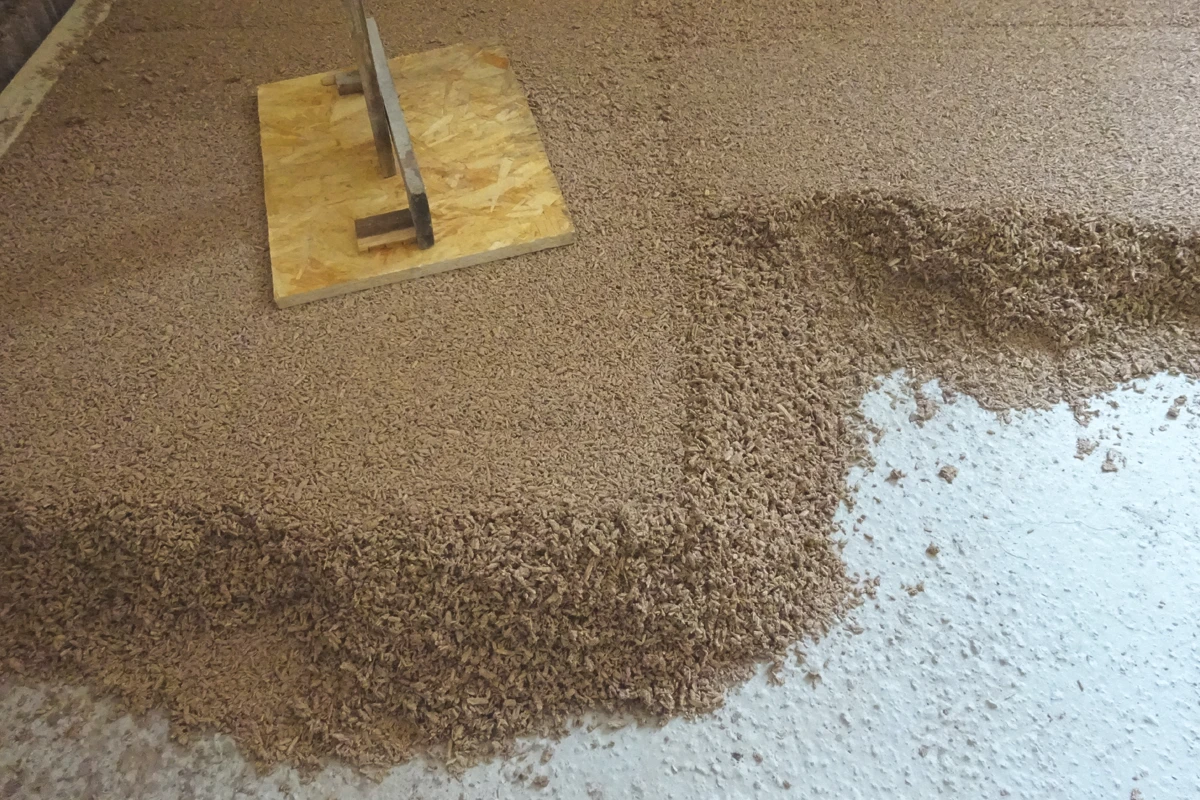
Rice husks, also known in Italian as pulone, are the by-product of removing the husk from paddy rice, the unprocessed rice obtained after threshing: «Because they are rich in silica, they can be mixed with lime and applied as insulation, or used to make prefabricated blocks and walls, insulating render mixtures, screeds and insulating subfloors».
Natural materials in building renovation
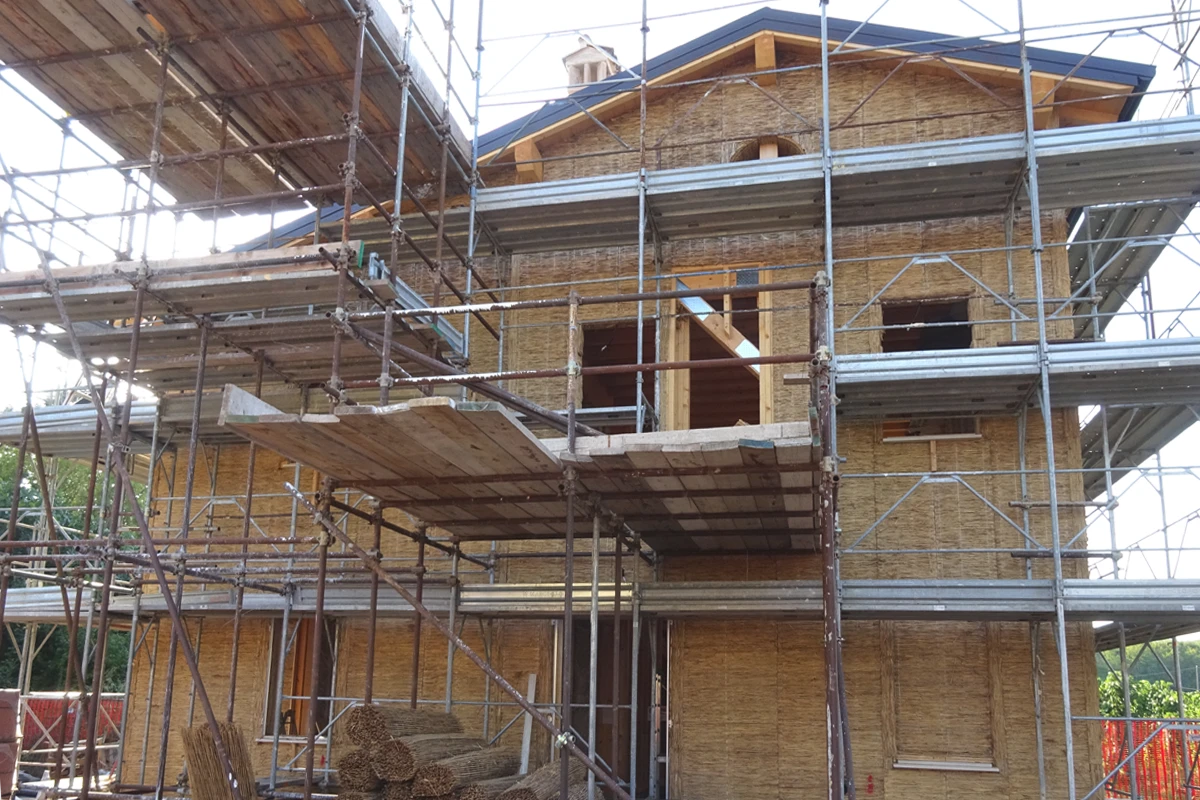
All the materials discussed here can be used not only to construct new buildings but also to renovate existing structures: «With the approval of the heritage authorities in Modena, Bologna and Ravenna, I regularly use hemp in my restoration and renovation projects. A colleague is using straw for external insulation systems. An ANAB member is using rice-husk panels to insulate an apartment building in Milan. Timber is useful for replacing or reinforcing floors and roofs».
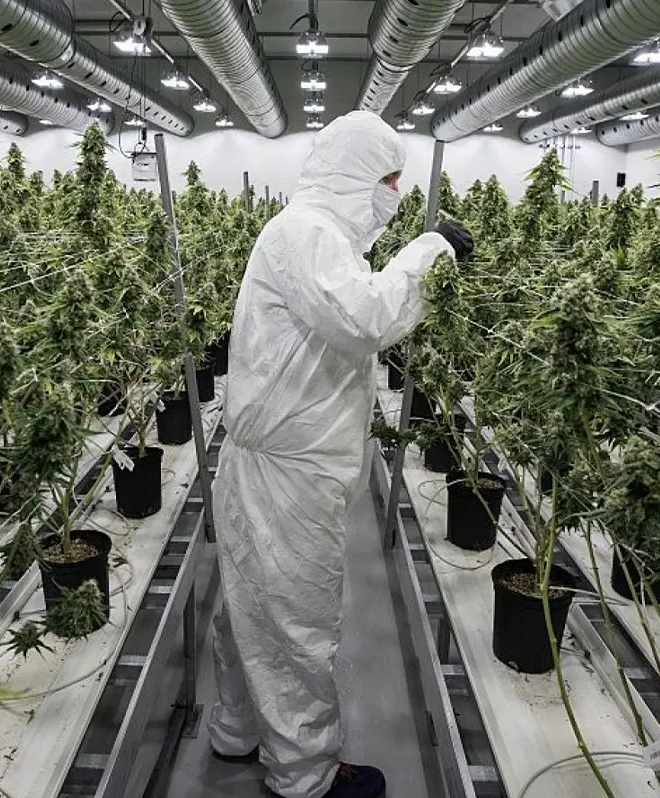
Yet the potential of these materials is still not being fully exploited in Italy: «What our country lacks is a serious political commitment to these materials. Take hemp. The Security Decree contains a provision that essentially prohibits possession of the flowering tops, meaning that any farmer growing hemp could face criminal prosecution, even if it is cultivated for industrial purposes using Cannabis sativa plants with THC levels within the legal limits. Furthermore, regulations governing the use of hemp and many other natural materials in construction are lacking».
Olver Zaccanti
He is a technical expert in bioecological architecture and green building and ANAB’s head of natural materials and hemp. An independent professional, he works in environmental projects, building recovery and restoration, energy retrofitting, green building, consultancy and training for public administrations, institutions, associations and private clients. His research and experimental work focuses on green and bioclimatic building, the recovery and restoration of the built heritage and natural materials, particularly the use of hemp in construction and the rebuilding of its supply chain in Italy. In 2009, he designed and built Italy’s first house made entirely from hemp and lime.