Lampoon SALIVA — the introduction, the editor’s letter
Lampoon SALIVA — the new issue of Lampoon, autumn 2026: a colorless liquid, slightly stringy — a kiss holds 80 million bacteria, Horny For Culture
Questions and answers: what else is worth talking about?
Drill Baby Drill. European governments dodge: why saddle our industries with rules this hard, this costly, when the rest of the world doesn’t give a damn? Why should Europe wear out its procedures when other continents don’t — and worse, take advantage of what looks like self-containment, a slowdown? Why end up less performative, less competitive? The answers turn up every morning on waking: July’s heat, the melting ice, the concrete covering the earth — and worse than all of it, plastic in the ocean.
The answer leads us to a different question: what else is worth talking about, if not how we contribute — in whatever way we can —to the utopian goal of changing common habits, and the hope of one day cleaning every last drop of the ocean from this damned plastic?
Lampoon SALIVA: 99% water, 1% mineral salts
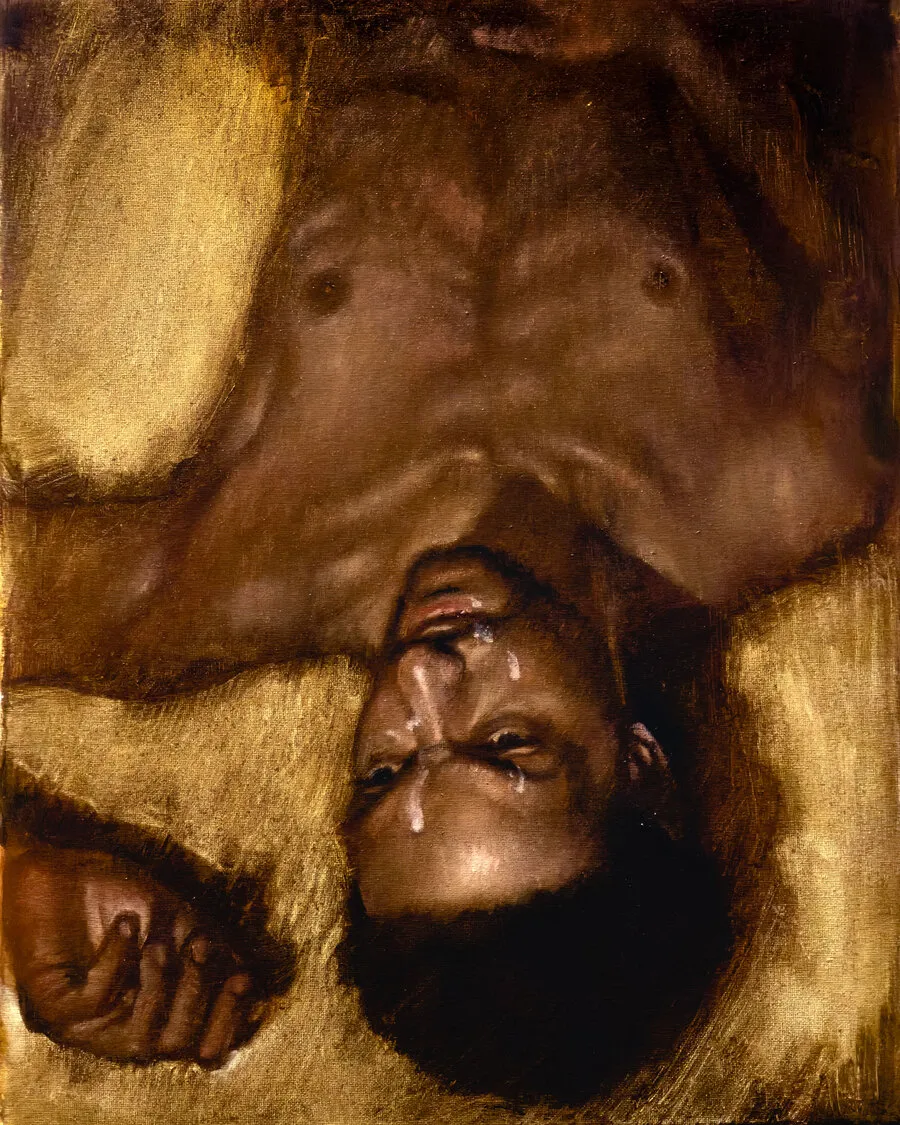
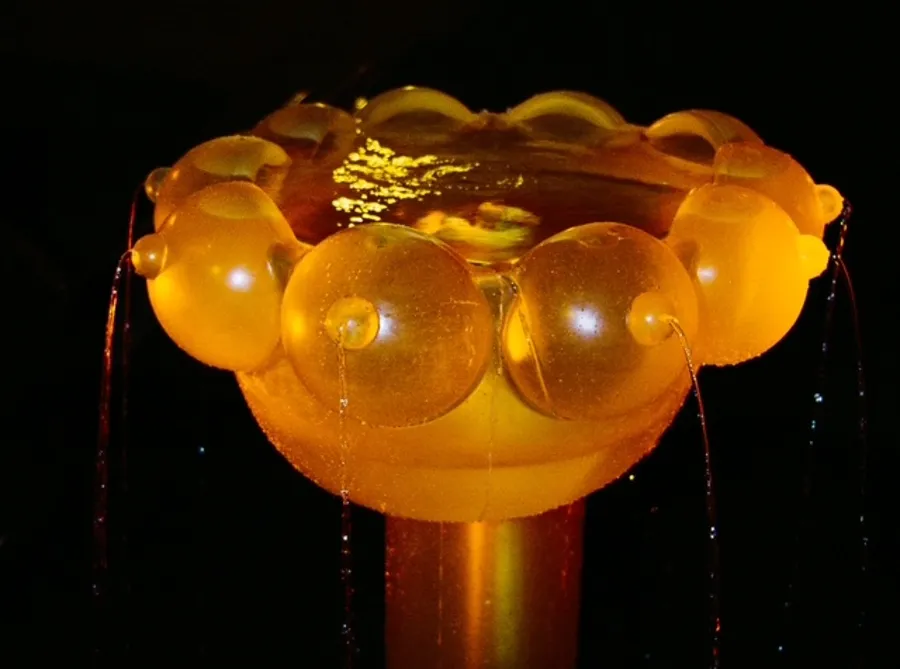
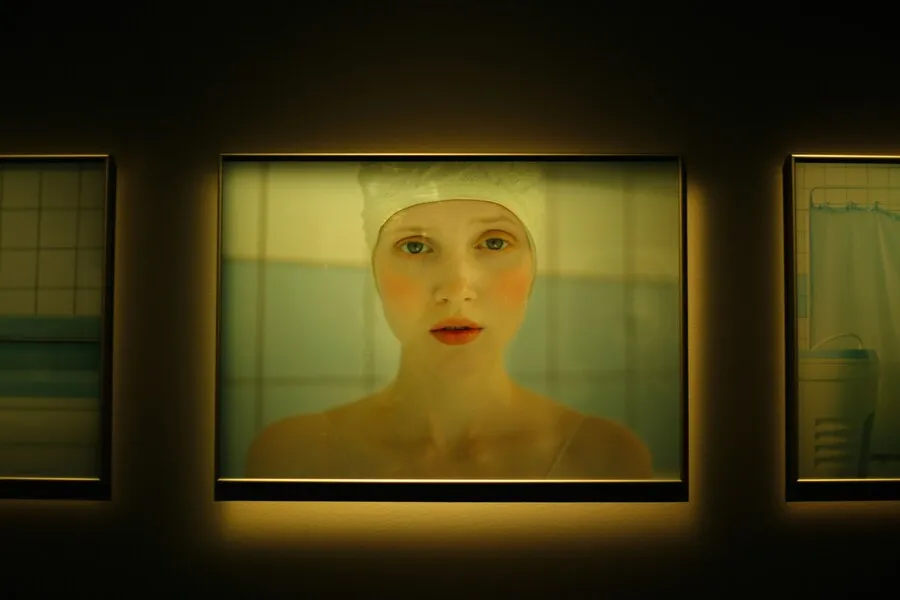
Lampoon SALIVA — this issue is dedicated to the colorless, slightly stringy liquid, composed of 99% water and 1% mineral salts, produced inside the mouths of humans and animals: mammals, reptiles, insects. Cetaceans and fish live without producing saliva. Saliva is used to digest food, toprotect the chemical balance between the teeth, to lubricate the oral cavity (and not only the oral cavity). For this issue, Lampoon investigated intellectual and aesthetic expressions built on the literary concept of saliva, between the lips or in a bowl — in manufacturing and in science, in fashion and in design.
The saliva of a kiss: 80 million bacteria
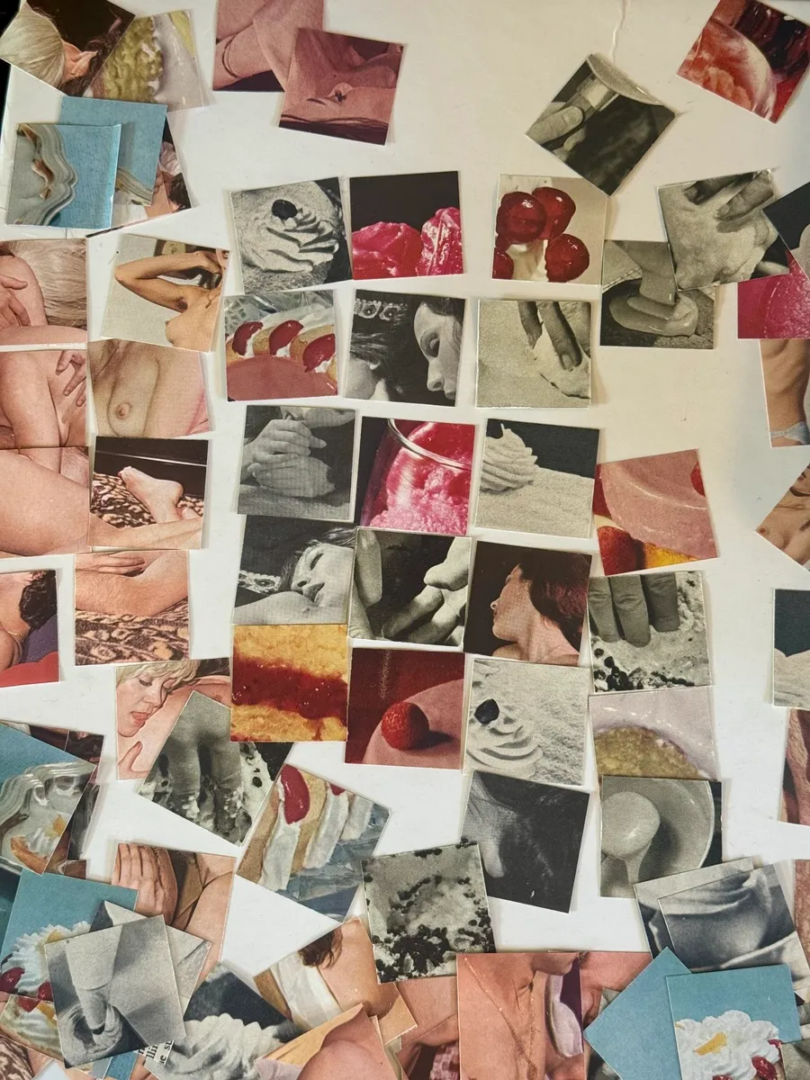
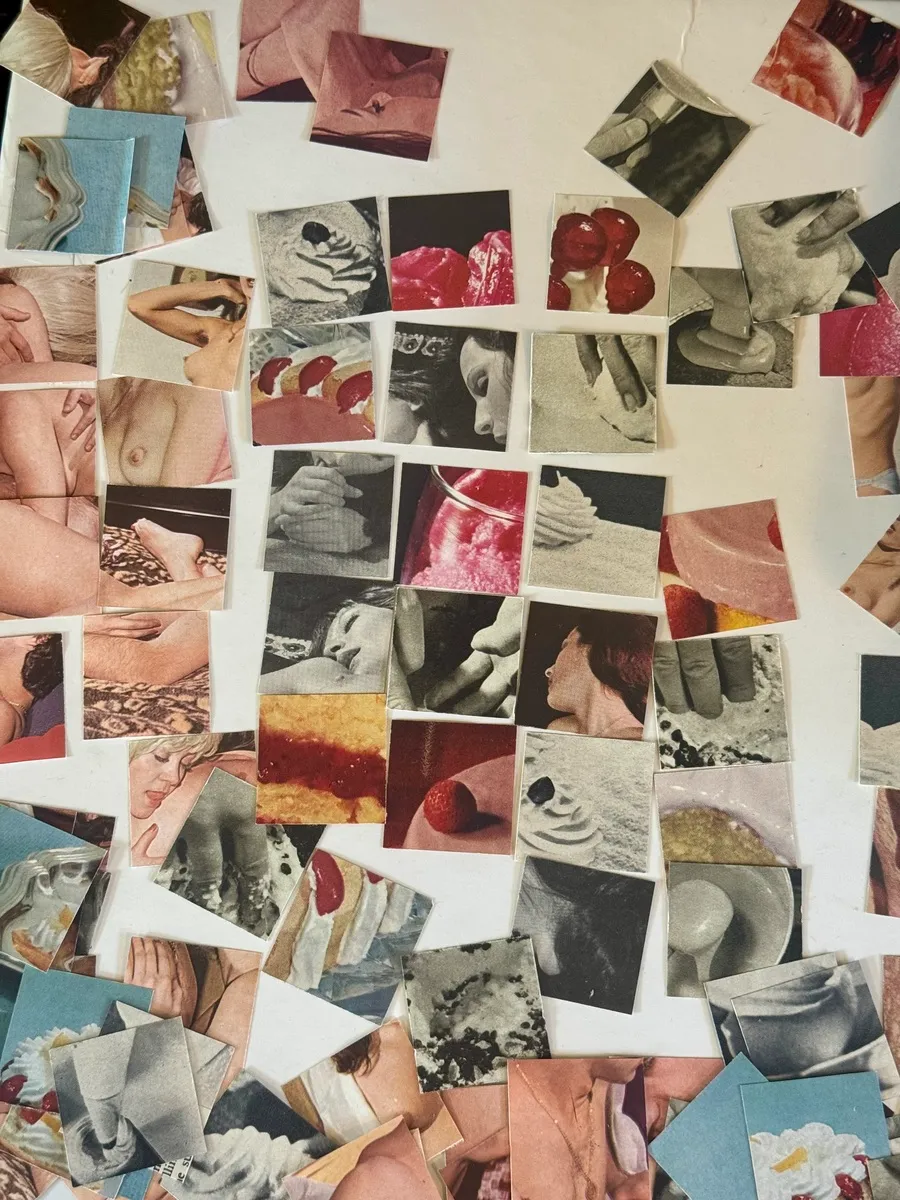
Transparency, fusion, and viscosity — water and trace elements: references that, in this issue, compose an artistic, ironic language: photographers, painters, designers were called to feel challenged, in play, to use and move these pieces and whatever others they could invent on the same board. The humidity, the intimacy of a kiss, which is nothing but an exchange of saliva, sweet and honest spit. About 80 million bacteria mix in a prolonged kiss. The microbiota of two partners evolves only if the tongue’s intimacy continues over time — even the bacteria on our tongues seem snobbish: they give no consideration to hit-and-run encounters.
In Japan, sake was once produced through the maceration of human saliva. Umami, one of the five tastes humans can perceive, needs saliva as a solvent and chemical modulator for the receptors in the mouth to detect it. Black Saliva was a prehistoric painting technique, a pigment obtained by chewing charcoal in the mouth and spitting it onto cave walls.
At the 24th Milan Triennale (2025), Spanish studio elii and Orkan Telhan built Salivations: structures made from chewing gum chewed by stray dogs, with DNA sequencing mapping the microorganisms shared between species. Exendin-4, isolated in 1990 from the oral secretion of the Gila monster (Heloderma Suspectum) by John Eng, is at the origin of GLP-1 drugs — the diabetes medications that have today moved out of the health debate and into a sociological dimension: a phenomenon explored by Prof. Camillo Ricordi in these pages.
The bacteria that may digest polyurethane
Ocean temperatures keep rising: among the primary causes of this disaster is microplastic pollution in the sea, which forms a surface layer, a covering, beneath which the water heats up. The only solution for cleaning the world’s waters of the microplastics invading them seems to be the invention of a bacterium capable of digesting polyurethane and defusing the carbon chain that makes it up.
Lampoon maintains that industrial production, in general, but above all in the luxury sector, can exist only if it carries a credible civic message — natural fibers, circularity in creative design, a total rejection of plastic and synthetics. Lampoon is a magazine that lives on ethical, profitable entrepreneurship, one that places income-sharing as its first communication asset. Lampoon is a dialogue between science and creativity. Photography interweaves with fashion, architecture and technology.
Lampoon Saliva — Horny for Culture, my love
In this context, Lampoon wants a language that’s understandable, never self-celebratory, a little ironic and biting (Lampoon translates roughly as a rough, irreverent magazine). A touch of sensual agitation, a stimulus for erogenous points, intellectual receptors. Horny for Culture — that’s the claim, the subtitle for Lampoon SALIVA.
We need intense people. People focused on a single subject, so focused, so obsessed, with this one subject of theirs. A subject that becomes an abyss to dive into, because the tension toward perfection must never end. Intellectual, technical, complicated people, interested in working on a niche theme — SALIVA. The imagined conversation between Marlon Brando and Paul Newman, the first time they met goes like this: “Mr. Brando you are the greatest thing since God granted men the right to come” — at first, Brando looked at him, stunned, then burst out laughing: “You are ok kid, you are almost as good-looking as I am.”
This is the intense kind of people we need, the ones who know they’re the best and know exactly how to joke about it. The ones we like — the ones who make you smile too, my love.
Carlo Mazzoni