Los Rincones del Marqués and the culinary geography of Seville
Inside Palacio de Villapanés, the residence built on the fortune of Manuel López Pintado, chef Jorge Cortés works a city shaped by four centuries of trade between Europe and the Americas
Seville’s culinary identity cannot be separated from its history as a commercial city. For centuries, the Guadalquivir connected inland Andalusia to the Atlantic, making the city a centre of trade between Europe and the Americas. The movement of goods introduced new ingredients, transformed existing agricultural practices and contributed to the development of a gastronomic culture that extended beyond the boundaries of southern Spain.
Palacio de Villapanés belongs to this same commercial world. Built around 1729, the residence was commissioned by Manuel López Pintado, a naval officer and merchant who made his fortune in the Carrera de Indias, the Spanish trading system connecting the Iberian Peninsula with its American colonies. He then invested in land, agricultural estates and property around Seville, consolidating the position that led to his appointment as Marquis of Torre Blanca del Aljarafe.
Diego Antonio Díaz, the marble courtyard and the hexagonal fountain
The palace was designed by Diego Antonio Díaz, master builder to the Archbishopric of Seville and a figure of the city’s eighteenth-century architecture. On Calle Santiago, the building takes the plan of the traditional Sevillian aristocratic house, with an entrance passage, a central courtyard and rooms distributed around successive open spaces.
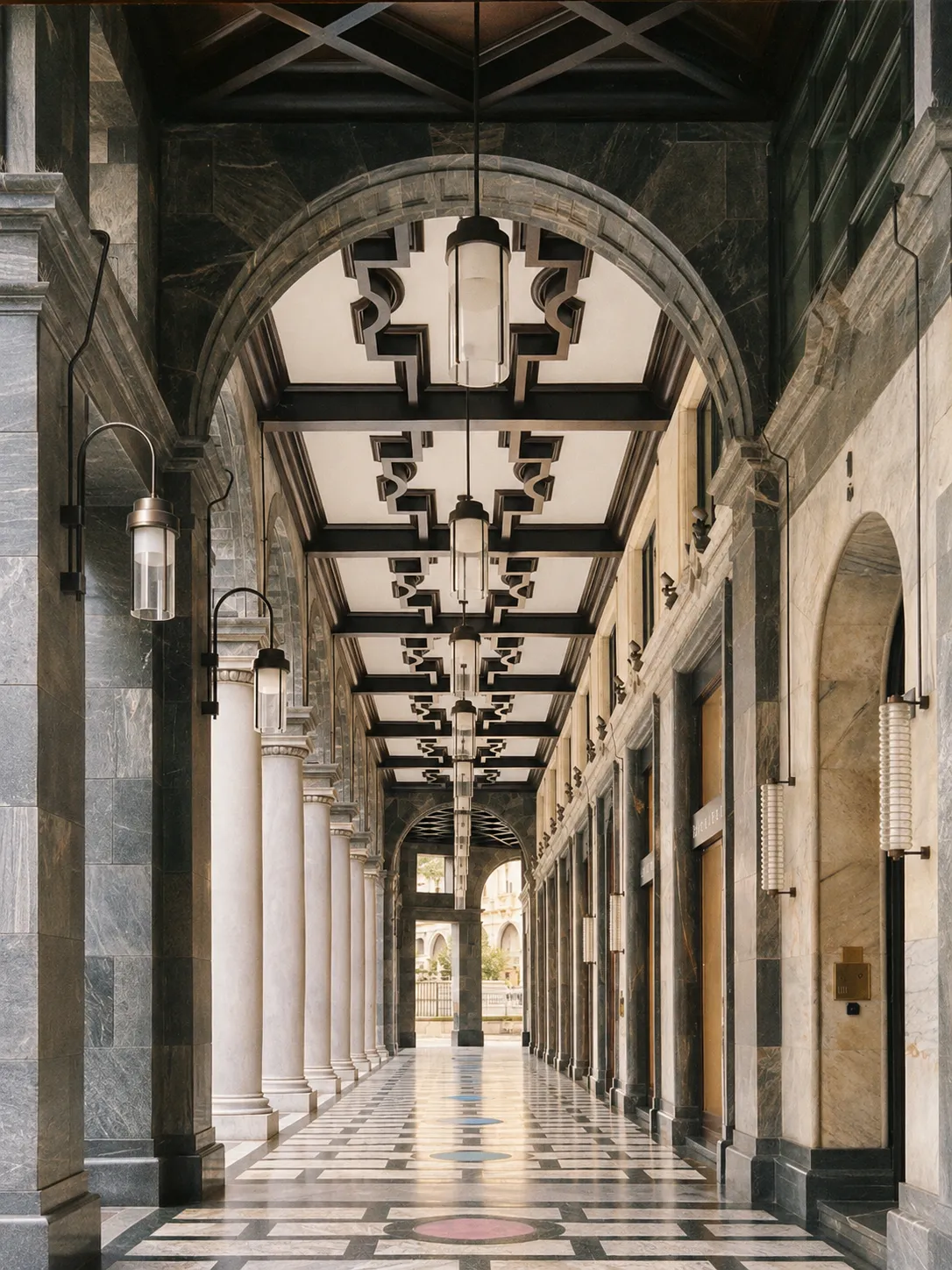
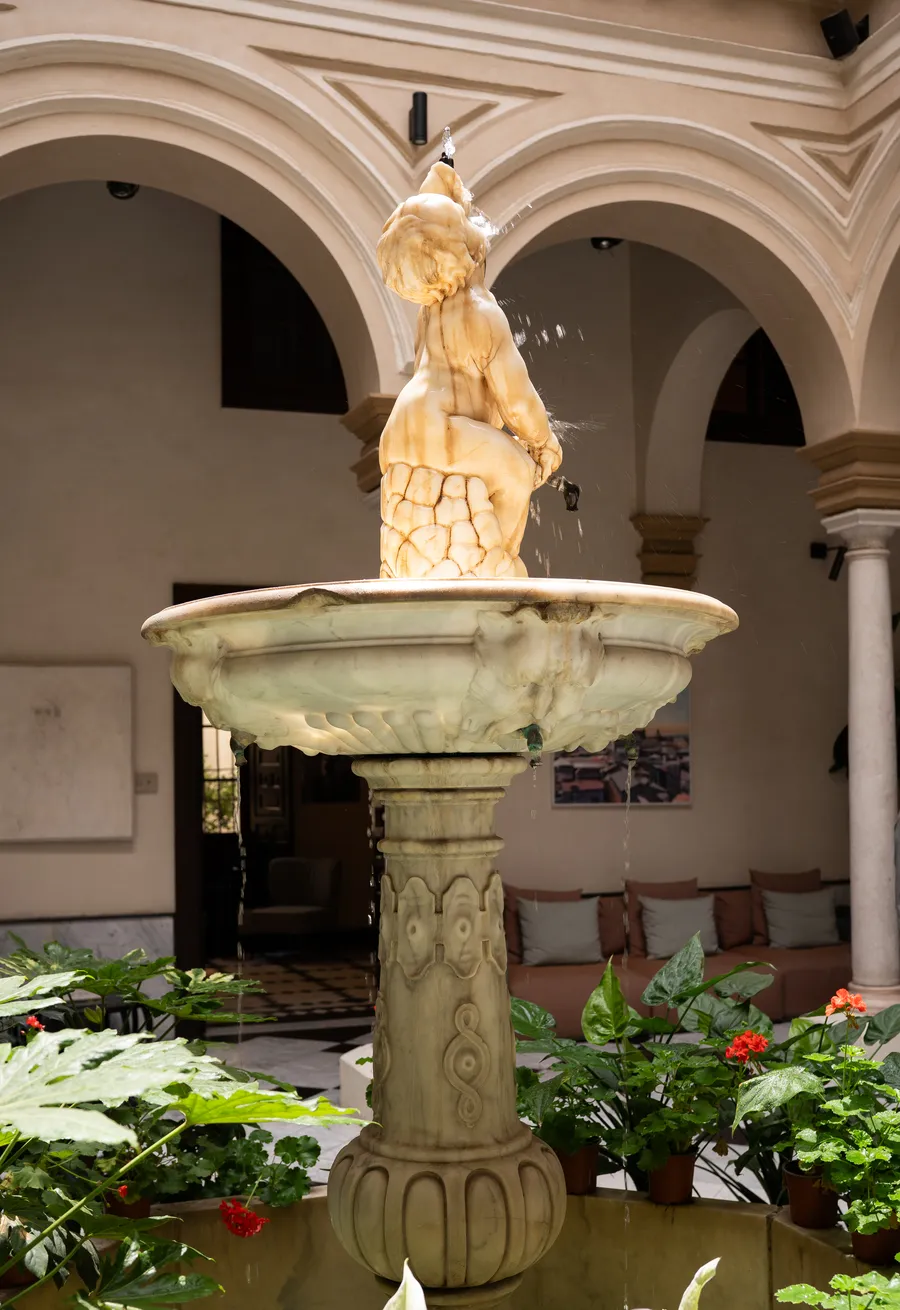
The monumental entrance leads to a square courtyard enclosed by arcades on marble columns. A hexagonal fountain holds the centre and sets the symmetry the surrounding rooms are arranged on. The building originally extended across two principal floors, with double-arched galleries and a rear garden that supplied light, ventilation and space for domestic activities.
The palace later took the name of the Marquises of Villapanés, the family associated with it after López Pintado. Protected for its architectural value since 2009, it stands among the surviving examples of Baroque domestic architecture in Seville.
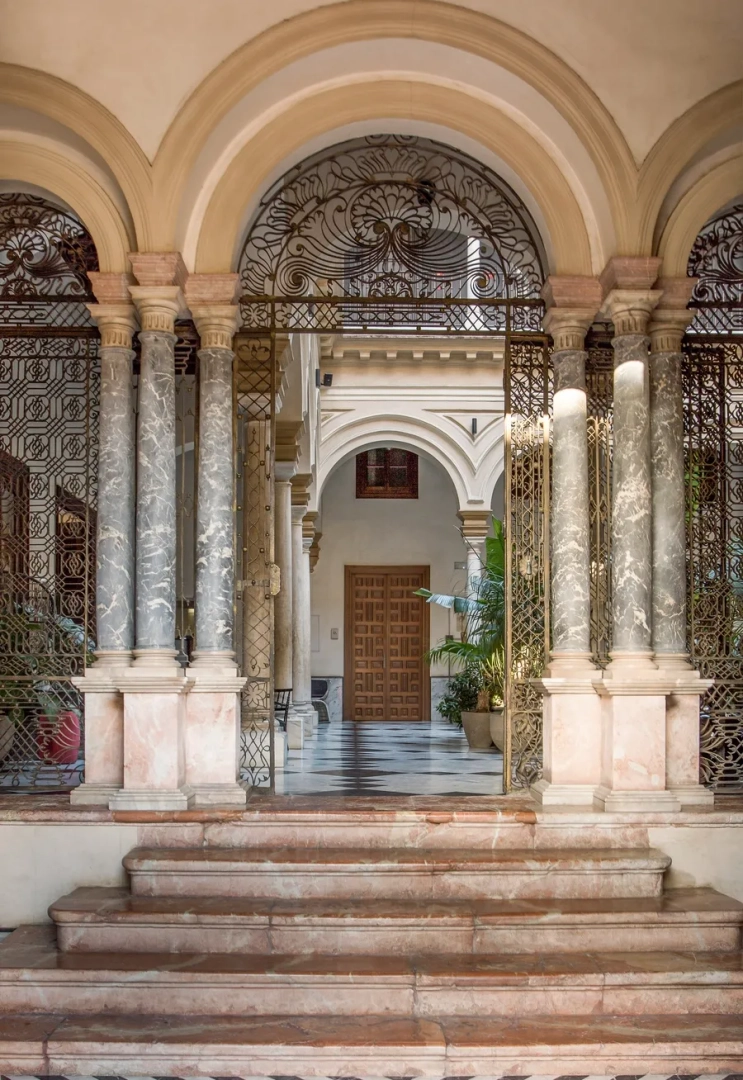
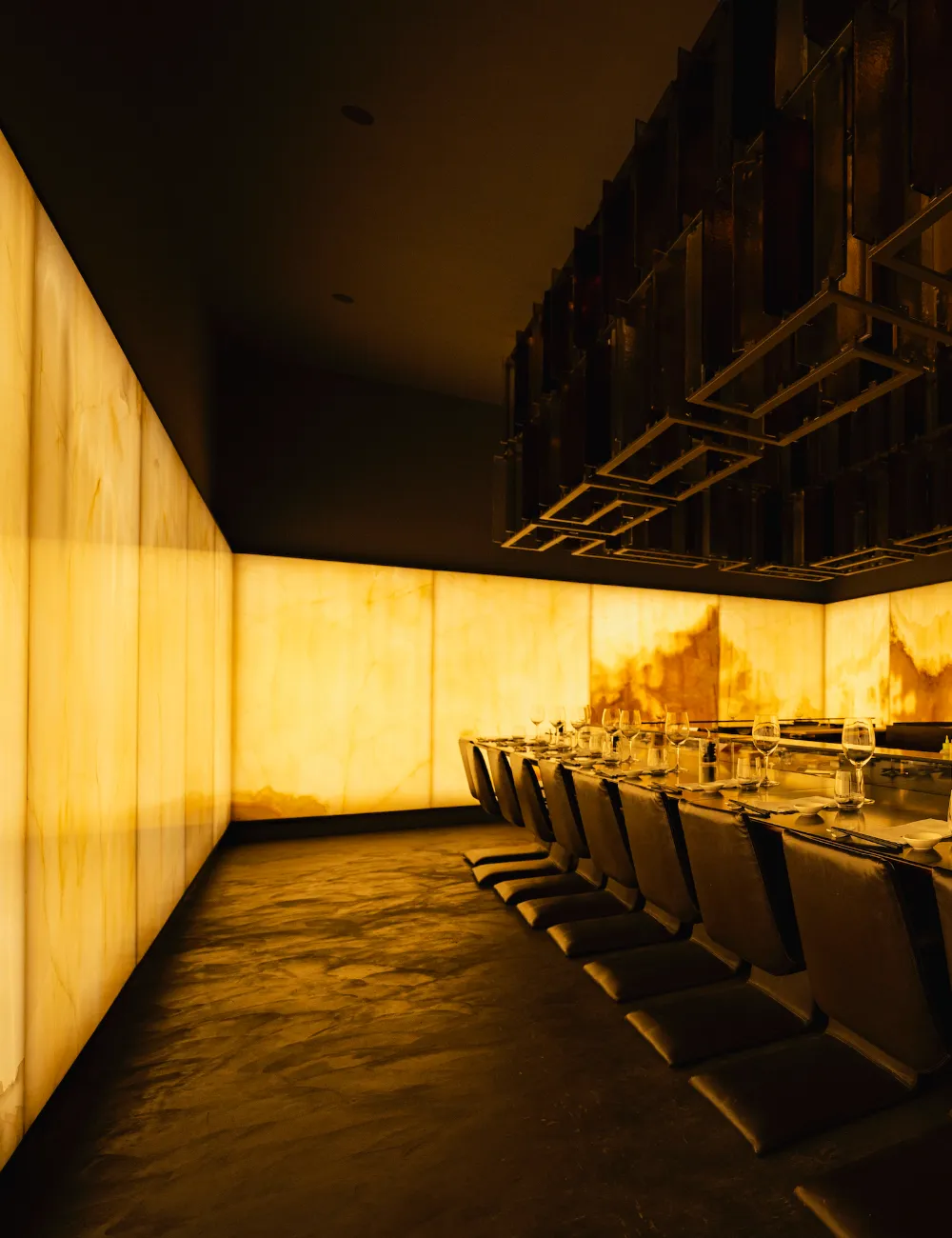
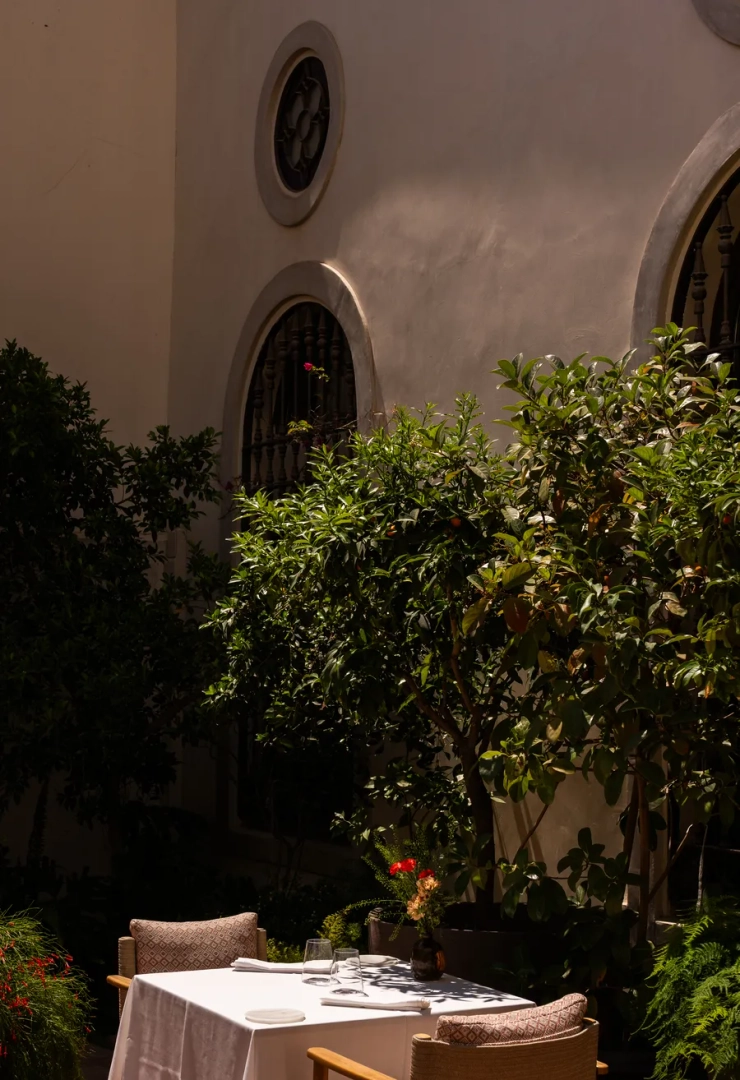
Los Rincones del Marqués occupies part of those historical interiors, with dining running between the enclosed rooms and the outdoor spaces of the residence, the Patio de los Naranjos among them, where orange trees hold the shade through the warmer months. Eighteenth-century Sevillian palaces housed commercial activity, receptions, meetings and domestic life inside one architectural complex, and the courtyards connected those functions while setting the degrees of privacy between them.
Jorge Cortés and the Iberian ham croquette with Sriracha emulsion
Cortés grew up in a family of cooks — parents, brother and grandfather all in the profession. After years in hotel restaurants he took on the kitchen of Los Rincones del Marqués, where he starts from ingredients instead of fixed recipes, bringing regional products together with techniques and condiments from other traditions.
The Iberian ham croquette arrives with a thin layer of Iberian pork fat and an emulsion of Sriracha, the acidity and heat cutting the richness of the ham and the creamy interior. Artichokes appear twice on the menu, once with aubergine cream, truffle oil and Japanese togarashi, the spice mixture used on noodles, rice and grilled foods, and once cooked with oloroso sherry and served with Iberian ham, apple gel and powdered black olives.
Almadraba tuna from the Strait of Gibraltar, tataki, wakame and cancha corn
Red tuna caught by almadraba is among the products tied to the coast of Cádiz. The method, documented over centuries, sets nets in a fixed labyrinth that intercepts the bluefin on its seasonal migration through the Strait of Gibraltar.
In the tasting menus the tuna is served as tataki with sautéed wheat, pumpkin and wakame, seared briefly and left rare against the cooked grain and the softer pumpkin. A loin of red tuna comes with mango gazpacho, wakame salad and toasted cancha corn. Sea bass is fried with avocado cream, jalapeño and tomato relish, and a ceviche of meagre takes in orange blossom and chicharrón.
The Villapanés and El Marqués tasting menus, from wild turbot to trinxat
The restaurant runs two tasting menus, Villapanés and El Marqués, alongside an à la carte selection, with compositions that change through the season.
The longer El Marqués carries wild turbot, grilled and served with salsa bilbaína, the Basque sauce built on olive oil, garlic, chilli and vinegar, with baby vegetables. The meat course is beef tenderloin with trinxat potatoes and a reduced meat jus; trinxat, from Catalan cooking, combines crushed potatoes and cabbage. Desserts run to a fine apple tart with vanilla ice cream, then strawberries, orange blossom water, yoghurt foam and cocoa crumble, which brings in azahar, the orange blossom of the streets and courtyards of Seville and an ingredient of the city’s pastries.
Finca Calvestra, Barbazul Tintilla and the wines of Jerez in the pairing
Pairings have included Finca Calvestra, from the Merseguera grape in the Valencian region; Barbazul Tintilla, from the winemaking tradition of Cádiz; Delicado from Ximénez-Spínola, in the Jerez area; and Tantum Ergo, a Cava of Chardonnay and Pinot Noir. The regional wine culture runs from the fortified wines of Jerez to still wines made from native and international varieties.
CoolRooms Palacio de Villapanés, GCA Arquitectos and 50 rooms
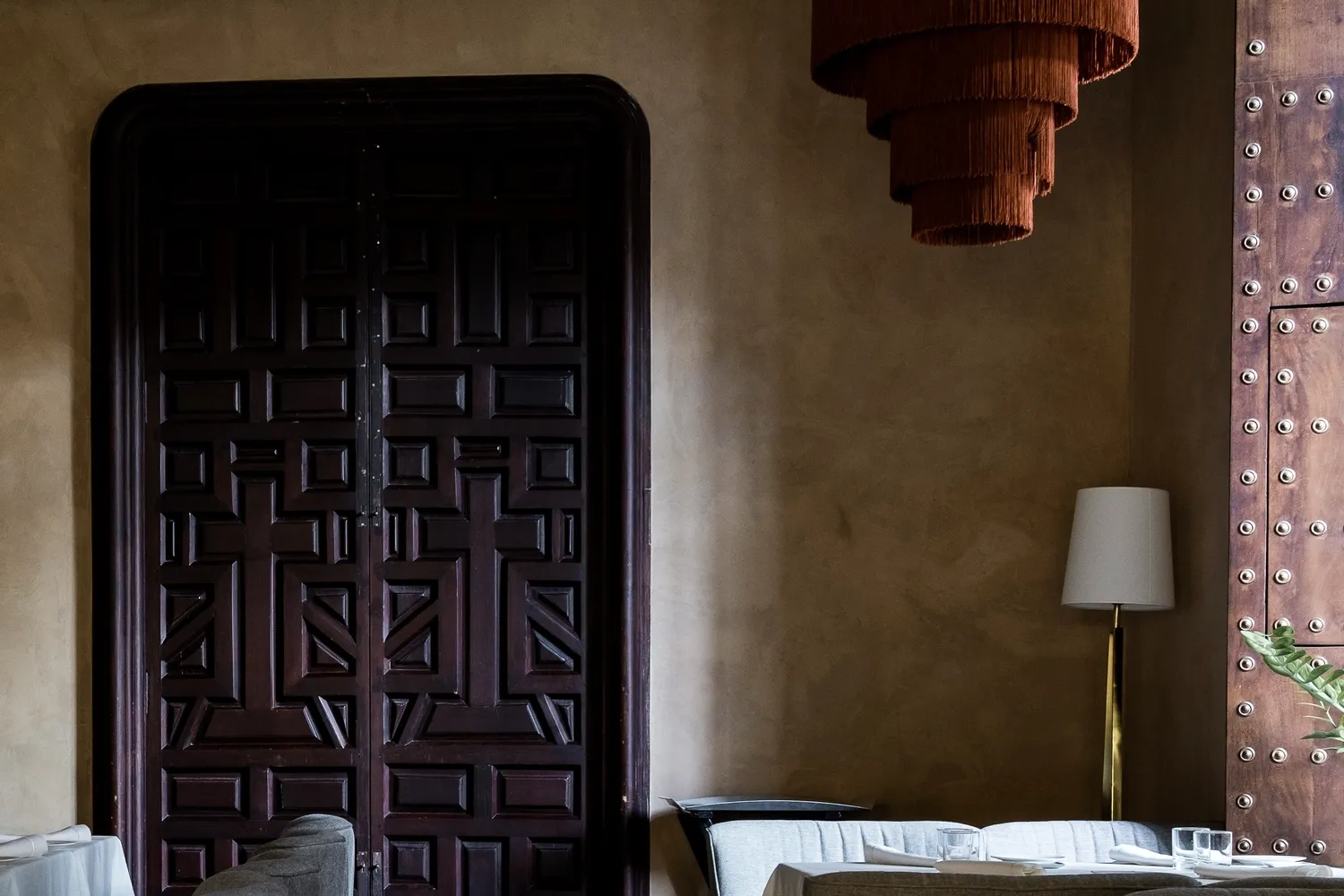
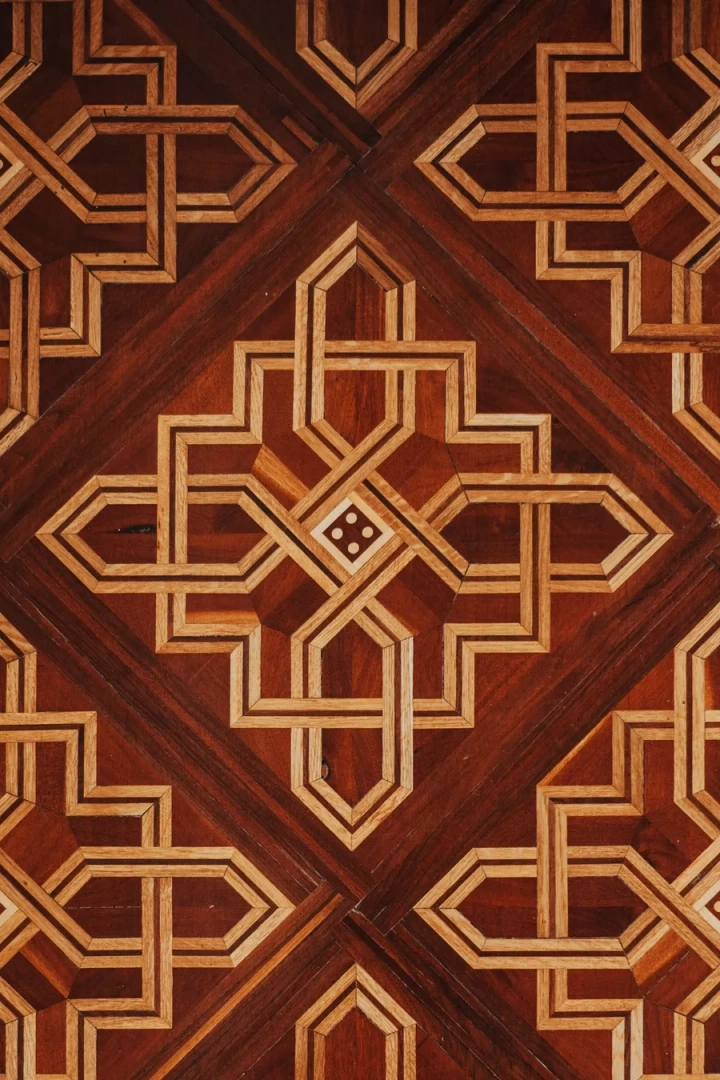
The building reopened as a hotel in 2009, with its principal features intact. The interior design by GCA Arquitectos sets the existing stonework, wooden doors, ceramics and monumental proportions against contemporary furniture, with pieces by the designer Patricia Urquiola, among them the Maia collection for Kettal, and furnishings by Philippe Starck.
The Patio de los Naranjos, azahar and the Sevillian courtyard
The Sevillian courtyard works as an intermediary space between the street and the interior rooms, where shade, ventilation, water and vegetation regulate the temperature while the central position keeps the rooms of the house connected.
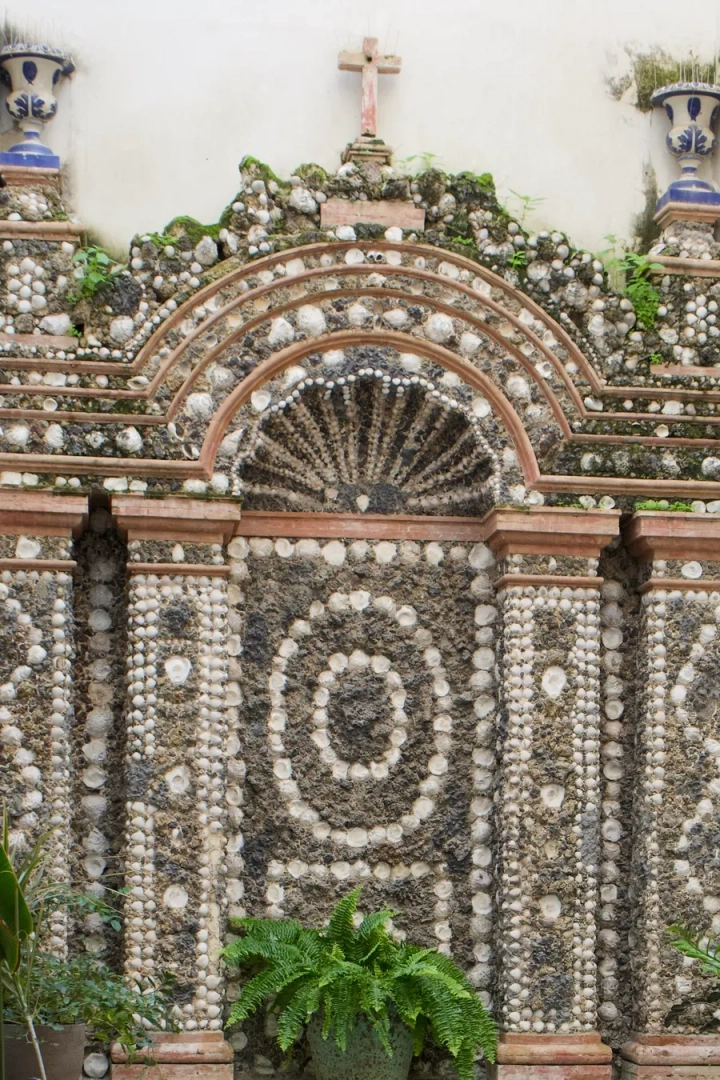
Palacio de Villapanés has three. The principal courtyard, with marble colonnades and hexagonal fountain, holds the architectural centre of the residence. The smaller Patio de las Conchas is organised around a grotto-like fountain. The Patio de los Naranjos brings in the vegetation, with orange trees that give shade and, in flower, the scent of azahar; the restaurant uses it for outdoor dining and for the weekend brunch.