Industrial hemp in Puglia: how Canapuglia is rebuilding its supply chain
With a new 2,000-square-metre site and two processing lines, Canapuglia aims to close the gap between fields, facilities and markets in the hemp supply chain
Canapuglia: rebuilding the hemp supply chain from cultivation to processing
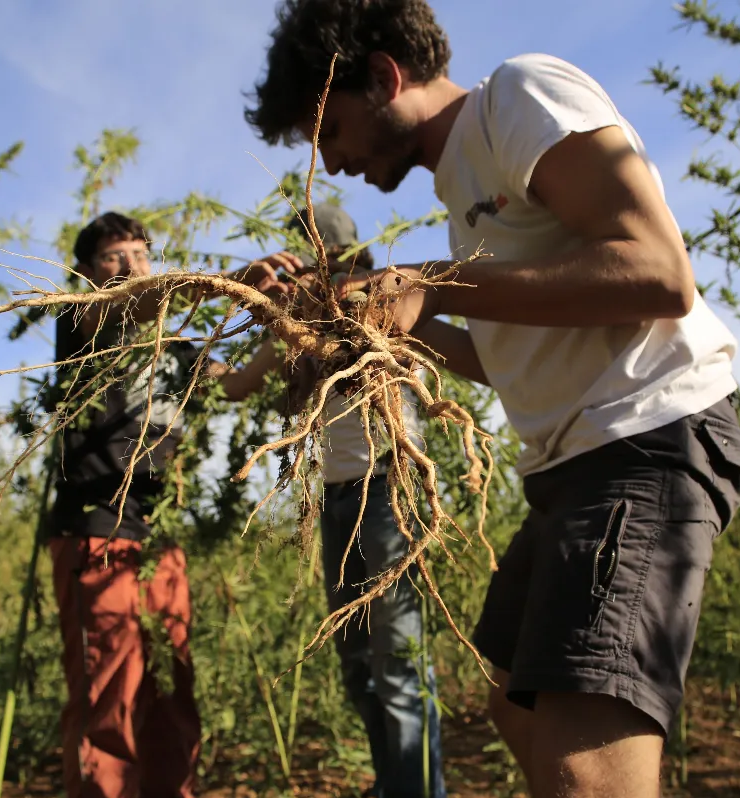
Canapuglia was founded in 2011 in Conversano, in the province of Bari. Claudio Natile planted the first industrial hemp field in Puglia after an absence of around fifty years. The project emerged at a time when industrial hemp was barely discussed in Italy’s economic debate. From the outset, the aim was to use the entire plant: «This choice stems from an awareness of the deception humanity suffered when hemp began to be called marijuana and was discredited for the purely economic interests of other industrial sectors: oil, paper produced through deforestation, chemicals and synthetic fibres».
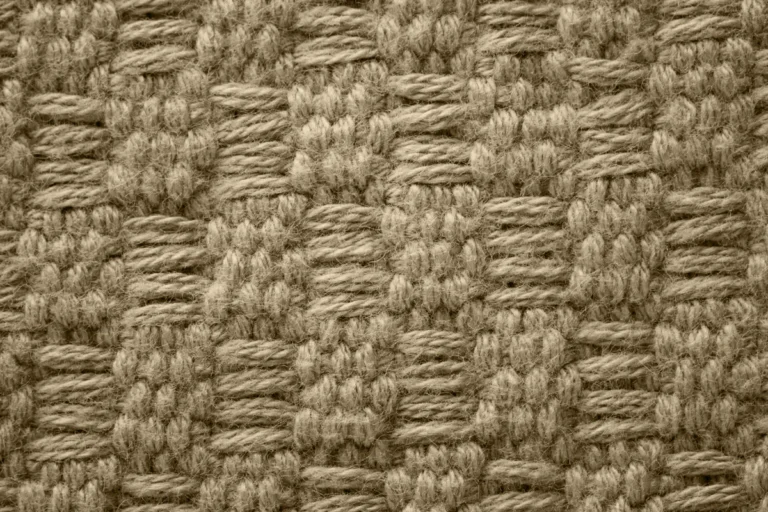
The company’s origins coincide with a reassessment of the raw material’s history and an attempt to reintroduce a crop that once played a significant role in the Italian economy. While Emilia-Romagna and Campania had respectively reached 40,000 and 20,000 hectares under cultivation, Puglia had less farmland devoted to hemp but a stronger processing tradition: «Here, Italian hemp was mechanically processed and sold to the army, the Italian postal service and Murano’s glassblowers». Around the port of Bari, master rope-makers twisted fibres into ropes for shipping; handloom weaving was widespread in Salento.
In 2025, the company moved to Monopoli, expanding its premises from fifty to 2,000 square metres. Natile describes the increase in scale as a structural investment: «We calculated that it will take a couple of years to settle in, but it is a good investment. The facility is multifunctional».
The new site brings together a showroom, logistics, training and processing facilities scheduled for activation in 2026. The expansion allows activities previously spread across partners and external premises to be concentrated in one place, reducing operating times and uncertainty. It addresses the need to consolidate production and establish stability in a sector affected by regulatory fluctuations, while providing a physical point of reference for farmers, designers and businesses interested in the hemp supply chain.
Natural raw materials and genetic recovery: Italian varieties and climate adaptability
Each year, Canapuglia works with between 20 and 30 EU-certified hemp varieties from France, Germany, Poland and Italy. The company also helped recover the Eletta Campana variety: «It is a fibre variety from Campania that was at risk of disappearing. In 2013, we managed to secure an investment, and three years later we obtained the first batch of seed».
Today, Eletta Campana, Fibra Nova and Carmagnola are regularly reproduced in Italy. Other historic varieties still exist but are not being reproduced because of a lack of funding and industrial interest, resulting in a loss of agricultural biodiversity and Italy’s genetic heritage.
Although there are genetic differences between varieties, «hemp as a species is highly adaptable». Northern European varieties respond differently to the hot, dry climates of southern Italy, while southern varieties also perform well in northern areas. Climate change is affecting seasonality and altering agronomic parameters.
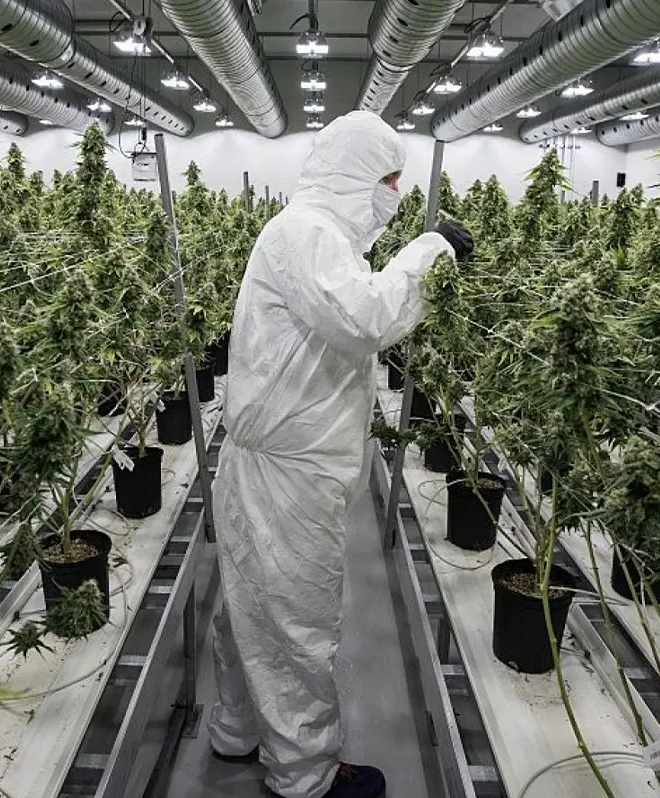
Canapuglia also provides technical and agronomic consultancy. This service accompanies the sale of certified seed and helps growers make cultivation decisions based on soil, altitude and the intended end use of the biomass, reducing agronomic risk during the initial stages. Chemical analyses are carried out by accredited external laboratories, while the consultancy draws on direct experience in the field.
Circular economies applied to hemp: process everything, waste nothing
The year 2026 marks the activation of two in-house processing lines: «With this space, we have managed to bring food and non-food processing together in one place».
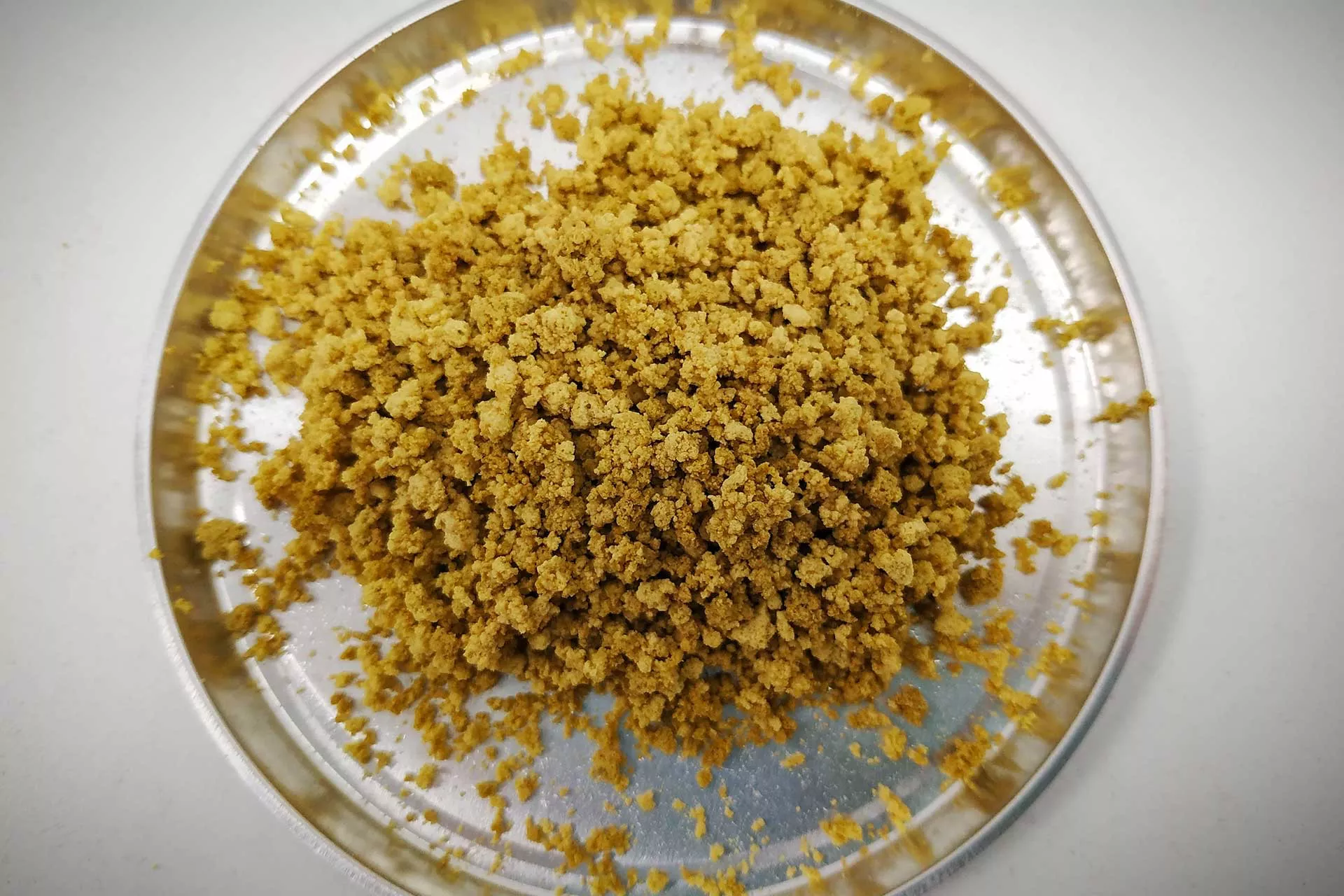
The food line presses seeds to obtain oil and protein-rich press cake. The cake is then stone-ground in collaboration with a local mill to produce flour: «When we cannot do something ourselves, we get help. Mutual support between businesses is in our DNA». The oil and flour are sold directly and supplied to a network of local processors making finished products typical of Puglia’s culinary tradition, including orecchiette.
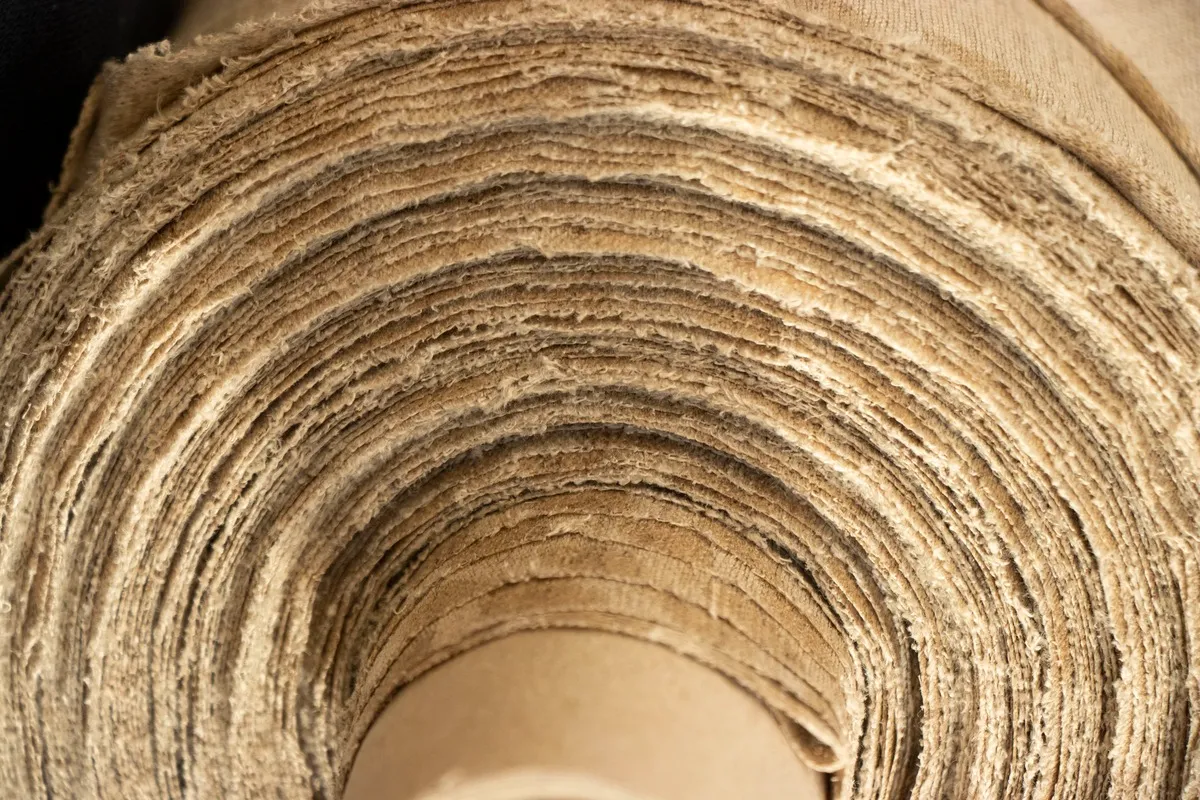
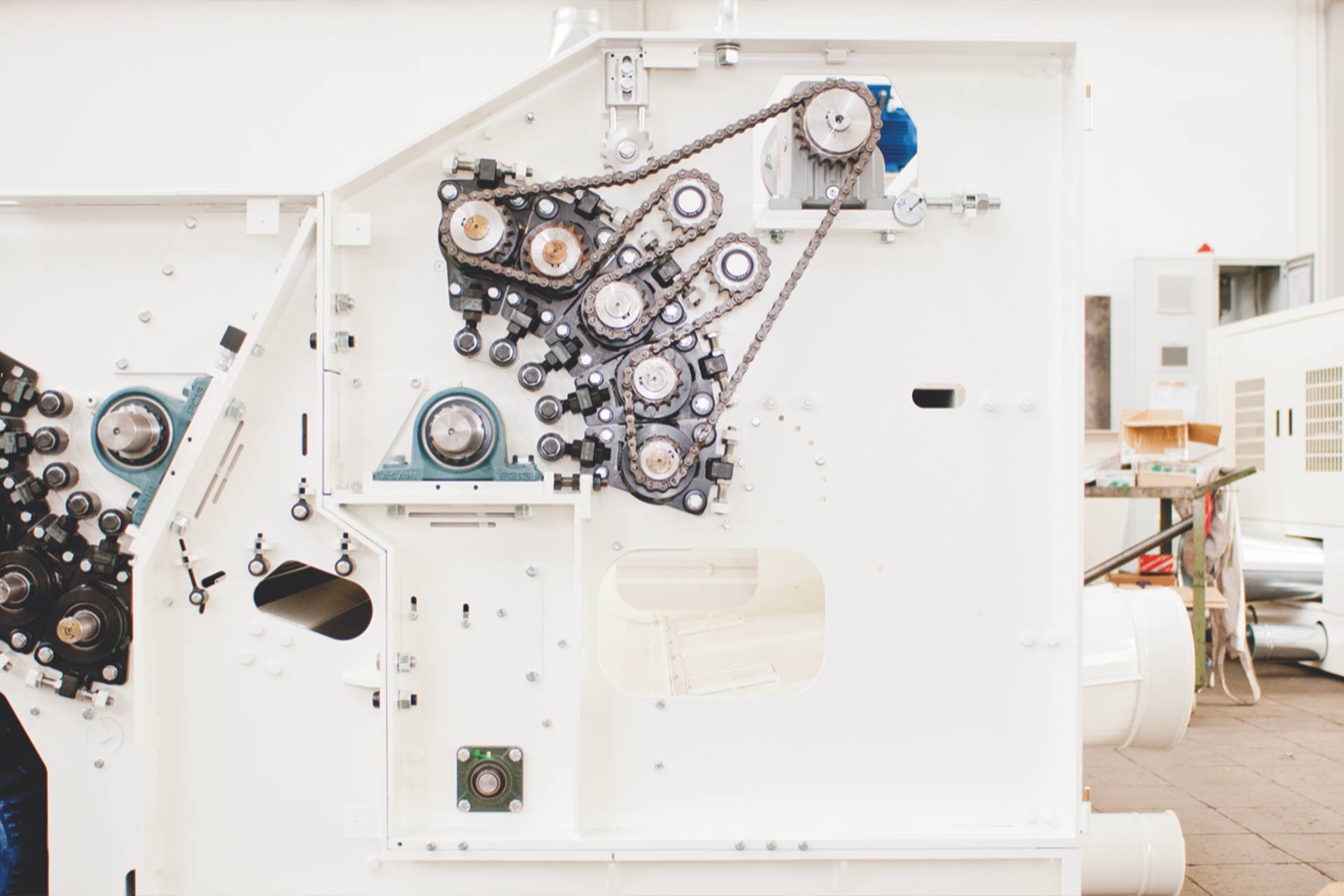
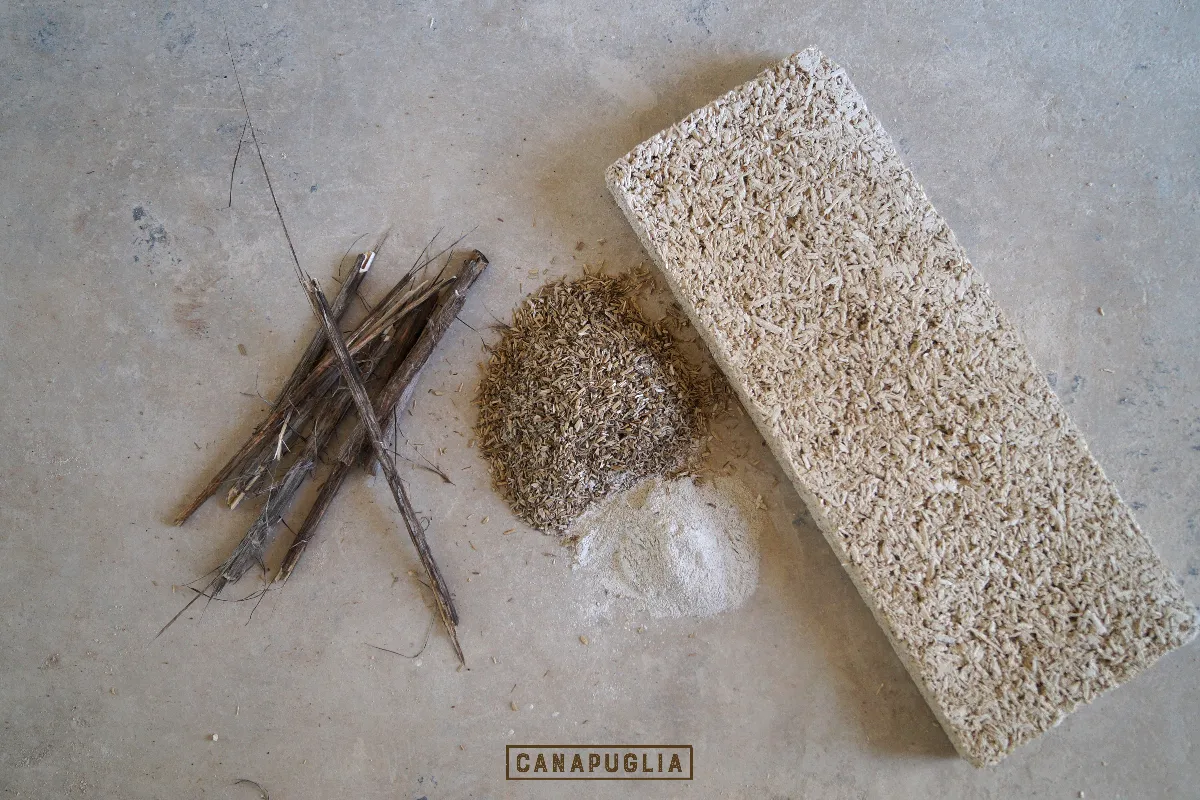
The non-food line mechanically separates stalks into fibre and hemp hurd. Long and short fibres are destined for bio-based construction, composites and textiles; the hurd is used for animal bedding, insulation and building mixtures. The aim is to minimise waste and increase the share processed locally, rather than exporting biomass as an unprocessed raw material.
Canapuglia’s production model draws on circular economies. Every part of the plant has a destination — seeds, fibre, hurd and by-products: «Every part of hemp can be used». This approach diversifies its markets and reduces exposure to downturns in any one sector.
The company reports more than 1,500 customers, including farmers, construction companies, restaurateurs, organic retailers, livestock businesses, designers and rope manufacturers. Its operations extend across Italy, Europe and markets outside the EU.
CO₂ sequestration and bio-based construction: hemp as climate infrastructure
In 2025, bio-based building materials were among Canapuglia’s fastest-growing business areas. Hemp-fibre panels, hemp-and-lime bricks, natural plasters and long fibre for composite applications are in demand among construction companies, craftspeople, designers and private clients.
Hemp’s competitiveness in construction is described in terms of its hygrothermal performance: «It solves problems of damp, condensation and mould. It makes indoor environments healthier and provides insulation». Indoor humidity regulation, the material’s breathability and its insulating properties help stabilise conditions inside buildings.
Initial costs can be up to twenty percent higher than those of conventional solutions. However, the article’s life-cycle assessment describes lower energy losses, fewer thermal bridges, improved indoor comfort and reduced energy consumption for heating and cooling.
The environmental discussion extends to agricultural CO₂ sequestration: «Hemp can sequester twelve tonnes per hectare». The plant absorbs carbon dioxide as it grows; its biomass is subsequently incorporated into building materials, retaining some of that carbon over time.
The technical value is not confined to fibre. Hemp hurd, the woody inner part of the stalk, is combined with natural lime in biocomposites. Production does not require high-temperature firing comparable to that used for industrial bricks, and the process uses less energy than many conventional building materials.
Regulation, supply chains and public perception: industrial hemp in Italy today
Italy’s regulatory framework directly affects industrial decisions. Industrial hemp is regulated at European level through the common catalogue of agricultural plant varieties. The national debate, however, has blurred the distinction between the industrial supply chain and the market for hemp flowers: «Without regulatory stability, industrial operators have no confidence». Hemp processing requires machinery, facilities and technical expertise; legislative uncertainty slows the development of a distributed industrial network.
At an operational level, Canapuglia reports restrictions on access to digital financial services such as PayPal: «We are treated like sellers of narcotics or weapons, or people facilitating prostitution».
Relations with local institutions, by contrast, are described as collaborative from the beginning: «I personally invited law enforcement to our first sowing in 2011». The strategy relies on early dialogue and technical transparency to avoid disputes over the interpretation of cultivation rules. Today, the main obstacle to an Italian industrial hemp supply chain remains the lack of widespread processing capacity: «The problem is not growing hemp. We have the land and the know-how. The problem is where to take it». Without processing facilities distributed across regions, material must travel long distances, increasing costs and lead times.
Ethical entrepreneurship and a regional model: replicate the supply chain, do not centralise it
Canapuglia intends to pursue ethical entrepreneurship while maintaining a regional scale and direct control over its processes: «We want to remain a regional hub. We do not want to chase large volumes at the expense of quality». The goal is not large-scale industrial concentration but a network of small regional centres. The company’s name itself suggests a replicable model: «We want more Canapuglias, with our business model spreading to every Italian region».
Sector fragmentation is identified as a structural limitation. «In Italy, we are very divided». Natile criticises trade associations’ inability to establish a unified body with concrete operational effects, arguing that the lack of coordination slows the supply chain’s development.
In this context, the Monopoli operation is conceived as a regional laboratory: a production hub integrating cultivation, processing and markets, designed to shorten the distance between field and finished product and make industrial hemp economically viable in the region.