Mogu joins Atrium: hemp and mycelium among emerging bio-based materials
The European Atrium project tests mycelium composites grown on hemp substrates, assessing environmental impact, technical performance and regulatory compliance for construction
Atrium: with Mogu, hemp enters the field of innovative European materials
Atrium is a European project dedicated to developing bio-based materials for construction. Its aim is to integrate biomaterials into verifiable industrial processes, subject them to life-cycle assessments and test them against regulatory standards compatible with the architecture and interior design markets.
The materials are developed at pilot scale, tested under European protocols and assessed against conventional alternatives. The research focuses on industrial transferability, process replicability and the comparability of results.
The consortium includes SQIM, an Italian company working in mycelium-based biofabrication, through its brand Mogu, which grew out of Maurizio Montalti’s earlier research into fungal biofabrication. Operating across research and production, the company has a facility dedicated to the controlled cultivation of mycelium and the conversion of the resulting composites into panels and surfaces for interior design.
Its work spans applied laboratory research, production and industrial scale-up, and manufacturing. Its integrated structure covers material development, product engineering, performance testing, process engineering, production and commercialisation. This broad scope allows the company to work on both the biological process and the material’s final configuration.
Maurizio Montalti, co-founder and CMO of SQIM, and Serena Camere, a designer with a PhD and director of the Mogu Business Unit, explain their contribution to Atrium: «Within the Atrium project, we work with mycelium composites. They are a class of materials in their own right». This is not mycelium cultivated as a pure material, but a composite in which plant biomass provides a substrate for fungal growth. In this case, the plant matrix is hemp.
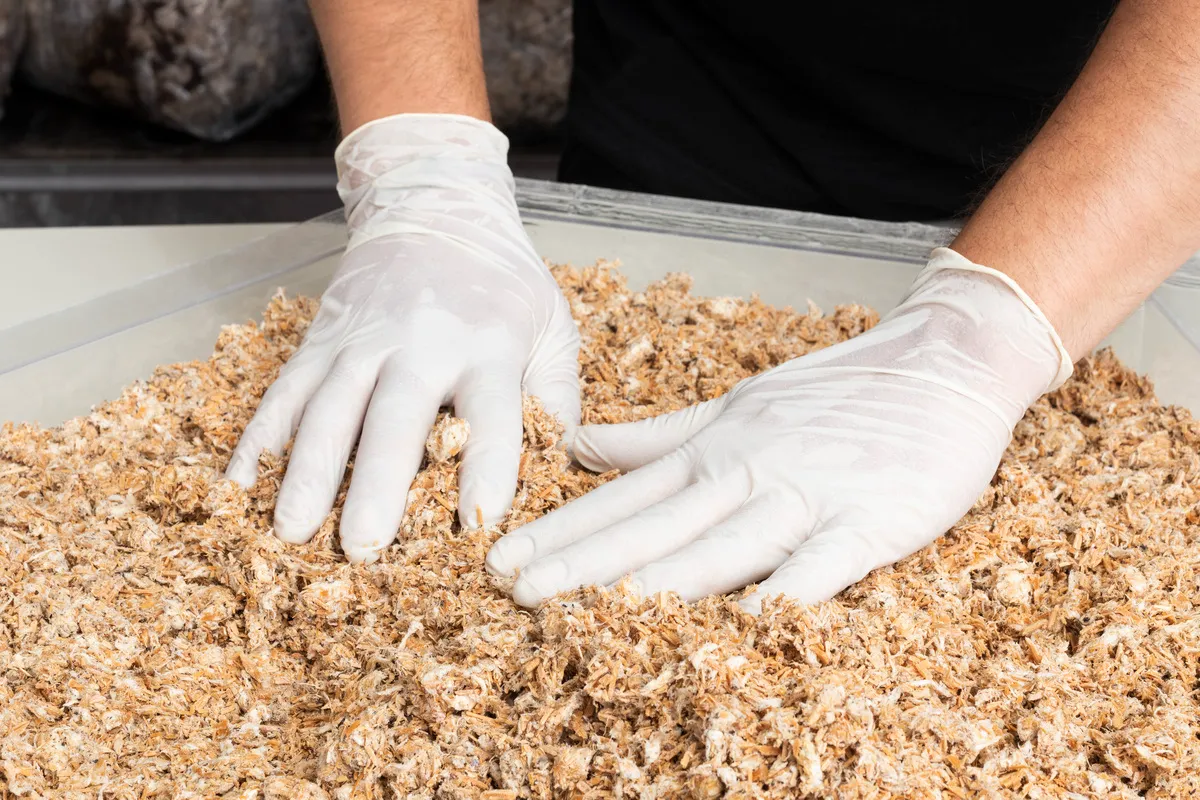
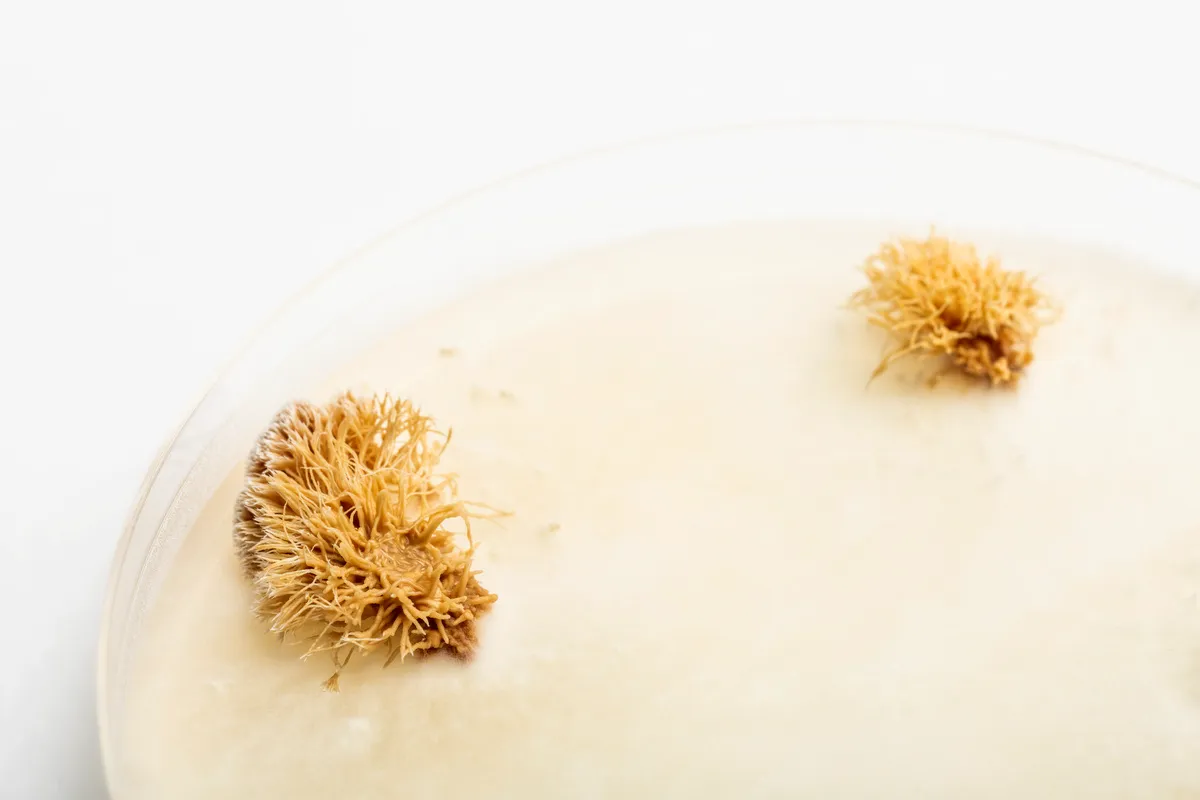
Within the composite, mycelium acts as a biological binder: through its metabolic activity, it colonises and structures the plant substrate. The final material therefore emerges from the interaction between plant and fungal biomass, stabilised at the end of the growth process through controlled drying. The transition from living organism to stable material occurs when growth is stopped: the structure remains, biological activity ceases, and a stable organic material is obtained.
Hemp and mycelium: how a material grows, from fibre to structure
The combination of hemp and mycelium follows a technical selection process: «We tested numerous types of biomass to identify the most suitable raw materials, including cotton waste, miscanthus and other lignocellulosic fibres. Hemp proved the most effective across several parameters».
The biological parameter is central: «Mycelium is the main organism responsible for breaking down lignin in nature». Hemp shiv, with its high lignin content and cellulose component—which together provide the nutrients—offers a substrate suited to fungal metabolism. During fermentation, mycelium penetrates the plant matrix, draws on its nutrients and develops a three-dimensional network connecting the fibres. This network is key to defining the material’s structure, distributing stresses and ensuring cohesion.
The process requires control of numerous parameters: temperature, humidity, oxygen concentration and growth times are monitored to maintain stability and consistency between batches. Drying stops biological activity and stabilises the dynamic system, turning it into a material that can be handled, processed and transported.
Repeatability is essential: «We have created a standard. Although these are living processes, the properties fall within a range consistent with market expectations». This makes it possible to move from experimentation to production while maintaining consistency across batches.
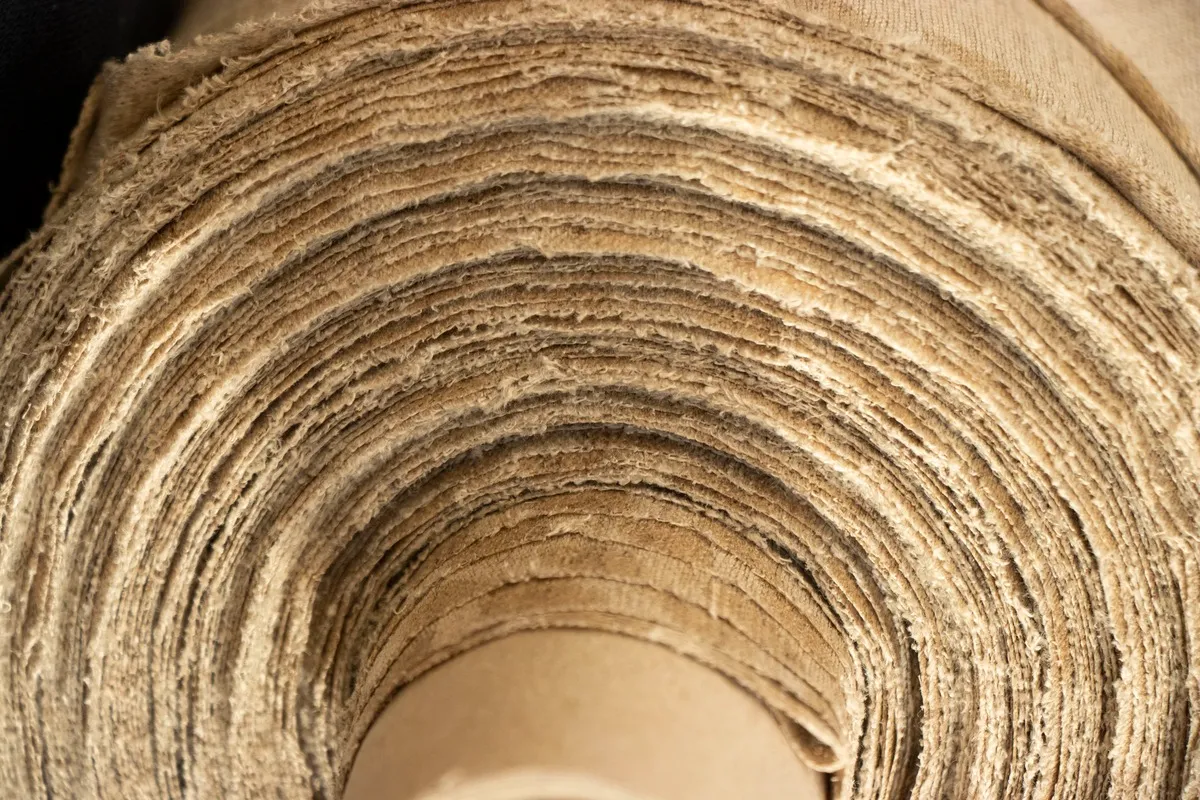
In terms of performance, hemp affects the composite’s density and porosity: «Fibre length and the type of residue affect the structure». The micropores formed during fungal growth promote sound absorption, particularly at speech frequencies, making the material suitable for interior panels. The resulting structure is lightweight yet robust, combining structural integrity with the ability to dissipate sound waves.

Hemp as a controlled industrial substrate
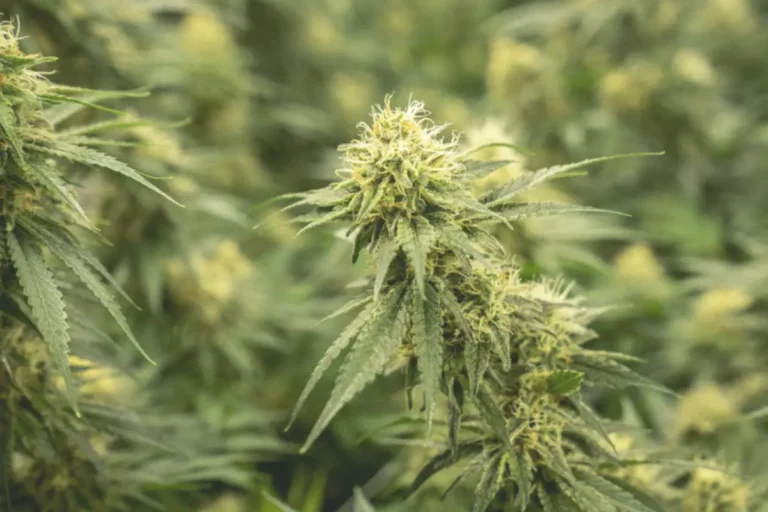
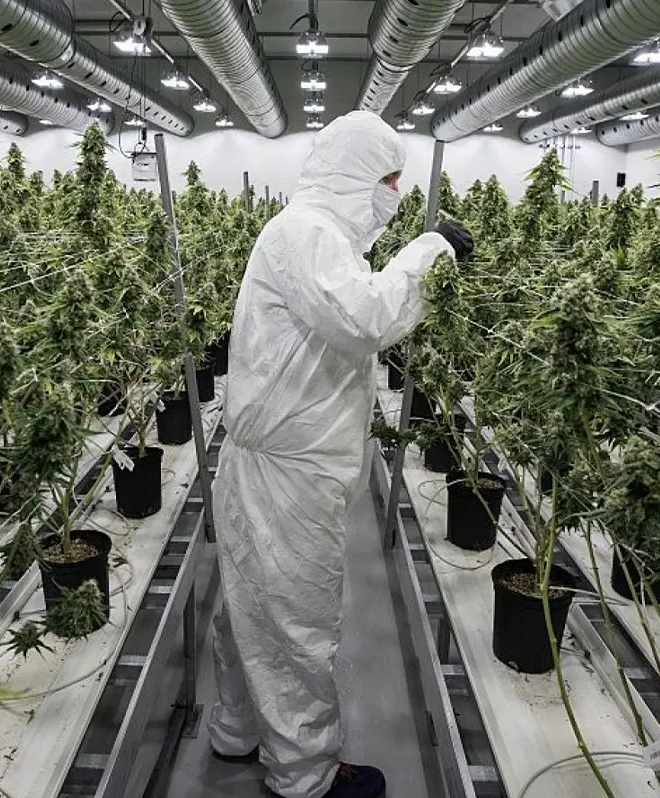
Hemp is an agricultural material and is inherently variable. Monitoring the substrate is therefore crucial: «In terms of contamination control, hemp is more antiseptic than other materials. Nevertheless, it still comes from the field and must be properly cleaned to accommodate the fungal culture». Its natural properties alone cannot prevent competing organisms from being present.
The risk is interference with mycelium growth. If bacteria or other fungi colonise the substrate before controlled inoculation, they can compromise the properties of the final material. Preparing the hemp thus becomes an integral part of production. Selecting, treating and checking plant fractions are necessary steps to maintain final material quality.
This directly affects the supply chain. Consistent quality requires separation and preparation processes suited to the demands of biofabrication. The availability of standardised raw material becomes an industrial consideration, not merely an agricultural one.
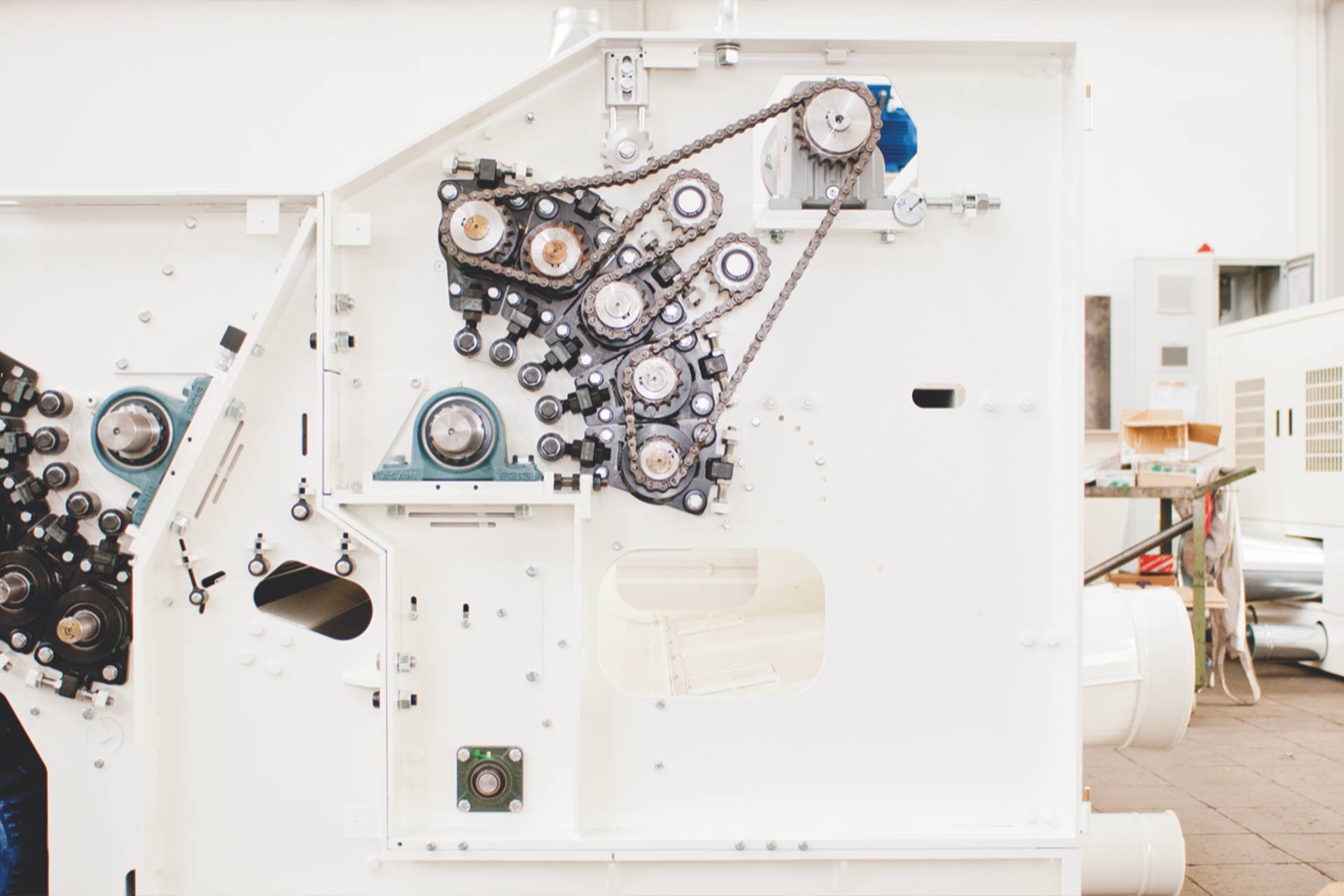
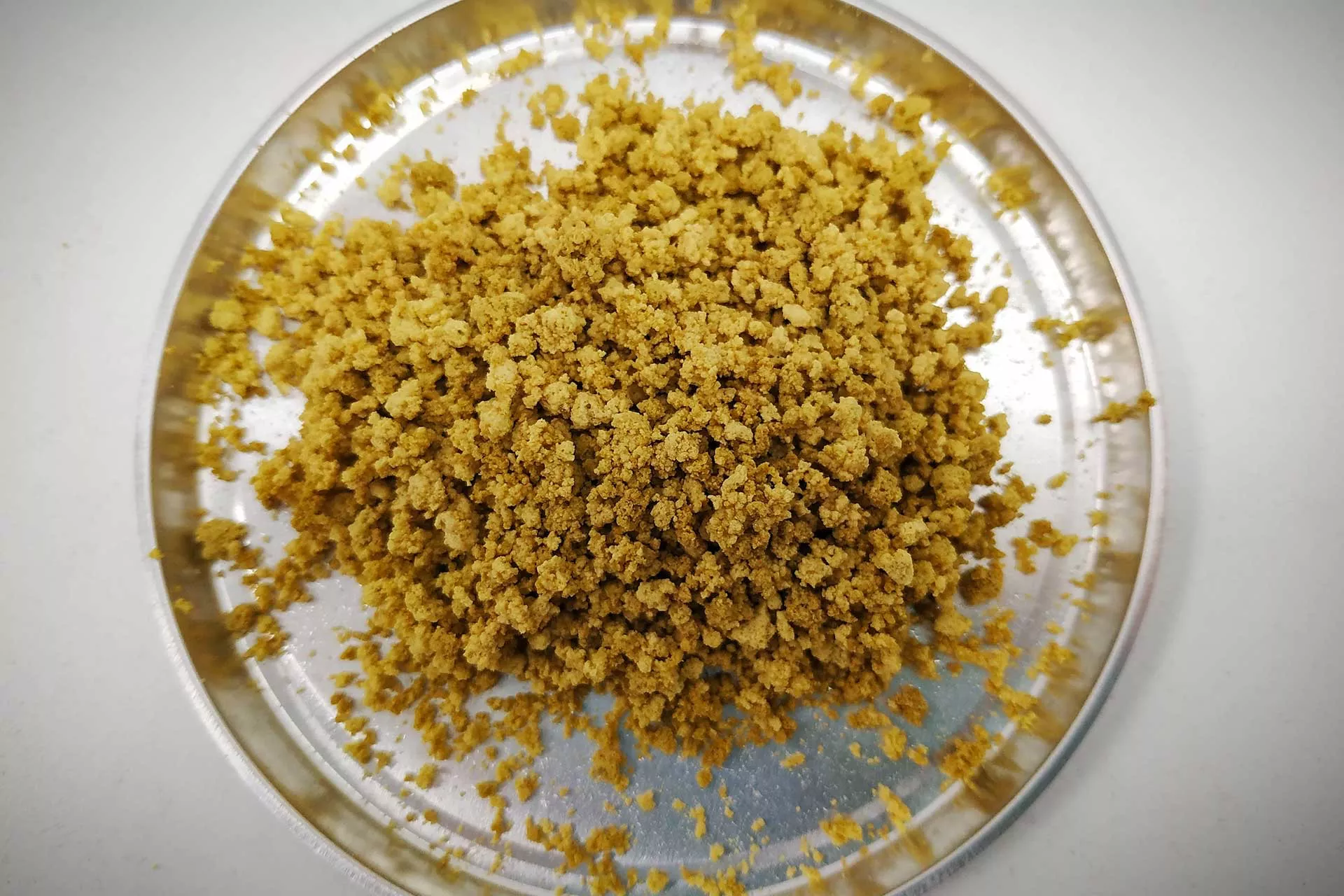
The hemp used in Atrium comes from European supply chains selected according to the availability of fractions suited to the process. It consists mainly of hemp shiv produced when the plant is processed for other industrial uses. Sourcing depends on obtaining a particle size, degree of cleanliness and quality compatible with fungal inoculation. Continuity of supply and the quality of separation between fibre and woody material directly affect the stability of the final composite, making the supply chain a technical component of the process.
Hemp and environmental metrics: life-cycle assessment and GWP
Life-cycle assessment is integral to development within Atrium. Comparative analyses of products already on the market show «a fairly significant reduction in CO₂-equivalent emissions, water consumption and land use» compared with synthetic materials.
For hemp, the environmental contribution occurs during growth: «Carbon sequestration affects stage A1 of the life cycle». This changes the product’s initial balance and influences its global warming potential.
GWP (Global Warming Potential) is also a central metric in architecture and interior design: «These benefits are not expressed as ‘claims’, but through accurate analyses conducted by third parties and quantified data that certify their validity».
The fire test: between biology and regulation
Fire regulations represent a decisive technical threshold: «It is the first no-go for the market». The relevant measure is the reaction-to-fire class, which describes how a material behaves when a flame ignites and spreads.
The mycelium–hemp composite does not always achieve the required classes on its own: «To reach the necessary commercial class, we select appropriate finishes». By adjusting density and applying surface treatments, Mogu materials on the market have obtained B-s2 and B-s, d0 classifications.
Structural construction also presents challenges related to moisture: «Where water infiltrates, moisture can encourage biological attacks». Adoption in bio-based construction requires building systems that limit exposure and water accumulation, incorporating the material into appropriate design solutions.
Applied circular economies: fermentation, residues and industrial scale
Mycelium–hemp fermentation forms part of circular-economy approaches to innovative materials. Fermentation transforms low-value plant fibres into structured composites through controlled growth, replacing synthetic binders with a biological process. Circularity therefore lies not only in the raw material but also in the transformation model, which integrates different types of agricultural residue into an industrial supply chain.
Bringing this model into stable production requires another step: standardising the biological process. «Technological maturity is always relative. Progress is continuous», they explain, referring to evolving growth parameters, substrate stabilisation and the ability to ensure consistent performance over time.
Mogu has been on the market since 2019. Its products are used mainly in interior design and furniture, where the material can be integrated within defined technical requirements. Automotive applications are identified as a possible area for development, albeit with longer timelines and more complex certification requirements.
The combination of hemp and mycelium is described as an evolving technological platform. Its consolidation depends on maintaining consistency between technical performance, environmental benefits and regulatory requirements. The balance between material innovation and market requirements thus becomes the measure of how effectively these circular innovations can be integrated into industry, at both process and product level, to establish new production standards.