Dolomiti Canapa and Canapalpino: mountain-grown hemp seeds for food
Hours of drying and cold pressing to preserve their properties: hemp from Dolomiti Canapa and Canapalpino, companies operating at around 400 meters above sea level
Growing hemp in the mountains: the experience of Dolomiti Canapa
A few kilometers from Belluno, in the heart of the Dolomites, Elisa Colle runs Dolomiti Canapa, a farm founded in 2016. The village where she lives has just over sixty inhabitants and lies between 400 and 500 meters above sea level. Here Elisa cultivates about one hectare of land: part is devoted to mountain-grown hemp, while the rest is used for local crops such as beans and potatoes: «We chose the right bank of the Piave because it receives more sunlight and the soil is warmer», Elisa says. The hilly setting also offers a natural advantage: «To protect itself from temperature fluctuations, hemp produces a resin that gives the products more flavor».
Beyond its value as food, the crop also plays an ecological role. «Hemp helps recover abandoned land or fields left as grassland, eliminating weeds and making them fertile again for future sowing», she explains.
The plant is, however, sensitive to excess water. «During sowing, even a small amount of standing water can cause the seeds to rot or stop growing», Elisa says. Light is also essential: «Hemp reaches full maturity only around the summer solstice. After that, it no longer grows».
Hemp seeds and oil: a short, natural supply chain
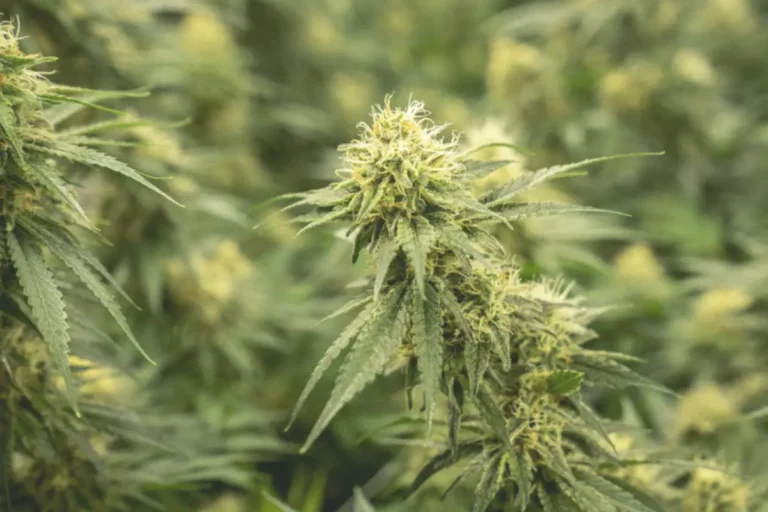
Cannabis sativa L., commonly known as hemp, is a tall fiber plant that can exceed three meters in height. It is sown in mid-May and harvested in September. Dolomiti Canapa grows a monoecious variety, producing both male and female flowers. This allows for a more abundant harvest of hemp seeds.
Female inflorescences, as explained in the hemp extraction guidelines issued by Federcanapa and Agrinsieme, contain an oily resin rich in cannabinoids and terpenes. Cannabinoids have nutraceutical and pharmacological properties: more than one hundred are known, divided into eleven groups.
Two of these, Δ9-THC and Δ8-THC, are considered narcotic substances. CBD, by contrast, is valued for its anti-inflammatory and antioxidant effects. The ratio between CBD and THC distinguishes fiber hemp from drug-type cannabis: by law, THC content in food varieties cannot exceed 0.2 percent.
Terpenes, aromatic substances found in the upper part of the plant, determine its scent. In combination with cannabinoids, they also enhance its beneficial properties.
Cold pressing: the core of hemp oil production
During harvesting, Elisa Colle selects only the top part of the plant, where the seeds are found. The hemp shives are left on the ground because they can be used by a nearby artisanal paper mill. After cleaning, the seeds are dried for at least three days: «If the weather is good, we spread them out in the sun on a sheet», Elisa explains. «In the future we would like to buy a dryer to increase production. Today we harvest around 300–350 kilograms of seeds a year and aim to double that».
Once dried, the seeds are stored in large sacks to reduce their moisture content: from 20 percent at harvest to 10 percent, the ideal level for storage. Cold pressing of the hemp seeds is entrusted to the Moldoi agricultural company, about thirty kilometers away. The company also handles filtering and packaging. «It is essential to keep temperatures low during processing», Elisa stresses.
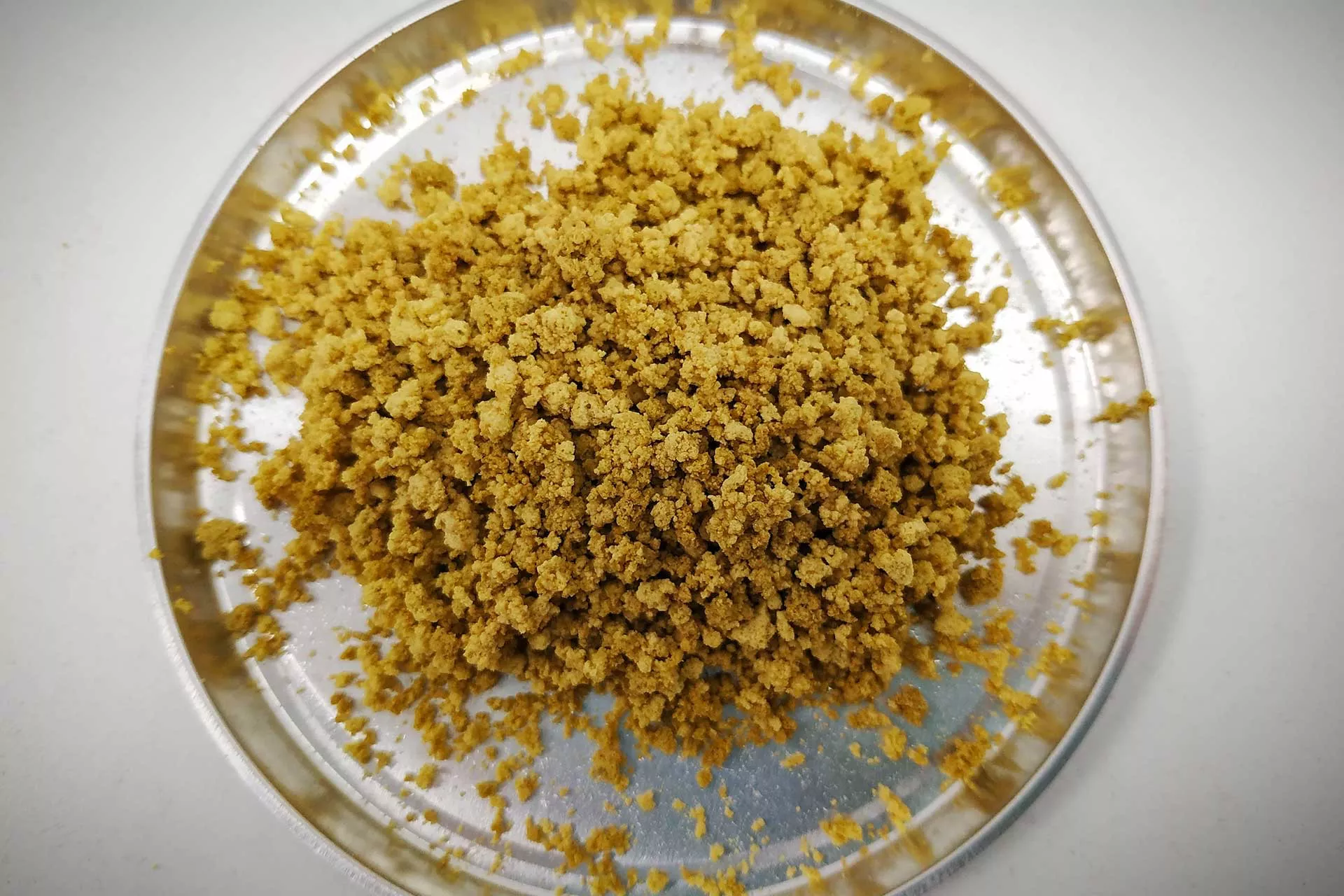
One hundred kilograms of seeds yield about 70 kilograms of flour and 20 kilograms of hemp oil. The latter is Dolomiti Canapa’s flagship product: in 2021 it took second place in the national Fracta Sativa UniCanapa competition: «It has a more intense flavor than olive oil, but remains very pleasant», Elisa says. «We use the French Futura 75 variety, which is aromatic and rich in Omega 3 and Omega 6».
Hemp-based food and cosmetic products
The flour left after pressing is used to make crackers, focaccia, breadsticks, biscuits and pasta. «Hemp flour is rich in fiber – around 20 percent – and very high in protein», Elisa explains. Working with two local pasta makers, Dolomiti Canapa also produces hemp pasta, including fettuccine made with durum-wheat semolina.
In recent years, the company has also experimented with natural cosmetics. Hemp oil is cold processed to create artisanal soaps and a range of creams – for the face, eyes and with arnica – in collaboration with a laboratory in the Belluno Dolomites National Park.
Canapalpino: a sustainable supply chain in the Belluno area
Among Dolomiti Canapa’s retailers is Canapalpino, a network of stores in Bribano di Sedico, Feltre and Belluno. Founded in 2006, the business expanded from 2016, when owner Marco Dalla Rosa began cultivating hemp directly in the Belluno area.
«Ours is an extremely short supply chain», Marco explains. «We grow, harvest, dry and process the seeds within four kilometers, all in neighboring municipalities». The main site is in Sedico, at an altitude of 600 meters.
Canapalpino produces flour and baked goods using food-grade hemp. «Our croissants, crackers and pasta contain between 5 and 8 percent hemp», Marco says. «The oil, on the other hand, is obtained only through cold pressing, so it retains its beneficial properties».
Each year the company cultivates around two hectares of land. Expansion, however, is difficult. «The problem is finding large plots», he explains. «The area favors maize monoculture, which is more economically stable. Hemp yields, by contrast, vary. The market appreciates mountain products, but we often cannot meet demand because of a shortage of seeds».
Despite this, the supply chain is solid. «It has never been an obstacle: we simply had to build it, and we did», Marco Dalla Rosa concludes.
Terreno, raccolta ed essiccazione: le regole della buona coltivazione
Federcanapa e Agrinsieme raccomandano un’accurata preparazione del terreno prima della semina. Dopo l’aratura è necessario un amminutamento fine, cioè la frantumazione delle zolle fino a rendere il suolo morbido e omogeneo. Il seme, molto piccolo, va interrato a una profondità di circa 1,5–2 centimetri.
Un buon drenaggio è essenziale per evitare ristagni d’acqua che possono compromettere la germinazione. La canapa è naturalmente resistente alle erbe infestanti, perciò non richiede antiparassitari chimici.
La raccolta si svolge tra settembre e ottobre, dopo la fioritura estiva. Durante la crescita, il contenuto di cannabinoidi viene monitorato: nella prima fase aumenta, nella seconda si stabilizza e nella terza diminuisce.
Soil, harvesting and drying: the rules for good cultivation
Federcanapa and Agrinsieme recommend careful soil preparation before sowing. After plowing, the soil must be finely broken down, crushing the clods until it is soft and uniform. The seed, which is very small, should be buried at a depth of about 1.5–2 centimeters.
Good drainage is essential to prevent standing water that can compromise germination. Hemp is naturally resistant to weeds and therefore does not require chemical pesticides.
Harvesting takes place between September and October, after summer flowering. During growth, cannabinoid content is monitored: it increases in the first phase, stabilizes in the second and decreases in the third.
The importance of drying for seed quality
Drying is one of the most delicate stages. Federcanapa and Agrinsieme recommend using forced-air machinery dedicated exclusively to hemp. The temperature must remain below 46 °C for a cycle of around 48 hours. Final seed moisture must not exceed 10 percent.
In recent years, cryogenic freeze-drying has also been tested, a process in which the product is frozen and then dried under vacuum. It is a promising technique for improving the preservation and quality of hemp seeds.