Remediating soil with industrial hemp: how Green Valley turns waste into renewal
In Roccasecca, southern Lazio, Green Valley uses industrial hemp to remediate contaminated land and restore agriculture’s role in environmental regeneration
Green Valley: industrial hemp as a project for environmental and social regeneration
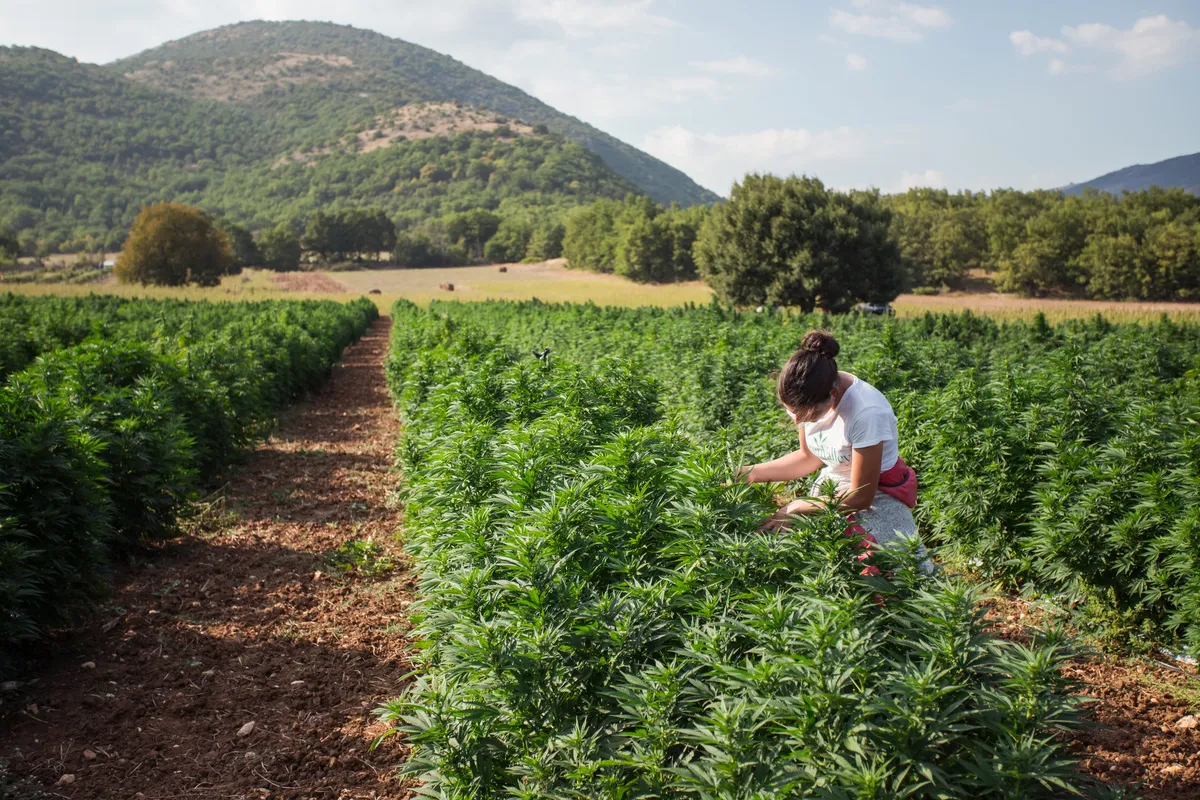
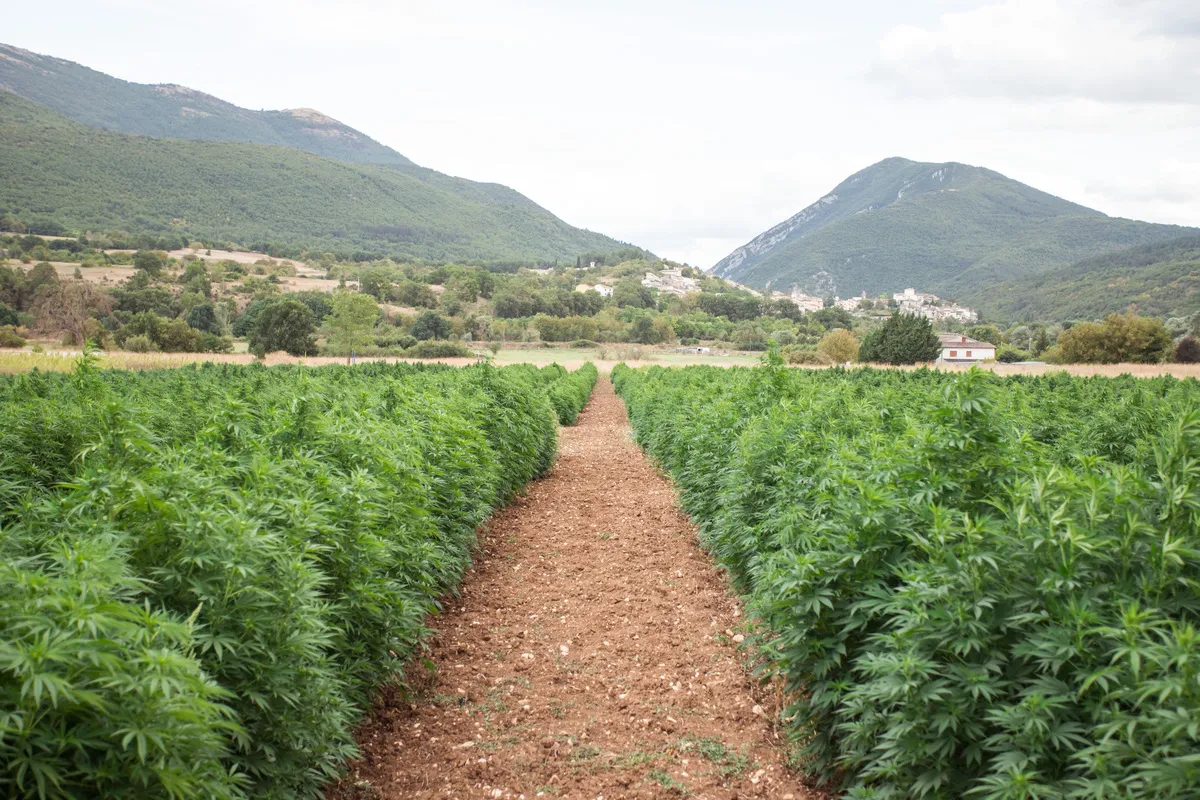
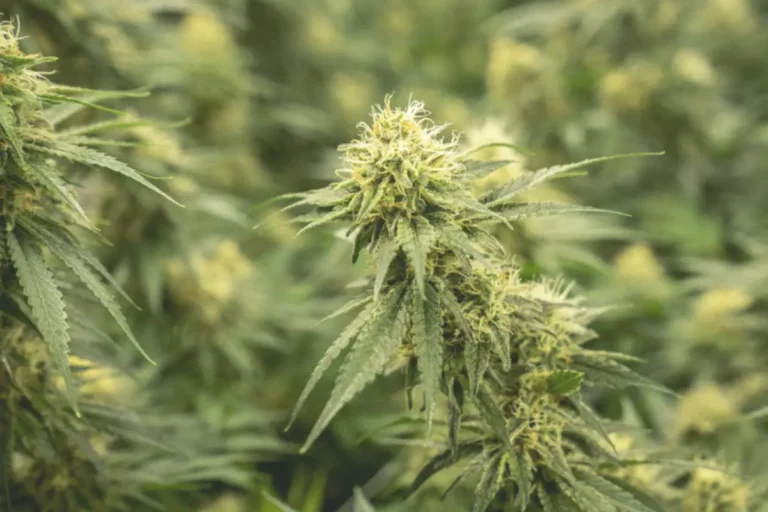
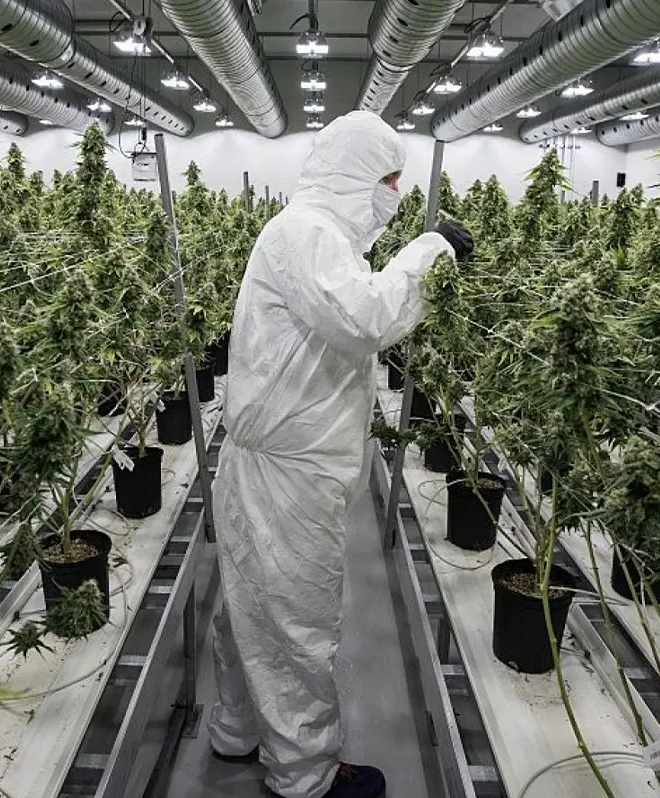
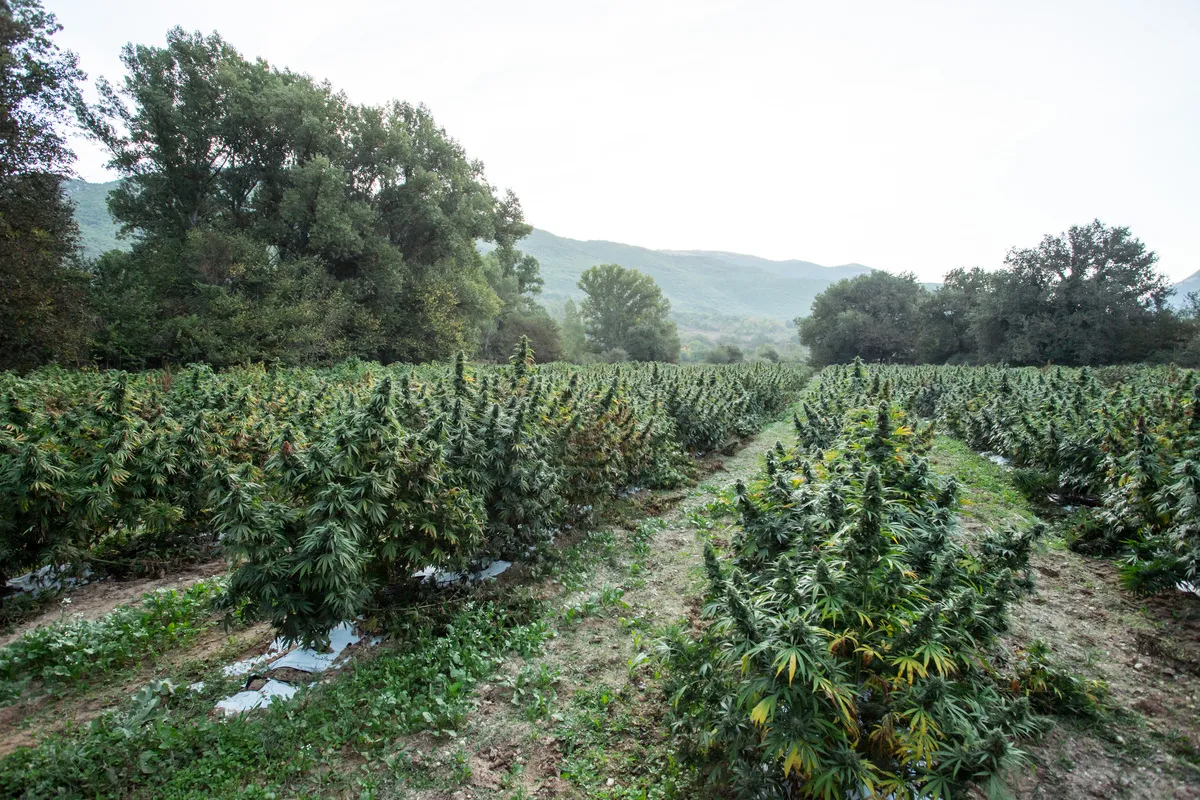
In Roccasecca, in the province of Frosinone, hemp has begun growing again among disused warehouses and land left barren by landfill sites. Green Valley was founded here, bringing together research, agriculture and remediation, and turning an area marked by pollution into a testing ground. «We started in 2017 with the idea of bringing hemp back to Italy as a practical resource», says co-founder Jacopo Paolini. «The plant does what people can no longer do: it cleans, absorbs and gives back. We began with a few abandoned hectares and watched the soil come back to life».
Green Valley’s hemp operates where industrial remediation fails. Through phytoremediation, it absorbs heavy metals and reduces soil toxicity. The aim, however, is not solely environmental. The project seeks to restart an agricultural supply chain capable of restoring employment, a sense of identity and economic continuity. «We are not just growing a plant. We are cultivating a way of belonging to this place. Hemp grows quickly, needs little water and does not deplete the soil. It is a material that works for us even when we cannot work ourselves».
Hemp and sustainability: an agricultural business enduring seizures and legal gaps
In 2024 the company experienced the most critical period in its history: a six-month judicial seizure of a batch of biomass containing no THC. «Our goods were blocked from February until the end of August. The judge eventually ordered everything released, but by then its value had halved and a year’s work had been compromised».
The Green Valley case illustrates the regulatory uncertainty affecting the sustainability of industrial hemp in Italy. «We are agricultural entrepreneurs, not traffickers, but Law 309 puts us on the same footing as people producing narcotics. This does not happen in any other European country. In Italy, growing hemp means risking arrest».
The result is a climate of constant suspicion. «We declare everything, pay our contributions and employ staff. Every time a shipment leaves, we have to justify it to the authorities. It is frustrating. Anyone trying to do things by the book is treated as a problem».
Behind these difficulties lies a cultural contradiction: hemp is simultaneously a symbol of innovation and an object of institutional distrust. «Our work comes from a desire to run a lawful business, but in a system that no longer distinguishes agriculture from drugs, sustainability becomes a form of civil resistance».
Circular economies on hold: the value of the material and the lack of infrastructure
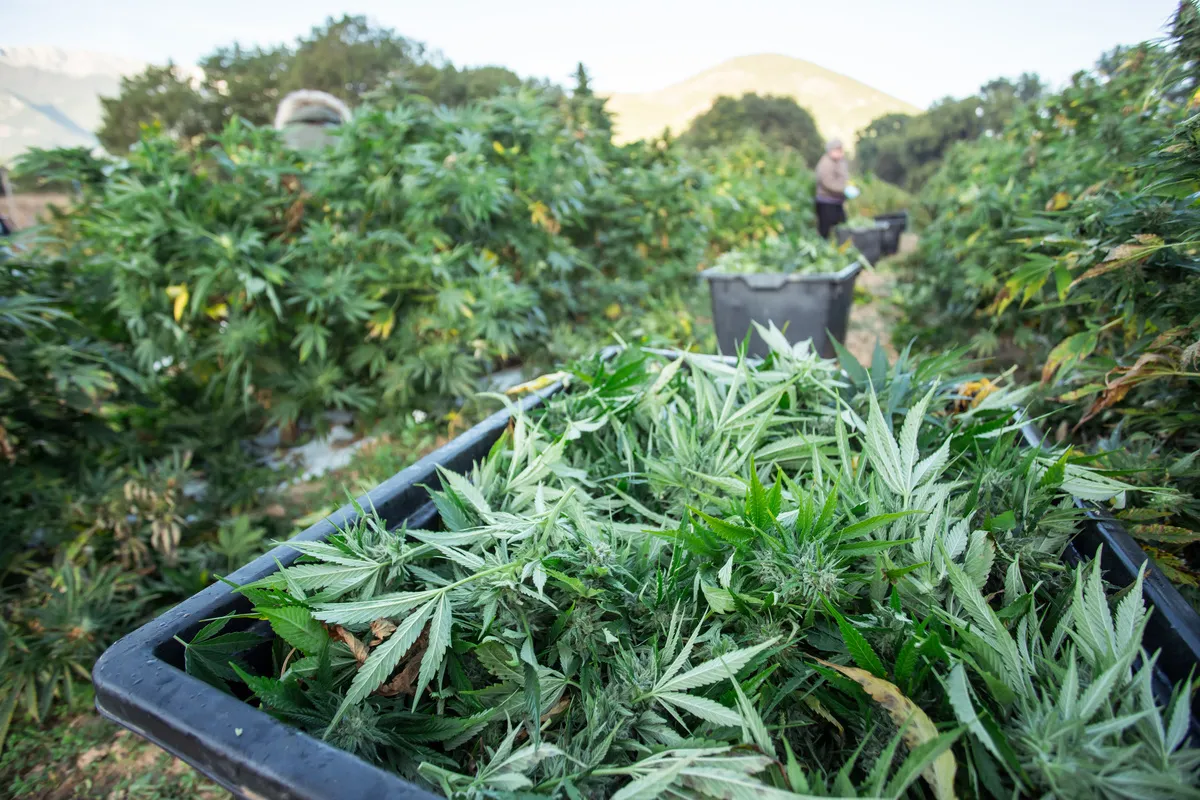
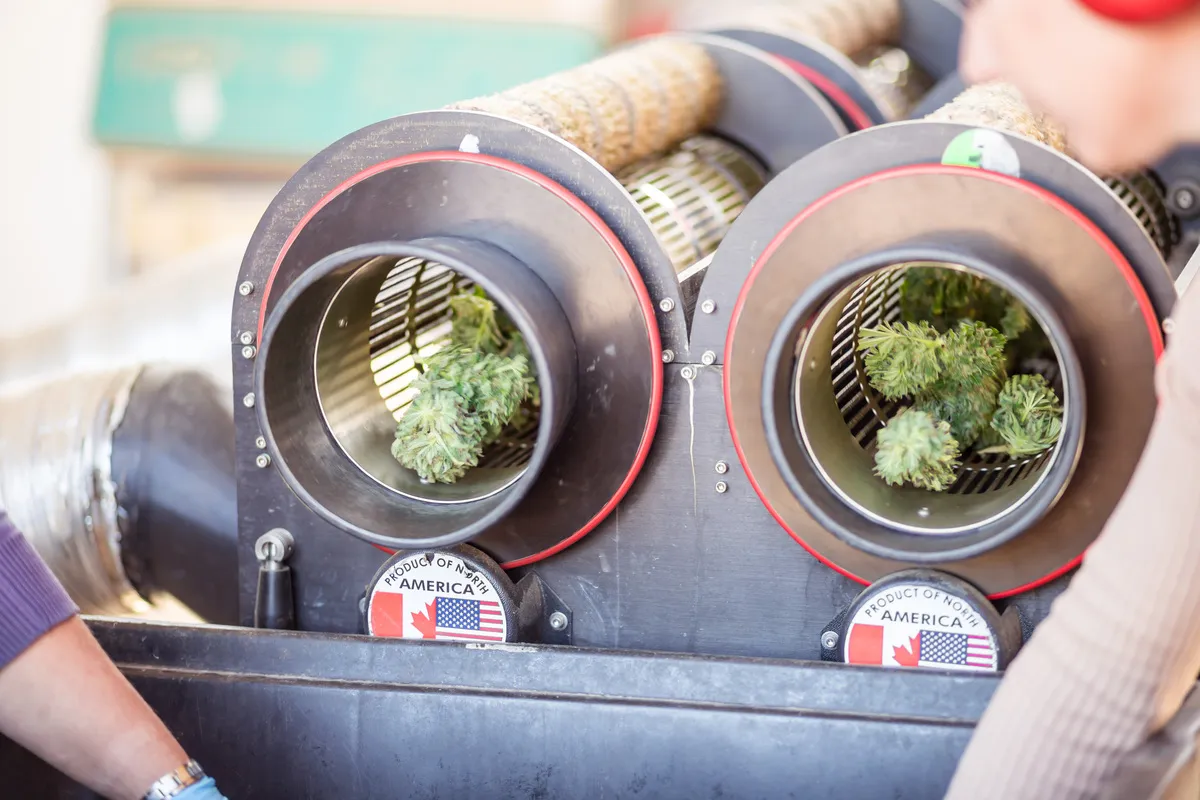
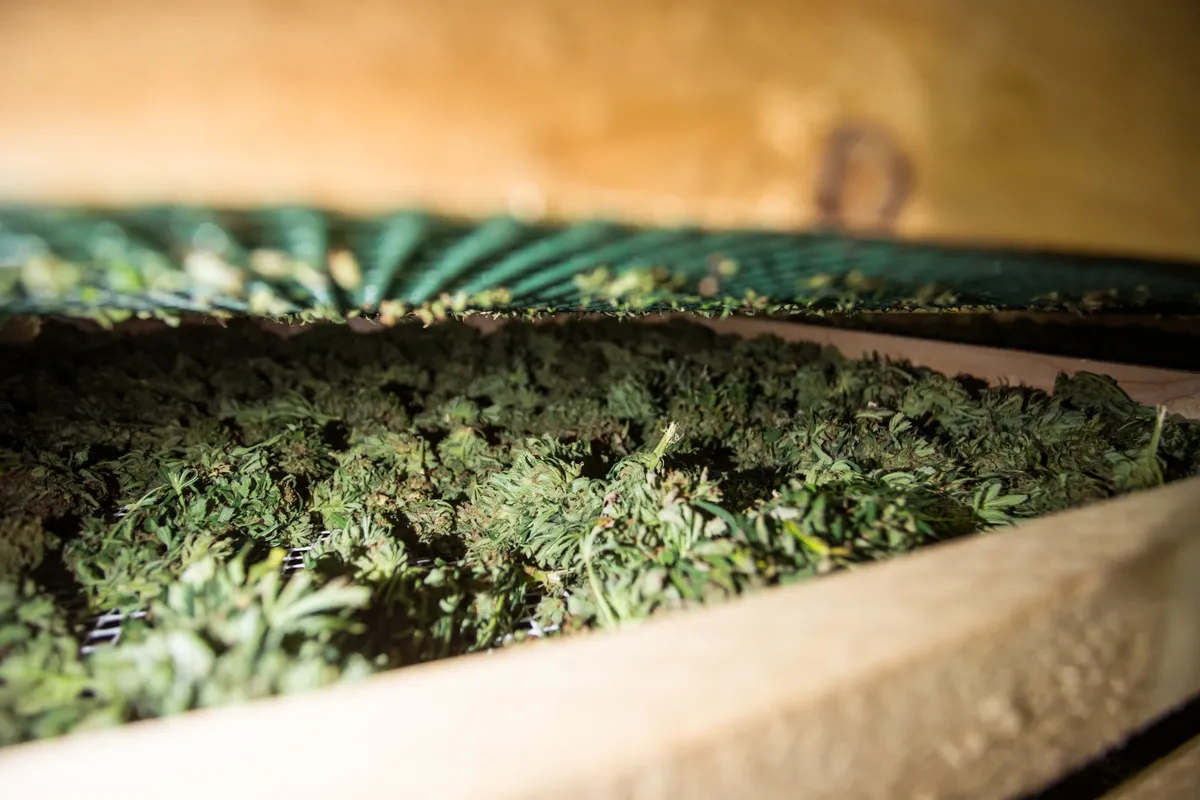
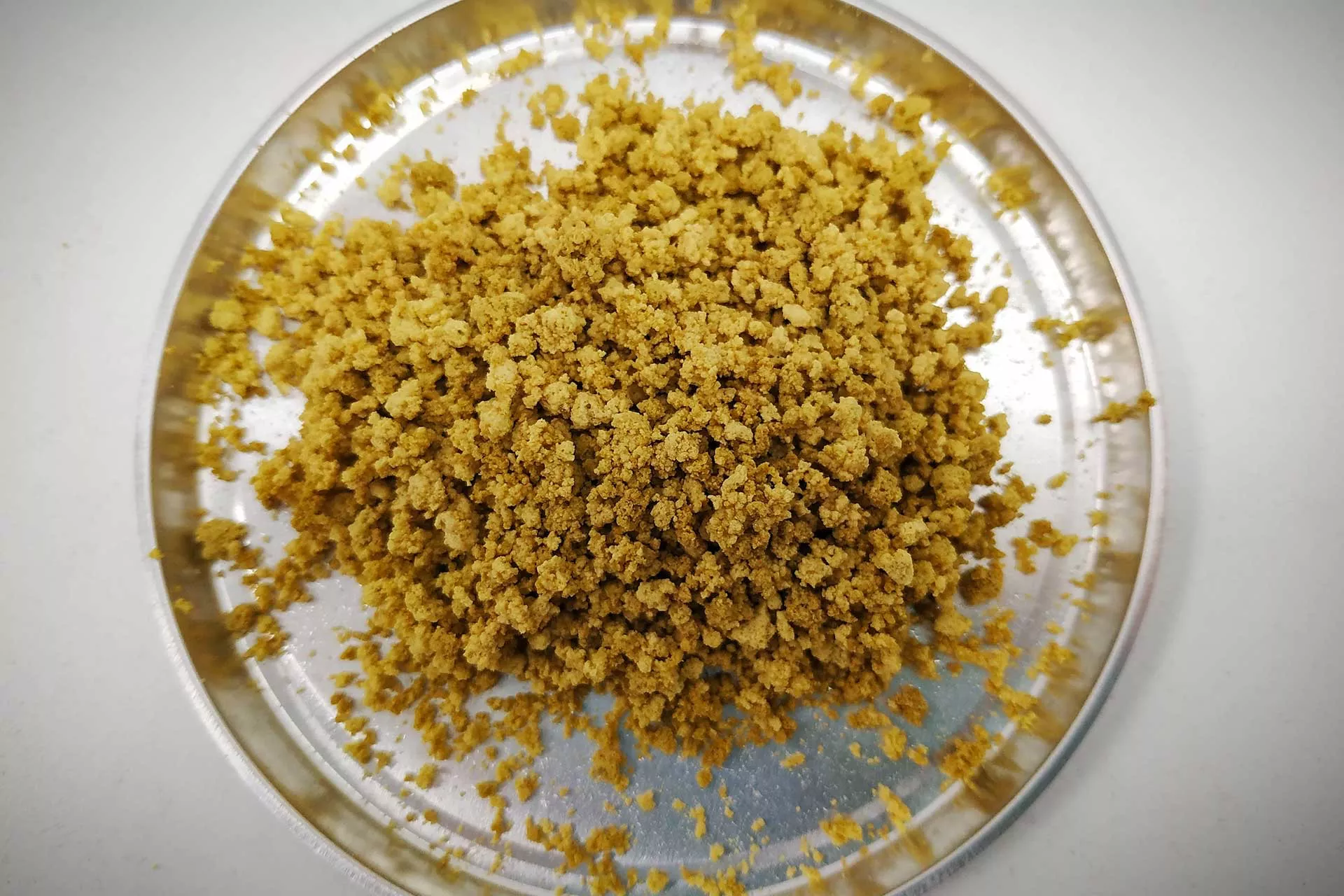
Green Valley is based on the principle of circular economies: no part of the plant is discarded. Biomass becomes compost, building material, a base for bioplastics or a substrate for new soil. In Italy, however, the loop cannot be closed. «We lack processing facilities. Farmers can sow, but they do not know where to take the harvest. Without infrastructure there is no supply chain. And without a supply chain there is no circular economy».
Green Valley’s model centres on local production and the continuous reuse of resources. «We would like to establish a small processing hub here in Lazio, but every step requires permits and certifications that get lost in ministerial corridors».
At present, the hemp is harvested and mostly sold abroad as raw biomass. «We work with France, Portugal and Spain. There, hemp is part of the ecological transition. Here, it is still something we have to justify. It is paradoxical: we export sustainability and import distrust».
Behind the shortage of infrastructure is a lack of political vision. «There are plenty of young people ready to work and plenty of land to restore, but we need rules and places to process the material. Without somewhere for the crop to go, the agricultural supply chain stops at sowing».
Regenerative agriculture as a political act: hemp that restores the soil
Green Valley’s farming is a process of regeneration. It does not merely produce raw material; it changes the composition of the soil. «After two years the difference is visible. The colour grows darker, the smell sweeter, and wild plants return. It is proof that the land is responding».
Regenerative agriculture is also a political gesture: cultivating means occupying a space and restoring value to the slow passage of growth. «We work slowly. We do not need pesticides or use intensive irrigation. Hemp does the work itself, but it asks us to be patient».
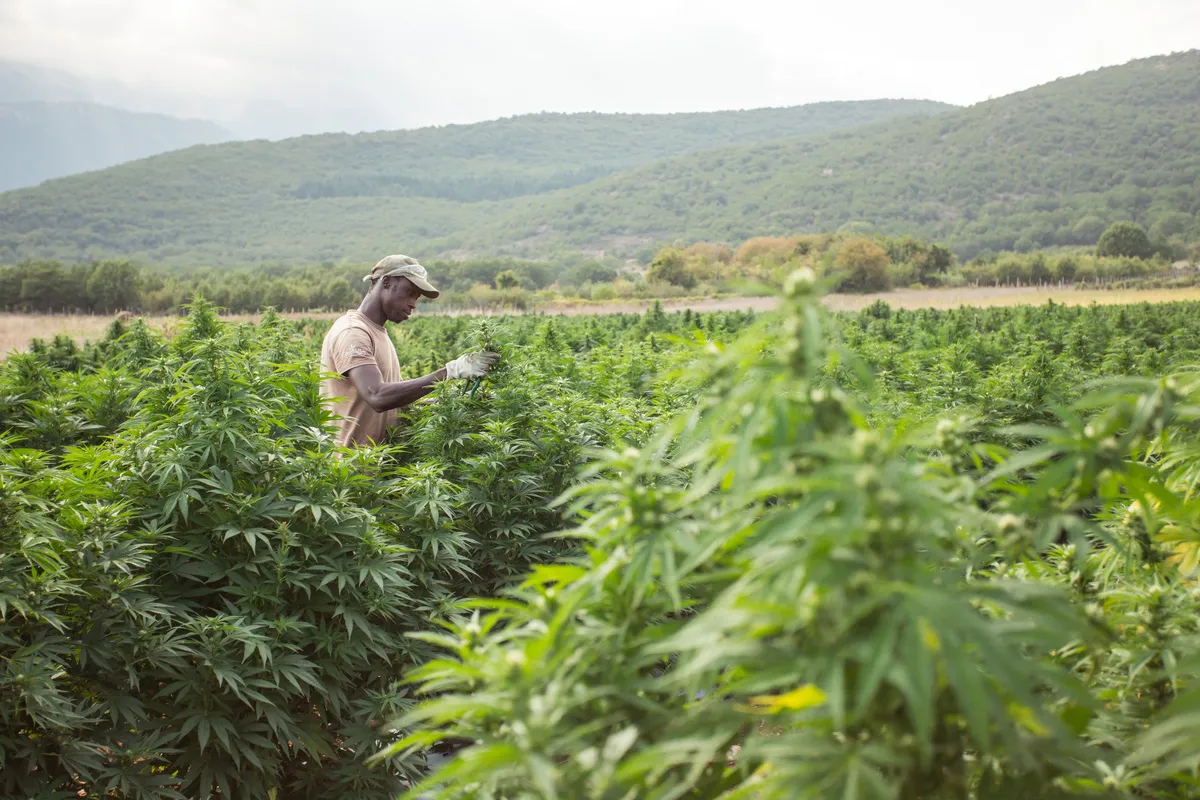
The return of hemp to southern Lazio has also created jobs. «Today we involve young people who had never set foot in a field. Some had emigrated; others did entirely different work. Now they are learning a trade with meaning and a future. It is a small thing, but it is a sign».
The regenerative dimension also reaches into collective memory. «Hemp was grown in Ciociaria until the 1950s. It was part of the local economy, used for ropes and fabrics. When we started, some older people came to watch us work. They said, “It was about time someone planted it again.” In those moments you understand that regeneration is not only chemical but cultural».
A sector growing without rules: the quiet fragility of Italian hemp
For Paolini, sustainability is impossible without a clear regulatory framework. «In a liberal state, markets are regulated, not suppressed. In Italy hemp exists in a grey area that discourages investment and drives many businesses to close».
His criticism also extends to the industry itself. «Many operators have contributed to the confusion by selling flowers as room fragrances. It is hypocrisy that harms everyone. If a product is intended for smoking, it should have its own rules and taxes. As long as we keep skirting the issue, we will remain a ghost industry».
Green Valley proposes building a common voice. «We need to come together and write a set of regulations. Let us pay legal scholars instead of lawyers. Let us present the government with a shared draft. It is the only way to compel the institutions to respond».
Paolini’s language is pragmatic. «We are not asking for incentives or subsidies. We are only asking to work within the law. If the product is legal, regulate it; if it is not, ban it. We cannot remain suspended between these two options».
The hemp paradox: a sustainable material in an unsustainable system
Hemp is one of the most sustainable crops: it absorbs CO₂, improves soil structure and reduces erosion. Yet in Italy it continues to be treated as marginal. «We are a country that talks about the green economy but does not really allow people to cultivate it».
«Sometimes I think about giving up», Paolini admits. «Then I go back to the fields, see the plants and the feeling passes. It is like a duty to the land. After ten years, demand for hemp has never fallen. That means there is something good here, even if we cannot see it in the accounts».
Today the business exists between resilience and insecurity. «We have a stable export market, but we cannot grow in Italy. We work in fits and starts: two years in business, eight months at a standstill. You cannot run a business like that, but we carry on because we believe hemp is the future of agriculture».
Circular economies and communities: a production model built on relationships
Green Valley’s model is measured not only in numbers but also in the relationships it creates. «We have involved local farmers, small producers and technicians working in the field. Every harvest is the result of a network. That is what I mean by a circular economy: not just material, but community».
Hemp thus connects different worlds: universities, public administrations and agricultural businesses. «At first they looked at us with curiosity; now they ask us to explain how phytoremediation works. It means something is moving».
Green Valley’s presence has opened up new collaborations in the area: restoring uncultivated land, small processing workshops and training projects for young people. «We do not want to create an industrial district, but a replicable model. A system that shows hemp can be grown, processed and sold without fear».
Cultivation as a form of resistance: regeneration is a collective act
«Hemp grows even when everything else stops», Paolini says. «It is a plant that does not let you down. It is our metaphor: a root that holds on and never stops looking for room to grow».
Green Valley’s aim for the future is to return sustainability to its original dimension of work, place and continuity. «Hemp is an economy, but it is also dignity. It remediates the land and restores meaning to the passage of time. It proves that sustainability is not a goal but a condition of life. We already have the technical plans ready. All we lack is permission to put them into practice».
Meanwhile, in the fields of Roccasecca, on land that was industrial waste for years, hemp continues to grow. «Every season is a risk, but also an act of trust. The land tests us and we respond by cultivating it. Perhaps that is what sustainability means: continuing to believe that regeneration is still possible».