The Bauhaus produced its own image with the same method it used for chairs
Photography arrives late at the Bauhaus and becomes the language through which the school builds and circulates its own image — the book New Woman, New Vision
No course, no workshop, no master. Photography appears nowhere in the manifesto Walter Gropius published in April 1919, and nowhere in the school’s teaching program. Seen from a distance of a century, the omission reads as a paradox. Without images, the Bauhaus would have struggled to lodge itself in the visual imagination of the twentieth century.
Fourteen years is all it lasted. 1919 was the year of its founding; 1933 was the year the German National Socialist regime ordered it closed. That closure marks something other than an ending. The Bauhaus outlives it because its aesthetic and its language have by then entered the visual vocabulary of the century.
What made that possible extends past the rational aesthetic of the buildings and the modern geometries of the objects. It also extends past the use of industrial materials — glass, steel, reinforced concrete — and the radicalism of the theories. The Bauhaus penetrated the imagination because it built the apparatus through which to narrate itself.
The 1919 manifesto: Gropius, Feininger’s Cathedral and the totality of the arts
The manifesto established the state school, born from the union of the Hochschule für Bildende Kunst and the Kunstgewerbeschule of Weimar. Its intention is clear: total unity of the arts.
Gropius announces a pedagogical program founded on continuous, direct dialogue between arts and crafts. The program calls architects, artisans, painters, sculptors and carpenters to work together on a collective model. The image chosen for the manifesto cover, Lyonel Feininger’s woodcut Cathedral, offers the visual synthesis of that union. Architecture stands as the final end of a wider idea of design.
Driving the process is a concept: to follow the rhythm dictated by modernity. The Modern Movement and architectural rationalism must absorb the rhythms of industry, of machines, of serial production and reproduction. Gropius put it directly: «If we want to remain in this world, then the forms of our creations will take on its rhythm still more.»
Why photography arrived at the Bauhaus six years late
The question follows. The answer lies outside ideology or any a priori rejection of the medium.
In 1919, photography is still a new medium, difficult to place. It belongs to none of the traditional arts. It lacks the properties that characterize the crafts on which Gropius builds his pedagogical model. What it lacks above all is the relationship between master, student and workshop — the triad on which the Weimar method rests.
Four years pass before photography enters the school. László Moholy-Nagy introduces it in 1923, inside a preliminary course, as free practice. Six years later, Walter Peterhans inaugurates the first course dedicated to photography alone.
At this point the Bauhaus appears to have understood that producing buildings and objects has stopped being sufficient. The school needs to circulate and publicize them beyond the workshops. Photography becomes a component of that totality.
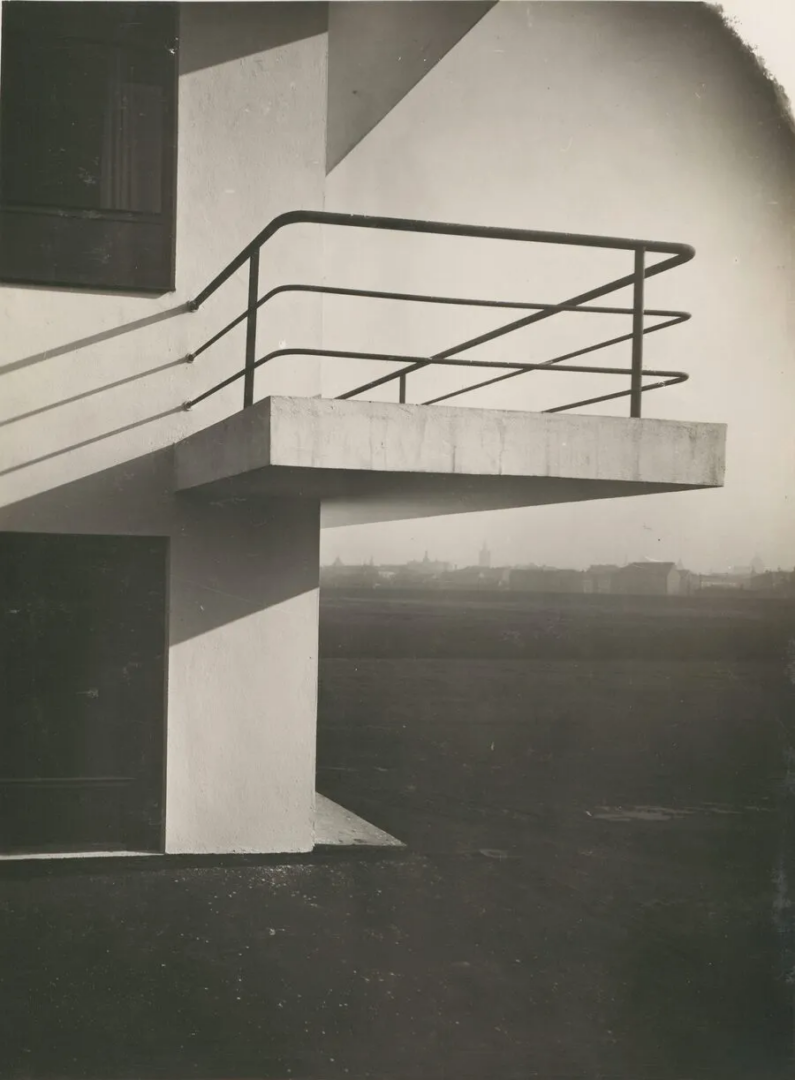
Images of the Masters’ Houses, of the Dessau building, of Wilhelm Wagenfeld’s lamps, Marianne Brandt’s teapots and Marcel Breuer’s chairs begin to spread. They appear in magazines, books, catalogs and museum rooms. The objects produced in the workshops cross the German border, reaching the rest of Europe and the United States.
Typophoto and the Bauhausbücher: how the school built its own communication apparatus
Constructing the image of the Bauhaus runs through more than photography alone. With its entry into the school, a system takes shape: typography, publishing, graphic layout and advertising. In its totality, that system forms the apparatus through which the school circulates itself.
In 1923, Moholy-Nagy takes charge of visual communication and designs the catalog Staatliches Bauhaus Weimar 1919–1923. The same year, photography begins to be practiced freely. For Moholy-Nagy, text and image must fuse rather than run on separate tracks. From this comes the concept of Typophoto: the page as a place where photography and typography form a single language.
Between 1925 and 1930, the fourteen issues of the Bauhausbücher appear. They are the first vehicles for the school’s ideas and host Kandinsky, Klee and Mondrian among others. In 1925, the printing and advertising workshop is introduced, led first by Herbert Bayer, then by Joost Schmidt.
Gropius’s school begins producing its own image with the same systematic method it applies to lamps and chairs. Totality determines method and form throughout.
A Bauhaus photographic style that never existed: Neues Sehen against Neue Sachlichkeit
Is there such a thing as Bauhaus photography? In his introduction to Bauhaus Photography, the American gallerist and publisher Eugene J. Prakapas warns against the label. He argues that it reduces everything to a synonym for modern and geometric. Compressing the photography into those two concepts flattens technical experiments, sensibilities and attitudes that differ from one another.
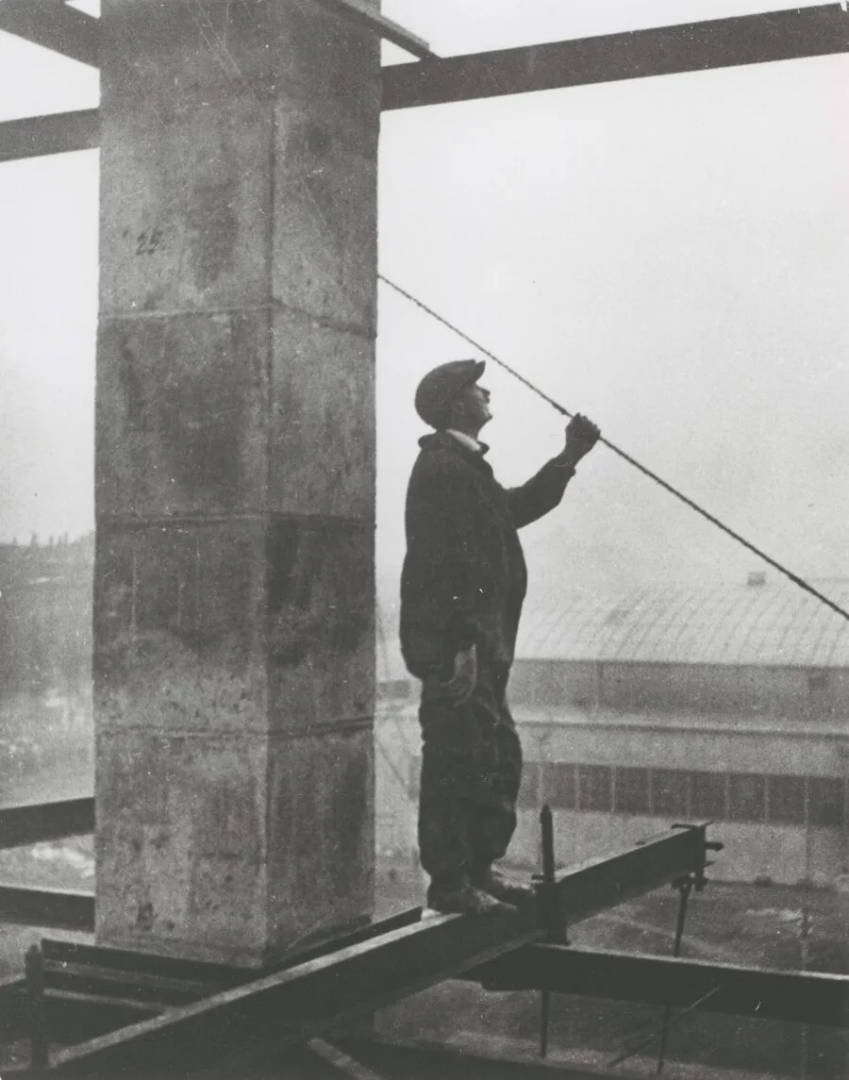
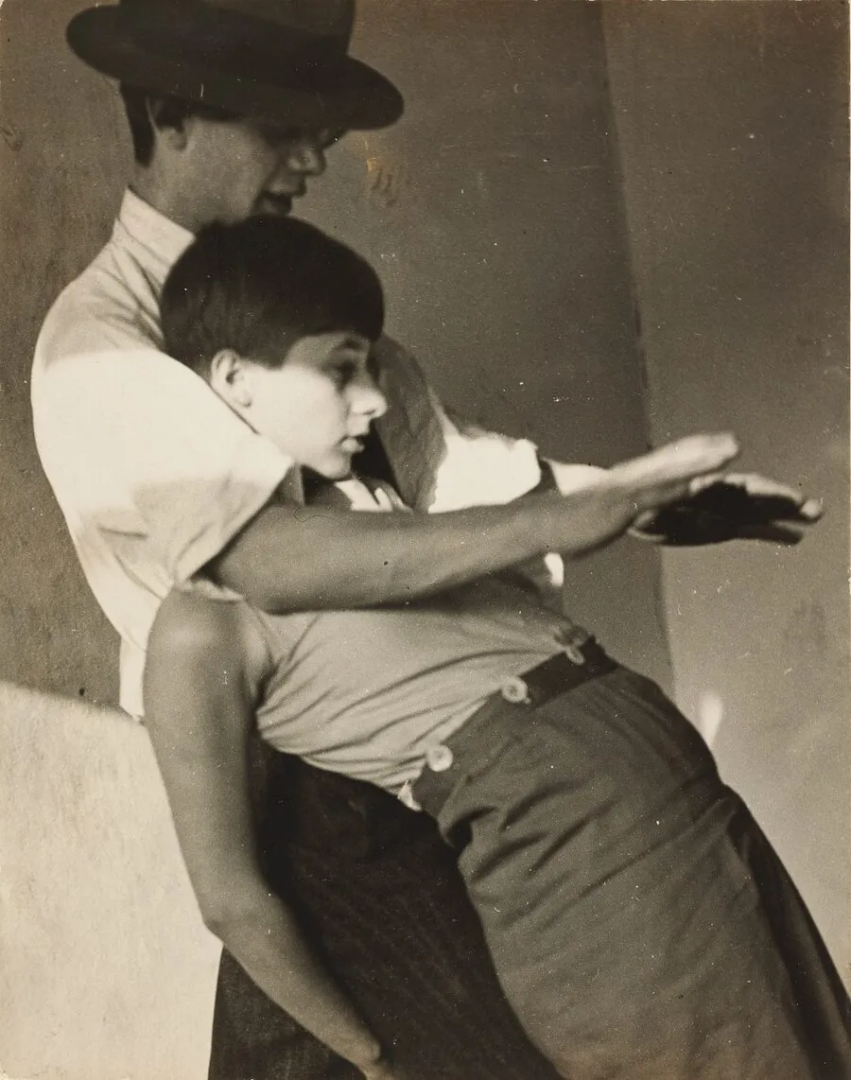
The photography that develops at the Bauhaus answers to a continuous process of research and experimentation rather than to any homogeneous or codified aesthetic. Two approaches coexist inside it. The Neues Sehen promoted by Moholy-Nagy experiments with unusual viewpoints to alter the perception of reality. The Neue Sachlichkeit prefers a faithful and analytical representation.
New Woman, New Vision: three hundred photographs by twenty-nine women at the Museum für Fotografie
Photography remained at the margins of the Bauhaus narrative for decades. New Woman, New Vision. Women Photographers of the Bauhaus reads that marginality as one of the spaces in which the school constructed its visual identity.
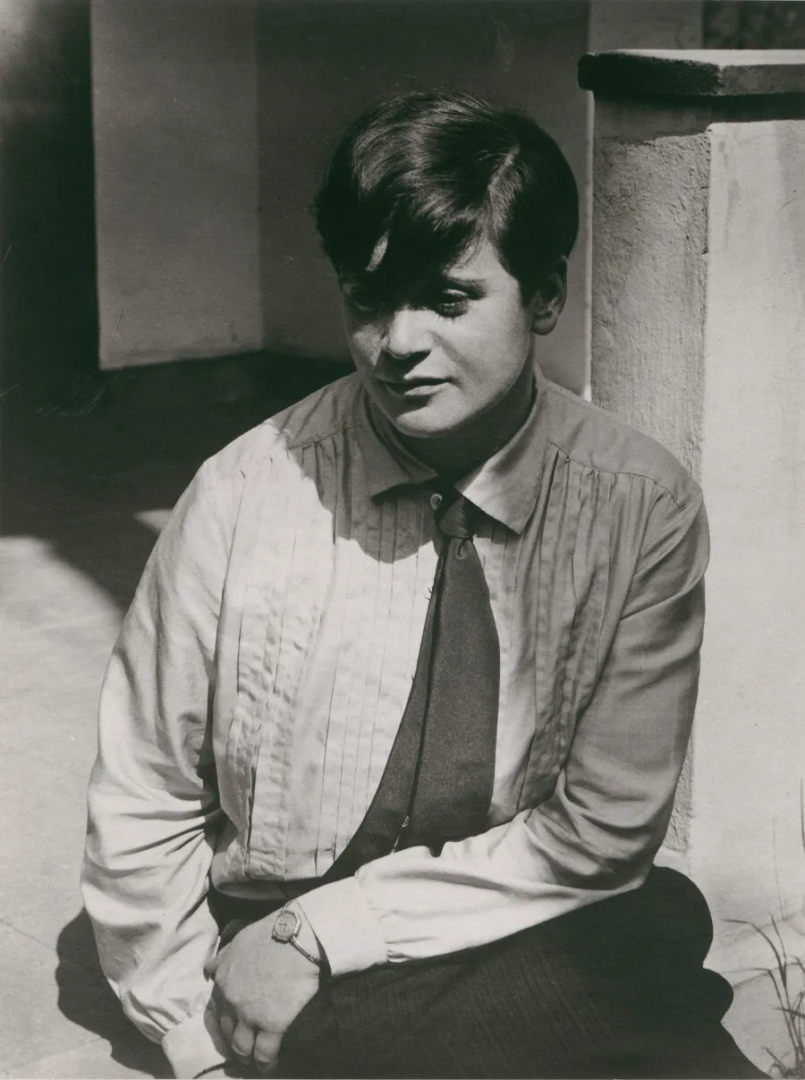
The exhibition runs at the Museum für Fotografie in Berlin from April 17 to October 4, 2026. It gathers more than three hundred photographs from the Bauhaus-Archiv/Museum für Gestaltung collection. Twenty-nine women artists made these photographs during the nineteen twenties and nineteen thirties. The exhibition emphasizes the stylistic, technical and personal heterogeneity of Bauhaus photographic production.
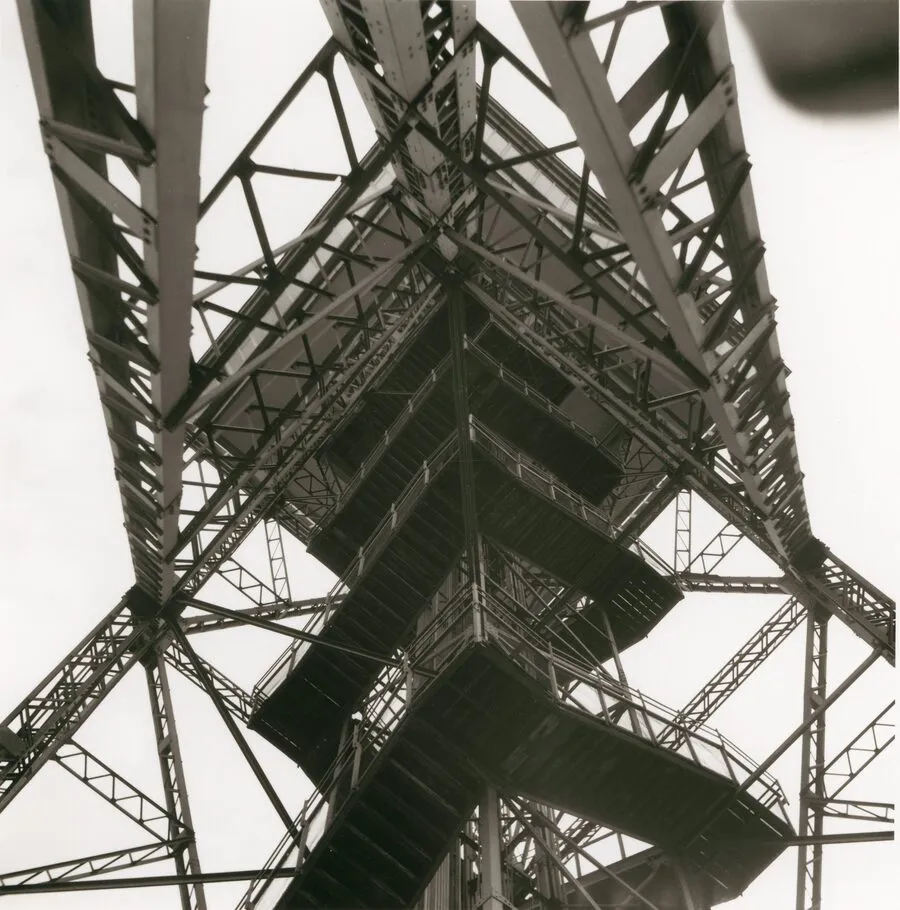
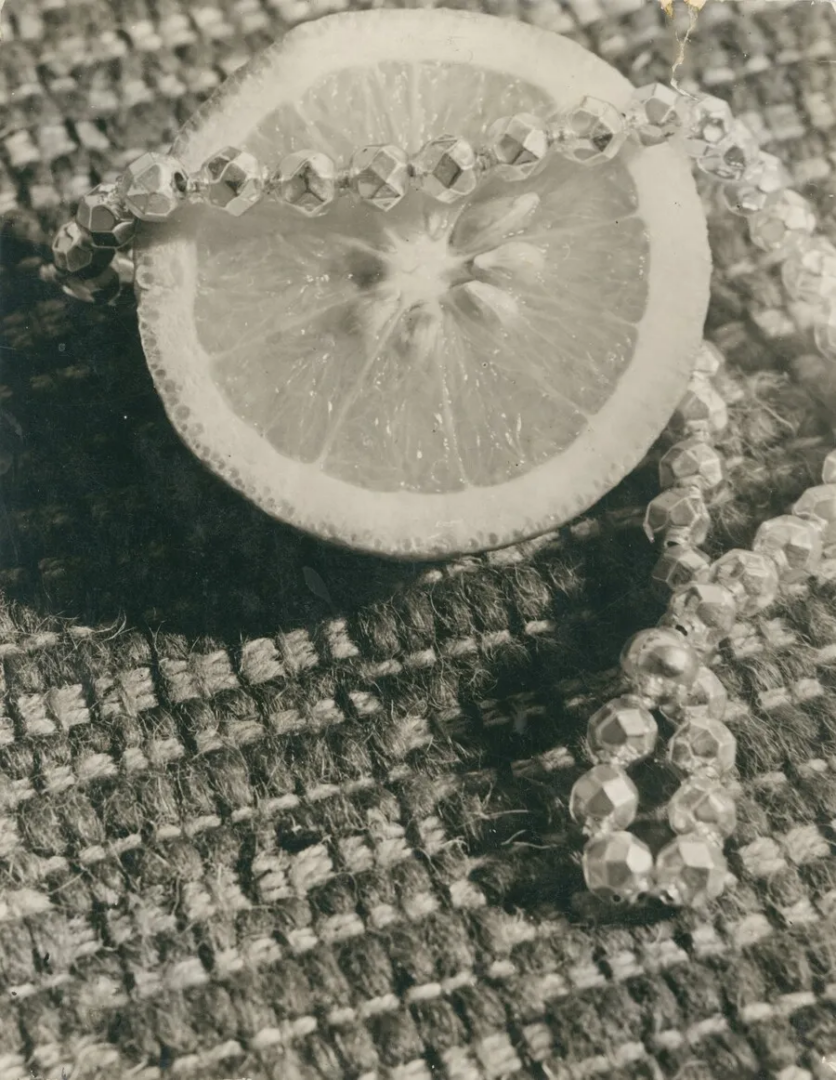
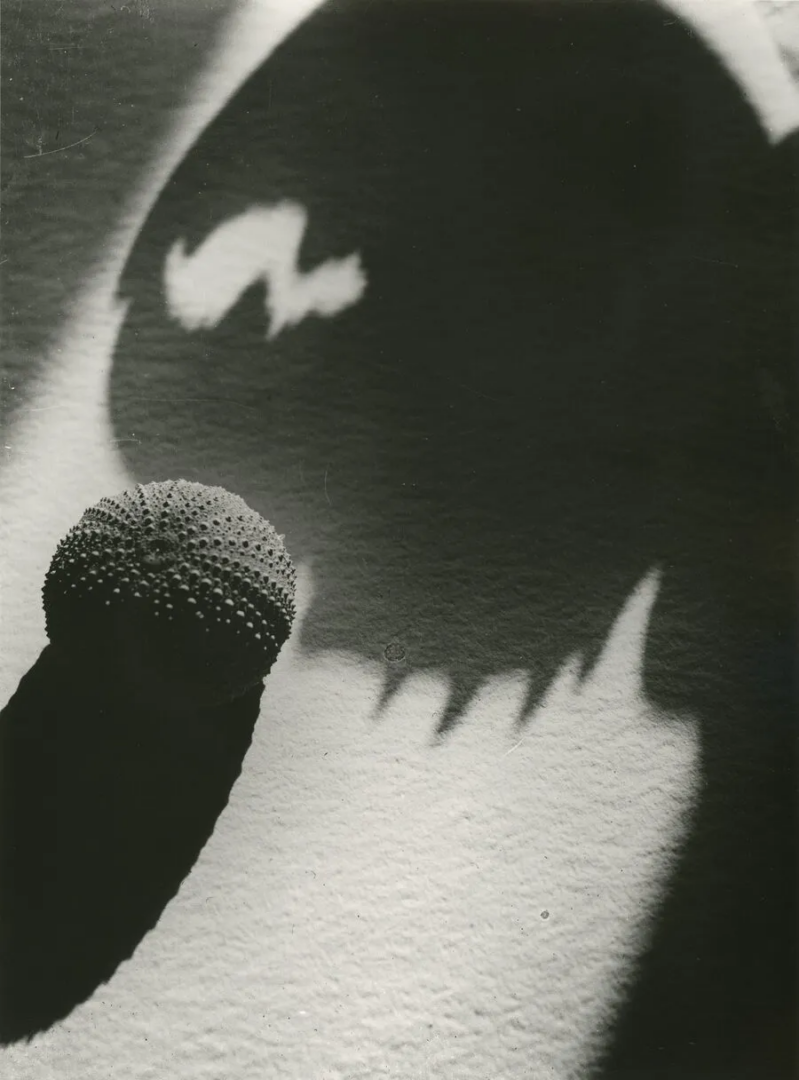
What emerges is plural. Lucia Moholy’s photographs give form to an archive of the school’s architecture, its interiors and the objects leaving its workshops. Florence Henri’s use of mirrors and reflections turns photography into an investigation of spatial perception. In the Maskenporträts, Gertrud Arndt uses self-portraiture to question identity. She also examines the representation of the female figure and role. Irene Bayer experiments with the relationship between photography, photomontage and editorial graphics. Marianne Brandt concentrates on metallic surfaces, on reflections, on the relationship between matter and light.
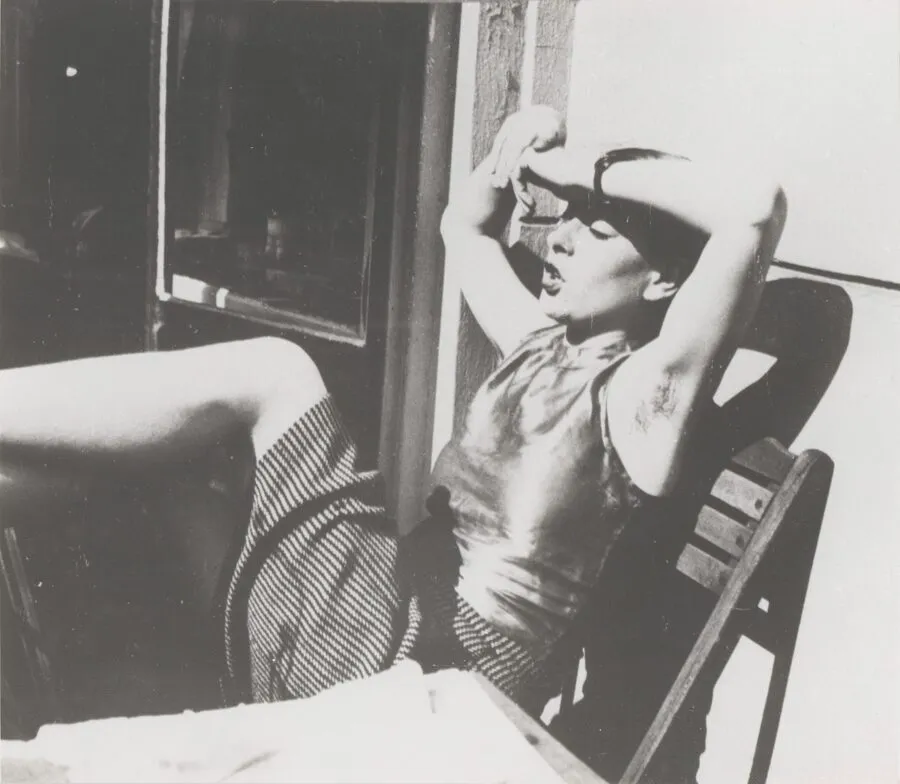
Alongside images destined for books, magazines and catalogs, the exhibition restores a parallel archive. It includes group photographs, moments of leisure, parties and scenes of daily life in the Masters’ Houses. These images document the Bauhaus community.
New Woman, New Vision shifts attention from the works produced to the images that allowed them to circulate and be recognized. This change of perspective places photography within the Bauhaus narrative.
Marco Frattaruolo