700 plants in the garden of La Serena, Forte dei Marmi
At Vittoria Apuana, a Sixties building steps into the present as a five-star boutique hotel, its garden filled with citrus, ferns and hydrangeas beneath tall maritime pines
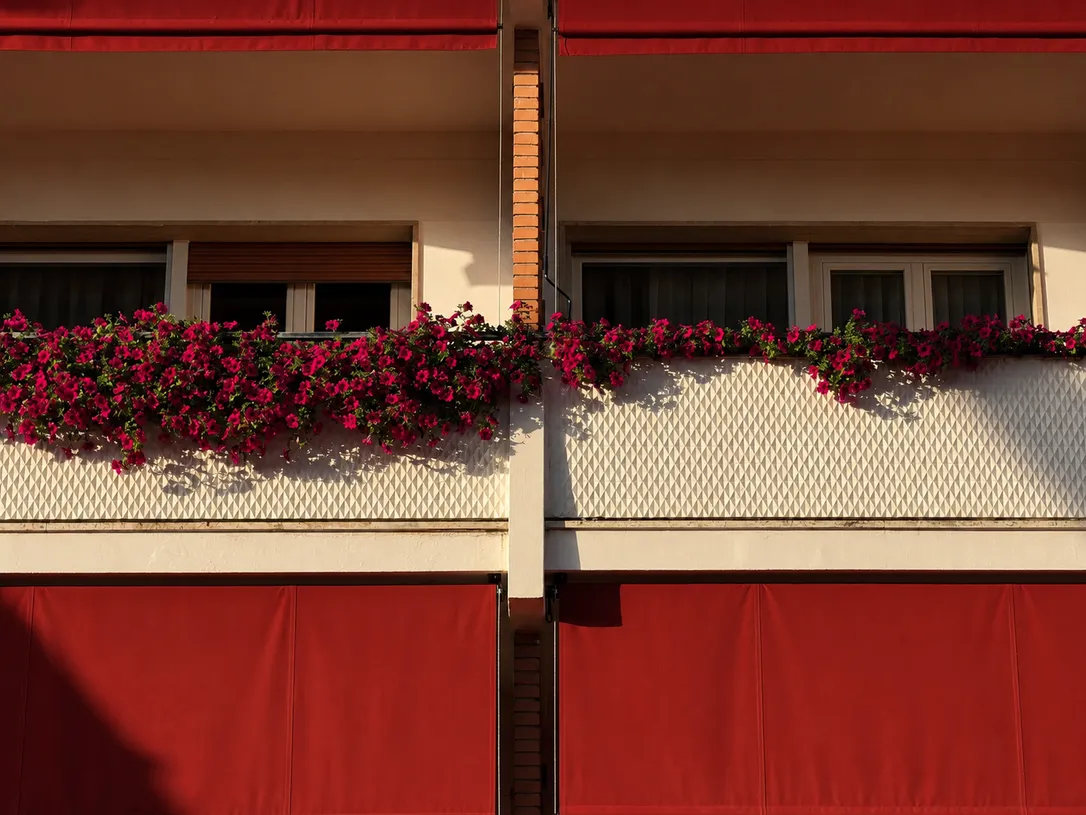
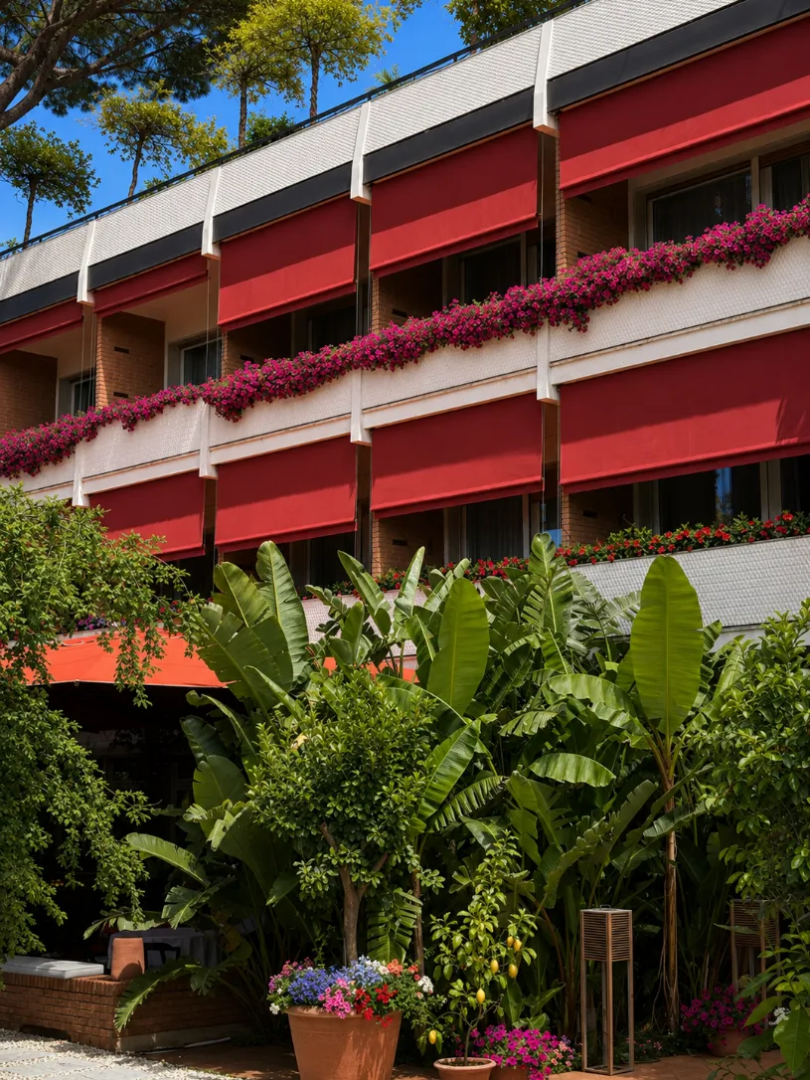
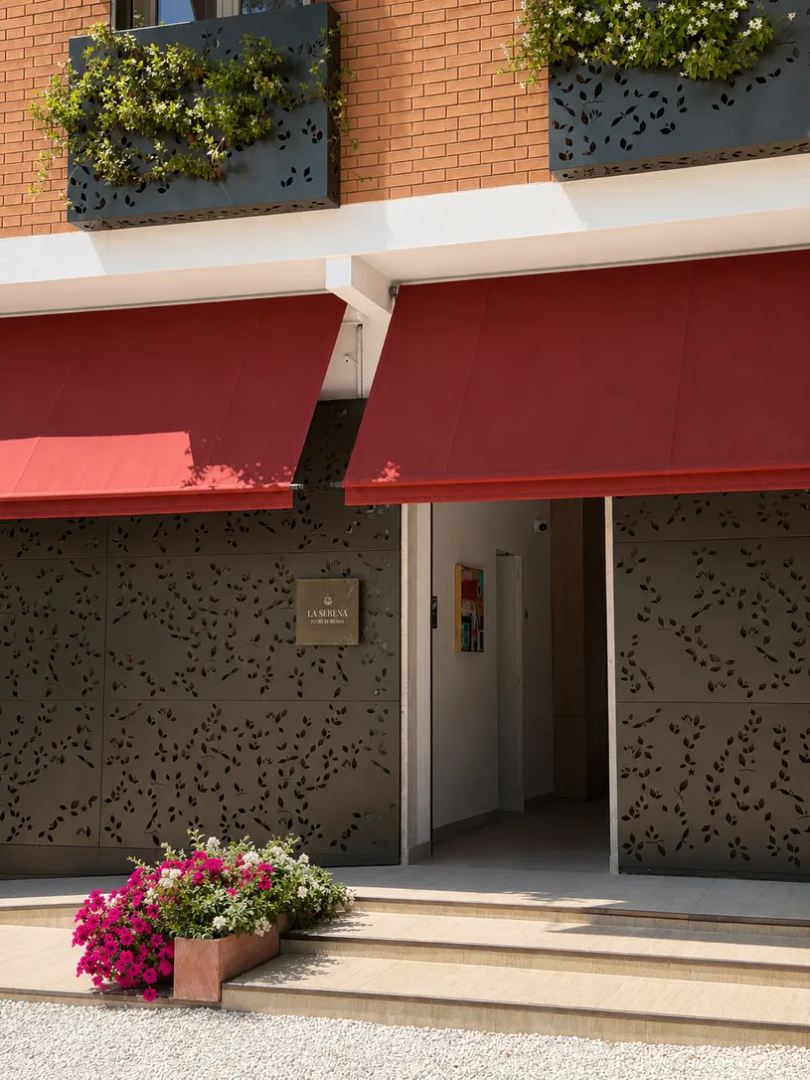
It feels like living the golden age of Sixties Forte dei Marmi, carried into the present. A building from that decade, poised between brutalism and modernism yet warm and welcoming: the new ownership of La Serena, a five-star boutique hotel in Forte dei Marmi, chose to update it and keep it standing.
We are in Vittoria Apuana, among the most residential and sought-after pockets of this stretch of Versilia. Between bourgeois houses and the avenues that run down to the sea, La Serena reads as a hortus conclusus of calm. It works as a welcoming home, spontaneous and full of light, where reverence gives way to ease. And there is the green.
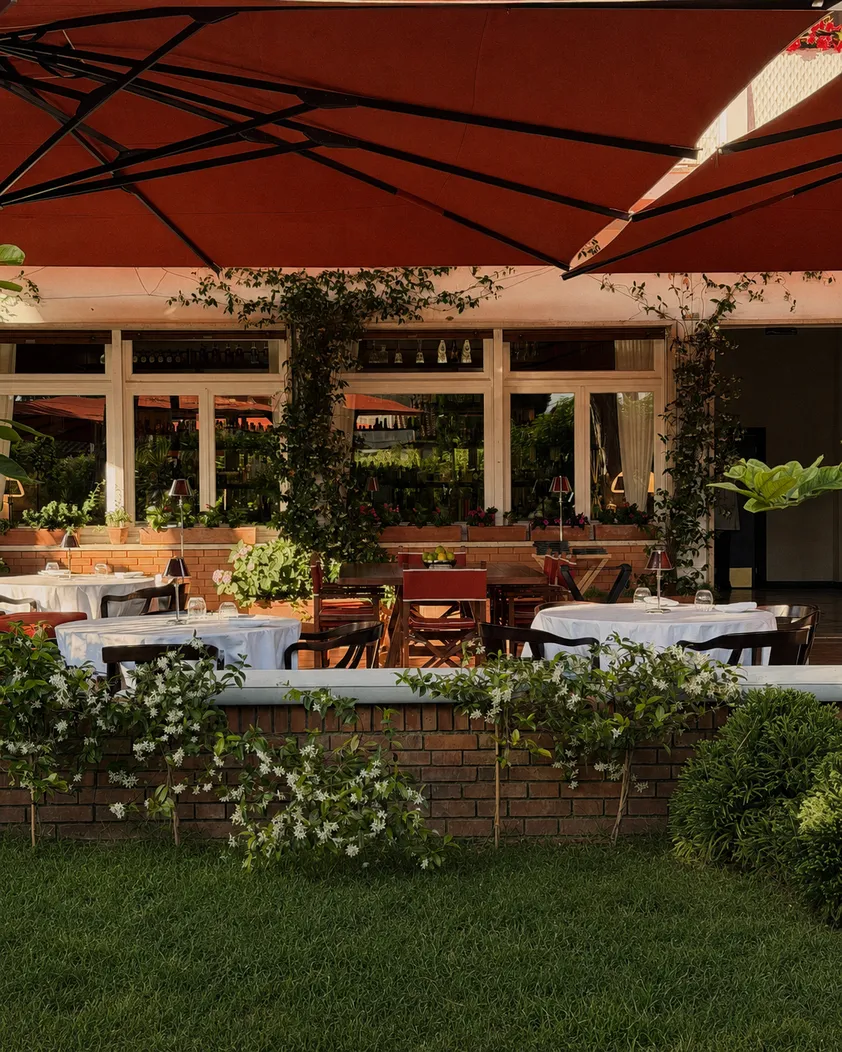
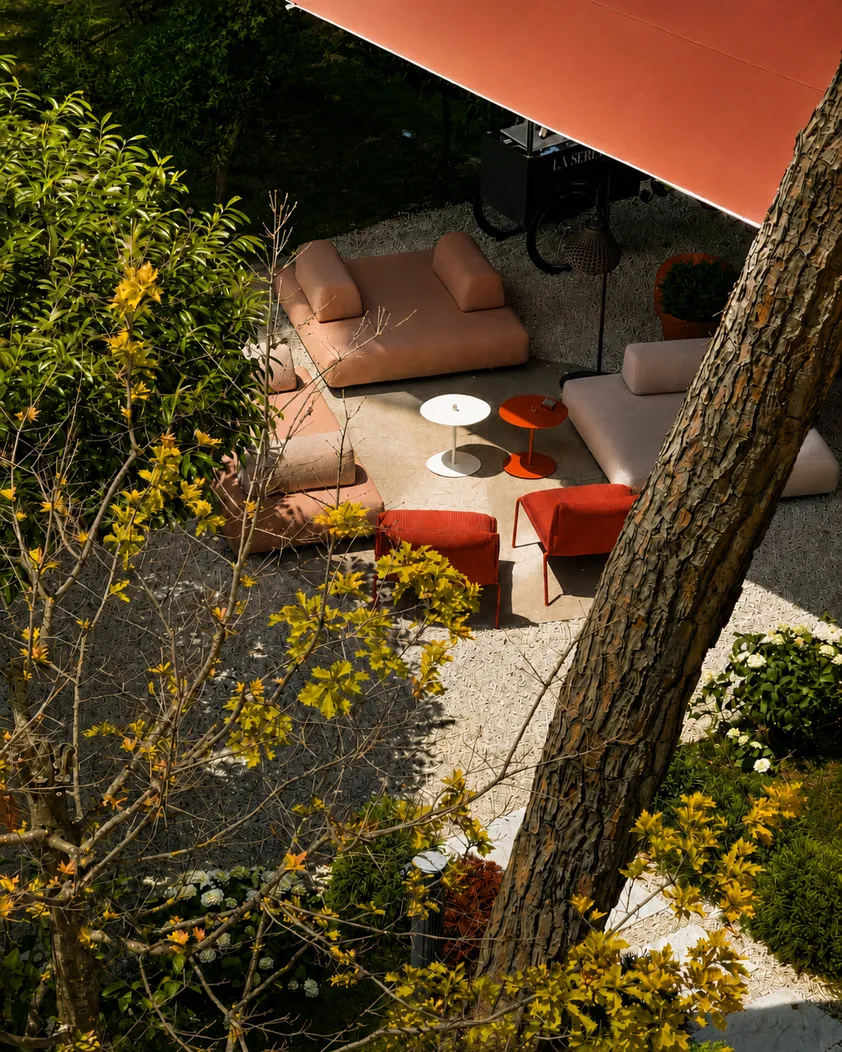
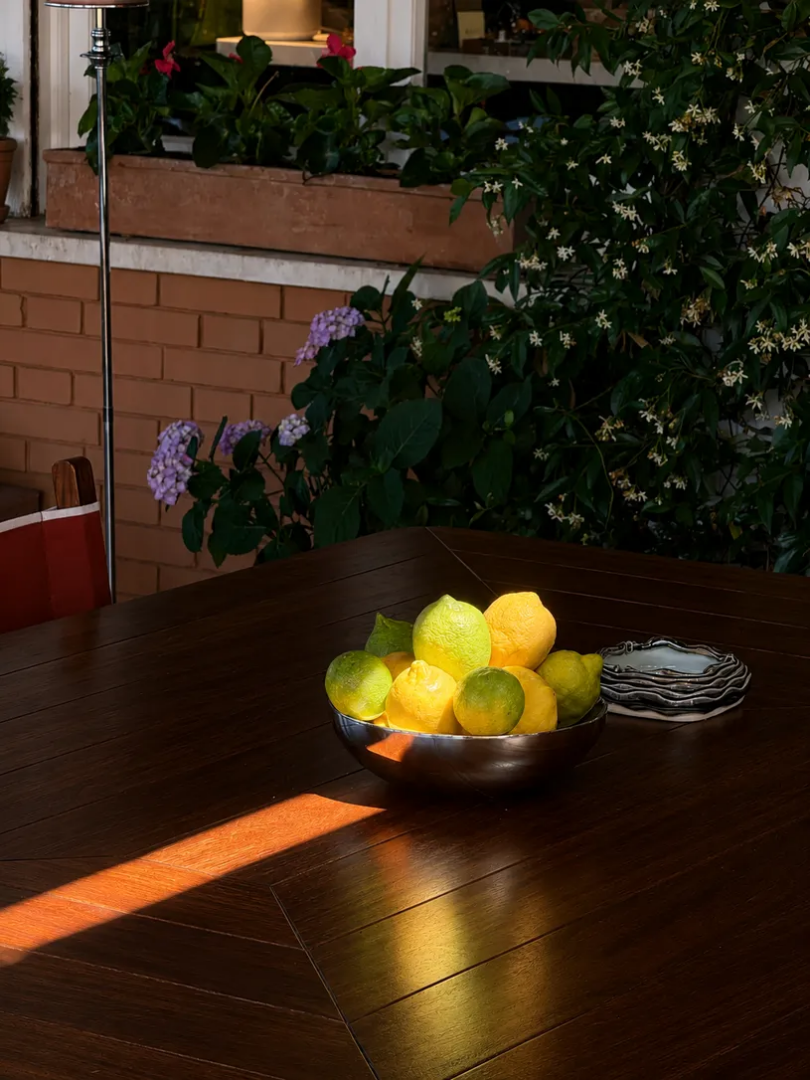
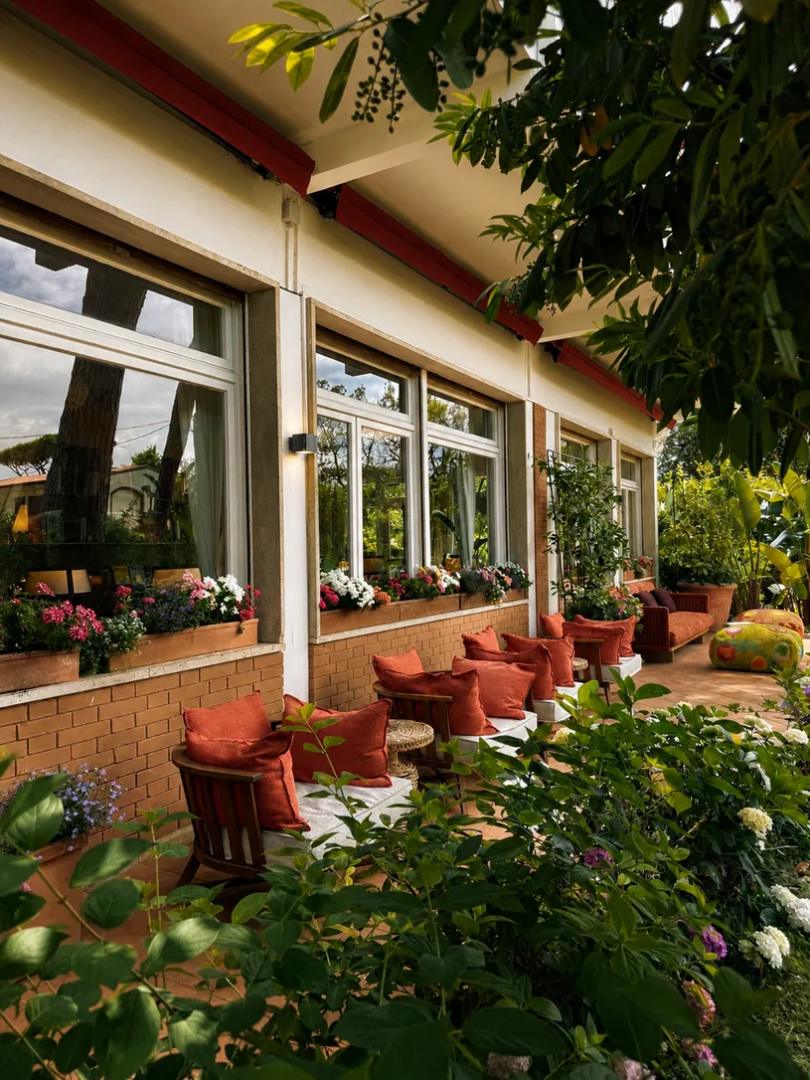
Beneath the tall maritime pines spreads a garden of 700 plants across many species: citrus, orange and lemon trees, strelitzias, ferns, flower beds, hydrangeas. The seating has grown along with the planting, drawing the guest into the vegetation and treating the green as a space to inhabit.
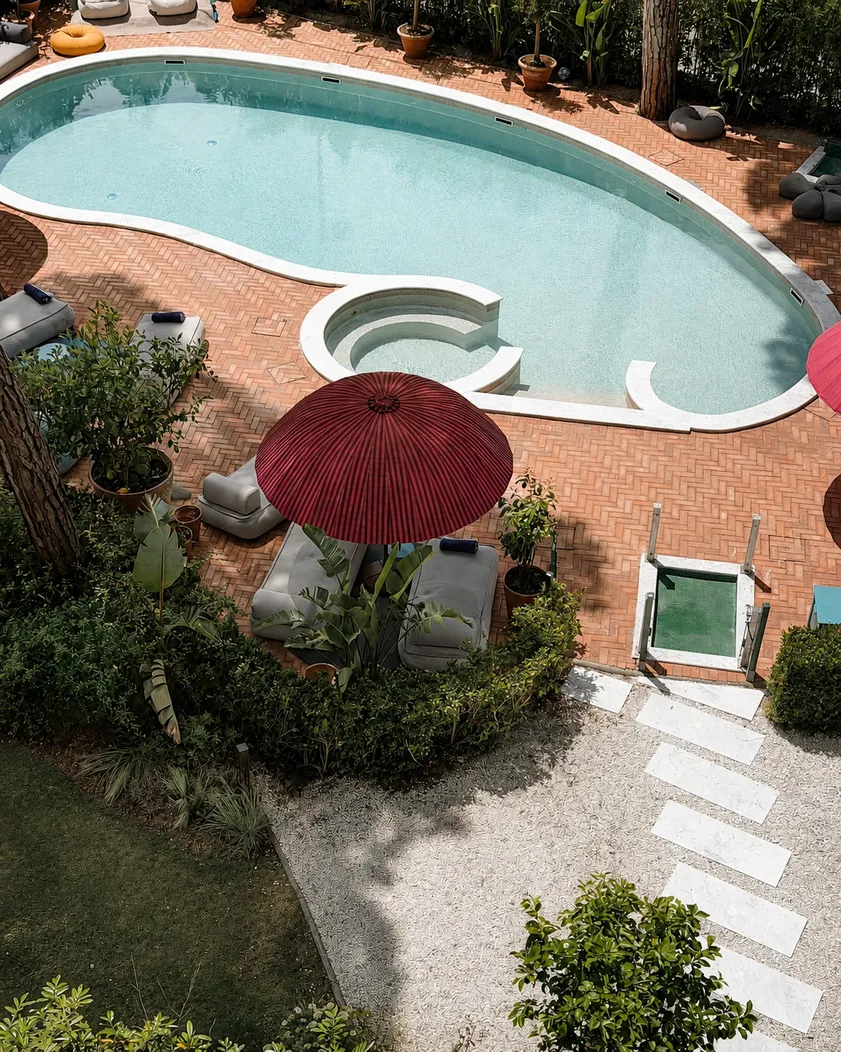
The pool holds a privileged corner in the garden composition, ringed by the pines and the new botanical layout. Around it run lounge zones and areas for exercise. Glazing and terraces carry the garden back into the rooms and the shared spaces, so the vegetation enters the building and moves past the role of backdrop. At La Serena the mature maritime pines share the ground with hundreds of recent plantings.
The garden captures the ambition of the project: a house by the sea ahead of the image of a hotel.
From a Sixties building to a five-star hotel: the transformation led by Investbridge Capital
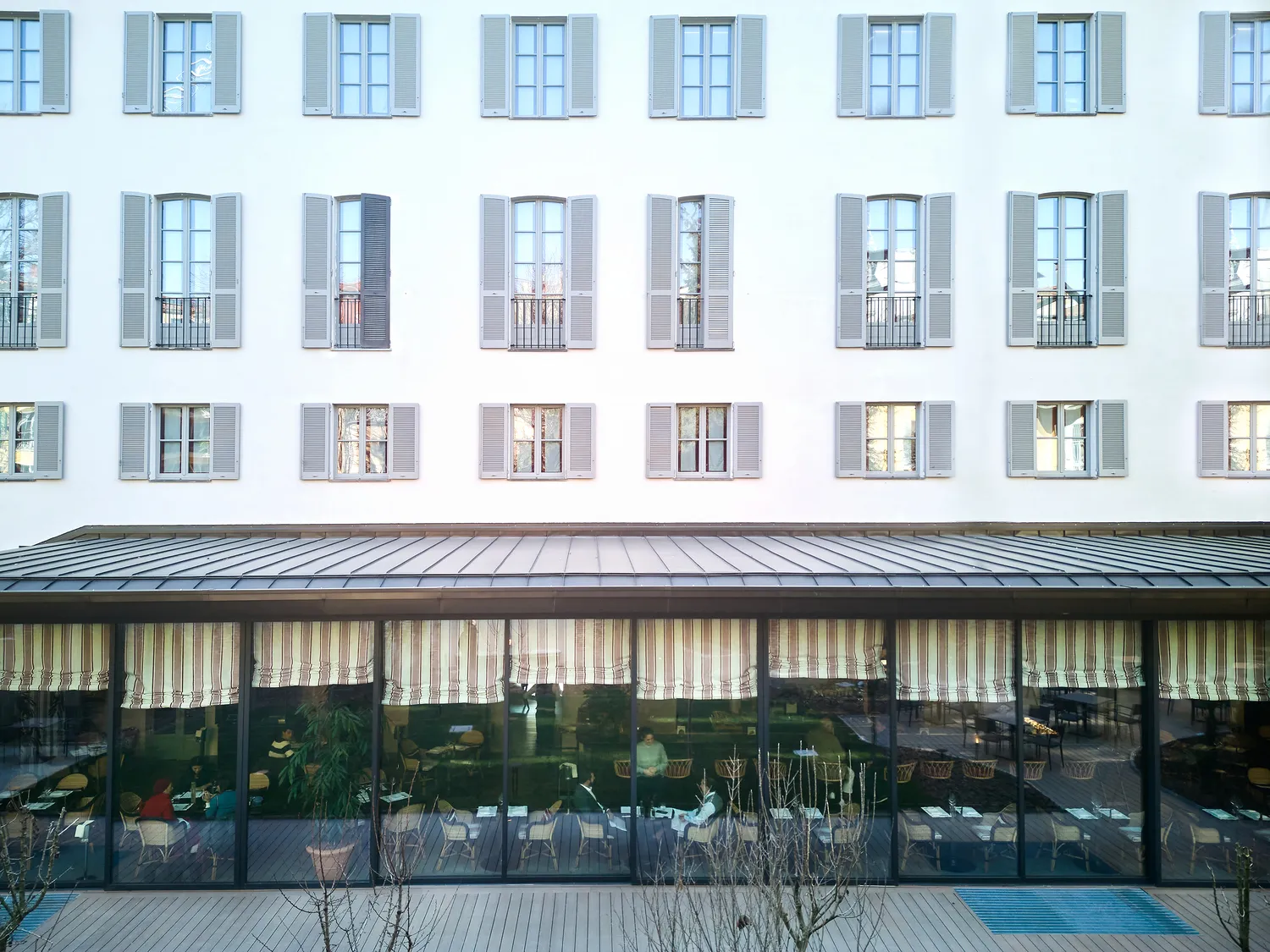
La Serena opened as a hotel in the early Sixties and has stayed one throughout: family-run for decades, up to the sale at the end of 2022. The origins remain those of a hospitality building from the economic boom, expanded and reworked several times: the large Sixties glazed surfaces stay in place as a trace of that construction. The original volume was more compact, and a later phase, around the Eighties, added the sections toward the restaurant and the rooms.
Under the previous ownership, the hotel had risen from three to four stars; with La Serena came the fifth. The property changed hands at the end of 2022, before undergoing a comprehensive redevelopment. Work began in 2023, followed by a soft opening in July and the official opening in April 2024.
At launch La Serena had thirty rooms and suites. Today it holds twenty-one, weighted toward suites and junior suites, with several smaller rooms merged into larger units. The move from thirty to twenty-one marks a project that carried on past the opening, still reshaping the interior layout.
La Serena as a house-hotel: interiors between Poltrona Frau, Frette and Paola Lenti
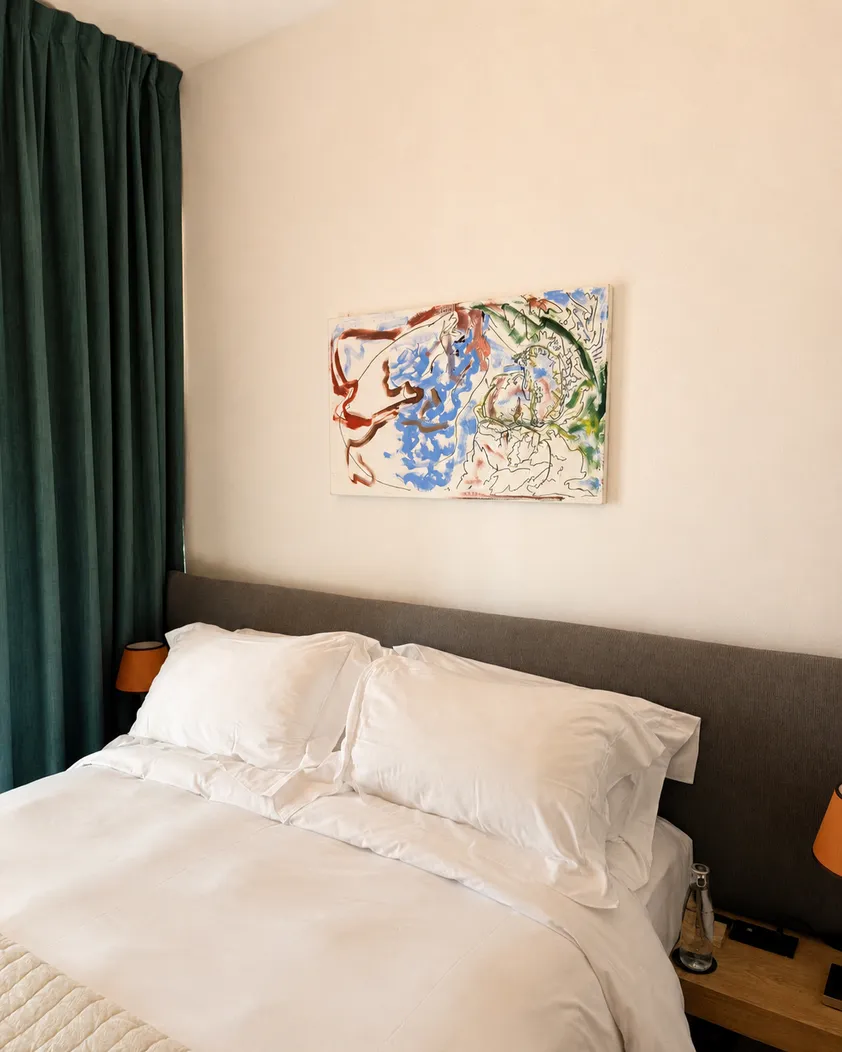
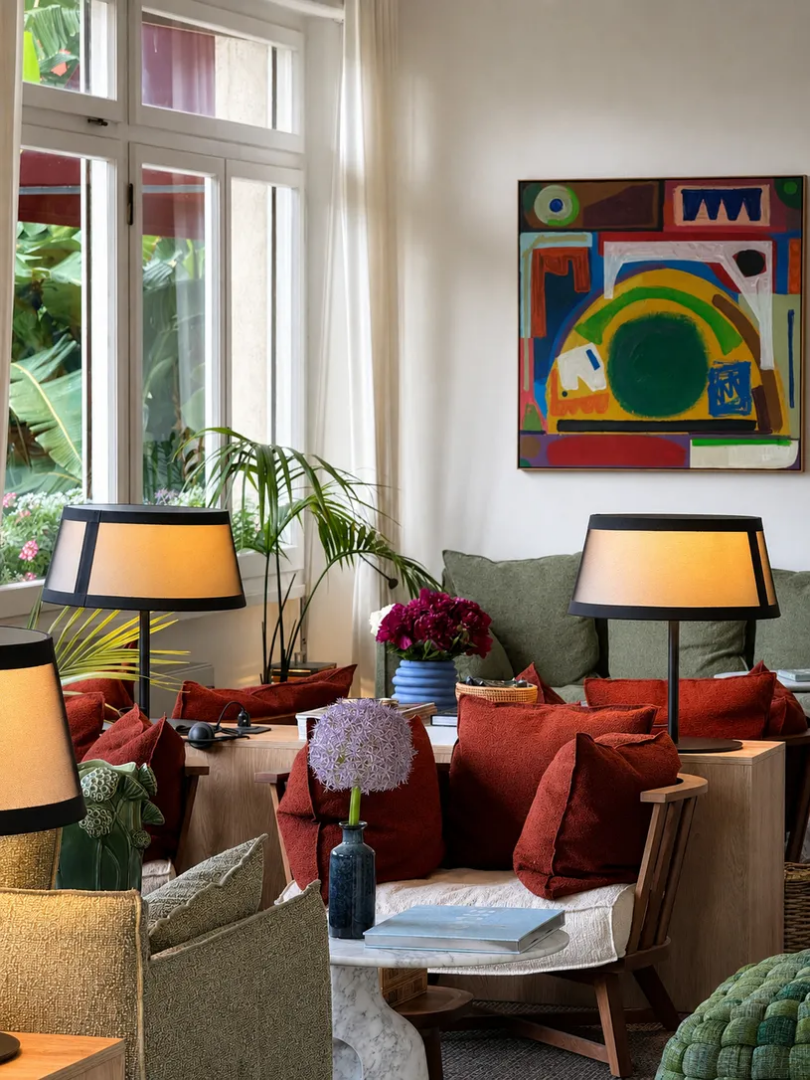
The direction of the interiors stayed with the ownership. Most of the furniture came through an in-house selection. The reference point is the high-end house by the sea: gone are the rows of identical furniture, the repeated decoration, the single scheme running room to room.
The twenty-one keys vary in size and layout, with natural materials, balconies and terraces; several rooms look onto the garden or the Apuan Alps, and the bathrooms use Carrara marble. The selection favours the made in Italy: Poltrona Frau beds and seating in the rooms and suites, Frette linens for bed and bath, Paola Lenti pieces outdoors, from the parasols to the lamps and the seating.
La Serena and Tabari Artspace: the gallery-hotel and artist residency in Versilia
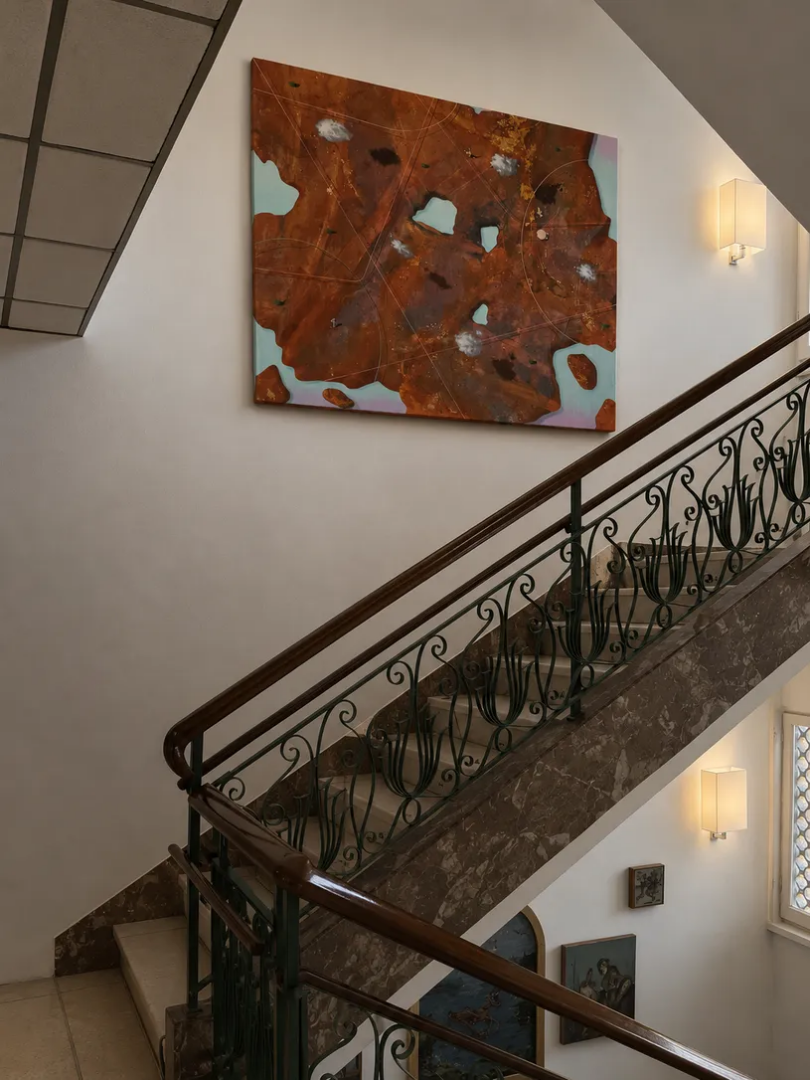
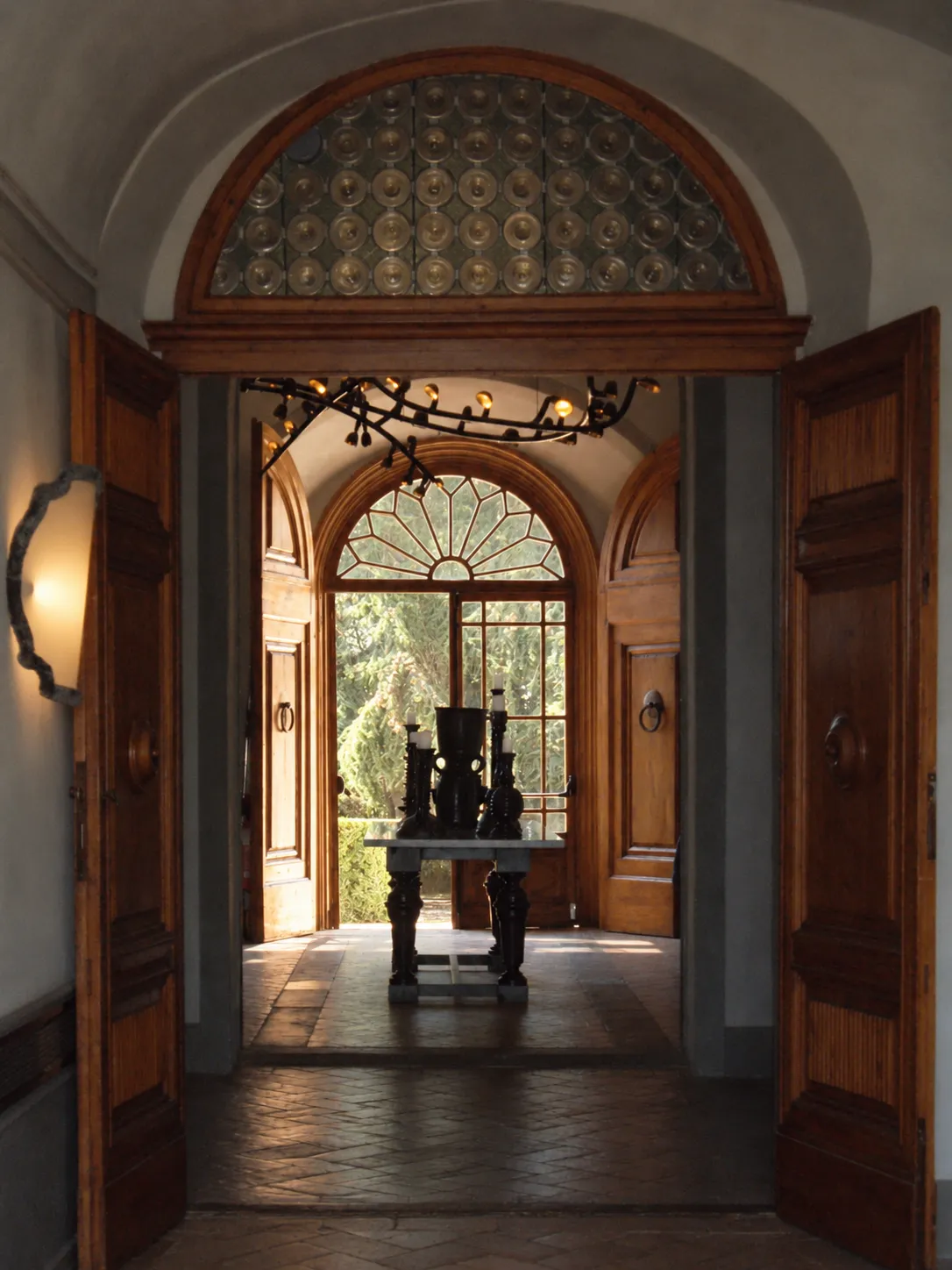
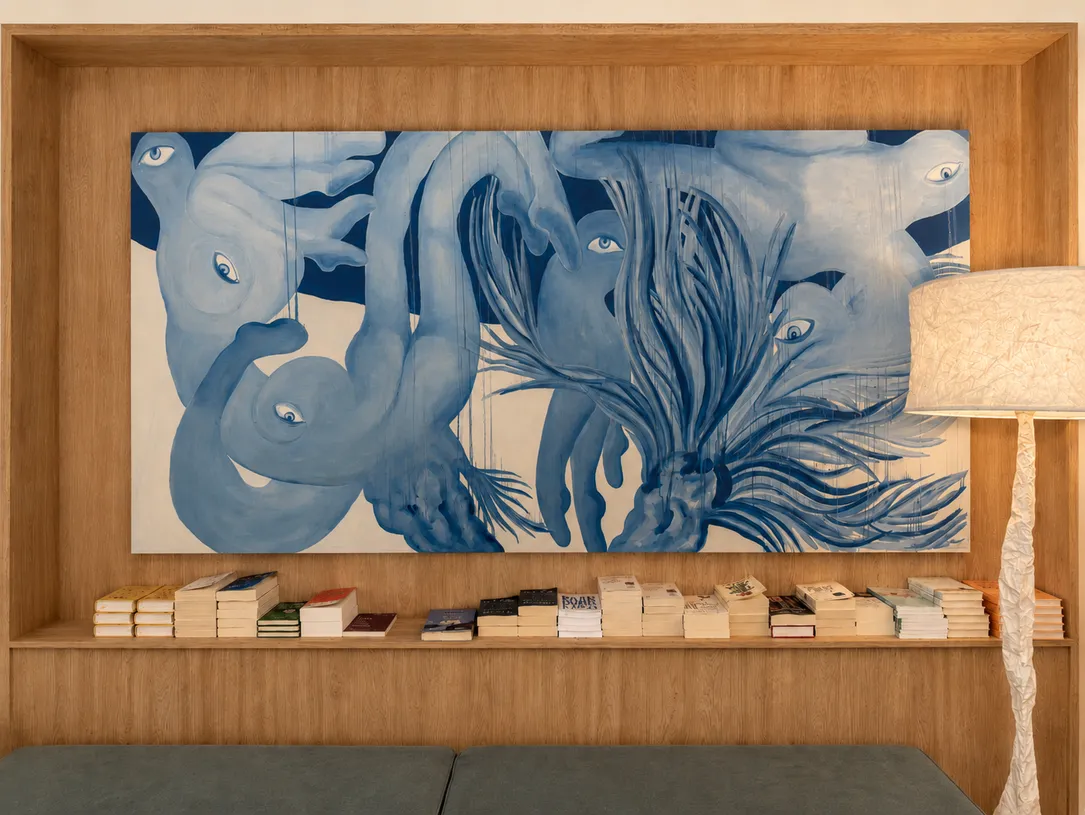
Art comes in upstream, as a programme, through the partnership with a gallery. The model is the distributed gallery: works rotate over time through the corridors, the shared spaces, the rooms and the garden. Large-scale sculptures sit outside; canvases, photographs and installations live alongside the inhabited spaces within. La Serena runs as a rotating exhibition space rather than a fixed collection, each room holding works, some settled and some exchanged, refreshed even during the seasonal closure.
Next comes the residency. La Serena hosts artists, writers and creatives for working stays inside the building, part studio and part retreat. The location brings Pietrasanta, the stone workshops and the Carrara quarries within reach. Pippa El-Khadi Brown, Zaid Al Najjar, Samo Shalaby and Malik Thomas Jalil have passed through the programme. Production, stay and display overlap, and the line between room, studio and gallery thins.
Khaled Zaki at La Serena: from Egypt to Pietrasanta and the Venice Biennale
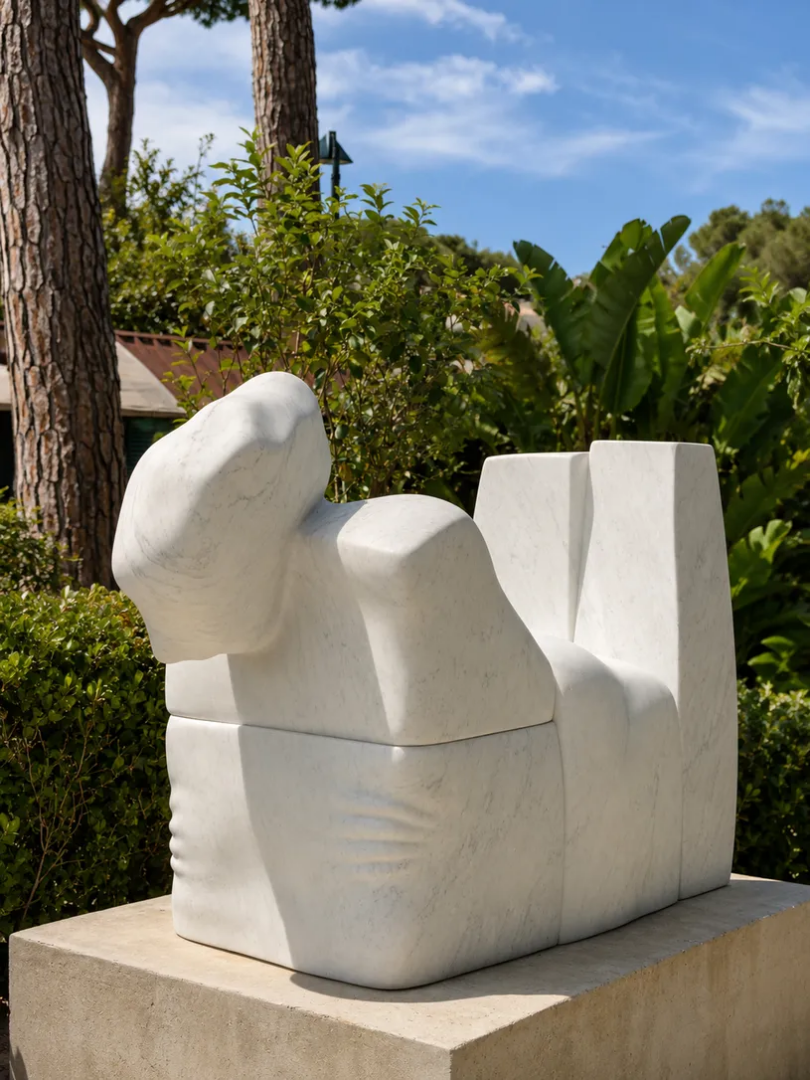
In the garden a monumental figure carved in local marble carries the signature of Khaled Zaki, an Egyptian artist who trained largely in Italy. Zaki studied restoration at the Faculty of Archaeology of Cairo University and sculpture in Egypt, then worked from 1988 in the Pietrasanta workshops, across stone carving and bronze casting. His link with La Serena holds three geographies together: Egypt, the Dubai gallery and the productive system of Apuan sculpture.
In 2013 Zaki represented Egypt at the 55th Venice Art Biennale: the Egyptian Pavilion, Treasuries of Knowledge, brought together his work and that of Mohamed Banawy, with Zaki also serving as curator. Further sculptures, gathered under the name The Family, have accompanied La Serena since 2023.
Lumarea, the restaurant at La Serena: Giuseppe Intermite’s cooking and a Tuscan cellar
The hotel restaurant, Lumarea, and the chef who leads it, Giuseppe Intermite, deserve particular attention. Apulian by origin, cosmopolitan in spirit and driven by a restless energy, Intermite reads the territory with creativity and depth and returns it on the plate. The kitchen works along the Tuscany-Versilia-Mediterranean axis, with a seasonal menu built on local produce and fish, and a contemporary approach that puts every part of the raw ingredient to use.
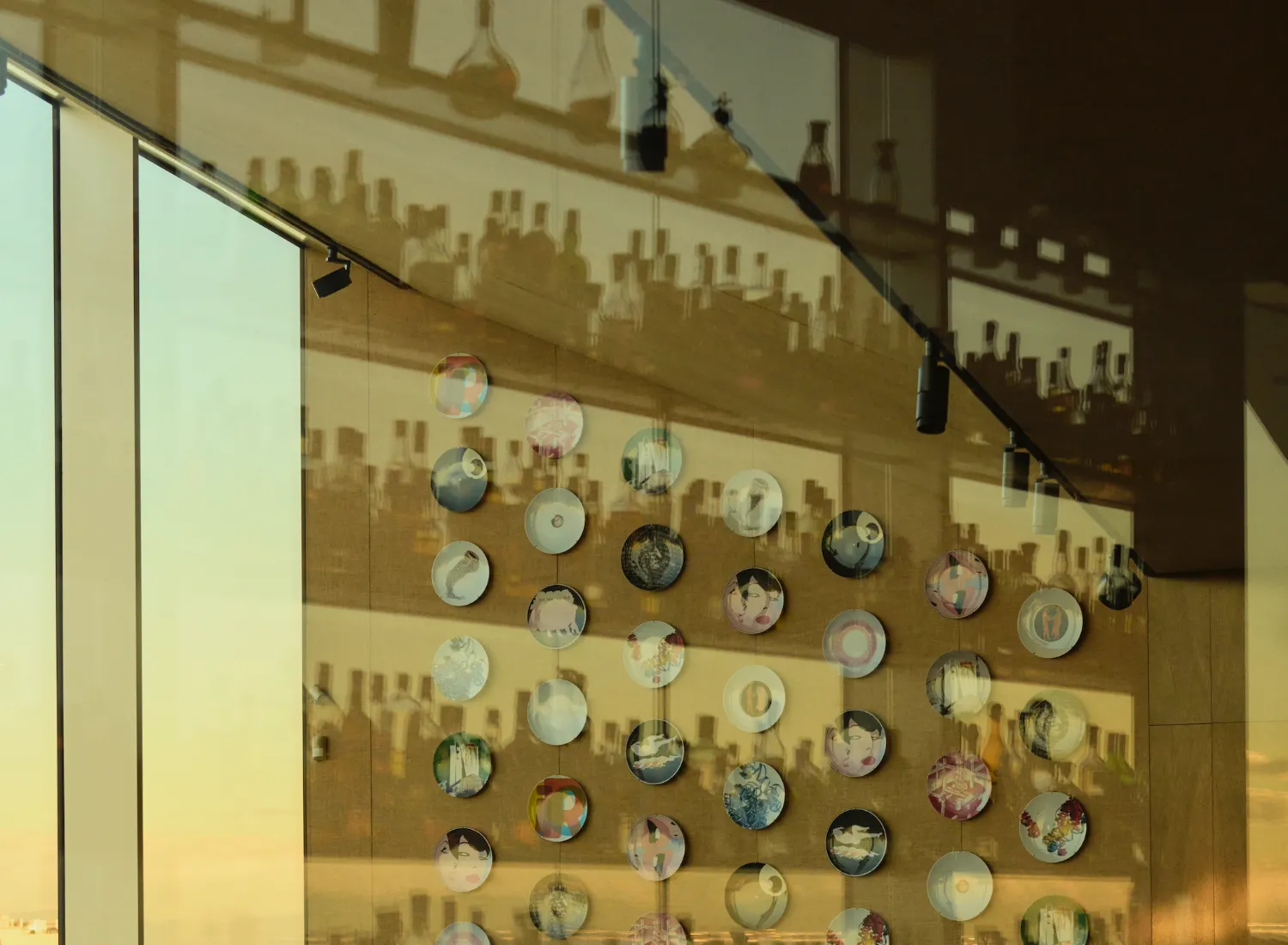
The grace of the cooking meets that of the mise en place: round tables under crisply pressed white cloths, plates and cutlery catching the light of the setting sun. Beyond them, nature is the spectacle served for dinner.