Inside the hotel that reframed Tbilisi as a design destination
Opened in 2014 in a Soviet-era publishing house in Vera, Rooms Tbilisi combined reclaimed materials, Georgian contemporary art, and a deliberate rejection of hospitality convention to establish a new language for design culture in the Caucasus
Rooms Hotel Tbilisi and the Vera neighbourhood: a former Soviet publishing house as a design hotel
Rooms Tbilisi occupies a Soviet-era publishing house in Vera — a building whose past sits in productive tension with its present function. A state printing complex in a country that spent seventy years under Soviet cultural administration, now an independent design hotel staffed by graduates of the Tbilisi Academy of Arts: the irony is structural, and the hotel wears it without commentary.
Vera does not have a single defining landmark or a particularly famous street. Intellectual bookshops occupy ground-floor apartments; wine bars opened in someone’s living room and stayed; the architecture mixes Soviet modernism with pre-Soviet eclecticism in ratios that shift block by block. Unlike Sololaki — historically the address of the merchant wealthy — Vera was always the neighbourhood of the professional and intellectual classes: teachers, journalists, lawyers, artists. Walking it today means encountering a brutalist residential block facing a faded 1920s townhouse, a glass-fronted café beside a pharmacy unchanged since 1985. The visual tension is precisely what makes the district productive.
The neighbourhood’s most resonant figure is Niko Pirosmani — the self-taught painter who spent his life in near-destitution, trading tavern sign paintings for meals, unrecognised until shortly before his death in 1918. A small house museum on the street bearing his name preserves that history; the originals are held at the Georgian National Museum.
Tbilisi as a Silk Road crossroads: the historical context behind the design choices at Rooms Hotel
Founded in the fifth century by Vakhtang I Gorgasali, monarch of the ancient Kingdom of Iberia, Tbilisi has served as a capital under successive Georgian kingdoms, Russian imperial administration, and Soviet governance. Positioned at the junction of east-west and north-south trade routes for over a thousand years, the city absorbed the traffic of the Silk Road and the consequences of every empire that decided the route was worth controlling. Armenian churches stand beside a mosque and a synagogue in the old quarter, within a few hundred meters of each other — the natural sediment of centuries. The culinary tradition absorbed influences from Persia, Turkey, and Central Asia and made them something entirely Georgian.
The Soviet period, from 1921 to 1991, deposited another layer: the architecture became a mix of medieval structures, classical facades, Stalinist blocks, and modernist housing estates. After independence, the city went through economic collapse and slow recovery. By the early 2010s, a generation of Georgian designers, architects, chefs, and entrepreneurs — many educated abroad, many back by choice — were beginning to reframe Tbilisi on their own terms. Rooms Hotel Tbilisi was one of the first and most legible expressions of that shift.
Adaptive reuse and reclaimed materials: how Adjara Arch Group converted a Soviet building into a luxury design hotel in Tbilisi
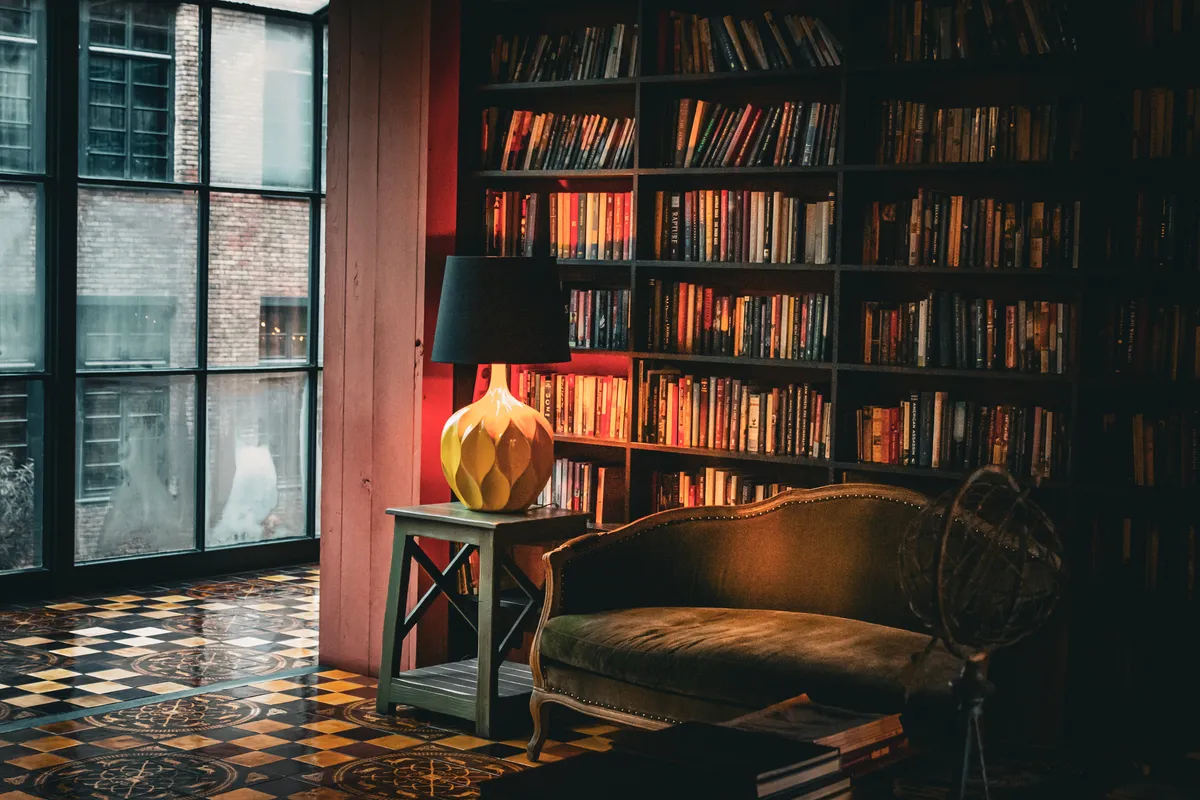
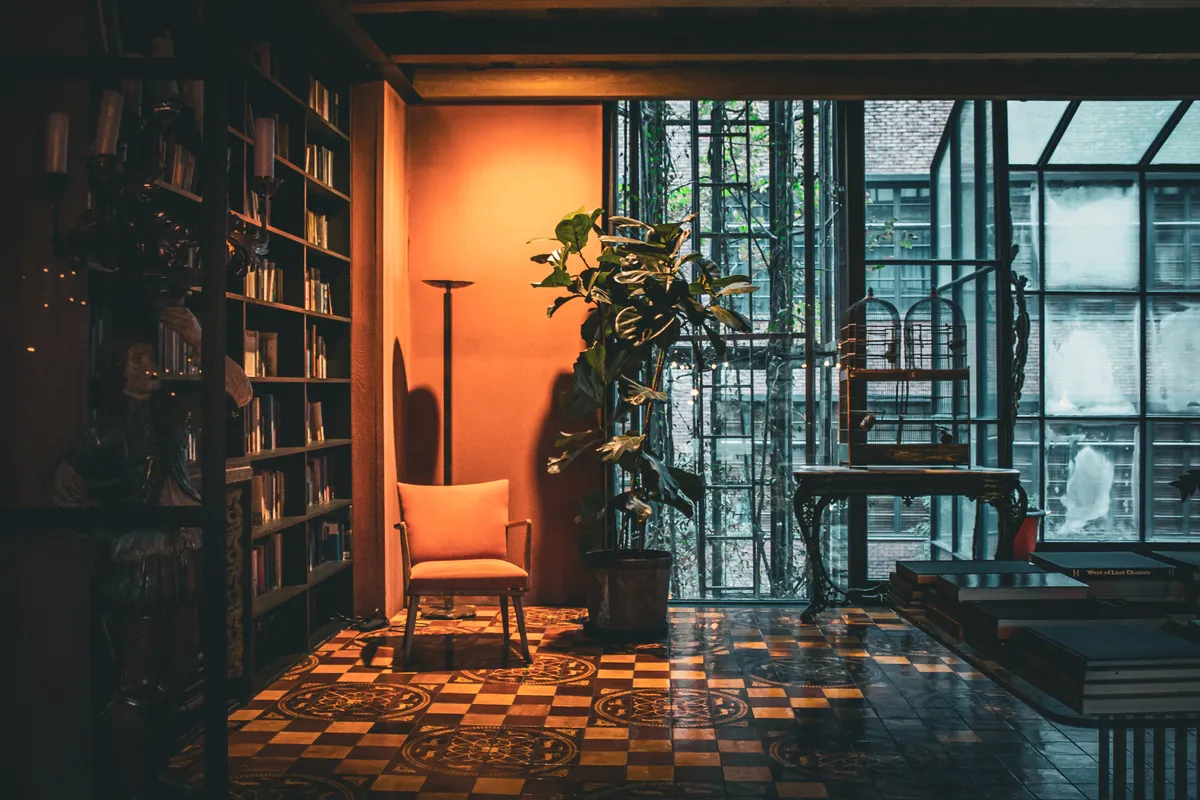
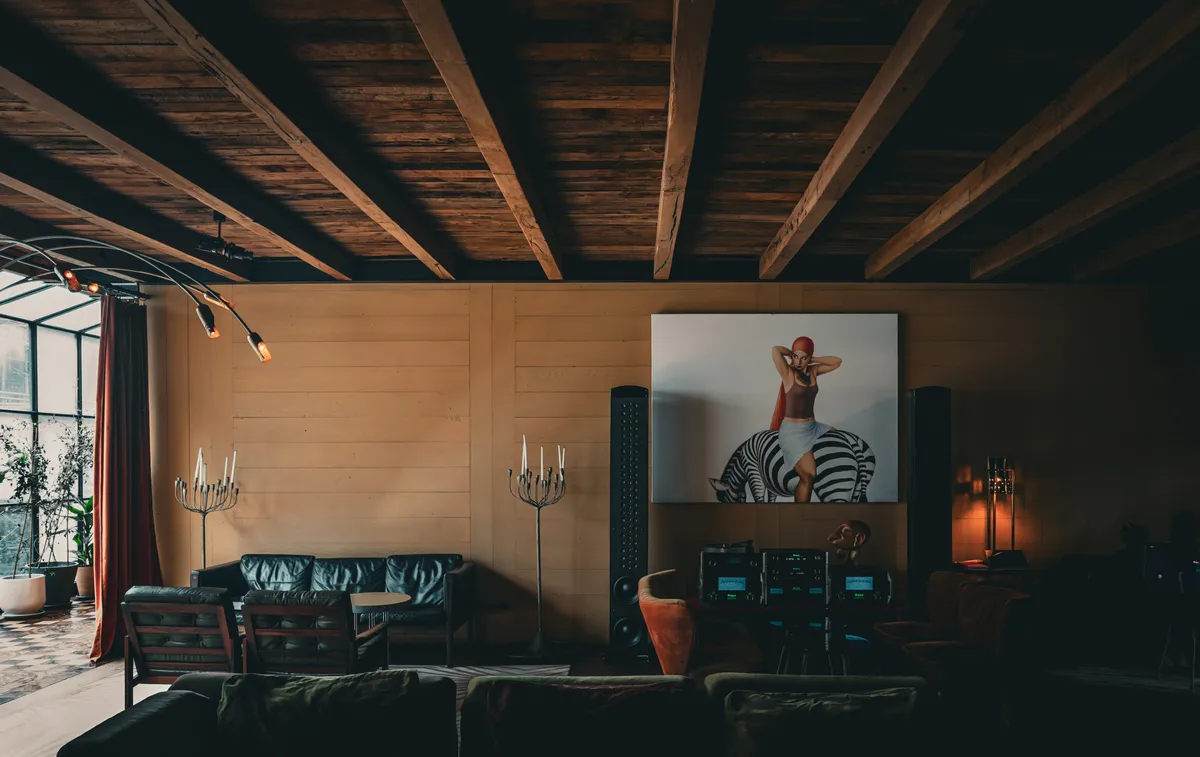
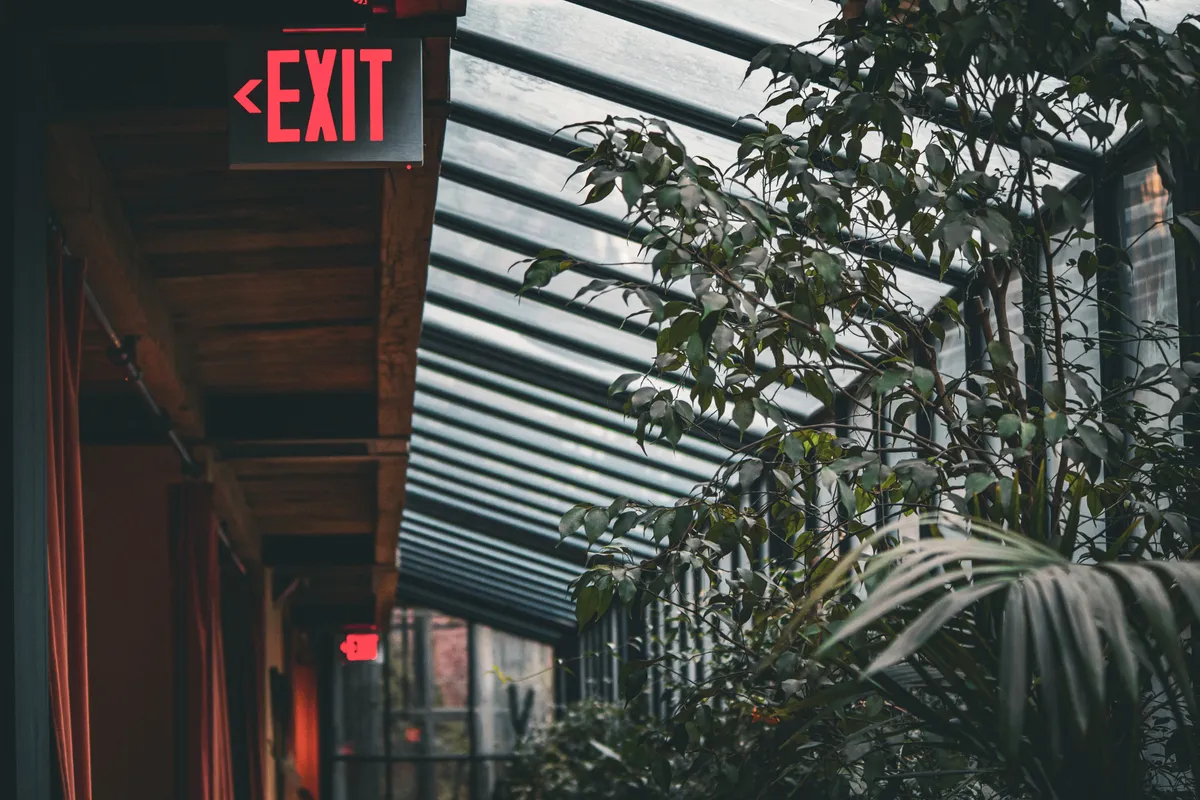
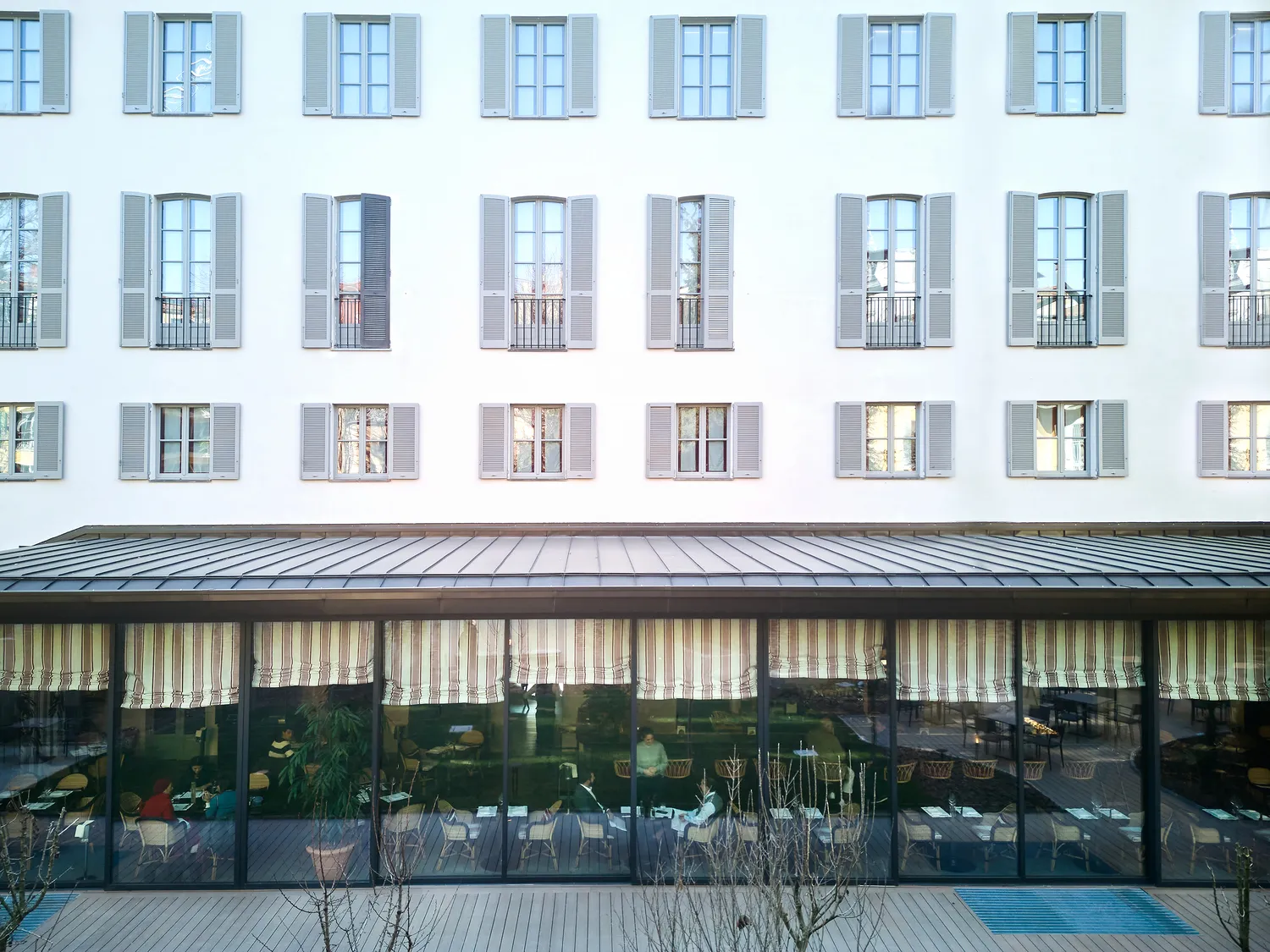
The conversion was handled by Adjara Arch Group, the in-house architecture practice of Adjara Group. The façade was clad in reclaimed wood, giving the postindustrial window casings a warmer material counterpart; a glass-walled atrium extension introduced daylight into the interior. Inside: reclaimed oak for flooring, reclaimed brick for paving, cast iron fittings sourced rather than manufactured, original wooden windows restored rather than replaced. The brief was to use as much of the building’s history as possible.
To address the chronic parking shortage in Vera, the architects excavated beneath the building and converted underground spaces into parking for 200 cars. The inner courtyard was replanted as a gathering space: wisteria climbing a disused metal lift shaft, herbs grown between the seating that supply the bar upstairs.
Rooms Hotel Tbilisi interior design: 1930s New York references, handmade wallpapers, and Georgian craft tradition
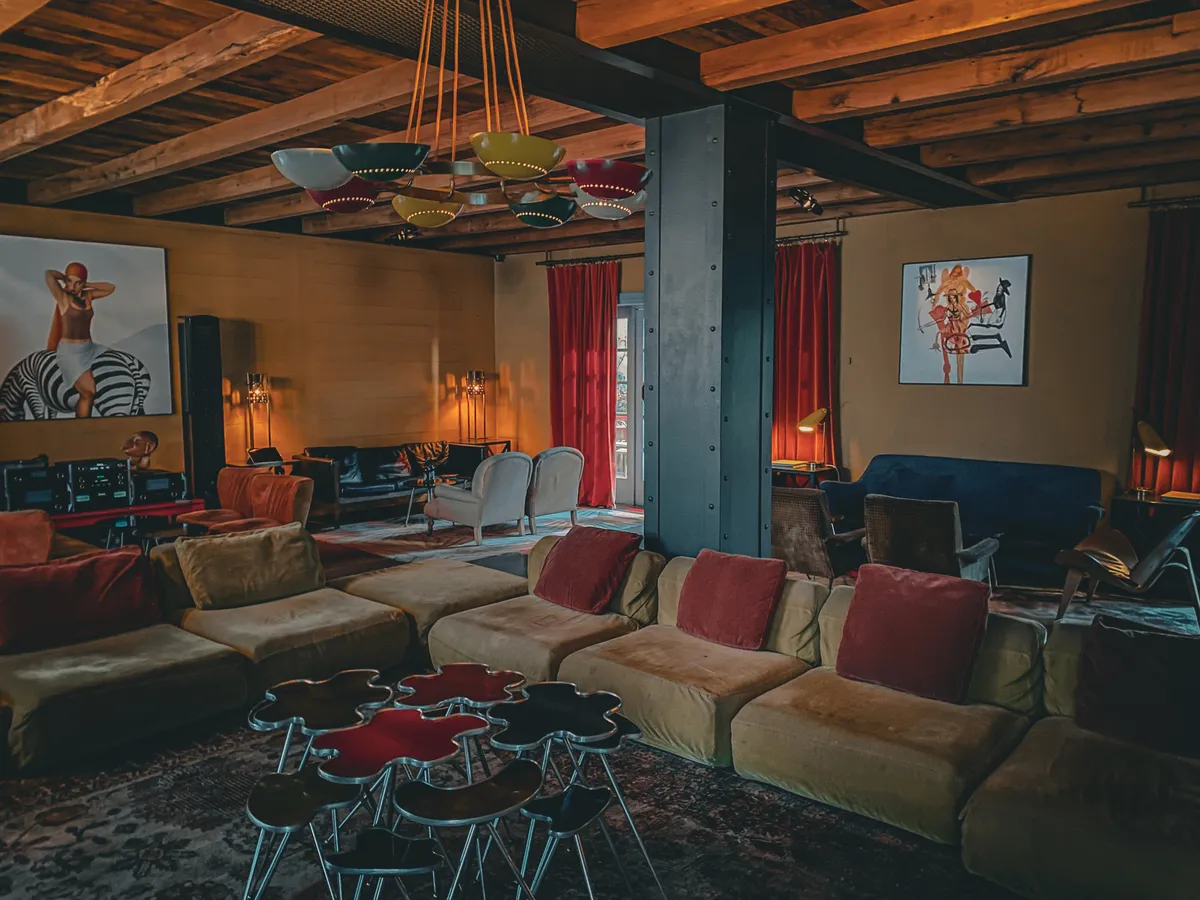
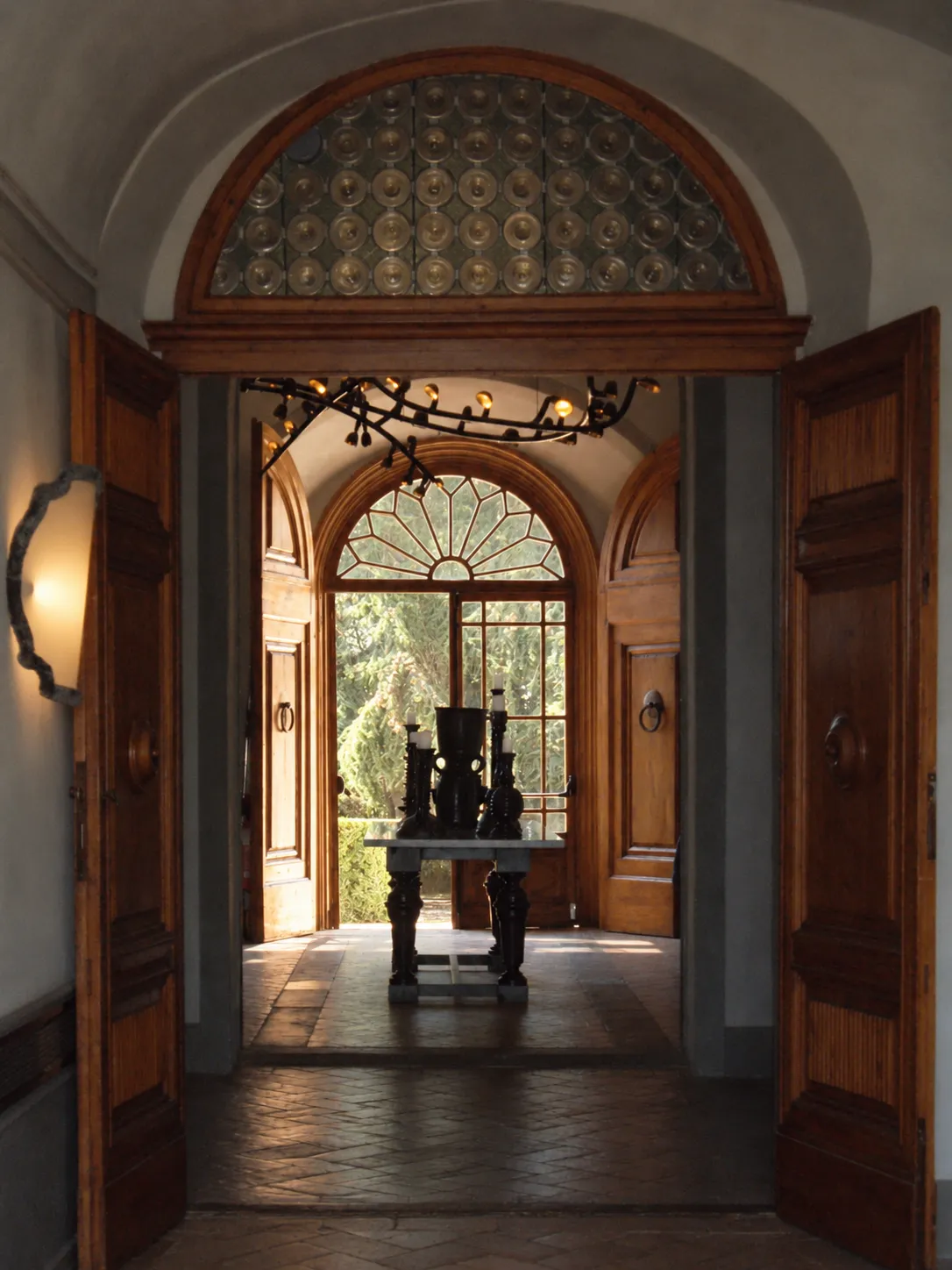
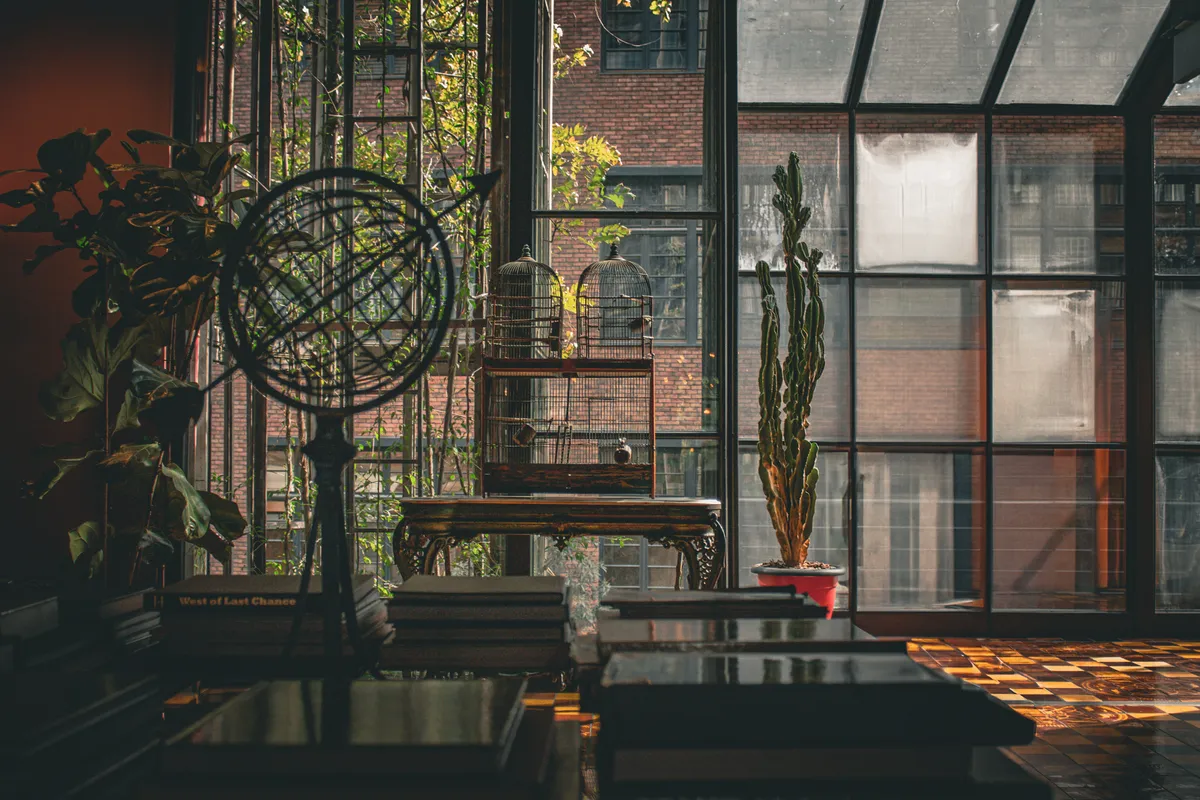
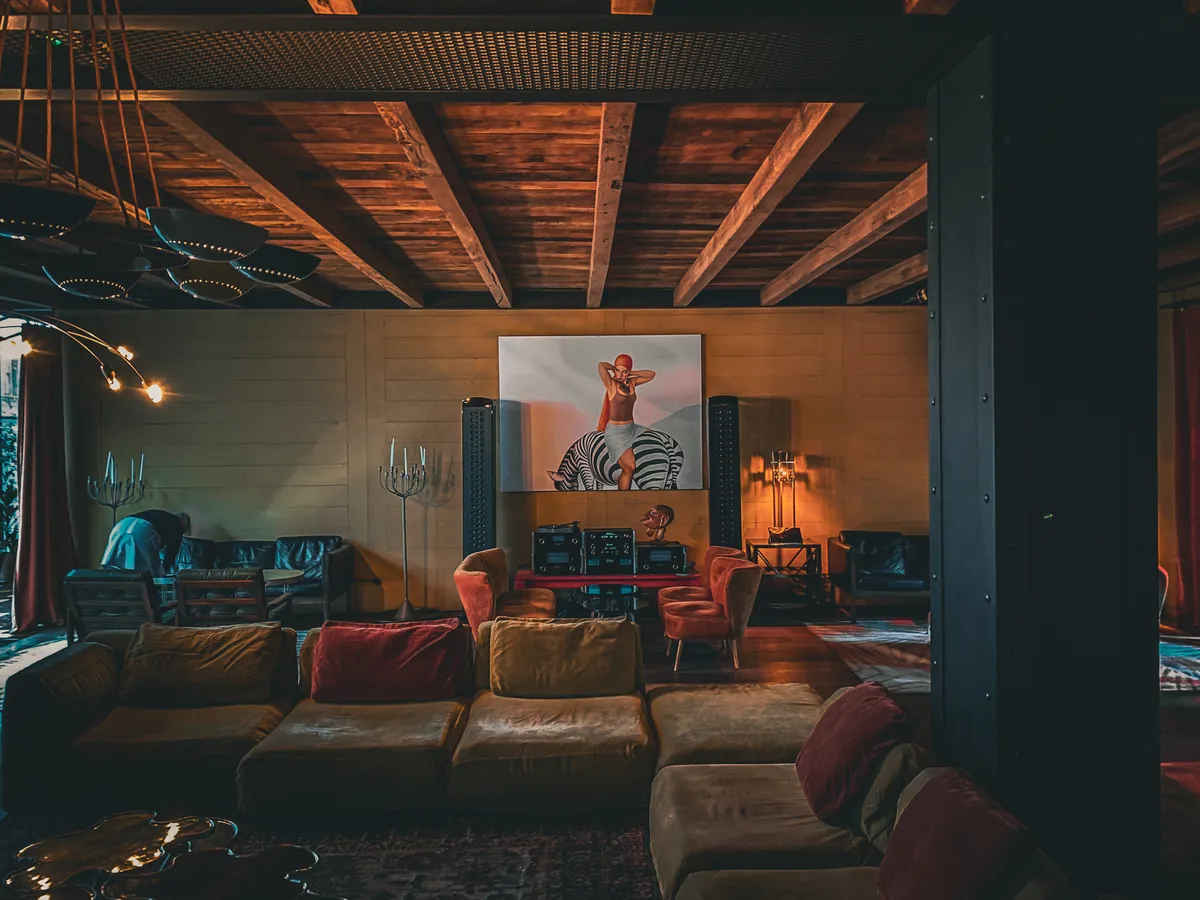
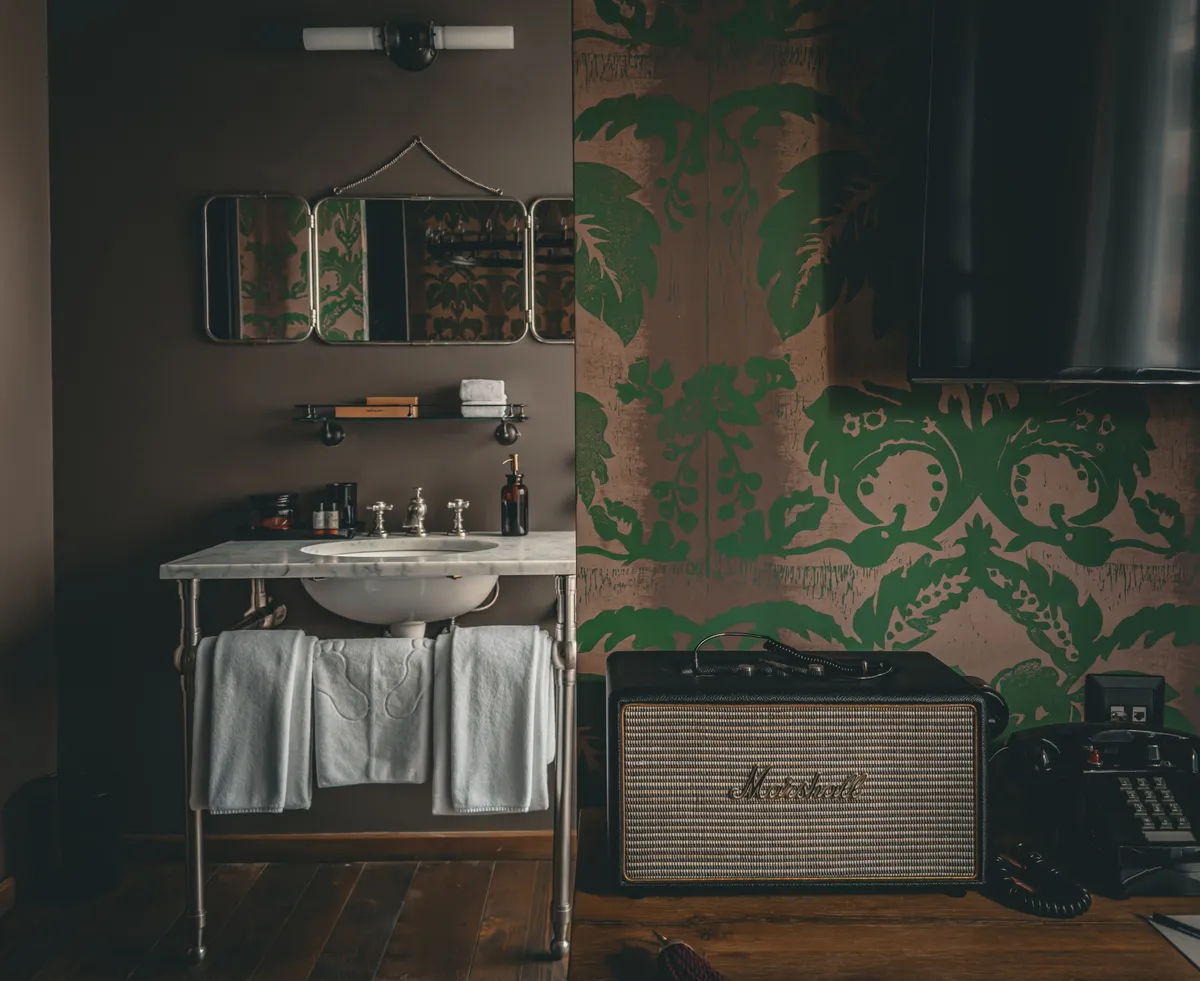
Temur Ugulava’s visual reference point for the Tbilisi property was 1930s New York. Dark wood floors, handmade wallpapers, claw-foot bathtubs, thick velvet curtains, leather-upholstered headboards: these are not quotations of Georgian tradition, but they are not the cosmopolitan neutrality of the international design hotel either. Hand-woven rugs sit alongside ceiling details drawn from 19th-century Tbilisi houses; industrial window casings frame views of rooftops and the mountain behind the city. The aesthetic holds because every element was chosen — nothing defaulted to.
The 122 rooms and suites are distributed across five floors. The Sophia Loren Suite — named with the confident theatricality the hotel deploys throughout — occupies a corner with panoramic views over the rooftops, furnished with a roll-top bathtub, an electric blue velvet sofa, and original art. The suite names reflect a sensibility that treats the hotel as a cultural institution, where references are chosen for resonance rather than prestige.
Adjara Group and Temur Ugulava: building a Georgian hospitality brand without cultural clichés
Adjara Group entered the Georgian hospitality sector in 2010 managing a Holiday Inn franchise — an experience that taught international standards while making clear what a genuinely Georgian alternative might look like. In 2012, the group converted an abandoned Soviet-era sanatorium in Kazbegi into Rooms Hotel Kazbegi, the first Georgian lifestyle hotel brand. Rooms Tbilisi followed two years later.
The founding question Ugulava posed was precise: how do you make something genuinely Georgian without relying on Georgian clichés? His answer was structural. Rather than recruiting hospitality professionals, he went to Tbilisi’s art school and film school — young people with no industry experience but, in his words, the right amount of curiosity, creativity, and craziness. The visual designers behind the brand trained at the Tbilisi Academy of Arts. Ugulava is personally involved from concept through construction to final interior decisions, working alongside a creative team of twelve architects and interior designers whose aesthetic has since inspired a wave of bars, restaurants, and hostels across the country.
Bar, courtyard, and social space: how Rooms Hotel Tbilisi functions as a neighbourhood meeting point in Vera
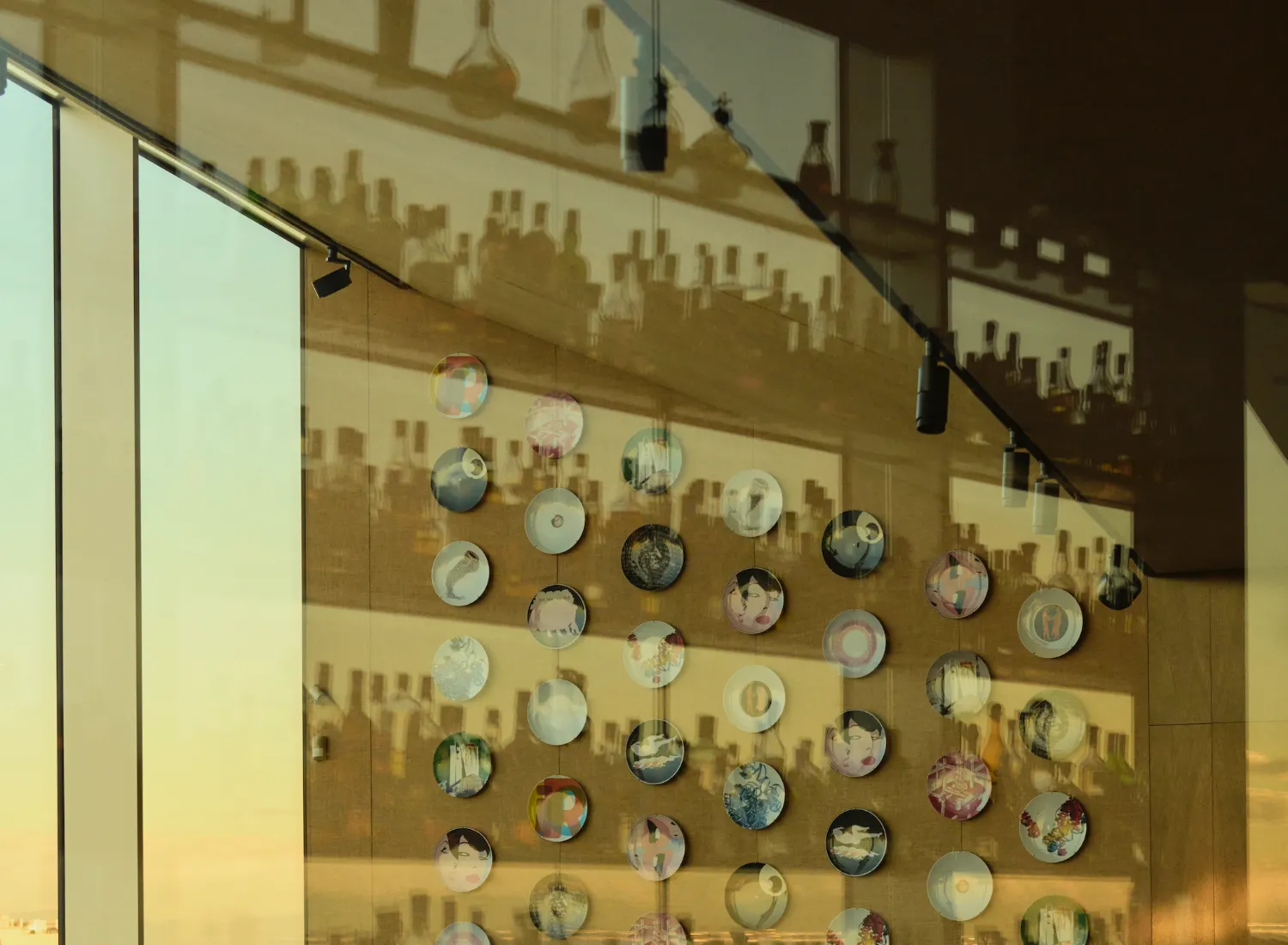
The bar and lounge draw a clientele that mixes overnight guests with Tbilisi locals who have no intention of staying. Greenhouse-like planting covers walls and ceiling; cocktails are built from botanicals grown in the hotel’s own courtyard; there are no reservations. The veranda opens towards Vera’s wine bars and boutiques; the courtyard handles coffee by day and cocktails by night. Access is not stratified by guest status — Rooms Tbilisi did not arrive and seal itself off behind a lobby.
An undeveloped wing of the adjacent Stamba Hotel — which shares the same former publishing house complex, opened in 2018, and pushes further into luxury territory with a rooftop pool, a five-storey atrium where full-grown trees penetrate the floors, and a ramen restaurant — is set aside permanently as free studio space for artists and cultural organisations. Called Stamba D Block, it hosts exhibitions and performances outside the hotel’s commercial programming. Together, the two properties function as infrastructure for a creative ecosystem.
Tbilisi as an international design and travel destination: what Rooms Hotel contributed to the city’s cultural renaissance
In 2014, Tbilisi was not on the itineraries that mattered in European design and travel publishing. By 2020, it was nominated Best Cultural City at the LCD Berlin Awards — a competition including fifty cultural destinations from twenty-eight countries. By 2024, Georgia was welcoming 5.1 million international visitors annually. Rooms Tbilisi did not produce this shift alone: the natural wine scene centred on Vino Underground in Vera, the music and nightlife culture, the rehabilitation of Georgian food and architecture as subjects of international interest — these were parallel processes. But the hotel gave them a coherent entry point: a building with a visual identity strong enough to travel, a bar worth writing about, a location that made the neighbourhood legible to audiences who had never been to the Caucasus.
Rooms Tbilisi functions as an argument for what the city is capable of, made by people who were already certain of the answer before the international conversation arrived to confirm it.