Textile hemp in Italy: a broken supply chain between research and a lack of vision
Giampaolo Grassi retraces thirty years of hemp research in Italy: a supply chain caught between experimentation, missing processing plants and the absence of an industrial policy
From memory to material: the unfinished revival of textile hemp
For centuries, hemp was a defining fiber in Italy. In 1943, 105,000 hectares were under cultivation, placing the country second in the world after Russia; by 1970, barely 1,000 remained. The history of textile hemp is that of a broken supply chain: agricultural and artisanal knowledge dismantled by modernization and never rebuilt.
Giampaolo Grassi, a researcher at CREA in Rovigo for more than twenty-five years, has devoted his research to the plant: «The last hemp fields around Ferrara were right in front of my house. I was seven and used to play among them; it felt like a forest». That childhood image became the starting point for a scientific career. When he joined the Experimental Institute for Industrial Crops, he found himself working in the same laboratories where hemp and flax fibers had been studied decades earlier: «We still had the equipment and records of the Hemp Producers’ Consortium. It was like walking into an archive frozen in time, where research had suddenly stopped».
The Ministry of Agricultural Policies asked the Institute to restart work on hemp, update Italian varieties and bring them into line with new European THC limits: «At the time the limit was 0.3%, then it fell to 0.2%. Our task was to select plants that met the parameters but remained suitable for spinning». For Grassi, the question was always technical rather than ideological: «We needed a plant with a low content of gummy substances, with uniform fibers that were easy to separate. Retting is not an industrial process: it is a biological balance, like wine fermentation».
Carmaleonte and baby hemp: promises that went unfulfilled
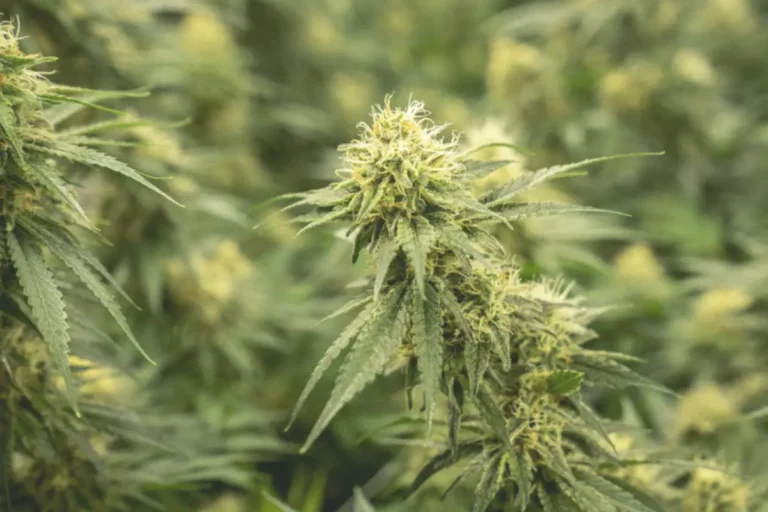
Genetic research produced Carmaleonte, a monoecious hemp variety designed to overcome the unevenness typical of traditional dioecious varieties: «With Carmaleonte, the aim was to obtain uniform fiber and simultaneous ripening, simplifying harvesting and shortening field-retting times». Yellow-green at maturity, the plant was designed to ret naturally, without prolonged immersion.
Despite the patent and positive tests, the variety went no further: «I sent samples to Linificio Canapificio Nazionale. They told me the fiber was excellent, but there was nobody who could use it. The plant was ready; the supply chain was not».
At the same time, in the early 2000s, the baby hemp project took shape, designed to adapt cultivation to machinery already used for flax. It was sown at very high density, up to 100 kilograms of seed per hectare, and harvested when the plants reached 130–140 centimeters: «The idea was to save on machinery costs and speed up processing, but it was a mistake in perspective. They expected yields of twenty percent; in reality, the yield was five times lower».
The project, backed by a consortium based in Ferrara and publicly promoted by Giorgio Armani, was presented at the Bologna Stock Exchange with the support of the Emilia-Romagna Region: «They had even made maestro Mutti’s hemp suit for the inaugural concert, but the calculations were wrong. They had estimated unrealistic output; there was no field data. After four years they failed, losing almost the entire investment».
Grassi, who had meanwhile begun selecting Carmaleonte, notes how the two stories came close without ever meeting: «I had the variety, they had the plant, but they were never interested in collaborating. They refused to look beyond their own project. What was missing was vision, not science».
Hemp fiber and the industrial bottleneck
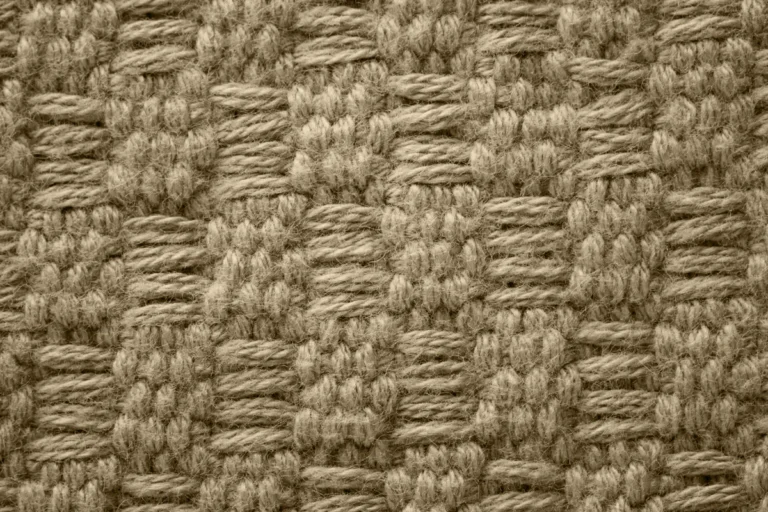
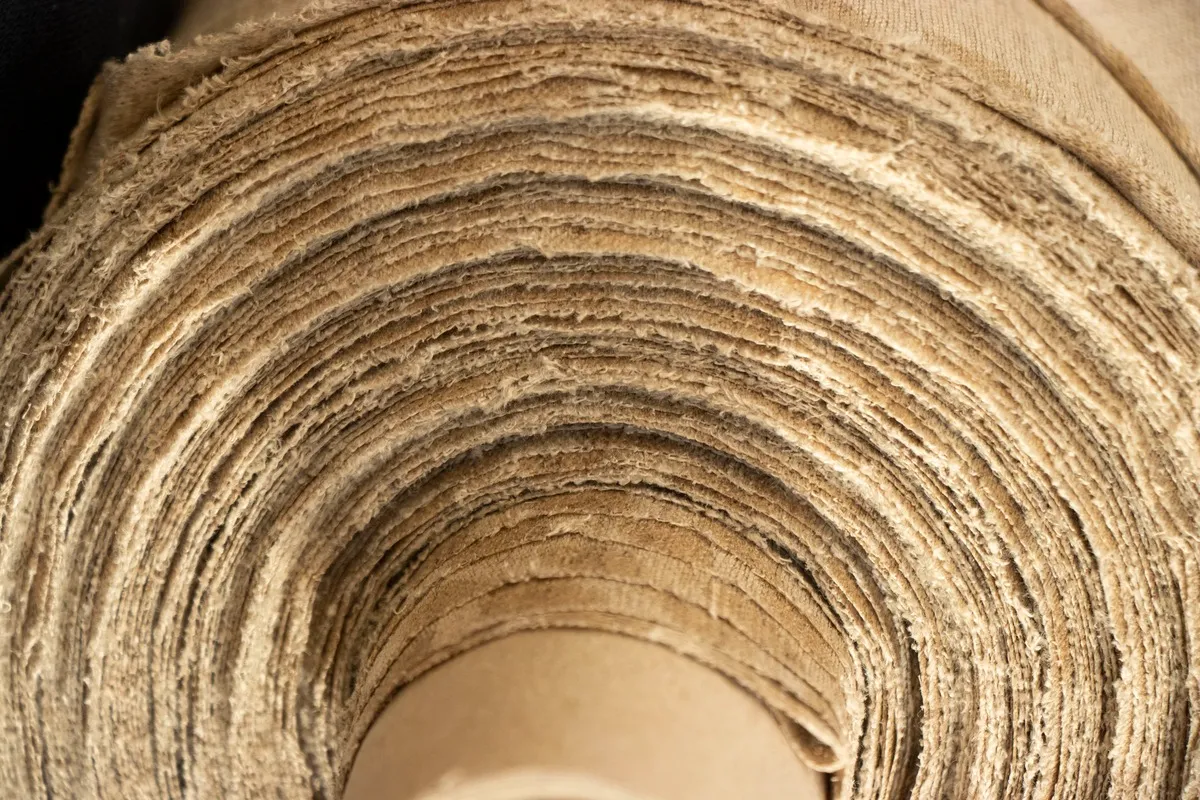
Hemp is a plant-based bast fiber, obtained from the outer part of the stem through a complex sequence of operations: retting, scutching, combing, boiling and spinning. Each stage requires dedicated facilities, specific skills and technical knowledge that has largely disappeared in Italy: «Rebuilding the hemp supply chain was not easy. We faced a long, fragmented sequence of processes, with too many manual stages and excessive costs. The weak point has always been the distance between growers and processors. Without a network of modern plants, we cannot hope to compete with either Asia or France».
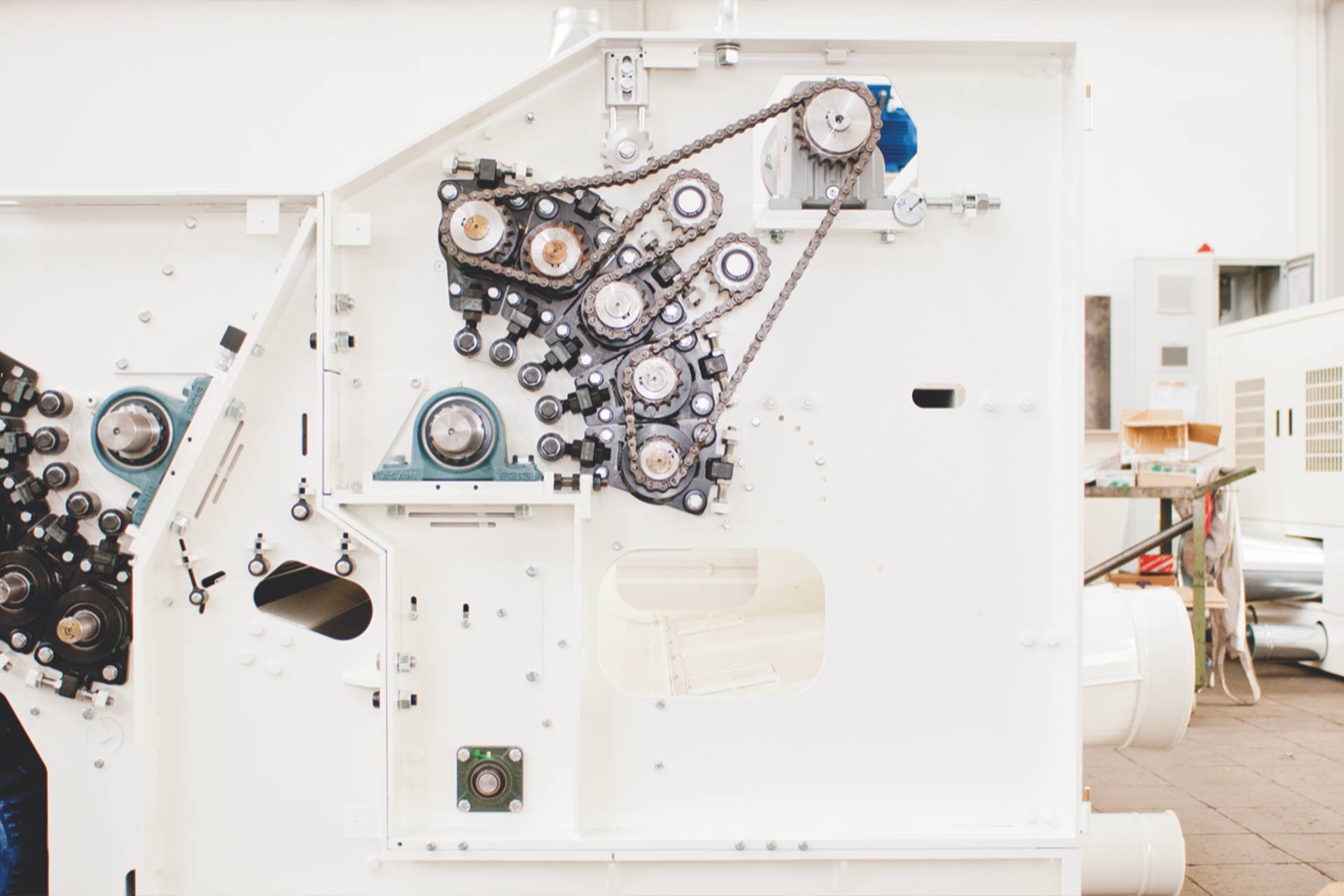
Grassi stresses that the lack of mechanization remains a crucial obstacle: «There are no agricultural machines designed to cut and harvest hemp efficiently. People adapt equipment made for flax or maize, but it is unsuitable: the fiber breaks, it gets damaged, and labor costs remain extremely high».
Spinning, he adds, has become knowledge held by only a handful of people: «Today you can count on one hand the people who know how to spin hemp on an industrial scale. Everything has been lost: technical knowledge, training, even the mindset. People think enthusiasm is enough, but it is not. Without national planning, without a plan for natural fibers, hemp remains a symbol rather than a resource».
For Grassi, reviving hemp fiber means building intermediate facilities – collection, retting and scutching centers – serving coherent geographical areas: «We cannot go on growing hemp without knowing where we will take the material. Every hectare sown without a nearby processing plant is a wasted investment».
Sustainability in the textile industry: unrealized potential
Hemp is a regenerative crop: it improves soil structure, captures carbon and requires no pesticides. It embodies sustainability in the textile industry, yet in Italy the conversation remains unfinished: «In thirty years of work, I have never seen any real interest from institutions. Every region passed its own law, but none built a processing plant. Millions have been spent on research projects, yet the fiber remains in the fields or is exported».
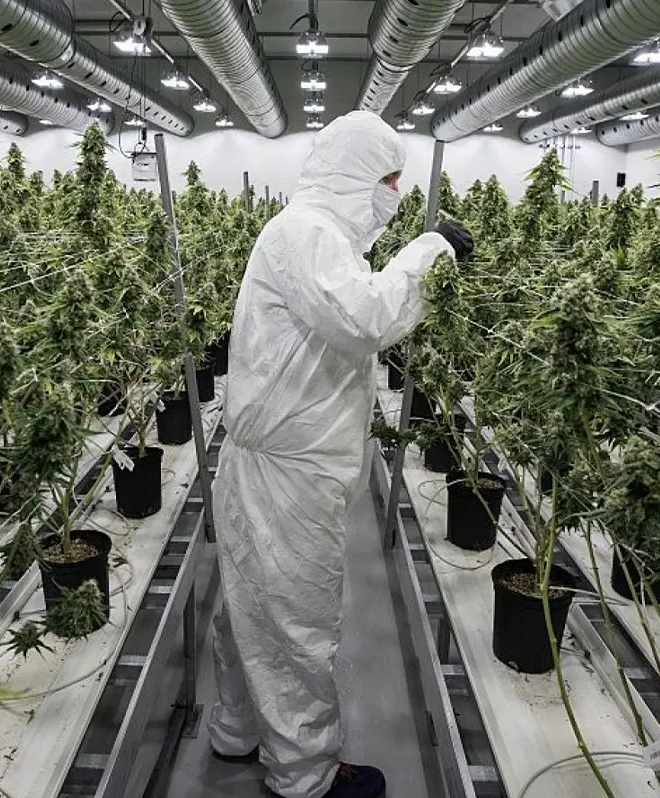
A viable supply chain would require a plant capable of processing the harvest from at least 1,000 hectares: «Plants should be located centrally, within sixty to eighty kilometers of growers. The material is bulky and too expensive to transport. Without logistics, there is no economy».
Many Italian companies, including those active in the green sector, still import raw material from France and Romania: «Their plants work and their costs are manageable. We pay more for a material we could produce ourselves, but nobody wants to take the risk of being first».
Sustainable manufacturing and the lesson of K.E.F.I.
Among the few industrial experiments, Grassi recalls K.E.F.I., founded in Mantua in the early 2000s, as one of the most concrete: «It was the first company to take short technical fiber seriously. They had bought a plant in Germany, designed around transport on the Po, an ideal solution for the Po Valley, but they were overwhelmed by the collapse of the Green Vision group, a fifty-percent shareholder, and the project fell apart».
The aim was to build a supply chain for hemp-based insulation and panels, connecting farmers with the construction industry: «They could have been a model because they had a logistical vision: using waterways to reduce costs and feed a local processing system. What was missing was continuity, not the idea».
Other projects, including Assocanapa and small businesses established in Tuscany and Piedmont, developed prototypes for scutching or fiber-separation machinery: «These initiatives were born of passion, but they were too small to become industrial. Hemp in Italy has been a cultural issue, not an economic one. A laboratory of good intentions».
The difficulties are not only productive. Grassi recalls inspections even at public research centers: «We had to write a manual to explain to law enforcement the difference between hemp and kenaf. In thirty years I have never met a farmer playing a double game, but hemp is always viewed with suspicion, just in case. No institution has ever defended an honest grower against an unjustified seizure».
A possible future for natural raw materials
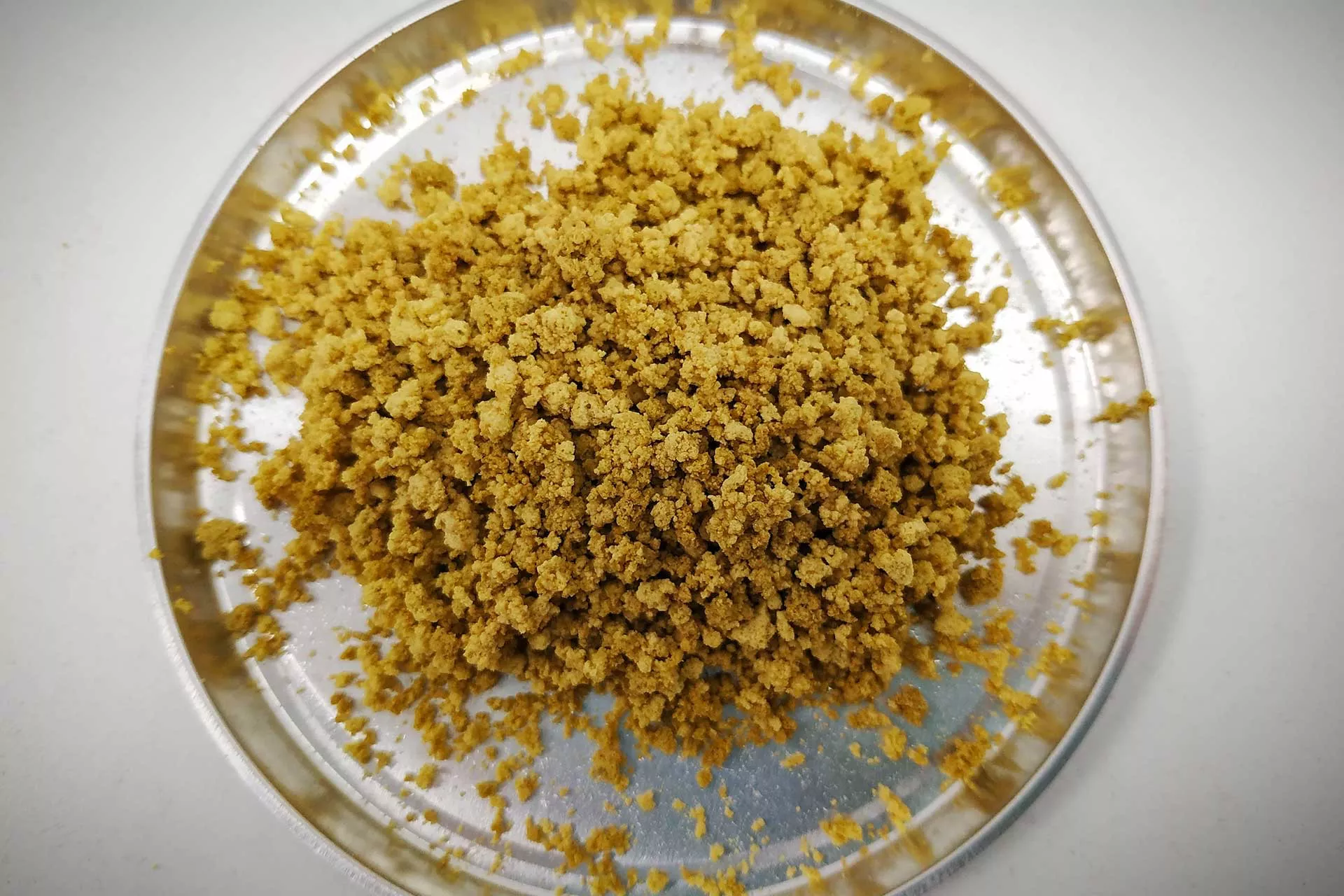
Hemp remains one of the most versatile natural raw materials: «You can build houses that do not need air conditioning. Hemp’s woody fiber absorbs and releases moisture, stabilizing temperature and comfort». Beyond textiles and sustainable construction, it is used in composites, paper and animal feed: «Hemp shives, the woody part, can become horse bedding or the basis for insulation panels. It is a living material that brings balance and hygroscopic properties to spaces».
Yet the Italian supply chain remains at square one: «There has never been the will to turn it into an industrial plan. The supply chain is expected to emerge on its own, while other crops, such as sugar beet and tobacco, received public support for decades. When subsidies end, supply chains collapse, but at least they once existed».
The prospect of sustainability in the textile industry depends on creating sustainable manufacturers capable of connecting agriculture, research and processing: «Hemp could provide jobs, agricultural profitability and lower emissions, but it requires a political decision, not just enthusiasm. Until there is a national processing plan, we will remain at square one».
Giampaolo Grassi
Giampaolo Grassi is an agronomist and researcher who served for more than twenty-five years as a senior researcher at CREA in Rovigo, where he studied genetic improvement in industrial hemp. One of Italy’s leading experts on the plant, he developed the monoecious Carmaleonte variety and participated in European projects to promote textile hemp and its agricultural supply chains.