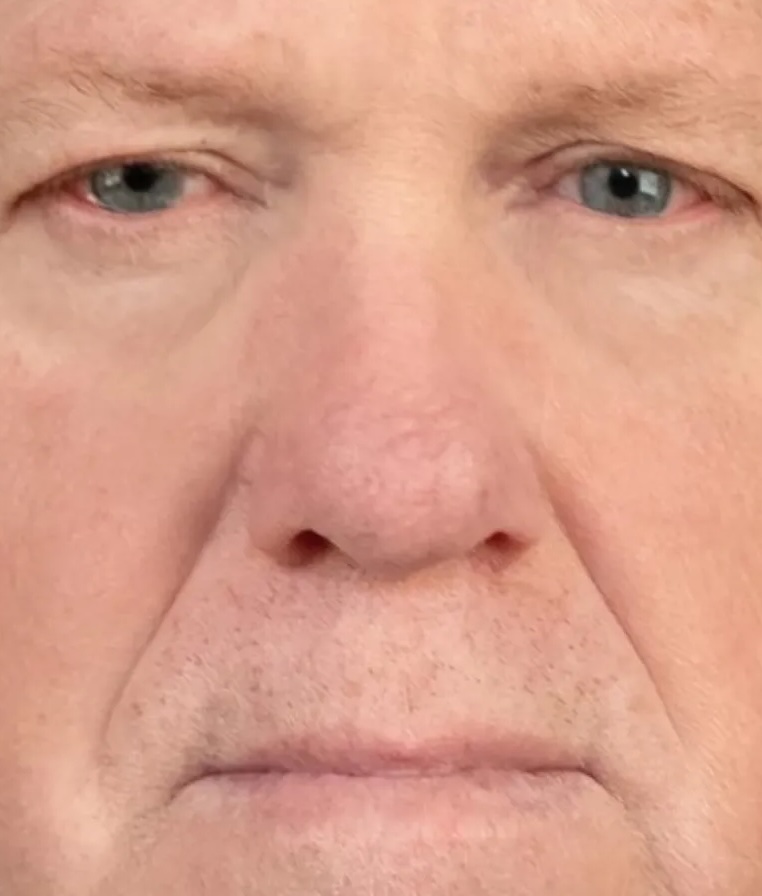
The US(er): Marcel Top archives Trump-era government propaganda
We Will Not Be Stopped collects and verifies DHS and ICE posts, tracing how state violence is edited
The Trump era and the aestheticization of violence
The second term of US President Donald Trump began on January 20, 2025, with one of the lowest levels of public endorsement since World War II. Beyond political dissatisfaction, the moment marked a transformation in the way violent images circulate and political communication is staged.
War and violence imagery began before Trump, and before the digital age. It is embedded in photography itself, in the possibility of documenting conflict from the start. The process through which such images became entertainment as well as information began before 2025. In 2003, the Los Angeles Times published a manipulated image by Brian Walski, combining two shots: a British soldier pointing a gun at Iraqi civilians, and another soldier kneeling in front of a father carrying his son. The published version merged these elements into a single narrative, intensifying pathos in the process.
After January 2025, violence became content. The volume of images we consume has anesthetized us to the most shocking ones. We scroll through feeds that place war footage alongside advertisements, or violence alongside lifestyle content. Desensitization accelerates, and everything turns equivalent: consumable, disposable. The first step was indifference to the loop of war scenes, police brutality, and catastrophe circulating across platforms. The next was their aestheticization, and then their integration into social and media dynamics.
We Will Not Be Stopped as archive
Marcel Top’s We Will Not Be Stopped (2025) begins from this shift. The project gathers, verifies, and archives social media content produced by American government agencies such as DHS and ICE, along with affiliated political figures, tracing how institutional violence has stopped being represented and started being edited and distributed as another piece of platform-native content.
“What changed with Trump’s election, and with his second term, is the instrumentalization of that dynamic. Official institutions moved away from the ‘boring’ register of governmental communication. Language and imagery on these accounts used to be more informative than emotive. Now it is exploiting the public’s desensitization.”
From nostalgia to political violence: fashwave and the VHS filter
Top recalls a first moment of rupture in late September 2025, when a deportation raid was posted online with the theme from Pokémon as its soundtrack. The dissonance was immediate: childhood nostalgia attached to a scene of force, humiliation, and state violence. This kind of edit was common, not exceptional. It belonged to a visual regime that began four or five years earlier: the artist had been following the far right in Europe, in France and Italy, studying their use of social media and how they have worked to normalize their ideology and symbolism through edits. He started recognizing similar uses of filters, songs, and visual strategies in what US agencies were producing.
“One of the consistent elements was the use of ‘VHS’ or ‘grain’ filters applied to footage, designed to make it look more user-generated and less institutional. But this aesthetic choice also serves a deeper ideological function: it draws from the visual language of fashwave. An online aesthetic movement that repurposes retro imagery, synthwave colors, and nostalgic visual codes to package far-right ideology as something shareable. At its core, fashwave appeals to the fascist logic of nostalgia: the idea of an idealized, historically pure nation. These agencies were adopting that same playbook. They would also embed so-called dog whistles within their posts: links to contemporary fascist or racist imagery and words, while maintaining plausible deniability.”
Marcel Top and the scroll logic
We Will Not Be Stopped becomes a first record of a new historical form of political communication. The material was produced to fit algorithmic consumption: to be seen, to trigger an emotional reaction, and then to be forgotten as the viewer scrolls on.
Images are bound to the system that circulates them, and the overlap of these materials blurs their meaning. We are trained to process everything at the same speed, with the same shallow expenditure of feeling. We see everything and absorb almost nothing. Yet this makes us feel differently, not less. We respond in flashes: a moment of outrage, a brief empathy, then it is gone.
Aesthetics becomes the instrument that makes this possible. In a media environment where feeling precedes thought, the filter, soundtrack, or rhythm can determine the force of an image before the viewer has begun to interpret it.
The US(er) government: the state as Instagram user
The government is becoming a user to convey its messages, reducing the distance when dealing with violence and making its propaganda more legible. State and personal feed merge into a single space. The government’s traditional communication ran through press conferences and official statements that gave the audience the time and space to process the information. In the Trump era, “the state speaks directly into the most intimate space of media consumption: the personal scroll”.
“What penetrates is affect, not information. The viewer learns no more about immigration policy from a DHS reel set to a trending song, but they feel something. They feel that it is normal, that it is entertaining, that it is theirs. It is not propaganda in the traditional sense of persuasion through argument. It is closer to the absorption of the state’s perspective into the viewer’s own emotional habits, until the border between personal feeling and political messaging becomes impossible to locate.”
Marcel Top’s visual transformations
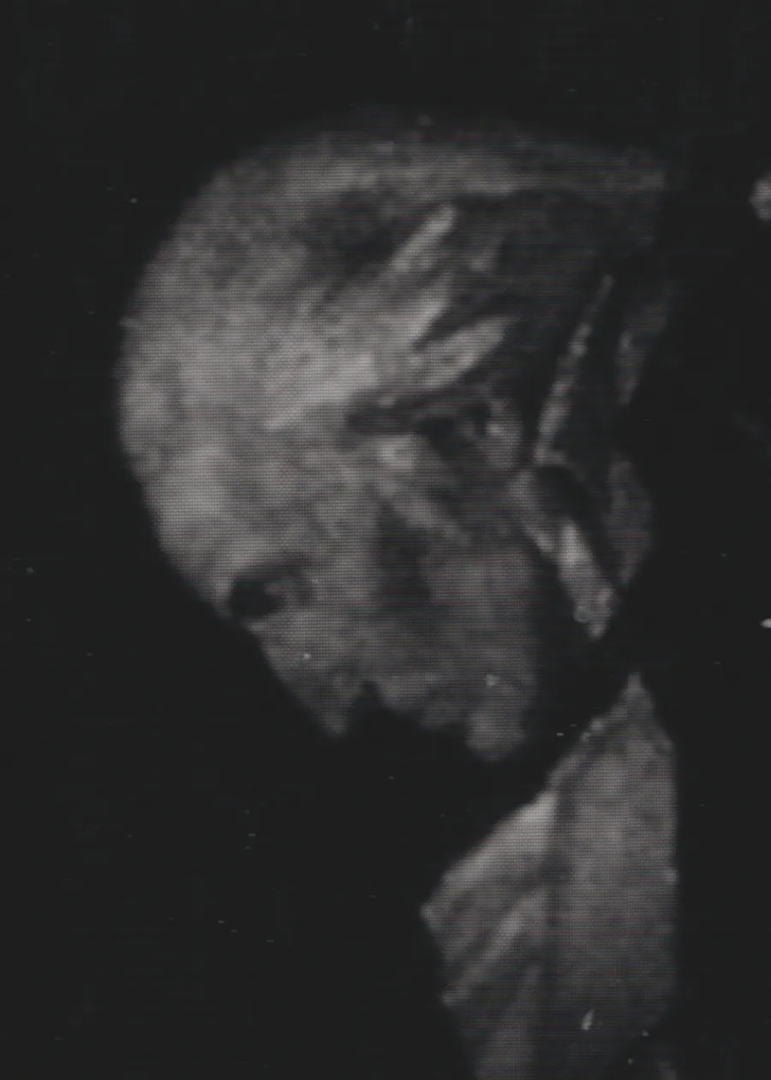
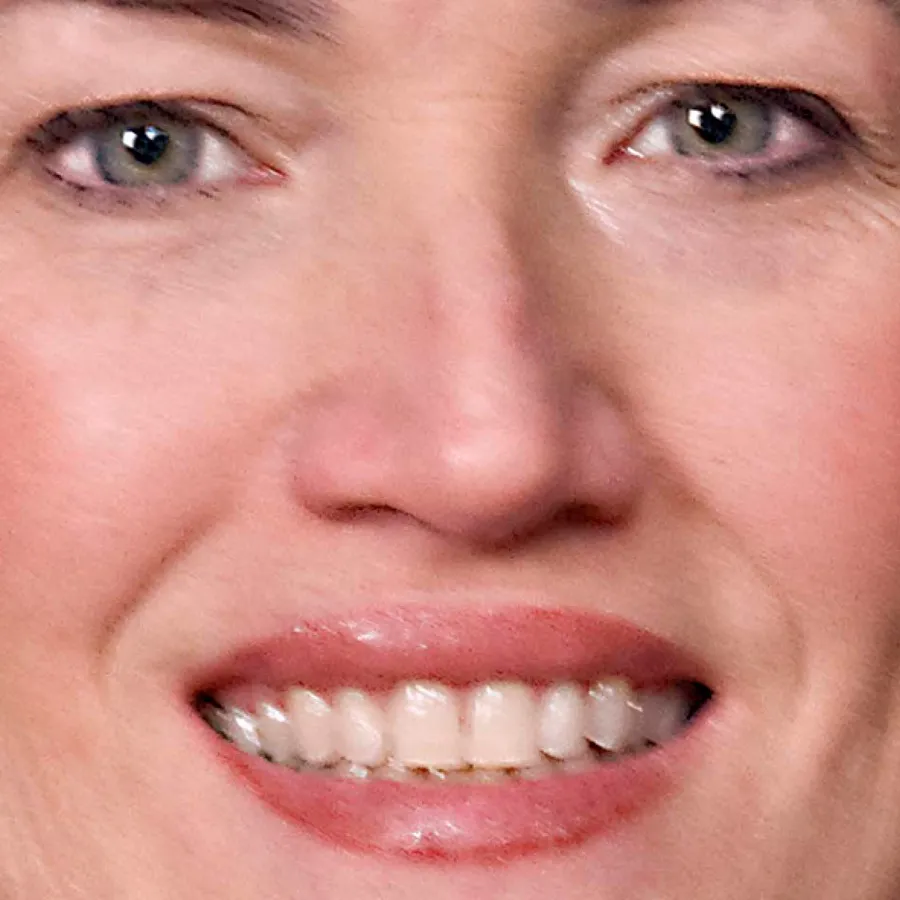
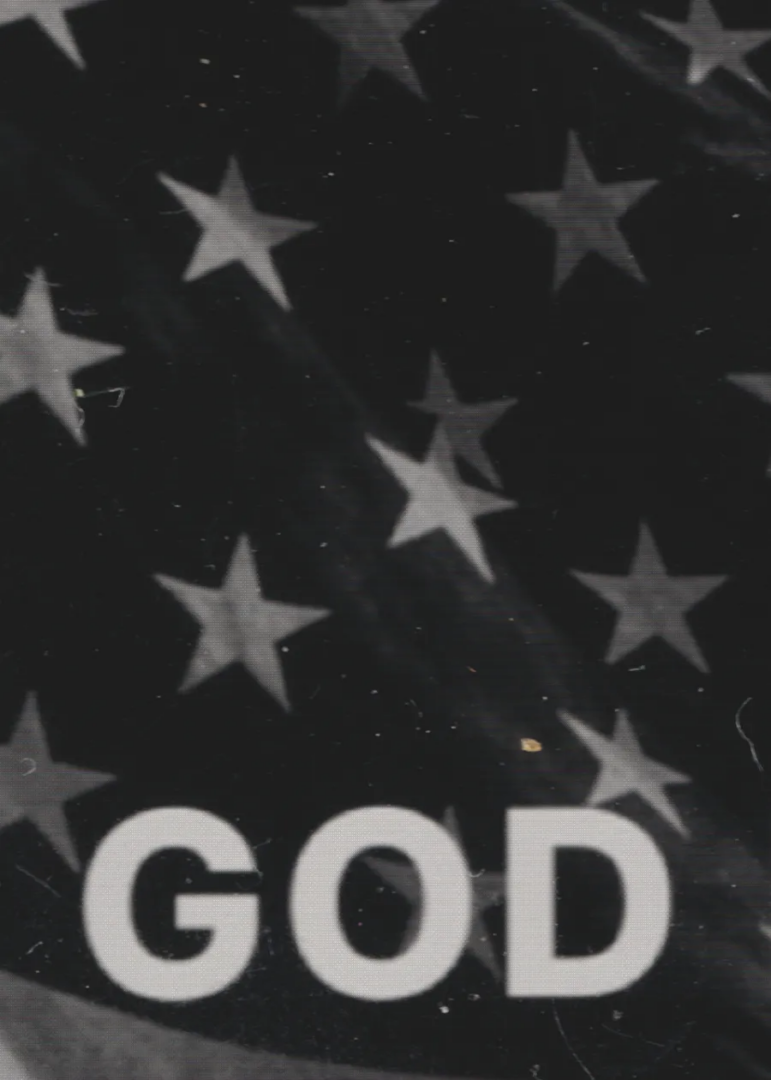
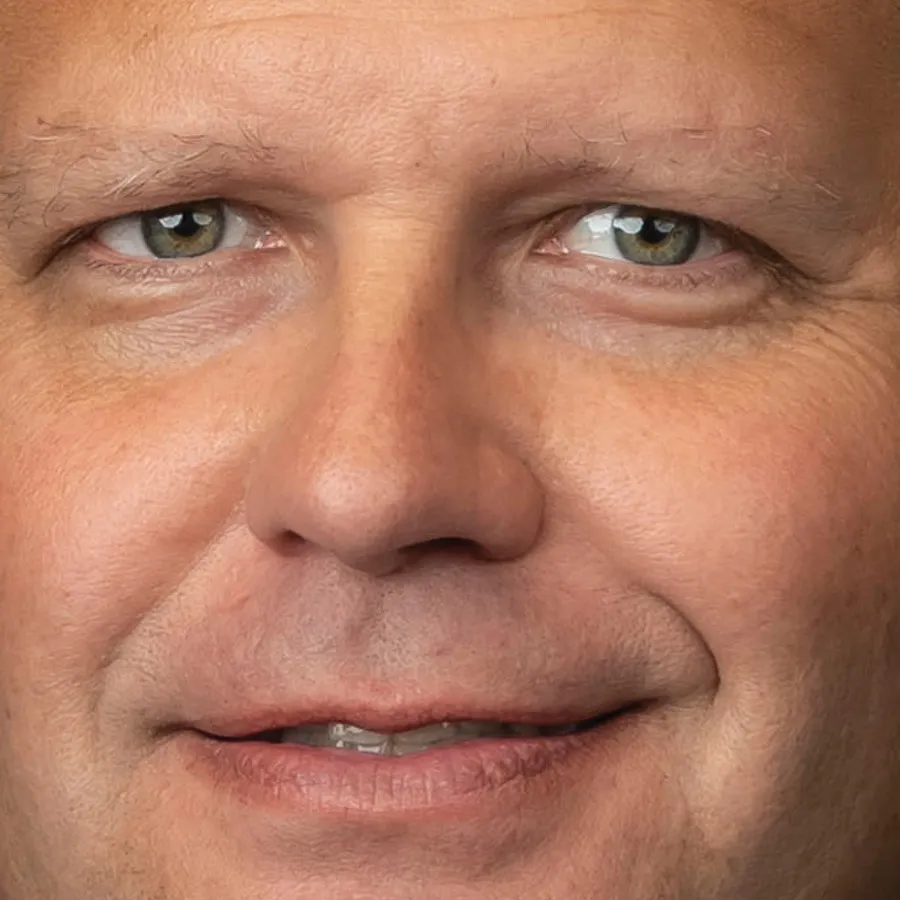
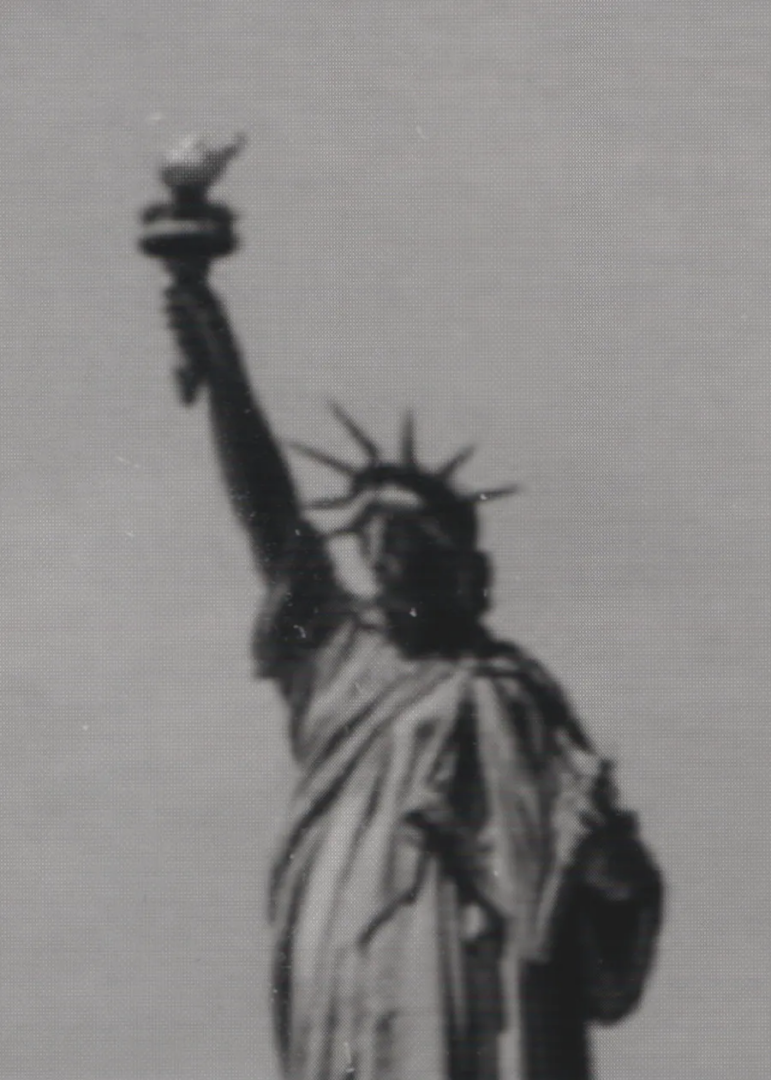
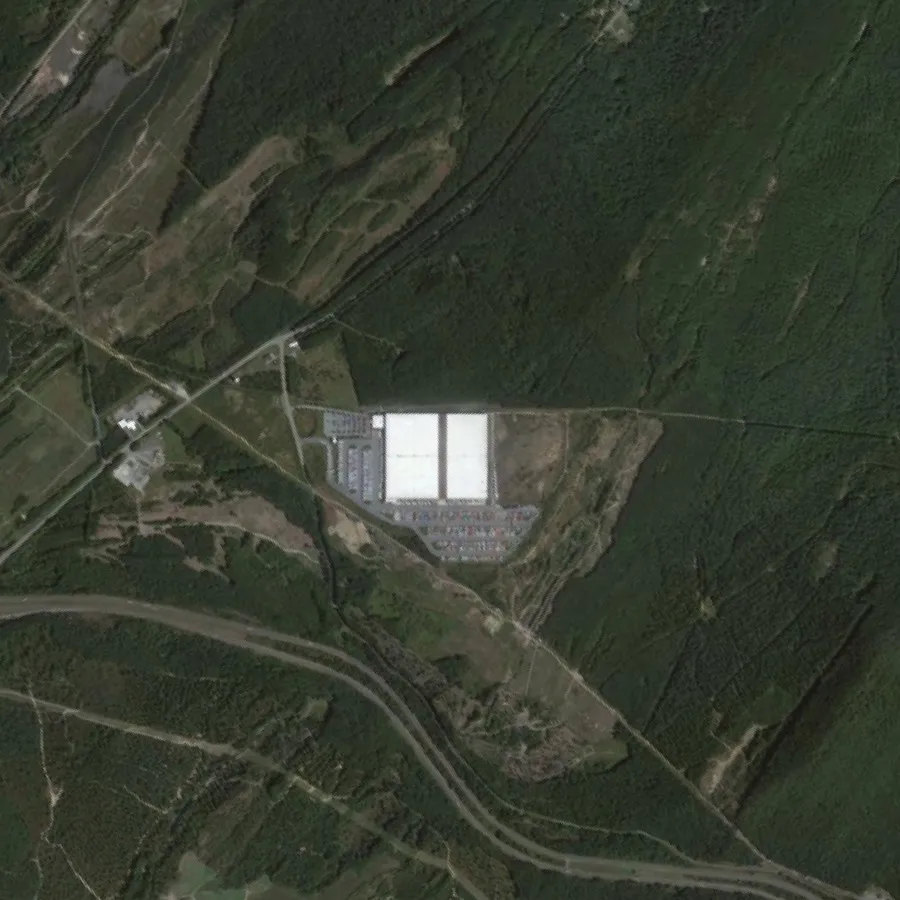
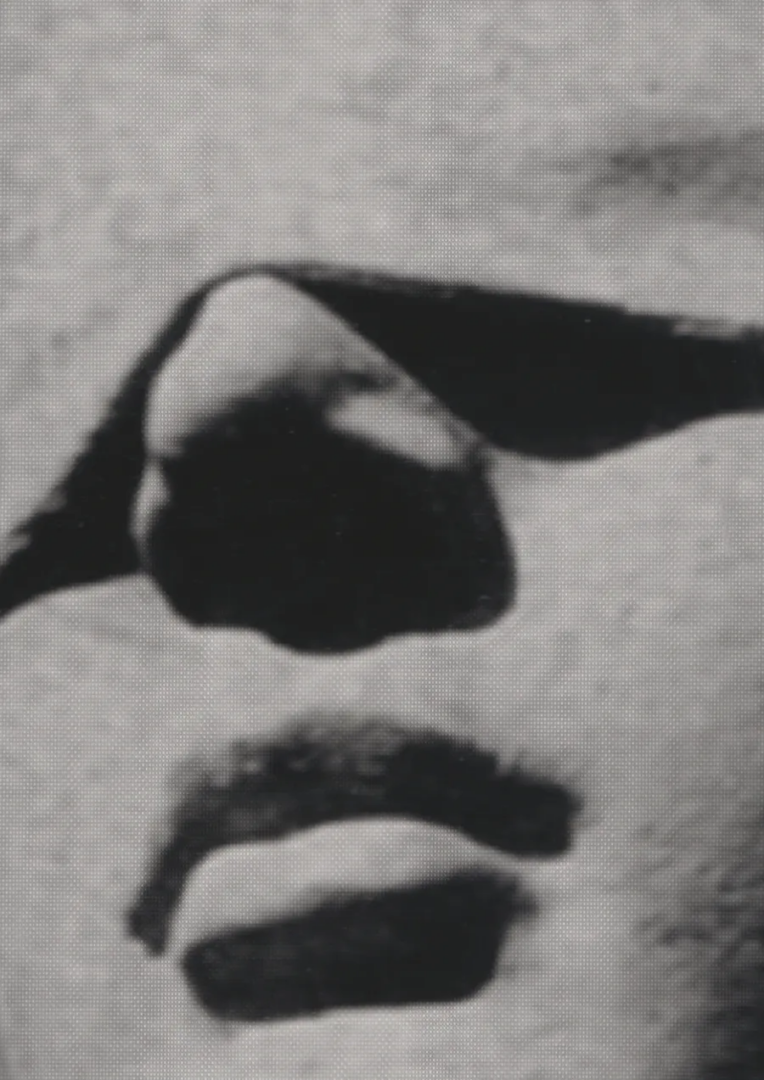
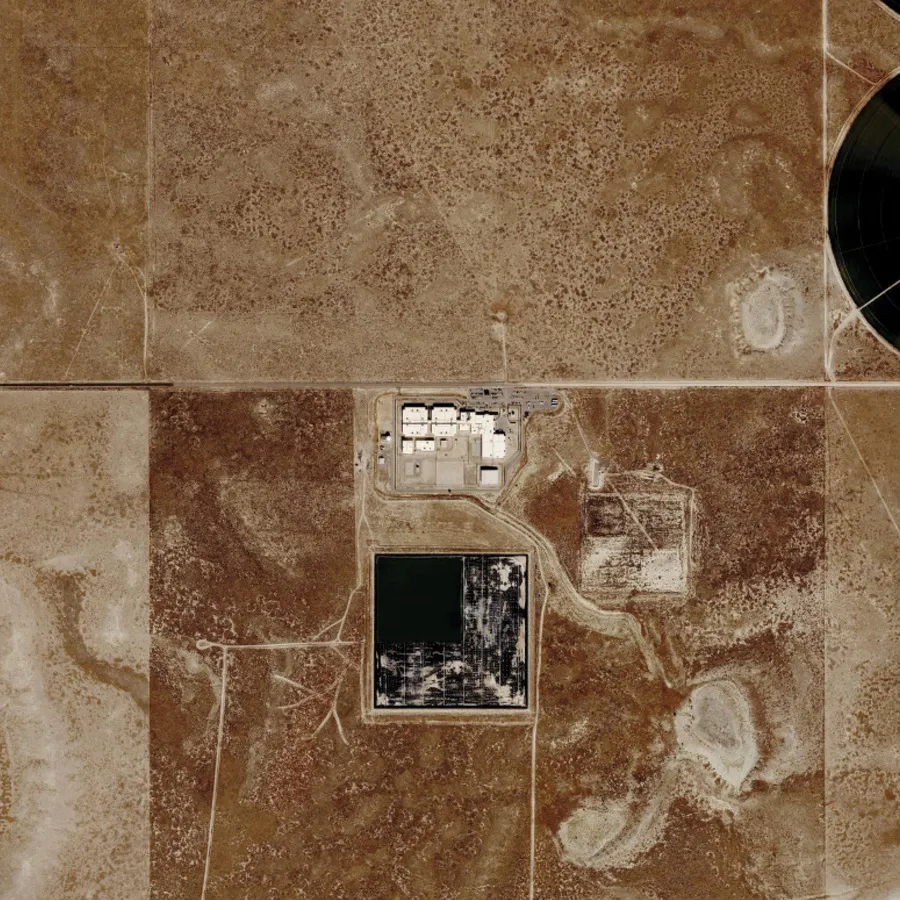
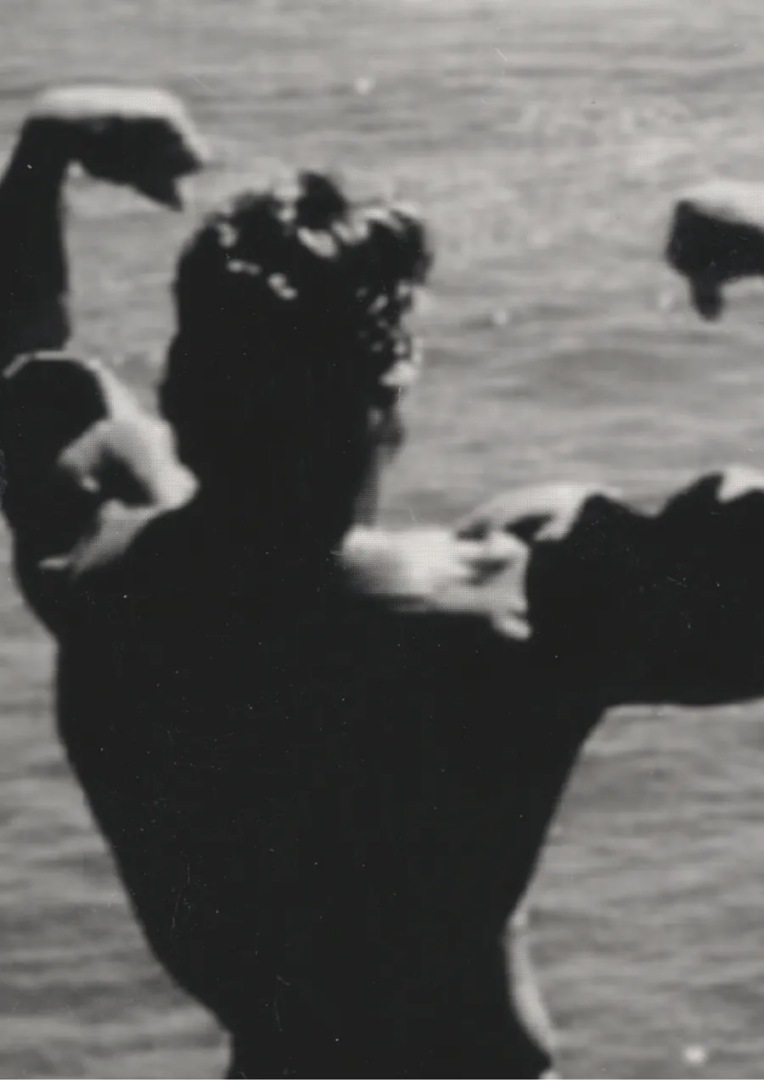
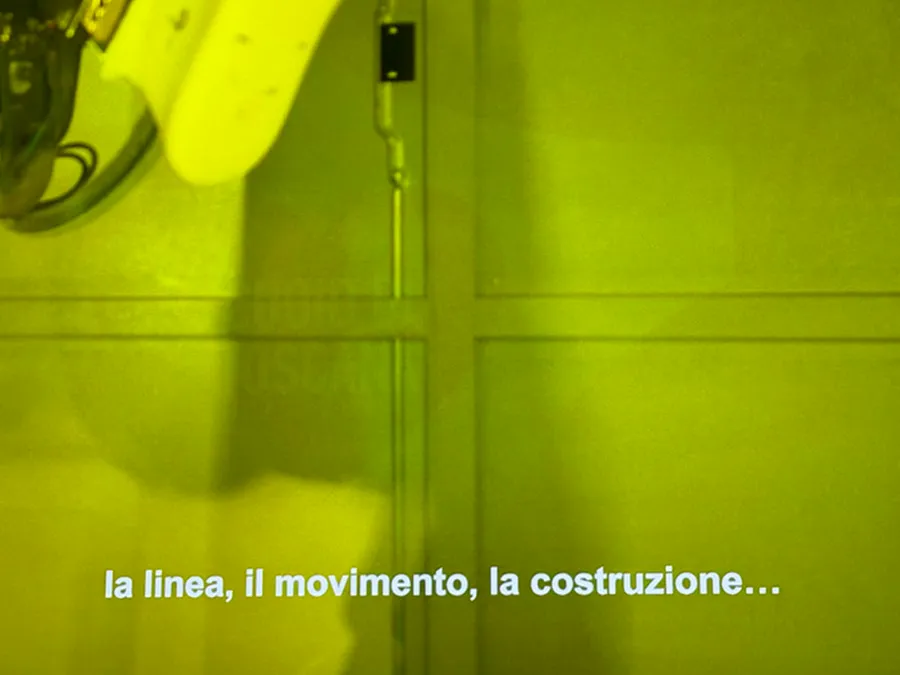
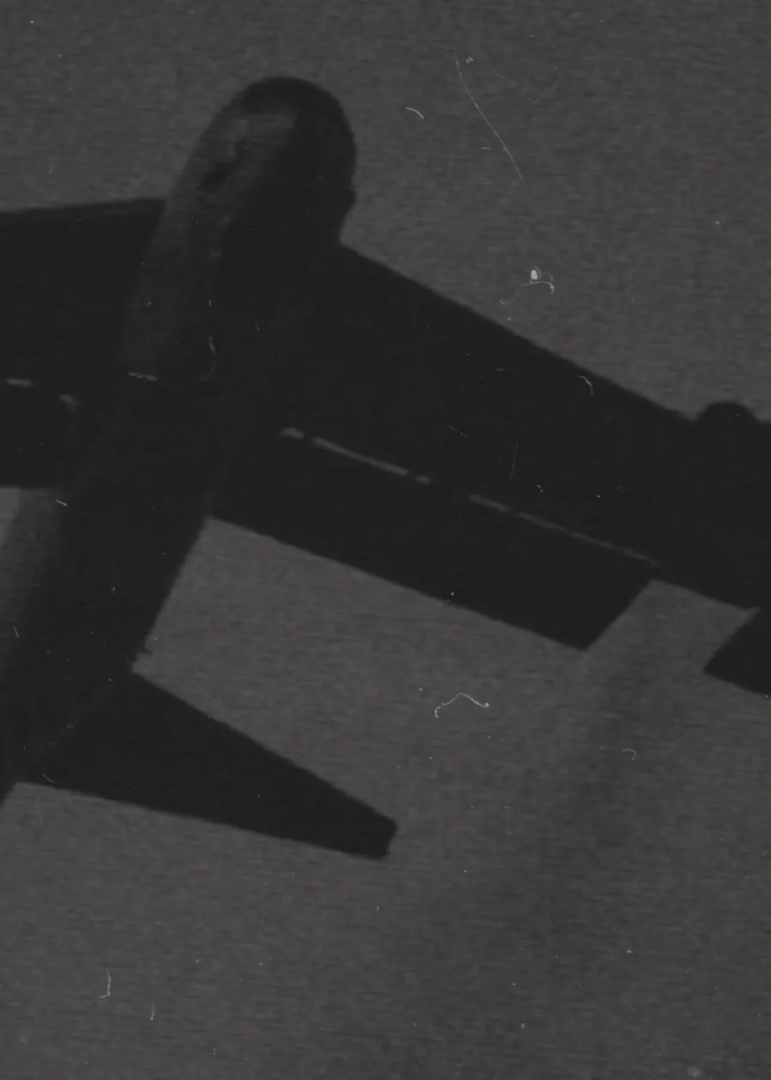
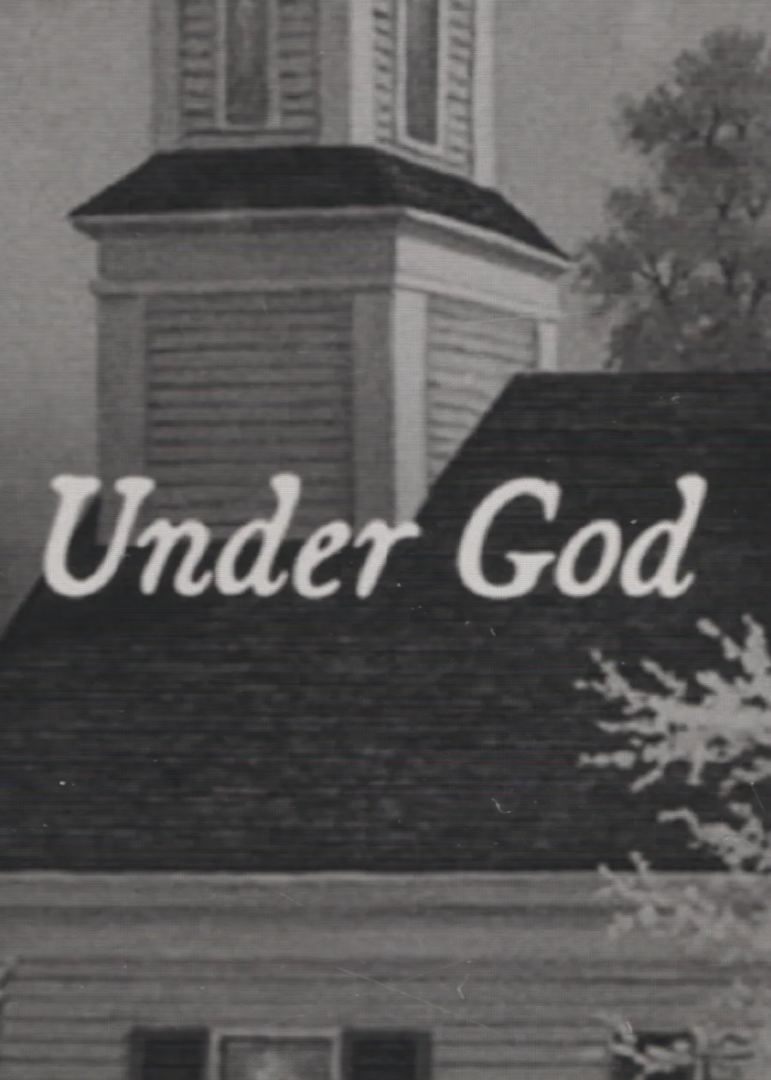
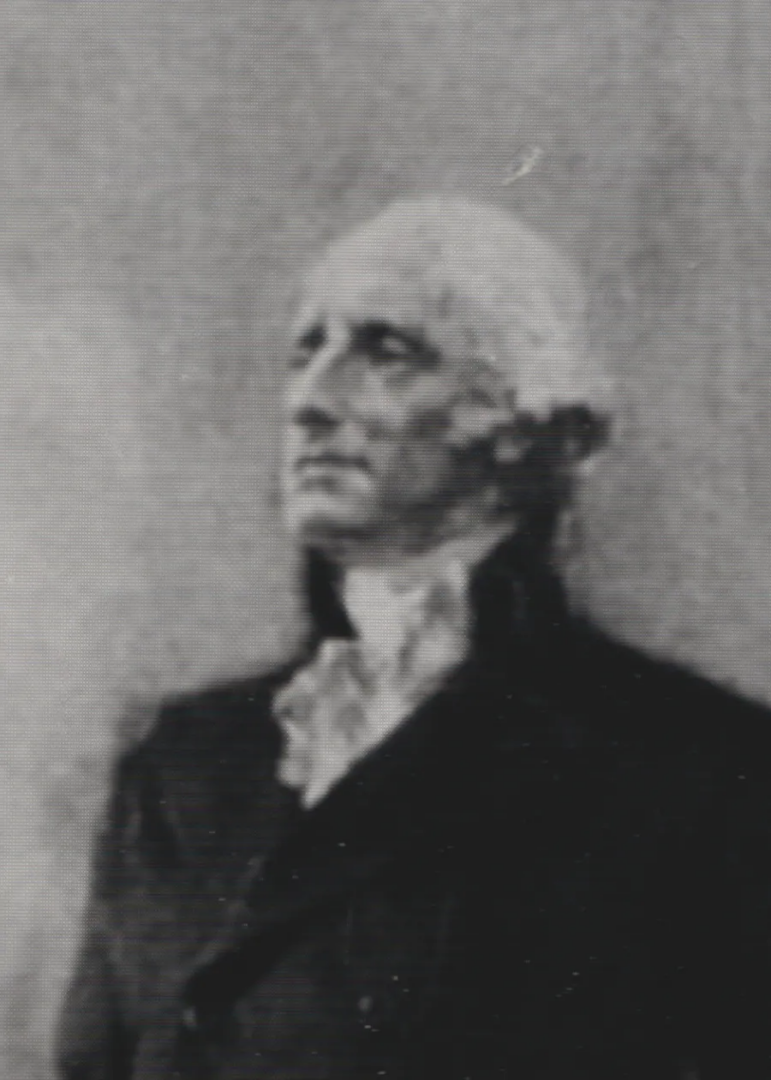
In this process of collecting, Top applies visual transformations. The videos are stripped of music and color, scanned into still images, and zoomed in until only the symbols of violence remain. This is a refusal, not a neutral formal decision.
“The work forces a confrontation with what is depicted beneath the aesthetic packaging. Video, in the short-form edit format, controls the viewer’s time; it dictates the pace at which you see, how long you look, when you move on. A still image returns that time to the viewer. It refuses the scroll. It demands the kind of sustained attention that the original format was designed to prevent.”
The artist also presents the images through phone screens, returning them to the medium through which he discovered everything. The phone screen works as no neutral frame: our visual perception has changed at a level where horizontal images read as disturbing. By reintroducing that frame, the viewer is implicated, and what was distant is revealed to have arrived in the palm of the hand.
Archive and accountability
The archive of We Will Not Be Stopped is an act of preservation against disappearance, a tool of accountability. Archives have never been neutral: they have served as historical instruments of power, shaping what is remembered and what is lost. Top’s archive makes no exception: it is critical and it claims responsibility.
At the center of the project is a question: are users indifferent, or are they already resisting? Most people know something has shifted, though awareness and agency stay separate things. The system produces helplessness through speed, scale, and volume. People register the discomfort, then the next post arrives, and the moment of response is gone. The title We Will Not Be Stopped holds that tension.
“From the side of the state, it is a declaration of impunity, the assertion that this machinery of control, of spectacle, of normalized violence will continue regardless of opposition. But from the other side, it is a statement of refusal, that citizens, witnesses, those who document and resist, will not stop either. The phrase belongs to both, and that duality is the point. It does not resolve the conflict, it names it.”
AI and hyperreal fascism
Artificial intelligence represents the next level in the belief in images. If social media allows violence to be aestheticized and normalized, AI removes the friction that remains. Reality becomes optional. Images no longer need to correspond to events; they can be produced from desire, ideology, or command.
For Top, this is where a hyperreal form of fascism takes shape: a system that no longer needs reality, more than one that lies about it. When any image can be generated, the ground of accountability dissolves.
We Will Not Be Stopped is about how institutions use images, and about what happens when the image ceases to require an event — when the state persuades by saturation instead of distortion. The result is exhaustion, not ignorance. The project offers no solution, only a way of saying that the violence was not hidden, only edited. In the age of platform propaganda, to archive is to resist.
We Will Not Be Stopped collects and verifies DHS and ICE posts, tracing how state violence is edited
Claudia Bigongiari