Ara Maris: how one hotel rewrote the rules of Sorrento hospitality
Sorrento’s hospitality has long been defined by scale and history; this property bets instead on material culture, sustainability and a coherent design argument that runs through every space
Sorrento carries the full weight of its own myth. A city built for tourists over generations, with a density of hotels that has slowly turned hospitality itself into wallpaper, as taken for granted as the sea view. Some of the grand historic properties are genuinely fine, weighed down by a baroque taste that no longer speaks to the contemporary traveller. Others have modernised their surfaces without ever landing on a convincing aesthetic direction. Against that backdrop, Ara Maris Hotel & Spa has built something different: a contemporary look that doesn’t betray the place, but gives it back in its most essential form. An address for the cosmopolitan traveller who knows contemporary hospitality and wants, in the same place, a contemporary language paired with real cultural roots.
The project starts from an existing building at Via Correale 15, a long-standing hotel presence in Sorrento’s fabric. The Manniello family took over the company, keeping the previous owners on as minority partners, and launched a radical transformation touching architecture, management and identity alike. The drop from seventy-two rooms to forty-nine is the most telling figure: a deliberate contraction. More space, more services, more dining, more spa, more rooftop. A shift in business model before it’s a shift in style.
A 1950s façade reread through modernist geometry and Campanian ceramics
The architecture is by Spagnulo & Partners, the Milan-based studio led by Federico Spagnulo. The brief covered façade, interiors, garden and every common area, under one unified direction spanning fit-out, FF&E, custom furniture and lighting design.
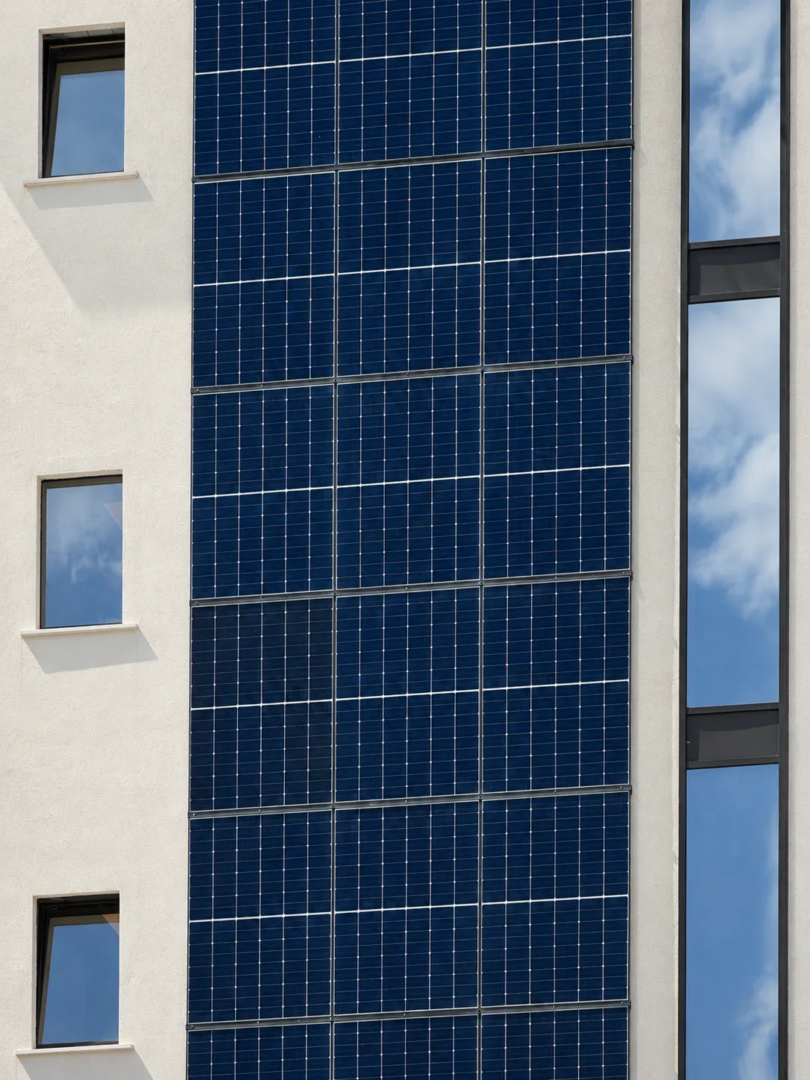
The original façade dated back to the 1950s, architecturally unremarkable, though under landscape protection. The intervention worked by layering and refinement: geometric panels doubling as photovoltaic surfaces folded into the architectural design itself, the horizontal rhythm of the balconies, a lighting system that brings the façade to life after dark. The result reads as a take on 1960s Italian modernism, with quiet nods to Gio Ponti.
Sorrento, as it happens, is a place where Ponti actually left his mark. He built the Hotel Parco dei Principi, opened in 1962, with its blue-and-white ceramics designed between 1960 and 1962, still one of the strongest images of modernist hospitality on the Coast. Ara Maris reactivates some of that same code, blue and white, geometry, ceramics, the relationship between hotel and Mediterranean light, and projects it forward into Sorrento’s hospitality future.
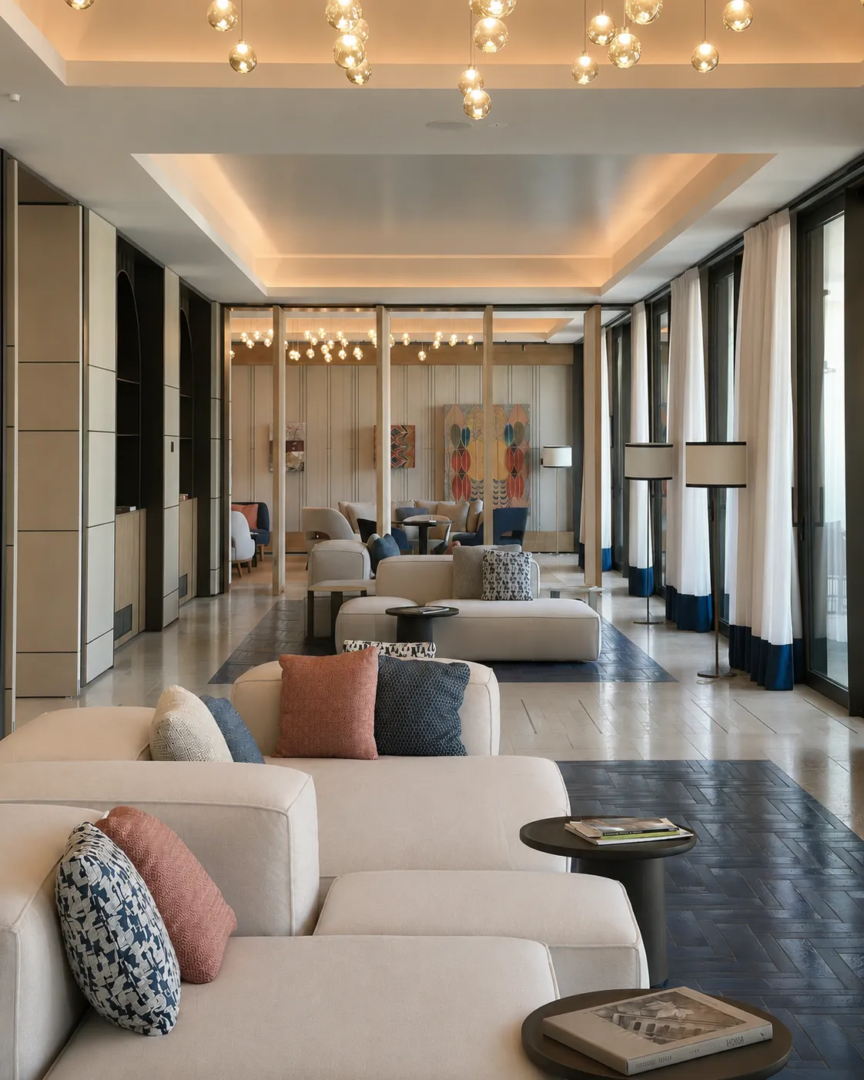
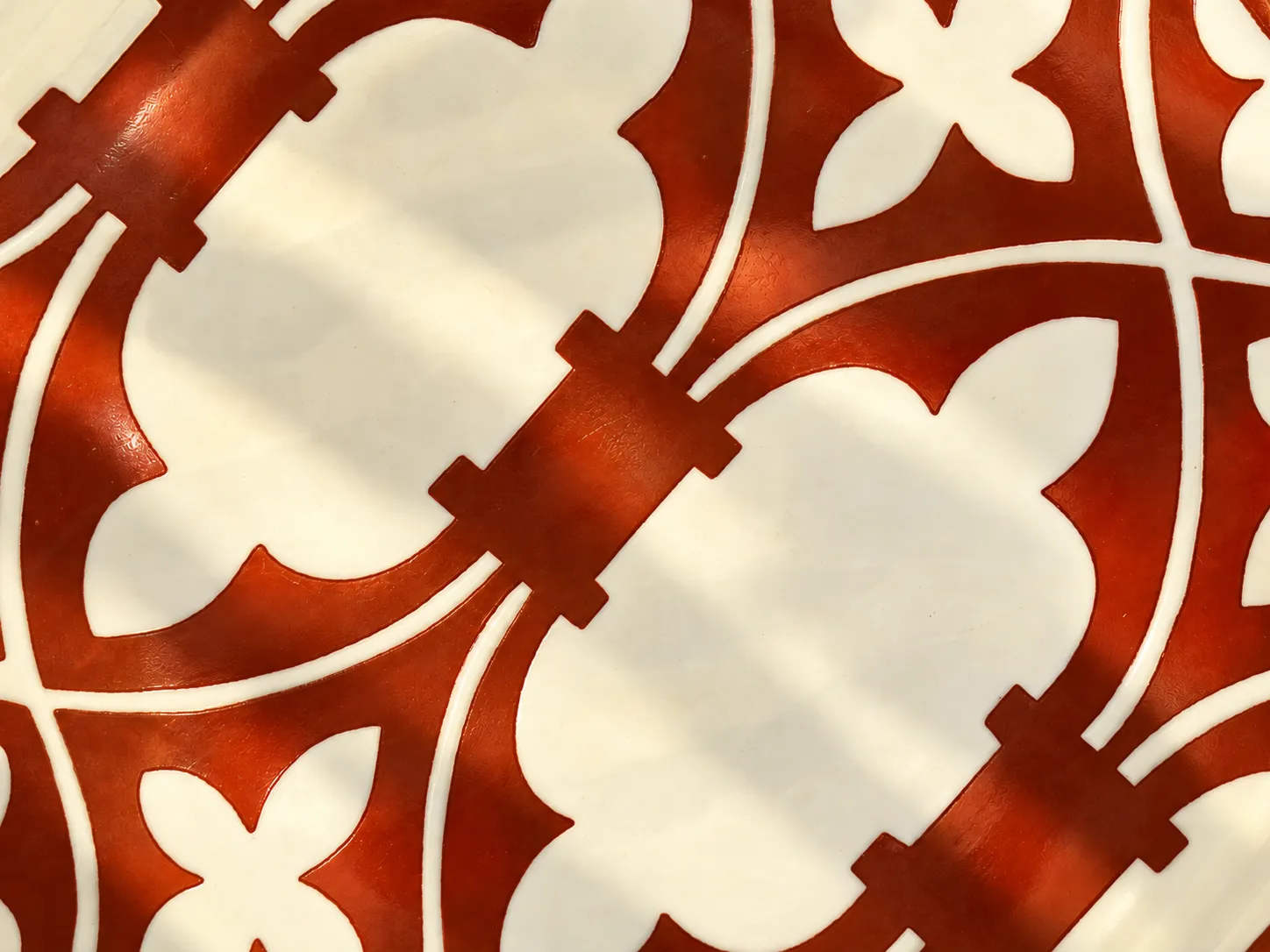
Handmade ceramics by Giovanni De Maio, Trani stone, marine-finish wood and bronze: materiality as narrative structure
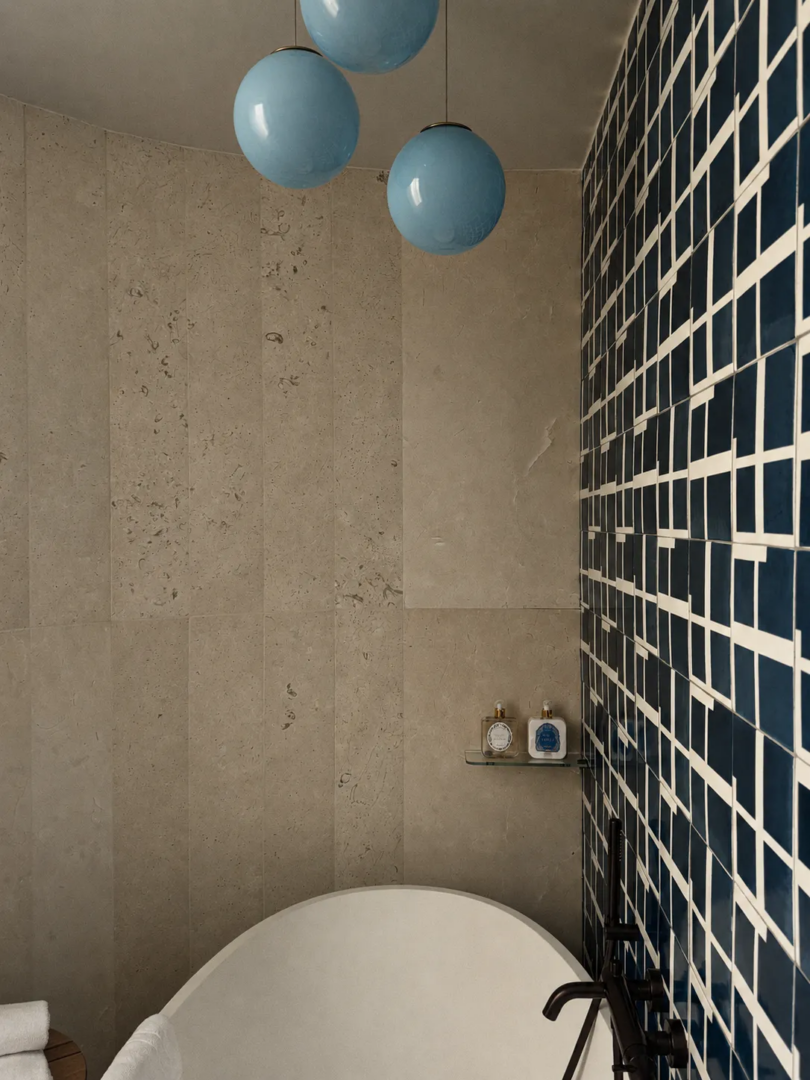
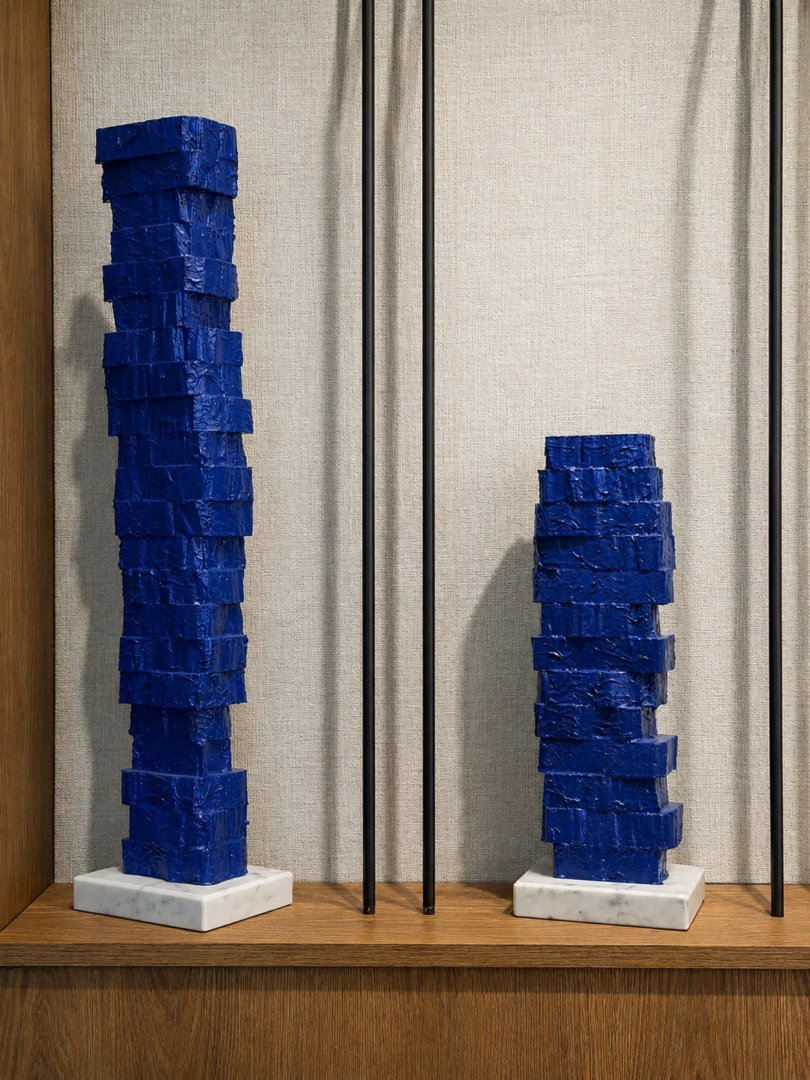
Blue is the connective thread. It shows up on the handcrafted bathroom tiles, the ceramics in the suites, the textile palette of the furniture, the patterned flooring around the pool, a rule of continuity running through façade, floors, surfaces and objects.
The dialogue with the place runs deeper still. Sorrento has its own history of worked surfaces: wood inlay, tarsia lignea, developed mostly through the nineteenth century and still preserved at the Museo Bottega della Tarsia Lignea, is one of the most codified expressions of local craft. Ara Maris taps into that same culture of worked material and serial craftsmanship through ceramics instead of wood.
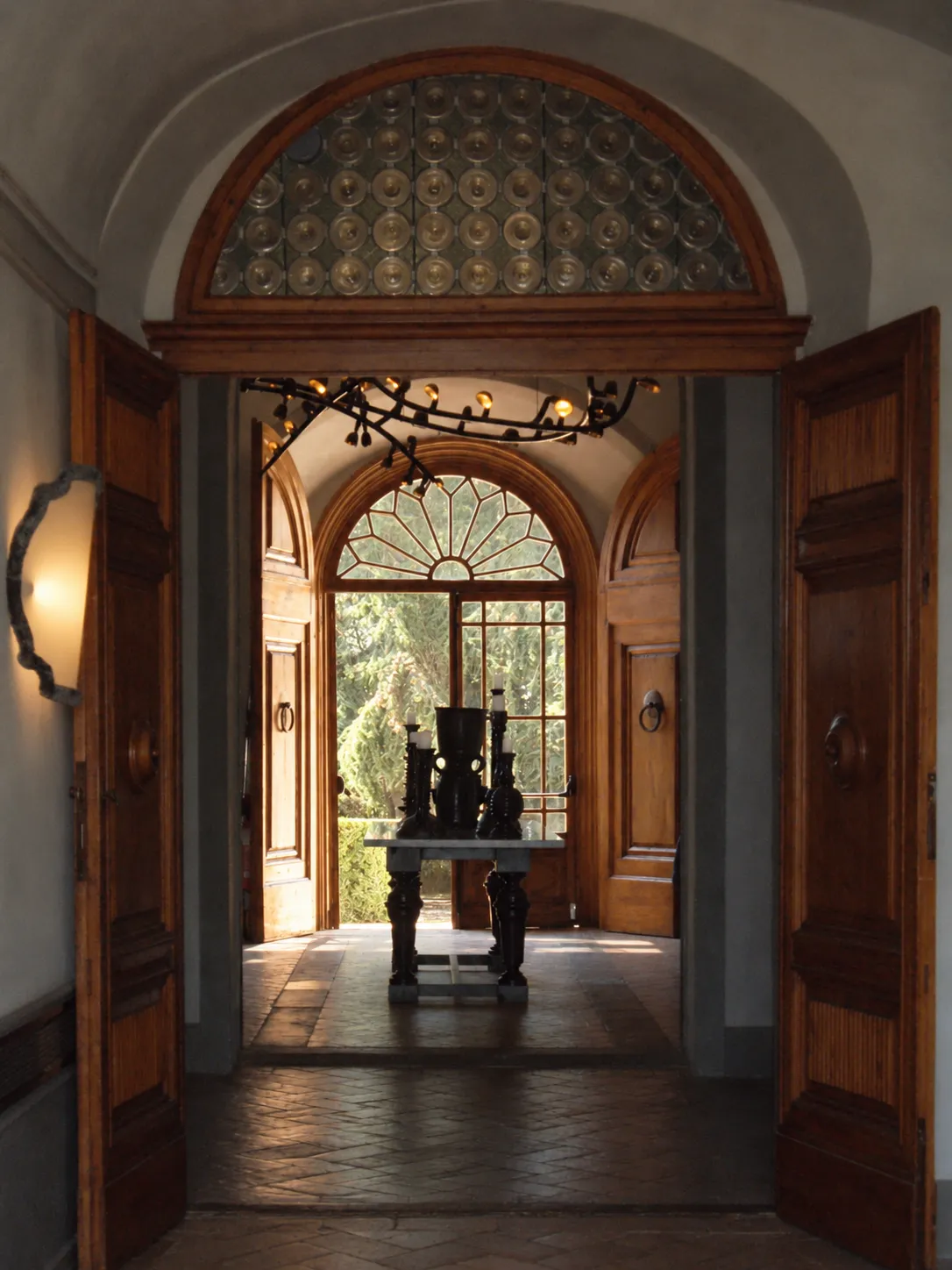
The result is a single material vocabulary, assembled almost entirely from Italian names: ceramics handmade by Giovanni De Maio on a terracotta base, most patterns designed in-house by Spagnulo & Partners; floors in Trani Biancone marble, quarried in Puglia, ivory-white with fine veining; matte, nautical-finish wood by Listone Giordano; custom furniture by Molteni&C; lighting by Panzeri, conceived as a tool for revealing the territory through its materials; bronze details and rough-textured fabrics in blue, green and red. Outdoor furnishings, for the pool, rooftop and suite terraces, come from Varaschin’s Barcode, Tibidabo, Belt, Plinto, Clever and Cricket lines.
A nearly 2,000-square-metre garden as the counter-shot to the tourist city
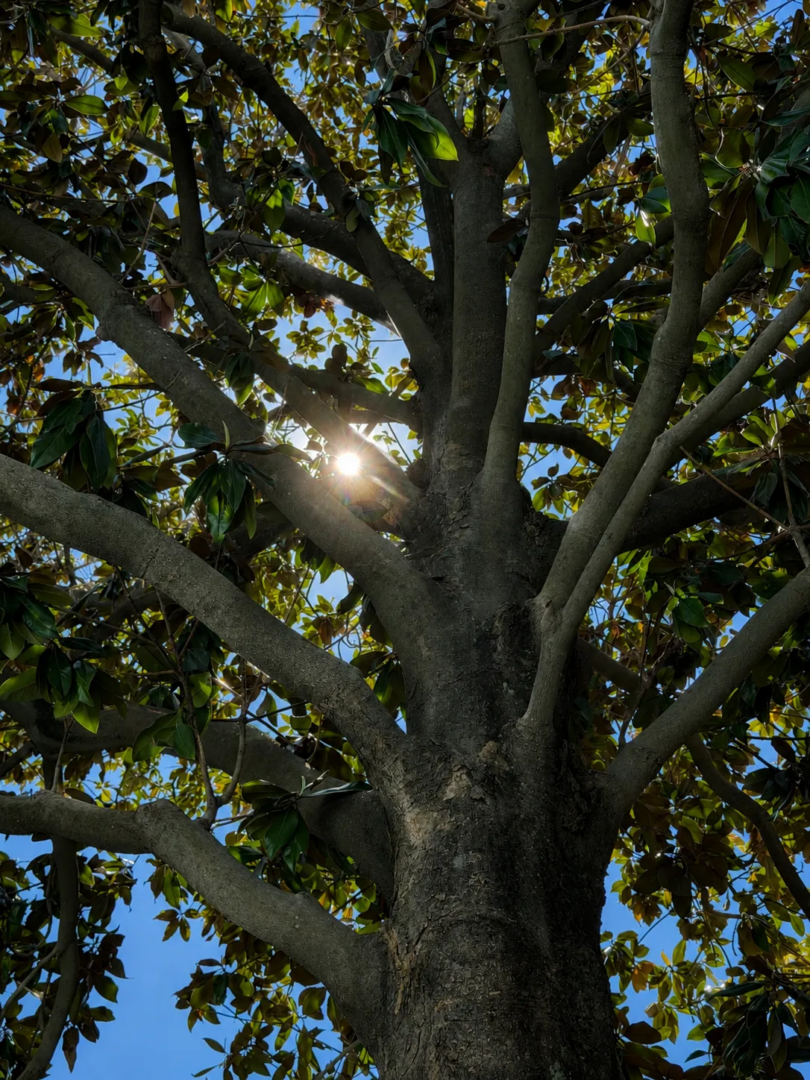
The interior garden is one of the project’s structural elements. Almost 2,000 square metres of greenery at the centre of Sorrento, with citrus trees, palms and a large magnolia, chosen together with local nurseries for their organic shapes. Information plaques accompany each plant, noting species, origin and other botanical details. In a city under constant tourist pressure, this interior space works as a device of subtraction: it pulls the guest away from the flow of Via Correale, builds a temporary silence, offers a different scale from the city outside.
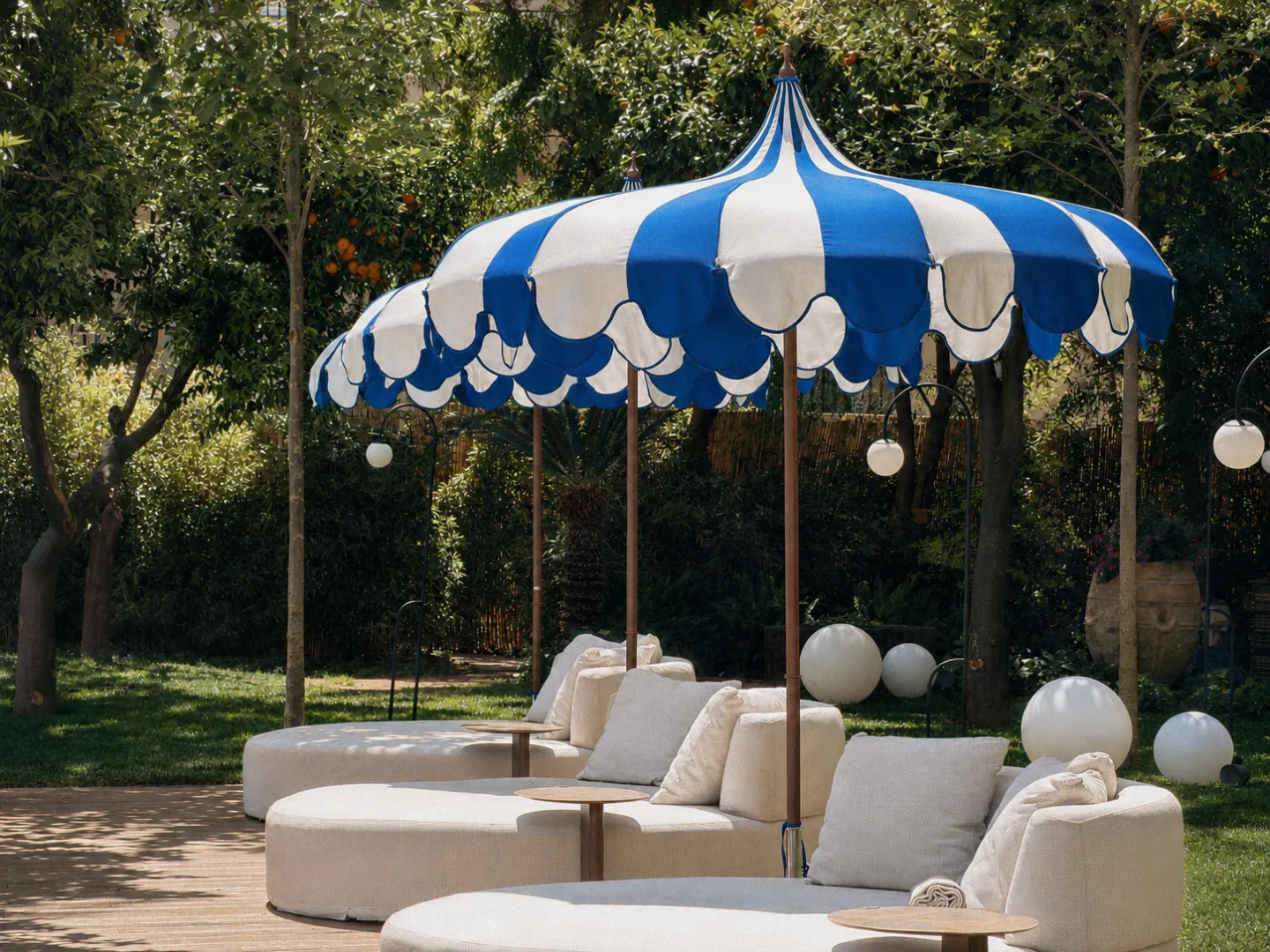
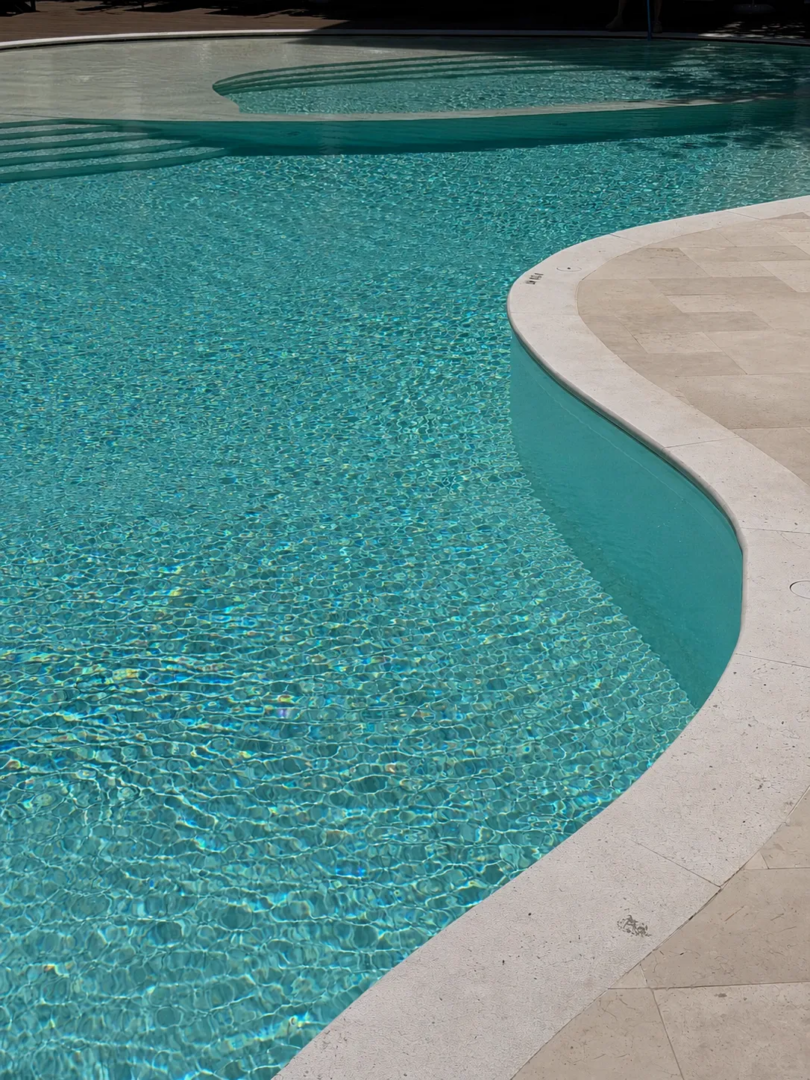
At the centre sits the heated outdoor pool, sinuous in shape and over thirty metres long. Gio Ponti once wrote: “I hate rectangular pools. Are lakes rectangular? Rivers? I want pools for nymphs.” Ara Maris’s pool answers that provocation directly, its fluid shape bringing an organic line into the inner courtyard, a visual centre that offsets the rational geometry of the façade. White-and-blue umbrellas complete the scene with the most recognisable image of la dolce vita on the Coast.

Rotating art, solar panels and local craftsmen: sustainability as an economy of proximity
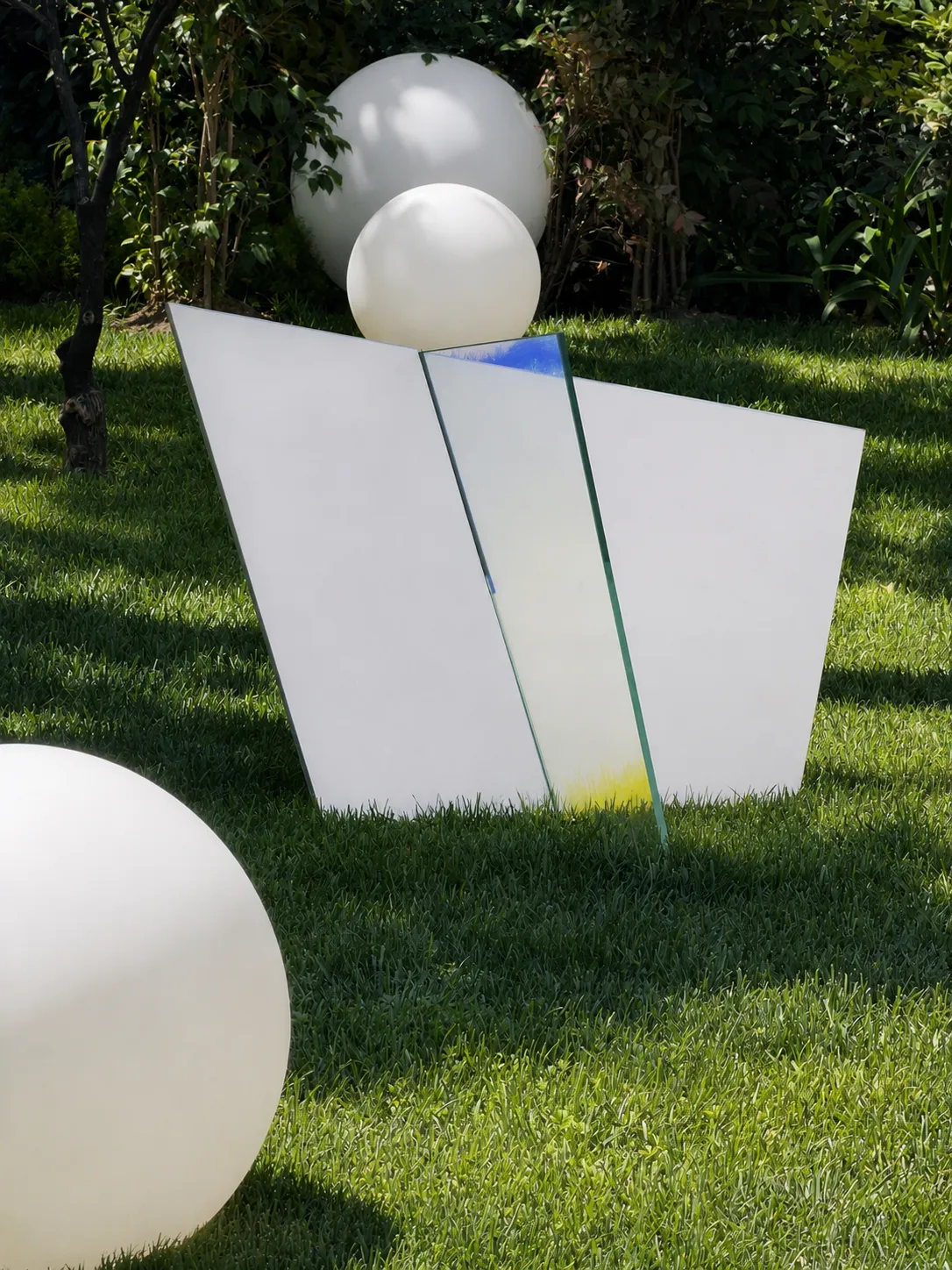
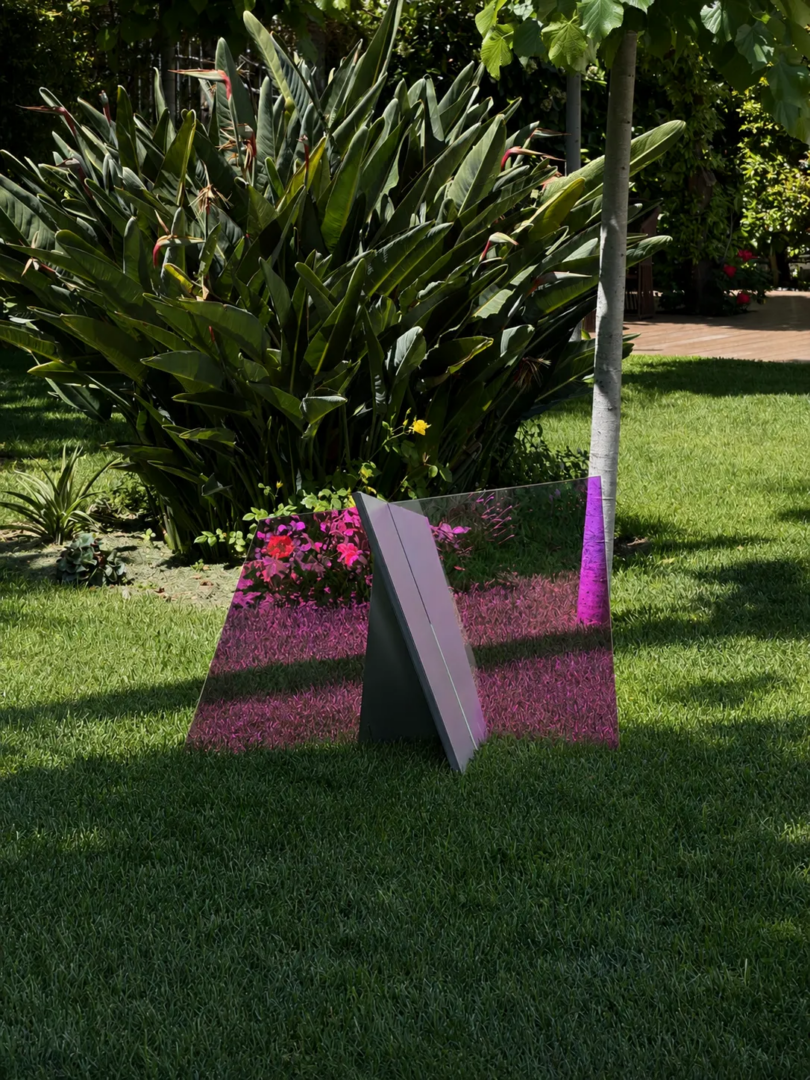
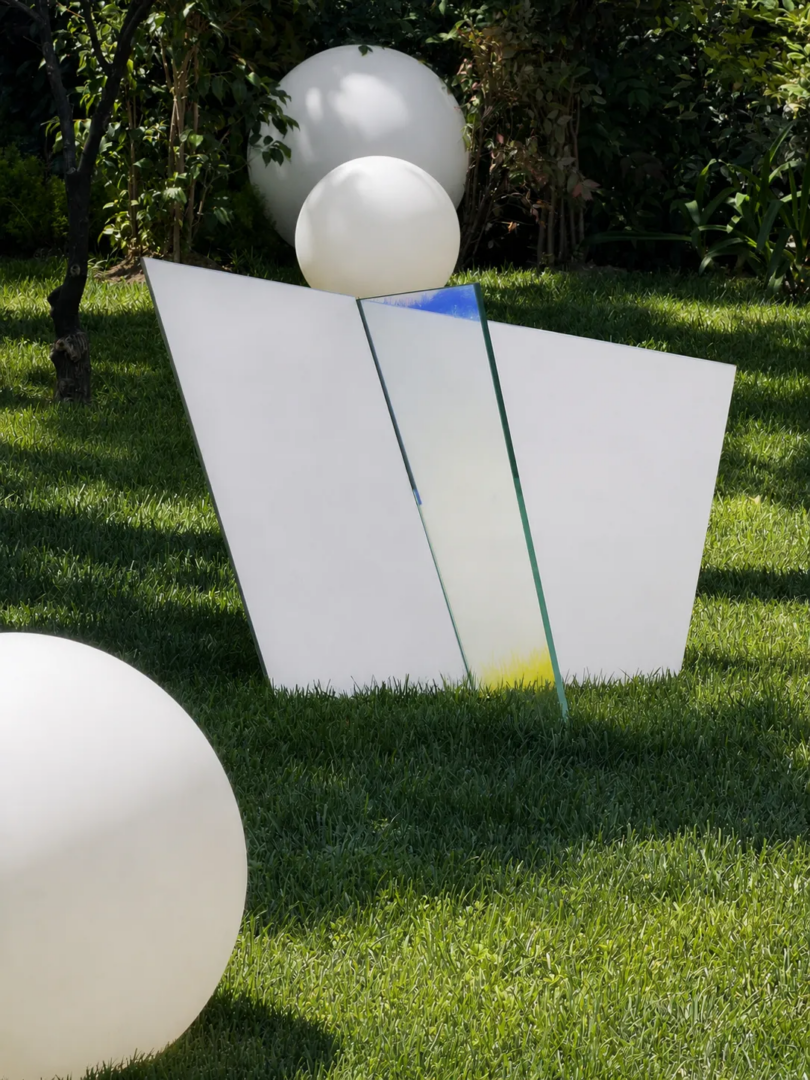
In the garden’s lawn, an installation by Matteo Negri, whose work centres on reflective surfaces and colour, sets a transparent panel that catches the light and returns it in shifting tones of green, blue, orange and violet, depending on the viewing angle and the time of day.
Art sits at the centre of Ara Maris’s identity. The common areas function as a diffuse gallery, with contemporary works rotating by season. Currently running is a collaboration with Orma Art, the Milan-based gallery founded by curator Barbara Magliocco and artist Andrea Gallotti, built around Mediterranean identity through a group of Italian and international artists.
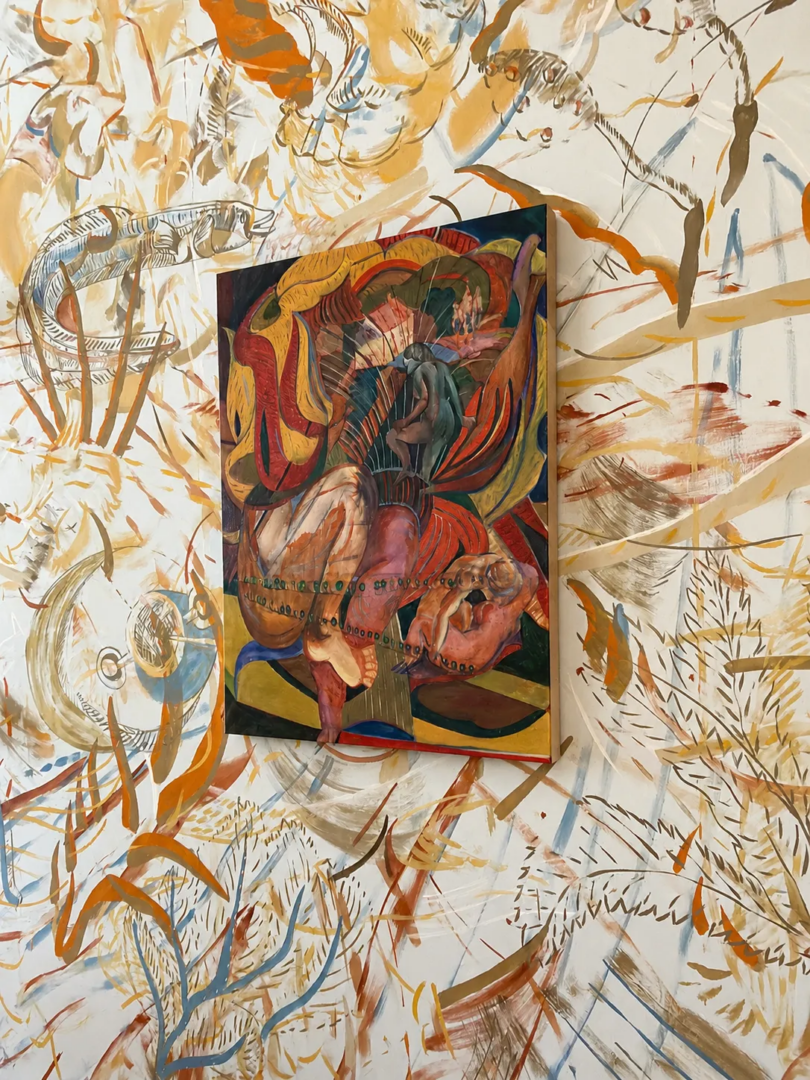
One wall just past the lobby has become a work in its own right. Casa sul Lago is a wall painting by Giulia Mangoni, painted live during a session at the hotel; once finished, the piece simply stayed, fusing mural and canvas into a single site-specific gesture. A dreamlike scene populated by creatures from an aquatic world, where vivid colours meet pastel tones in dialogue with the hotel’s design.
Lumi Sky Lounge: the rooftop over the Gulf of Naples as an open threshold between hotel and city
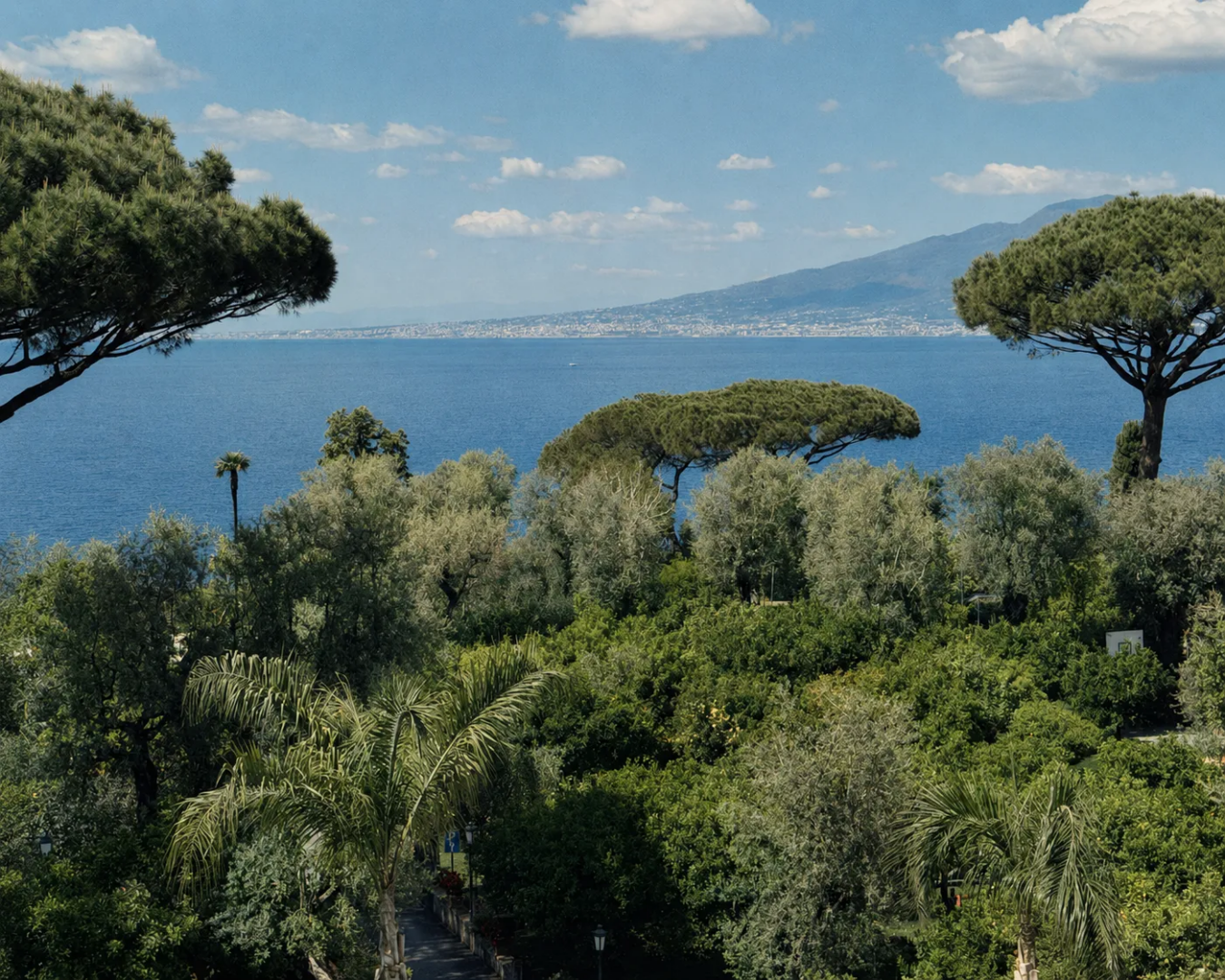
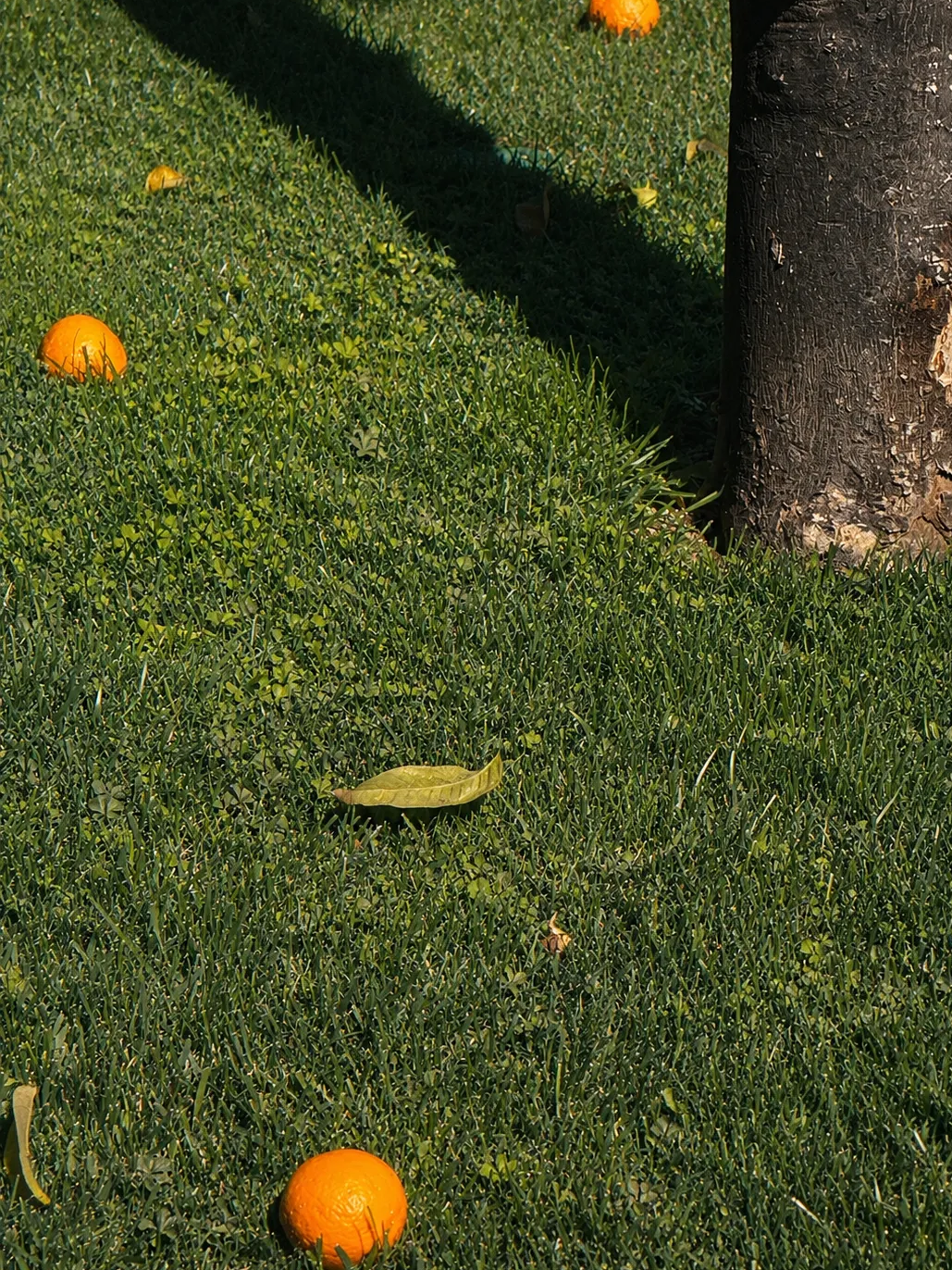
On the top floor, Lumi Sky Lounge is Ara Maris’s panoramic rooftop, looking out over the Gulf of Naples. Sorrento is known for some of the best sunsets on the Coast, and here the effect is amplified, by the height, and by the atmosphere built between the music and the food. The flooring tells its own story in light and colour, giving way to the orange of the sky as the sun goes down. A vertical wall of greenery confirms that, at Ara Maris, plants aren’t an accent, they’re a constant.
Aperitivo, gourmet tapas, small plates for sharing, signature cocktails, light dinners. Lumi is reachable by a dedicated lift open to outside guests too, turning the rooftop into a threshold between hotel and city rather than a retreat reserved for those staying in it. It’s the clearest attempt yet to make the hotel an active piece of Sorrento, not just an address inside it.
Luigi Lionetti and Ara Maris’s new culinary direction for 2026: from Capri to Le Monzù, from Venice to Sorrento
The kitchen is the most recent chapter, and the one that does the most to define what Ara Maris is trying to become. In 2026, the hotel handed its culinary direction to Luigi Lionetti, born on Capri in 1984, who trained from fifteen between hospitality school and Capri’s Ristorante Paolino, a historic address tied to the island’s lemon-grove imagery, and the Hotel La Perla in Corvara, where chef Arturo Spicocchi passed on the discipline of high-end Alpine hotel cooking. Two very different educations: island, lemons, fish on one side; mountain, technique, rigour on the other. That duality is, in effect, Lionetti’s signature, and it maps almost exactly onto what Ara Maris is asking of itself, a coastal identity disciplined by a more rigorous, less folkloric language.
In 2008 he joined the Hotel Punta Tragara in Capri, becoming sous-chef at twenty-three and later Executive Chef of the restaurant Le Monzù. He stayed seventeen years, long enough to build a personal style and, in 2019, to earn the Michelin star recognised by the 2020 Guida Michelin Italia. Around 2010 came a formative chapter working alongside Gennaro Esposito, a central figure in contemporary Campanian cooking, which anchored Lionetti in a precise line of thinking, one where territory, technique and raw ingredients carry the whole kitchen.
After the star was reconfirmed in 2023, Lionetti left Capri for Venice, splitting his time between Ca’ di Dio and the restaurant Vero Venetian Roots, another city built on water, with a culinary culture entirely its own to learn. The return to the Gulf came in January 2026, with the appointment at Ara Maris: a homecoming, in a setting that asks him to build a culinary identity from the ground up rather than inherit one.
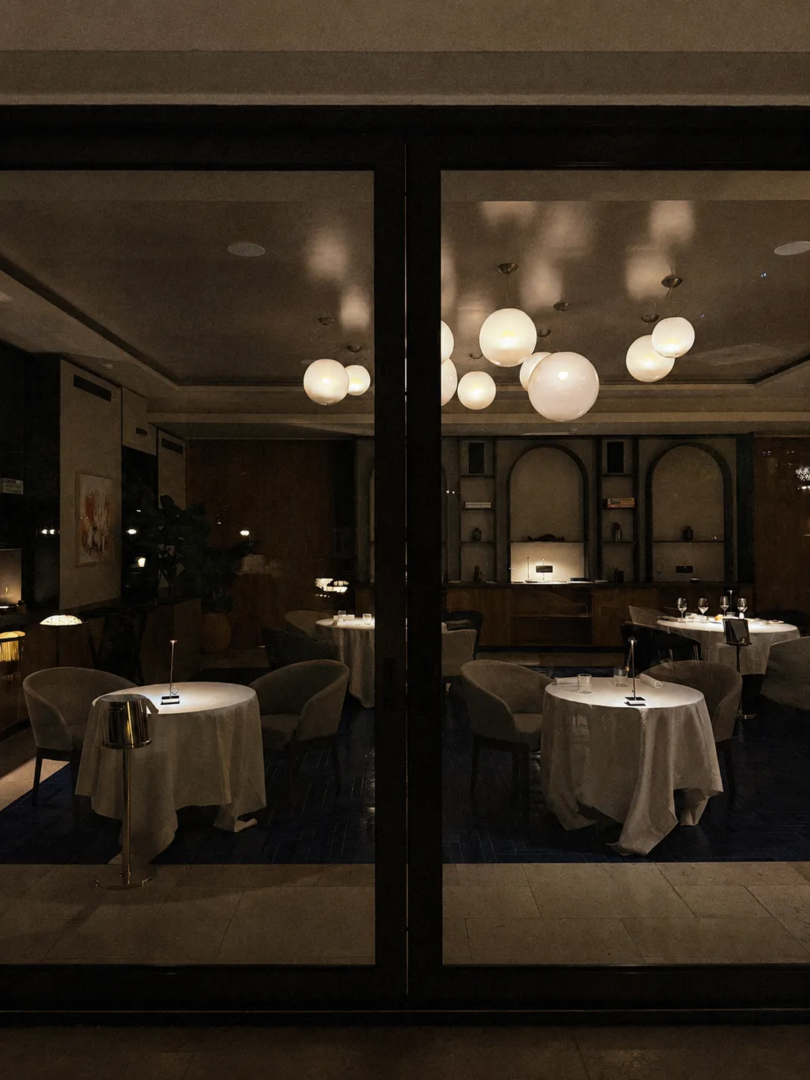
Cora, Ara Maris’s restaurant: Luigi Lionetti is aiming for a star here too
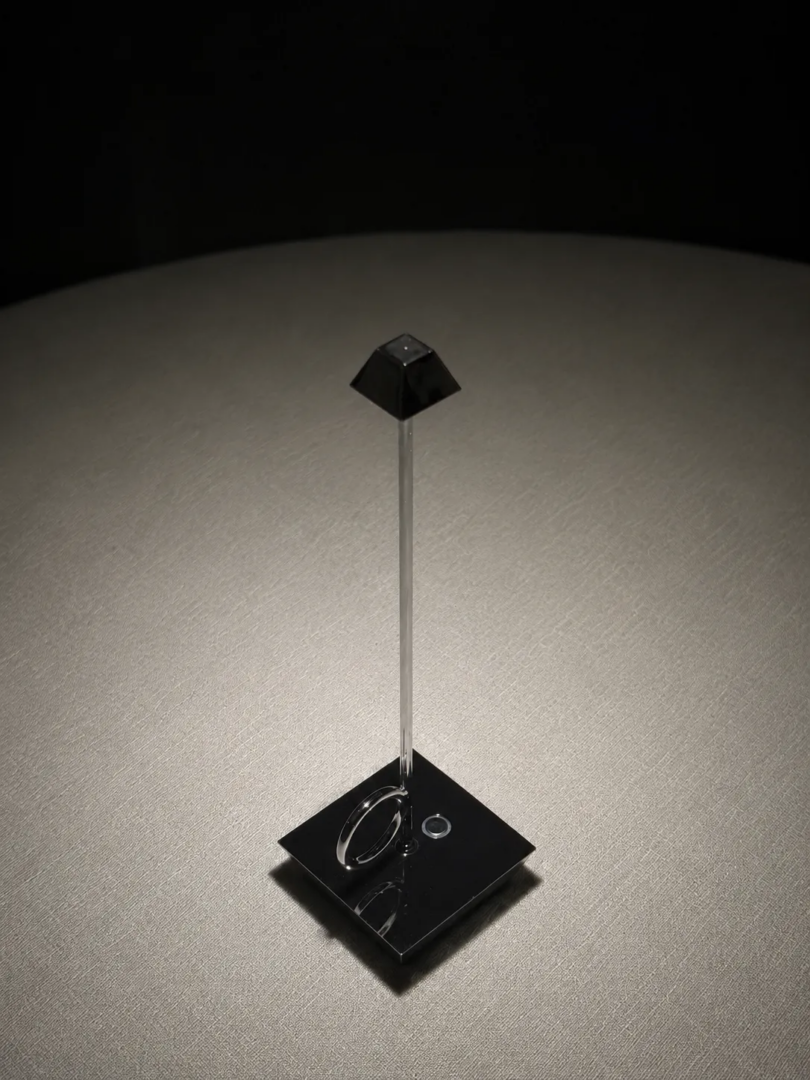
The hotel’s dining offer runs across four names, Cora, Cora Bistrot, Cora Garden and Lumi Sky Lounge, though Cora and Cora Bistrot share the same room, which changes character as the day goes on. By day it’s a bistrot, light lunches, aperitivi, an easy register in direct dialogue with the garden and the pool. By night the same space turns into Cora, the house’s fine-dining destination, where Lionetti follows every rule of contemporary high-end dining without ever tipping into formality. The lighting is carefully orchestrated, soft, elegant, drawing the eye exactly where it needs to go. Round tables, crisply pressed white linens, a steel table lamp that works like a small sculpture of light. The mood turns hushed, staff are trained to walk guests through every step of the menu, and a sommelier guides the wine pairing course by course.
The tasting menu follows the same balance that earned Lionetti his star: top-tier ingredients, technique that’s solid without showing off, dishes that never overreach. There’s a classic register rooted in Campanian tradition, and a more contemporary one, where experimentation stays tethered to the territory rather than drifting into abstraction. Lionetti, by his own trajectory, is aiming for a star here too.
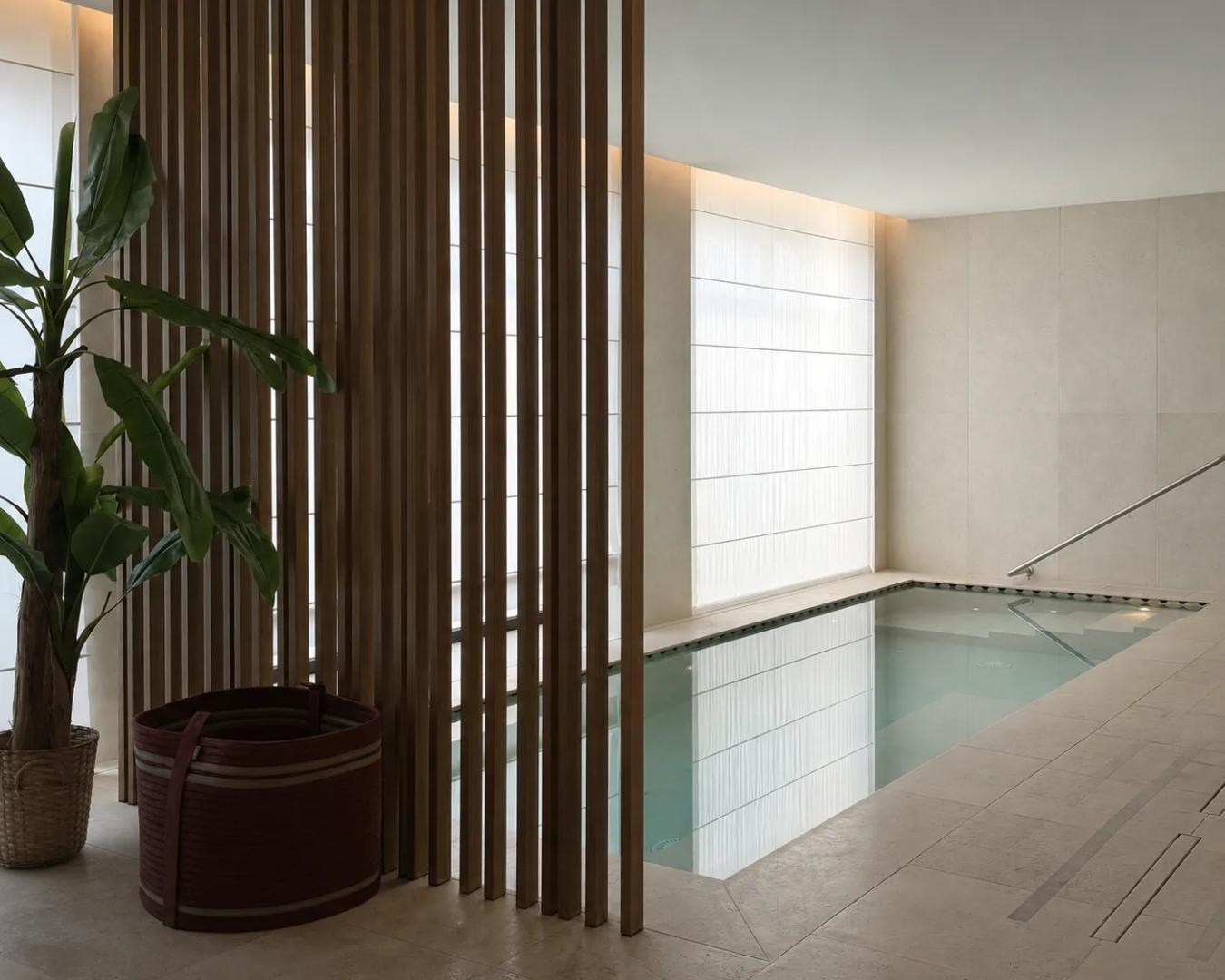
Thala Spa: lemon, coral from Torre del Greco and Japanese technology in a wellness concept built on the language of the sea
Down on the lower level sits the spa. The name comes from the Greek thalassa, sea, and Thala Spa takes it seriously: coastal light, marine scents, natural materials. Sauna, steam room, facial treatments, relaxing massages, soft lighting, low music. The Technogym gym stays open around the clock.
The Red Coral Signature Ritual blends Tui Na and Shiatsu techniques with coral sourced from Torre del Greco, a town historically tied to coral craftsmanship, a marine production tradition the spa carries over into a body ritual. The Lemon Massage uses an oil made from local Sorrento lemons, treating lemon as an active ingredient rather than a decorative note. The Sunny Massage rounds out the trio with an exfoliating ritual built for summer.
The spa works with two Italian wellness brands, Herbelia, artisanal Made in Italy skincare based near Naples, and Bakel. The Venice Head Spa multifunctional bed brings in Japanese technology for scalp treatments and advanced holistic protocols.
Matteo Mammoli