Why are you always somewhere else? Xevi Solà, some paintings
From fashion photography to Lucian Freud, by way of Jonh Cheever, Catalan painter Xevi Solà explains how he builds characters who are always somewhere else
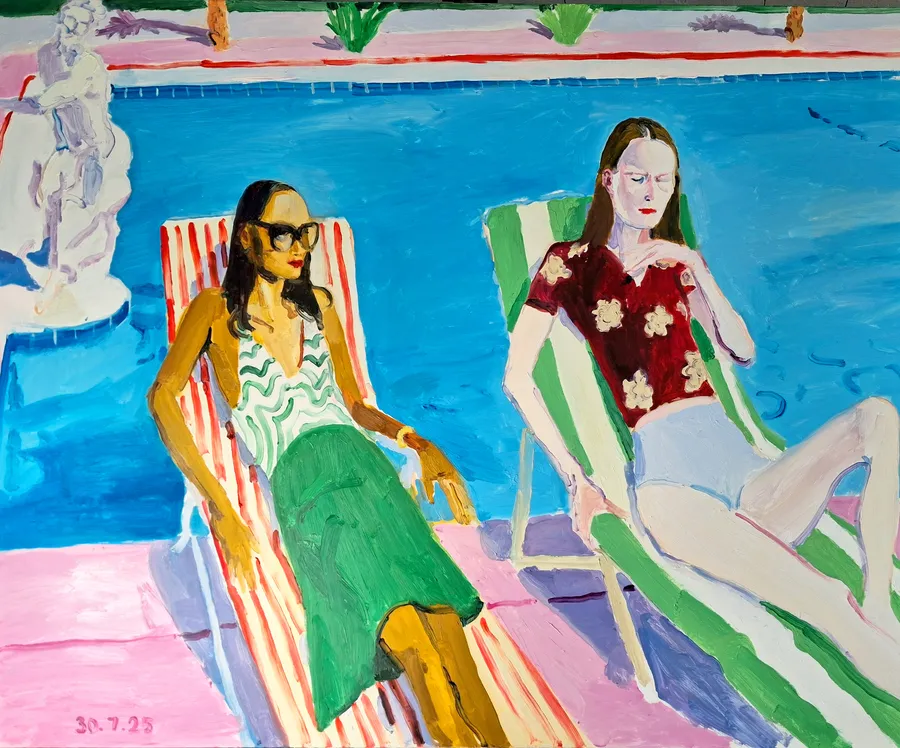
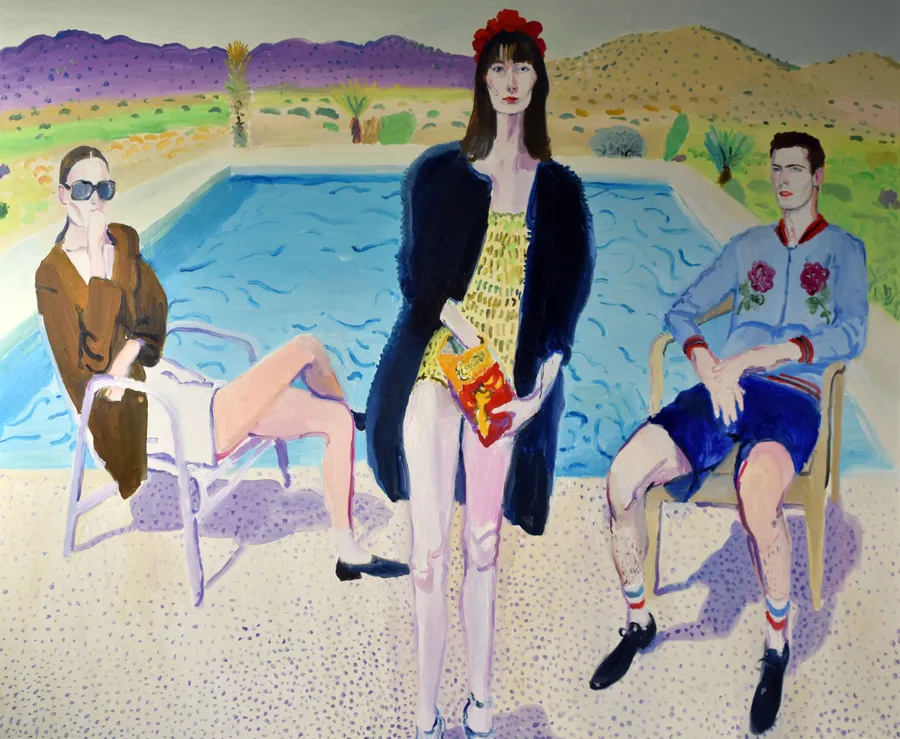
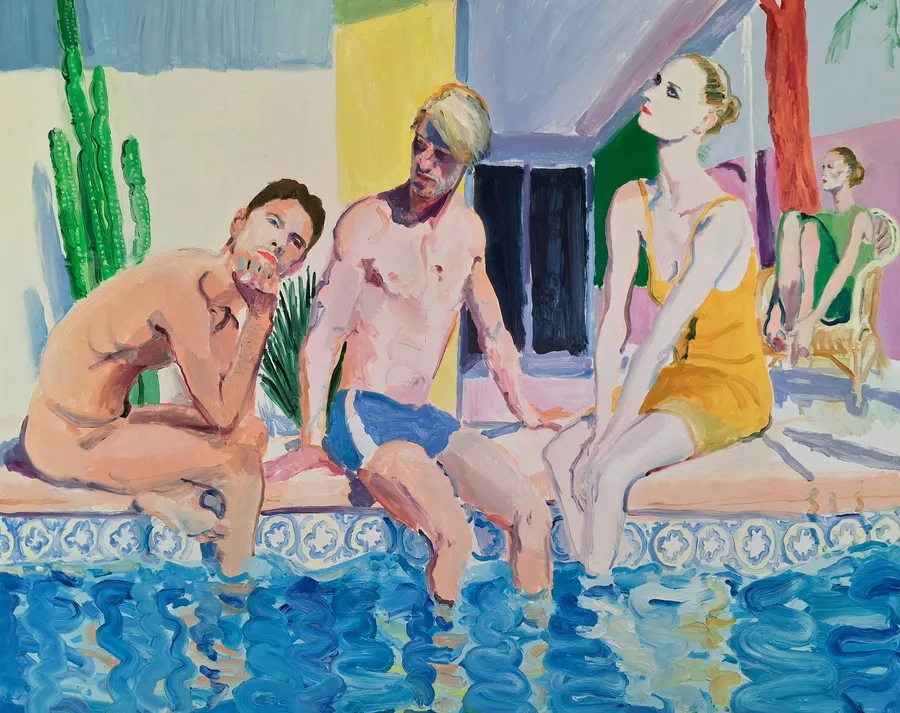
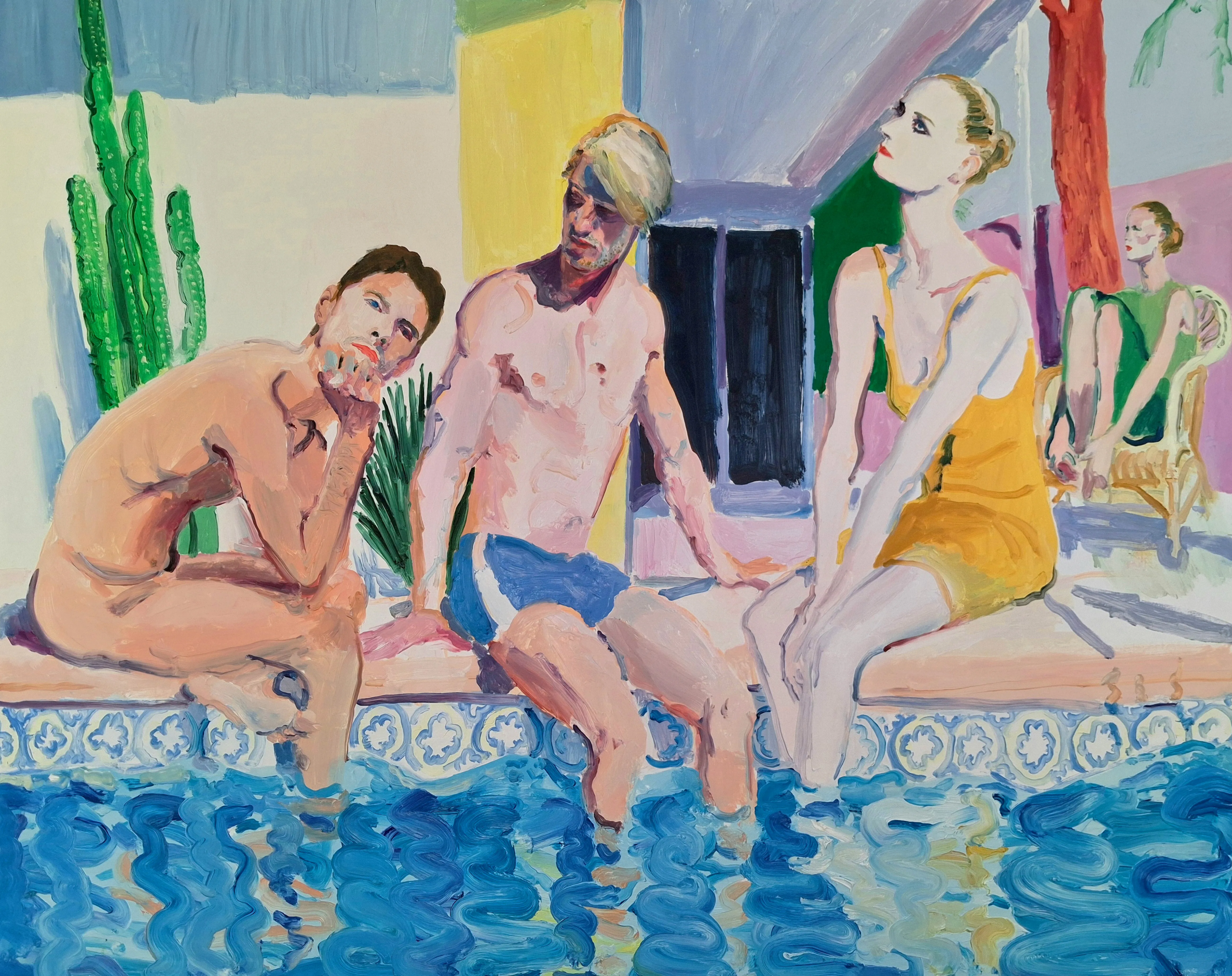
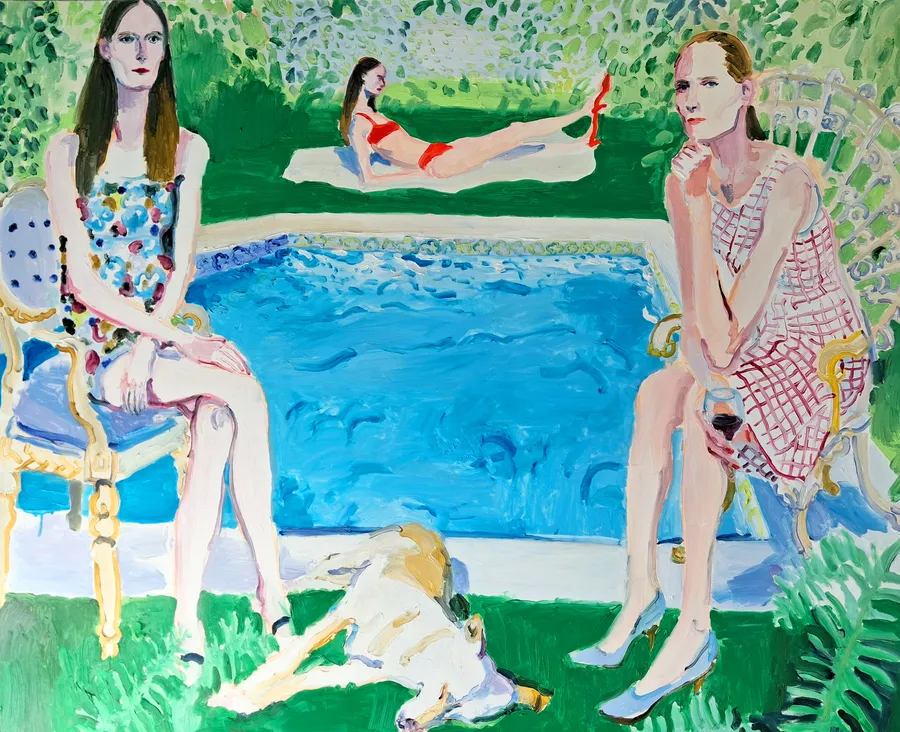
What Spanish painter Xevi Solà depicts, at first glance, seems like a seductive world — clear pools, tanned skin, a languid elegance. That mood of ease, recalling certain Slim Aarons photographs, soon reveals itself as deceptive: Solà’s characters, who should be enjoying that paradise, emerge in all their discomfort. Their gazes never meet, each closed off in their own thoughts, gray clouds gathering behind their sunglasses.
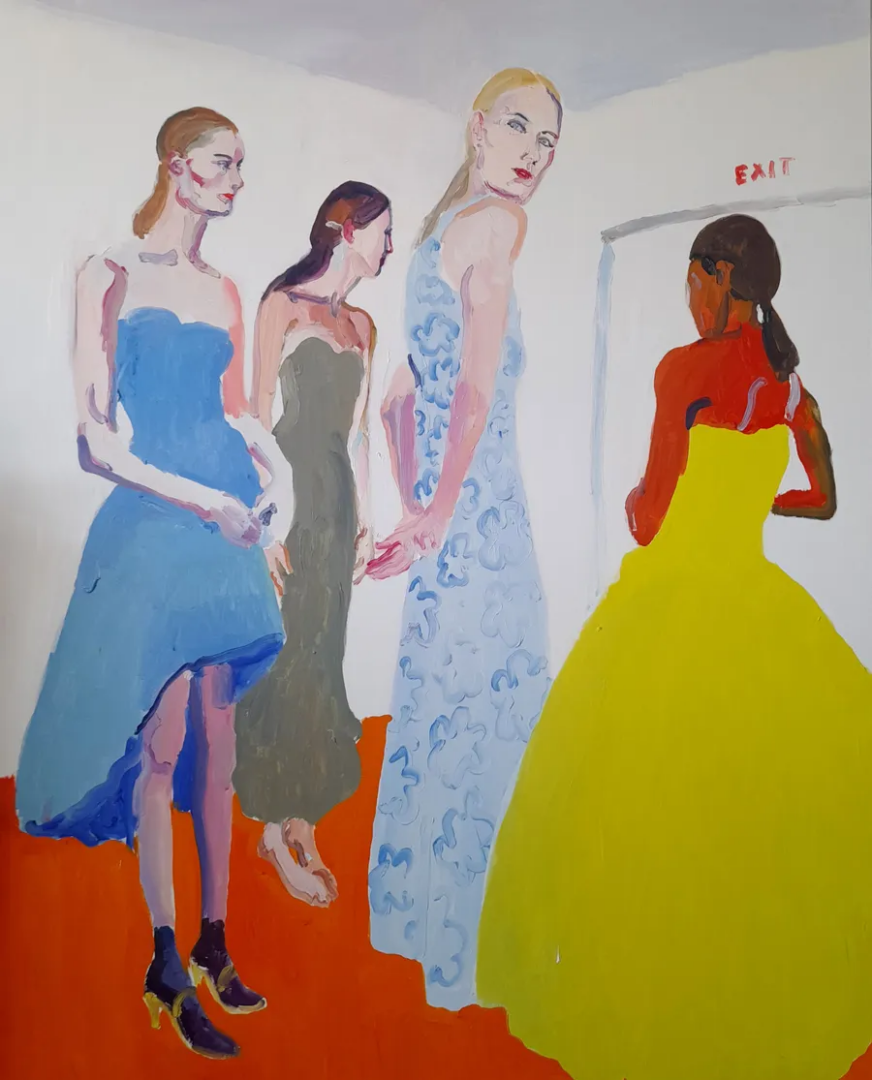
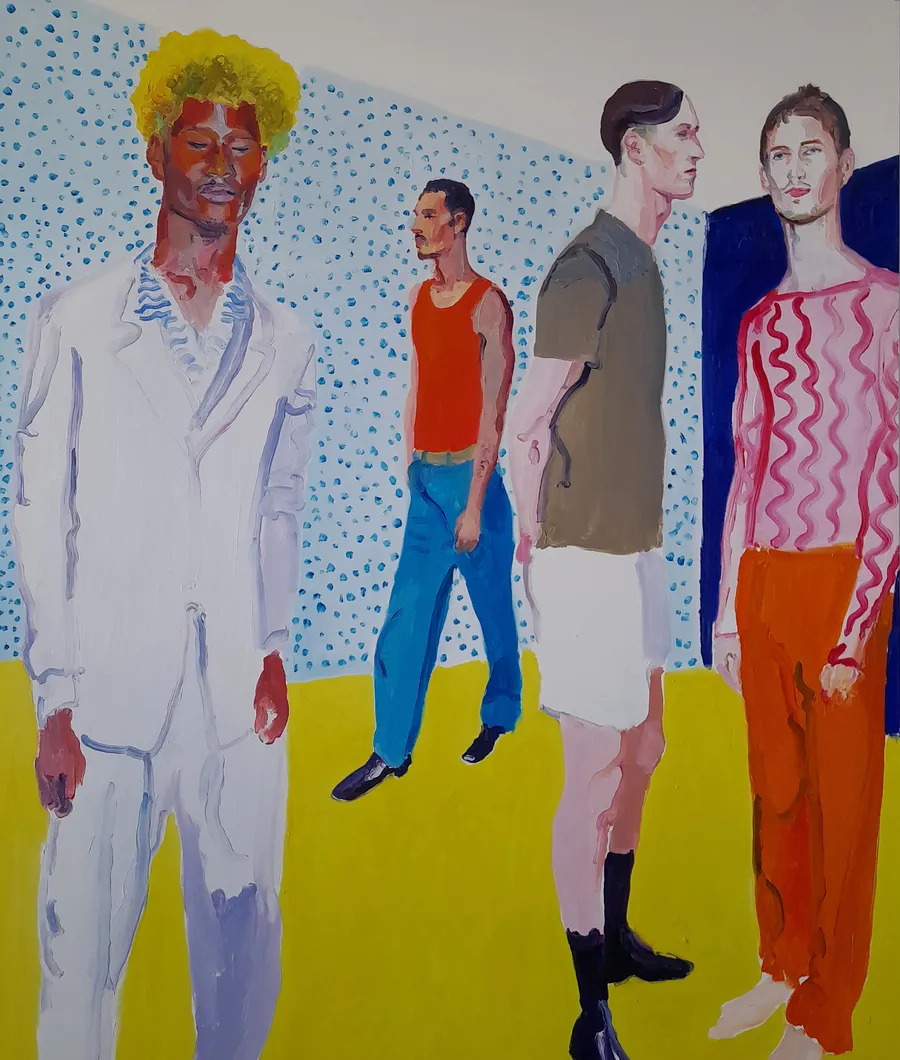
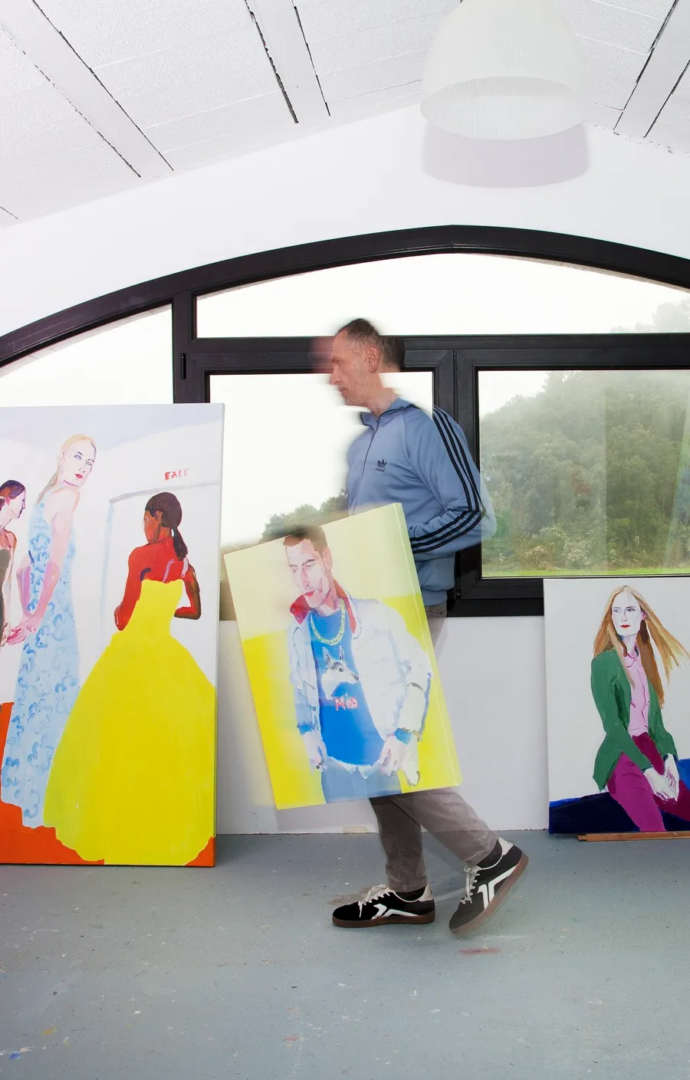
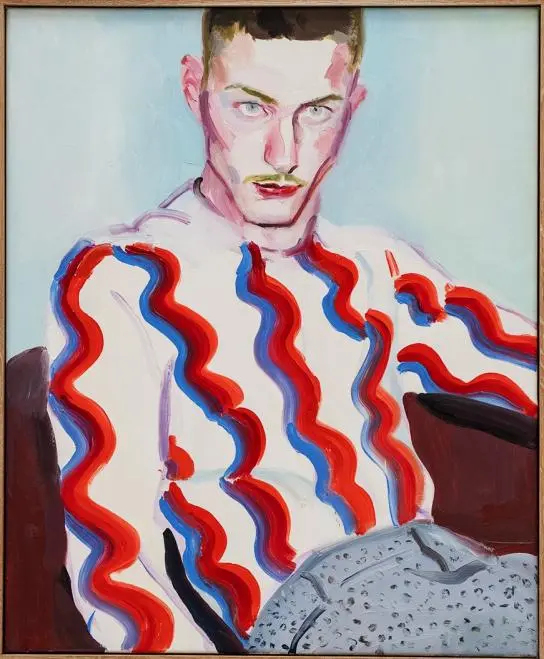
This tension between apparent calm and inner discomfort was at the heart of Endless Sun-Days, the exhibition Xevi Solà has just closed at Opera Gallery New York, moving from July 10 to the Seoul Calligraphy Art Museum under the title One Year – Scenes in Time. Solà’s portraits draw on fashion photography, film frames and mugshots, marked by a 1970s stylistic influence that meets unmistakably contemporary details. He moves within the tradition mapped out by Lucian Freud, Alex Katz and Elizabeth Peyton, sharing their cold gaze: subjects left unresolved, suspended in thoughts they are unlikely to share with anyone, least of all with whoever happens to be observing them.
Tension as method: Xevi Solà on the psychology beneath the surface
XS: A sunny day, a beautiful setting, a moment of leisure: none of it means things are simple. My paintings are built on that tension. The image has to feel attractive and familiar while something less obvious happens underneath — a gesture, a look, a pause that withholds its explanation. I avoid describing a particular thought or emotion; the image stays open. If anything remains with the viewer afterwards, I hope it’s the suspicion that the painting holds more than what it shows.
MF: Bodies in your paintings are slender, posed, on display, yet never explicitly erotic. They seem to know they are being watched and pretend otherwise. What draws you to that physicality?
XS: The body is where figurative painting starts. What draws me is presence over desire: the way someone stands, moves or looks away reveals more than a narrative could. That silent language is the subject.
Xevi Solà and the image: fashion photography, cinema and labels
MF: You work with found images — fashion photography, film frames, mugshots. Fashion photography exists to construct desire. Do you dismantle that mechanism, or use it?
XS: I choose images that already carry something: a pose, a gaze, a tension. Where an image comes from matters less than what it can become through painting. I neither dismantle the mechanisms of desire nor reproduce them. Painting builds a different relationship with the image — it lets it leave its original context and open other ways of looking.
MF: La Piscine is often cited in relation to your work: unease simmering beneath summer luxury, bodies close together, eyes that never meet. Does that distance belong to a specific world — affluent, polished, posed — or is it universal?
XS: I understand the association, but the distance in my paintings belongs to no social class. People can be together and still remain separate; the paintings live in those small moments. The settings suggest a certain lifestyle. The feeling belongs to everyone.
MF: How do you react when your work gets described through labels that, in the contemporary art world, can mean everything and its opposite?
XS: It’s an honor when someone takes the trouble to write about my painting, but I don’t know what that label means. Like many painters, I’m after a pictorial language of my own, one that lets me be sincere. When an image pulls me in, there’s a connection at work — sometimes too deep to explain.
Inside the figurative tradition: what Xevi Solà keeps and what he leaves behind
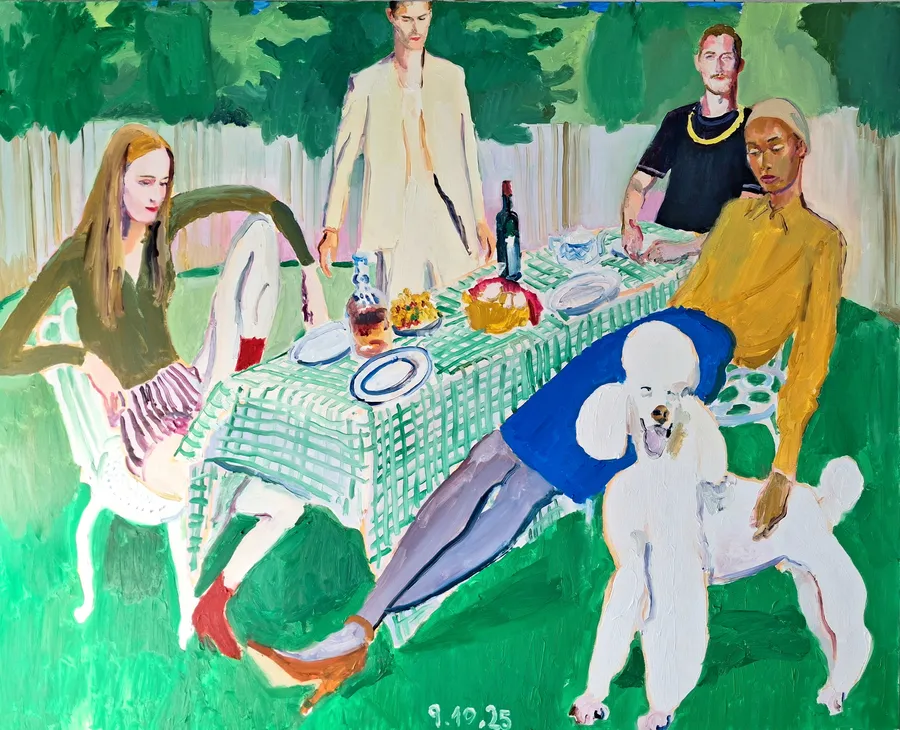
MF: You are often placed alongside Lucian Freud, Alex Katz, Elizabeth Peyton. What have you taken from that tradition, and what did you leave behind?
XS: Every painter is built from what they have looked at. From those artists I take a way of looking at the figure, the weight of presence, the idea that a painting owes no explanations. Fitting into a tradition was never the aim — I follow the images that keep returning to me.
MF: Your characters seem like strangers even to you. Who are they, and where do you find them?
XS: Most come from photographs, films, magazines: fragments of other people’s lives. What they suggest matters more than who they are. Once inside the painting they become someone else. I keep that distance deliberately — knowing everything about them would close the relationship I need to build with them.
MF: In The Swimmer, John Cheever uses the pool to tell a bourgeois life falling apart without the protagonist noticing. Your characters inhabit a similar world. Is there a critical intent?
XS: Criticism is beside the point. Those environments hold their contradictions together: beauty and emptiness, comfort and isolation, connection and distance. They are visually appealing and they reveal human behavior. I observe the tension and withhold the verdict.
How Xevi Solà keeps figurative painting alive
MF: Your paintings evoke a 1970s aesthetic, yet the details are unmistakably contemporary. How do you work with that temporal short-circuit?
XS: The 1970s give me the light, the colors, the simplicity of composition. The present gives me everything else, because that is where we live. I like an image that feels familiar and refuses to be placed in time.
MF: Figurative painting is often called an exhausted language. Your work seems to prove otherwise, without turning it into a theoretical statement. How?
XS: Figurative painting still has possibilities; each painter has to find their own way in. Mine runs past the representation of the figure: the gesture, the colour, the atmosphere carry the personal and expressive weight of the image.
Marco Frattaruolo