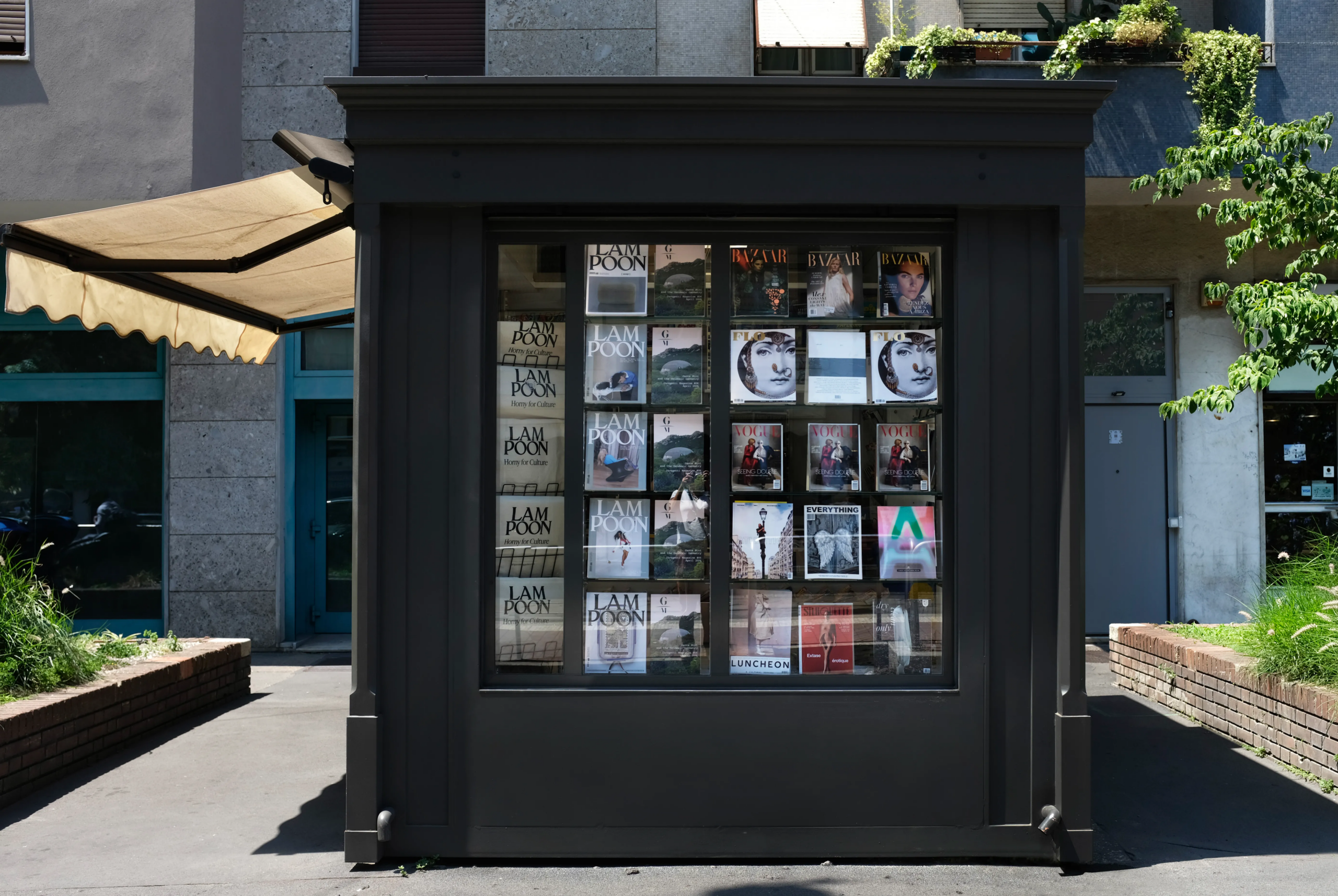
Athenaeum Boekhandel & Nieuwscentrum, Amsterdam. A printed archive on the Spui
Founded on the Spui in 1966, Athenaeum Boekhandel & Nieuwscentrum is a multi-floor archive of Dutch and international literature, academic titles, magazines, and periodicals at the heart of the city’s print culture
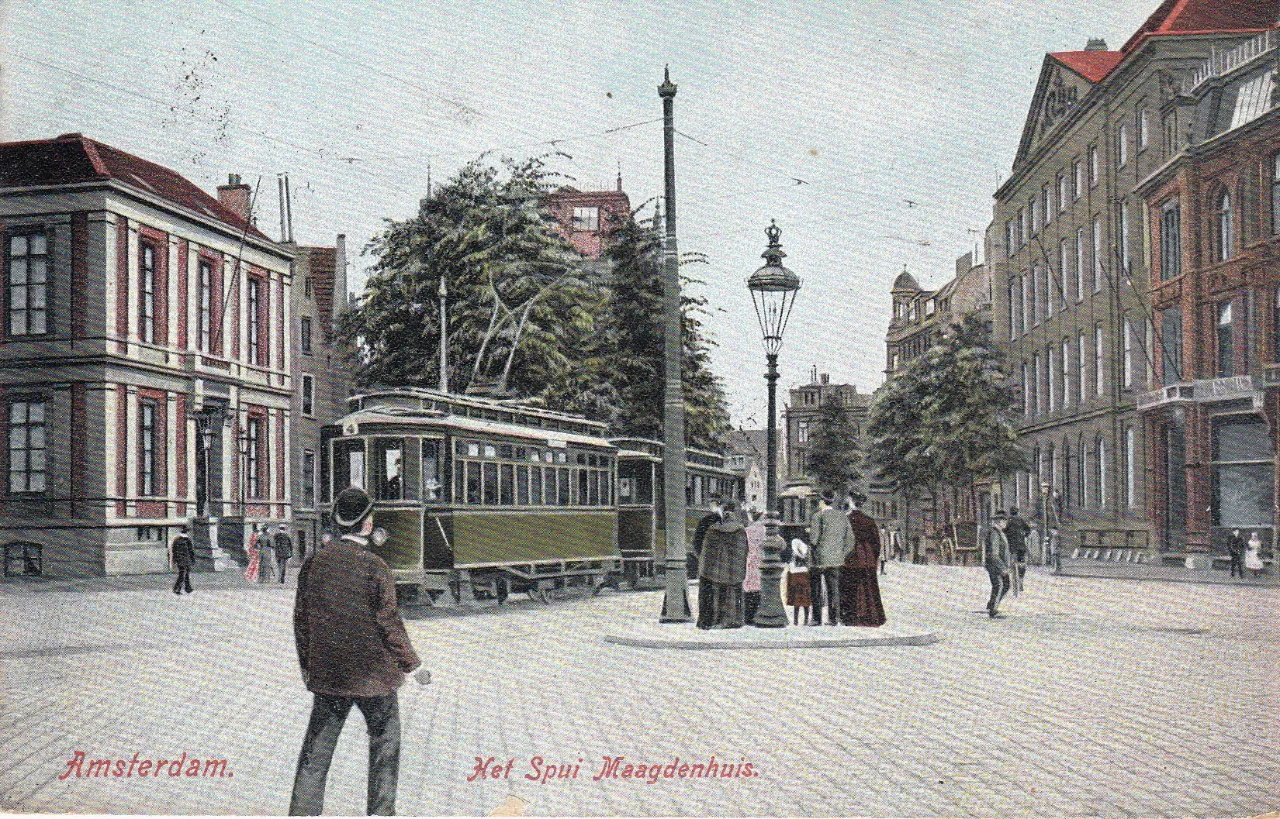
In Amsterdam’s historic Spui, a square shaped by weekly book markets, independent publishers and urban passage, the bronze figure of Het Lieverdje stands near the entrance of Athenaeum Boekhandel & Nieuwscentrum. The small statue, created by Carel Kneulman, belongs to the civic mythology of Amsterdam: a street boy, mischievous and alert, positioned at the threshold of a building that has functioned as a centre of print culture since 1966.
Athenaeum occupies a white Dutch Baroque building at Spui 14–16. Red and white awnings mark the entrance. Behind the illuminated windows, book covers, magazines and newspapers form a dense surface of paper, colour and typography. The shop presents itself before one enters — not as a neutral retail space, but as a layered archive open to the street.
Inside Athenaeum Boekhandel: layout and catalogue
Inside, shelves climb across several floors. Black bookcases, tables and island displays divide the rooms into aisles, corners and narrow routes. The plan is not linear. Customers move through literature, essays, art books, academic titles, children’s books, classics and magazines. LED signs give structure to the search, yet the shop also works by drift: one title leads to another, a cover interrupts the route, a section becomes a detour.
Athenaeum’s strength lies in the range and rigour of its selection. Dutch literature sits beside international fiction. Classical antiquity, history, politics, philosophy, art, design and current affairs form the core of the catalogue. The shop has long maintained a serious academic identity, visible also in its attention to ancient languages and editions such as the Loeb Classical Library, held at the Spui store since its founding year.
Historical background of Athenaeum Boekhandel & Nieuwscentrum
Athenaeum Boekhandel opened on the Spui in 1966, founded by Johan Polak and Rob van Gennep — figures tied to Amsterdam’s literary and publishing culture. The bookshop began inside a former art shop and quickly became a meeting point for readers, writers, students, translators and editors.
In 1969, Athenaeum expanded with the creation of the Nieuwscentrum, adding newspapers, magazines, periodicals and independent publications to its identity. The move changed the scale and character of the shop: Athenaeum was no longer only a bookstore. It became an address where literary publishing, journalism, academic thought and magazine culture converged.
The publishing house Polak & Van Gennep later separated from the bookshop and merged with Uitgeverij Querido. Athenaeum continued as an independent bookseller. In 1976, it restructured its ownership and offered co-ownership to staff, consolidating its position as a shop rooted in editorial independence rather than corporate uniformity.
Athenaeum | Scheltema and the current structure
The most significant recent development came in 2024, when Athenaeum Boekhandel BV acquired the shares of Boekhandel Scheltema from Novamedia, with retroactive effect from 1 January 2024. The operation brought together two historic Amsterdam booksellers: Athenaeum, founded in 1966, and Scheltema, founded in 1853.
The two names continue to carry separate identities. Athenaeum remains linked to the Spui, to literary culture, academic publishing and magazine journalism. Scheltema retains its position as one of Amsterdam’s large general bookshops. Together, they now operate under the Athenaeum | Scheltema platform, combining several bookshops across Amsterdam and Haarlem: Scheltema, Van Rossum, Athenaeum Boekhandel Spui, Het Martyrium, Athenaeum Haarlem and Athenaeum Zuidoost.
The online platform extends this network beyond the physical shop, with a catalogue listing more than eight million titles. The website also functions as an editorial space — reviews, reading fragments, interviews, recommendations, podcasts and articles — preserving the shop’s dual nature: local and digital, rooted in Amsterdam yet connected to a wider reading public.
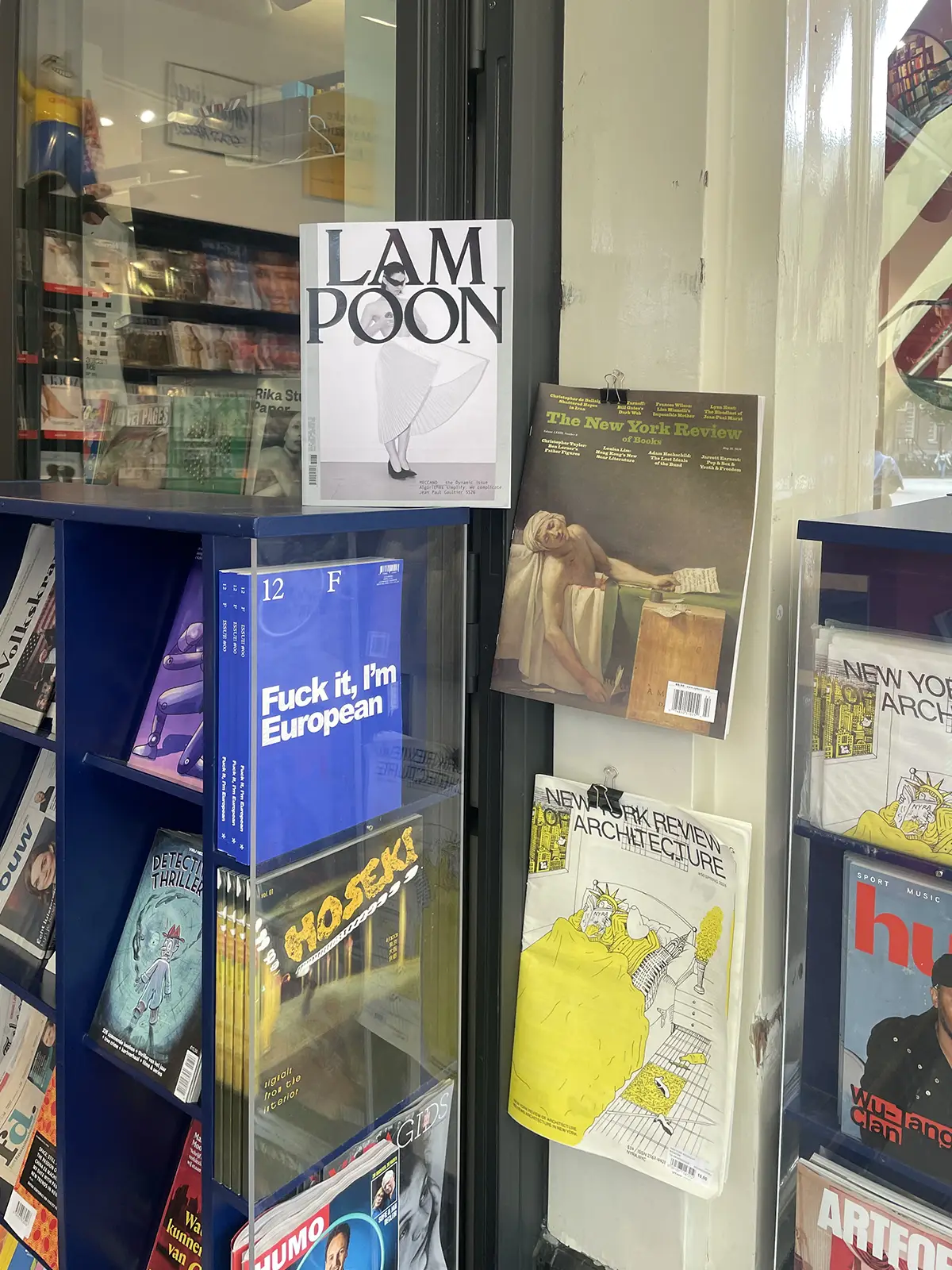
Athenaeum Nieuwscentrum and magazine culture in Amsterdam
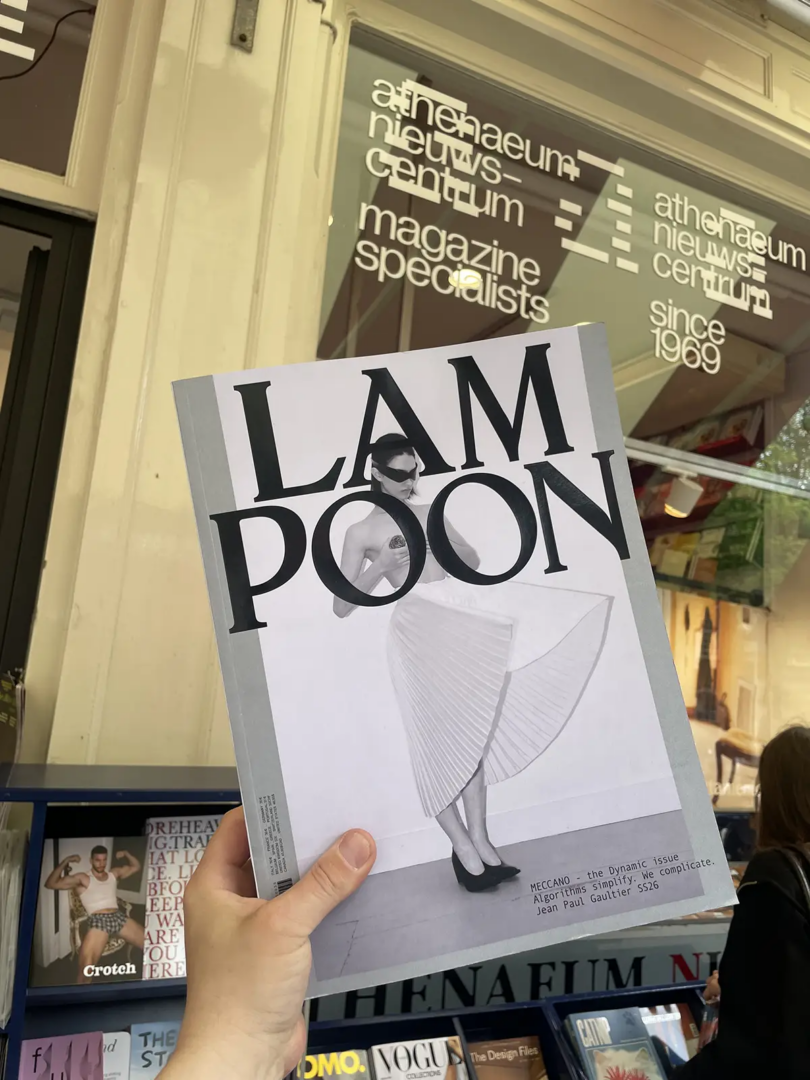
The Nieuwscentrum remains one of Athenaeum’s defining elements. Since 1969, it has specialised in magazines, newspapers, zines and periodicals, with a selection spanning Dutch and international titles across current affairs, design, art, fashion, photography, architecture, food, literature and independent culture.
This part of the shop matters because magazines require a different kind of attention from books. They are faster, more fragile, often more visual. They register shifts in language, taste, politics and image-making before those shifts enter the book market. Athenaeum Nieuwscentrum gives that printed material a permanent address in the city.
The magazine shelves also account for the shop’s mixed public. Local readers come for Dutch literature and essays. Students come for academic books. Designers and editors scan the periodicals. Collectors and researchers return for titles difficult to find elsewhere. Athenaeum does not reduce this diversity to a decorative idea of culture: its identity is built through stock, selection and continuity.
Lampoon review: Athenaeum Boekhandel & Nieuwscentrum, a printed archive on the Spui
Athenaeum Boekhandel & Nieuwscentrum is not simply large. Its relevance lies in the way it organises abundance — holding together the logic of the academic bookstore, the independent magazine kiosk, the literary house and the neighbourhood shop within a single address.
The space does not erase the physical labour of bookselling. Piles, tables, shelves, signs and narrow passages structure the experience. Nothing feels frictionless. The customer must look, pause, turn, compare. The shop demands time, and that demand is part of its value.
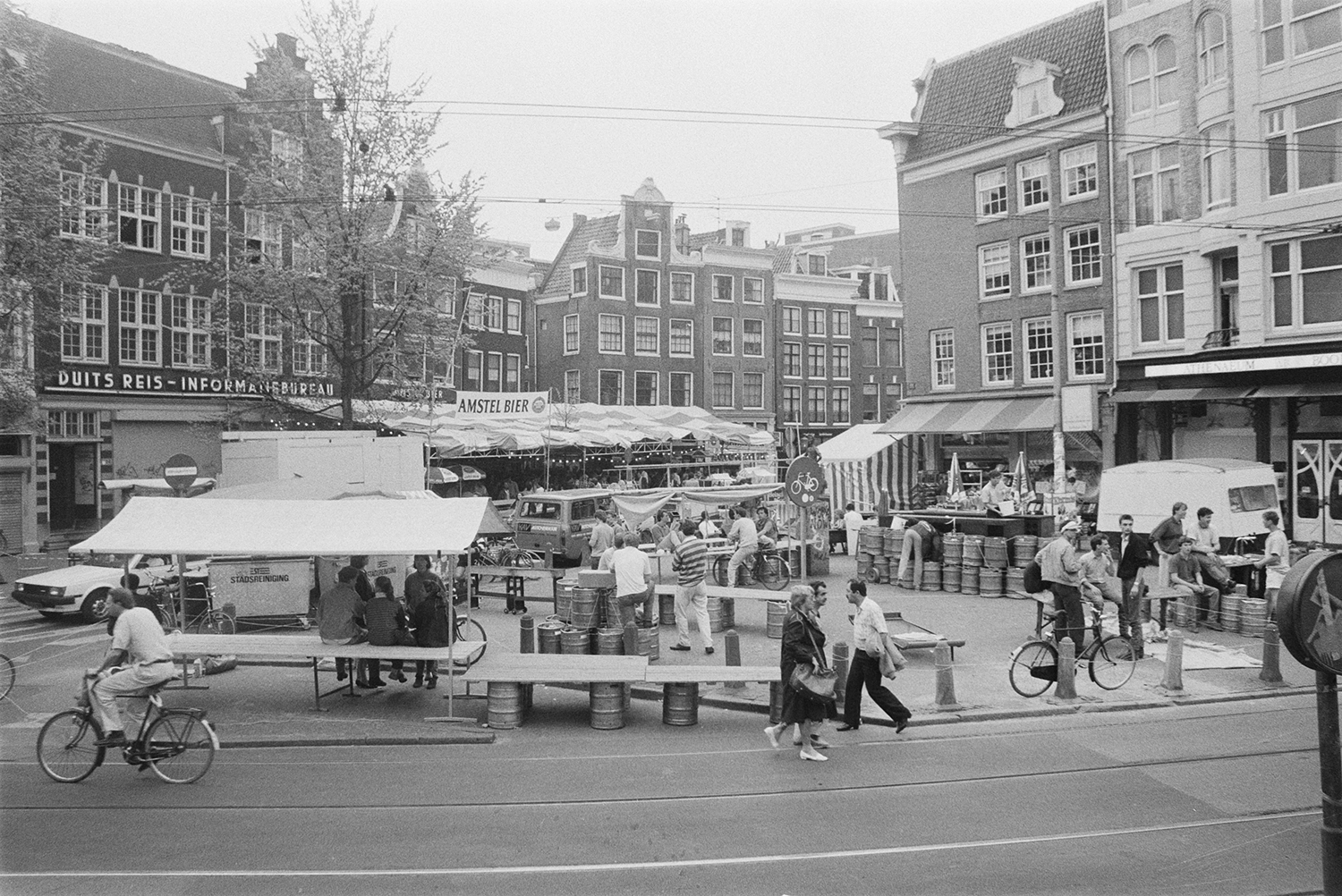
The Spui address reinforces this role. The square is already associated with books, public debate and urban reading habits. Athenaeum turns that association into a permanent interior: outside, the weekly book market keeps the tradition visible; inside, the shop extends it through contemporary publishing, international magazines and editorial programming.
The result is a bookshop that still behaves like a cultural infrastructure — one that filters, preserves and displays the printed present. In an urban economy shaped increasingly by speed, tourism and digital consumption, Athenaeum remains committed to a slower form of circulation: readers moving through paper, editors through magazines, students through shelves, writers through other writers.
Athenaeum Boekhandel & Nieuwscentrum, Spui 14–16, 1012 XA Amsterdam.