Between Fire and Fermentation: Inside a Contemporary Culinary Laboratory
Moving through cultures – Yapa beyond Milan with an opening in Antiparos, extending a project built around movement, local relationships and changing landscapes.
Milan’s dining scene and the place of Yapa
Milan’s restaurant landscape has changed considerably over the past decade. The old discussion about tradition versus innovation feels increasingly outdated, replaced by a generation of projects that focus on process, technique and the work that happens behind the scenes. Many kitchens now build their identity around research, fermentation, preservation and long-term relationships with producers, treating a meal as a sequence of connected ideas rather than a collection of individual dishes.
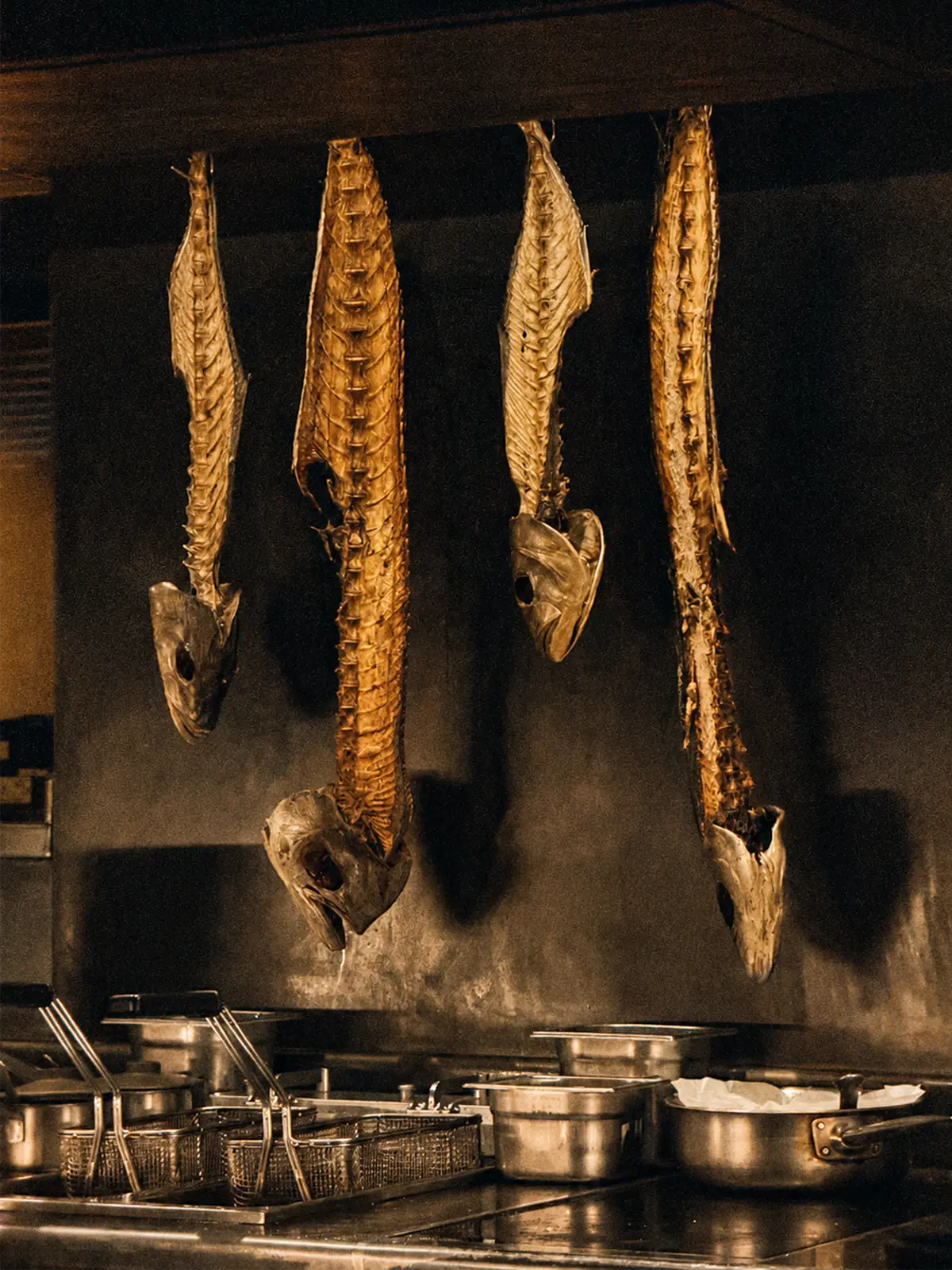
Yapa emerged within this context. From the beginning, the restaurant has followed its own path, staying clear of Milan’s more predictable dining circuits. Its cooking relies on precision and consistency instead of theatrical gestures, allowing ingredients and techniques from different culinary backgrounds to meet without forcing them into a single narrative.
This approach reflects a broader transformation in Milan. Restaurants are becoming places where diners observe the rhythm of the kitchen, following the progression of a meal through preparation, timing and balance instead of isolated moments of surprise.
The meaning of the word “Yapa” and the idea of something extra
The name Yapa comes from Quechua, where it describes the small extra portion traditionally given at the end of a market purchase. It is a gesture of generosity, an addition that goes beyond the expected exchange.
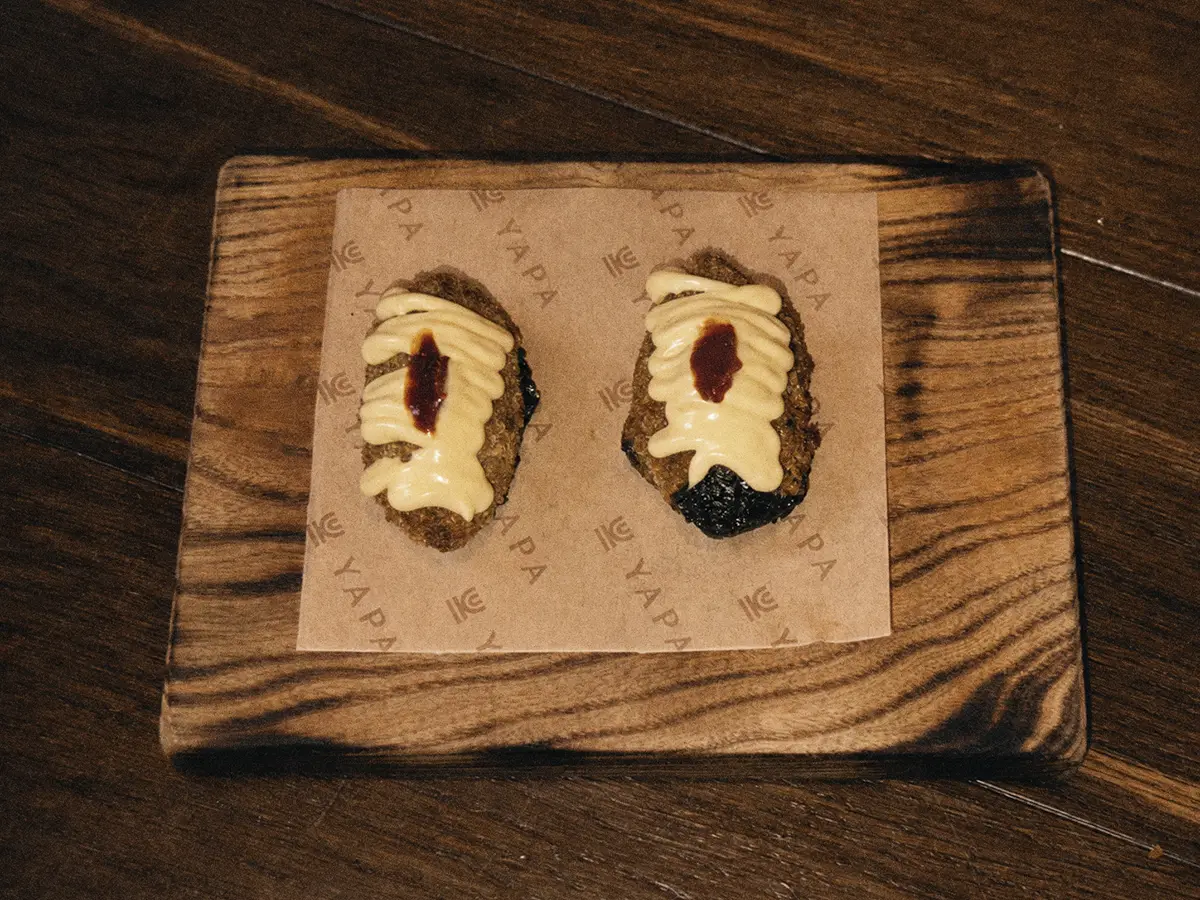
At the restaurant, the concept takes on a broader meaning. The “something extra” is not a matter of quantity but of thought and construction. It appears in the way flavours are layered, in the combination of techniques and in the dialogue between ingredients associated with different culinary traditions.
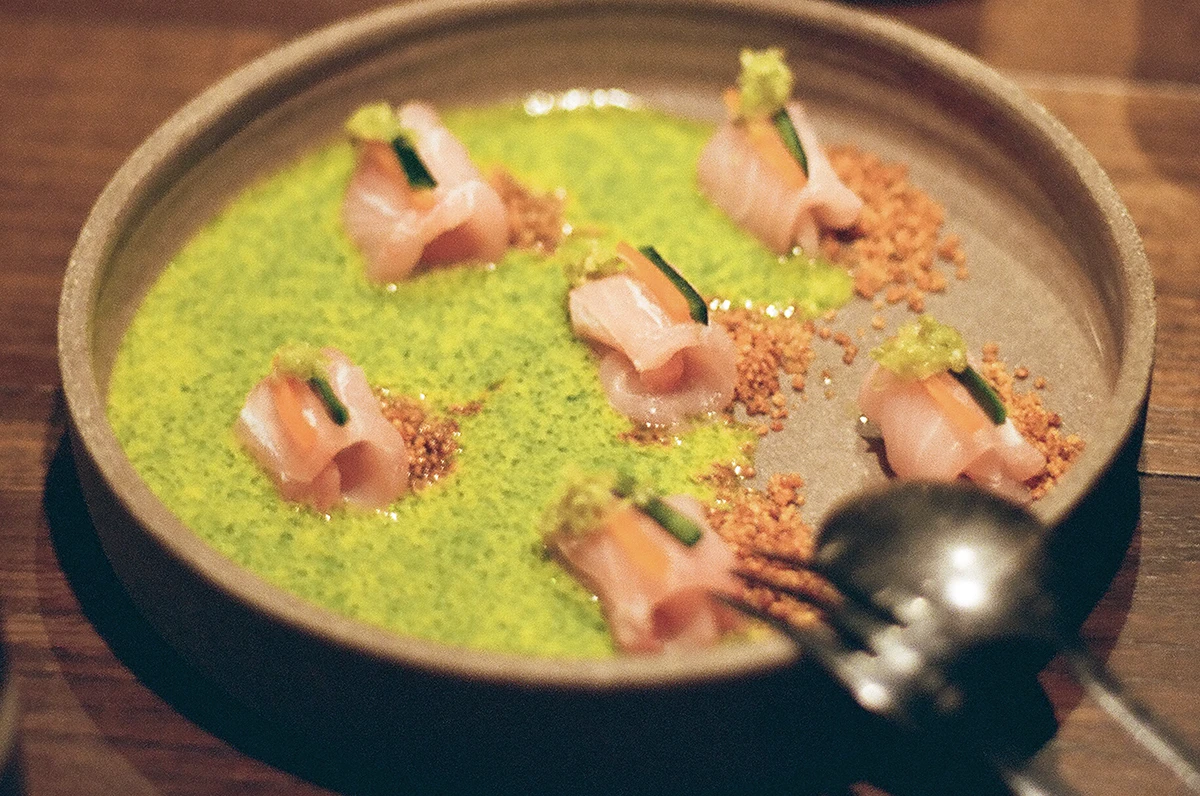
The menu changes with the seasons and with the availability of products from farmers, fishermen and other producers. Instead of repeating the same formulas, the kitchen allows each ingredient to influence the direction of the dishes. Flavours, textures and temperatures are arranged to create a natural progression throughout the meal, giving the restaurant room to evolve while preserving a clear identity.
The architecture: the work of Annabell Kutuku and Lambs and Lions
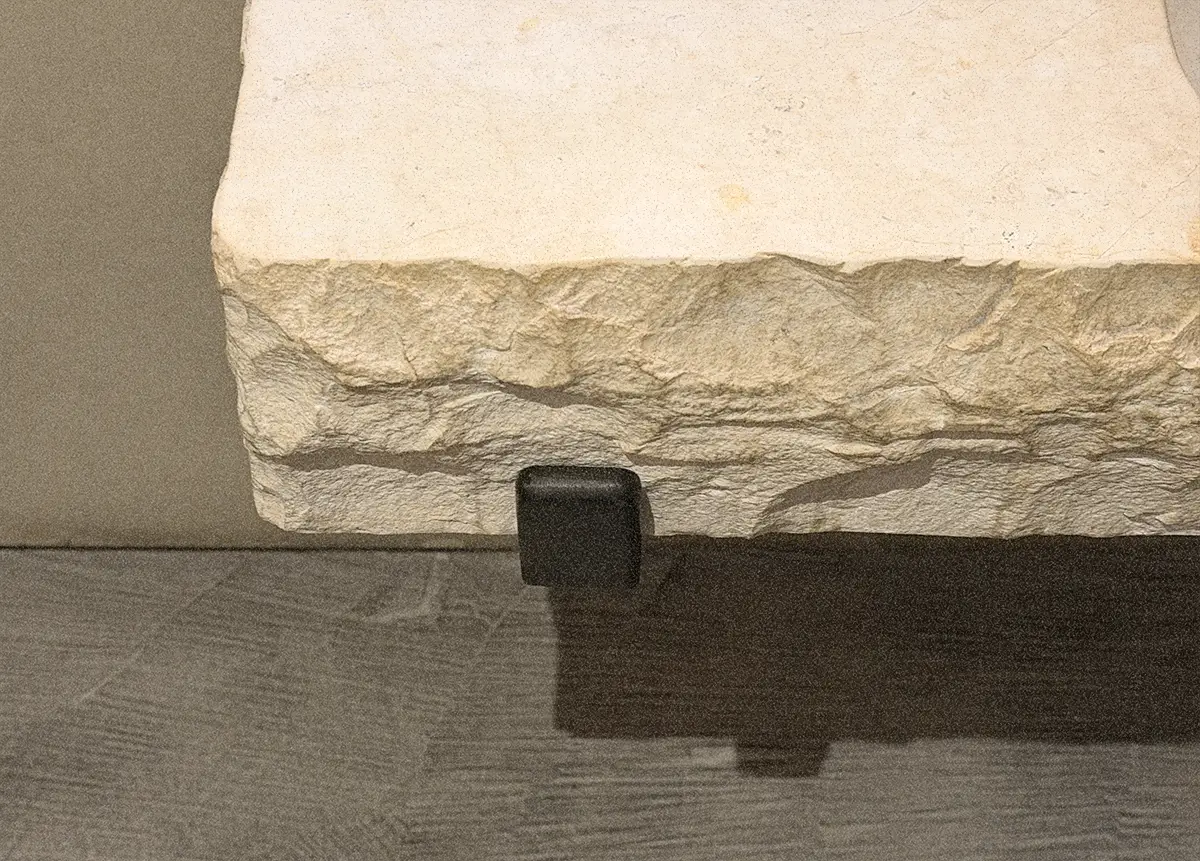
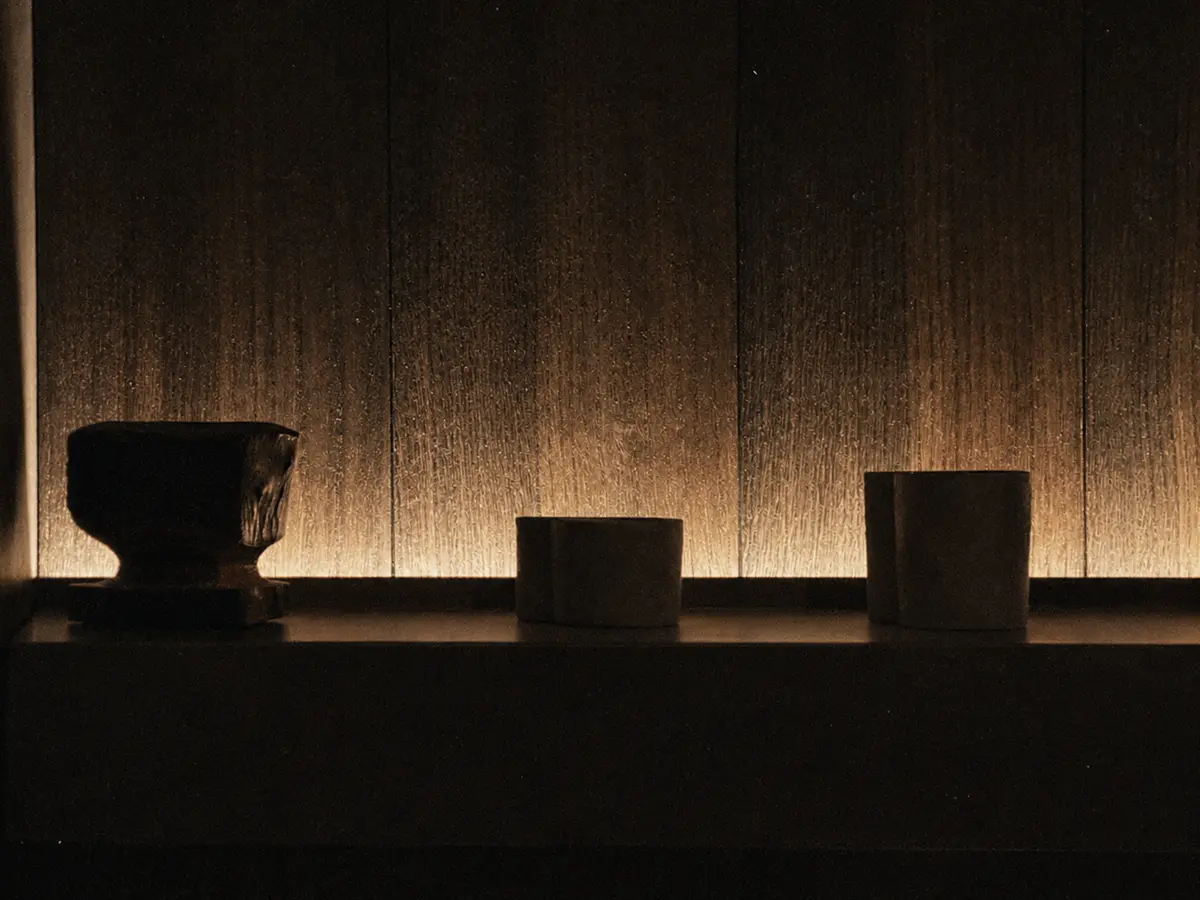
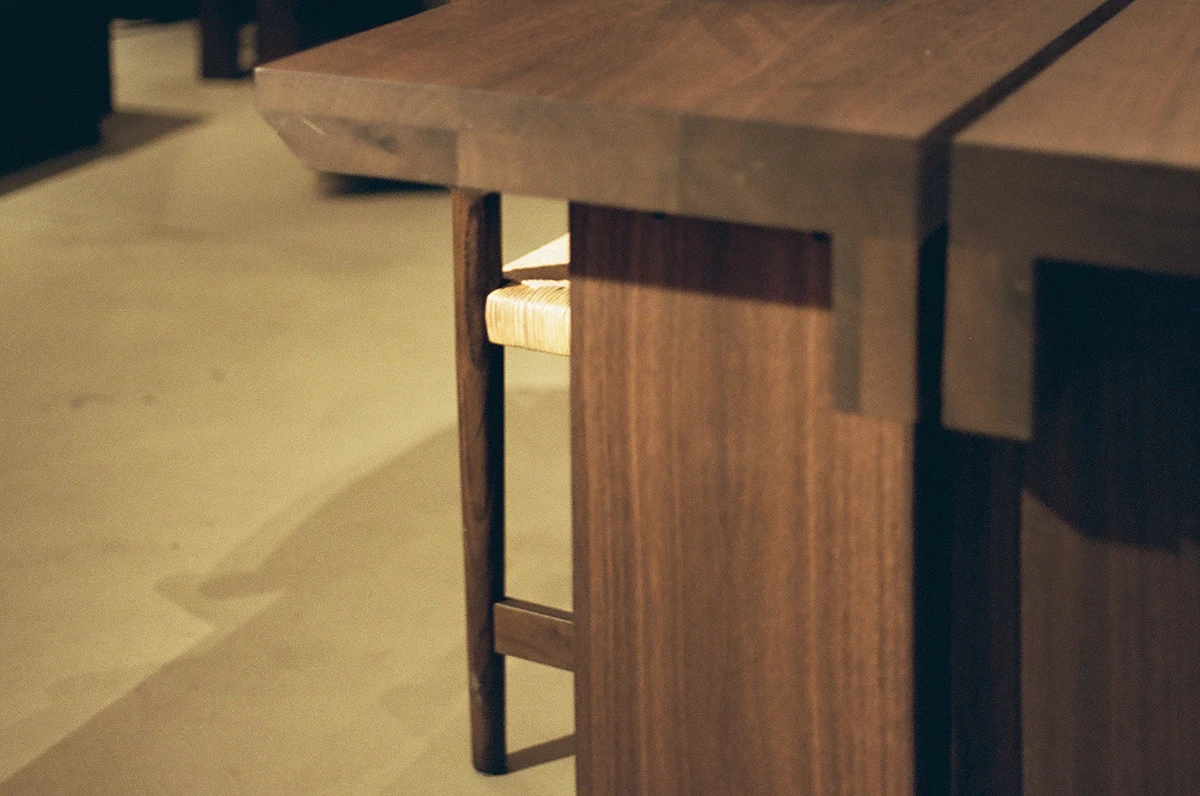
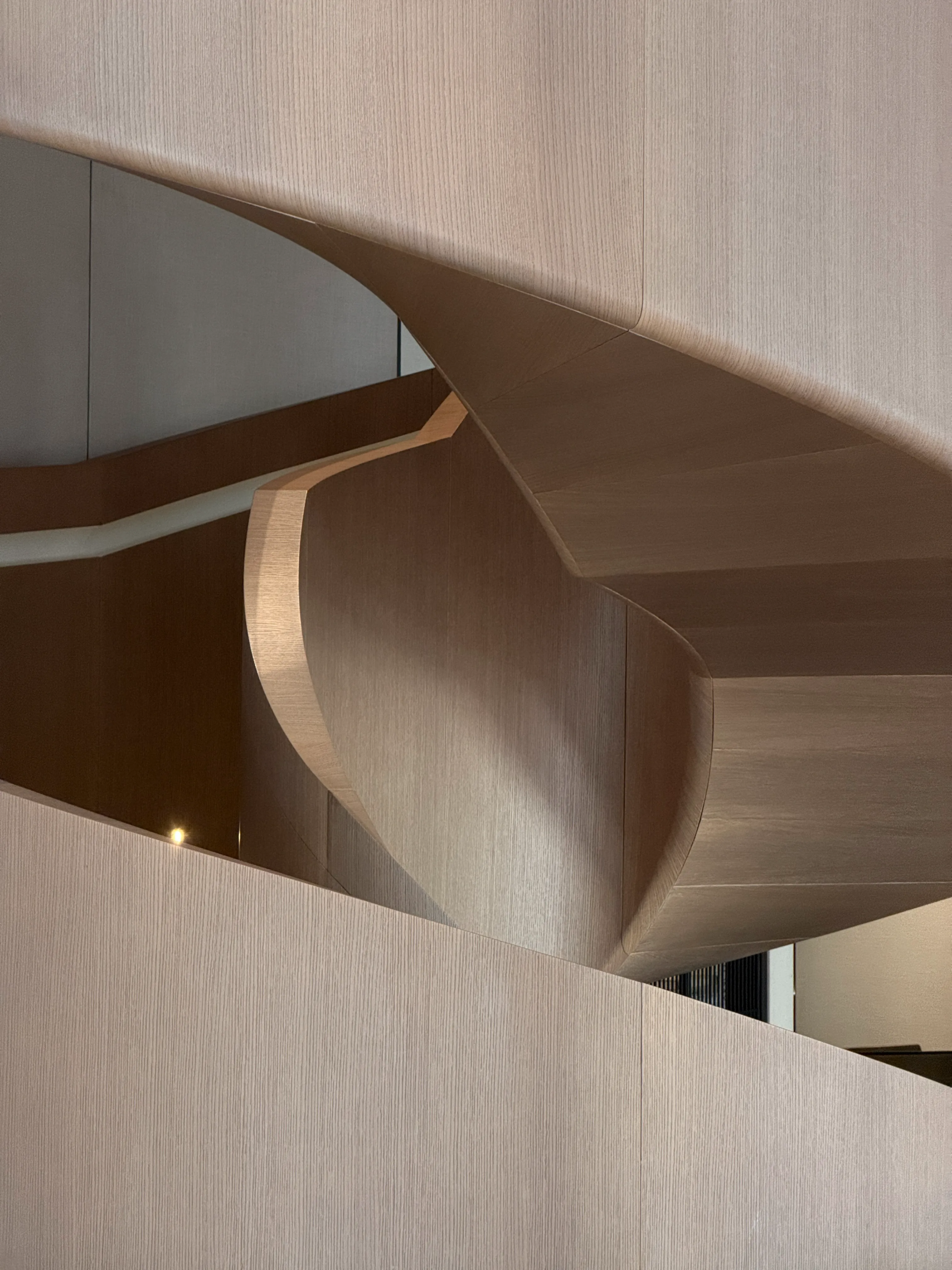
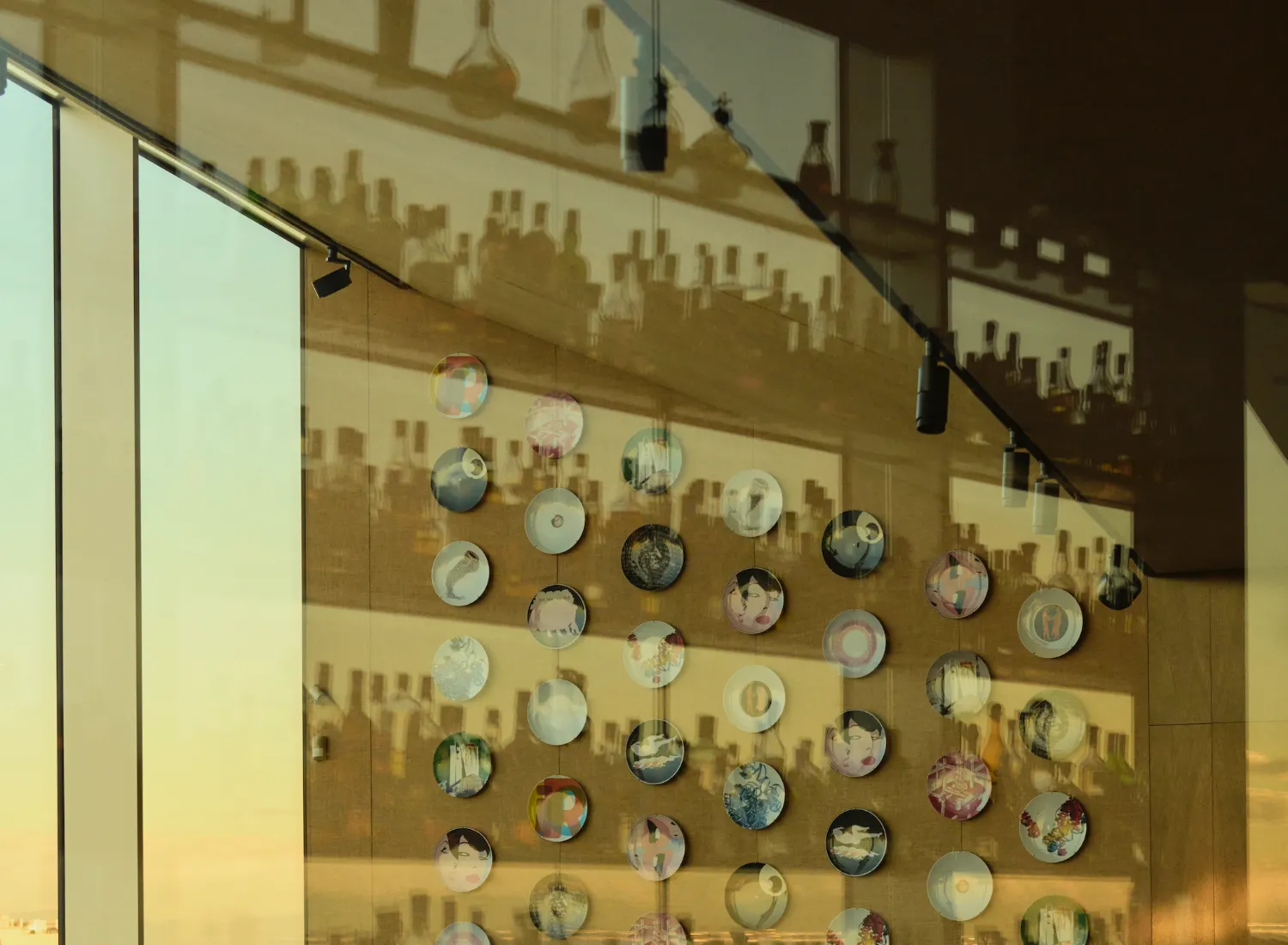
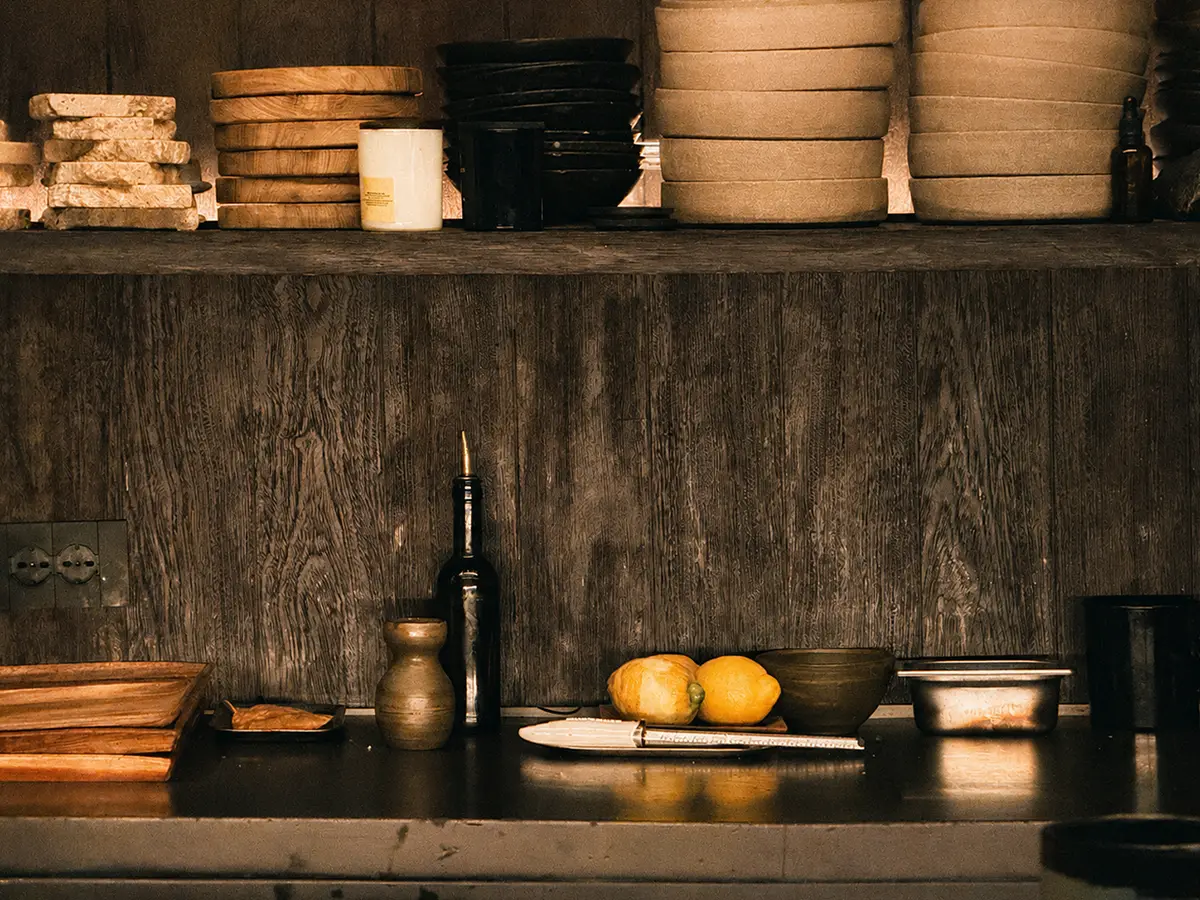
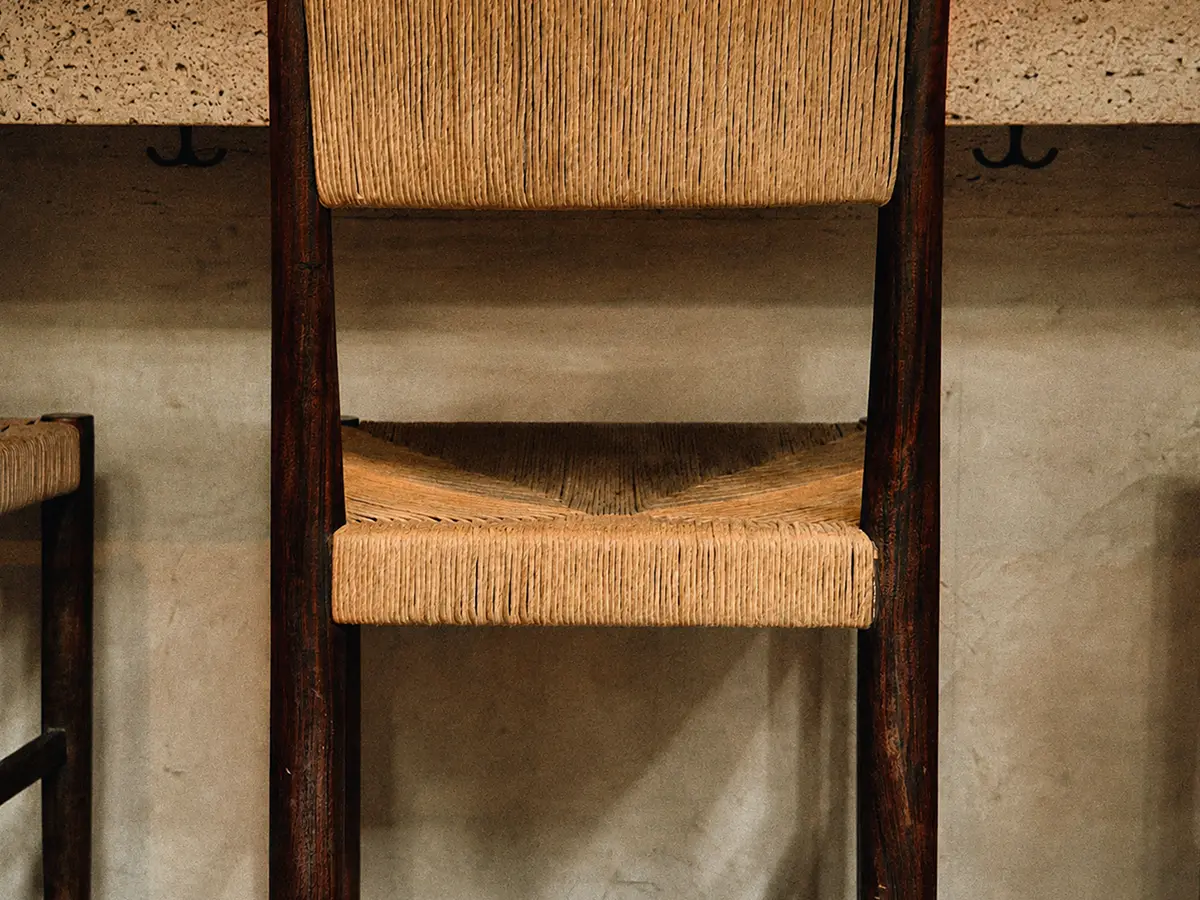
The interior was designed by Annabell Kutuku together with Lambs and Lions, the studio that also developed the restaurant’s visual identity. The design starts from the materials themselves. Wood, stone and dark metal form the backbone of the space, while lighting is kept controlled and focused, drawing attention to the tables and the open kitchen. Decoration is used sparingly, allowing textures and construction details to shape the atmosphere.
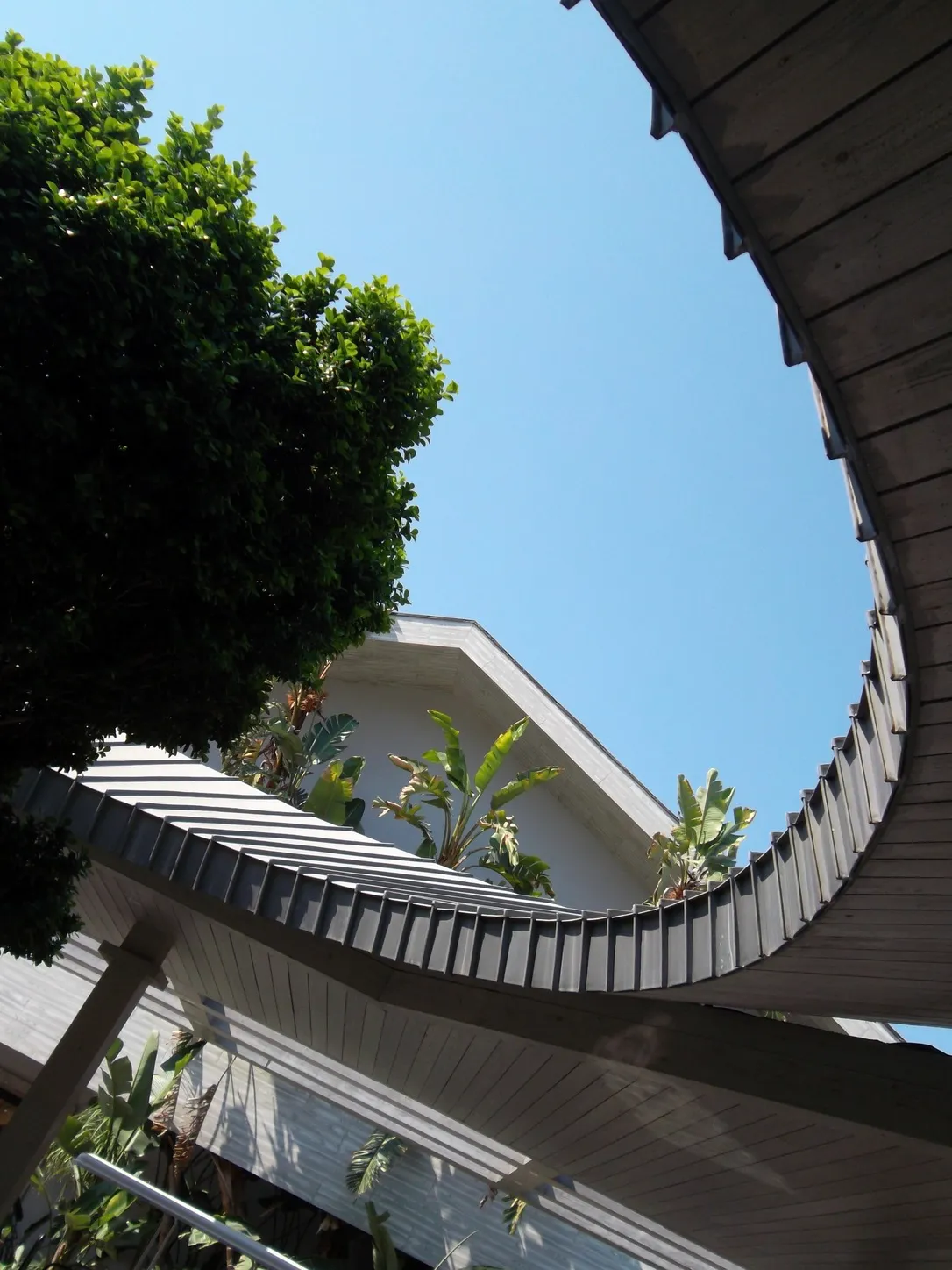
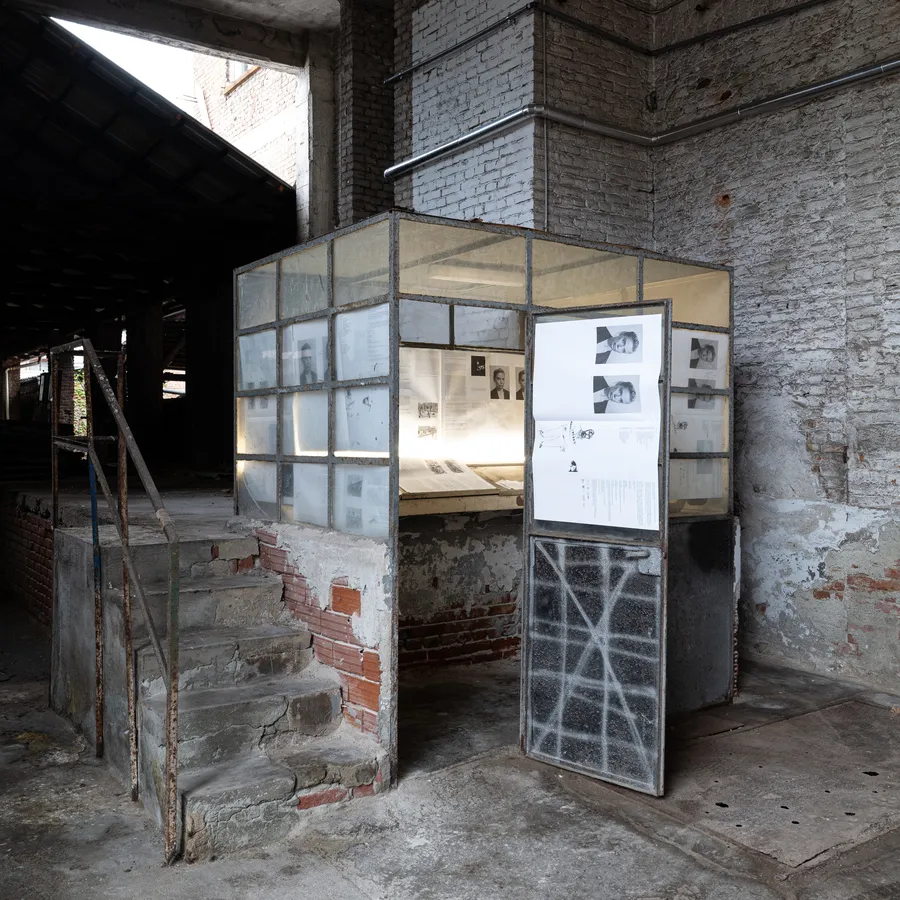
There are hints of Brutalist architecture alongside handcrafted elements, creating an environment where structure carries more weight than ornament. The arrangement of the dining room encourages movement and observation, making the kitchen part of the experience without turning it into a stage.
The interior avoids obvious references to any single culture. Rather than reproducing the visual language of Latin America, Japan or the Mediterranean, it creates a neutral setting where different influences can exist together. The result is a restrained space that feels connected to the restaurant’s philosophy without relying on literal interpretations. That same balance defines the dining experience. Technique remains visible but understated, and the pace of the meal unfolds naturally.
From Milan to Antiparos: adapting the same philosophy
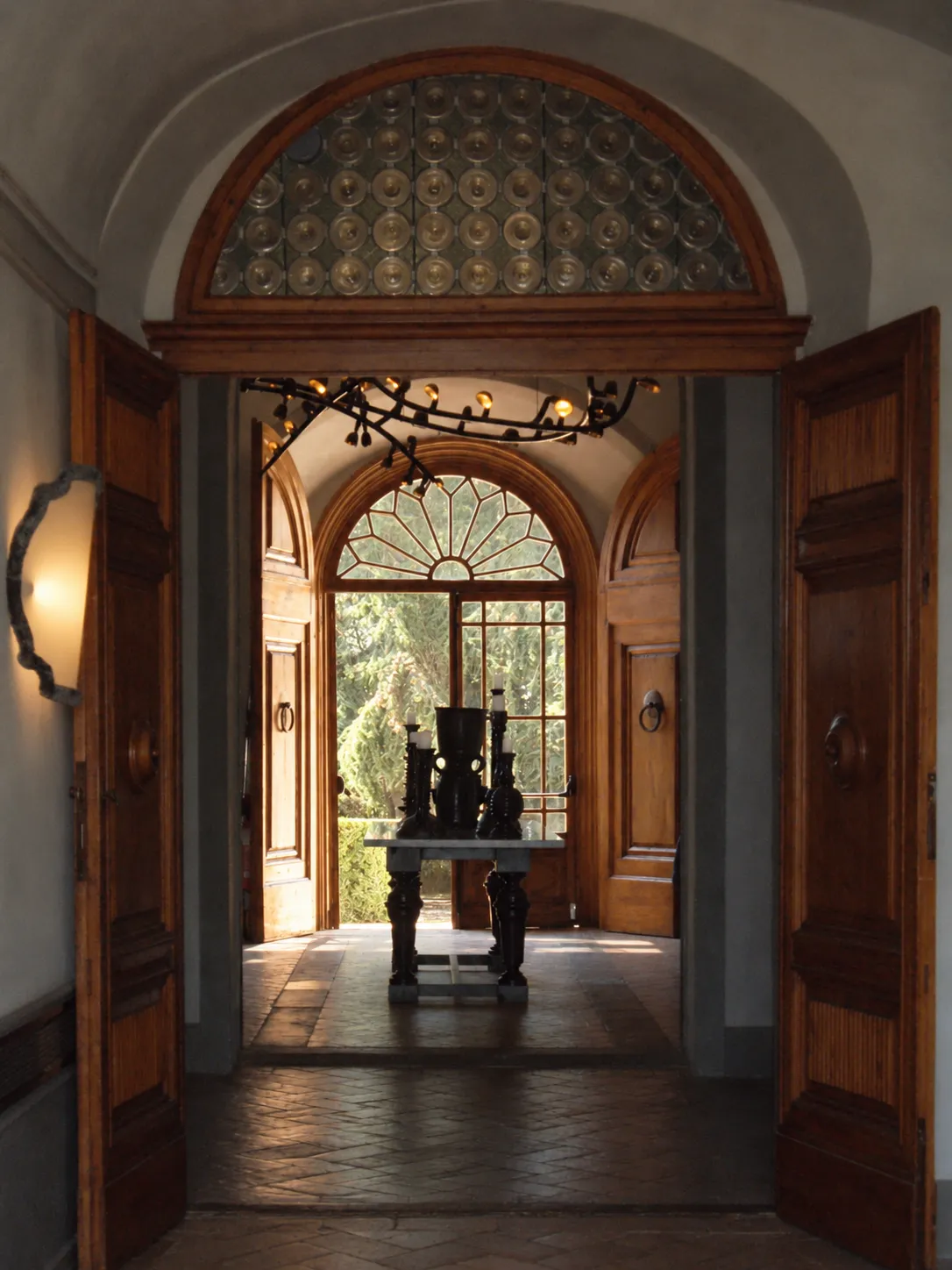
The opening of Yapa Antiparos follows the same line of thinking. Instead of reproducing the Milan restaurant in a new location, the project adapts its methods to a different landscape. Housed in the former Antiparos Folklore Museum, the space uses local materials such as stone, straw and wood to establish a relationship with the Cycladic environment while maintaining the principles that shaped the original restaurant.
The kitchen follows a similar approach. Local farmers, fishermen and producers become part of the creative process, allowing the ingredients of the island to influence the menu rather than imposing an external model. The restaurant’s identity remains recognisable, but it develops through its surroundings.
For this reason, the move to Antiparos feels less like an expansion and more like a continuation of an ongoing project. Milan and Antiparos represent two chapters of the same story, connected by a shared interest in craftsmanship, architecture and a way of cooking that grows through exchange and adaptation rather than fixed definitions.
Yapa Restaurant
Yapa opened in Milan with the idea of exploring culinary traditions through seasonal ingredients, contemporary techniques and collaborations with local producers. Its name comes from the Quechua word for “something extra”, a concept that informs both the kitchen and the overall dining experience.
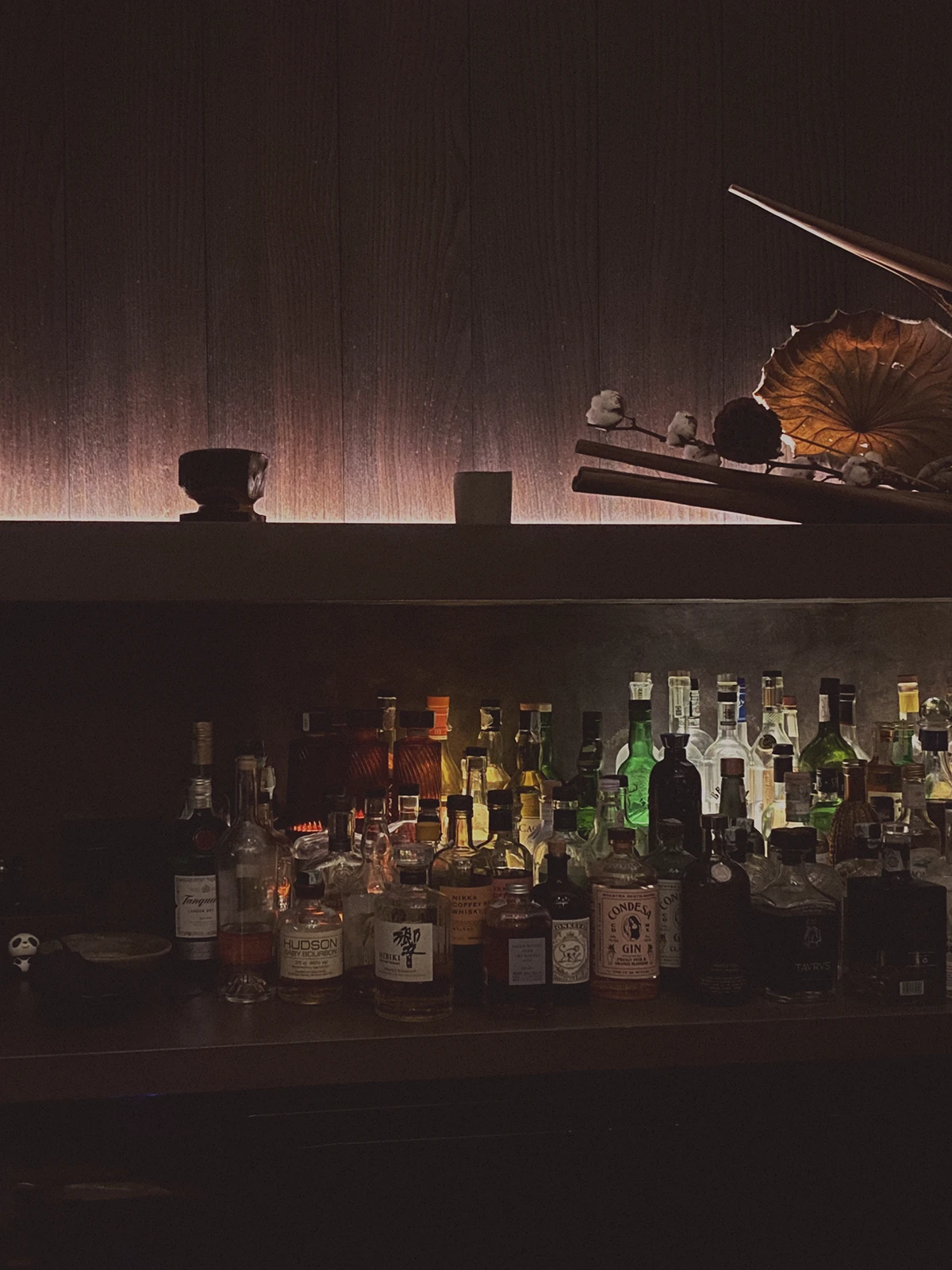
The restaurant is led by chef Matteo Pancetti, while the cocktail programme is curated by Matias Sarli, founder of Eighty Twenty ML Drinks Lab. The Milan location combines the restaurant, cocktail bar and the Yapas counter, a dedicated bar seating experience focused on small seasonal dishes.
In summer 2026, Yapa expanded to the Greek island of Antiparos with a seasonal restaurant housed in the former Antiparos Folklore Museum. Working with local farmers and fishermen, the project extends Yapa’s culinary research into the Cyclades while maintaining the same approach developed in Milan. Yapa Antiparos will remain open til August 31, operating in the evening with dinner and a cocktail bar.
Editorial Team