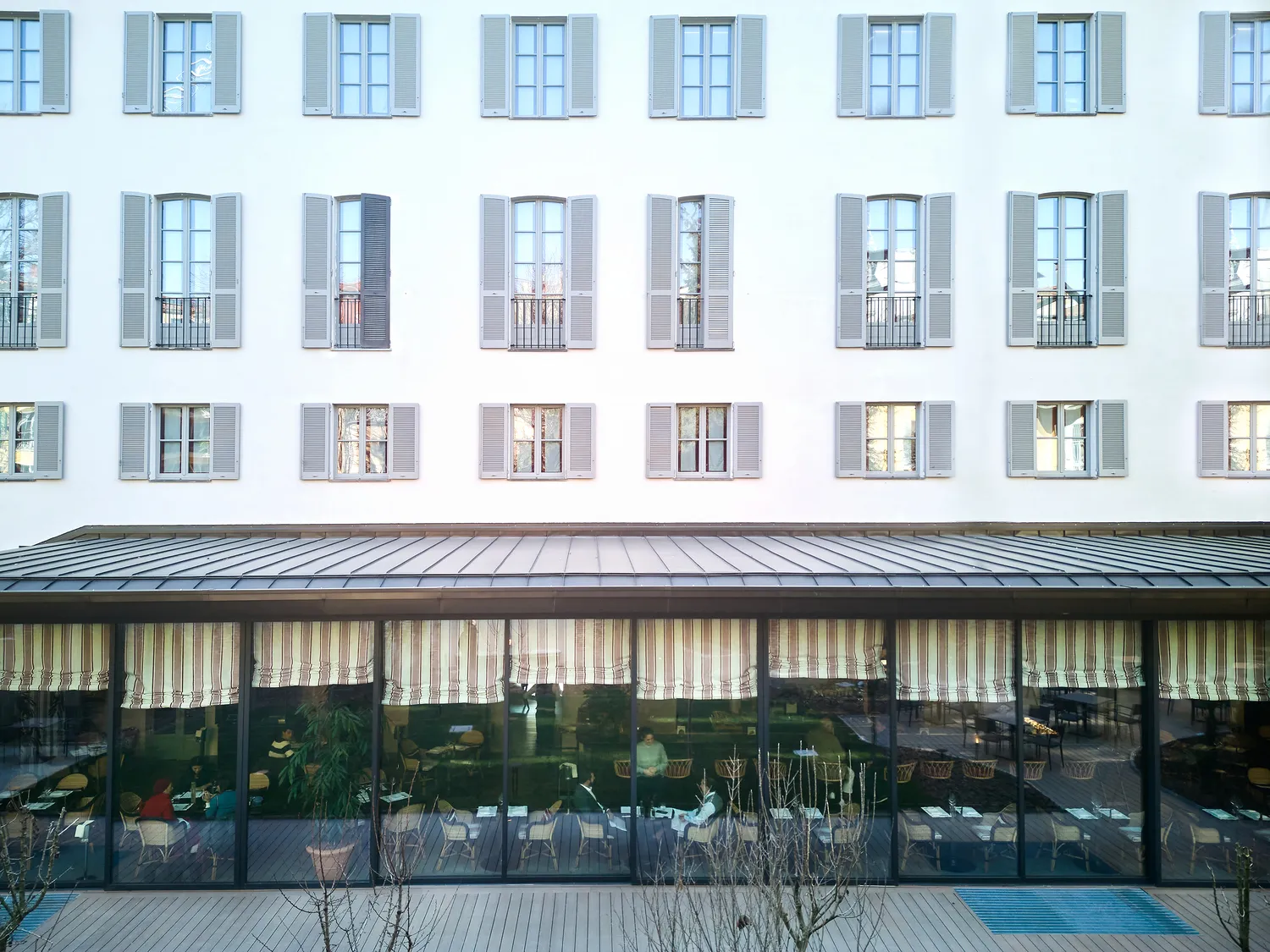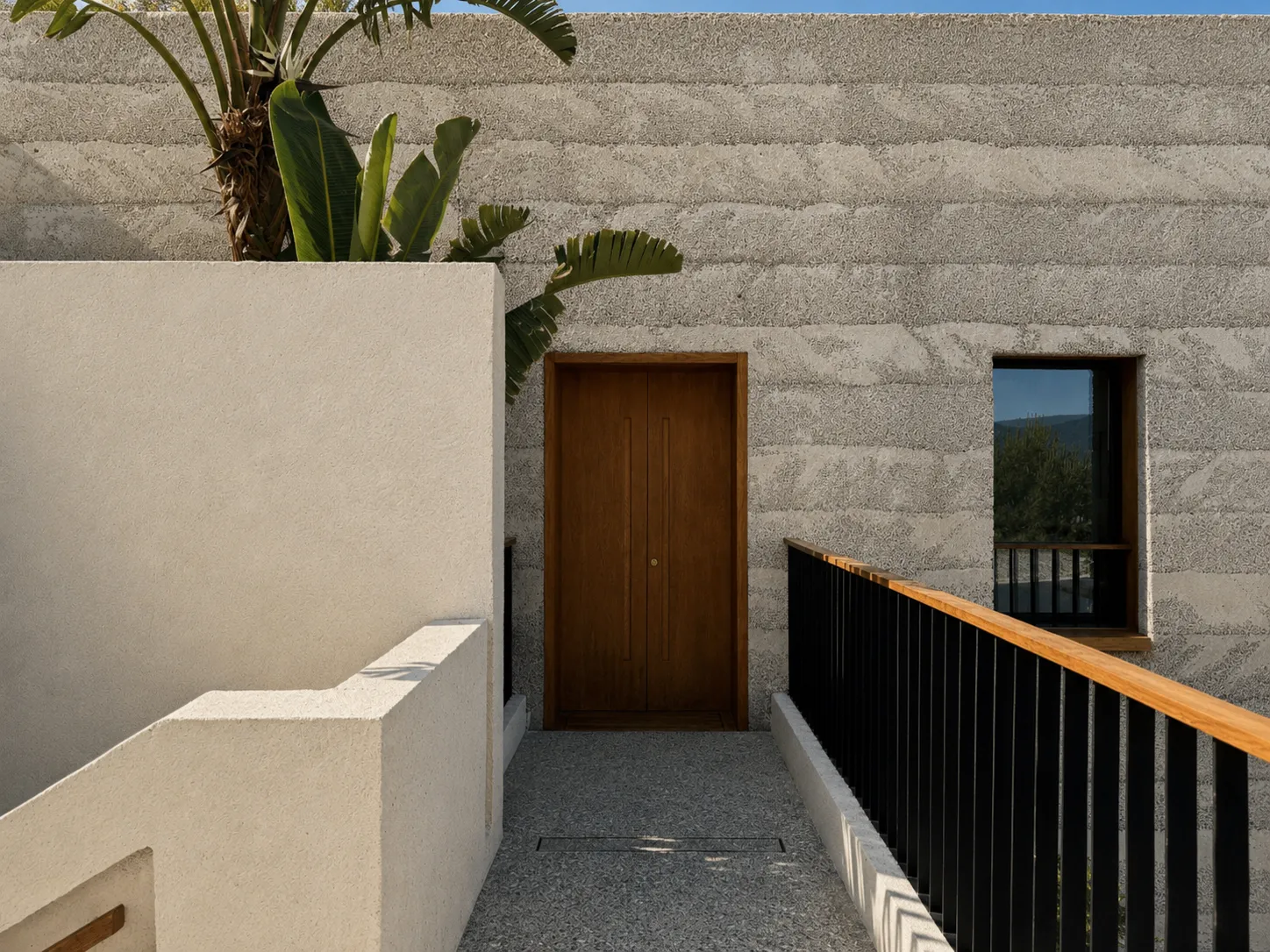
Bodrum Loft: brutalist stone volumes absorbed into the woodland of Demirbükü bay
Thirty-six stone villas form a village outside time, poised between the ancestral and the futuristic, while two thirds of the 57,000-square-metre site remain native woodland
Staying at Bodrum Loft: a second home on one of the most sought-after coastlines in Turkey
Bodrum Loft keeps everything a resort provides and sheds everything a resort imposes. The property occupies a small promontory above Demirbükü bay, on the northern coast of the Bodrum peninsula, and the full apparatus of a five-star operation is in place. What has been quietly removed is the choreography: the fixed rituals, the timetables, the sense – familiar to anyone who has spent a week in a luxury compound – that the days have been scripted in advance and one resort is rehearsing the same play as the next.
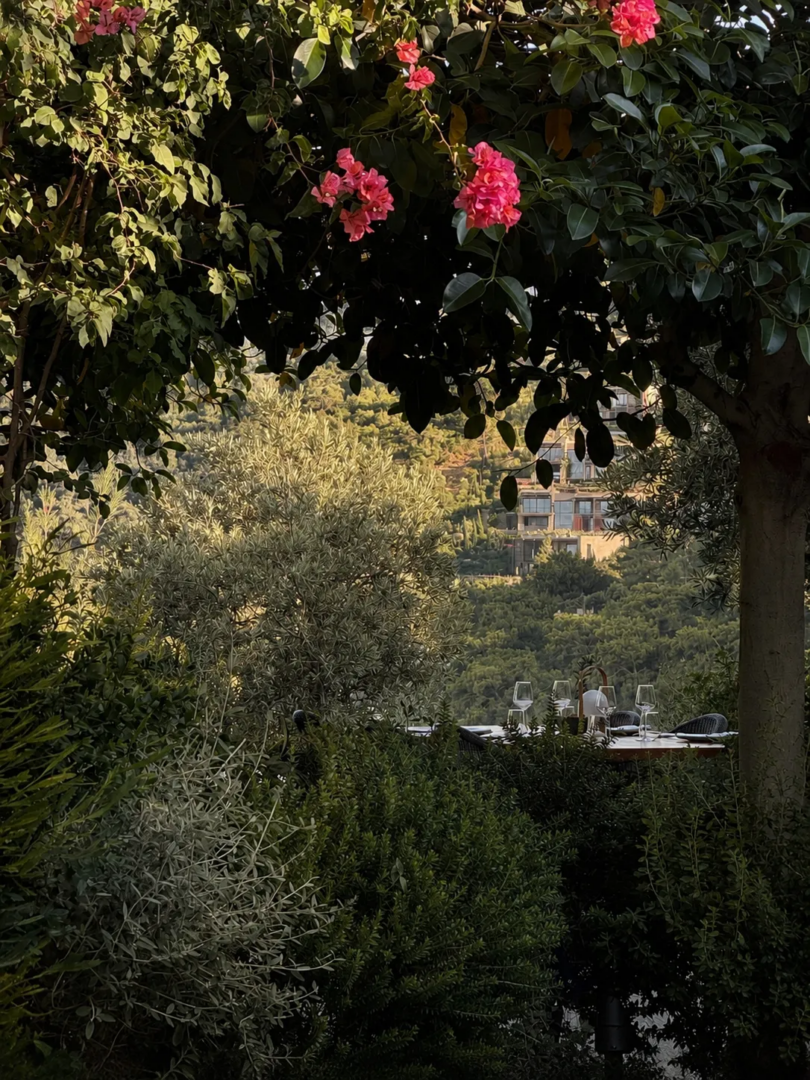
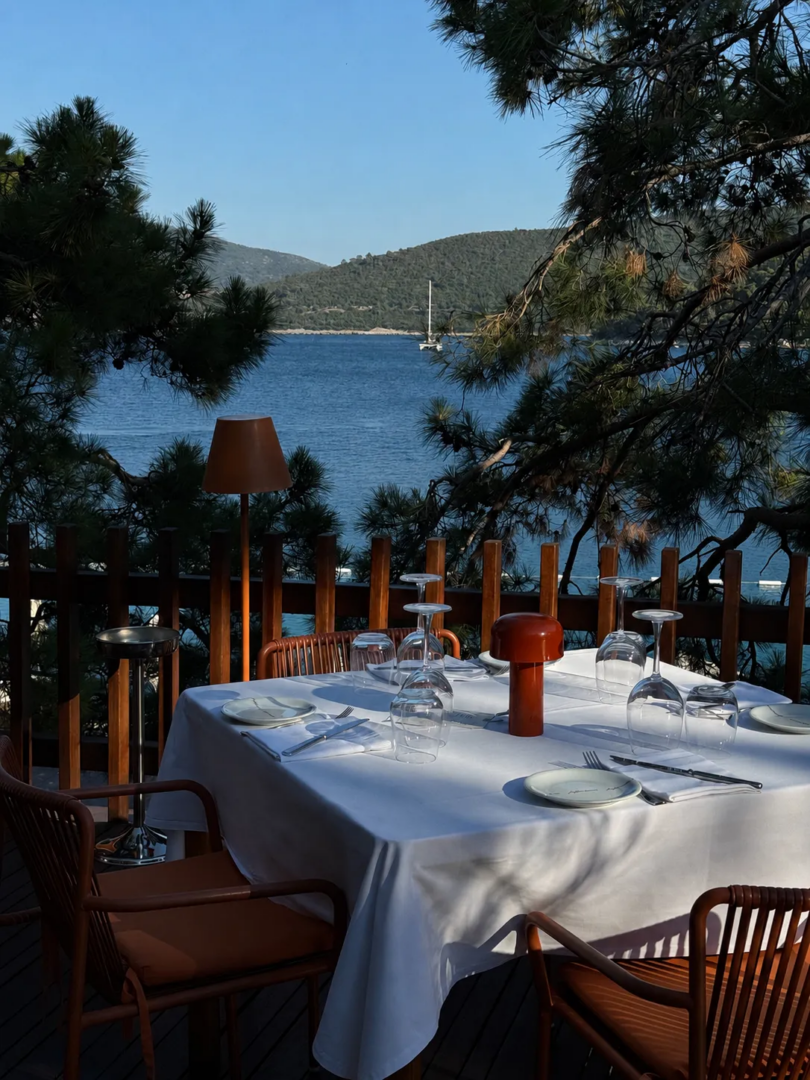
Instead, the place behaves like a house. The lofts are modular, and rooms combine into larger units – up to an entire villa – booked for days or weeks, or leased for a whole season. Dinner can mean a table under the olive trees, or the villa’s own kitchen, or a chef who comes to cook while you watch the light drop over the bay. Guests assemble their days the way they would at home, which is the point: a second house on one of the most coveted stretches of coastline in Turkey.
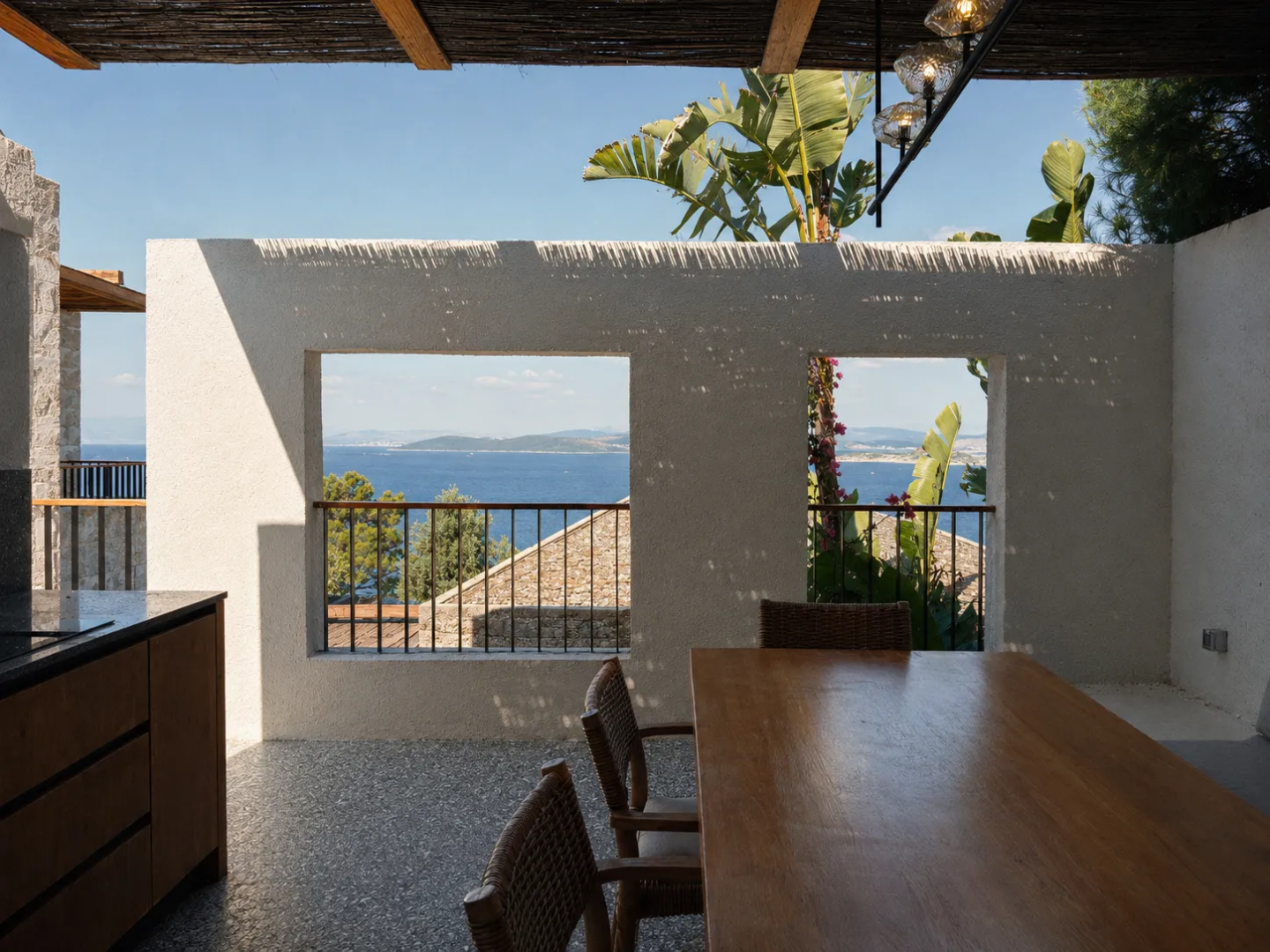
Bodrum Loft in Demirbükü bay: subtraction as an architectural position on a saturated peninsula
This is Bodrum, a town with an intense cultural past that has never stopped inspiring, and that is now living through a new renaissance. Antiquity knew it as Halicarnassus, the birthplace of Herodotus and the capital of Caria, a walled port city that commanded this corner of the Aegean; for most of the centuries that followed it was a small port of fishermen and sponge divers, and it was still that in 1925, when the writer Cevat Şakir Kabaağaçlı arrived as a political exile. He took the pen name of the Fisherman of Halicarnassus and began describing a life the rest of the country had never thought to envy – days at sea aboard wooden gulets, swimming in coves reachable only by water, the drifting itinerary he called the Blue Voyage. His readers came to see for themselves. Writers and artists settled around him; tourists arrived in their wake, and in the decades since, development has followed the tourists until the peninsula now runs nearly unbroken from marina to beach club to gated resort.
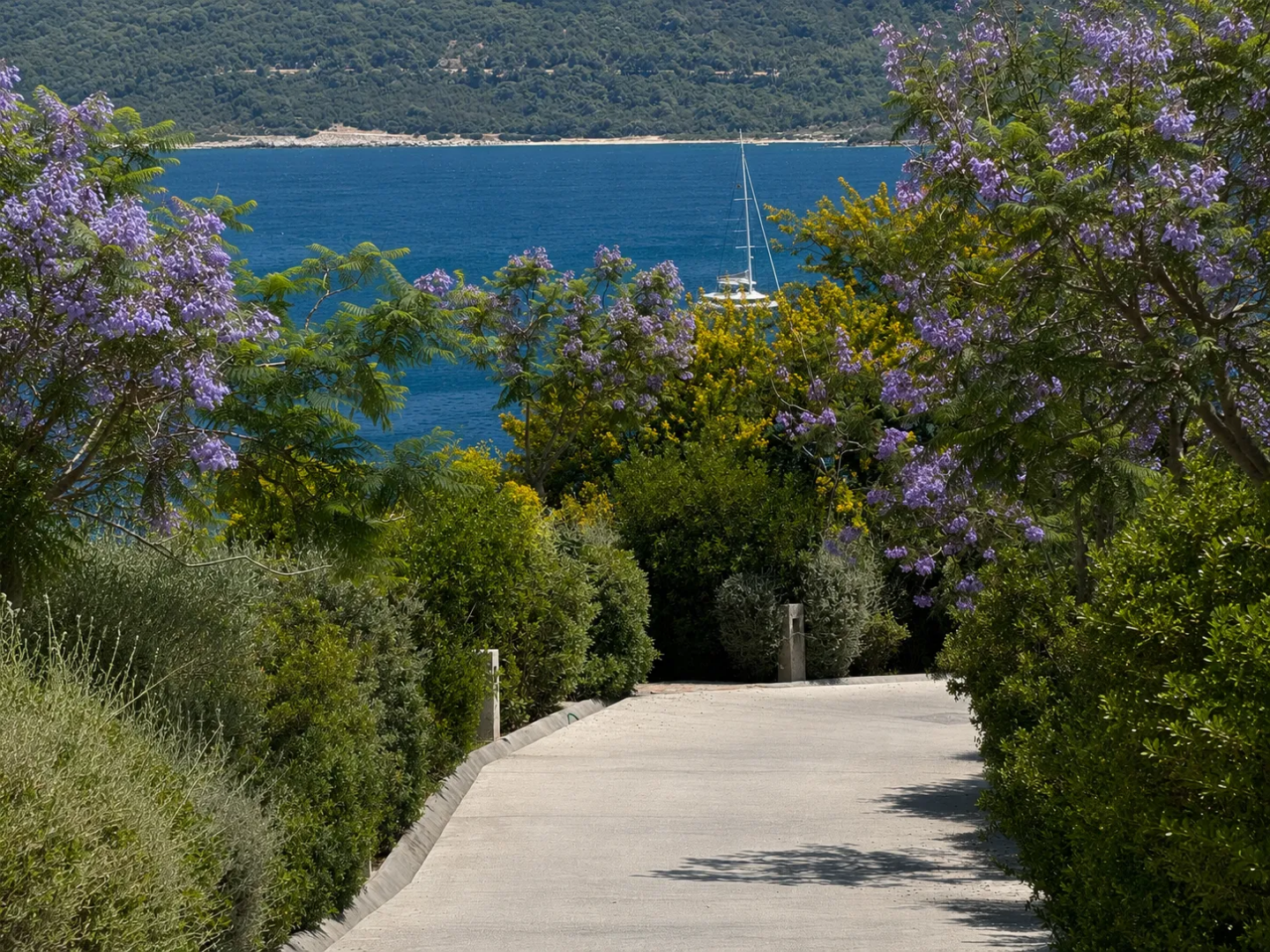
Bodrum Loft, between Torba and Göltürkbükü, belongs to this new wave of building along the coast, and stands apart from it in a way that is entirely contemporary. The land measures 57,000 square meters sliding toward the bay; 17,100 of them are built. The rest remains woodland – olive, sandalwood, laurel, mastic, cranberry, citrus, the evergreen scrub endemic to the Mediterranean – fenced off during construction and then left to close back around the buildings like water around a stone. From inside the grounds the eye meets trees, rock and open sea, and the property produces, on a crowded coast, the sensation of an island.
Tabanlıoğlu Architects at Bodrum Loft: the practice behind the Atatürk Cultural Center working in a vernacular register
The architects are Tabanlıoğlu, an Istanbul practice woven into the history of Turkish modernism. Hayati Tabanlıoğlu built the Atatürk Cultural Center on Taksim Square, opened in 1969 and rebuilt after a fire in 1977; his son Murat led its reconstruction, completed in 2021, and earlier converted the Bosphorus warehouse that became İstanbul Modern, the country’s first contemporary art museum. Established in its current form in 1990, with Melkan Gürsel as partner since 1995, the office has a RIBA International Award on the shelf and studios stretched between Istanbul, Dubai, Doha and New York.
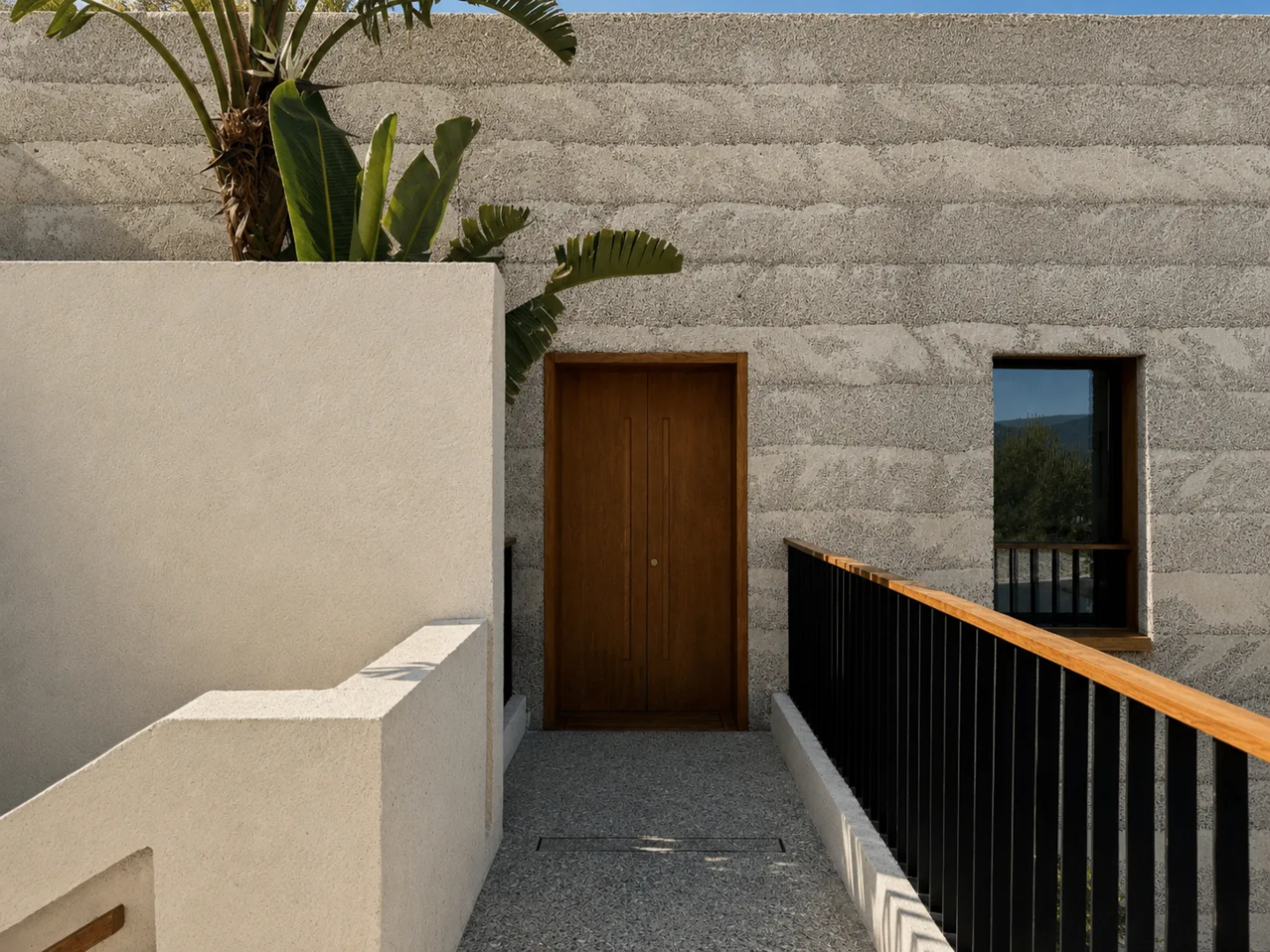
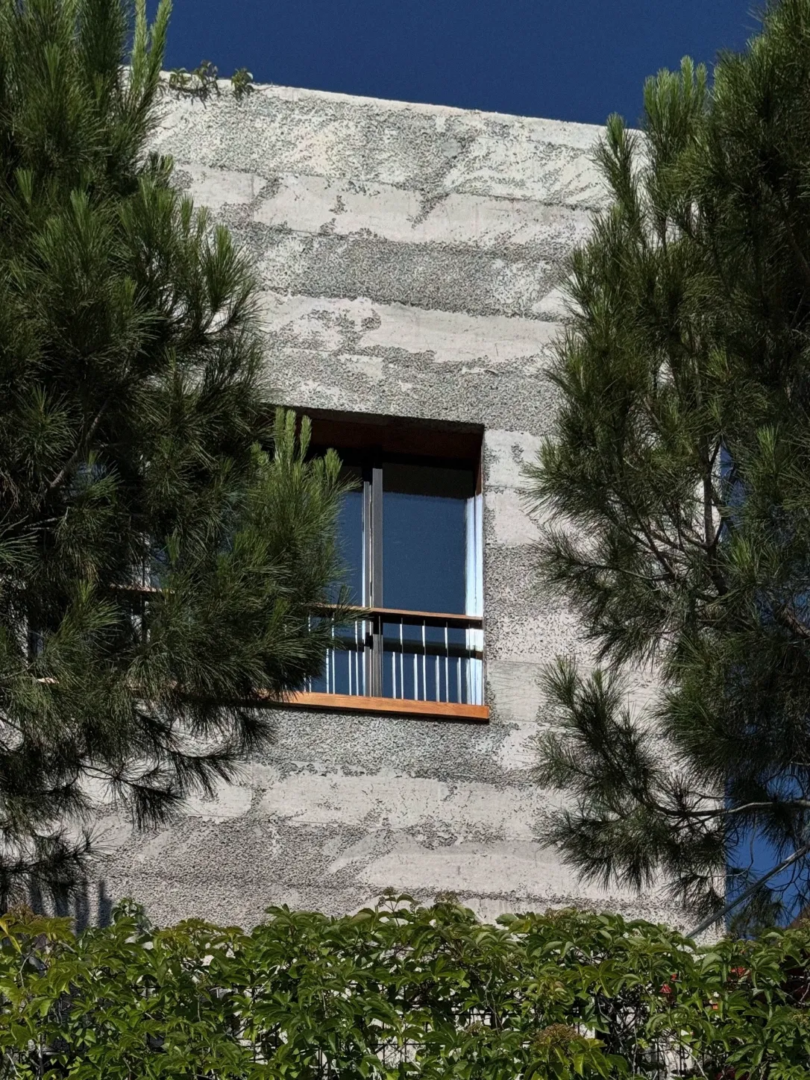
At Demirbükü, the practice left its city language behind. The site falls toward the water at a slope steeper than fifty percent. Rather than leveling the ground, the architects built into it: each unit sits embedded in the hillside, positioned to follow the path of the sun, catch the wind, and leave the existing trees where they stood. Modesty was the principle – a deference to how this coast built before tourism taught it otherwise, carried through in local material. Flat-roofed stone volumes step down the hillside, linked by patios and alleys, gathered around courtyards the way Aegean settlements always were. Each of the 36 units, two to four bedrooms, has its own floor plan – 42 square meters at entry level, 550 at the largest – with wooden detailing and hand-painted local mosaics inside.
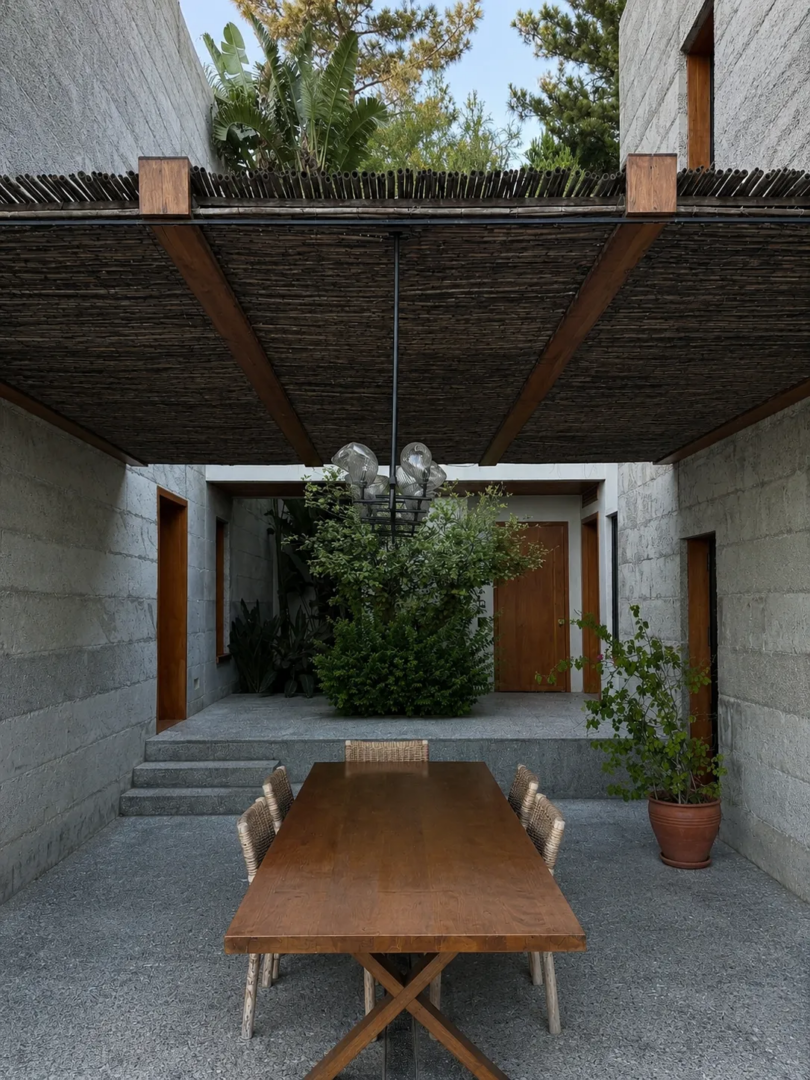
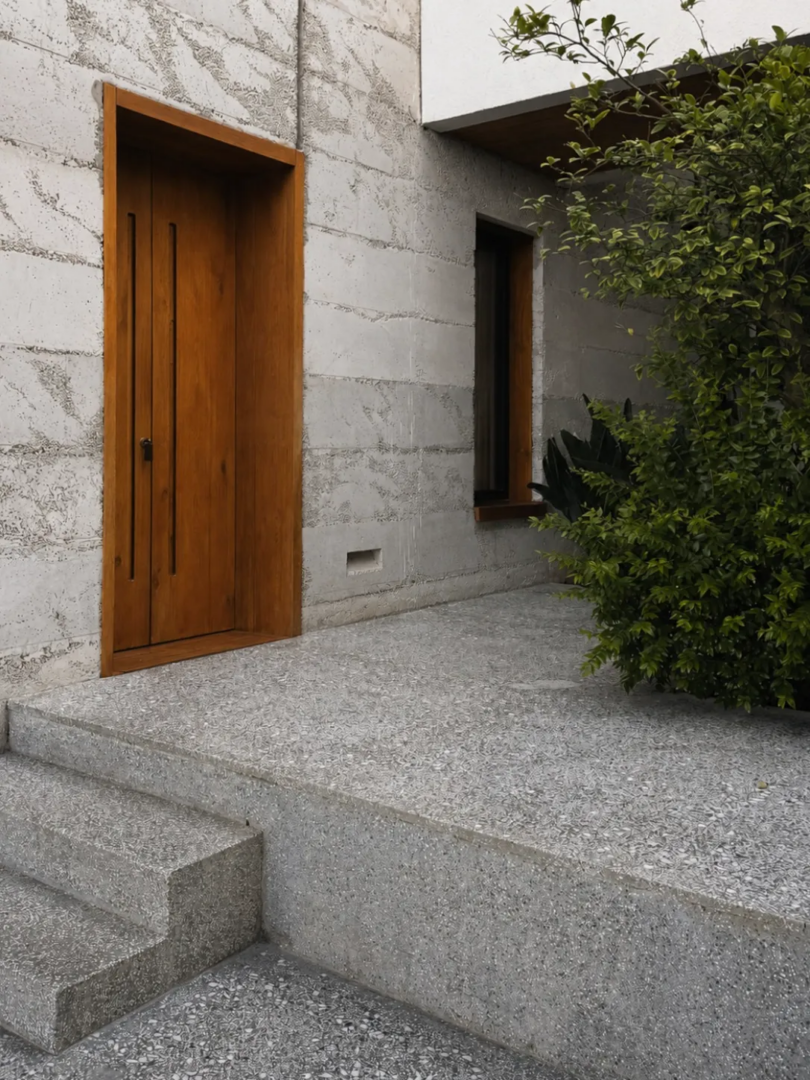
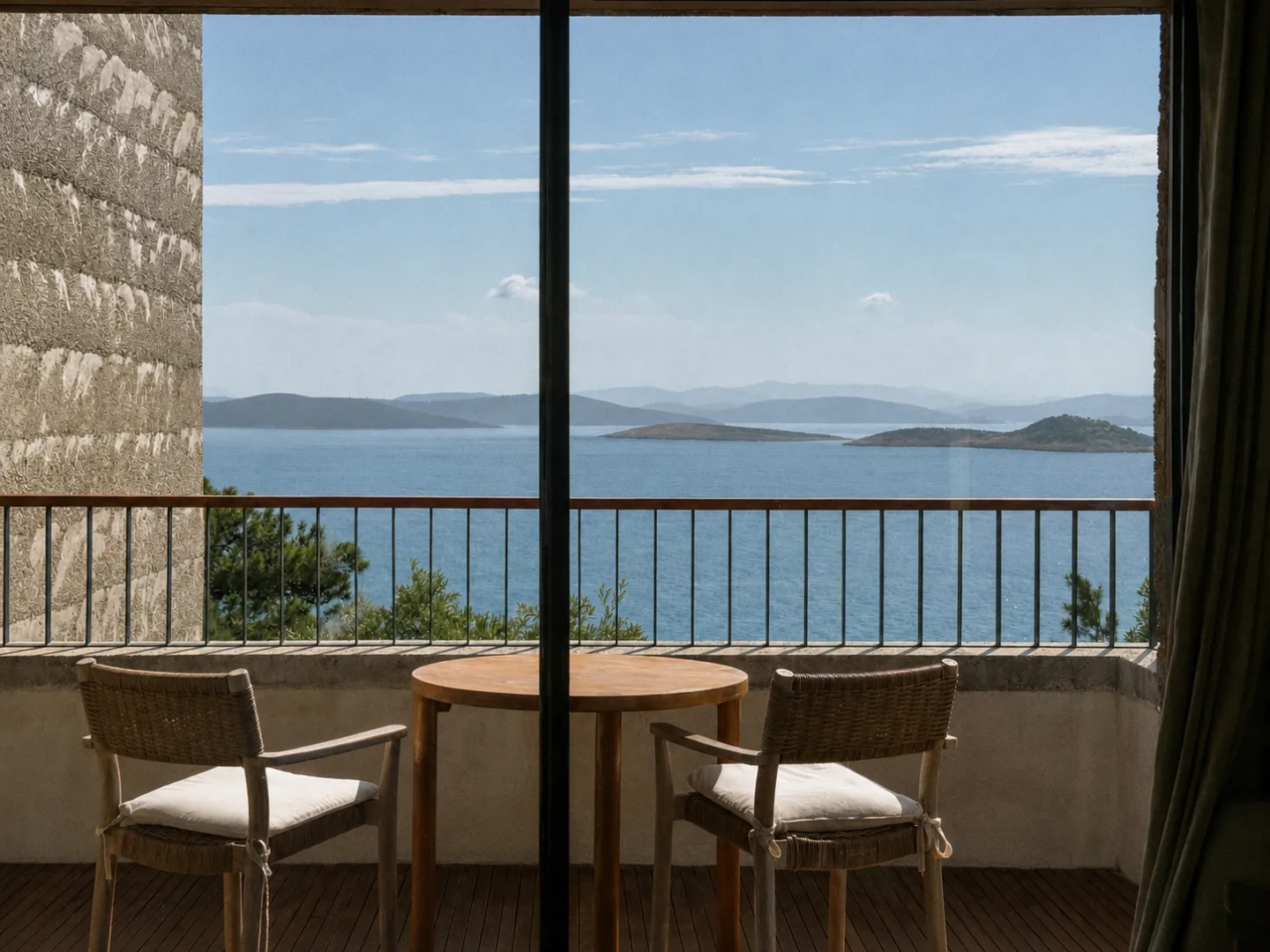
The rooms themselves hold to essentials. The design is minimal in the service of space; decoration has been traded for substance, and substance here means two materials, wood and stone. The conversation with the outdoors continues inside. Beds sit on wooden bases, wardrobes are built of wood, floors run in cement tiles that stay solid underfoot and cool through the afternoon heat. In the bathrooms a single block of stone carries the washbasin, and the walk-in shower is generous. The terrace – a table, a pair of chairs – is frankly spartan, and in that spareness lands somewhere contemporary and elegant: closer to the courtyard of an Aegean farmhouse than to the staged theater of a resort suite.
Bodrum Loft construction materials and sustainability commitment
The rocks used in construction were sealed with a preparation of hay, egg white and olive oil – an old Aegean recipe, applied by hand, the same mixture that gave the region’s farmhouses their mineral patina. The volumes carry a raw, monolithic weight, brutalist in effect, and it comes out of a craft older than concrete. The whole assumes the appearance of a village outside time – ancestral, as though it had always stood here, poised between the primordial and the futuristic.
The roofs are planted, and they earn their keep: rainwater collects there, passes through a filtration system and returns to the gardens as irrigation. Drinking water arrives by reverse osmosis of seawater, topped up with harvested rain and recycled greywater – on a dry, crowded peninsula, the property runs largely on its own water cycle. The olives growing on the grounds are harvested and pressed into oil used across the property.
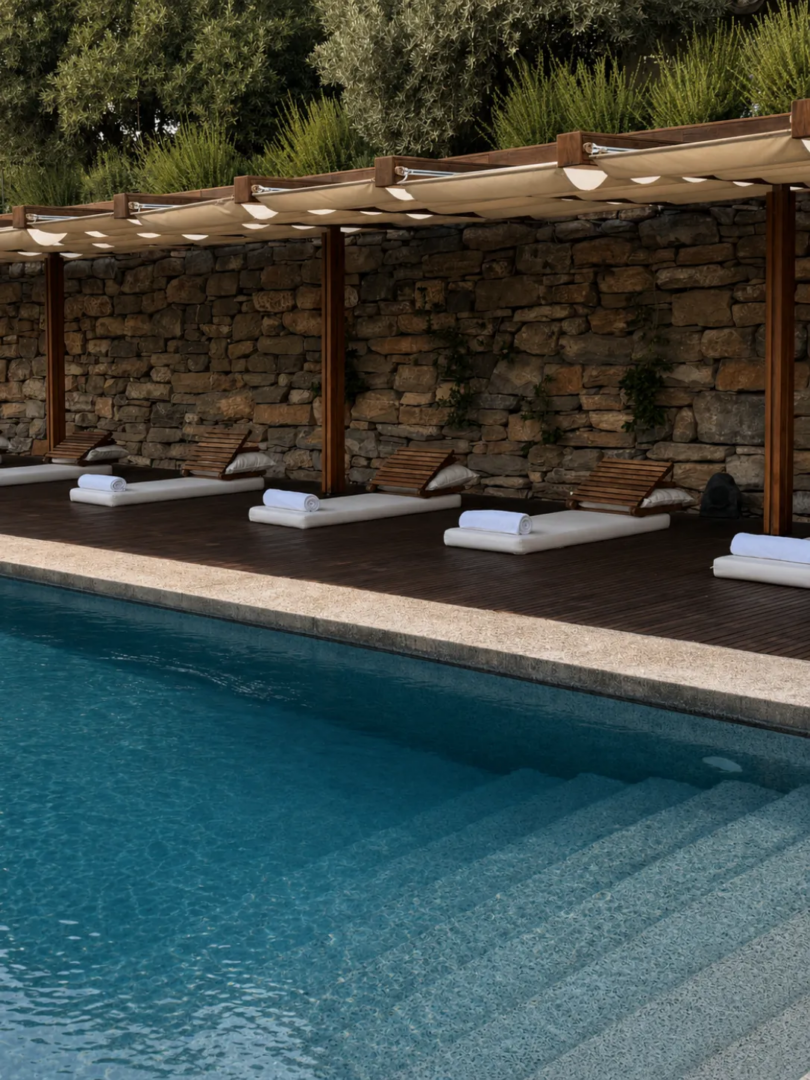
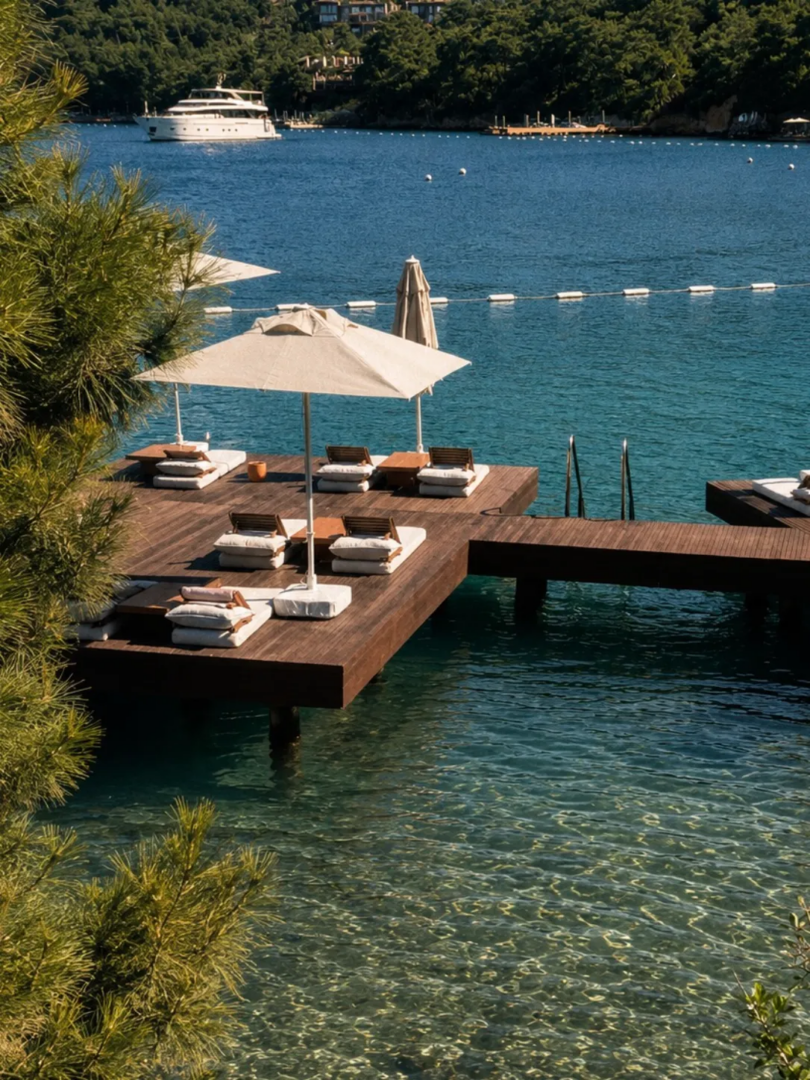
Wellness and leisure at Bodrum Loft
Wooden decks branch out over the sea, generous in size, open to the winds that run the coast, each one set at a discreet distance from the next – room enough for privacy, rest and company at once.
Up the hill, a sequence of spaces, indoor and open-air, unspools toward the water: a studio for pilates and yoga, a fully equipped gym, a row of massage beds in the open, all of them facing the sea. The spa sits a level below ground, in a dedicated wing planned like a riad – a courtyard of vegetation at its center, treatment rooms arranged around it, daylight falling into the heart of the building.
Library and LoftArt at Bodrum Loft
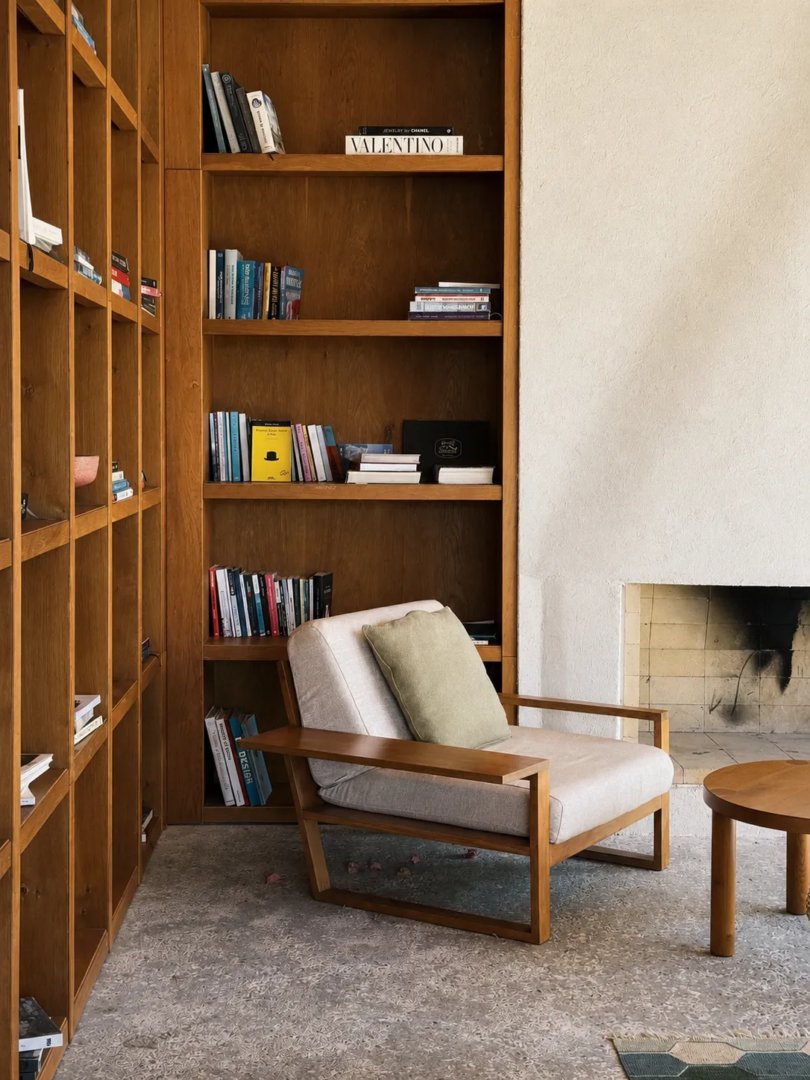
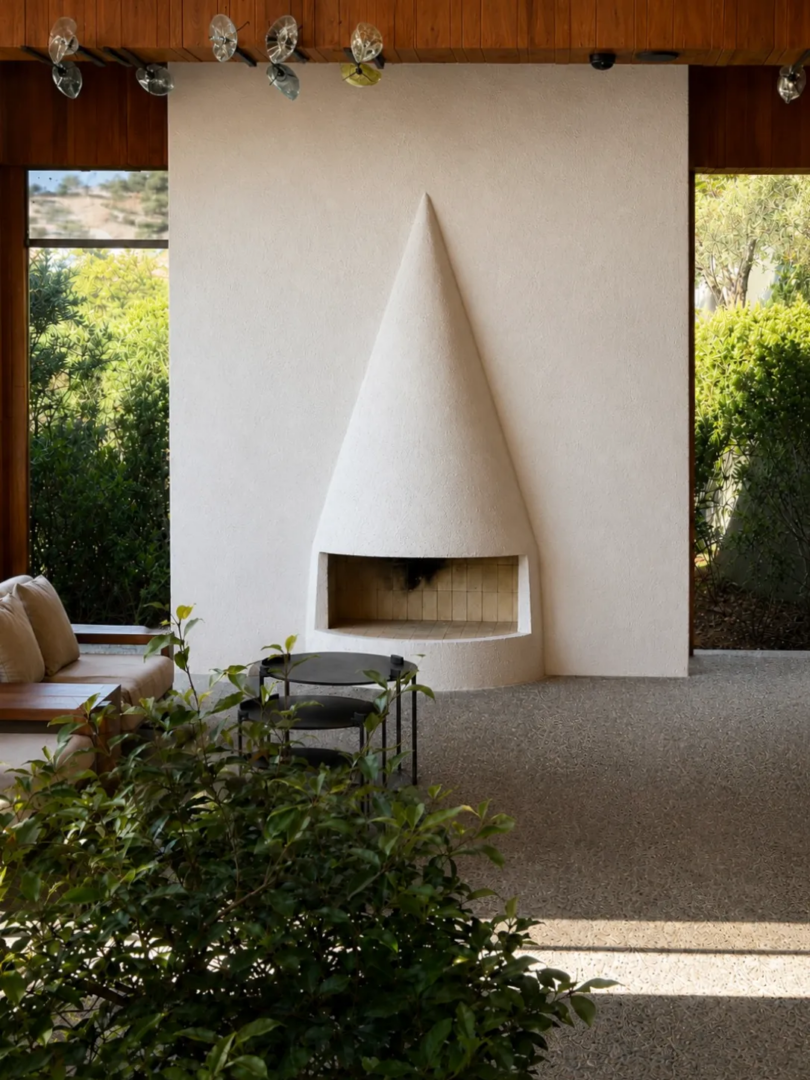
After the body, the mind: the heart of the common areas is the library – a wall of oak shelving rising to the wood-plank ceiling, its square cells holding volumes on art, photography, fashion and sailing, spaced the way books are spaced in a house rather than styled for a lobby. Overhead, a black metal armature suspended from the ceiling carries clusters of hand-blown glass – bud-like vessels striped in blue, yellow and aquamarine – over a wooden reading table and white wicker chairs. Nearby stands the fireplace, a pure cone of rough white plaster rising to a point above a rounded hearth, its firebox lined in pale tiles darkened by use: an ancient Mediterranean form rendered as minimalist sculpture, and a wood fire waiting for the cool evenings that open and close the season. The pebble-set concrete floor runs from inside out, and glass walls keep the greenery in view.
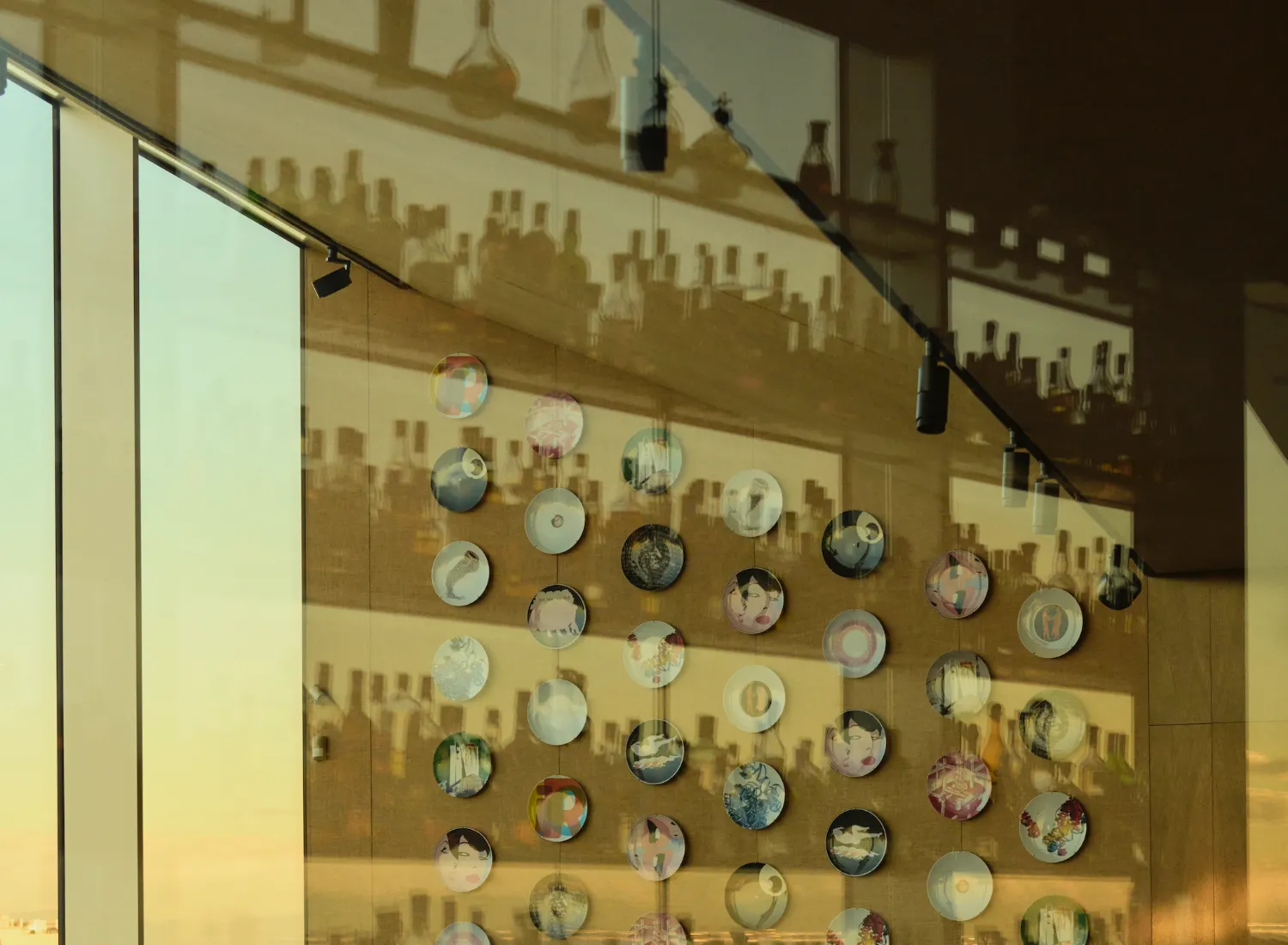
Every season, LoftArt brings the international gallery circuit down to Demirbükü. KÖNIG Galerie, Perrotin, Thaddaeus Ropac and Almine Rech have all staged exhibitions on the property – for Almine Rech, its first in Turkey – bringing sculpture and contemporary work by artists of the caliber of Tony Cragg, Erwin Wurm, Tom Sachs and César among the olive trees.
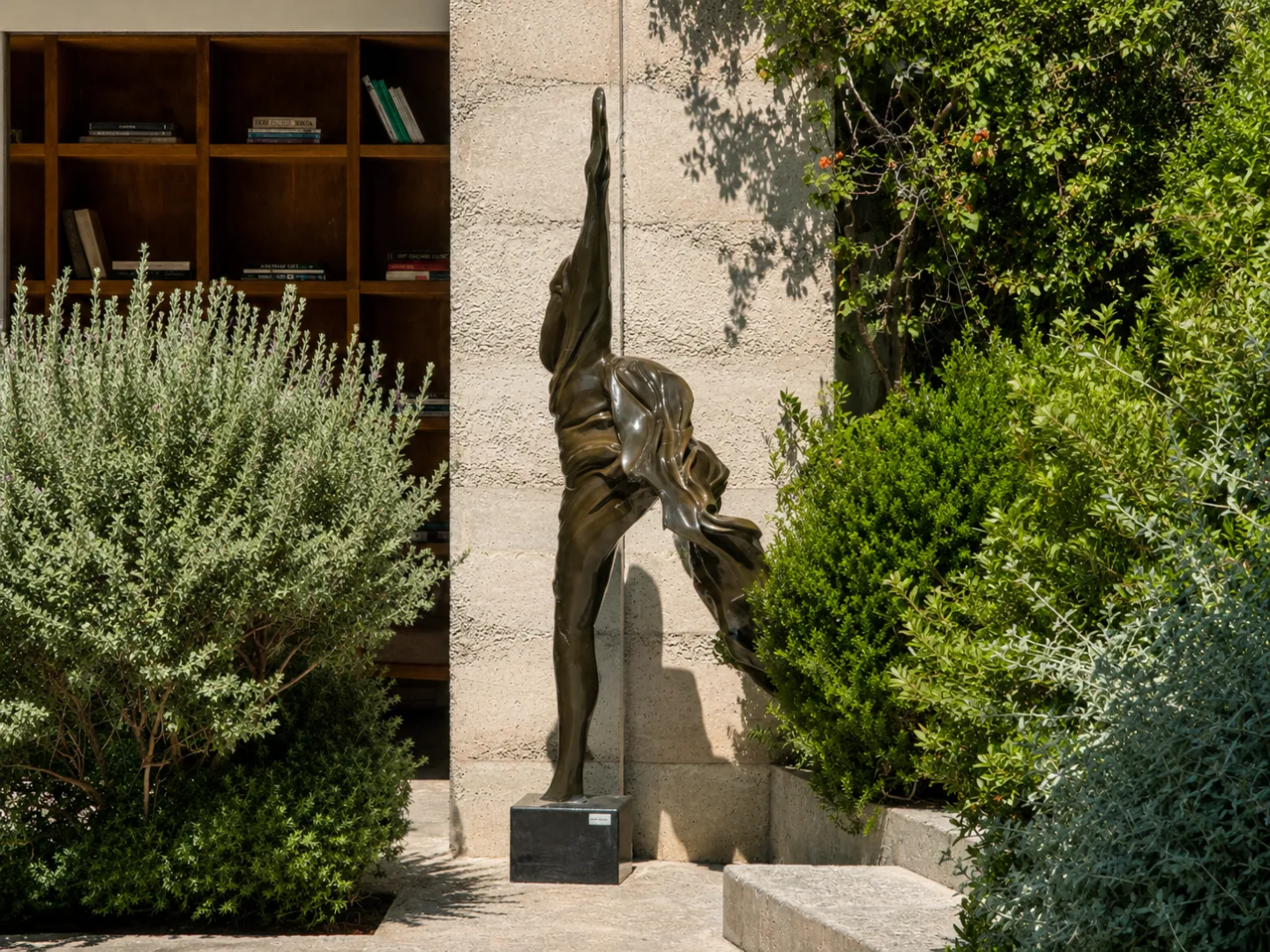
Dining at Bodrum Loft: Aegean cuisine, Italian tradition and a new bar culture between the olive trees and the sea
Loft Elia sits under the olive trees and has held a place in the Michelin Guide’s Recommended List for three consecutive years, cooking an Aegean menu from seasonal regional produce, breakfast through dinner. Ters Köşe, a handful of tables above the water, works through Aegean mezes and whatever the local boats bring in that morning. Paper Moon Bodrum Loft keeps up its Italian repertoire under chef Giuseppe Pressani, and The Pantry returns with its baked goods free of gluten, refined sugar and additives, the pastry led by chef Ghislain Gaille.
The newcomer for 2026 is Artsy. Founded in Ankara in 2023 and quickly rooted in that city’s cocktail culture, the bar arrives in Demirbükü as a pop-up beside Loft Elia: takeovers by international bars, weekly chef-led tables, music programmed from sunset deep into the night, and daytime hours given over to a concept store, artist talks and workshops.
Bodrum Loft
Bodrum Loft opened in 2021 as a project of Akfen Holding, the Turkish group founded by Hamdi Akın, which marks its fiftieth anniversary in 2026. The property belongs to Leading Hotels of the World, Serandipians and Mr & Mrs Smith. Rates for 2026 start at 495 euros a night for a Superior Room and 771 for a villa. The season opens in May and closes in October, when the village hands itself back to the woodland.