Léon Prost: documenting without distance
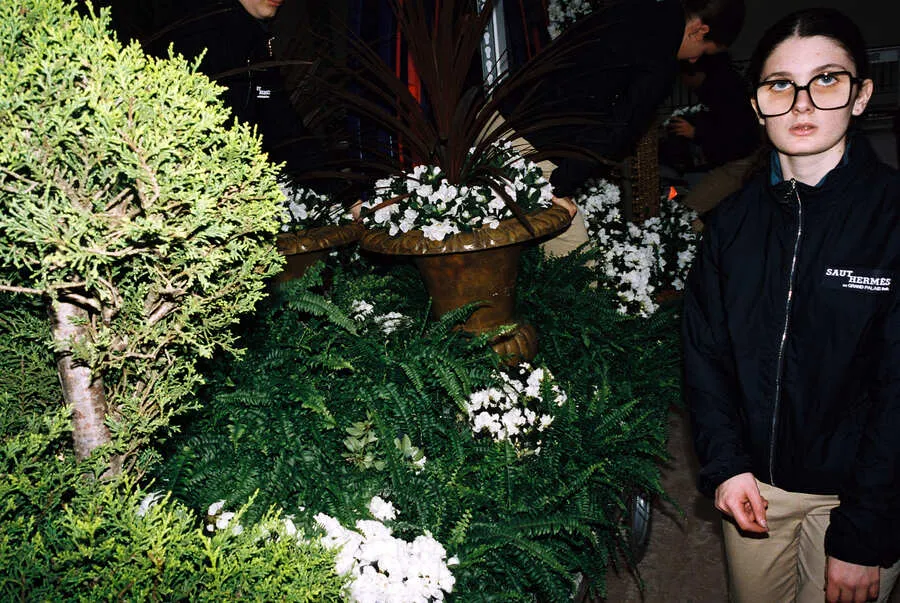
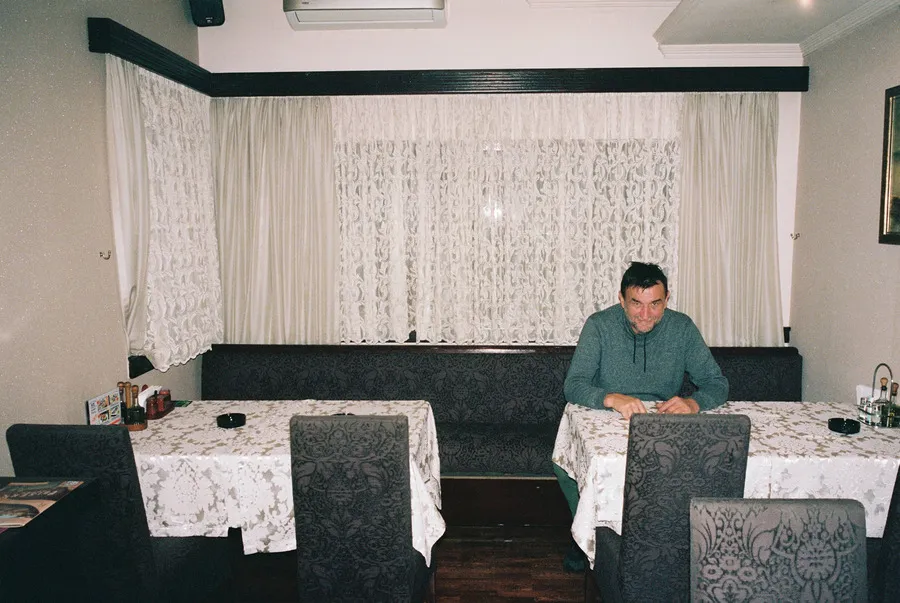
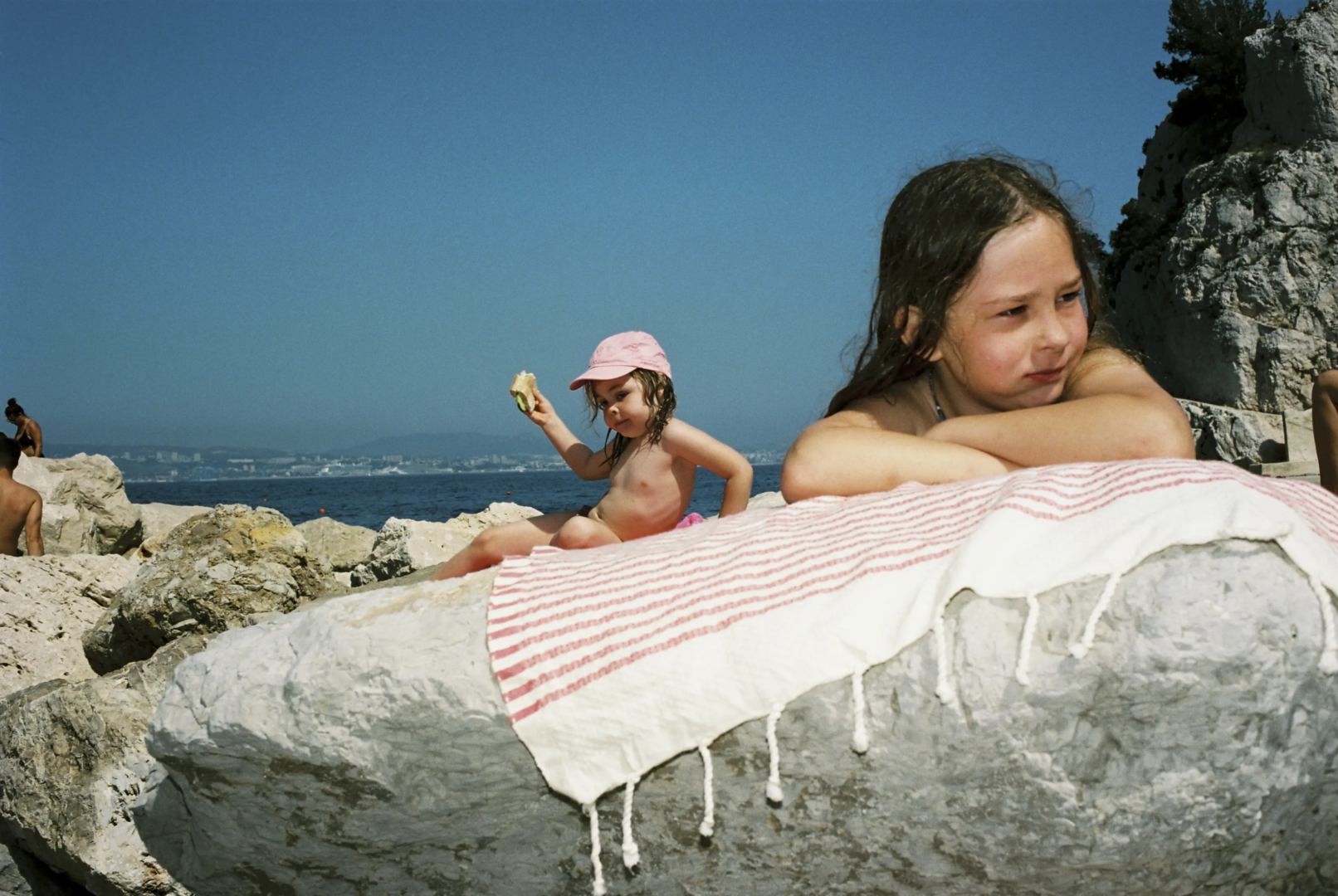
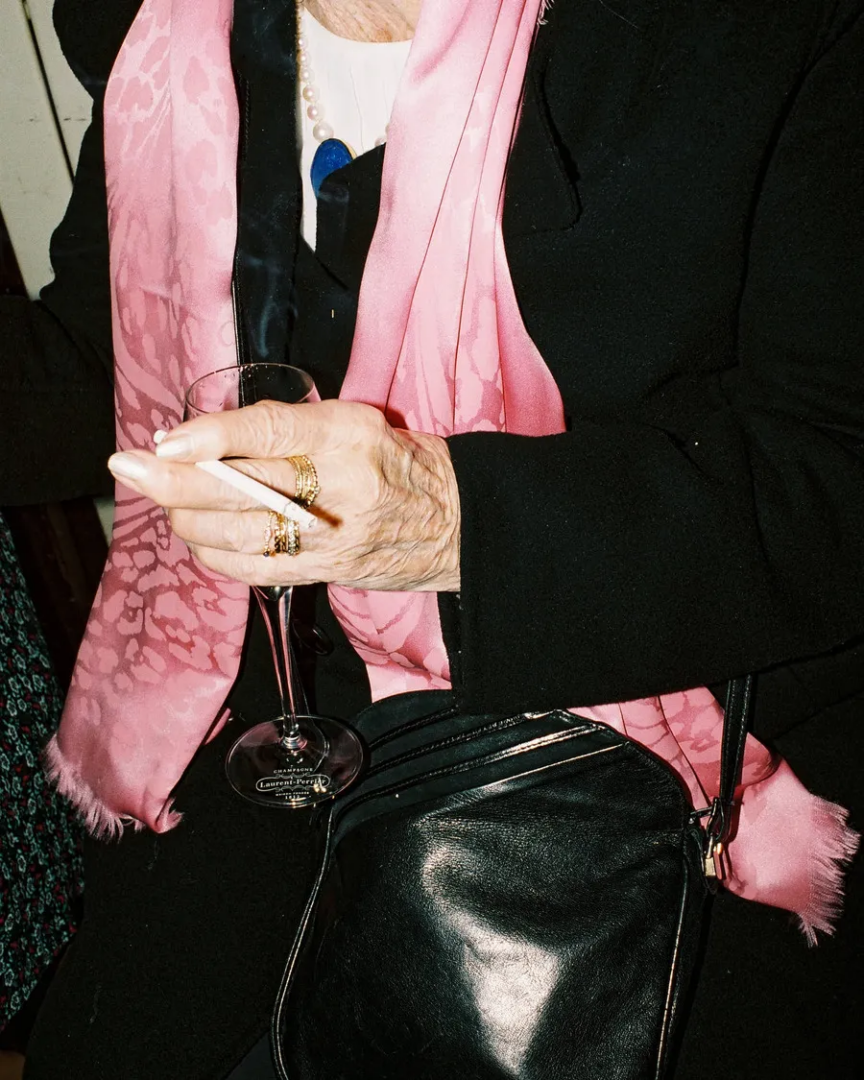
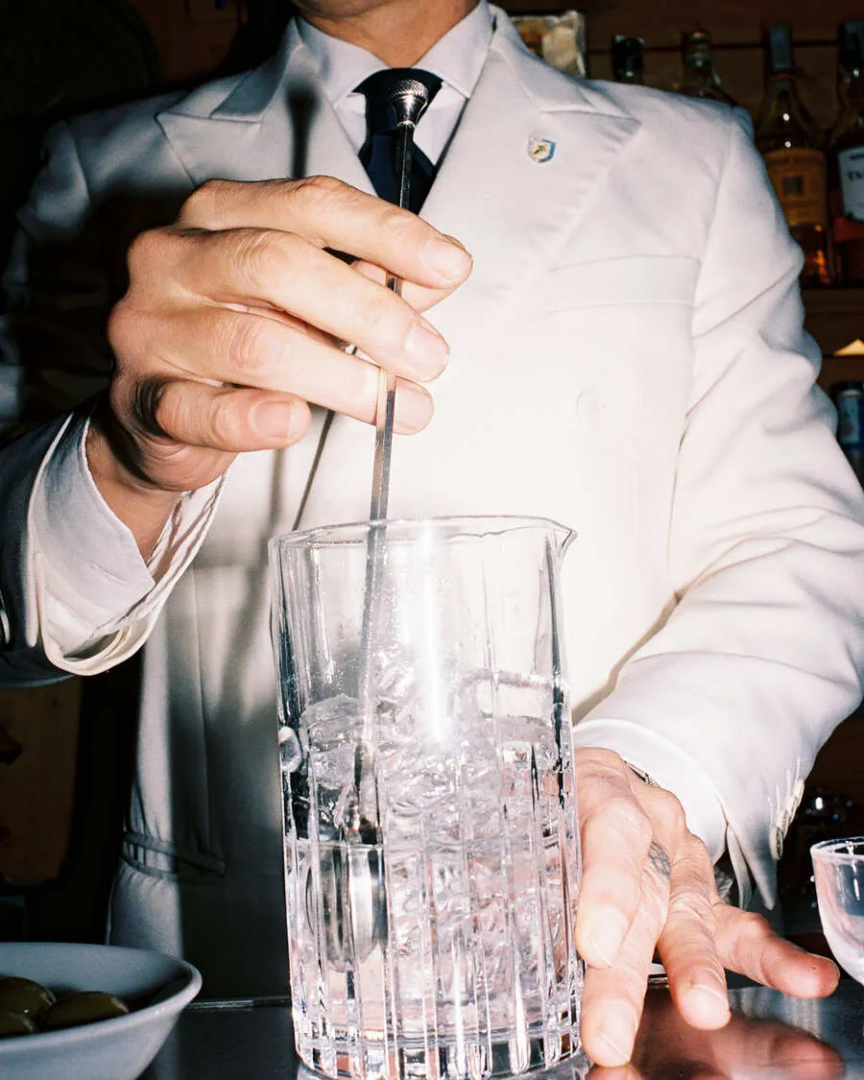
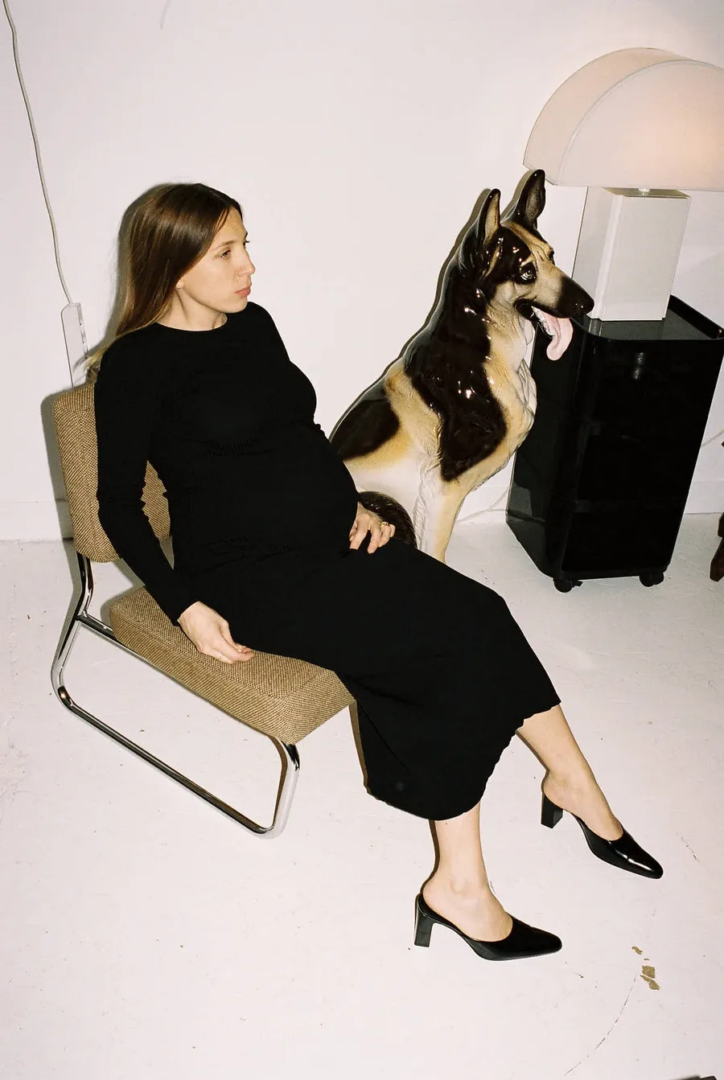
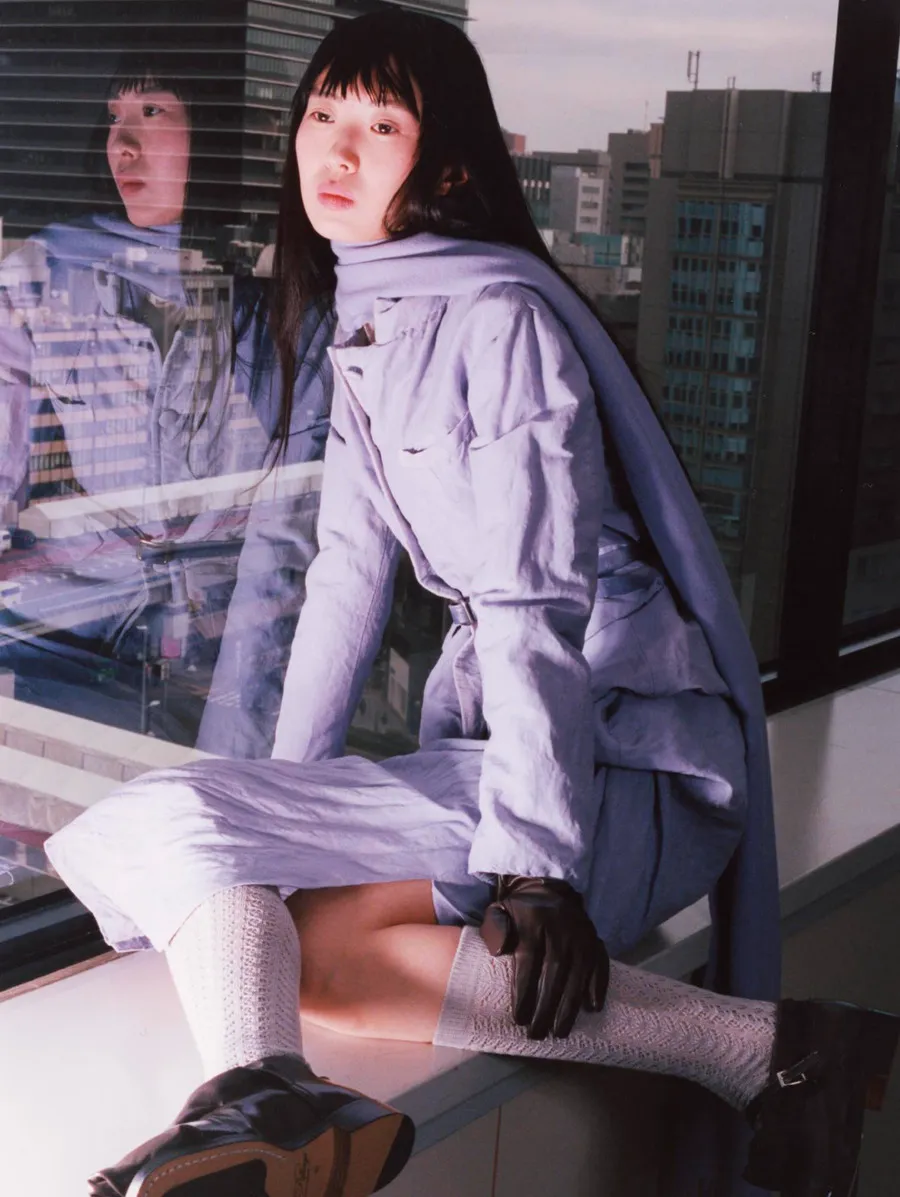
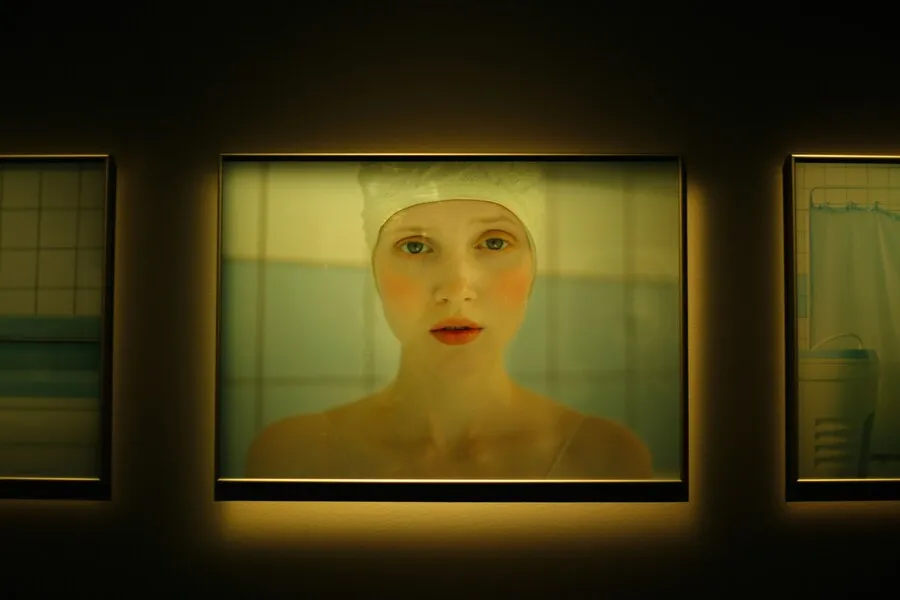
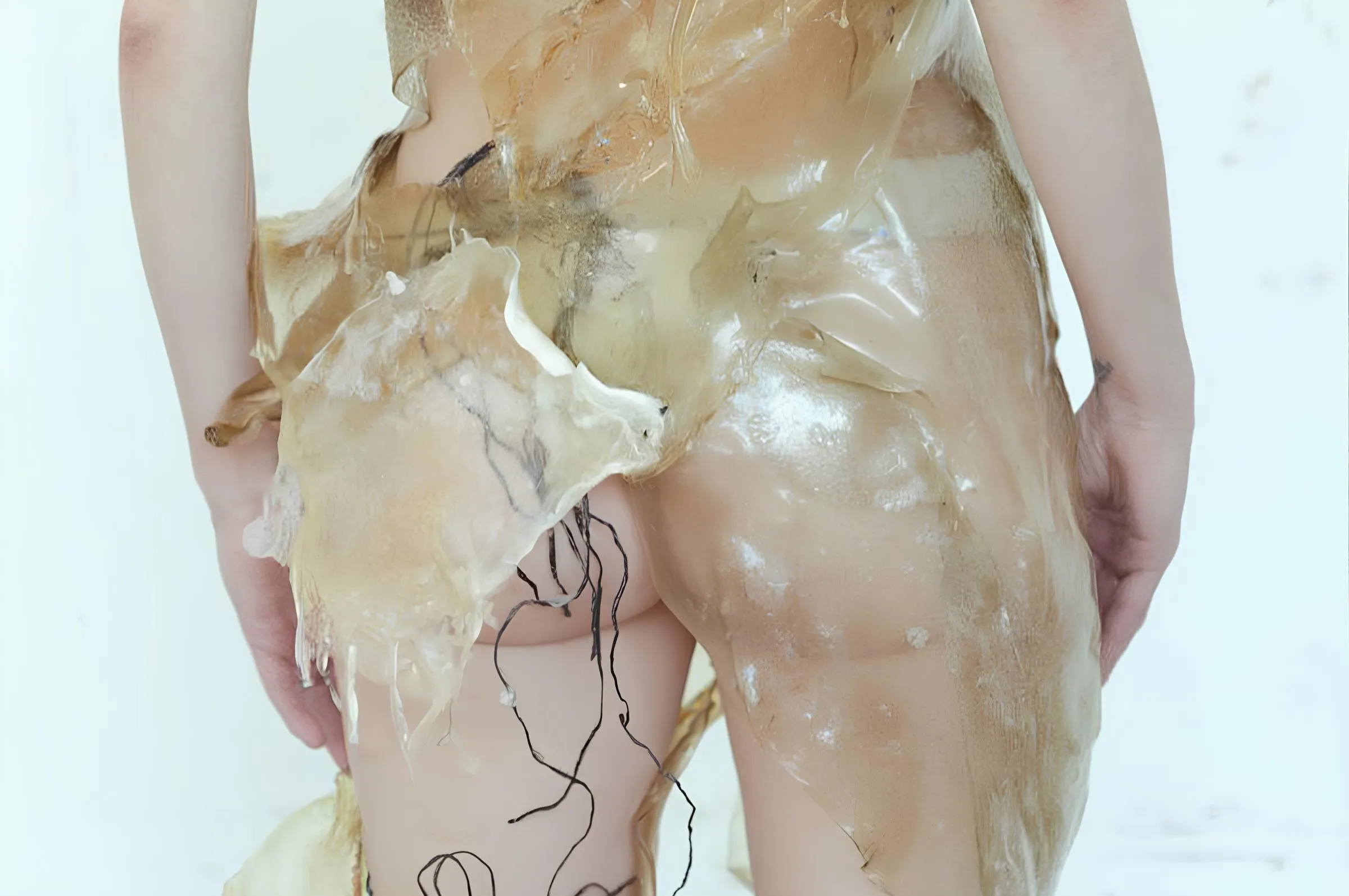
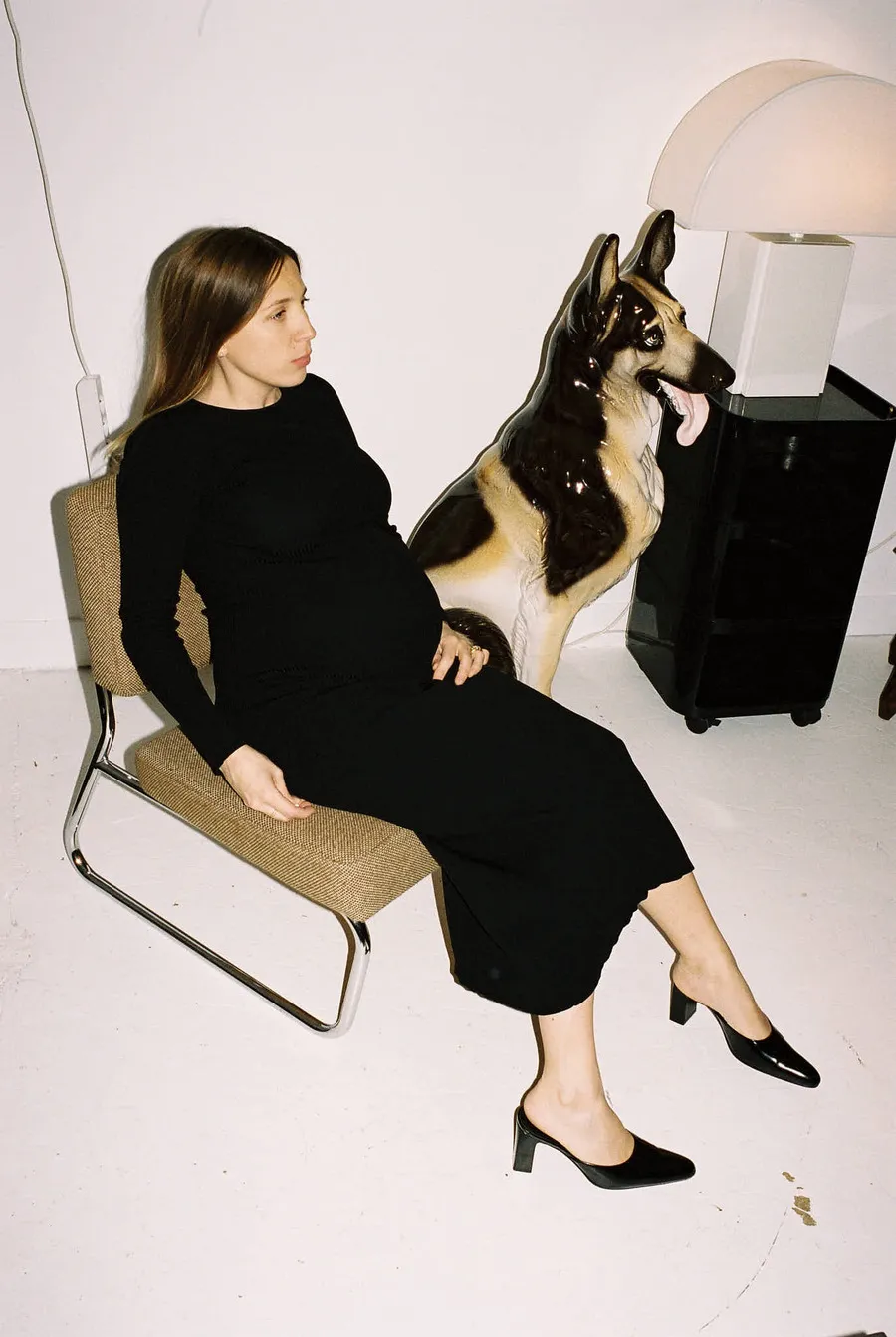
Flash, and refusal of idealization: photography as exchange rather than performance, Léon Prost – the images resist polish in favor of directness
Based in Paris and working across editorial, documentary, and commercial commissions, Léon Prost approaches photography as encounter rather than spectacle. Moving between radically different contexts—from rally landscapes to political figures to cabaret interiors—he treats each subject with the same proximity and conversational tone. In this conversation, he reflects on time, repetition, imperfection, and the responsibility of photographing what still exists in front of the lens.
AJ: When you look at your recent work, what does it reveal about you that you didn’t consciously plan?
LP: It shows how my practice keeps evolving. Each experience adds something. I work in radically different environments—one day in Mauritania for the Dakar Rally, another with a president, another night in a Parisian cabaret.
Before photography, I had several careers: restaurateur, real estate agent, brand creator, oyster seller. Photography allows me to inhabit different lives every week, sometimes every day.
AJ: Rather than asking about influence, it’s more telling to ask about refusal. What kinds of images do you actively reject?
LP: I don’t reject anything outright. Even what I dislike can be useful. It’s necessary to look at what’s being made through media, news, and culture.
With commissions, you sometimes do things you enjoy less. The freedom to choose completely is rare.
AJ: Your work feels direct without being aggressive. What are you trying to face head-on when you photograph someone?
LP: I try to avoid confrontation. I don’t create distance or solemnity. Photography is a moment of exchange. I’m not interested in standing apart as “the photographer.” I prefer equality, often built through an off-topic conversation.
AJ: Flash isn’t neutral—it interrupts. What does that interruption allow you to see more clearly?
LP: I started using flash because I didn’t know how to adjust a camera. I kept it because I liked the process. Sometimes the images where the flash doesn’t fire interest me more.
AJ: Many photographers soften their images to invite the viewer in. You often resist that. What are you protecting by doing so?
LP: Reality.
AJ: Taste often shows itself through repetition. Which visual choices keep returning in your work?
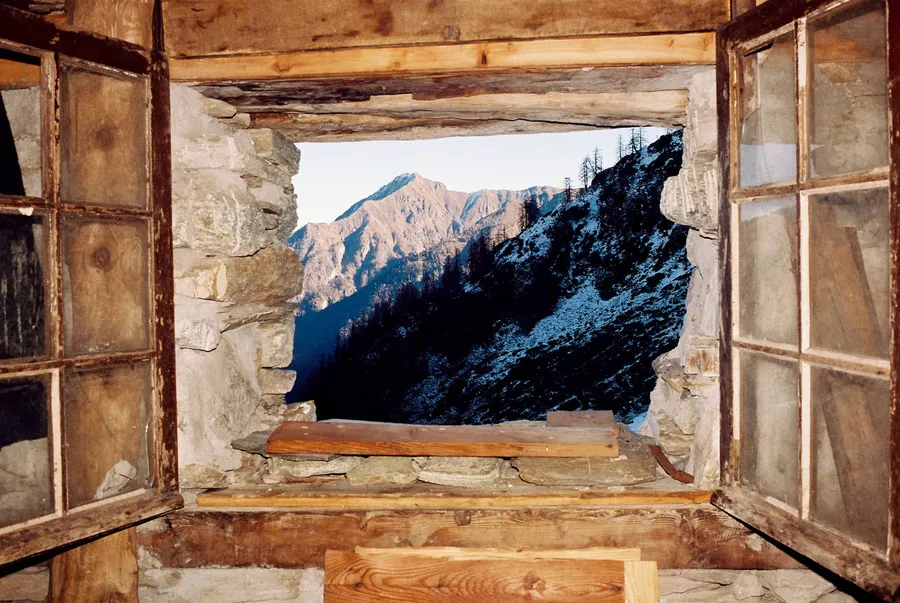
LP: Architecture. Empty spaces. Telling stories without characters.
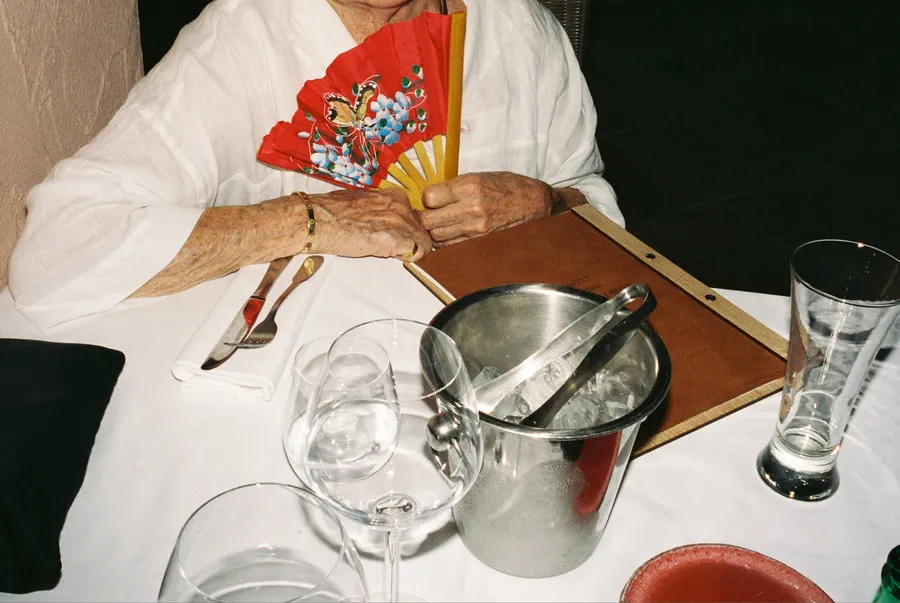
I return to empty interiors, exterior views seen from inside, and hand gestures that accompany speech. I’m working on a book around this part of my work, separate from commercial commissions.
AJ: Who needs to be around you for your work to reach its full intensity?
LP: Moments of emptiness without a camera.
And the people around my work table: my agent, my best friend, my art director, my assistants. I’ve tried to work alone, but other perspectives strengthen the work. You don’t do anything alone.
AJ: There’s a moment when a photograph stops being about aesthetics and starts being about character. How do you recognize that shift?
LP: When it works.
AJ: Which part of your process still feels uncomfortable?
LP: Lack of time and lack of distance. The speed of selection and delivery. Turning in images too quickly without enough perspective to judge them properly.
Time for reflection is essential.
AJ: What kind of recognition actually means something to you?
LP: When people from very different backgrounds respond positively to a series of images. If the appreciation is broad and sincere, that feels like success.
AJ: Your images don’t idealize people. What draws you to human imperfection?
LP: Everything contains it. Beauty and ugliness are subjective. What feels beautiful shifts with time and context. Maybe beauty is simply what remains.
AJ: In an era obsessed with youth and optimization, what do you want your images to say about being human?
LP: I try to document my time and environment. The images inevitably witness something, but I don’t claim they speak for humanity as a whole.
AJ: Death is rarely spoken about in photography, yet it’s always present. How conscious are you of that?
LP: I’ve photographed death and the moments around it. Partly to preserve memory, partly because I see a form of beauty in it, even if it’s painful. It’s as important as birth.
In the West, death has become taboo. It concerns everyone, yet we avoid it.
AJ: AI is changing how images are produced and consumed. What does it force you to take responsibility for as a photographer?
LP: If images become entirely generated, the job changes. I might change profession.
AJ: When images can be generated endlessly, what becomes sacred about choosing to photograph a real person?
LP: Nothing is sacred. It’s simply what still escapes the idea that everything is possible. It reassures us that it is reality.
AJ: How do you maintain conviction in your visual decisions when everything is endlessly editable?
LP: I never studied photography. My practice is direct, sometimes unstable. I don’t retouch. I don’t use complex software. I capture and then select. Choosing is already difficult enough.
If someone discovers my work, I don’t want them to think I’m an impostor.
AJ: If someone encounters your work without context, what do you hope they immediately sense?
LP: That it’s honest. That it’s immediate.
AJ: Right now, what feels most at stake in the way images are made and believed?
LP: Time. Time for editing, reflection, and selection. We have less of it. You feel it in the work, in the encounters, and in the process.
And in attention. If you hold someone’s gaze for more than a minute, that already means something.
Anouk Jans