27 87, perfume against nostalgia: seven fragrances out of the archive
Ten years after it was founded in Barcelona, Romy Kowalewski’s independent house releases seven unseen fragrances composed between 2017 and 2025: white bottles, short supply chains, no nostalgia
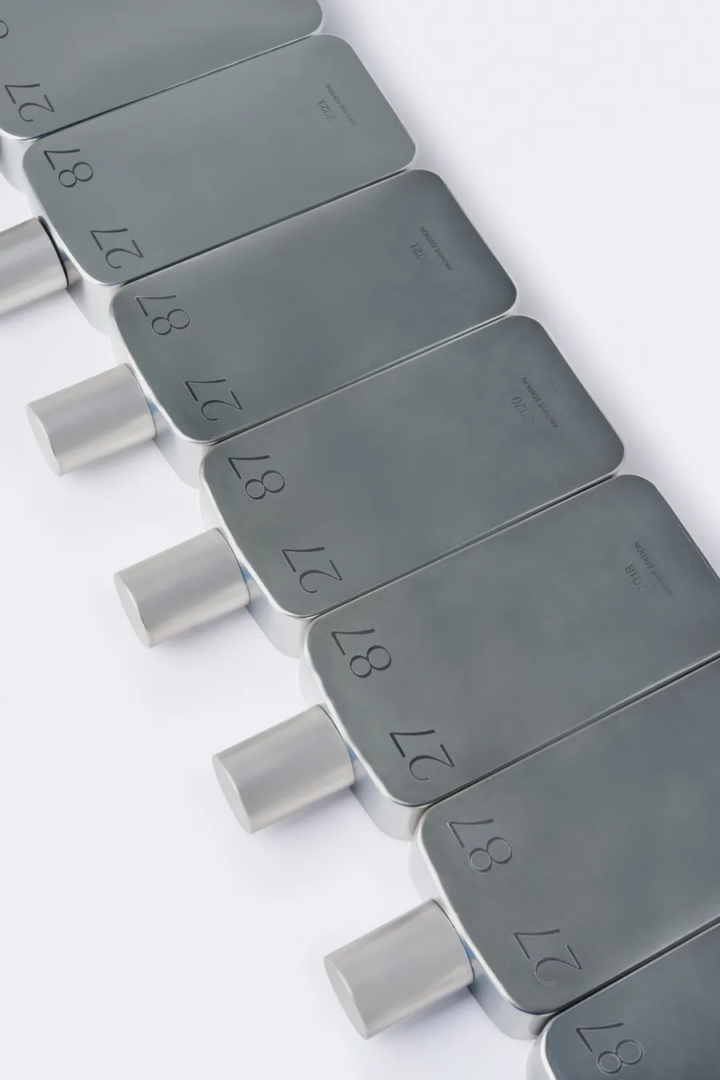
Seven fragrances composed between 2017 and 2025 stayed in the archive because they looked wrong for the market. Since 27 September 2026 they have been on sale together as the Archive Edition, presented on 18 June: this is how 27 87, the independent perfume house that produces in Barcelona, founded by the German Romy Kowalewski, reaches its tenth year. The numbers in the name are the two bottle sizes in millilitres.
Screens organise the way we look, choose and want, and almost every experience can be translated into a photograph, a video, a sequence of data. Perfume stays outside that translation: it exists on skin, in time, in the body.
27 87 and the present: No Scent Like the Present and the refusal of memory
The brand built its identity around one statement: No Scent Like the Present. It concerns the way a fragrance enters a relationship with its own time, more than the age of the compositions. While algorithms anticipate desire, smell keeps a space for instinct, ambiguity and individual perception.
«Perfume is one of the few cultural languages that still refuse to be flattened into an image. We live through screens, but perfume brings us back to the body. It interrupts the visual logic of our time and creates a direct, intimate connection with the present. We create perfumes like canvases. The person wearing them completes them».
Traditional perfumery built its narratives around memory: a childhood garden, a romantic evening, a mysterious place never seen, an idealised past. 27 87 addresses the present, its tensions and its contradictions.
«From the beginning, 27 87 was built around the idea of the present. No memory, no past. Digital life, urban rhythms, uncertainty, movement, heat, sound, skin, global tensions and individual freedom become compositional materials».
Romy Kowalewski: building a vocabulary for smell
When she founded the brand, Kowalewski was convinced the product was the starting point and the centre of everything. Over the years that conviction widened: the quality of a perfume, on its own, establishes little with the person who meets it. The difficulty lies in finding words for what happens when you smell it, and a high-quality experience stays out of reach for anyone without the vocabulary to understand it. Olfactory freedom coincides with the possibility of developing a personal judgement: a perfume can ask for time, instead of arriving immediate, reassuring and recognisable.
«We are a culture with very little training in smell. We learn to look at images, to read, to talk about music or design, but very few of us learn to smell. Part of our work consists in cultivating the nose: making people more confident in their own perception, beyond trends, gender codes or the language of marketing».
White bottles: the luxury of subtraction in 27 87 packaging
The 27 87 bottles are white, with a shape reduced to the essential. It is a design decision before an aesthetic one, and it serves to find a place in a market that looks to luxury: the perfume does the speaking, and the object counts for its content instead of demonstrating status.
«Luxury has often been confused with excess: more weight, more shine, more gold, more narrative around the object. For us, real luxury is much quieter. The white bottle is a canvas. It does not compete with the fragrance. It leaves room for the associations, memories, moods and stories of the person wearing it. Luxury is a mindset, not a display. Quality is in the composition, the precision, the ingredients, the maceration, the time given to making it and the experience the perfume produces on skin. The bottle, instead of anticipating the meaning of its content, withdraws».

Sustainability: production in Barcelona, short supply chains, IFRA standards
Beauty, like fashion, has taken over the word sustainability as marketing, to the point of separating it from the practices it should describe. For Kowalewski the question runs through the structure of the company: 27 87 stays independent, production, blending and bottling happen in Barcelona, and new fragrances come out when they are ready.
«Saying no to speed, to overproduction and to constant launches means giving up revenue opportunities. We have also turned down growth or distribution when it did not seem right for the brand in the long term. These are choices that answer to something other than immediate profit, and they protect the product and the integrity of what we do. Responsibility begins exactly there: in the decisions nobody sees. Being independent also means not being forced into a rate of growth that could compromise us. We do not have to push out one perfume after another to satisfy an external rhythm. We present a fragrance when it is ready, not when imposed timing demands it. Sustainability is also working with intention: local production where possible, short supply chains, responsible packaging, high-quality ingredients, vegan formulas, compliance with IFRA standards. But sustainability is not only about materials. It is also about culture. Are we creating objects that have meaning? Are they made to last? Do they avoid becoming waste, emotionally as well as physically?»
Across fashion and cosmetics, many brands ask whether consumers are willing to give something up — price, packaging, convenience — in exchange for a more sustainable product.
«I do not believe sustainability should rest on guilt or sacrifice alone. It is not a particularly inspiring way to move culture forward. A customer can accept a higher price if the value is understood. They can accept less excessive packaging if the product feels more meaningful. They can accept slower processes if they perceive the difference in quality. But people will not give up everything in the name of a moral principle. The product still has to be sensorial and relevant. For me the goal is not to ask people to want less. It is to create products with more substance, so that what is superfluous becomes less attractive».
Per Sē and Hakuna Matata: the olfactory portrait of 2026
Which 27 87 fragrance can stand for the spirit of our time? For Kowalewski the task divides between several formulas, because the present is made of different states that resolve into no single atmosphere.
Per Sē, from 2023, is the brand’s olfactory logo, the most direct translation of its principle: a perfume in movement, tied to an idea of time that keeps changing. It holds a floral bouquet, iris butter and violet leaves, set against clean aldehydes, bamboo and a little spiced pepper, over a thin base of ambrette seeds, angelica root and musk.
Beside Per Sē, Kowalewski names Hakuna Matata, from 2025, as an answer to the heaviness of the carefree world its name evokes. Banana, honey, jasmine, musks and woody ambers. A «composition that is playful without being naive, joyful without giving up depth», because «the spirit of our time is tension: between chaos and optimism, technology and instinct, exhaustion and the wish to feel alive. A perfume able to capture the present has to hold all of it at once».
27 87 Archive Edition: the seven fragrances from 2017 to 2025
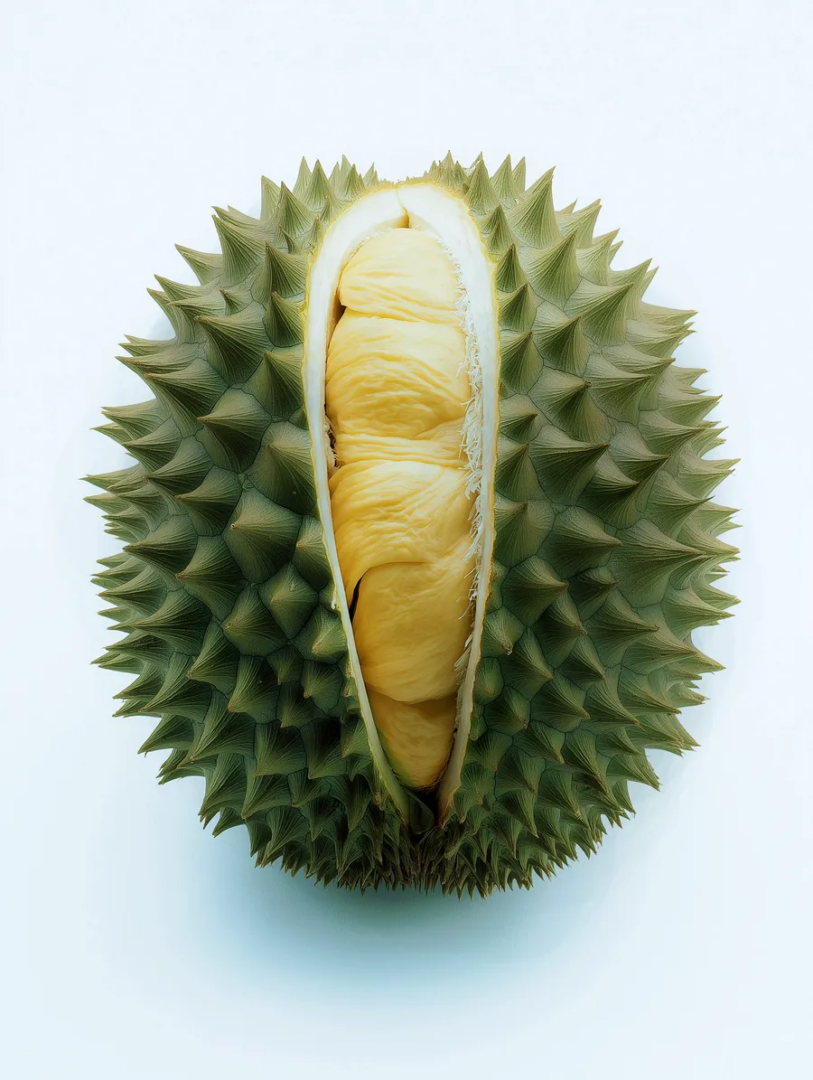
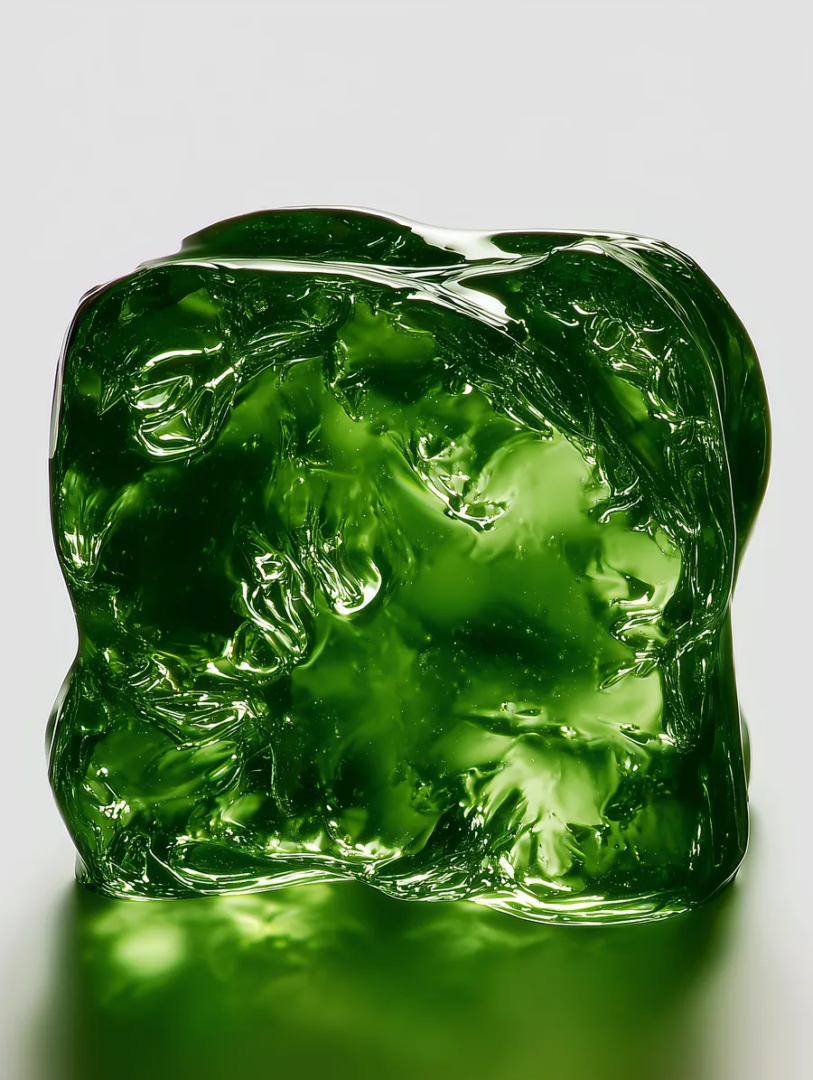
The tenth anniversary, marked with the Archive Edition, could have taken a nostalgic form too. It became a selection of perfumes that once looked wrong for the market: Flor de Tiaré dates from 2017, Genetic Drift from 2018, Lavender from 2020, Gin Mare from 2021, Vetiver from 2023, Durian from 2024, Waldmeister from 2025.
«It was not about looking back. It was about deciding which unreleased creations deserved to exist now. The archive became present tense too».
The seven form the olfactory portrait Kowalewski describes: several states of mind existing at the same time.
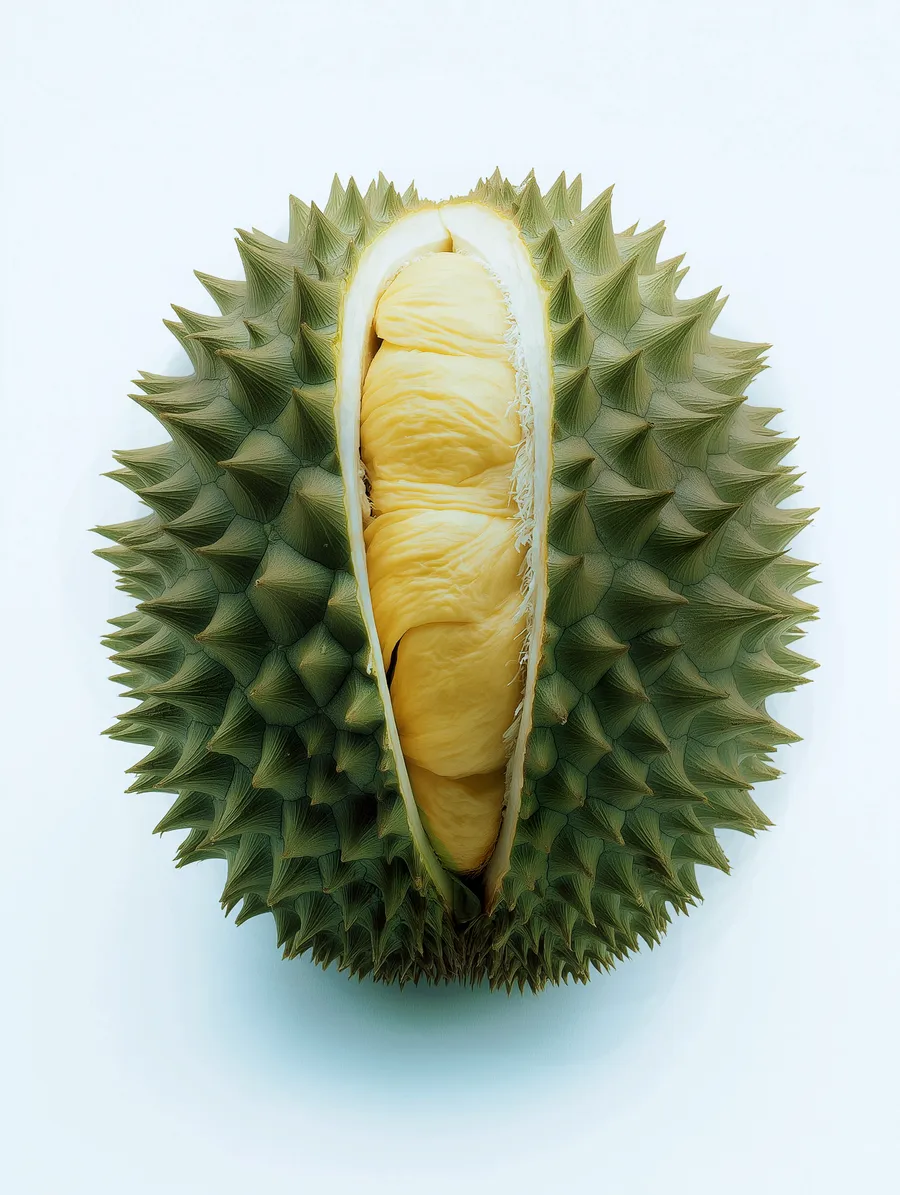
«Flor de Tiaré carries solar warmth, white petals, a creamy luminosity and a natural intimacy. Genetic Drift moves in molecular territory, close to the skin, woody, creamy, bright. Almost a reflection of the body itself. Lavender takes a familiar ingredient and shifts it outside its usual register. Then there is Gin Mare, which gives back Mediterranean freshness without relying on the bright obviousness of citrus. Vetiver brings a sense of grounding. Durian is probably the most provocative of the seven. It reminds us that discomfort can turn into fascination, that beauty can emerge from something strange, excessive, even difficult. Waldmeister closes the constellation with a green, delicate sweetness, playful but unfamiliar, almost like rediscovering a forgotten botanical language».
The seven hold the raw materials Kowalewski would choose to describe 2026.
«I would choose contrast: solar flowers, molecular woods, lavender, aromatic herbs, vetiver, durian and Waldmeister. Materials that do not immediately agree with each other, but that together create tension, movement and presence. I would avoid anything too obvious, anything that smells of a market forecast. Anything built only to come across as pleasant, safe or easily understood. 2026 does not feel like a year for a single polished idea of beauty. It feels like a year for curiosity and courage».
How long a perfume lasts: duration as adaptation
Contemporary luxury has shifted its relationship with time: where permanence once signalled stability, continuous change is now what gets celebrated. Can a perfume still be something made to last?
«The concept of duration has changed. It no longer means being static. Something can last because it keeps adapting. The art of perfumery is fascinating in this sense. A bottle can stay with us for years, but the experience is never the same. Skin changes, mood changes, the surroundings and the air change. The fragrance remains, and the encounter with it shifts».
27 87 and modernity: unisex perfumes and the refusal of nostalgia
27 87 uses the word modernity a great deal, in a market that still works on nostalgia to reach its customers. A break with tradition, or a paradox?
«Being contemporary means understanding tradition well enough to carry it forward, not breaking with the past. Perfumery has extraordinary craft mastery, and I have enormous respect for it. But too often the industry confuses craft with nostalgia. Modernity is not about having a social media account or using contemporary imagery. It is in the juice. It is in the formula, the structure, the materials, the concept, the way a fragrance behaves on skin and the way it speaks to the life we are actually living».
Being contemporary, Kowalewski summarises, is using natural and synthetic ingredients intelligently, staying open to technology while keeping the human and emotional dimension of perfume, and making fragrances detached from gender: every perfume in the range is presented as unisex.
27 87 between craft and technology: new molecules and maceration
The future of perfumery at 27 87 sits at the meeting point of technology and craft.
«New technologies widen the perfumer’s palette. They give us new molecules, more precision, more transparency and, at times, more responsible alternatives to materials that are hard to source sustainably. They let us create smells that did not exist before, or reinterpret familiar materials in a completely new way. But technology alone does not create emotion. It does not create instinct, tension, irony, elegance or soul. That is where craft comes in. The human nose, the creative choice, the patience of maceration, the courage to stop».
Giacomo Cadeddu