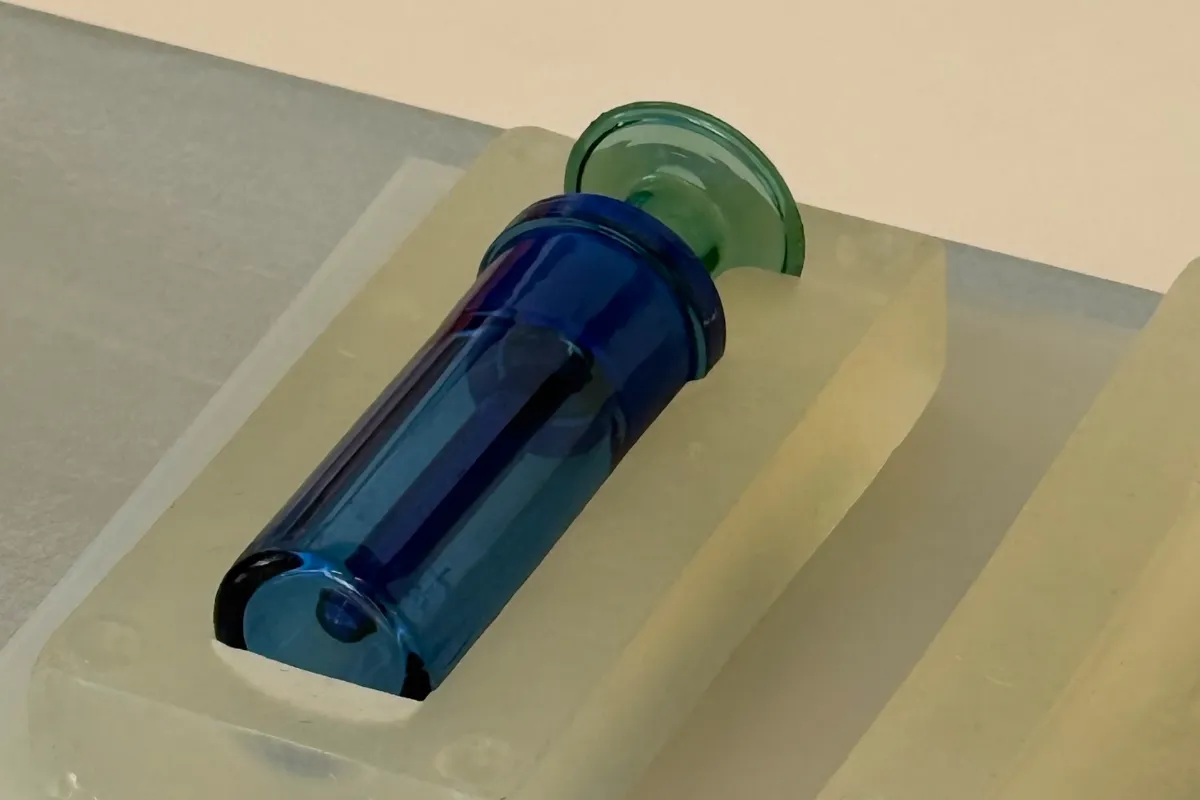
Smell reaches the brain before you think. Olfactory Signals builds on that
OS.03 opens at 10 Corso Como on June 4: thirty-plus makers, a rooftop by Sissel Tolaas and Octave Perrault, and a program that treats the olfactory pathway as a medium in itself
Odor begins as chemistry. Airborne molecules enter the nasal cavity and bind to olfactory receptor neurons in the epithelium. The human nose carries roughly 350 receptor types. Each neuron expresses a single one. These cells send axons through the cribriform plate to the olfactory bulb — the first relay station for smell inside the brain.
From there, the path is short. The bulb passes its signal to the piriform cortex, which identifies the odor, then to the amygdala and the hippocampus. The first governs emotion; the second organizes memory. Unlike sight and sound, smell reaches these structures without routing through the thalamus.
That direct wiring explains a familiar effect: a single scent can return a past moment with its emotional charge intact, sometimes decades later. Researchers describe olfactory memory as a record the brain keeps in reserve and reactivates on contact, almost before conscious analysis begins.
Olfactory Signals takes this account as both a starting point and a provocation. The platform reframes fragrance as an artistic medium and tool for discovery, challenging its conventional link to memory through sensory storytelling. The science supplies the route to interrupt: the nose-to-brain pathway becomes a channel capable of carrying constructed information, not only inherited recollection.
OS.03: the fragrance salon returns to 10 Corso Como, Milan
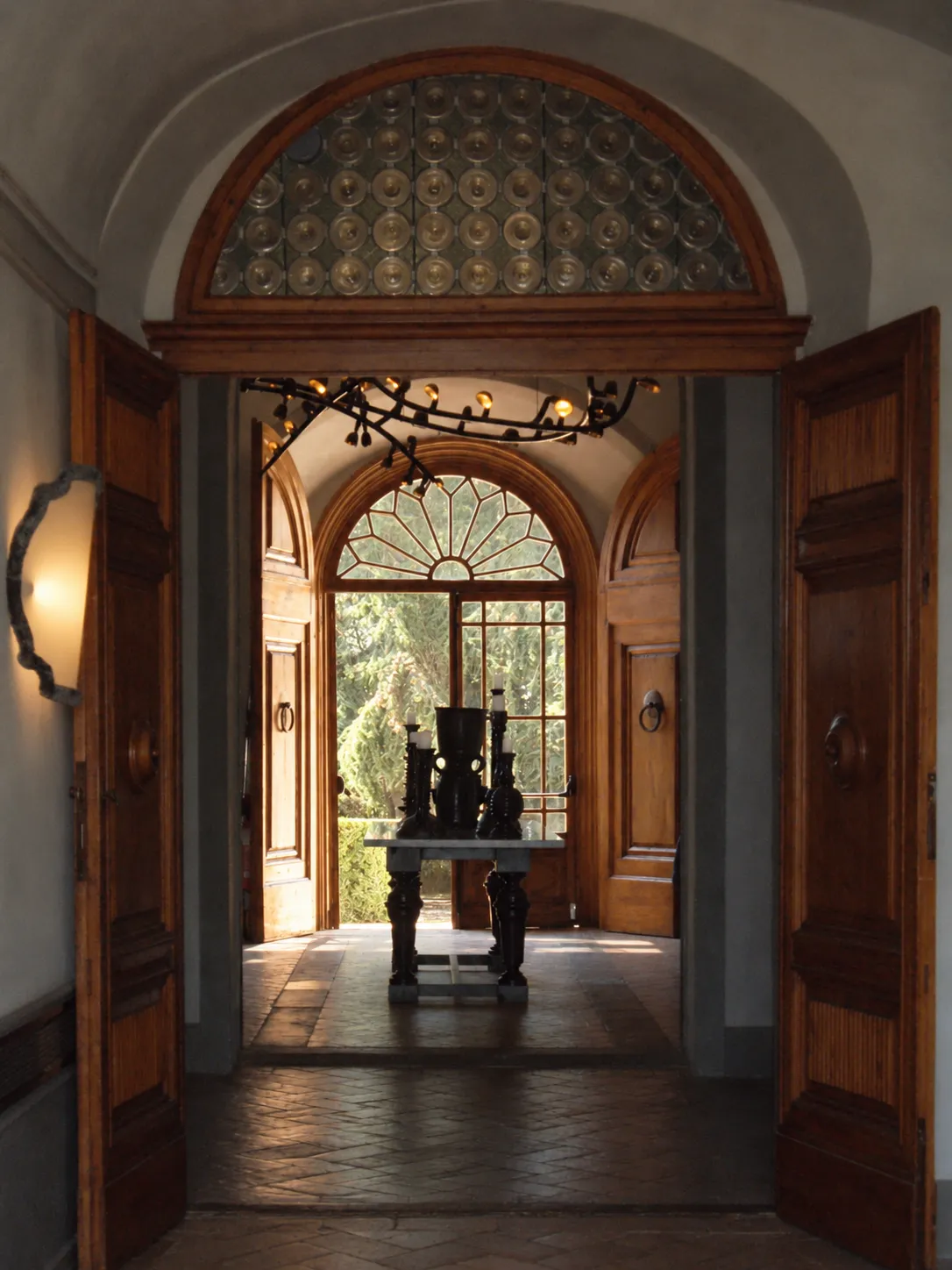
The third edition runs from Thursday, June 4 to Sunday, June 7, 2026, at 10 Corso Como. System Preferences and Marco Innocenti founded the salon in 2024 and frames it as an incubator and platform for scent-based narratives. The address carries its own history: 10 Corso Como opened in Milan as a concept store at the start of the 1990s.
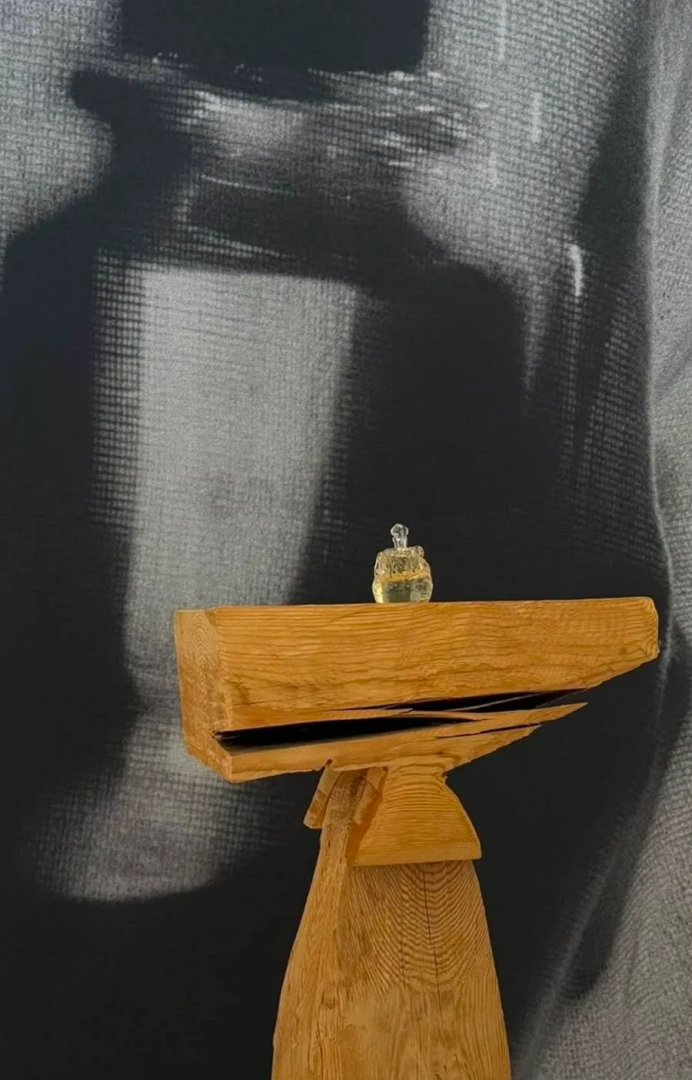
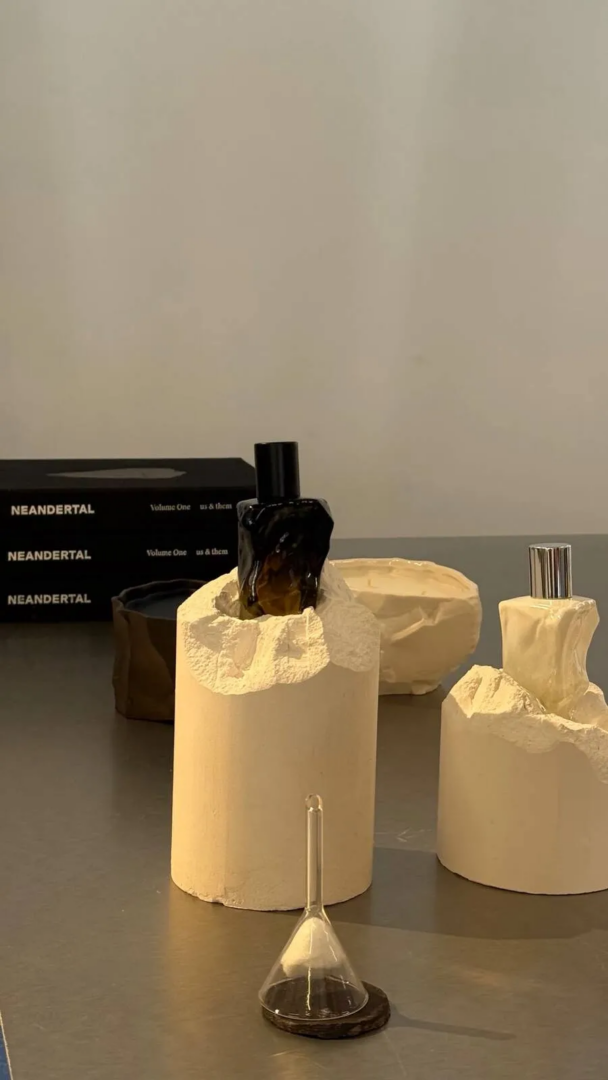
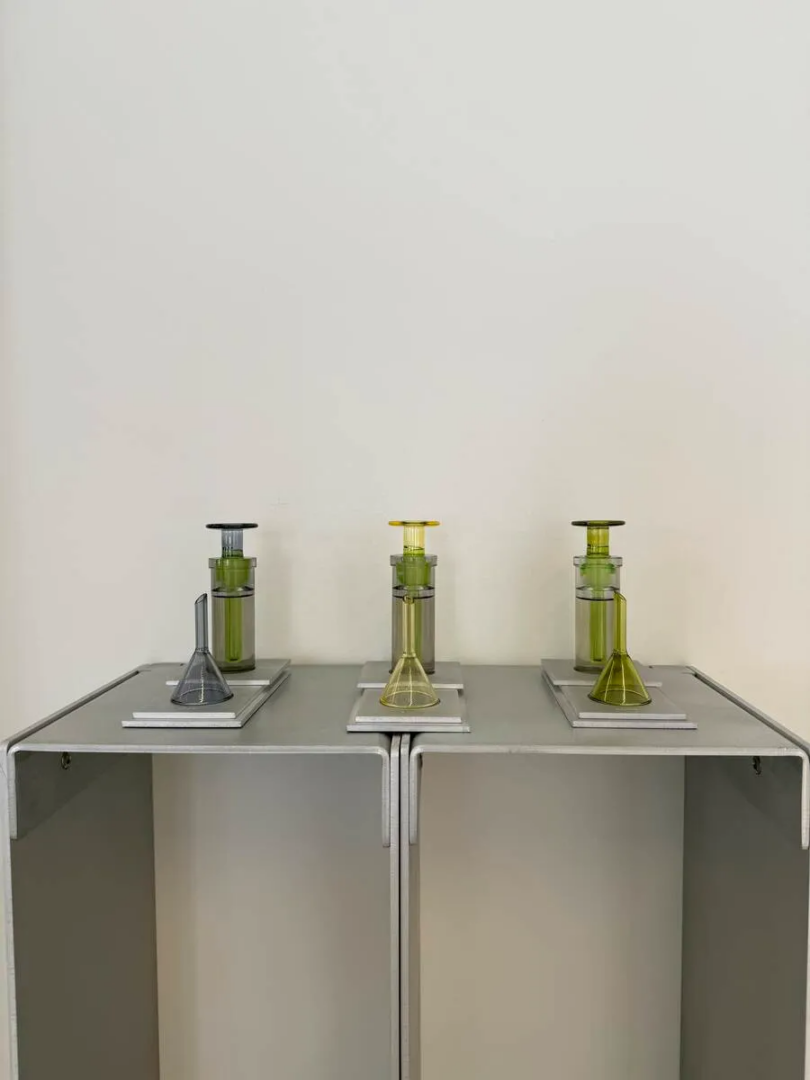
More than thirty international makers occupy the ground floor as individual exhibitors, each working atop a modular steel pantograph table designed by the studio 2050+. The format mixes wholesale and retail: visitors can buy on site and makers can open trade conversations. The roster spans rare eau de parfum, historic incense, candles and objets d’art.
Founders, noses and artistic directors stand with their work. The arrangement asks the visitor to handle scent in several forms, for the body and for the home. Participating fragrance houses include Uniform, Arpa Studios, Bjork and Berries, Raw Contrast, Abel, Frassaï, Neandertal, Monom, Siuno, Son Venin among others.
Scent as myth and politics: the installations at OS.03
«Based on the premise that air and water are the last truly free elements, the installation is structured through distinct pillow areas, positioned according to the cardinal directions of the wind.»
In the adjoining Gallery and Mezzanine, QOA presents a sonic experience exploring aural architectures and floating states of perception through a language of vibrations, powered by an audio system by Di Salvo. Exhibitor interventions sit alongside works by contributing artists. Exhibitor interventions sit beside works by contributing artists. Sculpture, photography and sound share the rooms. The curation frames scent as both myth and politics, raising questions about the transmission, ownership and agency of smell.
Chiara Capellini seals scent inside an inaccessible vessel for The Field of Possibilities — a work that withholds the very medium it is built around. Fabian Bergmark Näsman, working with Haisam Mohammed, mists perfume into the air from the branches of a miniature tree in Fragrance Fountain. A series of air purifiers designed by Octave Perrault continuously cleans the room, regenerating the atmosphere’s density.
The edition extends a line drawn at the first salon in 2025, where the Norwegian artist and smell researcher Sissel Tolaas installed four monumental paper reels — a collaboration with the Ukrainian designer Ilya Goldman Gubin carrying close to three tons of industrial paper impregnated with abstract smell molecules.
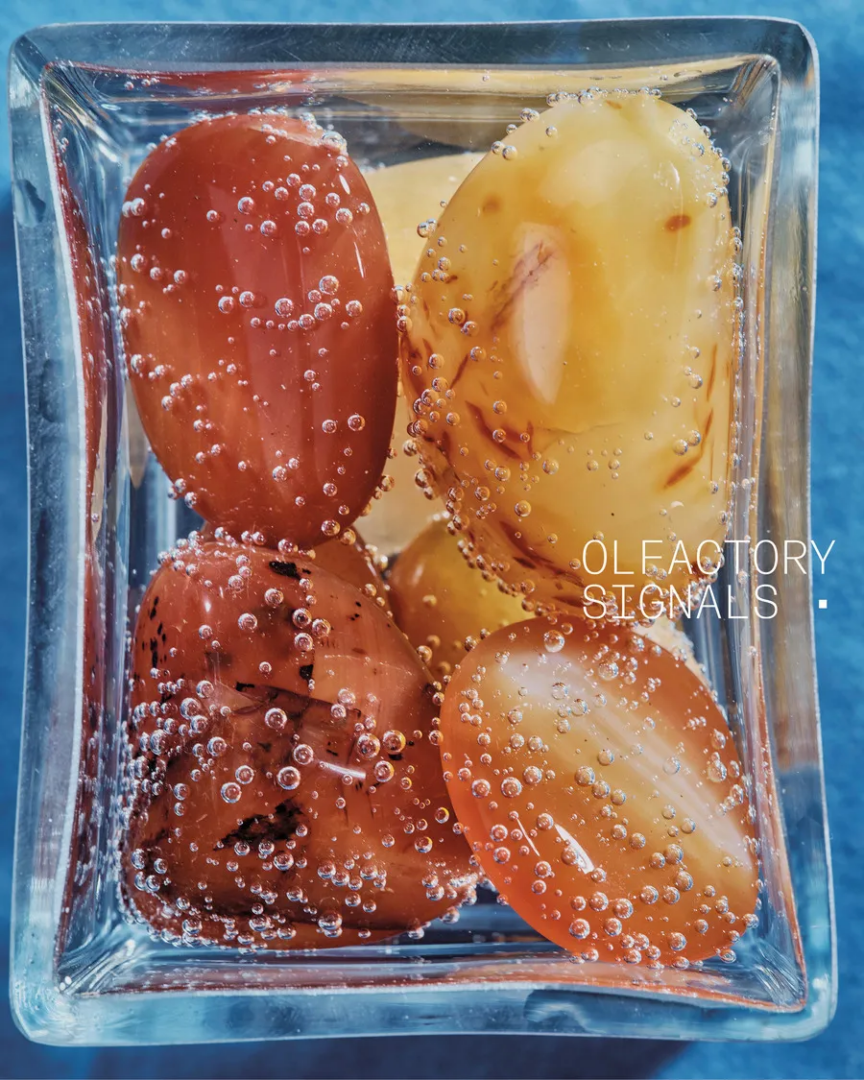
Photo: @nachoalegre
Art direction: @lauradoardo
Special mention: @ps.creativeagency
Powered by: @systempreferences_
OPEN AI(R): Sissel Tolaas and Octave Perrault on the rooftop of 10 Corso Como
For the central commission, Tolaas returns with the French architect Octave Perrault to present a rooftop work titled OPEN AI(R). The two treat the roof of 10 Corso Como not as architecture but as an interface with the sky — a field where air moves and carries information across space.
The premise holds that air and water remain the last truly free elements. The installation divides the roof into distinct pillow areas, each positioned according to the cardinal directions of the wind and nano-embedded with molecular compositions tied to light, temperature, movement and time.
The atmosphere shifts across the day, producing what the makers describe as an invisible choreography of perception. The existing garden supplies the organic infrastructure; Tolaas introduces artificial molecules into it, setting a friction between the grown and the engineered.
Visitors receive water infused with molecules — at once refreshment and extension of the project’s logic, a carrier of taste and memory rather than a separate amenity. The work folds the elemental claim back into the body of the person who encounters it.
Nacho Alegre’s still-life campaign: objects between gallery and advertisement
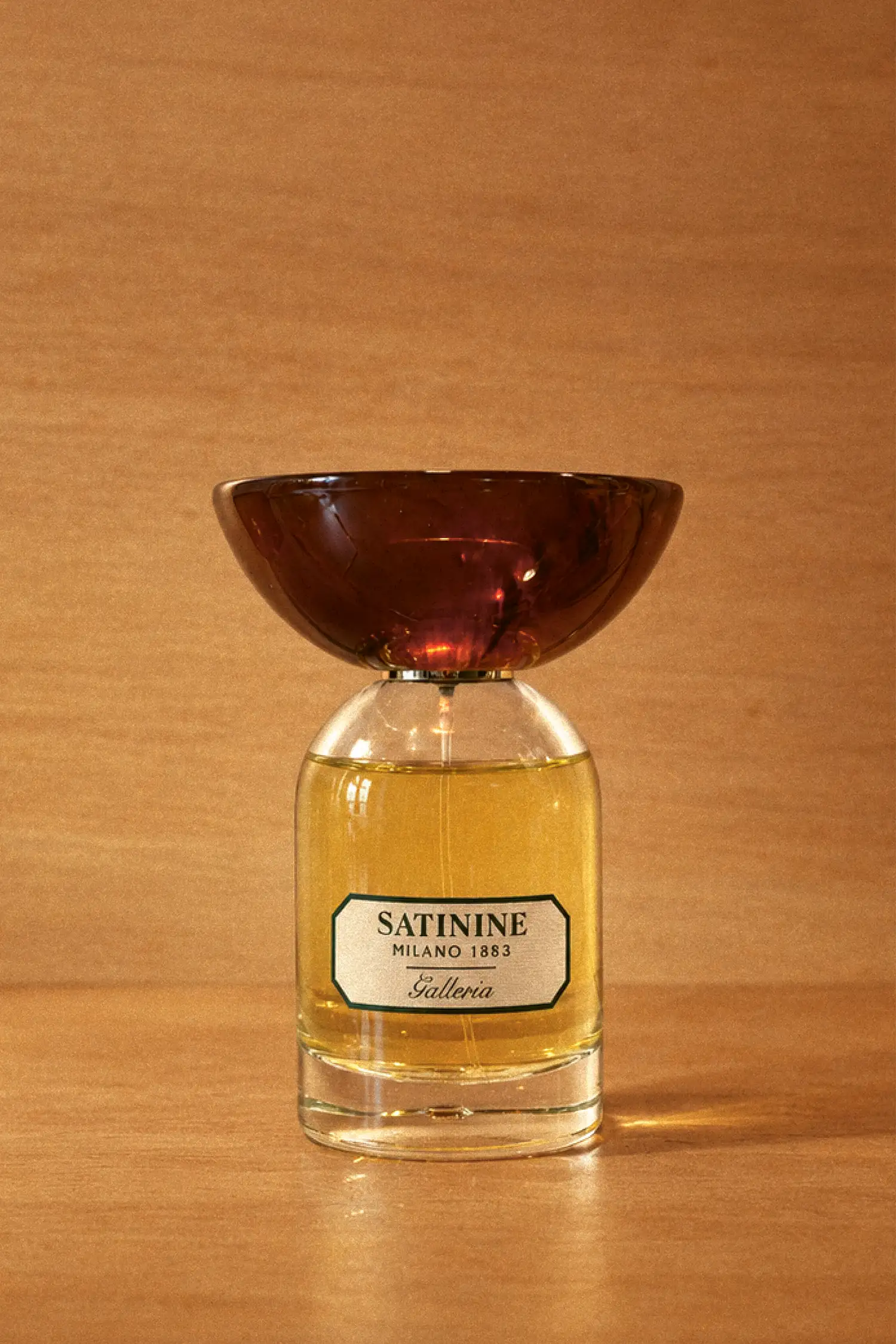
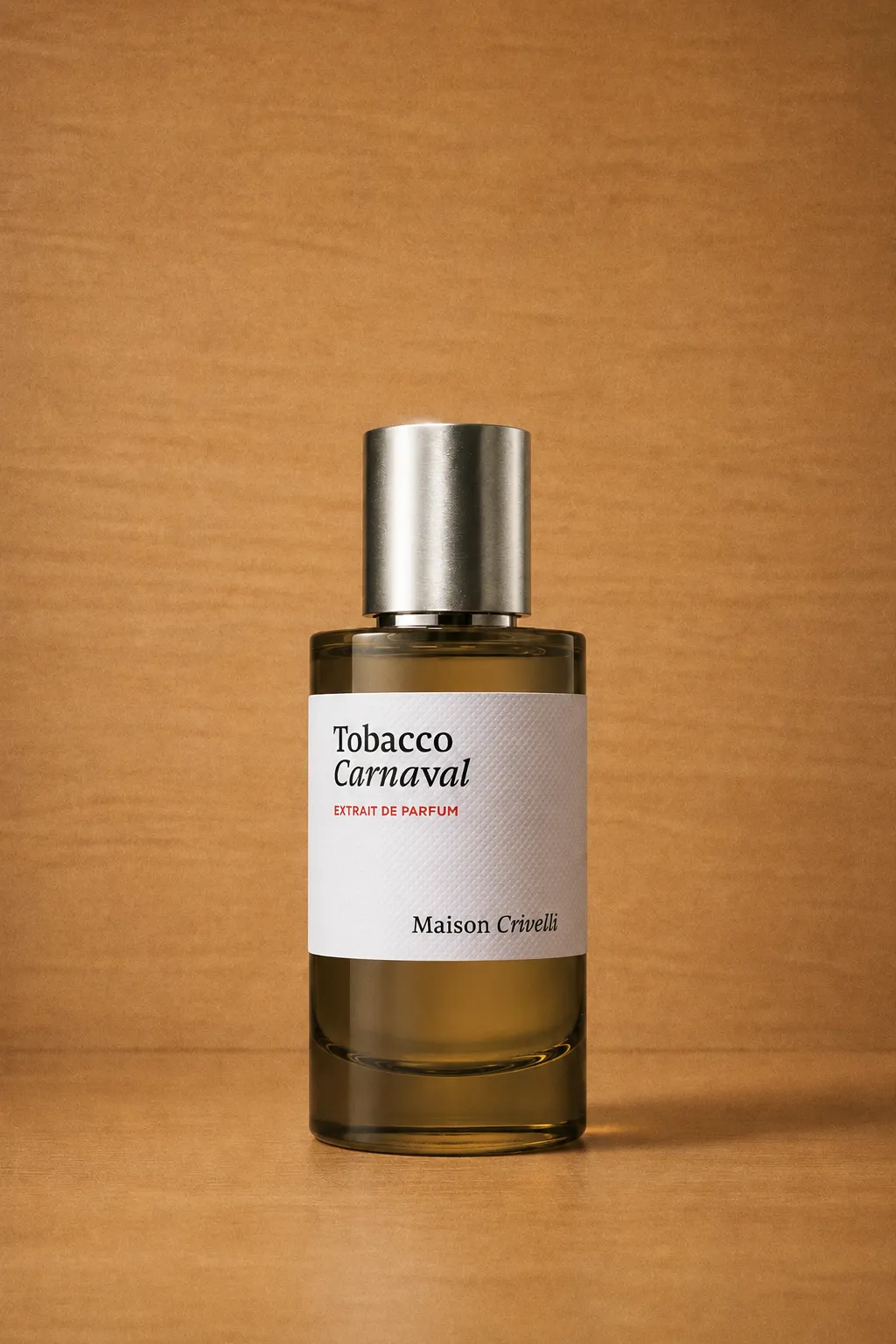
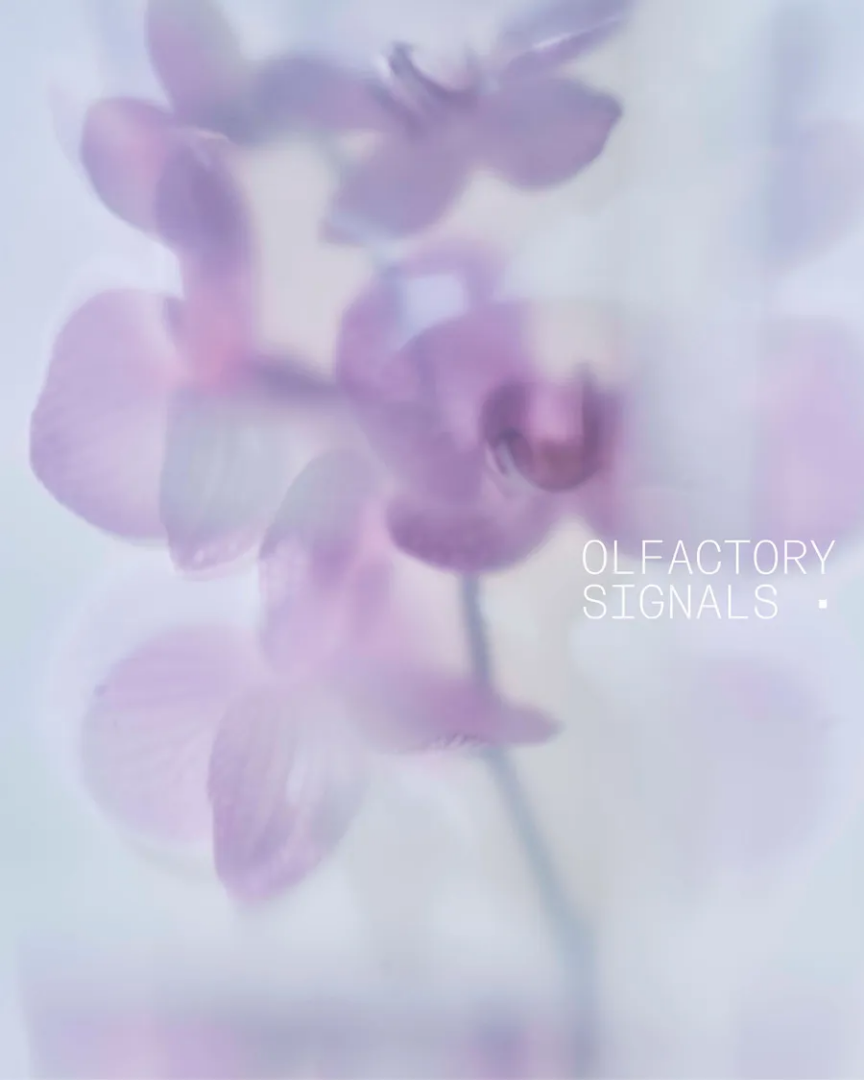
A visual campaign accompanies the edition, shot by the Spanish photographer Nacho Alegre, co-founder of Apartamento. His still-life practice has shaped a strand of abstraction in product photography, holding bottles and objects in a register that reads as cinematic rather than catalogue.
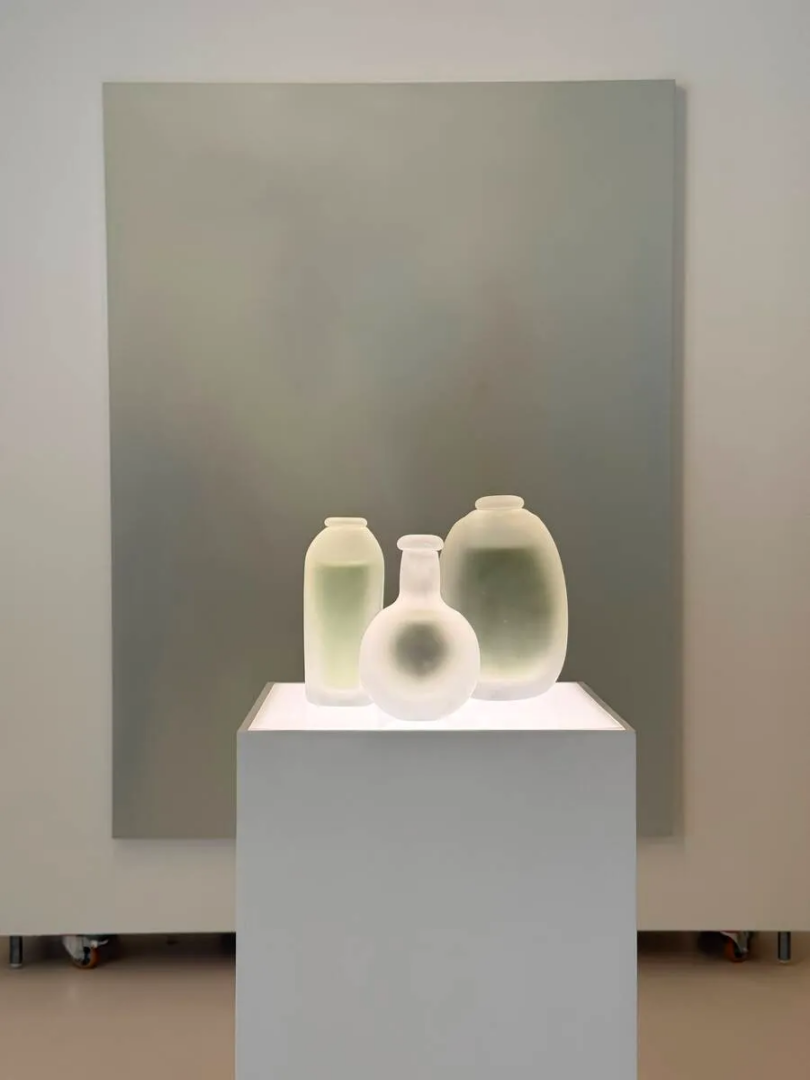
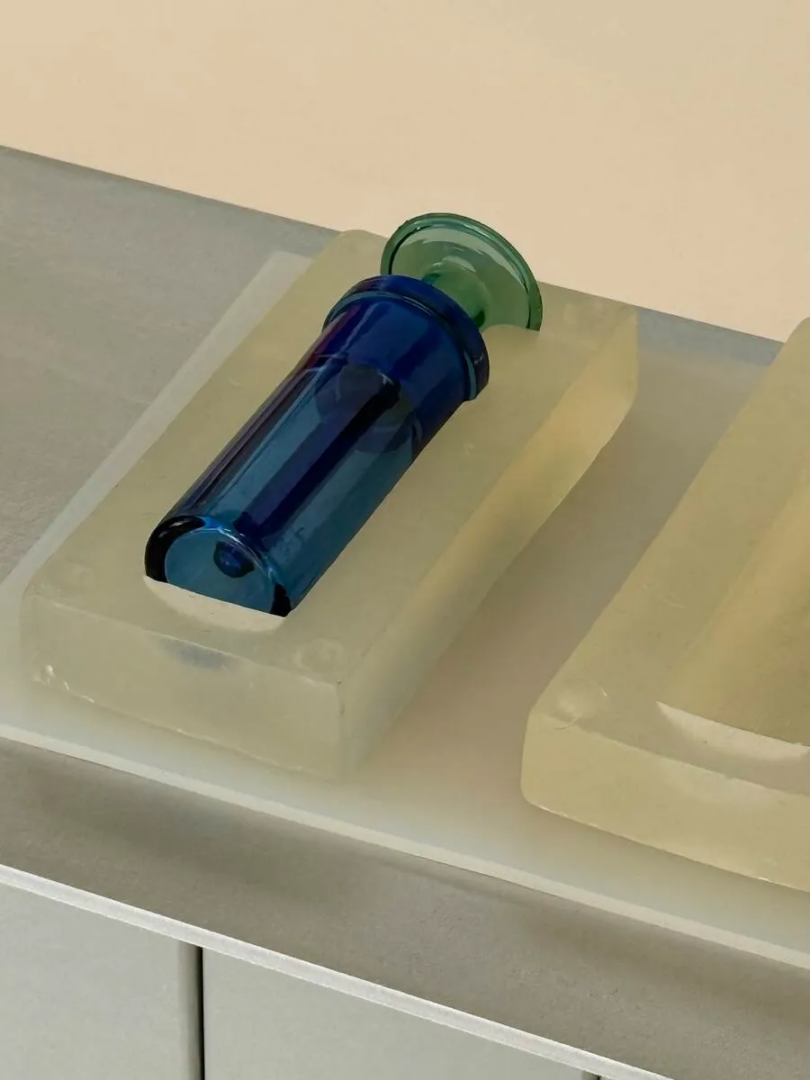
The campaign sets the salon’s objects against soft, diffused grounds. Forms blur and recede. The treatment moves the perfume bottle away from the language of advertising and toward that of the gallery — consistent with the program inside the store.
OS.03 public programme: talks, sound and a tea ceremony
The salon opened on the morning of June 4. The public programme runs across four days. Dan Thawley is moderating the first two conversations today, June 5: one with Tolaas and Perrault on articulating smell; a second with Näsman and Mohammed on Fragrance Fountain.
This evening, the artist QOA takes the stage with a sonic experience described by the organizers as aural architecture for floating states of perception. On June 6, two further conversations will address the translation of machine perception and the sealed vessel of The Field of Possibilities.
The final day, June 7, will host a Cromo Tea ceremony led by Jenny D. Pham across three timed sessions, each held for a limited number of guests. The structure keeps the salon close to its stated aim: contemplation set beside commerce, in a single room.
System Preferences: the agency behind Olfactory Signals
System Preferences was founded in London in 2019. Its founder, Alfredo Canducci Pais Ferreira, leads the agency as a practice in strategy, special projects and marketing for the fashion, design and cultural sectors. Olfactory Signals sits within that practice as a recurring format rather than a single event.
The salon operates on a model serving both trade and public, gathering makers, artists and a host institution under one programme, and positioning fragrance as a field of inquiry that borrows from art, science and wellbeing. The third edition tests how far that framing can travel beyond the bottle.
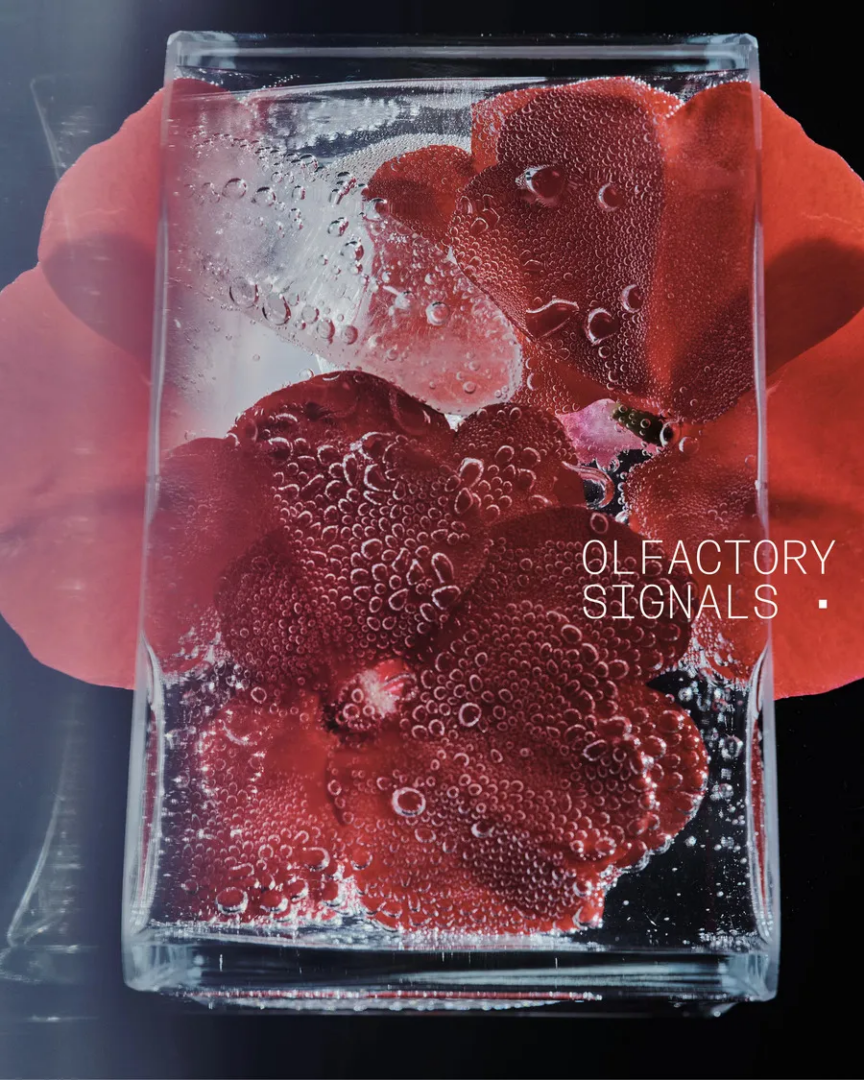
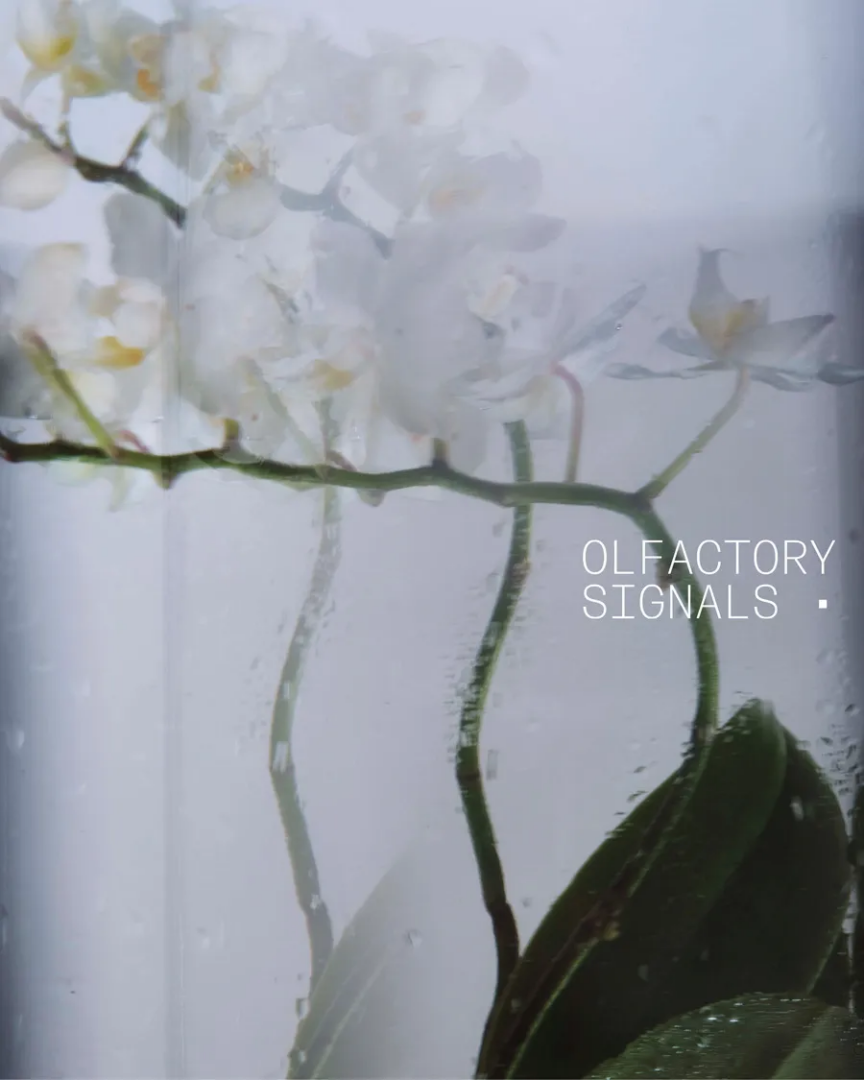
Photography “Untitled” — ABEL
ABEL contributes a photograph to the salon. The image presents no subject beyond the elements the brand selects to represent its perfumes. It functions as an introduction to the house’s work rather than as a standalone artistic statement.
Photography by Barnabé Fillion, printed on metal — ARPA
Barnabé Fillion works across perfumery and visual art. For ARPA, his experimental fragrance project, he produces a series of abstract photographs printed onto metal surfaces. The material reflects light differently depending on the viewer’s position and the conditions of the room. The installation exists at the junction of the two disciplines Fillion practices.
“Untitled” by Patrick Müller — BJÖRK AND BERRIES
Patrick Müller produces an installation for Swedish brand Björk and Berries. The work references the landscapes of Scandinavia: forests, seasonal shifts, northern climates that inform the brand’s sourcing and identity. Texture and form are the primary means through which Müller translates this into a gallery context.
Ψ, The Field of Possibilities — CHIARA CAPELLINI
Capellini’s installation departs from a question posed by quantum physics: what exists before a perfume? Within the field of possibilities the discipline describes, multiple states coexist simultaneously, open, undefined, and without resolution until the moment of observation collapses them into a single reality.
Ψ operates within that suspended state. Rather than representing a specific scent, it proposes what a fragrance might be before perception defines it. The work does not describe smell. It precedes it.
Five sealed glass vessels contain the fragrances. No diffuser is fitted. The scents remain inaccessible, present as potential, not as experience. Four of the vessels, designated Ψ₁, Ψ₂, Ψ₃, and Ψ₄, represent distinct informational states drawn from the same field of possibilities. Each remains incomplete until it meets an observer. That encounter does not occur here.
The fragrances were developed with ICR – Industrie Cosmetiche Riunite and Ambra Martone, co-founder of Labsolue Perfume Laboratory.
ᎤᏁᎦᎵᏍᏗᏍᎬ [ Osage; ‘metal mind’ ] — Emma McCormick Goodhart for ECDYSIS
The title draws from the Osage language, where it designates a «metal mind.» McCormick Goodhart uses this as the framework for an installation that addresses translation, memory, and the transmission of information across cultures. Within the context of ECDYSIS, a project organized around themes of transformation, fragrance becomes the medium through which these questions are posed.
Fragrance Fountain — Fabian Bergmark Näsman & Haisam Mohammed for UNIFROM™
Näsman and Mohammed construct a sculptural object in the form of a tree. The piece continuously disperses a UNIFROM™ perfume into the surrounding air. Visitors encounter the scent without seeking it. The work removes the individual bottle from the experience of fragrance altogether.
Smell Sink–VO–Large, 2026 — Octave Perrault & Sissel Tolaas
Architect Octave Perrault and scent researcher Sissel Tolaas collaborate on an installation that acts on the air within the salon. Air purifiers filter the existing atmosphere before introducing specific molecular compositions. The result alters the olfactory conditions of the space, where temperature, airflow, and scent interact to produce an environment distinct from what surrounds it.