Rupture Paris and Marseille: books, architecture and independent publishing between two cities
From Rue du Vertbois to Le Corbusier’s Cité Radieuse, Rupture has developed a network of bookstores, publishing projects and exhibition spaces where books, records and architecture shape a common editorial language
Alexandre Sap, Rupture – Paris and Marseille
Independent bookstores increasingly operate beyond retail. Across Europe, many combine publishing, exhibitions, cafés and public programming to establish spaces where books circulate alongside conversations, performances and research. In France, Rupture follows this model through a network of locations in Paris and Marseille, linking contemporary publishing with architecture, design and visual culture.
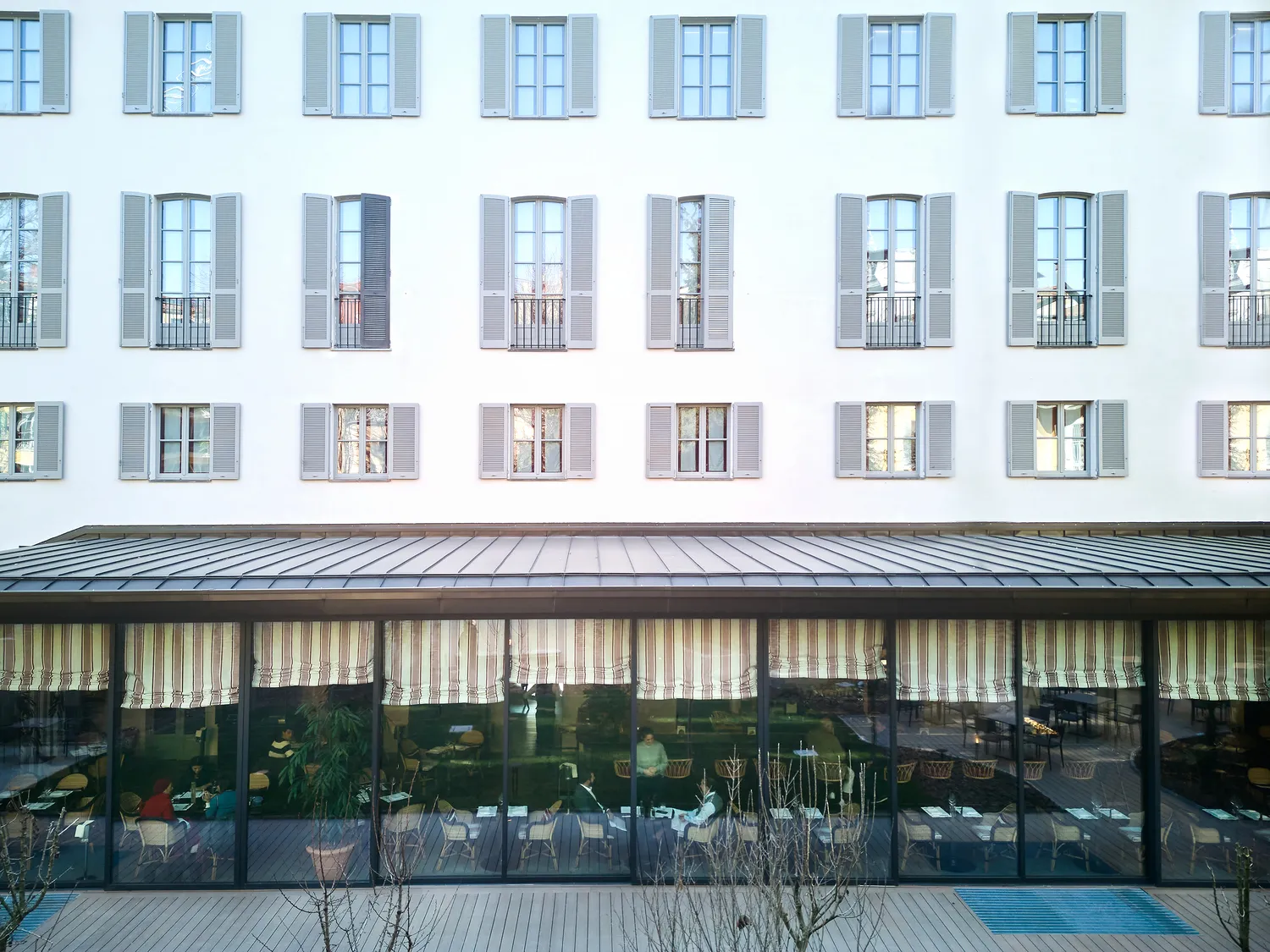
Founded by Alexandre Sap and Anne-Marie Gaultier, Rupture began as a record store before expanding into books and publishing. Today the project includes Rupture Record and Rupture Arts & Books on Rue du Vertbois in Paris, together with the former Imbernon bookshop inside Le Corbusier’s Cité Radieuse in Marseille. Although each address serves a different purpose, they share the same editorial approach: books, records and artworks are selected according to the founders’ own research rather than commercial rankings or algorithmic recommendations.
From music to books: the origins of Rupture
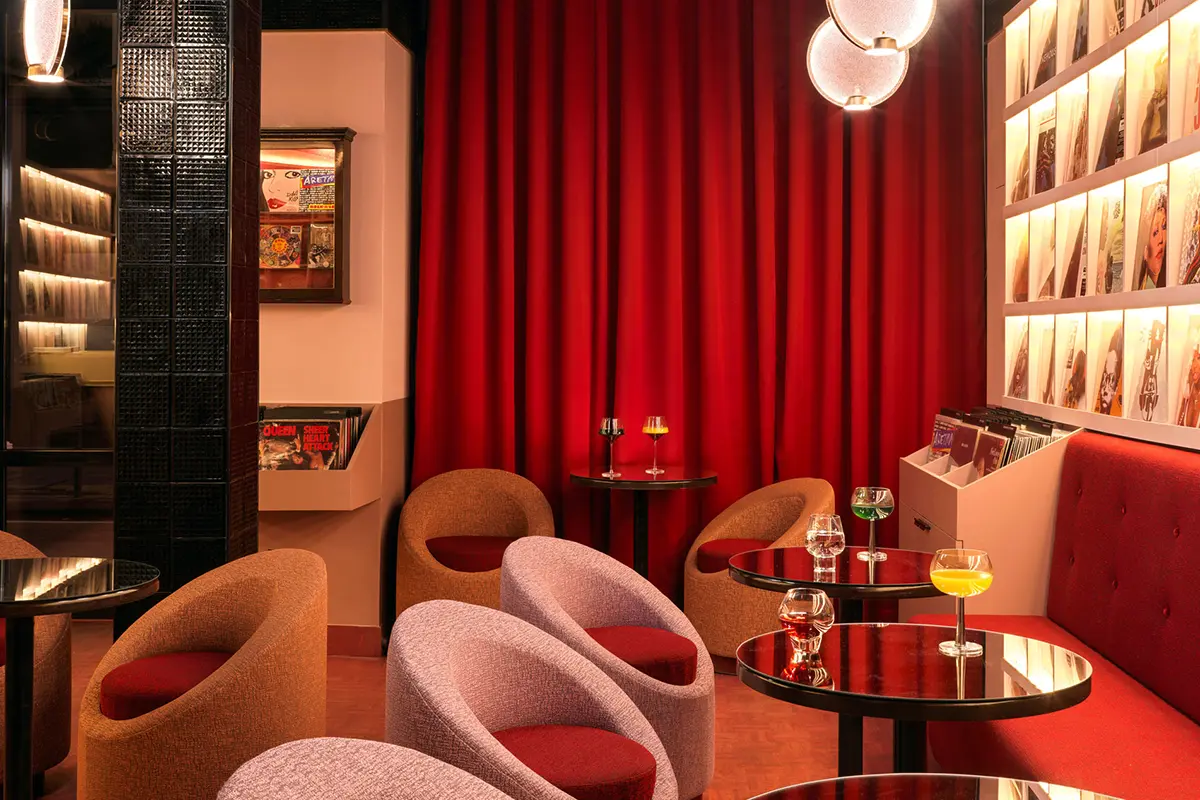
The first Rupture space was dedicated to records. Alexandre Sap, himself a musician, conceived the project around listening rather than consumption. Vinyl records, a café and a carefully assembled catalogue invited visitors to spend time inside the space instead of moving quickly through it.
Music remains one of the project’s foundations. Sap often refers to Miles Davis as one of the artists who shaped his relationship with listening and collecting. Rather than presenting music as entertainment, Rupture Record treats recorded sound as part of a broader editorial culture that also includes books, magazines and printed matter.
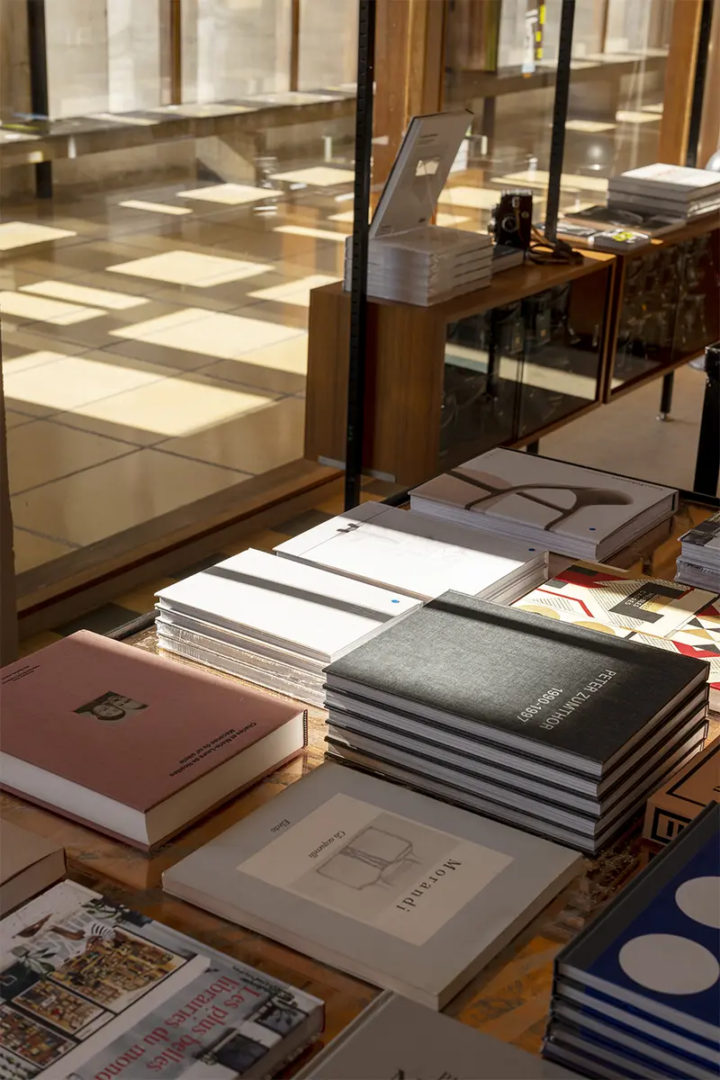
The second Paris address, Rupture Arts & Books, expanded that philosophy into publishing. Here, contemporary art, architecture, photography, fashion, philosophy and visual culture occupy the same shelves. The selection follows no commercial formula.
«We don’t follow trends, and we don’t chase algorithms,» explain the founders. «We bring together books because they belong in the same conversation.»
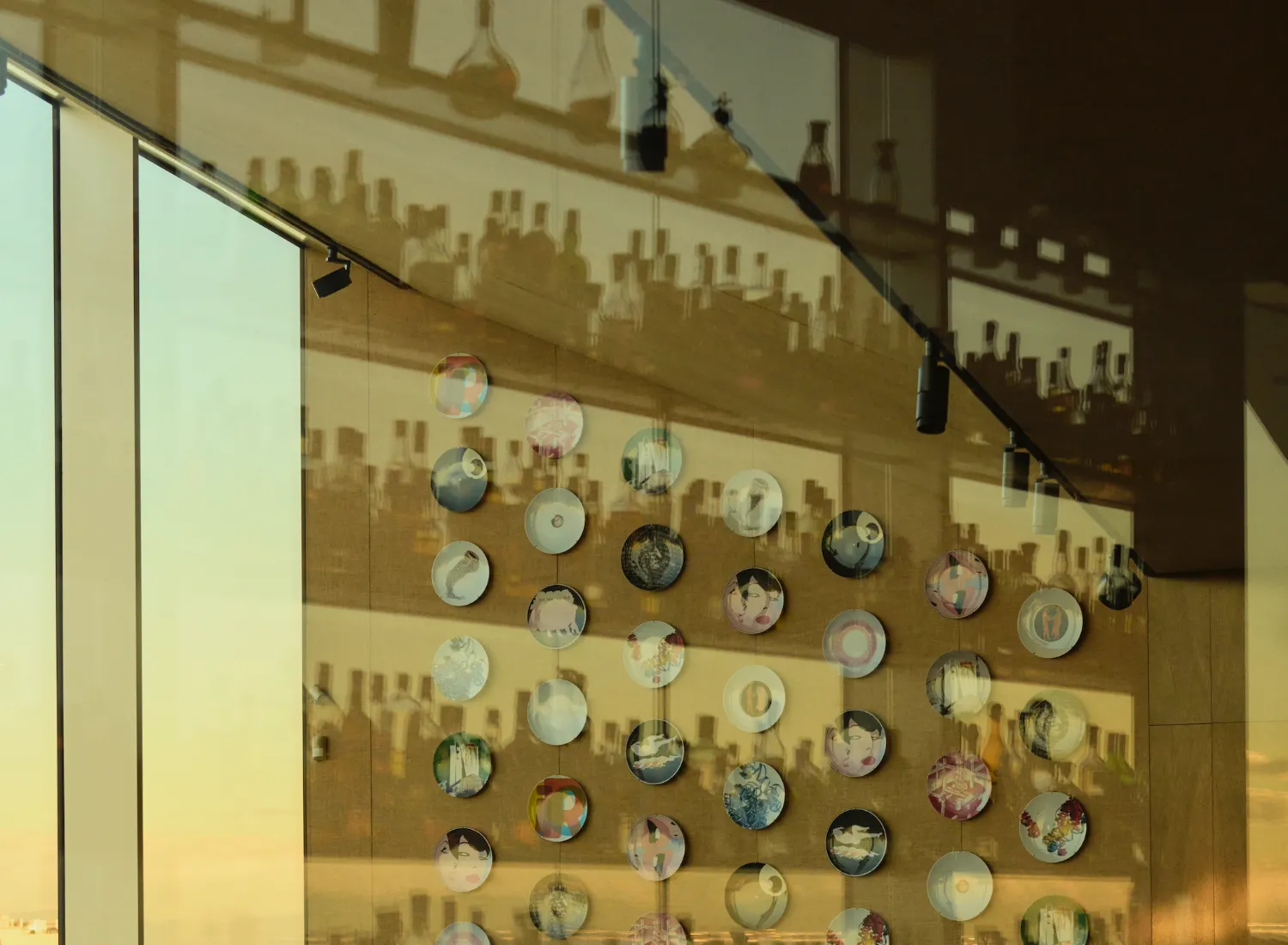
The result resembles an exhibition more than a conventional bookstore. Titles from independent publishers sit alongside established publishing houses, while artworks share space with books without a strict distinction between gallery and retail display.
Books selected through editorial affinity
The founders describe their approach as an “anti-algorithm selection.” The phrase refers less to technology than to editorial responsibility. Rather than responding to sales rankings or automated recommendations, each publication enters the collection because it contributes to a broader narrative assembled by the bookstore itself.
This method reflects changes taking place across independent bookselling. Specialist bookstores increasingly function as editors of physical collections rather than distributors of large inventories. Visitors encounter relationships between books that would rarely emerge through online retail platforms. The founders describe this process simply: «We choose what to display by heart.»
That principle also explains why Rupture continues to stock older publications alongside recent releases. Newness is not the primary criterion. Books remain available because they continue to contribute to ongoing conversations across architecture, art, photography and design.
The acquisition of Imbernon and the Marseille chapter
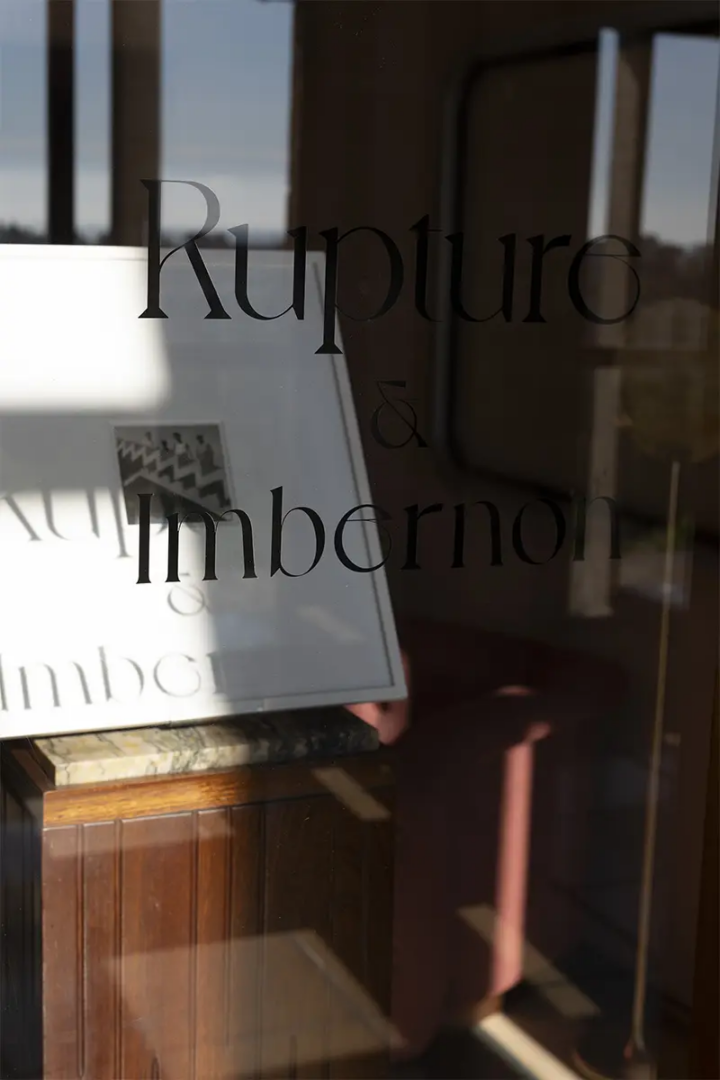
A decisive moment came when Rupture took over the activities of Imbernon, the architecture publishing house founded in 2001 by Katia Imbernon and Jean-Lucien Bonillo.
Imbernon developed a catalogue dedicated to twentieth- and twenty-first-century architecture, urban planning and design, publishing monographs and research volumes that documented architectural practice in France and internationally. Over more than two decades, the publishing house established itself as a reference within architectural publishing.
Rather than creating a new bookstore from the ground up, Rupture inherited both a specialist catalogue and an existing readership. The transition also connected the Paris-based project to Marseille through one of France’s most significant modernist buildings.
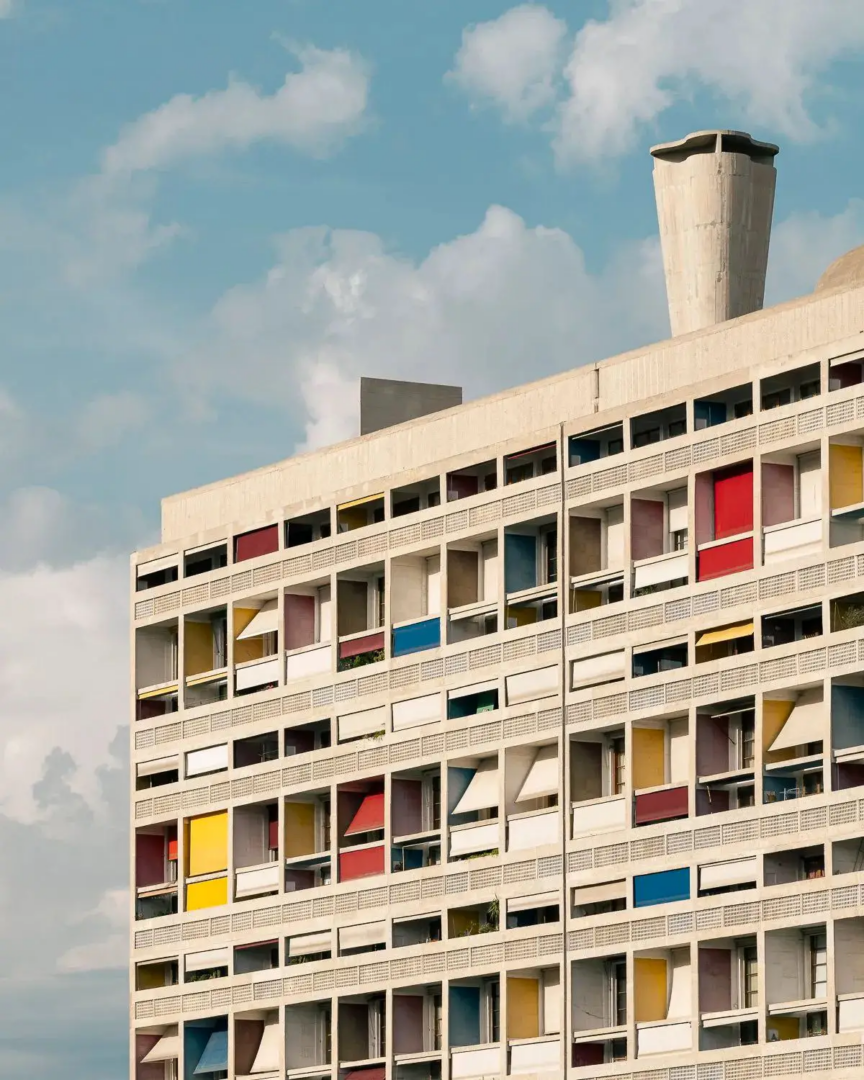
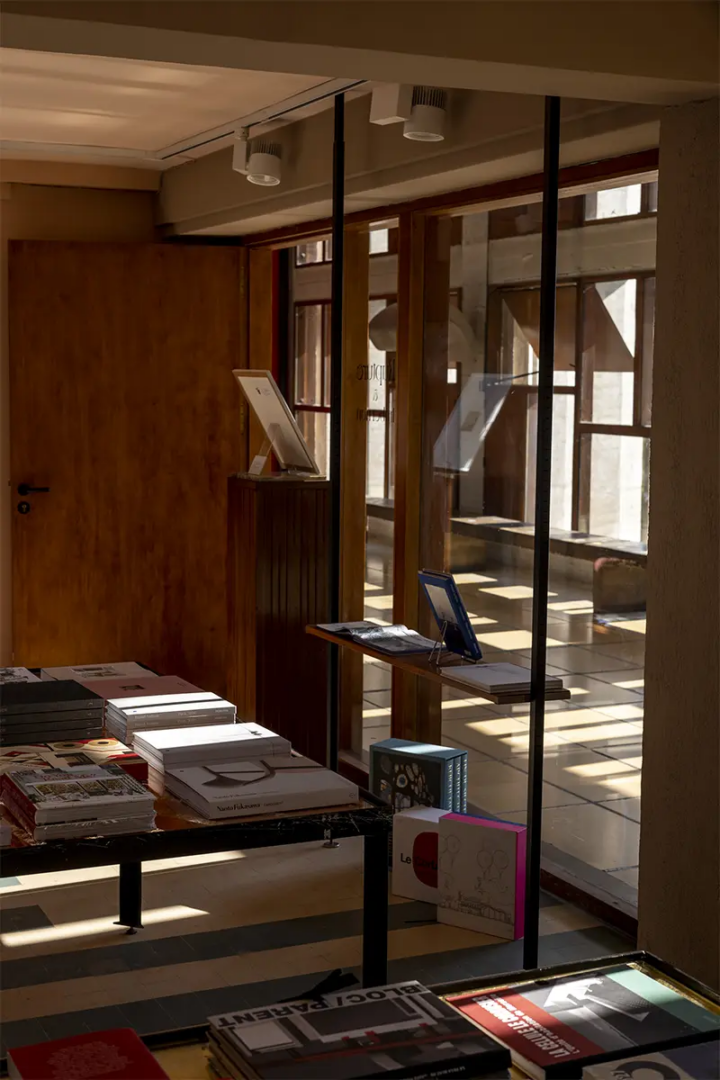
Inside Le Corbusier’s Cité Radieuse
The Marseille bookstore occupies commercial premises inside Le Corbusier’s Cité Radieuse, completed in 1952 as the first Unité d’Habitation. Conceived after the Second World War, the building combined apartments with shops, communal facilities and public spaces, reflecting Le Corbusier’s idea that housing, commerce and collective life could coexist within a single architectural structure.
The internal commercial street formed part of the original project. Shops were intended to serve residents while contributing to the social life of the building. The presence of a specialist architecture bookstore therefore continues one of the functions envisioned when the complex was designed.
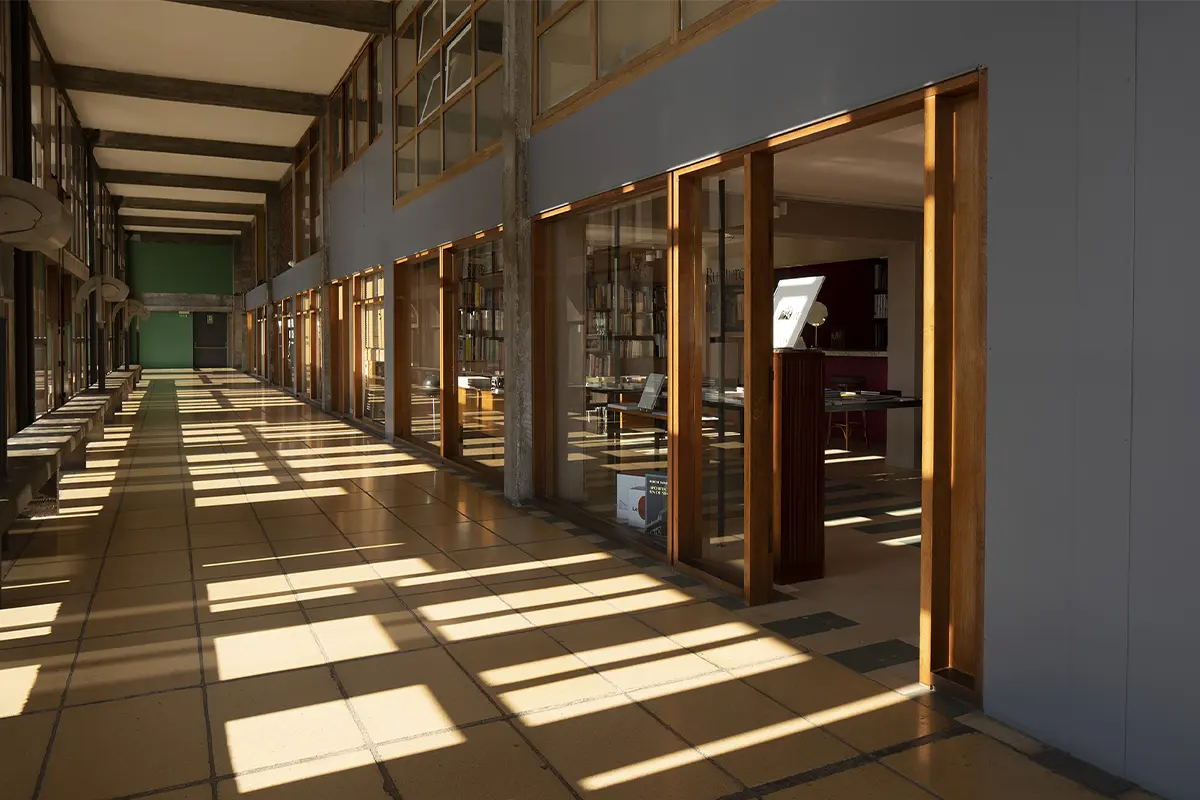
When Rupture assumed responsibility for the space, the founders stripped the interior back to its structural elements. During the renovation, original architectural features hidden by later interventions reappeared.
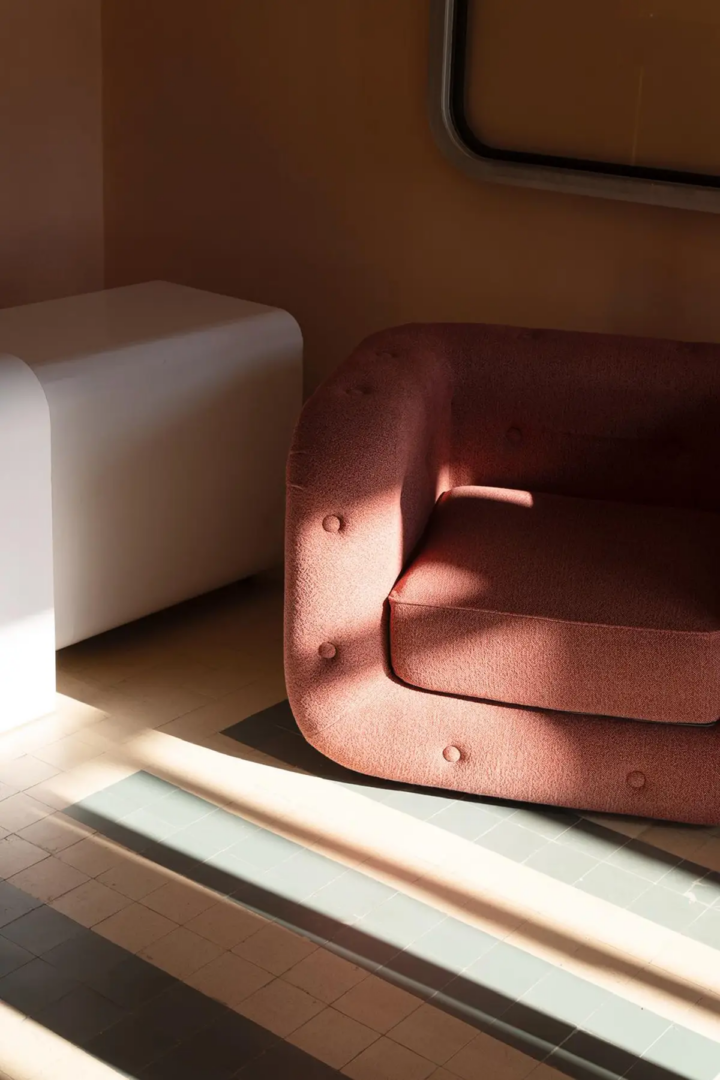
Rather than introducing an entirely new design language, the project retained these elements and organized the bookstore around them. Glass, exposed concrete and ceramic became the dominant materials, allowing the architecture of the building to remain visible throughout the space.
Pierre Gonalons and architecture as editorial design
Interior architect Pierre Gonalons collaborated with Rupture on both the Paris and Marseille locations, although each project followed a different direction.
In Paris, the interiors combine saturated colors, textiles and furniture with artworks and books, creating spaces where domestic references intersect with gallery display.
Marseille required a different response. The presence of Le Corbusier’s architecture limited the need for additional visual interventions. Instead, Gonalons developed a restrained interior that highlights the existing structure while introducing contemporary elements only where necessary.
The resulting bookstore includes a café, a reading room and flexible areas used for exhibitions, discussions and publication launches. Rather than separating retail from programming, the layout allows both activities to coexist within the same environment.
Rupture – publishing as public programming
Bookselling represents only one part of Rupture’s activity. Throughout the year, the spaces host exhibitions, readings, artist talks, conferences and book signings.
These events extend the role of the bookstore beyond commercial exchange. Publications become starting points for conversations between publishers, architects, artists, photographers and readers. Independent publishing operates not only through distribution but also through encounters that take place around books themselves.
This approach has become increasingly common among specialist bookstores across Europe, where physical locations serve simultaneously as retail spaces, editorial platforms and cultural venues.
An editorial network rather than a retail chain
The founders have often described Rupture’s development as following historical routes of cultural exchange rather than conventional retail expansion. Their interest lies in connecting cities through publishing, architecture and visual culture instead of replicating identical stores.
Whether in Paris or Marseille, each location responds to its own architectural and urban context while maintaining a shared editorial identity. Records, books, artworks and design objects remain connected through selection rather than category.
That continuity explains the name Rupture itself. Rather than suggesting a break with the past, the project proposes alternative relationships between publishing, collecting and public space. At a moment when much cultural consumption takes place through digital platforms, Rupture continues to invest in physical environments where books, architecture and conversation remain inseparable.
Rupture
Rupture was founded by Alexandre Sap and Anne-Marie Gaultier in Paris. The project operates Rupture Record at 11 Rue du Vertbois and Rupture Arts & Books at 24 Rue du Vertbois, alongside the former Imbernon architecture bookstore inside Le Corbusier’s Cité Radieuse in Marseille and Rupture in Venice, re-opened in April 2026. Across its locations, Rupture combines bookselling, publishing, exhibitions, public programming and cafés, with a particular focus on architecture, contemporary art, photography, design and independent publishing.