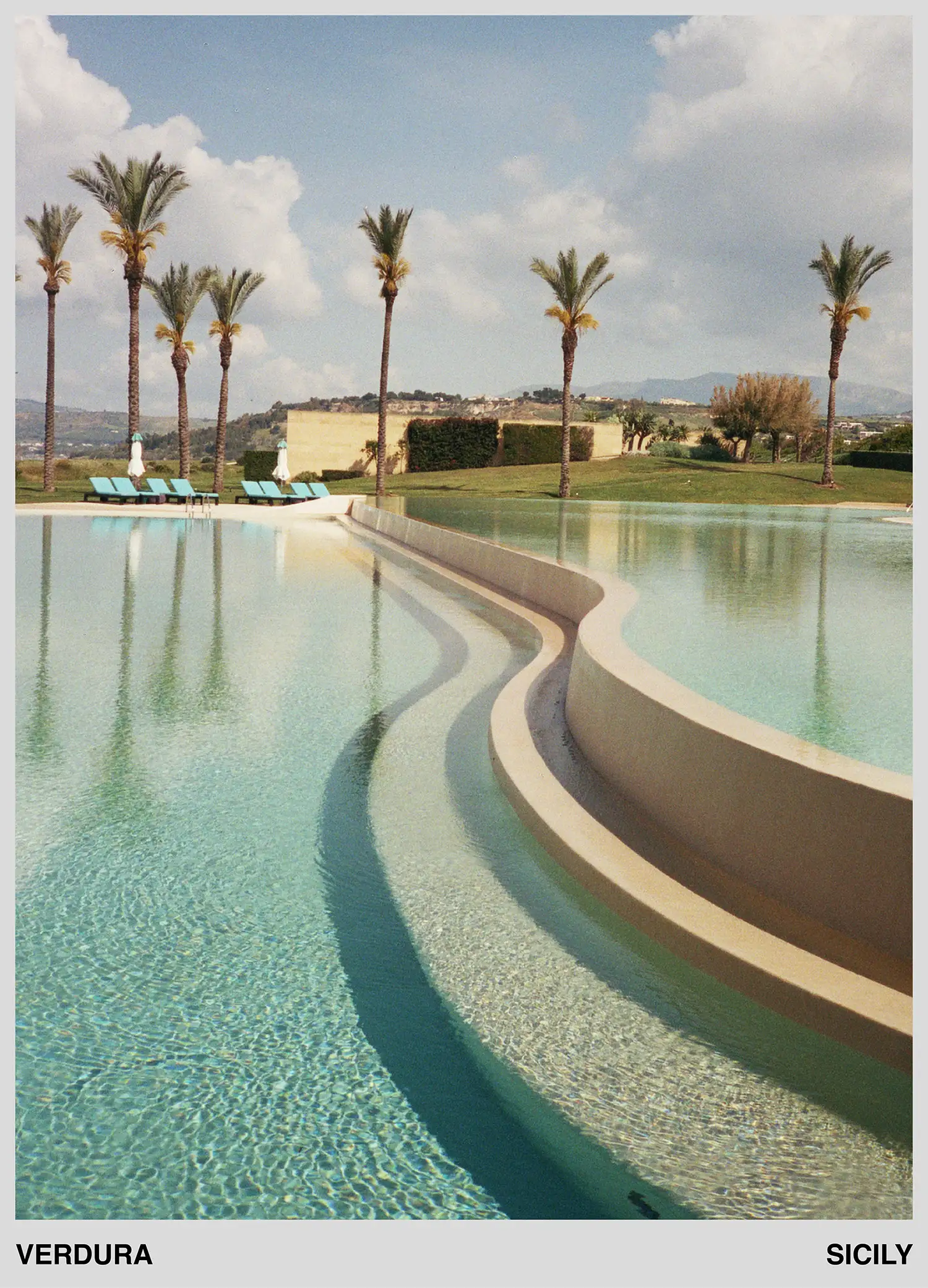
Verdura Resort, Sciacca: A Coastline Built from Seventy Deeds and a Duke’s Name
Sir Rocco Forte spent seven years assembling more than seventy plots of land to build Verdura Resort on Sicily’s southwest coast and this year completed a redesign by Paolo Moschino and Philip Vergeylen
How Sir Rocco Forte assembled seventy plots of Sicilian coastline to build Verdura Resort
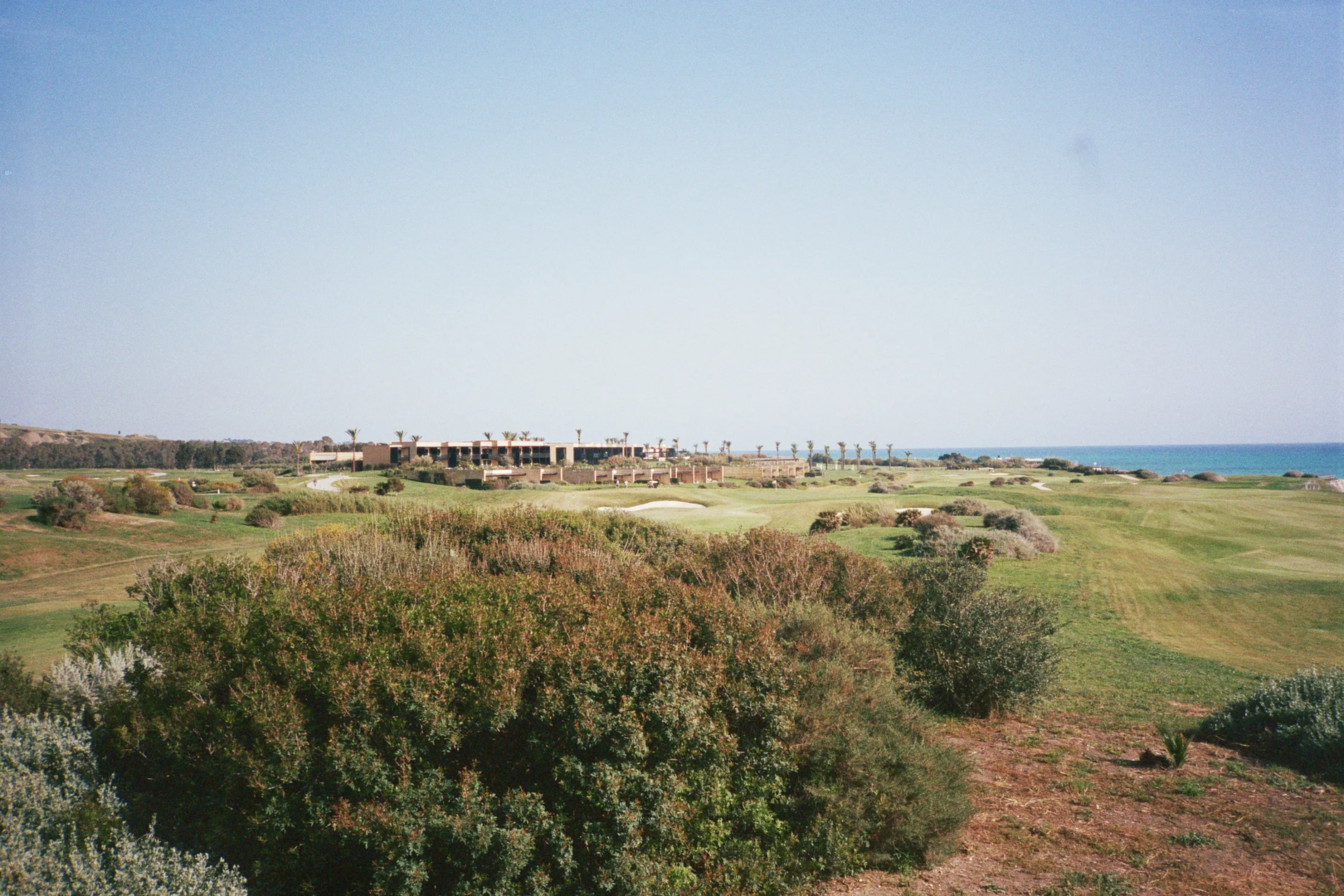
Sir Rocco Forte conceived Verdura Resort as a golf property on Sicily’s southwest coast, between Sciacca and the Valley of the Temples, in an area with little existing tourism infrastructure. Assembling the site meant buying land from more than seventy separate owners, a process that took roughly seven years before the resort opened in 2009. The estate covers 230 hectares of former agricultural land — olive groves, citrus orchards, wheat fields — running along nearly two kilometers of coastline.
Unlike most Rocco Forte properties, which occupy historic buildings in city centers, Verdura was built from nothing: no earlier structure, no institutional history, no requisition or restoration to work from. The one existing feature on the site was a watchtower above the shore. Rocco Forte’s own materials describe it as sixteenth-century; other sources call it twelfth-century. The discrepancy has not been resolved publicly.
Fulco di Verdura, the Duke whose name the land carries, and Chanel’s Maltese cross
The resort’s name predates Rocco Forte’s ownership by centuries. The Verdura family held the title of Duke of Verdura over this stretch of coast, a title that ended with Fulco Santostefano della Cerda, the fifth and last Duke of Verdura, born in Palermo in 1898. Raised at Villa Niscemi outside Palermo, della Cerda left Sicily in the 1920s and, introduced to Coco Chanel in Venice through Cole Porter, began designing textiles and jewelry for her in Paris. He is credited with the Maltese-cross cuffs Chanel wore for years, and opened his own jewelry house on Fifth Avenue in 1939, backed by Porter and Vincent Astor.
His cousin was Giuseppe Tomasi di Lampedusa, author of The Leopard, the novel most associated with the decline of the Sicilian aristocracy that della Cerda’s own family lived through. Della Cerda died in London in 1978, and the ducal title of Verdura ended with him. The name survived only on the land — which is how it reached the resort that now occupies it.
Kyle Phillips and the two championship courses that anchor Verdura Resort
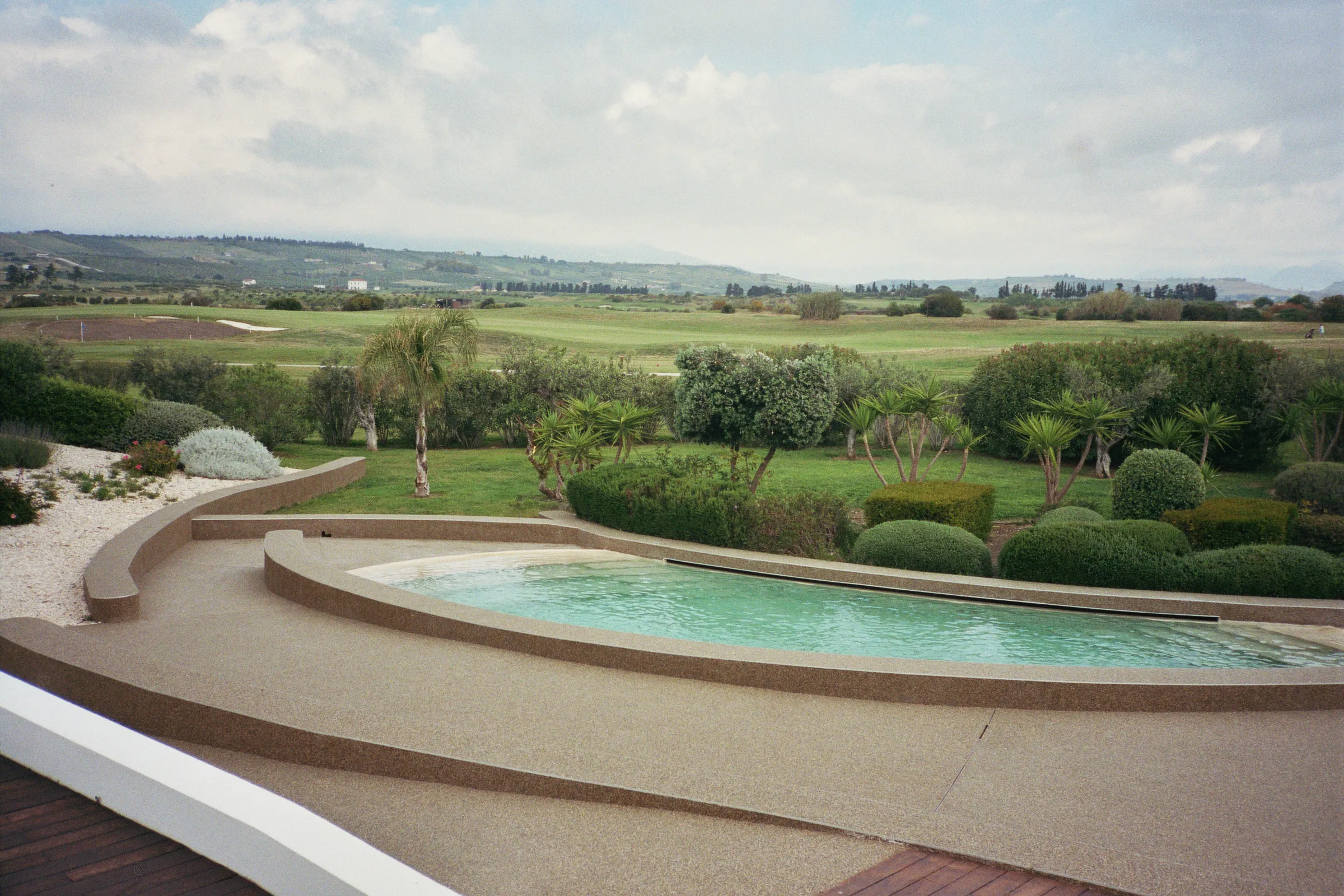
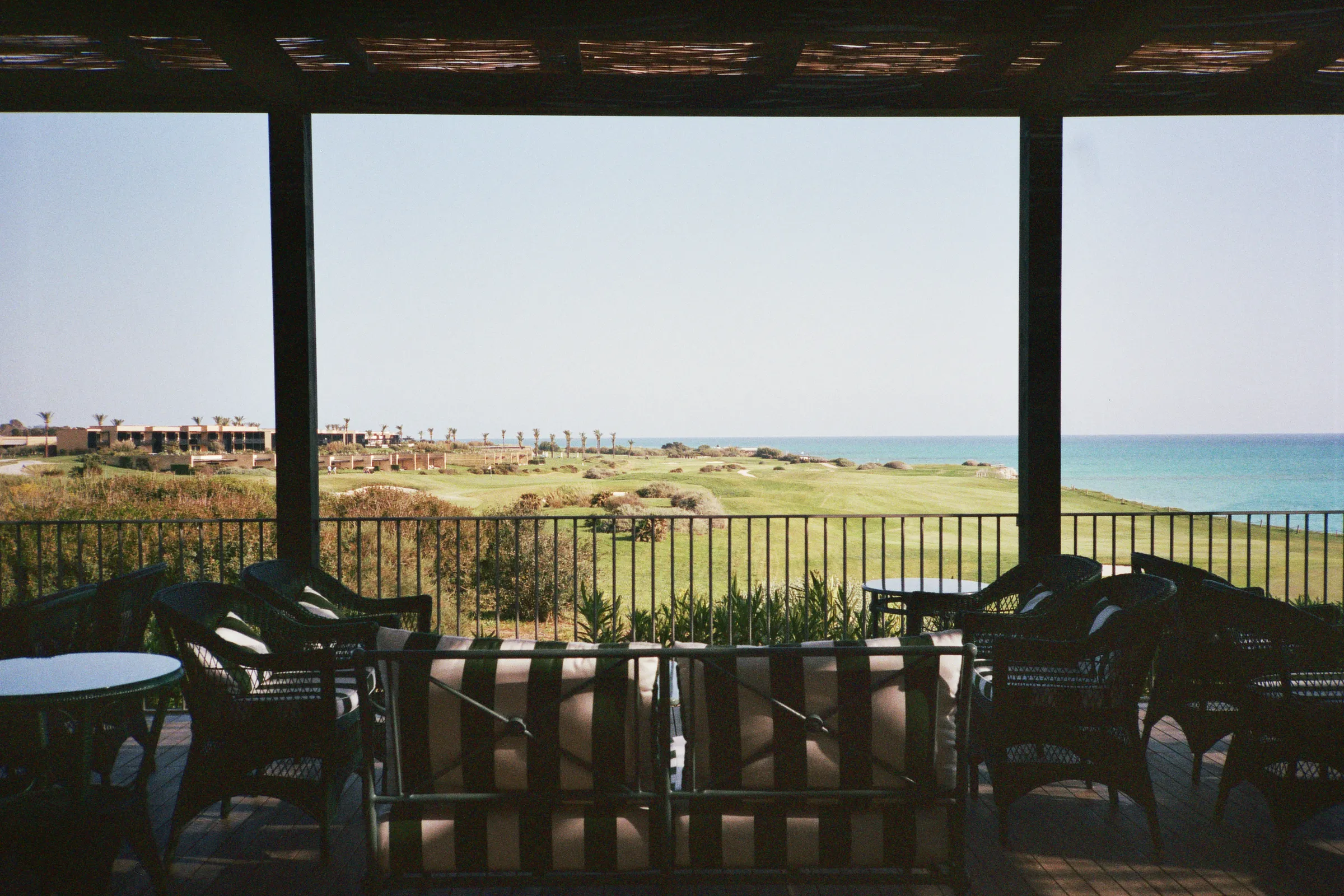
Golf was the starting point for the estate, and the courses remain a reference point for Sir Rocco Forte, a longtime player. American architect Kyle Phillips, who built his reputation on Kingsbarns in Scotland, designed Verdura’s East and West courses, two 18-hole layouts that opened alongside the resort in 2009, along with a nine-hole, par-three course. The East course runs directly along the shoreline for a stretch before moving inland to a more rolling, Muirfield-like landscape. It has ranked among Italy’s leading courses in recent Top 100 Golf Courses listings.
Flavio Albanese and Olga Polizzi: architecture built to sit low against the landscape
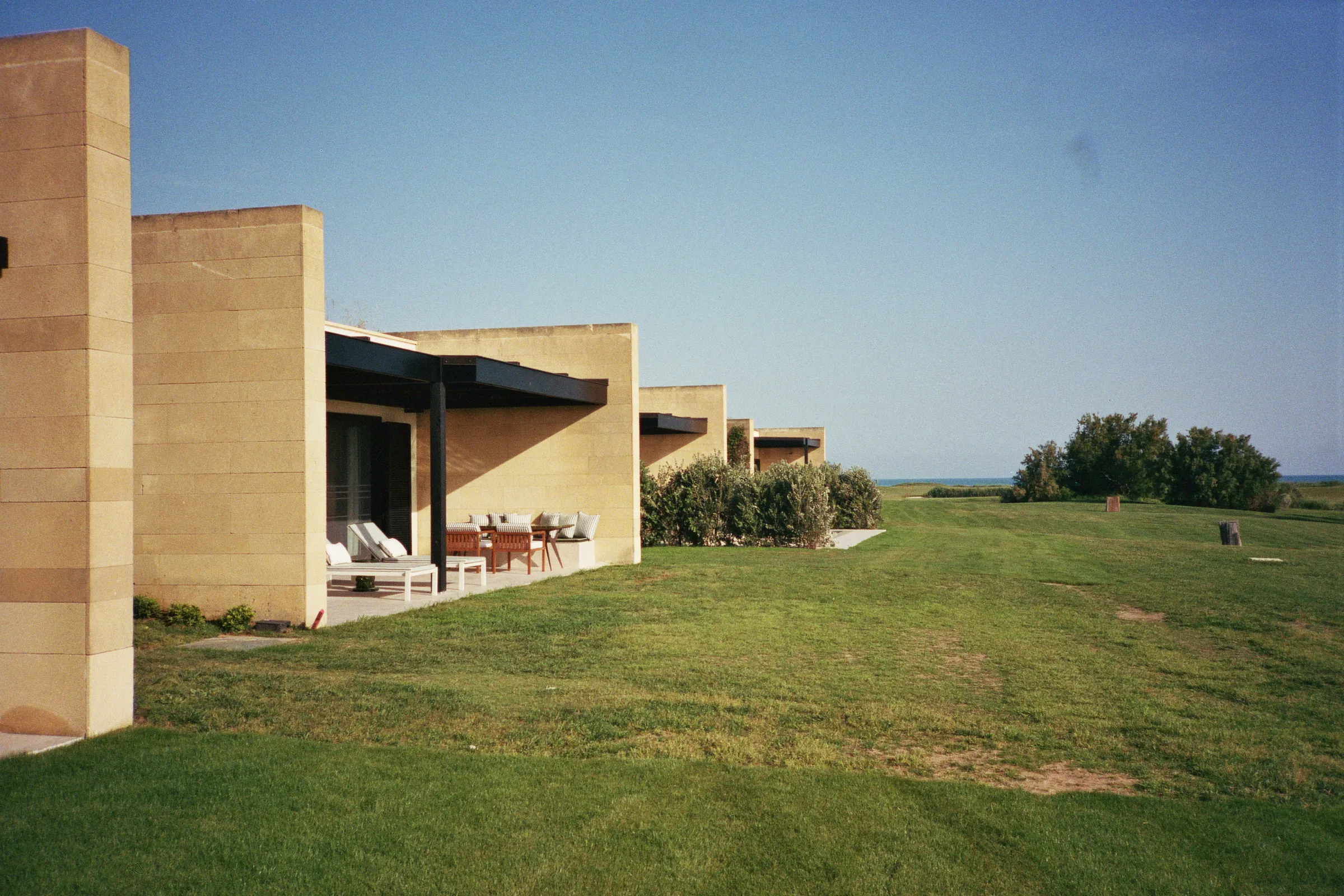
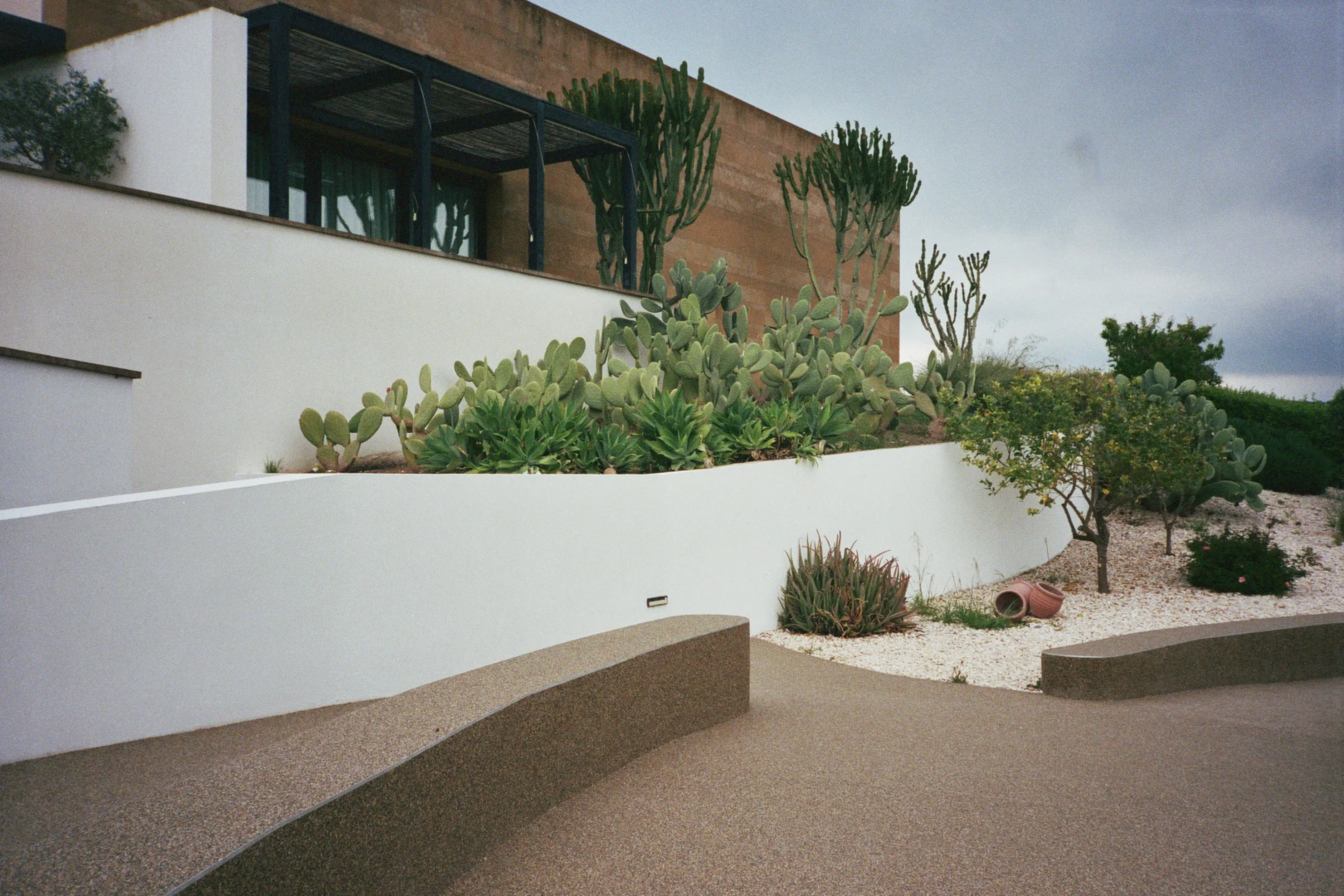
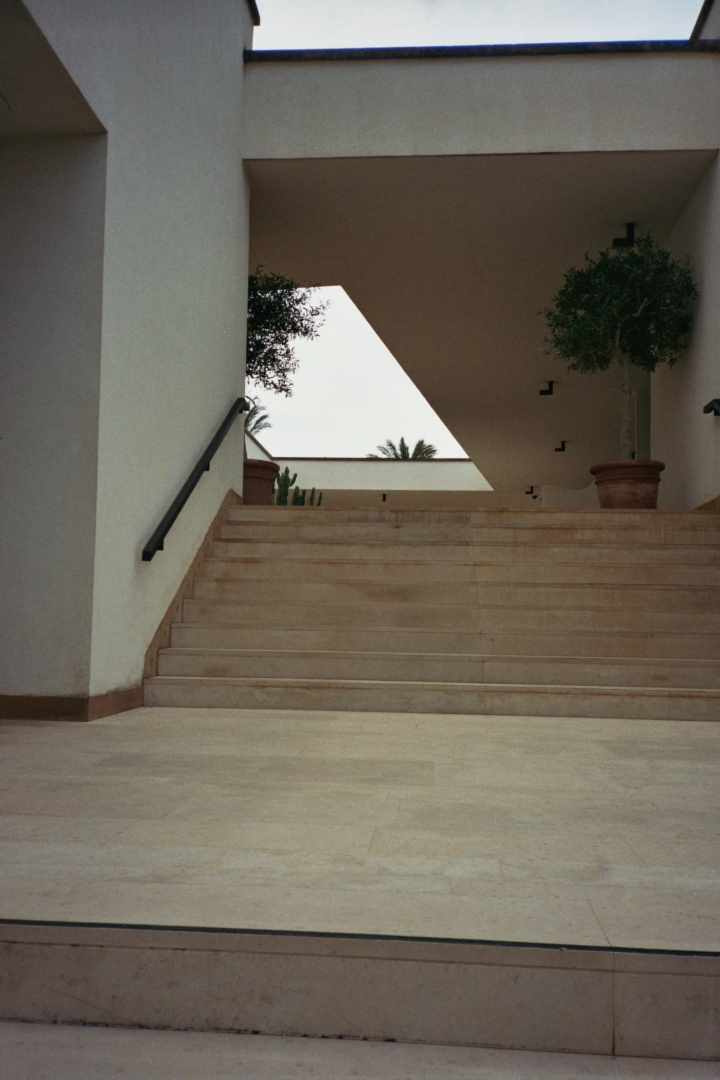
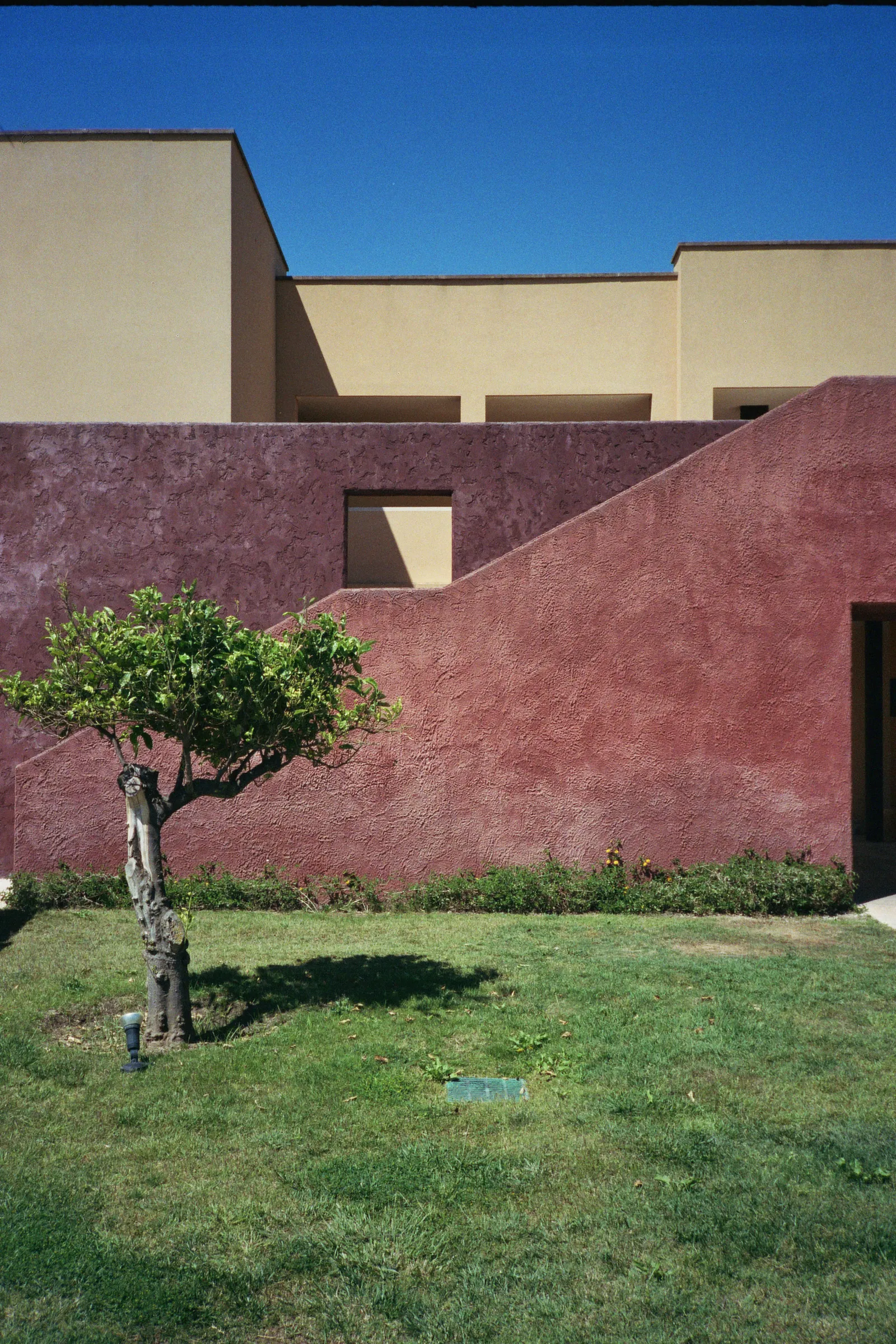
Vicenza architect Flavio Albanese, founder of ASA Studio Albanese, designed the resort’s original low-rise structure, completed in 2009, with a further villa masterplan added from 2019. Olga Polizzi, Rocco Forte Hotels’ Director of Design and Sir Rocco’s sister, worked on the interiors, drawing on materials sourced across Sicily, including majolica ware and local stone. The buildings run through the olive groves at a low height, rather than rising above them, keeping the coastline visible from most points on the property.
The Forte Suites redesign: Paolo Moschino and Philip Vergeylen’s coastal modernism
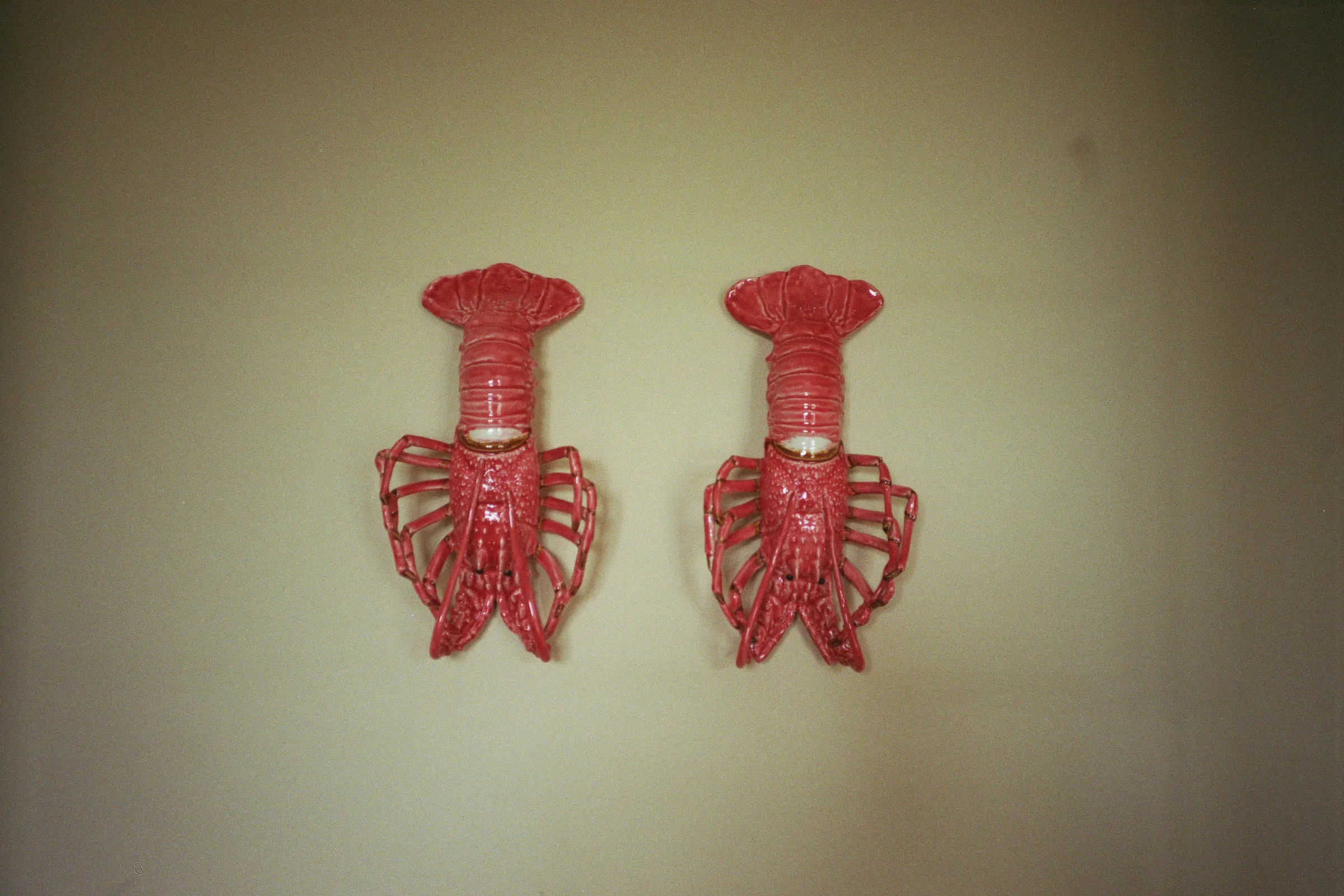
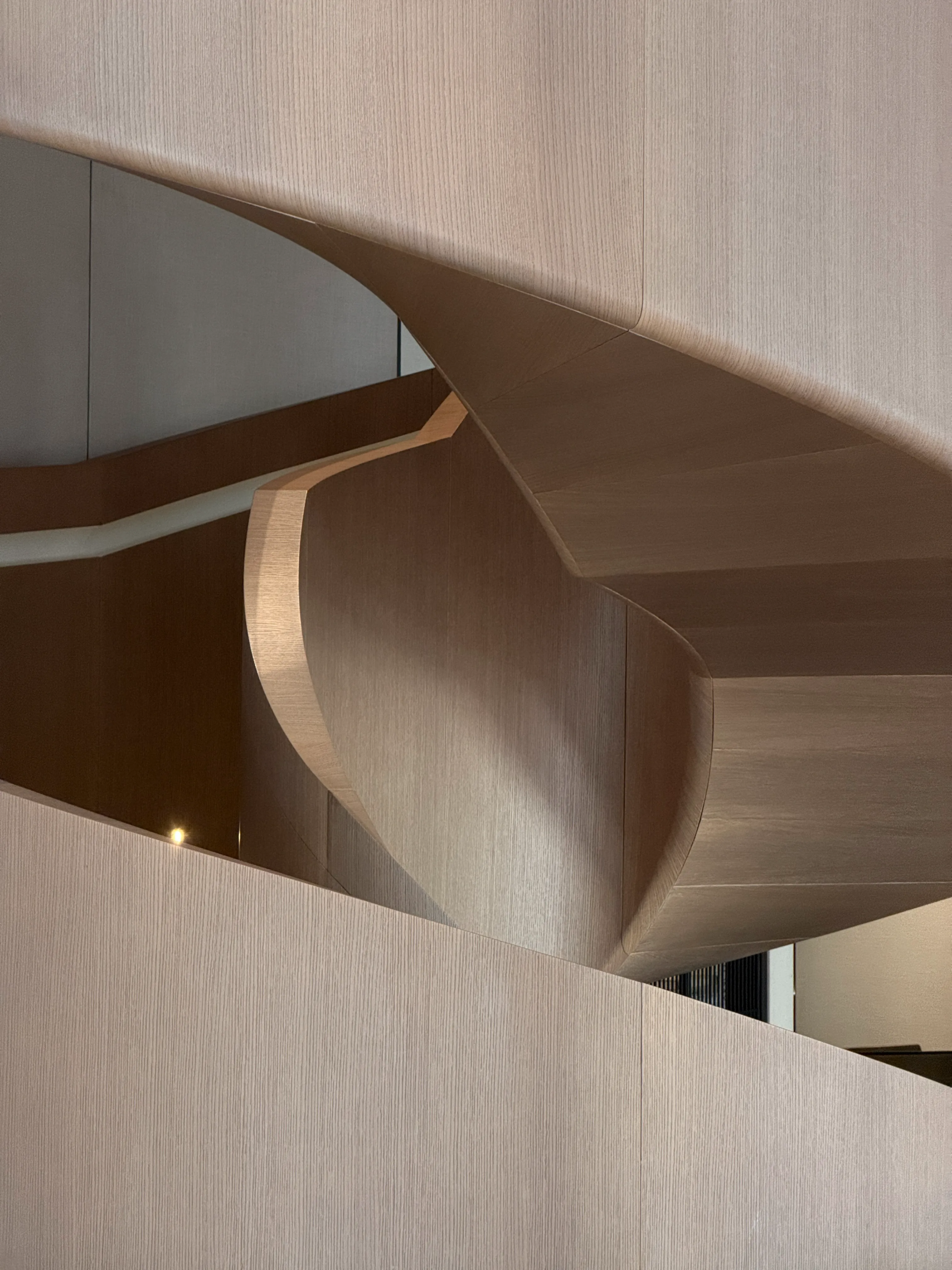
Verdura Resort has now redesigned fifty-eight of its rooms and suites — ten Grand, Family, and Pool suites, and forty-eight Double Deluxe and Seafront rooms — with the design studio of Paolo Moschino and Philip Vergeylen. Polizzi, who directed the project, describes it as a return to the resort’s original concept rather than a departure from it. The studio calls its approach “coastal modernism”: modernist architectural clarity set against the slower pace of the sea, worked in natural stone, travertine, and limestone alongside linen, wool, textured cotton, woven rattan, and custom glazed ceramics, including handmade tile work in the bathrooms. The layout orients bedrooms and living areas toward the horizon, reducing the visual separation between interior and sea.
Ten Forte Suites, each built around a different reading of Sicily
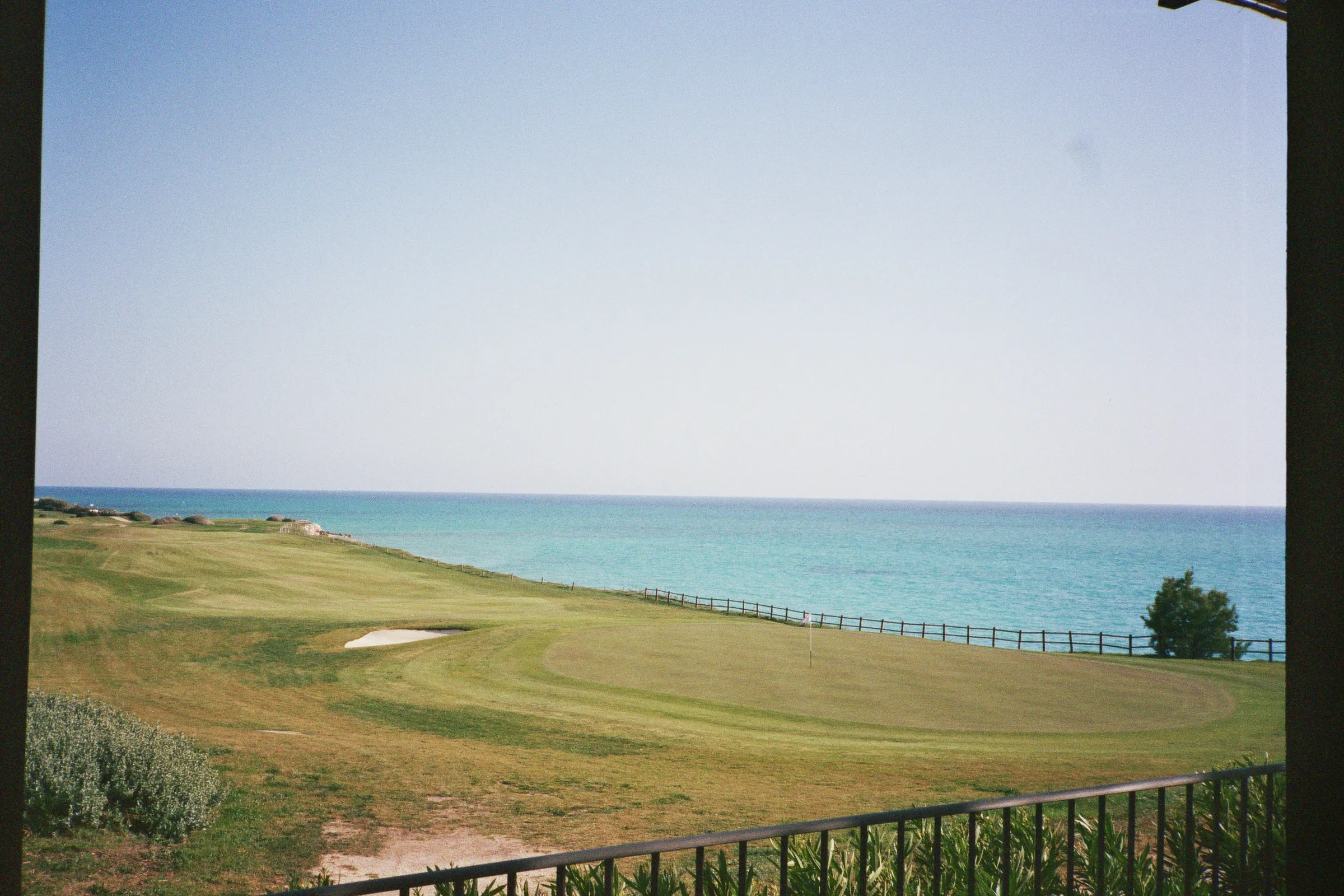
The redesign also introduces ten Forte Suites, built for families and groups rather than individual travelers, with shared living areas set apart from more private bedrooms. Each suite follows its own theme. The Mimosa Suite takes its cues from the resort’s gardens, in ocher tones and floral motifs. The Peonia Suite works in coral and ocher. The Acacia Suite looks inland, toward the countryside beyond the coast, in greens and warm wood details drawn from the olive groves.
Built-in furniture runs through the suites: wall bookshelves finished as objets d’art, desks and shelving in an eggshell-red lacquer, and bar areas built into the room structure, with mirrored backdrops and Emperador marble counters. Spanish artist Cristina Mena contributed abstract paintings for the suites, in ocher, terracotta, and black, referencing the volcanic ground of the island.
Chef Fulvio Pierangelini and the restaurants of Verdura Resort
Rocco Forte Hotels’ food program, including at Verdura, is directed by chef Fulvio Pierangelini, who ran the two-Michelin-star restaurant Gambero Rosso in San Vincenzo, Tuscany, for nearly thirty years before closing it in 2008 and joining Rocco Forte as creative director of food. At Verdura, the kitchens draw on the resort’s own organic farm — citrus, olive, almonds — which also supplies the Irene Forte spa line.
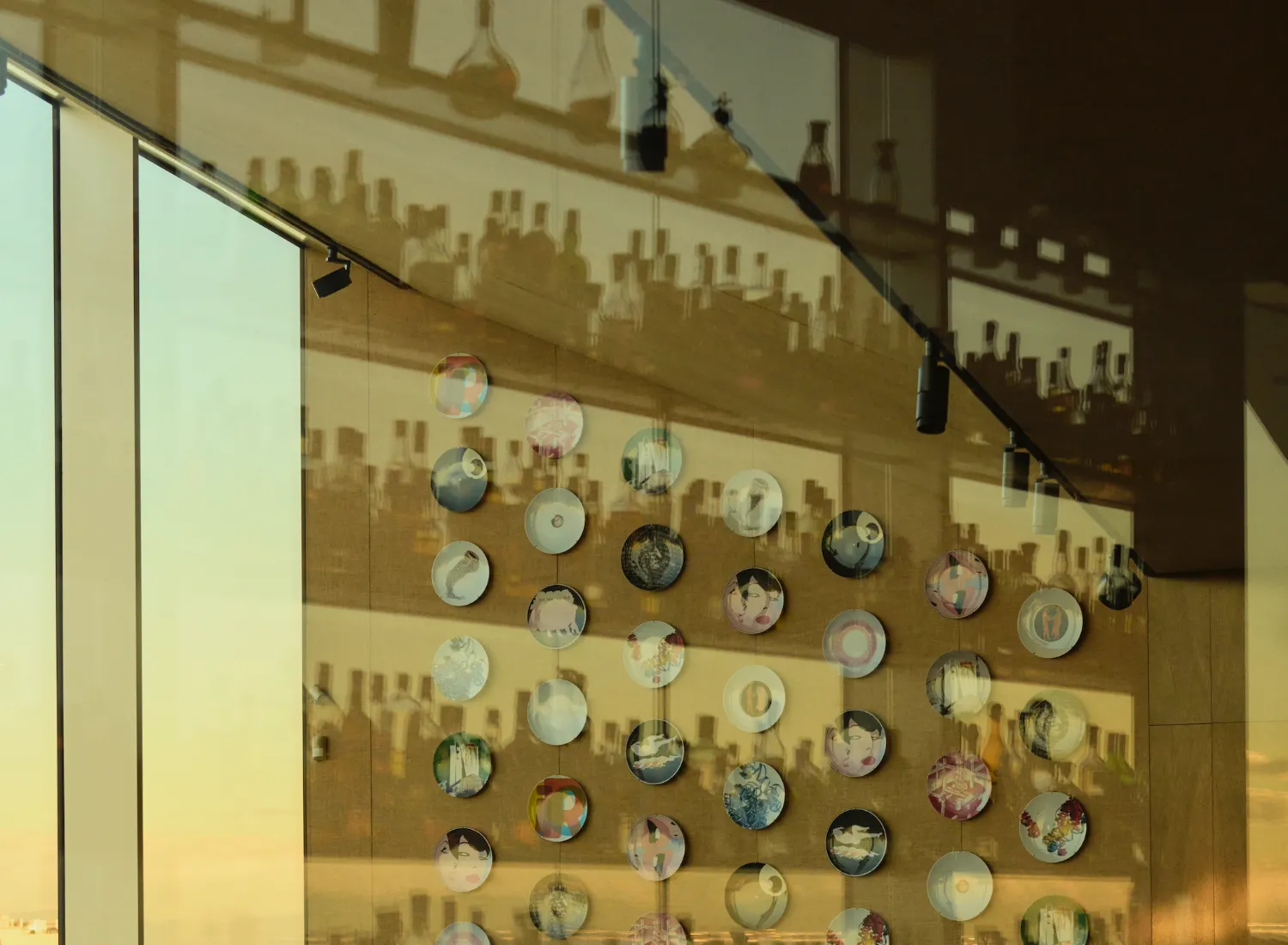
Amare serves fish and seafood, including crudo prepared in the style of Sicilian fishing villages, alongside busiate pasta with shrimp and pistachio and Sicilian sausage with bay leaves. Liolà operates as a trattoria and pizzeria, with a menu of caponata, arancini, panelle, pasta alla norma, and pizza with pecorino and basil. Zagara, the resort’s third restaurant, follows Pierangelini’s approach to Mediterranean produce — olive oil, citrus, tomatoes, fish — with a list of Sicilian wines.
Irene Forte Spa and Verdura’s organic farm
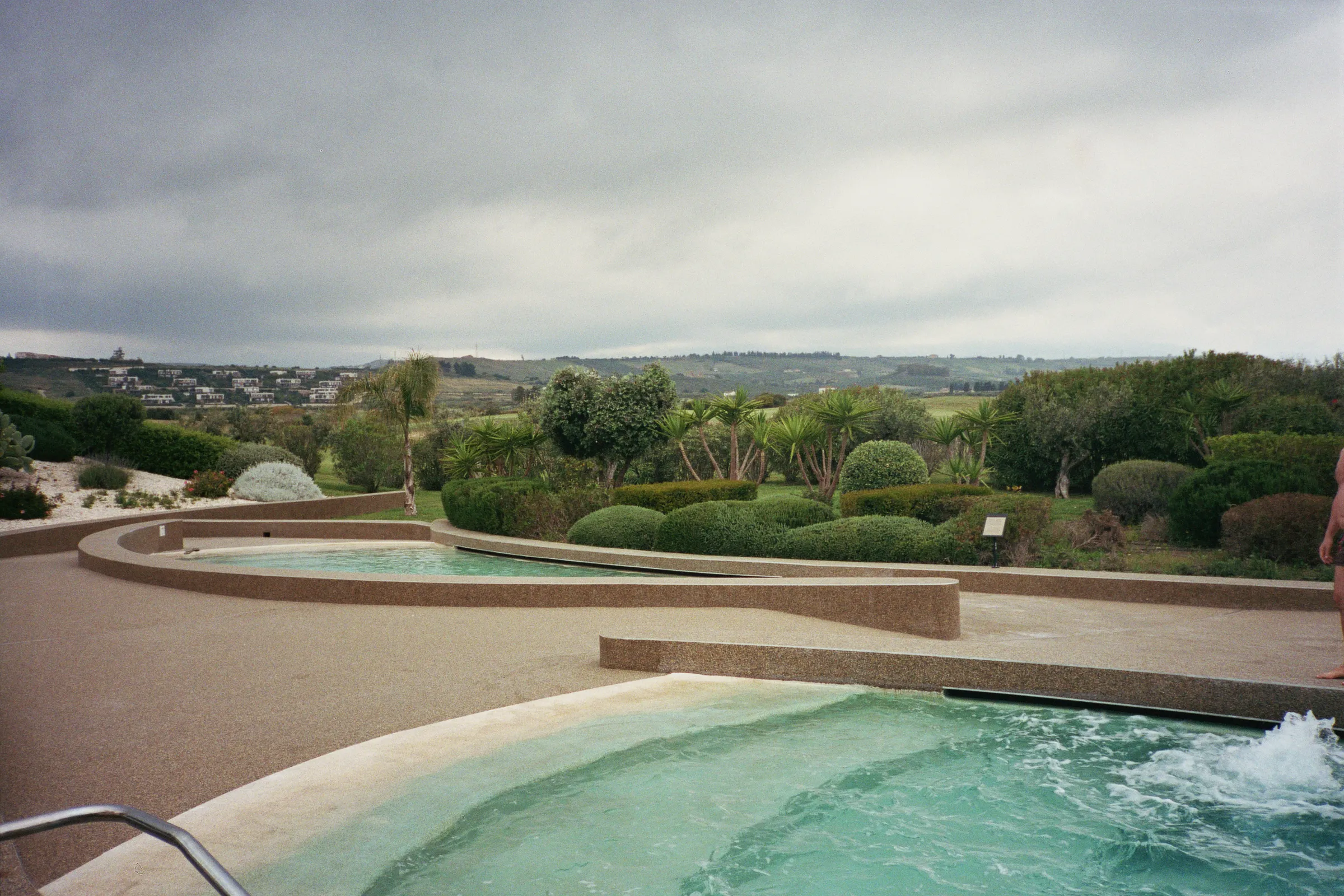
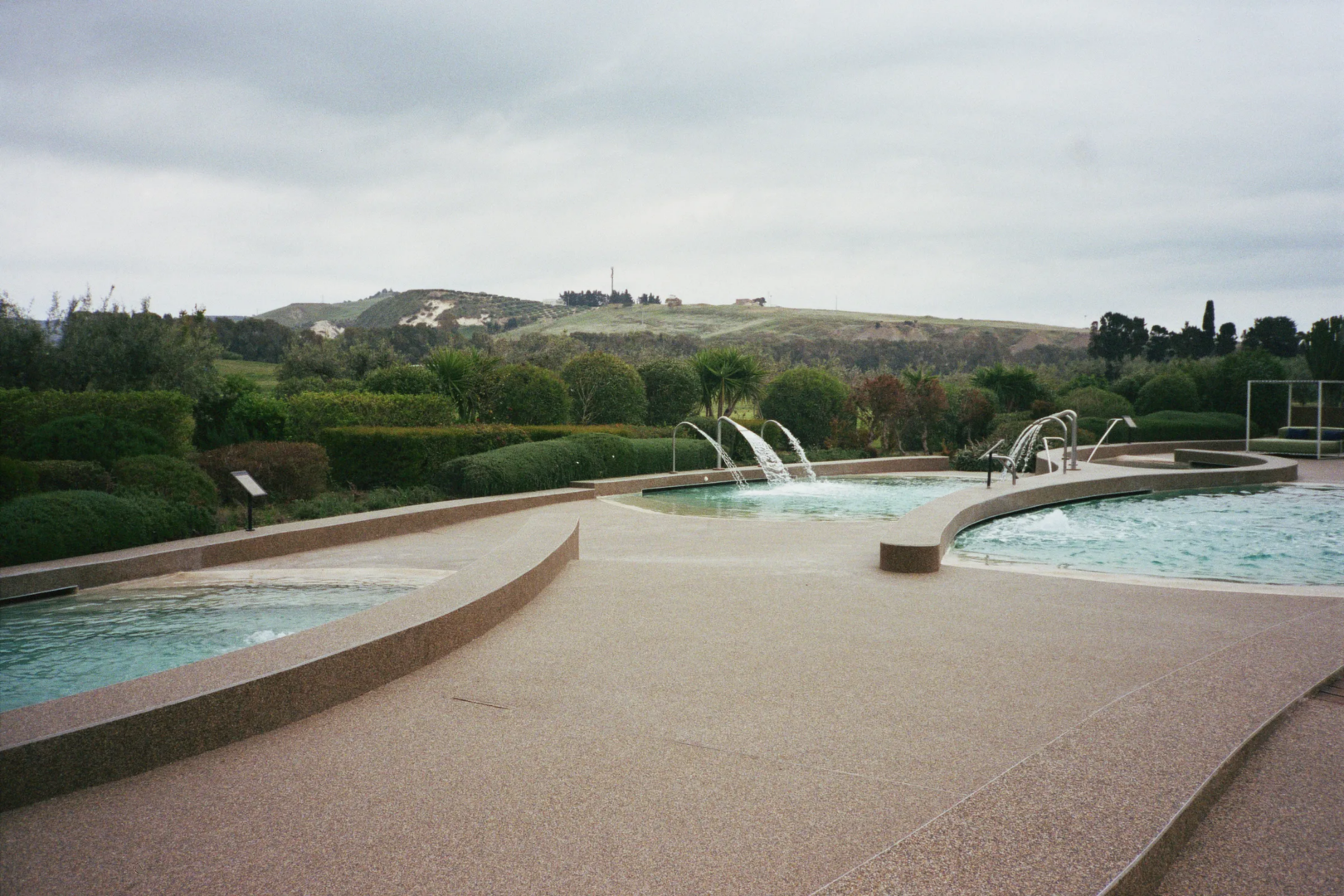
The resort’s spa, Irene Forte Spa, covers 4,000 square meters and uses skincare formulated from ingredients grown on the property: citrus, olive, almond, and aromatic herbs from the same farm that supplies the kitchens. The spa includes several pavilions and a central outdoor court; the estate also has six tennis courts.
Suites & Beyond: how guests move through the estate and the surrounding region
Guests in the Forte Suites and Suites have access to a program called Suites & Beyond, which extends into the surrounding region rather than staying inside the resort’s boundary. Options include a visit to Caltabellotta, a hill town recently identified as a Blue Zone, and breakfast arranged inside the Valley of the Temples archaeological park in Agrigento. Within the resort, the program covers private airport transfers, family benefits, wine-tasting and mixology sessions, access to the golf clubhouse lounge, and cooking classes at La Casetta nell’Orto, the estate’s farmhouse kitchen. Forte Suite guests receive additional benefits, including a golf lesson and a choice of fitness, massage, or personal-training sessions.
Rocco Forte Hotels: from a Regent Street milk bar to a family collection of fifteen properties
Verdura Resort is one of fifteen properties under Rocco Forte Hotels, a company Sir Rocco Forte founded with his sister Olga Polizzi in 1996. Their father, Charles Forte, born Carmine Forte in the Italian village of Mortale in 1908, moved to Scotland as a child and built the Forte Group from a single milk bar on Regent Street into a company running hundreds of hotels and restaurants. Forte Group was taken over by Granada in a hostile bid in 1996; Sir Rocco Forte and Polizzi founded a new company that year, initially without rights to the family name, which returned to them in 2001.
The group’s first hotel was the Balmoral in Edinburgh, bought from Granada in 1997. It now includes The Carlton and Rocco Forte House in Milan; Hotel de la Ville, Hotel de Russie, and Rocco Forte House in Rome; Hotel Savoy in Florence; Verdura Resort, the Rocco Forte Private Villas, and Villa Igiea in Sicily; Masseria Torre Maizza in Puglia; The Balmoral in Edinburgh; Brown’s Hotel in London; The Charles Hotel in Munich; Hotel Amigo in Brussels; and Hotel Astoria in Saint Petersburg. New properties are scheduled in Costa Smeralda and Noto in 2026, Naples in 2027, and Puglia in 2028.
Verdura Resort’s place on Sicily’s southwest coast
Verdura Resort sits on State Road SS 115, between Sciacca and the Valley of the Temples, in the province of Agrigento. Sciacca, a fishing port founded by the Greeks as a thermal settlement for nearby Selinunte, lies a short drive from the resort; Agrigento’s Doric temples are roughly an hour away by car, and Palermo’s airport is closer to ninety minutes.