Lampoon Ruvido — editorial identity and the coherence of a message
Lampoon Ruvido — from an American English vocabulary to ten years of publishing: the coherence of a message and the concept of rough
Lampoon — what does it mean?
I first encountered the word lampoon while reading a book by Orson Welles, in which he cited The Harvard Lampoon — the student pamphlet with its subversive impetus, peculiar to the imagination of American university students. In January 2015, CNN covered the attack on the Charlie Hebdo newsroom, describing the magazine as a lampoon. In the American English vocabulary, among the various available meanings, lampoon denotes an irreverent pamphlet. The concept of irreverent is close, by resonance, to the tactile one of rough.
Lampoon — from irreverent to rough
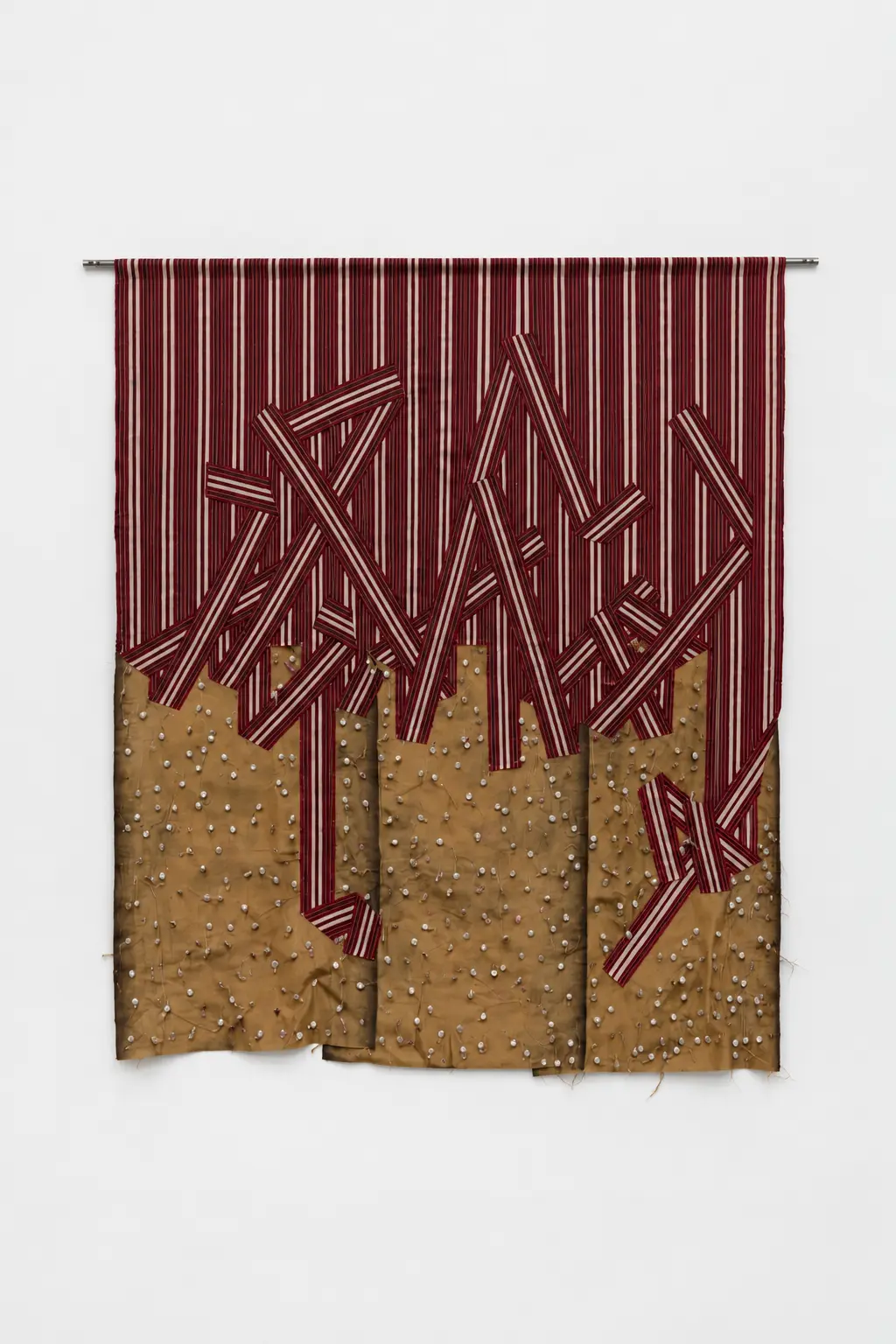
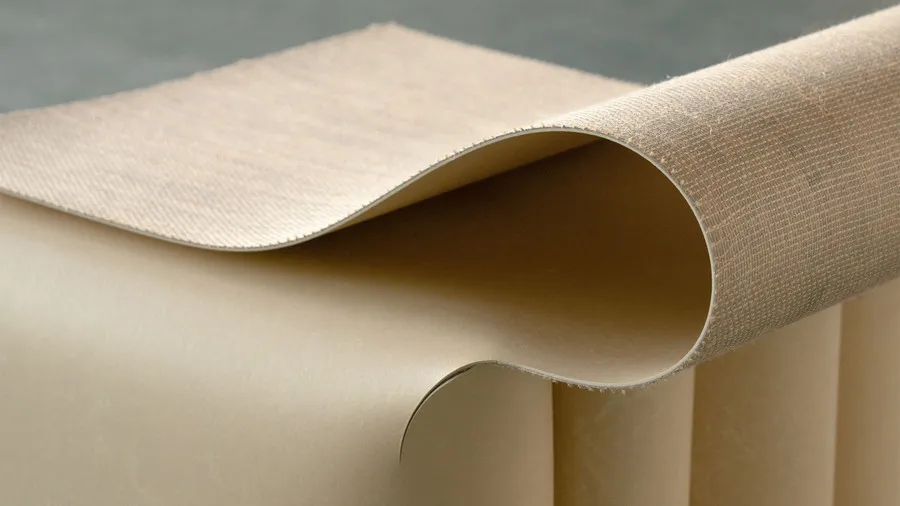
Much as I personally recognize myself in the definition of Lampoon as an irreverent pamphlet, the word itself — irreverent — is not my first choice: it carries a sense of provocation, a bid for attention, and it is too didactic as a label — which sits poorly with my work and my disposition. I choose titles and words capable of provoking a question, never an answer. Rather than calling Lampoon irreverent, I prefer to call it rough. Lampoon, a rough magazine – ruvido in Italian. For Lampoon we search for everything that is rough — we search for imperfections, impurities, the details of effort and reality, materials that breathe, never plastic. We seek natural fibers and discard synthetic ones. From this concept of roughness – ruvido – a cultural narrative and a visual context are born.
Lampoon, rough magazine – RUVIDO
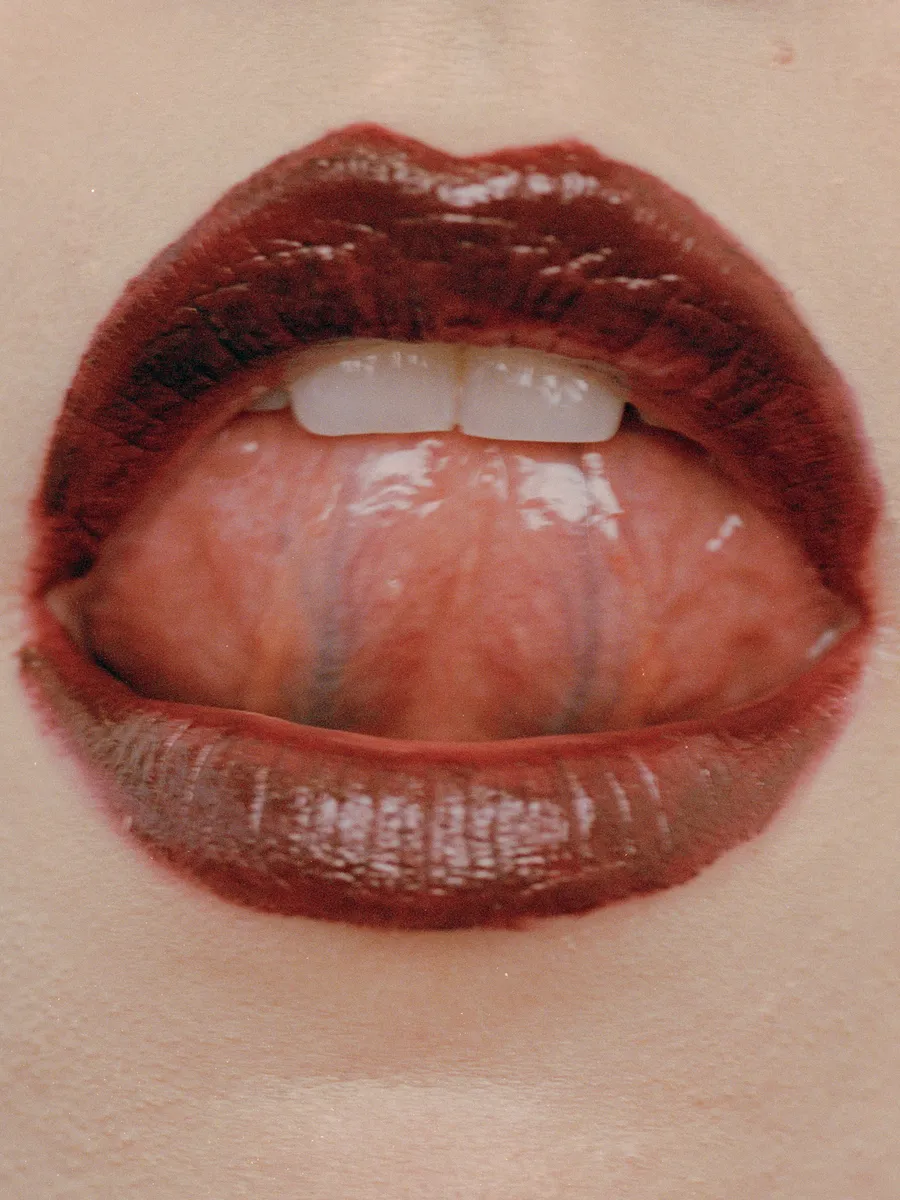
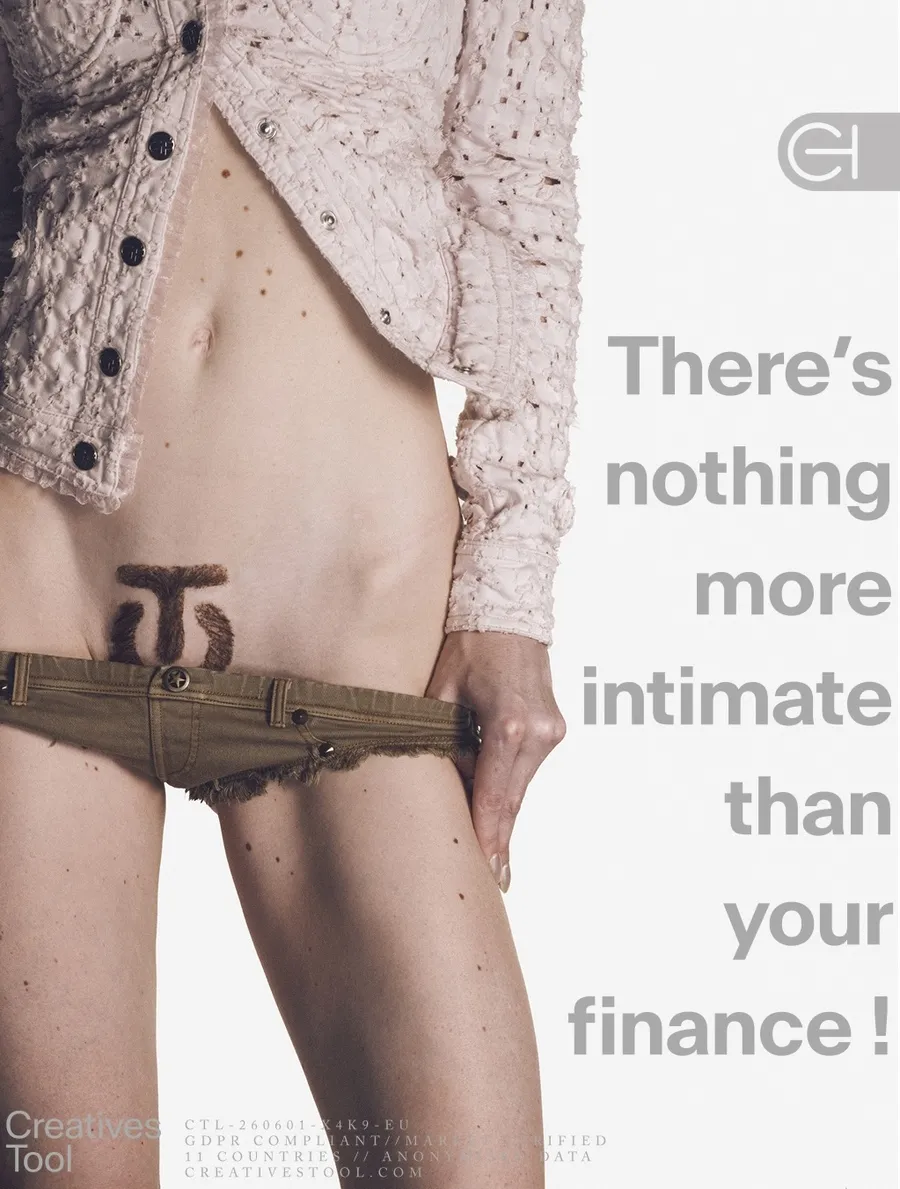
A cover with raw embossing, often analogue photography, post-production reduced to its minimum. No excuses, no retouching. Irony, metaphors, analysis. A rough attitude is built on self-esteem, on the pursuit of risk, on the arrogance of our errors, our flaws, our failures — a man is rough when he falls in the mud and when he gets back up, not when he sits in an armchair or on a throne of glory. Authenticity, rough, imperfection: we are made of effort and sweat, of love, of skin and hair.
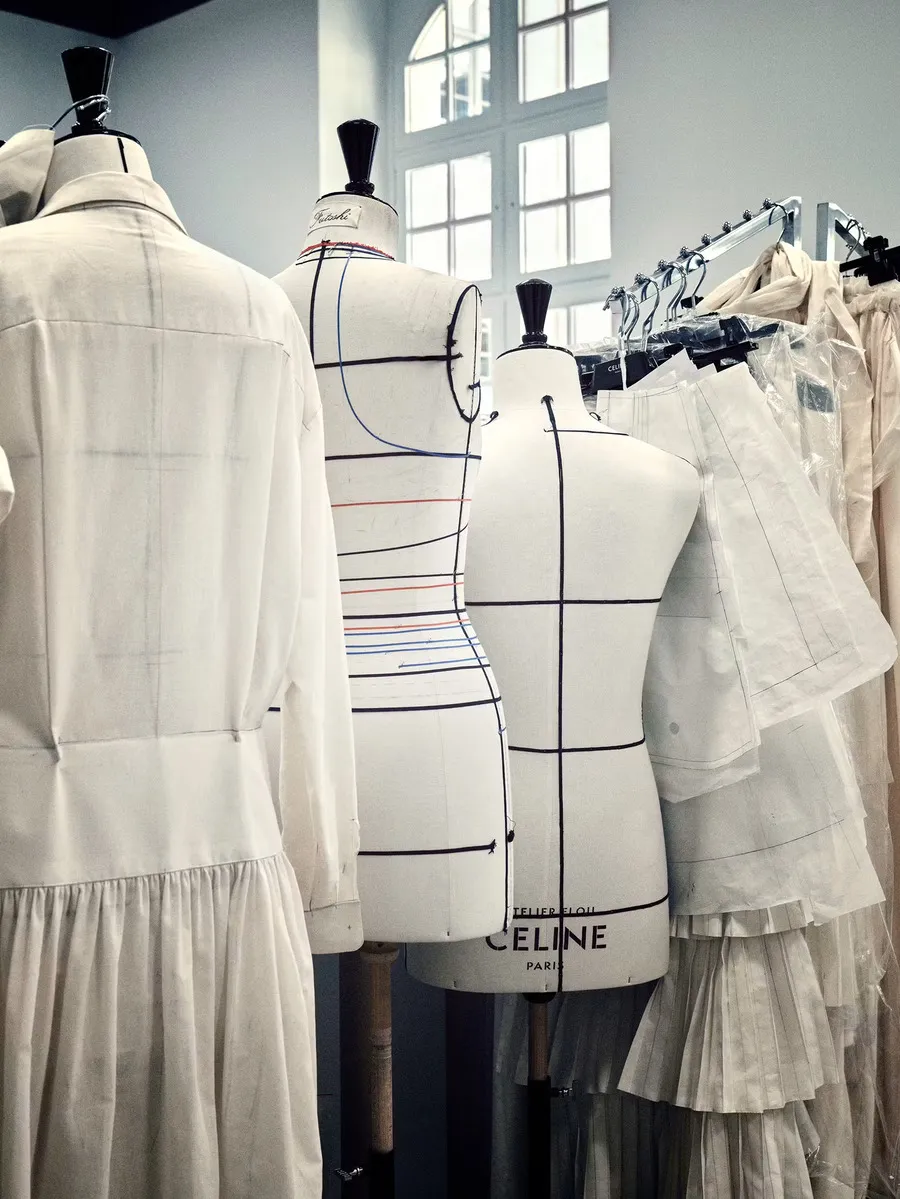
There is nothing we despise more than plastic. Synthetic fibers — polyester, viscose, elastane. Too much of what we wear is made by blending synthetic fibers with natural ones, padding them with polyurethane to make them soft. We need to start choosing garments free of plastic: fabrics that let the skin breathe; when you sweat in plastic, the skin smells stale, rancid. Human skin, in sweat, releases salt, earth, water, perspiration, and blood. Plastic renders everything smooth, compact, solid — we love the hard and the bare, the rough human soul, layered, pornographic, dirty, honest. Plastic is necessary in hospitals — this we respect.
Lampoon, the writing: superlatives are forbidden — what can be extraordinary?
The writing: sixty to eighty journalists around the world — working in different languages, publishing with us in English or Italian — write according to our editorial guidelines: adjectives are banned, adverbs are banned. Words like “important” or “essential” are banned. Superlatives are banned, and the word “extraordinary” is perhaps the most despised — who can presume to establish what is ordinary and what is extraordinary? What matters lies in the capacity to recognize a detail. We want everything to be sharp, essential, like a natural fiber. We look for bites, to open cracks even in mirrors.
Independent publishing. What is it? What does it mean?
By definition, publishing is the industry that disseminates an authorial expression: a text, a photograph, a video. Authorial, because it carries the personal experience of whoever created it.
In relation to traditional publishing, independent publishing must go one step further: the authorial expression must carry a message. For Lampoon, this message is civic, ethical — even political, as I said. For other outlets, the message might be purely aesthetic, historical, stylistic. Independent publishing defines itself through coherence with its own message. A coherence that must take priority over every decision, over any commercial, diplomatic, or financial strategy.
Lampoon, rough – Ruvido
In a magazine like Lampoon, as in other independent publications, photographers, stylists, and other creatives must be free to do what they believe in. Coherence with one’s own message must already be established at the moment a publisher selects the creative talent they will work with. A fiction book publisher will choose to publish the texts where they find their own message reflected. Lampoon works with photographers, fashion editors, stylists, with any creative talent who has already developed, through their own personal journey, a concept of rough. Through their expressive freedom — already native to this rough world — Lampoon wants to inflect, evolve, and amplify its own concept of rough.
The role of the editor is limited to this: the choice of an author — an author of a text, of an image — and explaining to one’s audience why this author was selected and approached: that is, for a coherence of vision between the author’s creativity and the message the editor wants to transmit.
Lampoon marks ten years of activity in 2025 — from Nick Knight to Stefano Boeri
In 2015, fashion was not democratic: it addressed itself exclusively to an elite world — today, by contrast, it has become too democratic, to the point of having lost its aspirational magnetism. Lampoon was born at that moment: at the dawn of fashion’s democratization. The theme for the very first issue was Snob & Pop.
Lampoon was a catalyst. It was madness, a party. In 2017, we reached our highest revenue — but on the editorial front we had to confront serious problems. Lampoon presented itself as an independent publication, yes, but simultaneously mainstream. A duality that did not work. We had to change our approach. The power of digital exposure had revealed its boomerang effect: anyone who had abused it now found themselves managing a reputation problem.
We went to London and met Nick Knight — he agreed to work with us. We asked Susanna Cucco to lead the graphic effort. A year later, Alex Fornaro took over the creative direction of the magazine and the entire publishing house. I learned to trust others, to let others do what they knew — what they know — how to do better than me. I am a publisher, I am someone who writes — someone who studies fashion and learns to understand photography. I stopped talking, stopped shouting — I learned to listen.
I was no longer the glam boy who went out in the evenings and invited you to every party — I wanted to grow, too. Above all, my sensibility — the one I mentioned above, my capacity to read the passage of time — forced me to change perspective. The years passed and the world demanded a raw honesty, no discounts. Perhaps I could not rationalize it, but I felt it.
In 2019, I requested a meeting with Stefano Boeri. I wanted Lampoon to find a banner to march under, a commitment to dedicate itself to. I wanted Lampoon to represent Milan to the world — and I wanted Lampoon to become what it was meant to be: a bastion of civility and culture, not a marketing and PR agency. It was a drastic position — at a moment when other publishing groups, other magazines, were transforming themselves into content factories, into creative agencies hunting for clients.
With the pandemic, ambition becomes emergency: five years of obsession with doing better
The pandemic crisis arrived. First emergency, then survival. I made the decision to dismantle the commercial division: no one would be going around Milan and Paris knocking on doors to close advertising contracts. We would simply do our work: if this work of ours was good work, clients and advertisers would come of their own accord. They would come because they would appreciate Lampoon‘s civic message and authorial coherence.
Stefano Boeri signed as editorial director alongside me and Alex Fornaro, for the issue that marked our transformation, in autumn 2020. Lampoon, the Italian quarterly as it had been founded, had run its course — Lampoon was reborn as it is today: an international publication curated in Milan, biannual.
Lampoon, what it is now
Research, coherence, and identity. We became obsessed with improving, with raising the level, with going further. So much ambition, so much work, and so many tears in the inevitable falls — and so much love in getting back up. We kept telling ourselves that no work is more beautiful than ours, frightening ourselves at how many people could do without it. Every day we asked ourselves which direction to take, what the meaning of our research was. We worked without reservations, without shortcuts, without concessions — only to give more rigor to our coherence, to our editorial identity.