Monument London: editing history through objects
Archival design presented with restraint: objects removed from context to reveal authorship, tension, and form. Based in London, Monument was founded by Leah Forsyth-Steel and Victoria Spicer
This conversation is part of Lampoon’s column on Talent, Taste, and Transformation curated by Anouk Jans.
AJ: Monument doesn’t feel like a gallery that accumulates objects, it feels like one that edits history. How do you decide what deserves to remain visible?
ML: Instinct leads us. What draws us in, what was the designer’s intention, what challenge were they responding to? We’re interested in pieces that resist convention or practicality — objects that question something. When we consider a piece, we imagine where it could live. If it feels like corporate art in a finance tower lobby, it’s not for us. That instinct usually tells us what to leave behind.
AJ: Working with archival furniture means engaging with time as material. What does time add that contemporary production can’t?
ML: Wear, oxidation, patina, scuffs. They give history and therefore longevity. We’re surrounded by immaculate interiors that look like renders. Humans don’t live like that. We accumulate what we need, what we’re given, what we seek. That leaves marks. Time gives resonance. Rarity works similarly — it isn’t only about attribution or limited numbers. It can be a prototype, an experiment, even an anonymous piece that warrants attention. Relevance comes from connection.
AJ: Taste here feels disciplined, not nostalgic. How do you keep history from becoming decoration?
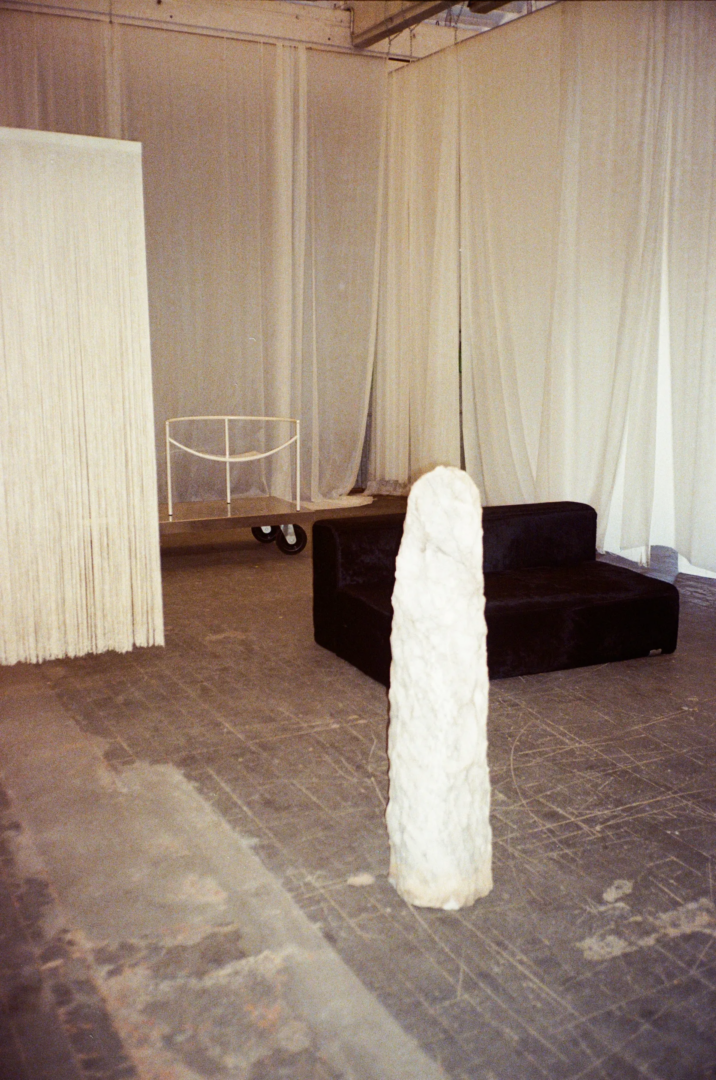
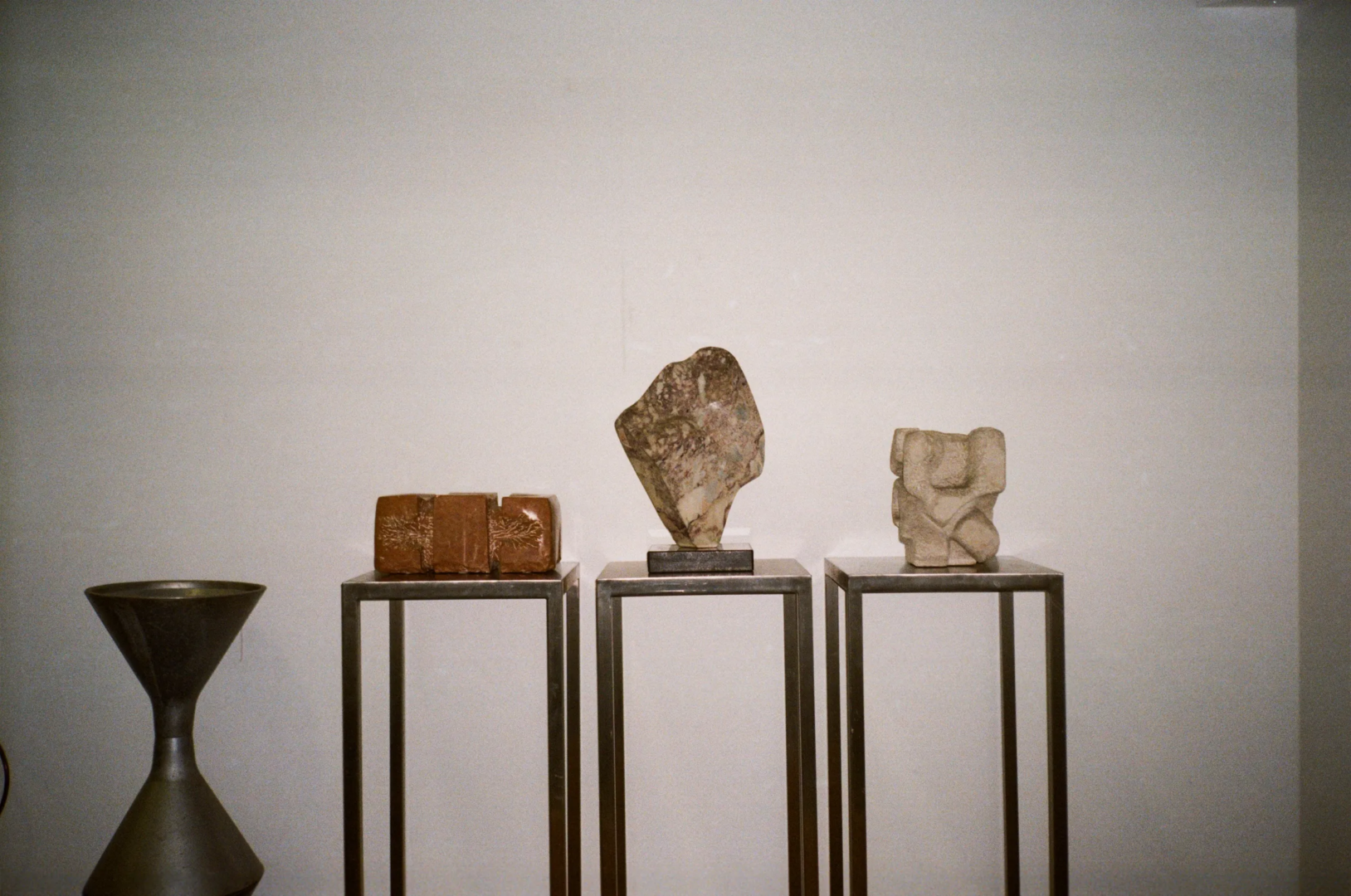
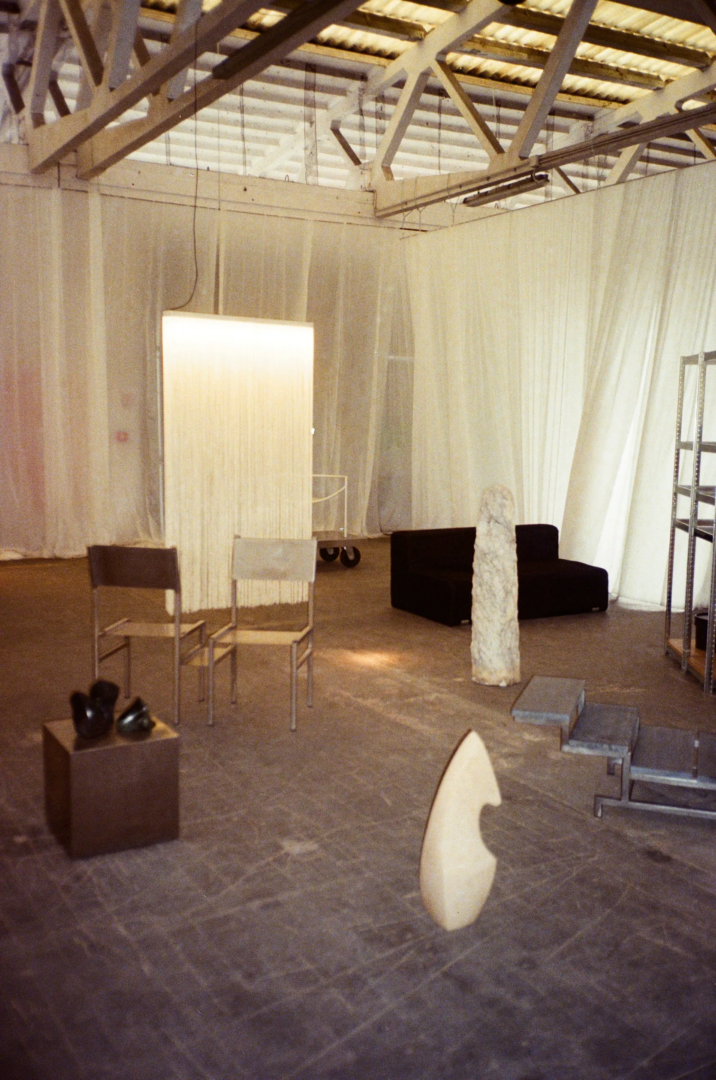
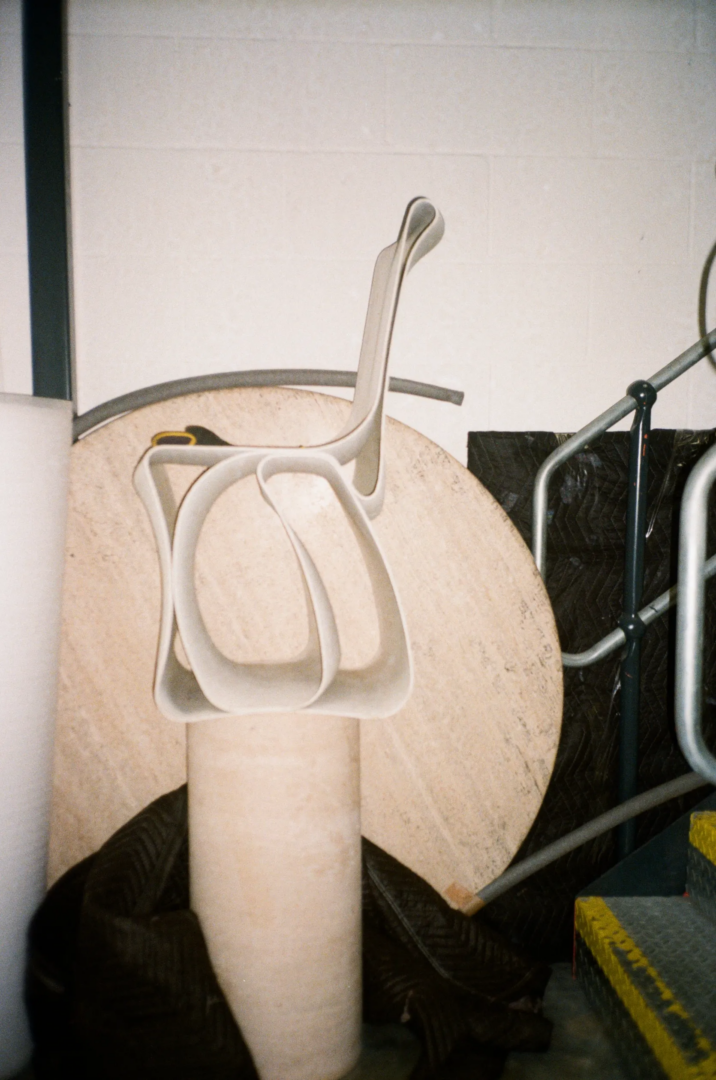
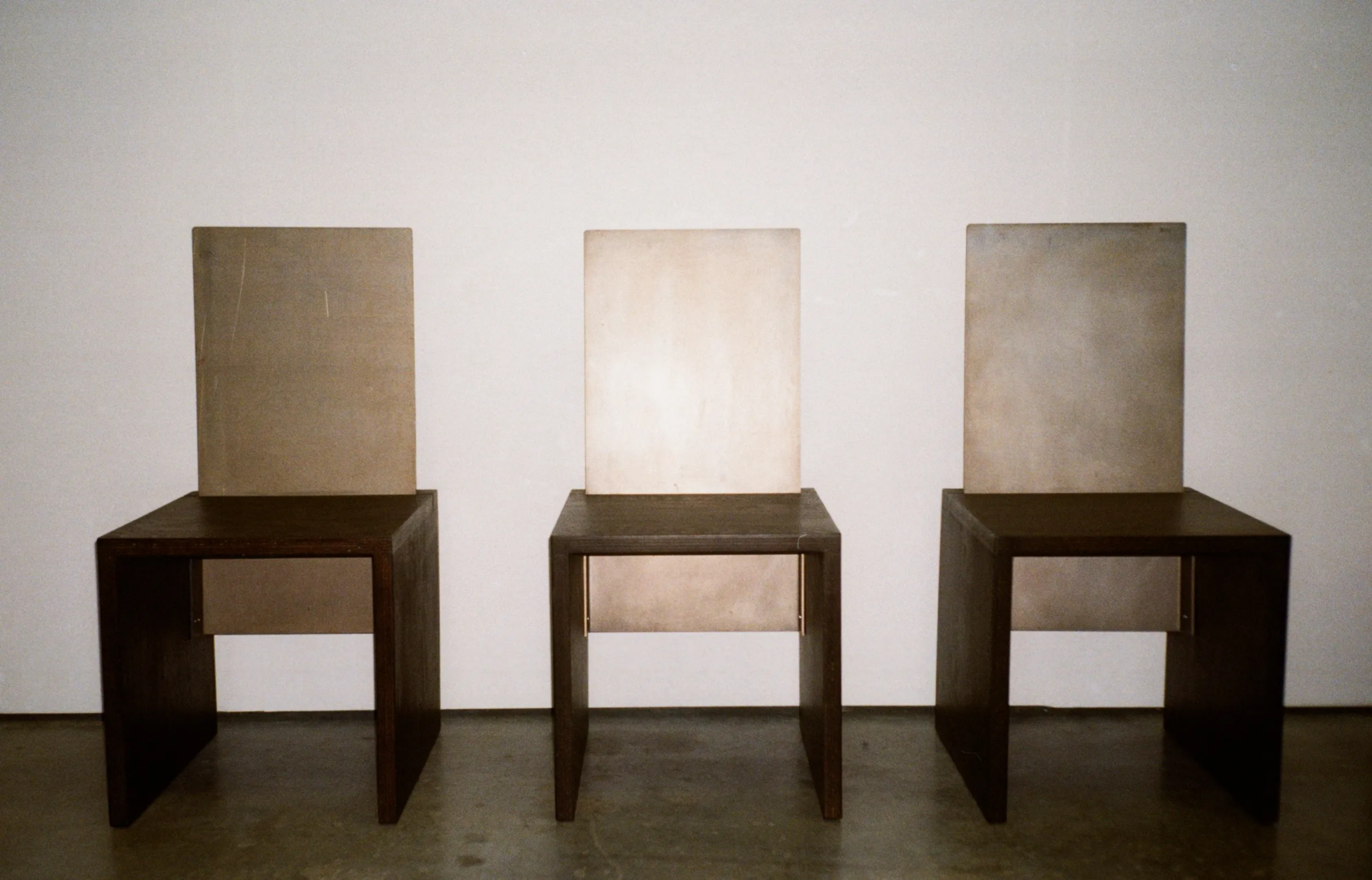
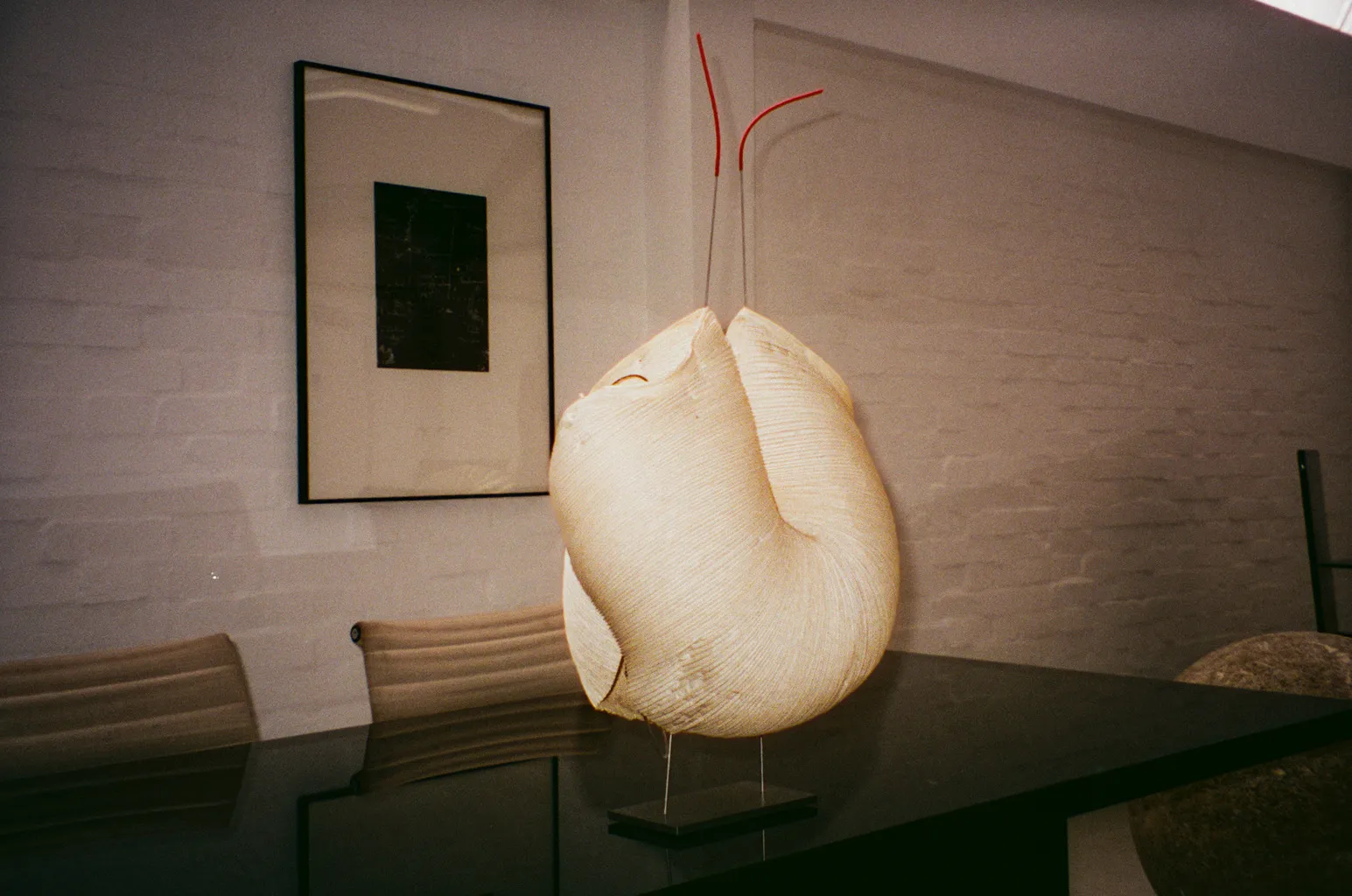
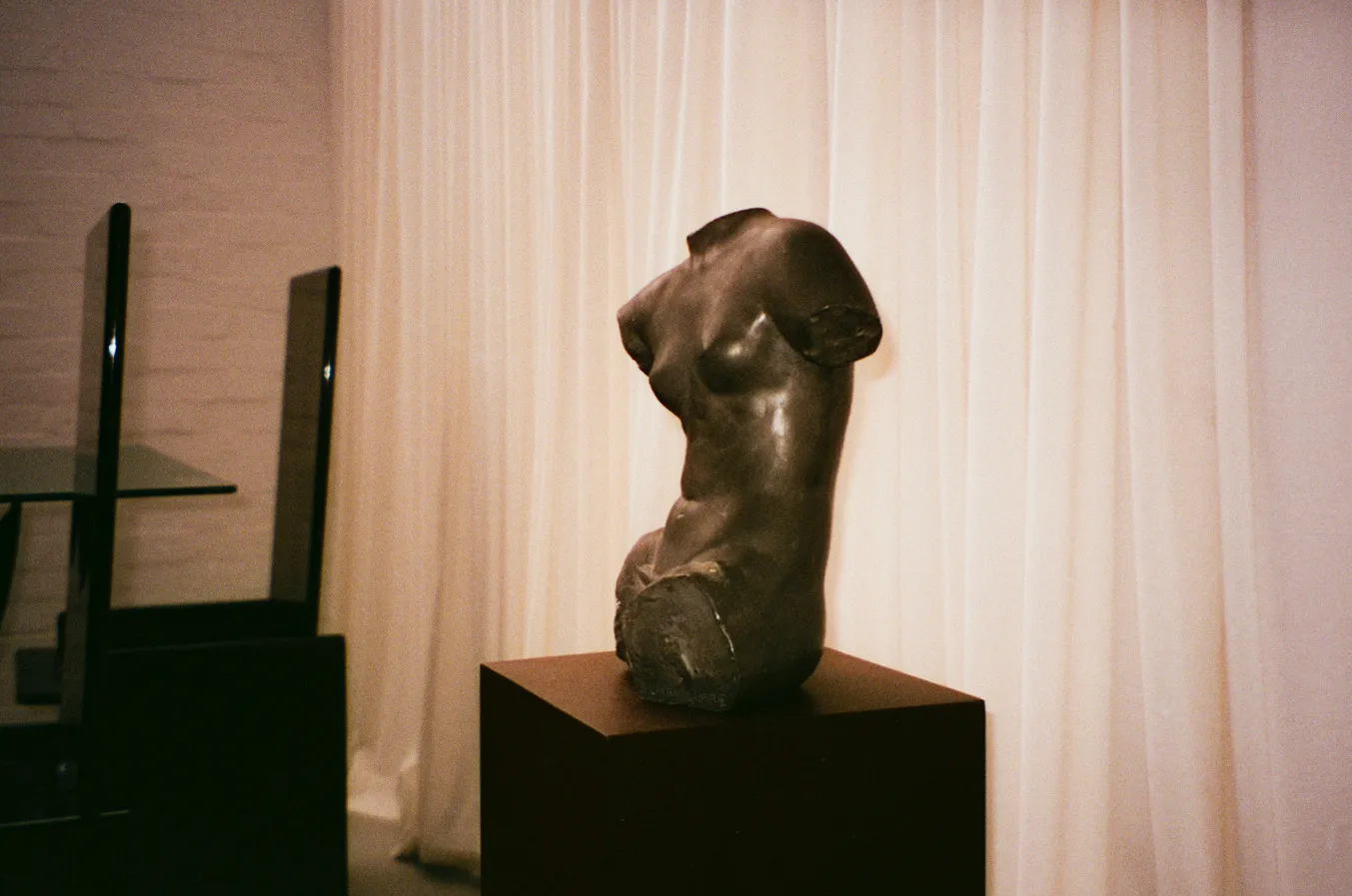
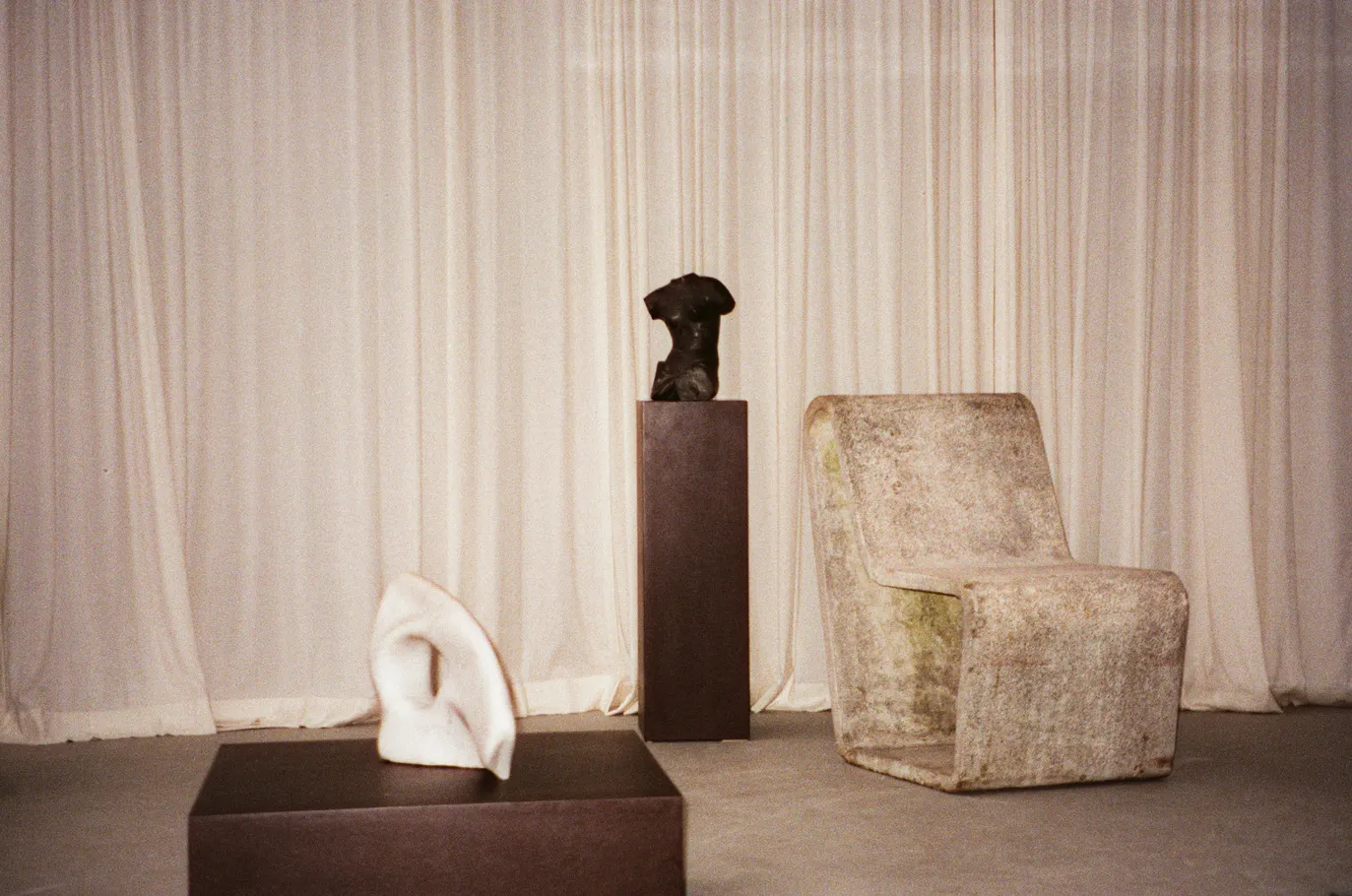
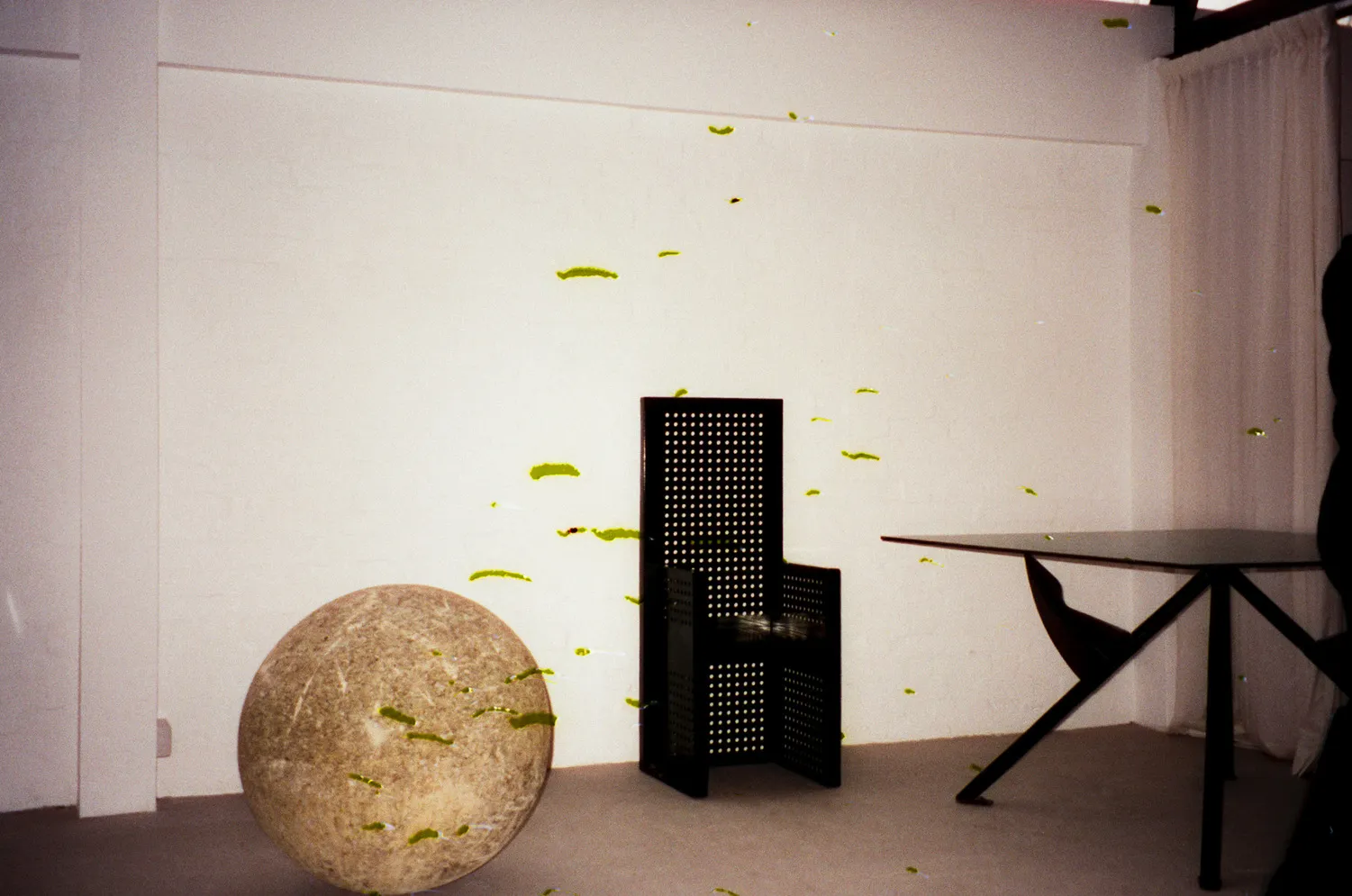
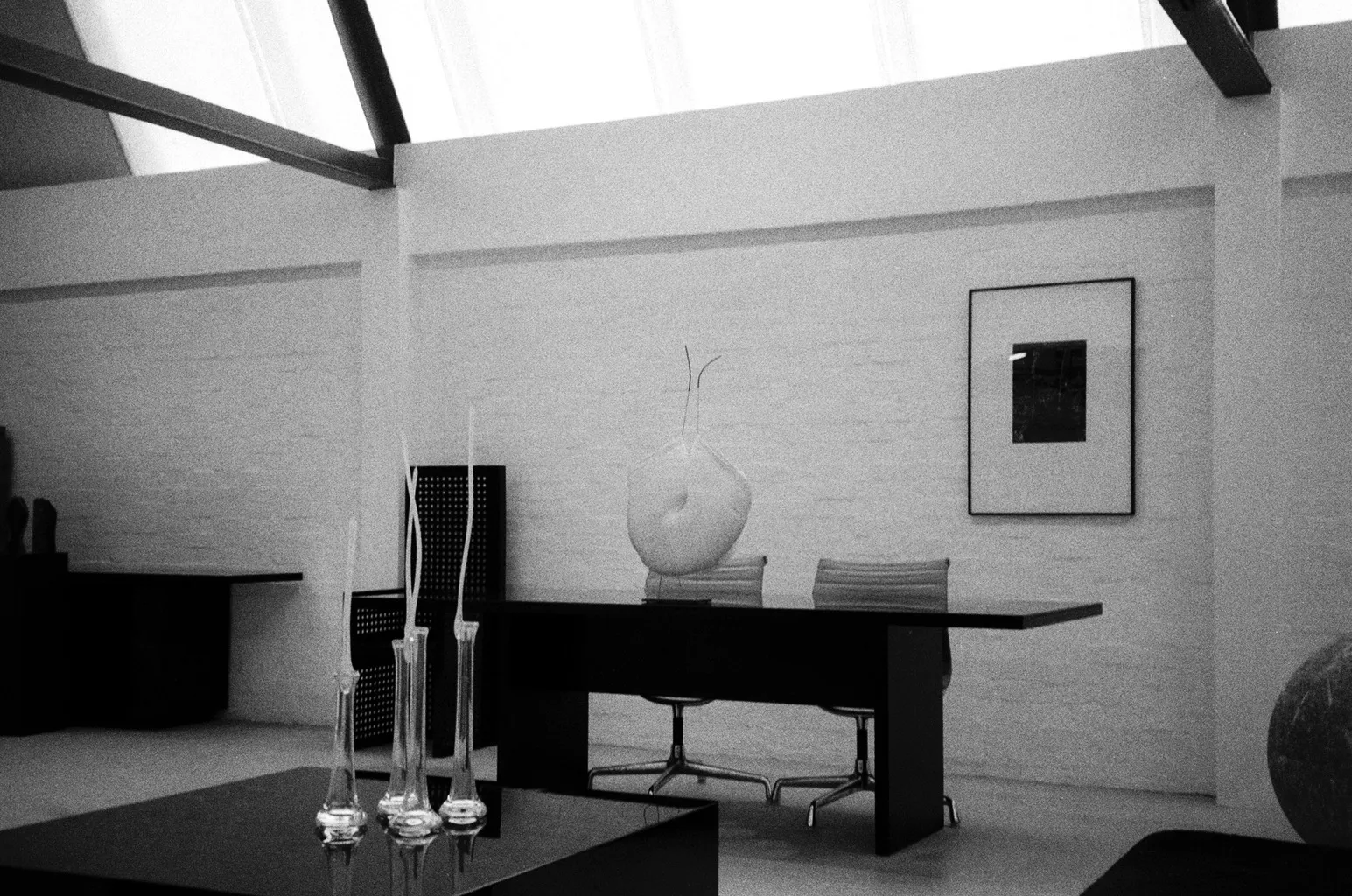
ML: Through restraint. Each piece stands alone. We made a decision early on not to present works in domestic compositions — no layers of decoration, objects shown individually, without staging. We give each piece space to breathe, like a museum would. The viewer should have room to consider the maker’s intention. We share our interpretation to prompt reappraisal, not to override authorship. There’s too much noise. Restraint creates space for contemplation.
AJ: Many archival objects were created in very specific social contexts. How do you present them without freezing them in the past?
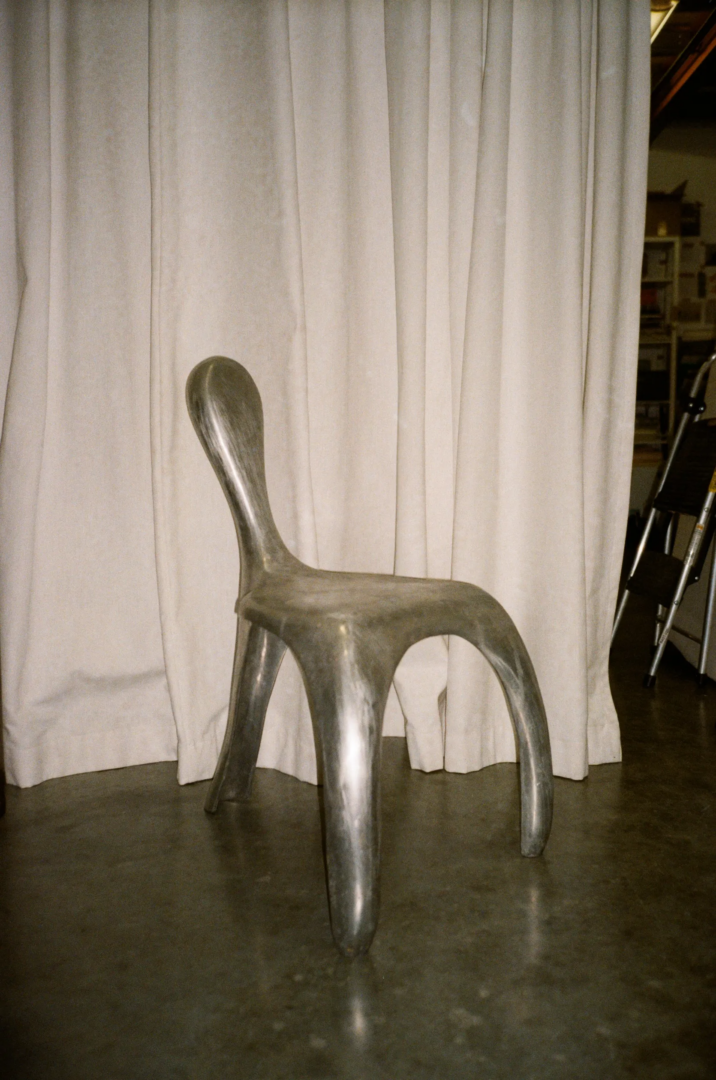
ML: Recontextualisation gives them new life. We respect provenance, but we present works in the present — not as relics, but as living objects. When a piece is removed from its original setting, it can feel unexpectedly current. That shift creates forward movement. We like when a piece disrupts a space: something both beautiful and uncomfortable. Placement shifts interpretation. Decontextualising a piece allows it to operate beyond function. It asks you to look again.
AJ: Running a gallery together requires shared intuition. Where do your perspectives differ, and why is that necessary?
ML: Our tastes evolve constantly. Sometimes we’re aligned, sometimes one of us has to argue for a piece. That tension strengthens decisions. Difference makes the process more rigorous. As visibility grows, we stay focused on what interests and excites us. We don’t look sideways. Intuition protects our point of view.
AJ: Being women in a space historically dominated by male collectors and dealers carries its own weight. What responsibility do you feel toward the next generation?
ML: The landscape has shifted, but we bring a different perspective. It has required us to be less apologetic and more decisive. We don’t frame preservation as responsibility exactly — second-hand is already more widely appreciated. Perhaps our role is aspirational: to elevate pieces conceived to provoke thought rather than simply fill space. There is enough disposable design in the world.
AJ: Is there a piece at Monument you feel especially attached to?
ML: The Royalton bench by Philippe Starck — designed for the Royalton Hotel in New York in the late 1980s. Cherry wood, a cast aluminium spine. It feels structural, deliberate. And the Christoph Siebrasse Contemplation daybed: steel, stone, felt. Concept-driven, resisting furniture conformity. It invites presence rather than consumption.
AJ: What kind of characters are drawn to Monument, and what do you value most in them?
ML: People who treat acquisition as long-term. Usually creatives who see furniture as part of self-expression, not just decoration. What we value most is simple — that they see what we see.
AJ: What cultural footprint do you hope Monument leaves, beyond objects and ownership?
ML: We hope to encourage attention. To consider the form, context, and presence of objects rather than just ownership. To create dialogue between design and curation, not just commerce. Home remains a dialogue between objects. That conversation is what began Monument.